
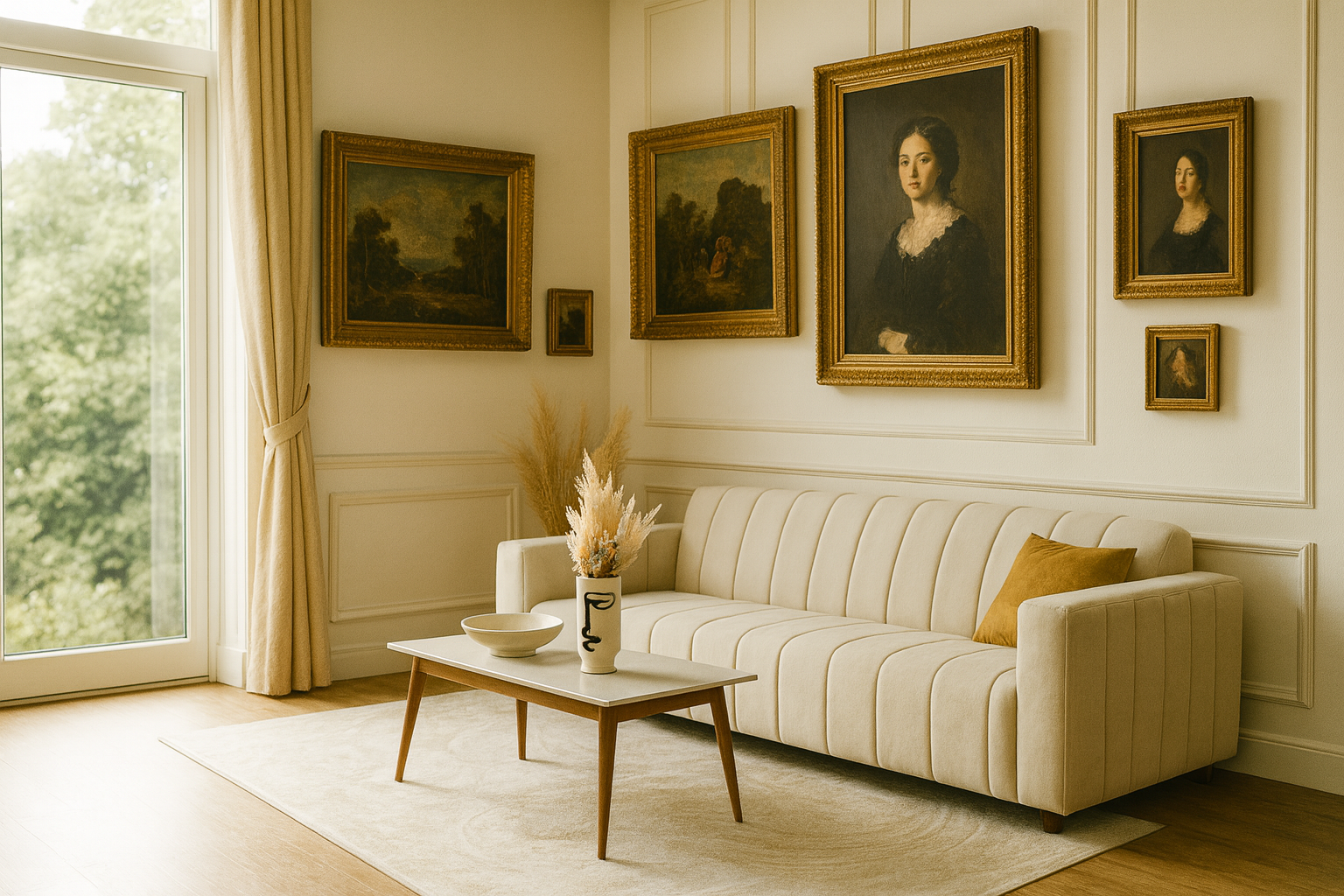
A Modern Take on Classic Living
Traditional home decor explained by designers who actually use it. Real advice on color, layout, furniture, and what still holds up today.
Traditional Home Decor: Real Rooms, Simple Moves, No Theater
What You’re Really After: Let me give you a small boost. Making a calm room that people actually use is easier when you lean on traditional decor. A clear center. Light that’s kind to faces. Materials that feel honest. Choices that age well. I’m writing this the way I’d walk a junior through a house: straight talk, field notes, and a few links when they help.
Start In The Right Place
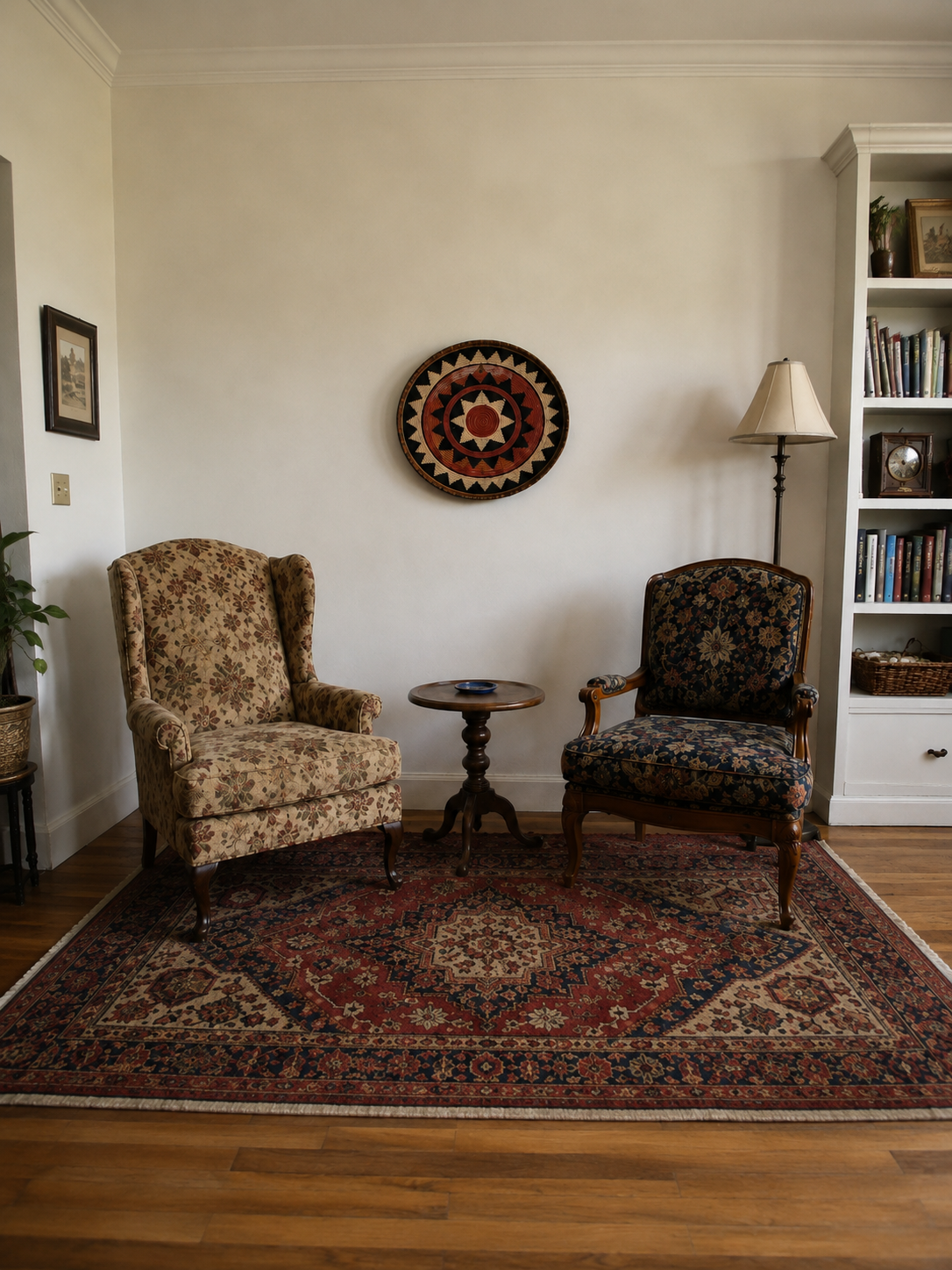
Know The Shell You’re Decorating: Before you touch a pillow, read the room. Head heights, casing width, window rhythm, ceiling line—those are the rules you decorate inside. If you want a quick orientation, take a short spin through spotting your house type by eye. For the bigger picture on why classic homes feel settled, skim our overview of traditional house logic. Ten minutes there beats hours of backtracking later.
What “Traditional” Feels Like Day To Day
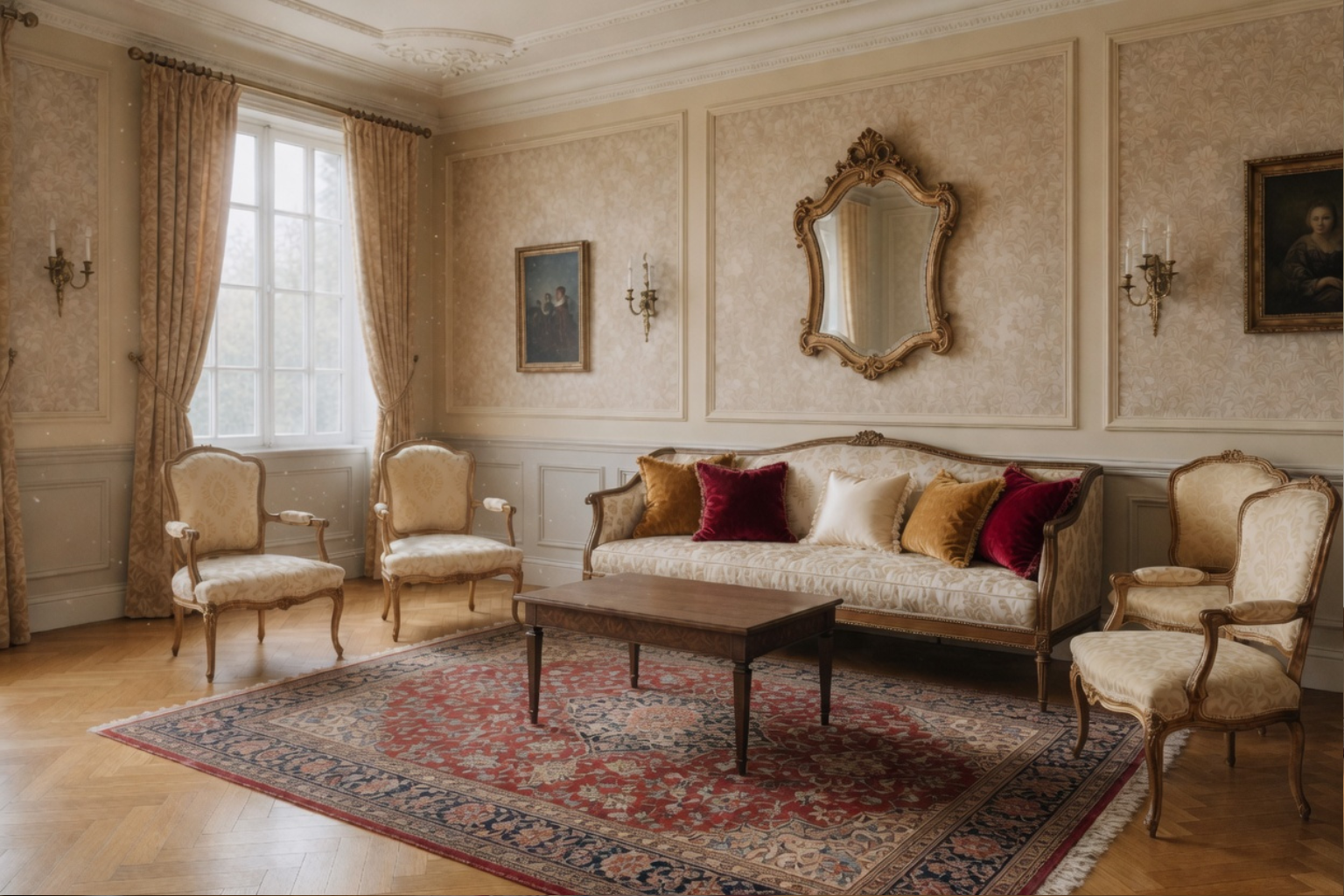
Order With Warmth: Traditional decor is calm on purpose. The plan reads cleanly. Fabrics have a bit of weight. You can sit without moving five pillows. Lamps make people look good at dusk. When the bones—base, casing, crown—speak the same language, the rest layers without noise.
Give The Room A Real Center: If there’s a fireplace, respect it. If the view wins, let it lead. No anchor? Create one with a low cabinet and centered art or a shallow mantel and a picture light. Once the center is honest, conversation distance, pathways, and comfort stop fighting you.
Living Room: Make It Quiet, Useful, And Warm
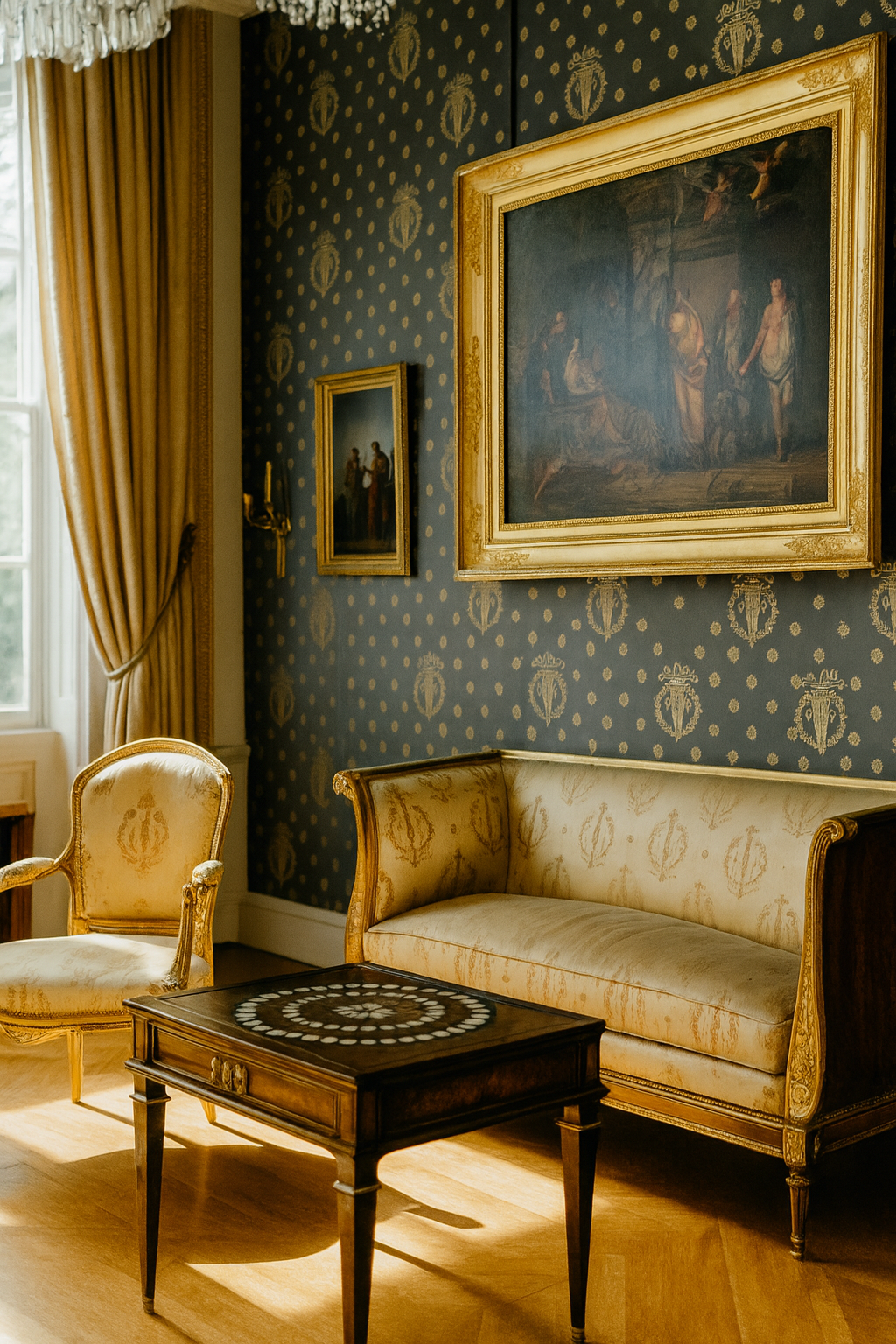
Pull The Seating In: Most living rooms die because furniture hugs the walls. Pull the group to the middle. Use a rug big enough that front legs land on fabric. That single move makes the setting read as one thought.
Use Pattern Like A Beat, Not A Parade: Three is plenty: one floral or figure, one stripe, one calm solid with a shared color thread. Vary scale and stop there. “Layered” isn’t “busy.”
One Modern Move Per View: In a classic envelope, one clean piece per sightline is enough—a crisp coffee table in front of a roll-arm sofa, a bold canvas above a traditional mantel, a streamlined pendant under crown. Stop at one so the bones stay in charge. If you want a deeper dive on balancing the two, my room-by-room take is here: how to keep modern and traditional from arguing.
Borrow A Center When The Room Won’t Cooperate: Long rooms rarely have a midpoint anyone uses. Create a “borrowed center” on the wall the group actually faces—low cabinet, shallow mantel, or centered art with a picture light—then center the rug and overhead to that point. The eye believes the floor and the light, not the tape measure.
Keep Metals Speaking The Same Language: Pick a family—aged brass, polished nickel, painted iron—and repeat it across lamps, picture lights, and small hardware. Scatter five finishes and the room starts arguing with itself.
Function First, Then Finish: If you’re stuck styling, step back and write what the room actually does—talking, reading, watching, hosting. Then decorate to that job. If you need a no-nonsense reset, this walkthrough helps: plan the room you really use.
Dining: Scale And Light Do The Heavy Lifting
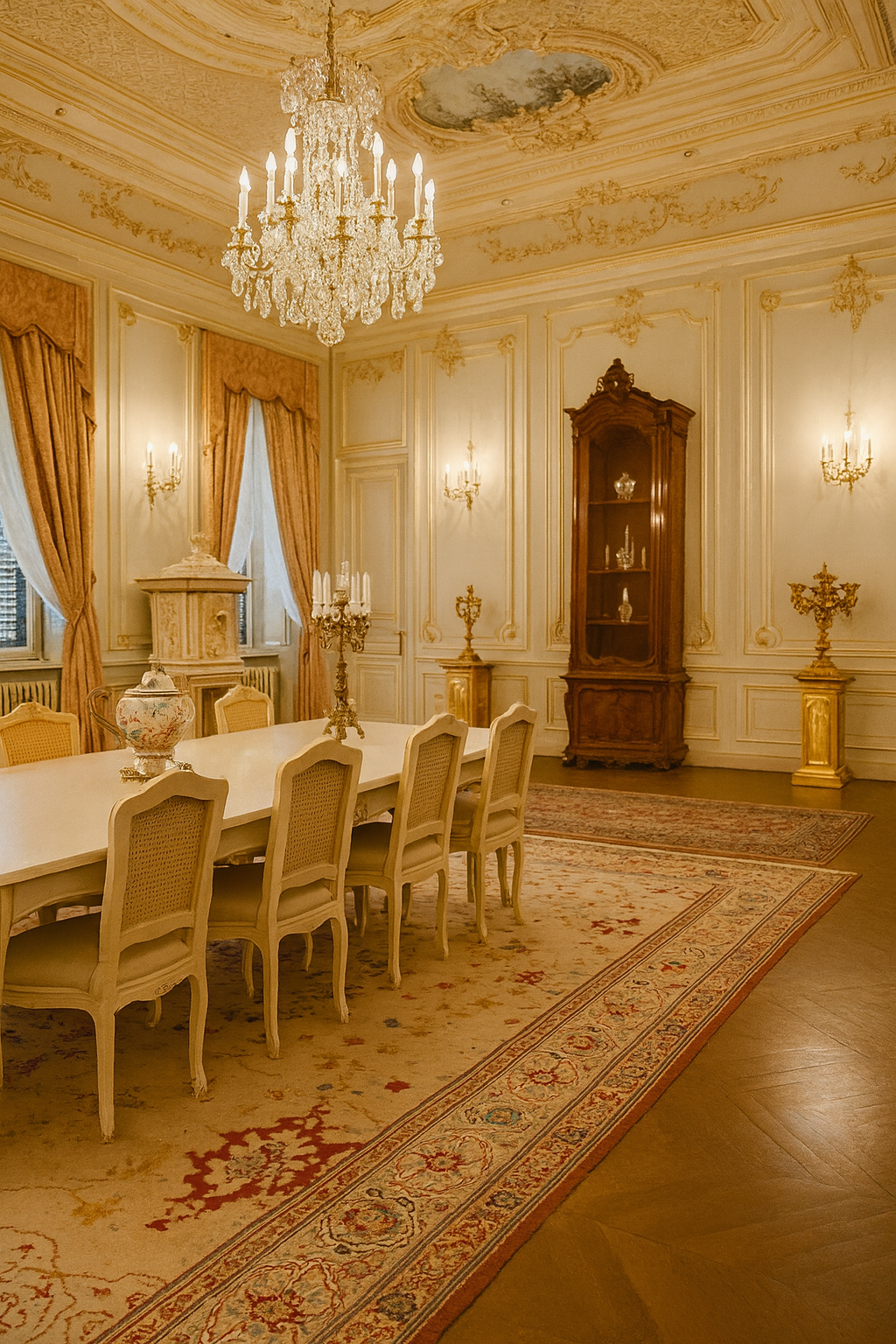
Marry Table And Fixture
Keep the table centered under a light that hangs low enough to gather the zone. The two should read as one object. If you’ve got wainscot, match chair back height to its line so the silhouettes feel deliberate.
Pick Fabrics You Don’t Baby
Linen with tooth, cotton with body, wool blends that take a spill—performance weaves are fine if they feel like real cloth in the hand. Traditional rooms earn respect by how they wear, not by how they worry.
Kitchen Next To Living? Bridge It, Don’t Costume It
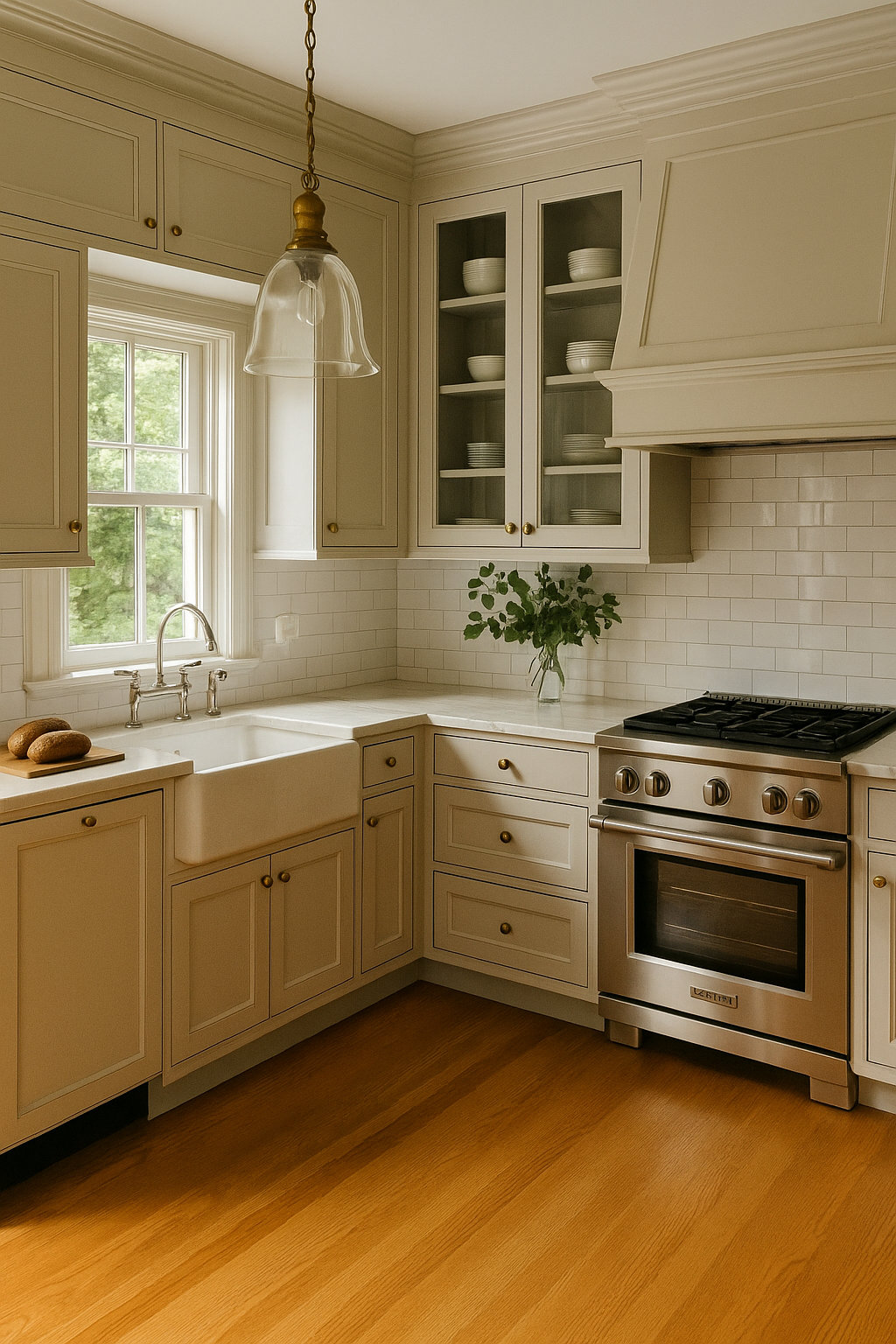
Keep The Handshake Clean
If your living room opens to the kitchen, make them share a temperature and one wood tone. Use framed doors with simple rail and stile, keep hardware quiet, and panel the big boxes when sightlines want calm. Align outlet heights so the backsplash isn’t a billboard. For colors that last, borrow from kitchen palettes that don’t date fast and echo one tone in a stripe or throw across the room.
Hide The Tech, Protect The Touch Points
Let the house be smart behind the scenes. Keep fingers on real materials at handles, rails, and switches. That’s how “new” still feels human.
Bedrooms: Calm Without Going Flat
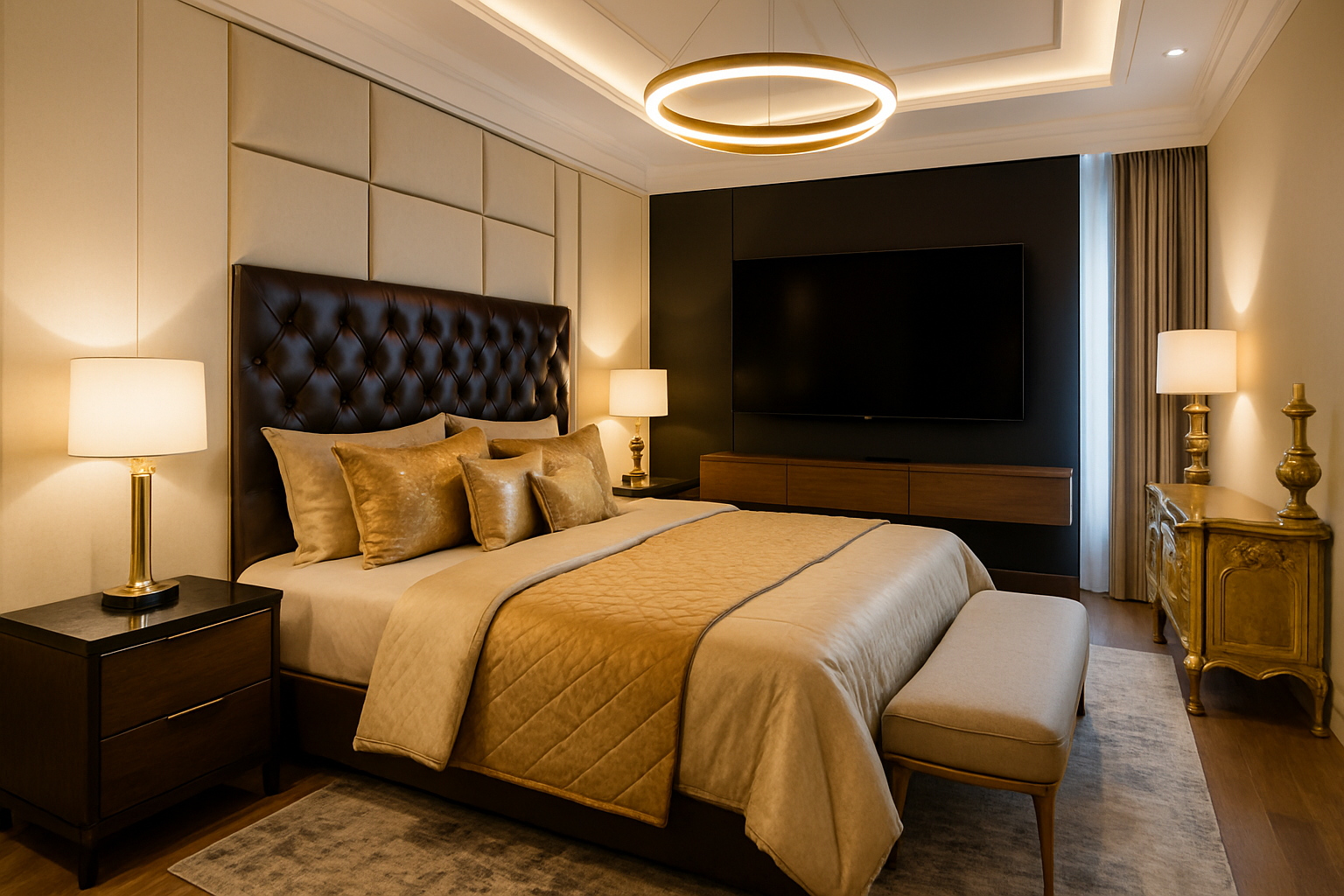
Borrowed Symmetry Beats Fussy Windows: When openings won’t center on the bed wall, create a paneled headboard wall or run drapery wide; then let matched lamps finish the trick. Shade sconces free up tiny nightstands and keep light out of your eyes when you read.
Let Texture Carry Mood: Natural fiber sheets, a wool blanket with weight, linen or cotton duvet. Keep big surfaces calm; bring your deeper note in with a banded edge, a stripe, or a throw.
Baths: Tile Scale, Honest Metals, Kind Light
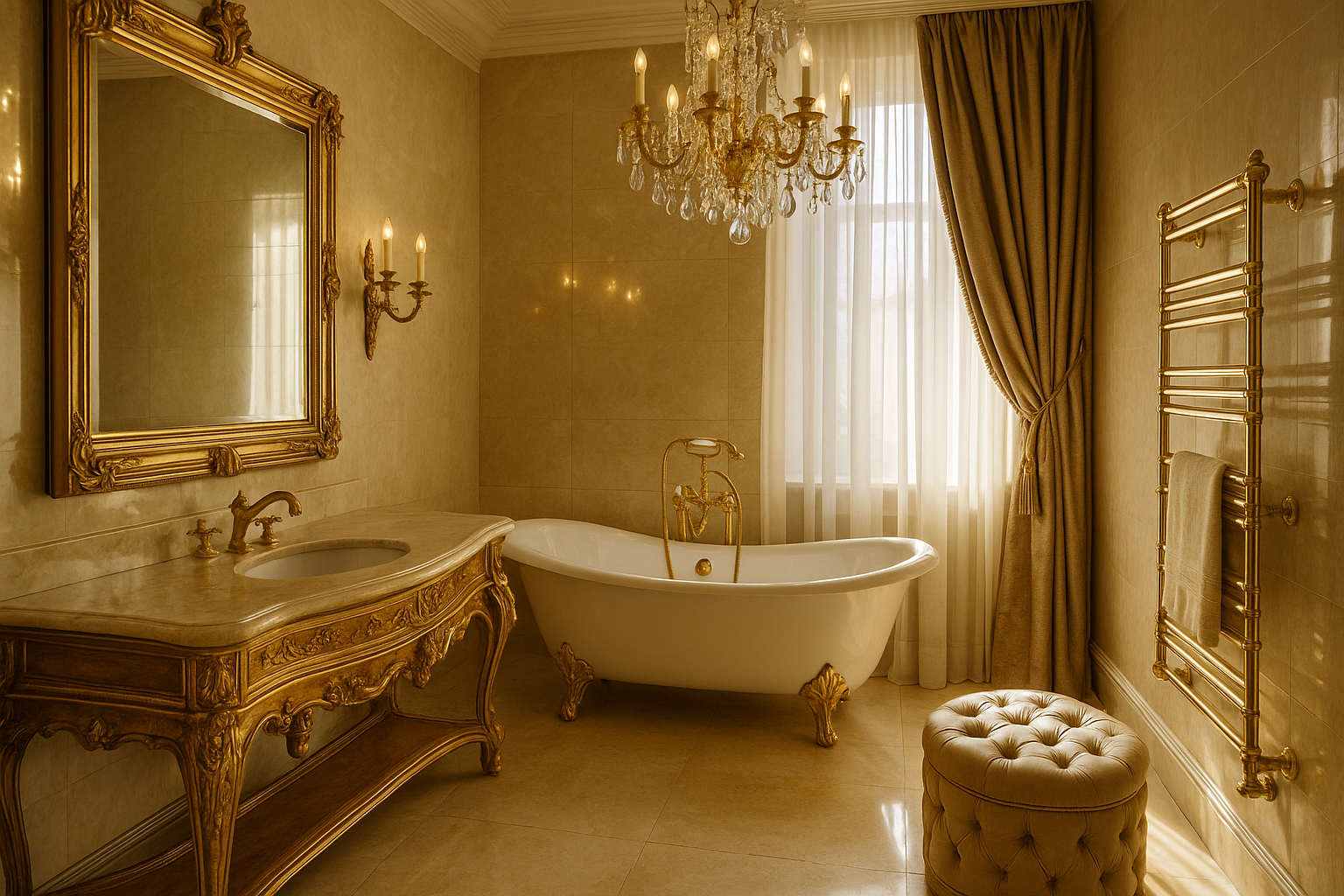
Pick Scales That Behave
Small hex or square on the floor, rectangles on the walls. Keep grout readable and choose one metal family that either sits quiet or patinas well. Mount sconces around face height and give yourself one ceiling light to wash the room. Classic, clean, done.
Materials That Age The Right Way
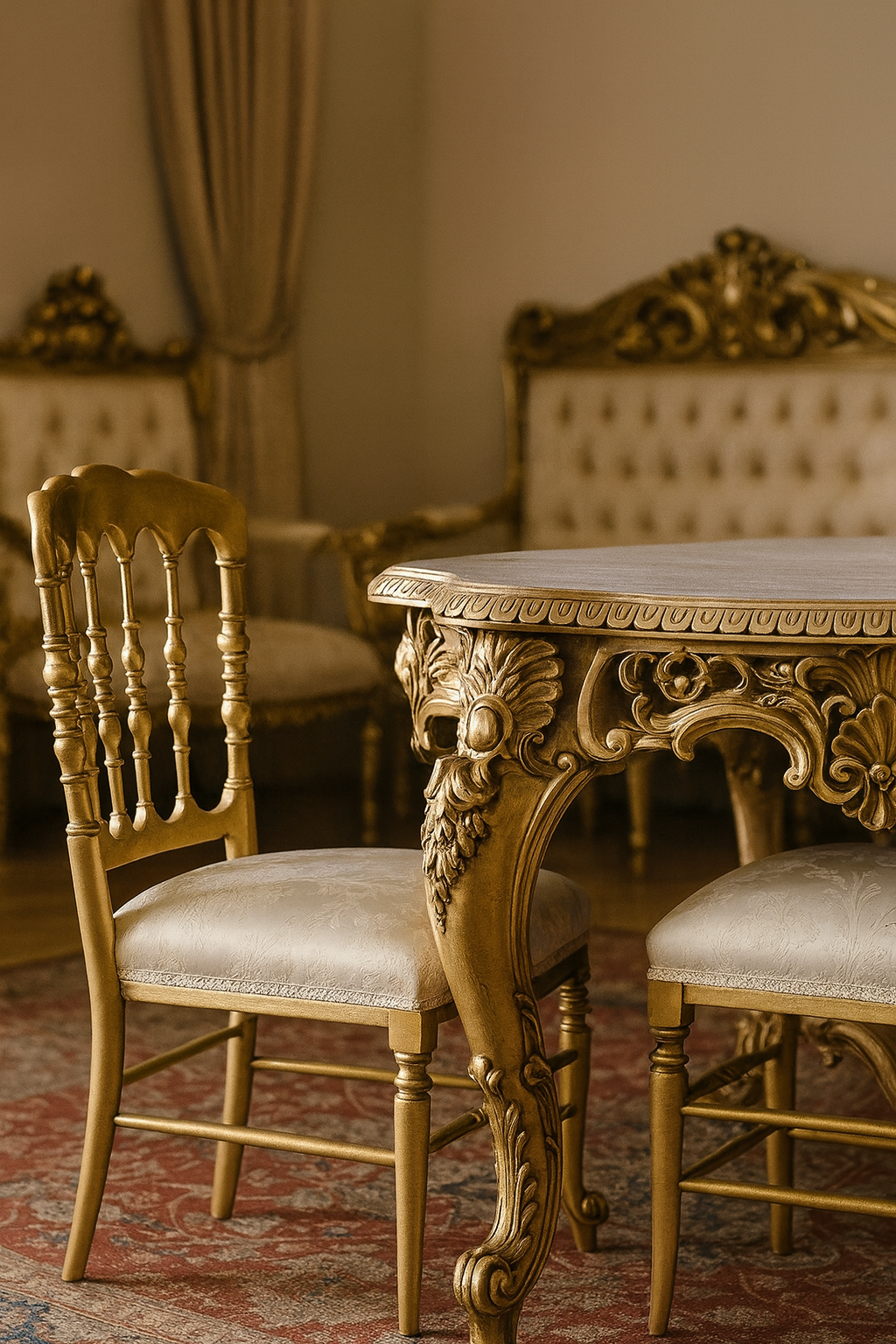
Tell The Truth With Surfaces
Wood should look like wood. Stone should look like stone. Linen, cotton, wool, leather—they get better with use. Swap too many of those for shiny look-alikes and the room loses time and gravity.
Use Books Instead Of Filler
Stacks of books add scale, color, and a life story. Add a small bowl for keys, a lidded box for remotes, and a plant that actually likes your light. Coffee table: finished, not fussy.
Hang Mirrors To Help, Not Hype
A mirror should bounce light or a view you want more of—not a TV or a doorway. Over a mantel, go a touch smaller than you think and lower than you’d hang art. You’re reflecting a room, not building a portal.
Color And Light You Won’t Regret
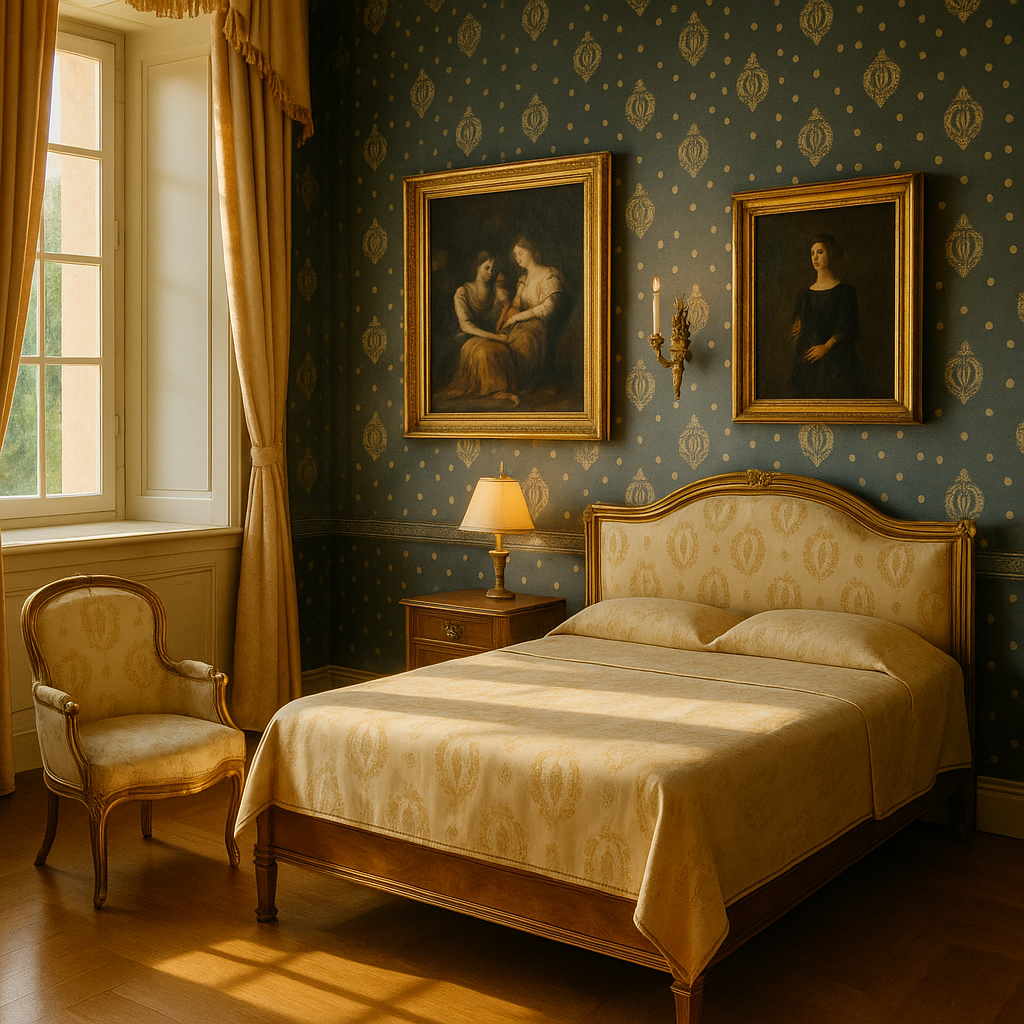
Quiet Base, One Deeper Note
Pick a base that flatters your daylight and add one deeper color that repeats lightly on a stripe, a mat, a border, or a throw. North rooms like warmth; south rooms can carry calmer whites if wood and fabric pay warmth back. If you want the “why” without jargon, this primer stays human: how color shifts mood and comfort.
Light For People, Not Just Surfaces
Give yourself one ceiling statement to declare center, sconces to lift the walls, and lamps to light faces. That mix makes evenings kind. Warm to warm-neutral bulbs (roughly 2700–3000K) keep skin tones human.
Small Rooms And Compact Homes
Scale And Repetition Win
Slimmer arms, taller legs, one generous rug, drapery to the ceiling, and bookcases up to the crown. Repeat a few finishes across rooms and the whole home reads as one clear thought. For proof over hype, borrow ideas from small homes that still feel open and peek at warm small-room setups that work.
Fix Comfort At The Source
If the room never feels right, check below your feet—moisture, drafts, uneven temperatures. Solve the bones, then style. That’s how small feels generous without white-boxing the life out of it.
Regional Flavor Without Costume
Keep The Envelope Faithful
The simple way to mix: keep the shell loyal to one family and let decor borrow accents from another. American calm with a linen French chair. English comfort with a cleaner coffee table. Italian earth underfoot with simpler silhouettes. If you want the map that keeps the families straight, here’s a clean overview: traditional to minimalist, what each move does.
Looking East? Learn, Then Edit
Curious about Japanese order and flow? Start with a plain guide to Japanese houses and how that logic evolved in their architectural timeline. Borrow the principles (light, screens, rhythm), not just the props.
Front Door To First Read
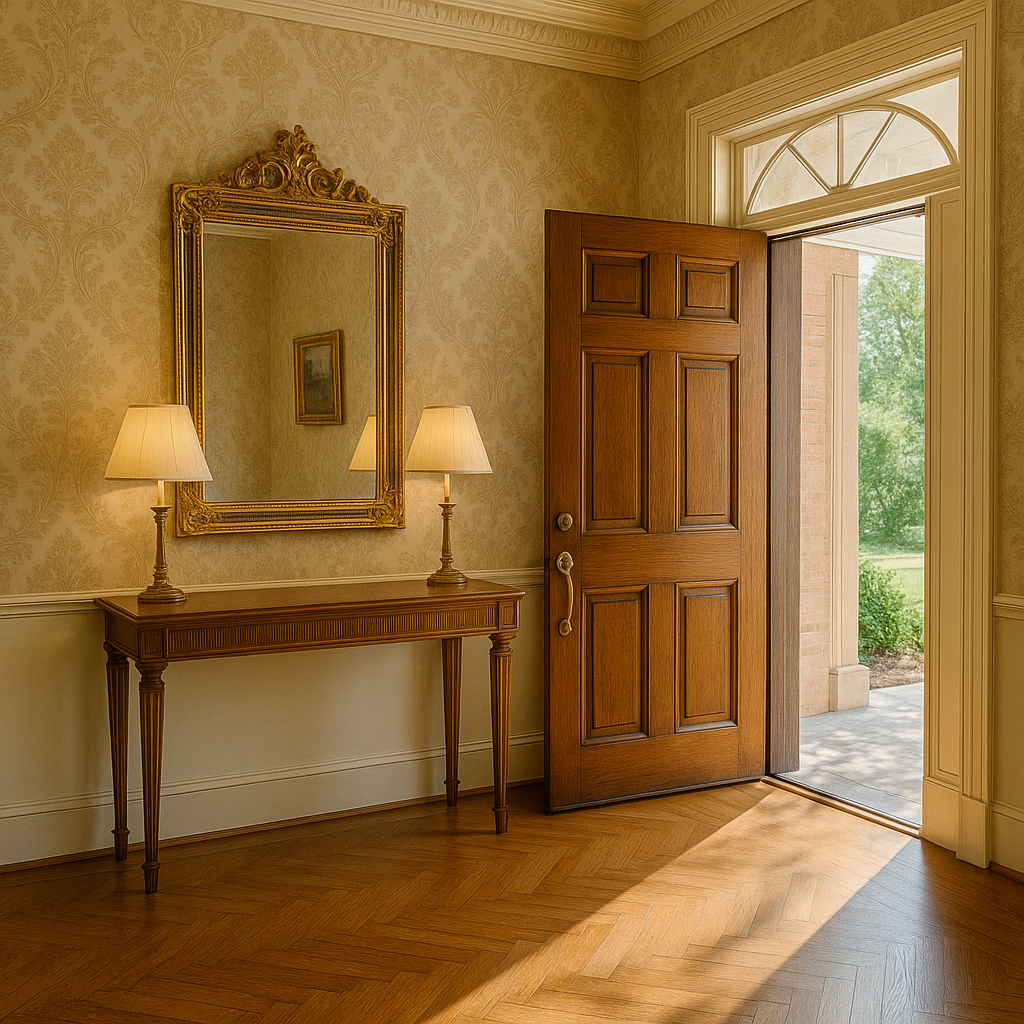
Make The Threshold Agree With The Room
The entry sets the promise. A clear axis, a console that fits, a mirror that returns the room, and a pair of lamps at eye level. If your front door is in that view, it has to carry its weight. For quick guardrails, use a smart front-of-house checklist. On active streets, sanity-check your materials and presence with this: how to make the front feel solid.
Project Sequence That Keeps You Sane
Walk, Decide, Then Layer: Walk the shell and set the believable center. Decide what stays and what truly must change. Set the trim language and repeat it. Lay out the lighting and decide where real lamps will live. Finish floors and paint. Bring in anchor furniture before a single accessory crosses the threshold. Rug, then drapery, then pillows, then art. Live with it a week. Edit once. That edit saves more budgets than any coupon you’ll ever clip.
Zoom Out When You Feel Lost: If the living room fight keeps colliding with hallways and exteriors, take a big-picture pass through how major house types behave. It’s the fastest way to stop mixing families that don’t like each other.
Two Fast Fixes I Use Constantly
Borrowed Center: Declare a believable center where people actually sit, then align rug and overhead to that point. Corridors turn into places to be together.
Quiet Crown: Heavy crown on an eight-foot ceiling is a tight hat. Build a two-piece profile that relies on shadow more than ornament. Corners soften, walls read taller, and the room keeps its finished edge without compression.
Three Quick Stories From Real Rooms
Give A New House A Spine: White box, grid of downlights, expensive pieces with nowhere to belong. We set a shallow mantel to declare center, broke the ceiling into quiet coffers that matched the plan, killed the light grid for one lantern plus sconces and lamps, and upsized the rug. One old sideboard brought age. Nothing flashy; everything directional. The family started using the room every night.
Let A Modest House Remember Itself: A 1920s place had thin casing and hollow doors. We found one original profile and ran it through the house. Sheen down to satin. Simple mantel back in. The furniture almost placed itself. The house felt ten years older in the best way—solid again.
Pattern Without Clutter: Client wanted “traditional, not fussy.” We kept the envelope classic and made the modern moves in glass and art. Slim glass table, one abstract over the mantel, a narrow stripe repeated on shades and pillows. Calm, current, and almost no figure.
Common Mistakes And Easy Fixes
Too-Small Rugs: They make big rooms feel mean. Buy the larger one once and let front legs sit on fabric.
Ceiling-Only Light: Grids of cans make surfaces bright and faces tired. Keep one ceiling statement and let sconces and lamps do the people work.
Theme Shopping: Buying “a look” in one weekend turns homes into showrooms. Build the skeleton; add a few good pieces you’ll still like next year.
Trim That Doesn’t Belong: Don’t paste ornate crown into a modern shell and hope it passes. Either keep the envelope honest and warm it with materials, or commit to the right profile and repeat it. If you want a quick comparison of old-to-new forms, this explainer helps you simplify without breaking proportion: how building forms step from traditional to modern.
FAQ
Is “Traditional Home Decor” Different From “Traditional Interior Design”? Yes. Interior design is the bones—layout, trim, lighting plan, proportions. Home decor is the layer—furniture, textiles, art, mirrors, color accents. The best rooms respect the bones and then decorate with a steady hand.
How Do I Mix Modern Pieces Without Losing The Traditional Feel? Hold the architecture steady and make one modern statement per view. Hide the tech. Repeat metal finishes. Keep heights friendly, and it reads like emphasis, not clash.
Where Should I Spend First If The Budget Is Tight? Spend on the skeleton: base, casing, crown, and one statement fixture that declares center. Next, buy the right-size rug and a comfortable sofa. Lamps and drapery can finish the room later.
Can This Work In A Small Apartment? Yes. Slimmer furniture with taller legs, one large rug, full-height drapery, repeated finishes across rooms, and borrowed symmetry with matched lamps. Calm reads as space.
If You Want A Next Step
Begin Here, Not Everywhere
Pick your center and commit. Set your trim language and repeat it. Choose a quiet base color and one deeper note. Add a ceiling statement and two lamps where people actually sit. Buy the rug that fits the group, not the coffee table. If you want to see how different traditional families speak before you source, this quick map helps: a simple look at traditional sub-styles. And if regional flavor is your thing, dip into why the Southern take still lands or pull grounded tips from real-world American traditional choices.
MUST READ
The Interior Design Handbook
Scale and proportion made usable. It’s the one I hand to interns who ask “how tall should that be?”
FIELD PICK
Loloi II Layla Printed Rug
Low pile, vintage read, door-swing friendly—great when you’re sizing up to unite the seating group.
RECOMMENDED TOOL
Bosch GLM 20 Laser Measure
One-button sanity check that saves returns and arguments about rug size.
Want To Go Deeper, Fast?
Classic Grounding: If you like to understand where these moves come from, a clear primer on classical language helps: what classical architecture actually is. For a quicker timeline view, see how the periods stack up. If you’re flirting with neoclassical touches, clean up the myths with what most people get wrong and pick details that work today with how to use neoclassical furniture now.