

How to Create a Minimalist Living Room in Tight Spaces
Minimalism: More Than a Trend
Minimalism is a lifestyle shift that’s been gaining ground because it simply makes sense. At its core, minimalism is about creating spaces that are functional, peaceful, and intentional—stripping away what you don’t need so what remains truly shines. And it’s not about empty rooms or cold aesthetics. It’s about balance, warmth, and purpose.
For small living rooms, minimalism is a game-changer. With space often at a premium, adopting a minimalist approach can make your home feel airy, inviting, and clutter-free, no matter the square footage. Ready to explore 27 fresh ideas to help you create a minimalist living room that’s stylish, practical, and uniquely yours?
27 Fresh Ideas for Small Minimalist Living Rooms

A stylish small modern room with sleek furniture and a well-balanced color palette, perfect for a minimalist aesthetic.
Why Our Ideas Stand Out
Designing a small living room is no easy task. That’s why we’ve gone beyond the basics. Our approach combines practical experience, expert advice, and a real understanding of how to make a tiny space feel both functional and beautiful.
We’ve curated these ideas with care, consulting top interior designers and architects to ensure every suggestion delivers value. let’s get started!.
27 Fresh Ideas for Designing Small Minimalist Living Rooms
Minimalist Living Room Designs Perfect for Small Areas
1. Built-In Seating with Storage

Apartment living room with built-in seating that doubles as storage, offering a sleek and space-saving solution for a minimalist lifestyle.
Why it works: Multifunctional furniture is a game changer. Built-in benches along a wall double as seating and hidden storage.
Expert Tip: Architect Sarah Richardson recommends lifting the seat lid to store rarely used items. For aesthetics, add plush cushions and textured throws.
Mistake to Avoid: Skip this if your space already has too many horizontal lines—it can make the room look cramped.
2. Layered Lighting

Layer your lighting with adjustable sconces, warm light, and floor lamps for a cozy, mood-setting atmosphere, as advised by designer Kelly Wearstler.
Why it works: Combine wall sconces, floor lamps, and LED strips for flexible lighting.
What to Focus On: Look for adjustable sconces to free up table space. Choose warm light temperatures to keep the room cozy.
Expert Insight: Designer Kelly Wearstler says, “Lighting isn’t just functional; it creates mood. Layering lets you control how the room feels at any time of day.”
3. Floating Furniture

A white wall-mounted shelf in the living room creates practical storage while maintaining a sleek, minimalist aesthetic without cluttering the space.
Why it works: Mounting shelves, desks, and even cabinets on the wall keeps floors clear.
Best Application: Perfect for tiny spaces that need storage without eating into walking areas.
Mistake to Avoid: Don’t overdo it—floating pieces can look sterile if the room lacks texture or warmth.
4. Rounded Furniture

Curved furniture, like two small round coffee tables, adds warmth and flow to a minimalist living room, making it feel more inviting and spacious.
Why it works: Curves make a small space feel less boxy and more inviting.
Where to Try It: Opt for a round coffee table or curved-back armchairs.
What to Avoid: Pairing rounded furniture with overly angular décor can clash visually.
5. Optical Illusion Rugs

Transform your space with an optical illusion rug, using stripes to visually enlarge the room and maintain a sleek, minimalist design.
Why it works: Striped or geometric rugs can make a room look bigger.
Expert Pick: Designer Nate Berkus suggests placing stripes parallel to the longest wall to elongate the room visually.
Tip: Stick to low-pile rugs for a clean look.
6. Slim Furniture with High Legs

Furniture with exposed legs, especially mid-century modern styles, creates a light and open atmosphere, making the space feel more spacious.
Why it works: Exposed legs create the illusion of more floor space.
What to Buy: Look for mid-century modern pieces, known for their sleek legs.
Avoid: Skipping legged furniture altogether can make a space feel heavy.
7. Vertical Shelving
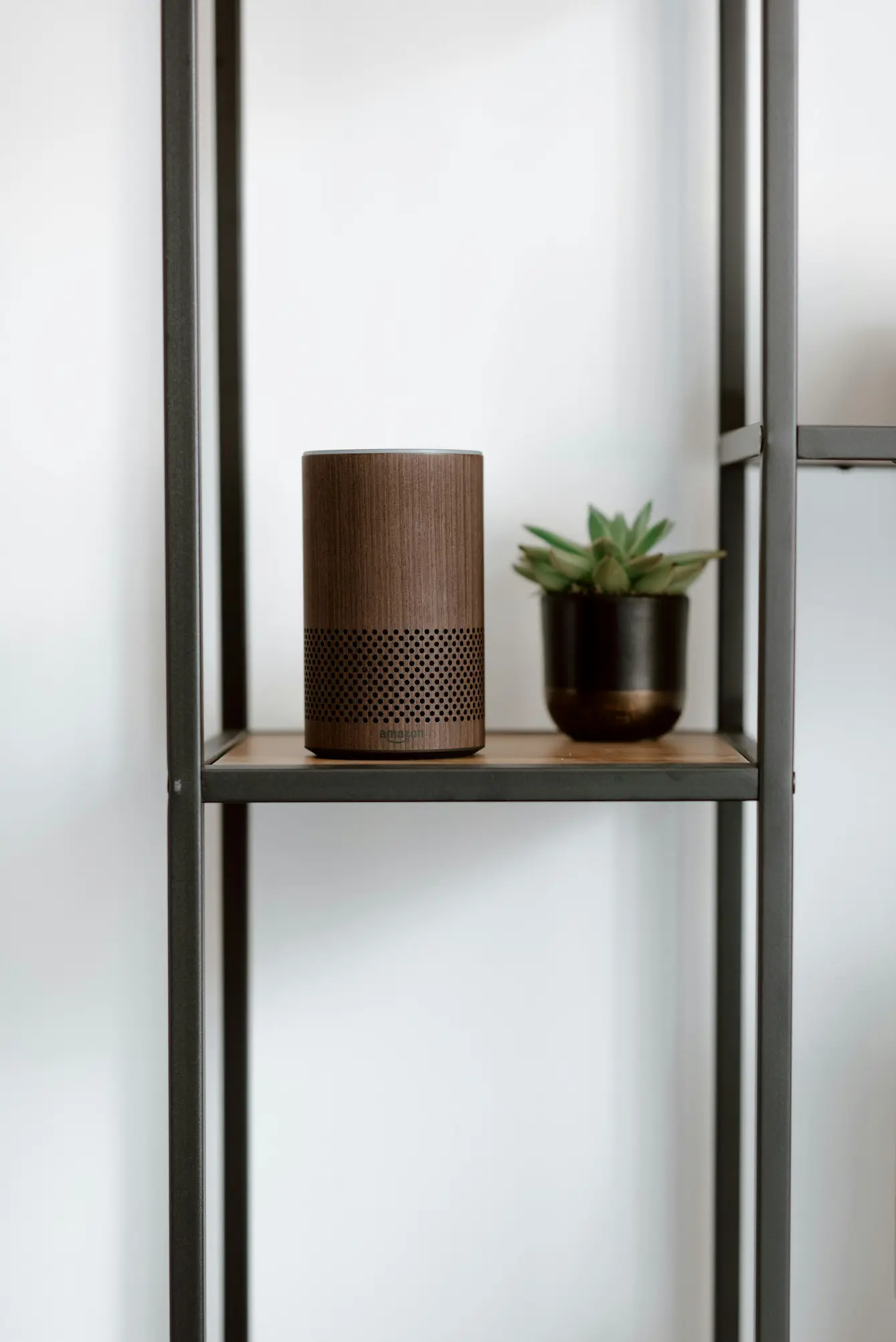
Vertical shelves with minimal decor, including a small plant, create a stylish display while making the room feel more spacious and organized.
Why it works: Tall shelves draw the eye upward, making ceilings feel higher.
What to Include: Mix open and closed shelving for balance.
Pro Insight: Organizer Marie Kondo advises displaying only items that “spark joy” to keep shelves from feeling cluttered.
8. Neutral Palette with a Bold Accent
Why it works: Neutral tones keep the space calm, while one bold piece adds personality.
Example: Think a beige room with a deep green velvet chair.
What to Avoid: Multiple bold accents can overwhelm the minimalist vibe.
9. Low-Profile Sofas
Why it works: Sofas with low backs don’t block sightlines, keeping the room airy.
Expert Recommendation: Choose modular designs to adapt to your needs.
Don’t Do This: Oversized or bulky sofas dominate the room, killing the minimalist aesthetic.
10. Art as a Focal Point
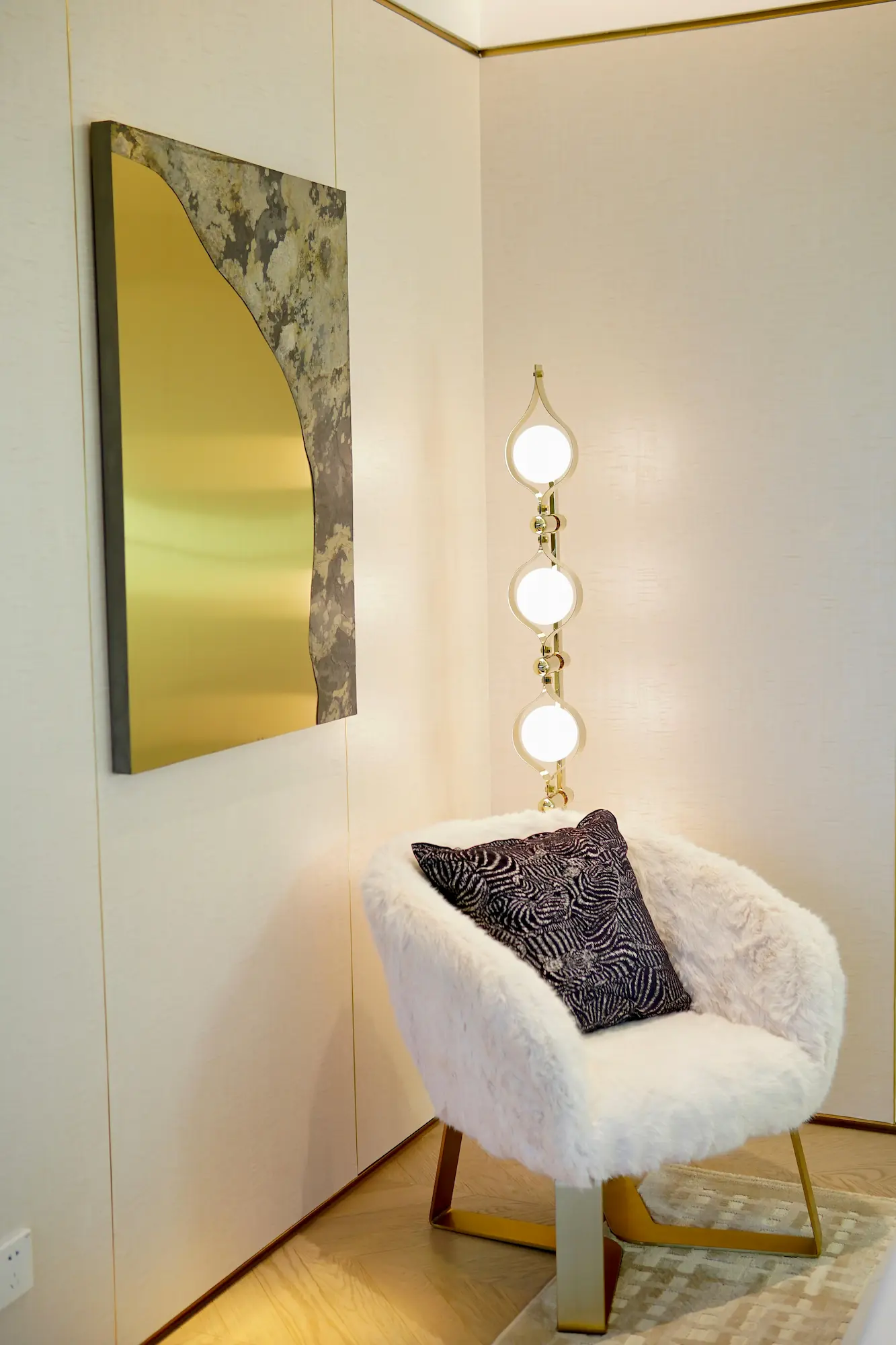
A large painting serves as the focal point above an armchair, emphasizing minimalist design and a clutter-free space.
Why it works: A single large art piece adds drama without clutter.
What to Pick: Abstract or line drawings fit minimalist themes.
Expert Take: Designer Joanna Gaines says, “Art isn’t about matching colors; it’s about adding character.”
11. Invisible Furniture
Why it works: Acrylic or glass pieces seem to “disappear” into the room.
Great Options: Coffee tables or console tables in clear materials.
Caution: Don’t rely on all-clear furniture; balance it with some solid textures.
12. Accent Walls

An accent wall in a living room adds depth and interest with muted pastels or soft gray, enhancing the space without overwhelming it.
Why it works: A single painted or wallpapered wall adds depth and interest.
Best Colors: Muted pastels or soft gray.
Avoid: High-contrast patterns that dominate the room.
13. Statement Lighting
Why it works: A bold light fixture becomes a design feature.
Where It Works: Over a coffee table or in the center of the room.
Pro Tip: Keep other elements simple to let the fixture shine.
14. Under-Window Storage
Why it works: Benches or cabinets beneath windows maximize often-wasted space.
What to Include: Add cushions for a seating option.
Avoid: Blocking too much natural light.
15. Mirrors, Mirrors, Everywhere
Why it works: Reflective surfaces make rooms look larger and brighter.
What to Focus On: Place mirrors opposite windows for maximum light bounce.
Pro Insight: Designer Emily Henderson says, “Mirrors are your best friend in a small room—they expand space effortlessly.”
16. Minimalist Gallery Walls
Why it works: Small, cohesive frames add personality without cluttering.
Theme Ideas: Black-and-white photos or abstract sketches.
Avoid: Random placements; plan your layout first.
17. Hidden Tech
Why it works: Concealing wires and devices keeps the room streamlined.
What to Do: Use cord management kits and wall-mounted TV setups.
Don’t: Leave bulky speakers out—integrate or hide them.
18. Integrated Desk Spaces
Why it works: Dual-purpose furniture saves space.
Example: A console table that doubles as a workspace.
Pro Tip: Use fold-away chairs to keep the area clutter-free.
19. Nature-Inspired Decor
Why it works: Organic elements like wood and plants soften minimalist designs.
Must-Have: Potted plants or a wooden coffee table.
Avoid: Overdoing it—stick to one or two natural elements.
20. Layered Textiles
Why it works: Rugs, throws, and cushions add depth.
Pro Insight: Designer Amber Lewis suggests sticking to neutral colors with varied textures for visual interest.
21. Compact Recliners
Why it works: They add comfort without taking up too much room.
Expert Note: Designer Timothy Corrigan advises choosing streamlined designs over bulky recliners.
22. Functional Room Dividers
Why it works: Separates spaces without adding walls.
Best Types: Open shelving or lightweight folding screens.
Avoid: Heavy, opaque dividers that block light.
23. Cohesive Hardware
Why it works: Matching handles and fixtures unify the look.
Example: Brushed nickel hardware across cabinets and doors.
Tip: Stick to one finish for a seamless aesthetic.
24. White Ceilings
Why it works: Keeps the space open and bright.
What to Focus On: Pair with slightly darker walls for contrast.
Pro Tip: Avoid painting ceilings in bold colors; it can make the room feel shorter.
25. Overhead Shelving
Why it works: Utilizes underused vertical space.
Where It Works: Above sofas or door frames.
Don’t: Overload shelves; keep it light and intentional.
26. Pop of Personality
Why it works: A unique piece keeps minimalism from feeling bland.
Examples: A vintage lamp or a quirky piece of art.
Tip: Use only one standout item per room to maintain balance.
27. Uncluttered Corners
Why it works: Keeping corners empty makes the room feel less crowded.
How to Use: Place a single item, like a tall plant or a slim lamp.
Mistake to Avoid: Stuffing corners with unnecessary decor.
Do’s and Don’ts for Designing a Small Minimalist Living Room
Do’s
- Invest in Multifunctional Furniture
Opt for pieces like ottomans with storage or foldable tables. These maximize functionality without crowding the space.
Example: A storage ottoman serves as seating, a coffee table, and hidden storage all in one. - Prioritize Neutral Colors
Stick to whites, grays, and beiges as your primary palette. These make small spaces appear brighter and more spacious. - Use Mirrors Strategically
Place mirrors opposite windows to reflect light and create the illusion of a larger room. - Choose Lightweight Furniture
Select furniture with visible legs or transparent materials like glass. These create a sense of openness. - Declutter Regularly
Keep only what you need or love. Regularly reassess your items to maintain a clutter-free space. - Incorporate Vertical Storage
Use tall bookshelves or wall-mounted units to save floor space while keeping items organized. - Layer Textures
Add dimension with materials like cotton, wool, or leather to keep the space cozy yet minimalist.
Don’ts
- Avoid Oversized Furniture
Large sectional sofas or bulky tables can overwhelm small rooms. Go for compact pieces instead. - Don’t Overdo Decorations
Minimalism thrives on simplicity. Limit decor to a few well-chosen items like a framed photo or a potted plant. - Say No to Too Many Patterns
Stick to one or two subtle patterns. Too many can make the room feel chaotic. - Skip Dark Paint Colors
Dark walls can make small spaces feel even smaller. Opt for light and airy tones instead. - Avoid Blocking Light
Don’t use heavy drapes or bulky furniture near windows. Maximize natural light for a more open feel. - Don’t Neglect Practicality
While aesthetics are essential, ensure the room meets your daily functional needs, whether it’s storage or seating.
Final Thought: Minimalism That Fits Your Life
Small spaces don’t have to feel limiting. By focusing on clever solutions, expert advice, and personal touches, your minimalist living room can become a functional and stylish retreat. After all, it’s not about how much space you have—it’s about how you use it.
FAQs: Small Minimalist Living Rooms
- What’s the best furniture for a small minimalist living room?
Choose multifunctional and compact furniture. Pieces like foldable dining tables or sofas with storage compartments work wonders. - How can I make a small room look bigger?
Use mirrors, light colors, and furniture with exposed legs. Let in natural light and avoid clutter. - Can minimalism still feel cozy?
Absolutely! Layer textures like rugs and throw blankets, and add warm lighting for a welcoming atmosphere. - Are bold colors allowed in minimalism?
While neutrals dominate, small pops of bold colors in accessories like cushions or artwork can add interest. - What’s the easiest way to start with minimalism?
Declutter first. Keep only what you love or use regularly. Then, focus on functional and stylish furniture.
Best-Seller Books on Minimalism and Interior Design
- “The Life-Changing Magic of Tidying Up” by Marie Kondo
- Why Buy It: Offers practical decluttering techniques that align perfectly with minimalist living.
- What’s Special: Introduces the KonMari method, focusing on keeping only items that spark joy.
- “Minimalista” by Shira Gill
- Why Buy It: Combines interior design with organization strategies for every room.
- What’s Special: Real-life examples and actionable tips tailored to modern lifestyles.
- “The Kinfolk Home: Interiors for Slow Living” by Nathan Williams
- Why Buy It: Explores how minimalist spaces can foster a peaceful and intentional lifestyle.
- What’s Special: Features stunning photography and global design inspirations.
- “Essentialism: The Disciplined Pursuit of Less” by Greg McKeown
- Why Buy It: Focuses on the mindset of minimalism and how it can transform your life.
- What’s Special: Goes beyond interiors to emphasize clarity and focus in decision-making.
- “Made for Living” by Amber Lewis
- Why Buy It: A blend of minimalist and eclectic styles, perfect for those who want a cozy yet clean space.
- What’s Special: Filled with advice on layering textures and combining colors in minimalist designs.
- “Domino: The Book of Decorating” by Editors of Domino
- Why Buy It: Offers a room-by-room guide to achieving chic and functional designs.
- What’s Special: Practical advice paired with creative inspiration for any space.
Related
- Minimalist Architecture: Design and Principles
- Minimalist Living Room Décor: Less Is More
- Less is More: The Ultimate Guide to Minimalist Living
- Beginner Architecture Lessons to Build Your Skills
- Pre-Built Homes Under $100k: What You Need to Know
References and Sources
- American Institute of Architects
Resources for sustainable and minimalist living room design.
www.aia.org - Environmental Protection Agency (EPA)
Guidelines on eco-friendly and sustainable materials.
www.epa.gov - National Association of Home Builders (NAHB)
Expert advice on space optimization and home design.
www.nahb.org - Better Homes & Gardens
Tips on decorating and organizing small spaces.
www.bhg.com - Design Council (UK)
Innovative interior design solutions.
www.designcouncil.org.uk