

How to Create a Minimalist Living Room That Feels Inviting
What’s a Minimalist Living Room?
Think of it as the "no drama zone" of your home. It’s all about keeping things simple, functional, and visually calm. No clutter, no chaos—just clean lines and a sense of space that feels like a breath of fresh air.
Key Principles to Keep in Mind:
- Simplicity is Key: Everything in the room should serve a purpose. If it doesn’t, it’s out.
- Function Over Flash: Every piece of furniture or decor should be practical, not just pretty.
- Optimize Space: Think open and airy, not cramped and chaotic. This is your chill zone, not a storage closet.
Minimalist living rooms are proof that less really can be more—less stress, more style.
Transform Your Space with Minimalist Living Room Design
The Key to a Minimalist Living Room: Style and Simplicity
Popular Minimalist Styles (and How to Nail Them Without Losing Your Mind)
Popular Minimalist Styles: Easy Ways to Get the Look

A stack of books beside a black chair in a minimalist living room, creating a simple, organized, and stylish corner.
Now, don’t go thinking that minimalist living rooms are all about empty walls and one sad chair in the corner. Nope. It’s about creating a space that feels calm, intentional, and like you actually want to spend time there. Minimalism isn’t about giving everything up—it’s about keeping what matters and making it work (yes, even that coffee table book collection you swear you’ll read someday).
Trust me, it’s easier than it sounds, and yes, you can keep your coffee table books.
Let’s look at some popular minimalist styles and how to make them work without turning your home into a lifeless showroom. Spoiler: you don’t need to sacrifice personality or comfort to keep things simple.
Popular Minimalist Styles (and How to Make Them Work for You)
1. Modern Minimalist Living Room

A sleek, contemporary dining area featuring a glass-top table with a black metal base, complemented by minimalist chairs and a clean, white-walled backdrop.
Think of this as the minimalist poster child. It’s all about clean lines, sleek furniture, and a neutral color palette that whispers, “I’ve got my life together” (even if you don’t).
- What Works:
- Low-profile sofas with straight edges.
- Neutral tones—gray, black, white—maybe a pop of color, but keep it subtle.
- Expansive windows and lots of natural light.
- Pro Tip: Don’t overdo the accents. A single statement art piece on the wall or a sleek metal lamp is all you need.
- Avoid: Shiny surfaces everywhere. It’ll feel less chic and more sterile, like a hospital waiting room.
2. Scandinavian Minimalist Living Room
This style feels like a warm hug on a cold day. It’s minimalist but cozy, with natural materials like wood and a touch of hygge (aka Danish coziness).
- What Works:
- Light woods—think oak or birch—for floors and furniture.
- Soft textures: throw blankets, wool rugs, or knitted cushions.
- Functional furniture that doesn’t scream for attention.
- Pro Tip: Pair white walls with pastel accents—mint green, blush pink, or soft blues—to keep things fresh.
- Avoid: Going overboard with furniture. One cozy chair too many, and suddenly you’re crowded instead of cozy.
3. Japanese Minimalist Living Room
This one is all about open spaces, natural light, and low-profile everything. If your living room doesn’t calm you down instantly, you’re doing it wrong.
- What Works:
- Floor cushions or a low table (hello, tea time).
- Sliding screens or neutral curtains for soft light.
- A single bonsai or a simple vase for decor.
- Pro Tip: Let the space breathe. Negative space (aka emptiness) is a design element, not wasted room.
4. Bohemian Minimalist Living Room
Minimalism with personality—this style says, “I’m chill, but I’ve got taste.” It’s all about mixing simplicity with eclectic touches.
- What Works:
- Neutral tones with natural accents—rattan chairs, macrame hangings, or a well-loved rug.
- Houseplants (but not a jungle, please).
- A few travel souvenirs that feel personal but don’t overwhelm the space.
- Pro Tip: Layer textures like a pro. A jute rug, velvet cushions, and a soft throw blanket can do wonders.
- Avoid: Going too wild with the boho vibe. Keep it curated, or it’ll look like a flea market exploded.
5. Farmhouse Minimalist Living Room
Rustic meets clean design. If Joanna Gaines and Marie Kondo had a baby, this would be it.
- What Works:
- Neutral tones with warm woods and cozy textiles (linen or cotton work great).
- A mix of modern furniture and vintage finds—like a sleek coffee table paired with an antique armchair.
- Subtle nods to the farmhouse vibe, like a woven basket or a reclaimed wood shelf.
- Pro Tip: Keep the decor simple. A vase of fresh flowers or a bowl of fruit is all you need.
- Avoid: Overloading on the rustic theme. Too many distressed wood items, and you’re one pitchfork away from looking like a barn.
Picking Your Style
Here’s the thing—your minimalist living room should reflect you. If you’re drawn to simplicity with a cultural twist, Japanese-inspired minimalist spaces might be your style. If you love cozy nights with tea, Scandinavian might be your jam. And if you just want to blend rustic charm with clean lines, farmhouse is calling your name.
The key is balance. Keep it simple, let each piece have its moment, and don’t forget to leave space for life to happen—because the best living rooms aren’t just styled; they’re lived in. And hey, if you can see your floor and it makes you smile, you’re already winning.
Practical Tips for Minimalist Living Room Furniture Selection
Minimalist Living Room Furniture: Less Clutter, More Style
How to Choose Furniture for a Minimalist Living Room
Minimalist Living Room Furniture: Tips for a Perfect Fit
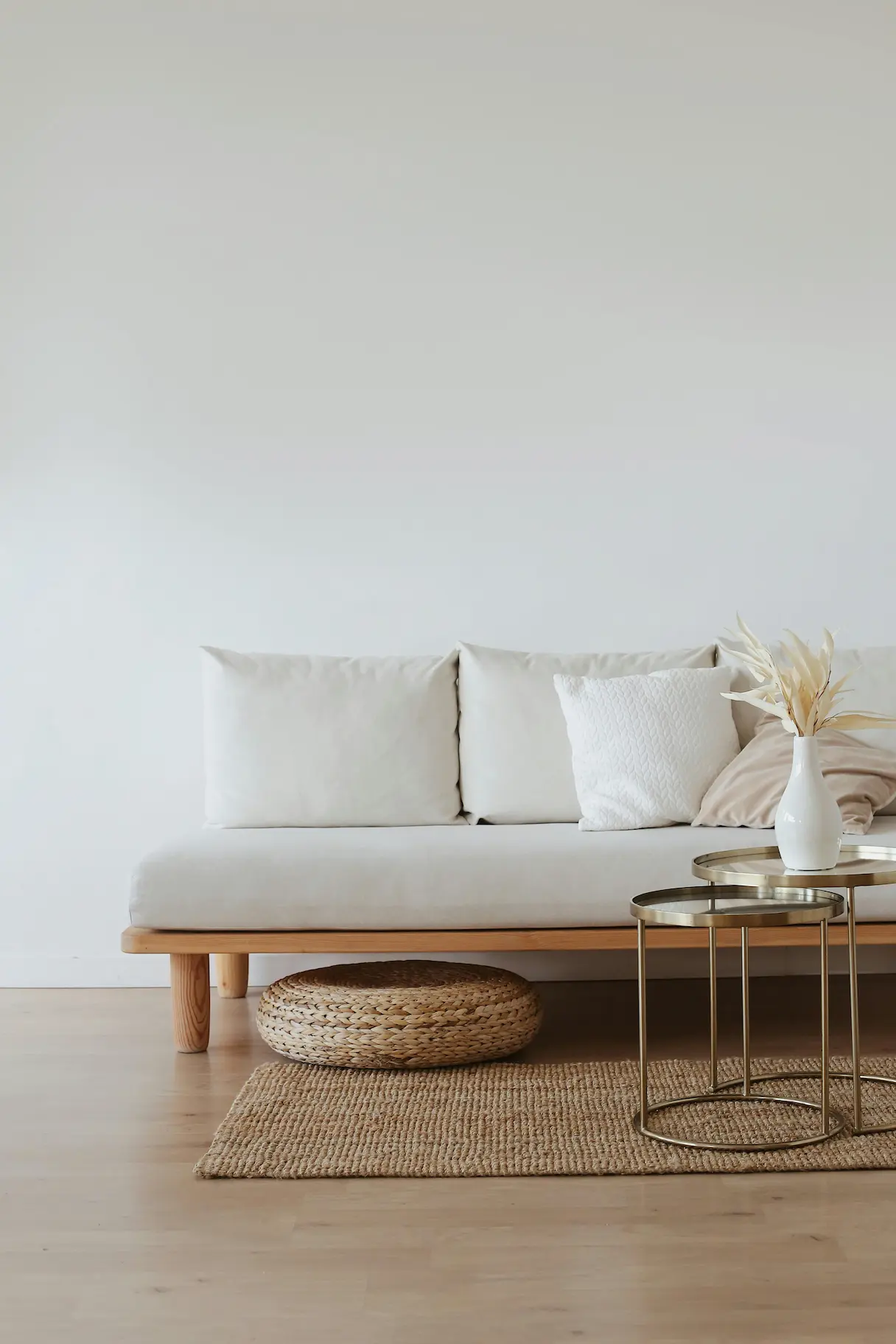
A minimalist living room with a white couch on a wooden floor, highlighting a serene and simple design with neutral tones and a focus on comfort and style. The space emphasizes functionality and understated elegance, perfect for modern living.
Let’s talk furniture for your minimalist living room. Now, if you’re thinking “minimalist” means one sad chair and a lamp that barely works, let’s set the record straight. Minimalist doesn’t mean boring—it’s about picking pieces that do the job, look good doing it, and don’t scream for attention. Here’s how to nail it.
Furniture Ideas for a Sleek and Simple Minimalist Living Room
Furniture Selection for a Minimalist Living Room: Practical Tips
Seating Options That Work (and Don’t Take Over the Room)

Contemporary minimalist furniture in a bright apartment, featuring clean lines and neutral tones for a sleek, airy atmosphere.
- Minimalist Sofas: Stick to clean lines and neutral tones—think whites, grays, or soft earthy hues. A good minimalist sofa feels like a warm hug but doesn’t dominate the space. For example, a low-profile white couch on a wooden floor feels inviting and functional.
- Pro Tip: Avoid overly fluffy sofas with ten throw pillows. One or two well-chosen cushions will do the trick. You’re going for comfort, not a pillow fort.
- Accent Chairs: Compact, stylish, and functional. Look for chairs with a sleek design—metal frames, light wood accents, or even rattan.
- What to Avoid: Bulky, overstuffed recliners that look like they came straight out of a ‘90s sitcom.
Storage Solutions That Don’t Shout “I’m Here to Hide Your Mess”

A minimalist kitchen with wooden furniture and smart storage solutions. Floating shelves and wall-mounted units keep the space tidy and clutter-free.
- Floating Shelves: These are the MVPs of minimalist storage. They give you a spot to display your favorite vase, book, or plant without adding visual clutter.
- Architect’s Tip: Keep items on the shelves sparse and intentional. No one needs to see your entire DVD collection from college.
- Wall-Mounted Units: Great for keeping everything off the floor and creating a streamlined look. Opt for units in wood, black metal, or white finishes to keep things consistent.
- Minimalist TV Stands: Go for simple designs in wood or metal with clean lines. If it has a bit of hidden storage for remotes or cables, even better.
Tables That Do More Than Just Sit There
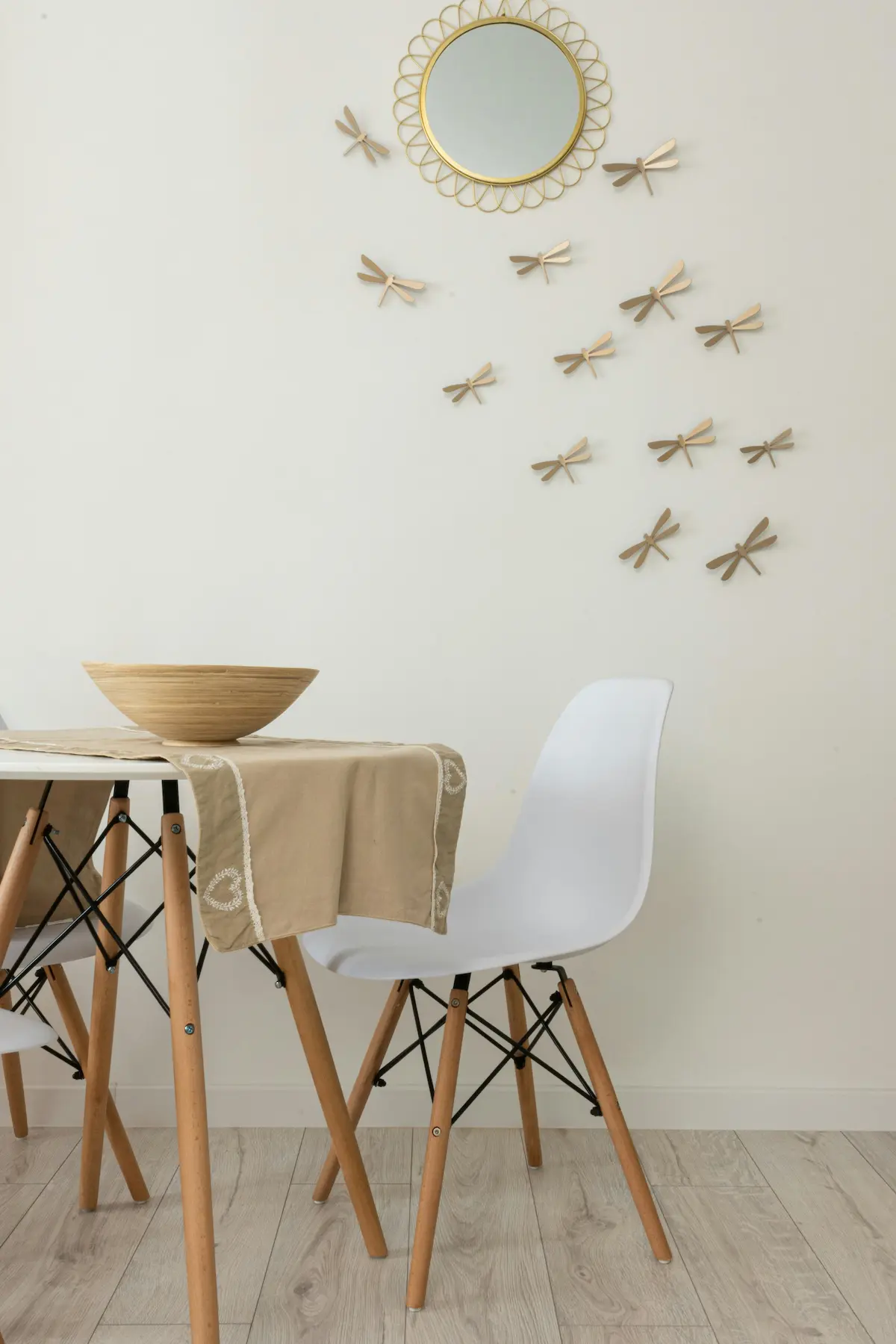
A minimalist dining room with a modern table, clean-lined furniture, and a mirror, designed for a simple, elegant, and spacious ambiance.
- Coffee Tables: Choose ones with geometric designs—circle, square, or rectangle—with simple materials like glass, wood, or metal.
- Pro Tip: If you can’t resist the urge to cover it in magazines and candles, make sure they’re arranged neatly. Clutter kills minimalism.
- Side Tables: Sleek, functional shapes are key. Look for lightweight designs that can move around easily when needed.
- Example: A black metal side table that doubles as a plant stand—practical and pretty.
Multi-Functional Pieces: The Minimalist’s Secret Weapon
- Hidden Storage Furniture: Ottomans with compartments, coffee tables that open up, or even a bed with drawers underneath are lifesavers in small spaces.
- Why It’s Genius: They keep your space looking tidy without sacrificing practicality. Need a blanket or some board games? Boom—it’s all hidden and still within reach.
- Foldable or Convertible Furniture: Great for when you need an extra seat or workspace but don’t want it out all the time.
What Not to Do (Learn From My Mistakes)
- Too Matchy-Matchy: Minimalism doesn’t mean everything has to match perfectly. Mixing textures like wood, metal, and soft fabrics keeps things interesting.
- Overcrowding: Just because a piece looks good doesn’t mean it needs to be in the room. Less is more—trust me. I’ve tried cramming everything into a small space, and it felt like living in a storage unit.
- Ignoring Functionality: A beautiful chair is pointless if it’s uncomfortable to sit on. Always test furniture before buying. (I once bought a stunning chair online that felt like sitting on a rock. Lesson learned.)
A Personal Note:

A minimalist apartment with a contemporary feel—clean lines, neutral tones, and functional furniture create a serene, uncluttered environment.
When I designed my first minimalist living room, I was all about “the look.” Clean lines? Check. Neutral palette? Check. But I forgot about comfort and functionality. The result? A gorgeous room where no one wanted to sit. So, I went back, added softer fabrics, a few practical storage pieces, and voilà—it finally felt like a home.
Minimalism is about curating a space that works for you—beautiful, functional, and a reflection of your taste. Trust me, with the right furniture, your living room can look straight out of a design magazine without losing its soul.
7 Essential Materials for a Stylish Minimalist Living Room
The Best Materials for a Simple and Elegant Minimalist Living Room
Top 7 Materials and Finishes for a Minimalist Living Room
Minimalist Living Room Materials: Wood, Metal, Glass, and More

A minimalist living room featuring a brown wooden table and chairs positioned next to large glass windows, allowing natural light to fill the space. The simple, functional design focuses on clean lines and spaciousness, creating a calm, inviting atmosphere.
Materials and Finishes: Choosing Wisely for a Minimalist Living Room
When it comes to nailing that minimalist look, picking the right materials and finishes can make or break the vibe. Trust me, I’ve seen gorgeous designs undone by a single overly flashy table or fabric that screams “What were they thinking?”
Let’s break it down into what works, what doesn’t, and how to make your space both stunning and functional.
How to Choose the Right Materials for Your Minimalist Living Room
Wood: Warmth and Texture Without Overdoing It
Why Choose It?
Wood is like the ultimate comfort food of materials—classic, timeless, and versatile. It brings warmth to a minimalist space without overwhelming the clean aesthetic.
- Where It Works:
TV stands, coffee tables, or even as flooring. Opt for natural finishes like oak or walnut. Keep it light and airy for Scandinavian vibes or go darker for a cozier feel. - What to Avoid:
Overly polished or lacquered finishes that scream “formal dining room from 1985.” Stick to matte or semi-matte for a modern touch.
Pro Tip: If you’re torn between wood tones, match them to your flooring or stick with a single finish for all your wooden furniture to avoid visual clutter.
Metal: Sleek, Industrial Charm

A sleek, minimalist modern apartment with industrial charm, featuring concrete walls and steel elements for a stylish, contemporary feel.
Why Choose It?
Metal adds a clean, industrial edge that contrasts beautifully with softer materials like fabric or wood. Plus, it’s super durable.
- Where It Works:
Chair legs, table bases, or even minimalist shelving units. Think brushed steel or matte black for that understated sophistication. - What to Avoid:
Shiny chrome finishes can feel too harsh or dated. And please, no overly ornate designs—this isn’t a Victorian parlor.
Pro Tip: Pair metal with wood for balance. For example, a table with a wood top and sleek metal legs combines warmth and modernity perfectly.
Glass: Light and Airy Vibes
Why Choose It?
Glass is the secret weapon for creating a sense of openness. It reflects light, making even small spaces feel larger and more inviting.
- Where It Works:
Tabletops, side tables, or as part of shelving units. Clear glass works best, but frosted options can add a soft touch. - What to Avoid:
Avoid thick or overly beveled edges—they can make the piece feel bulkier than it should. And for the love of all things minimalist, keep glass surfaces spotless.
Pro Tip: Combine glass with wood or metal for visual interest. A glass coffee table with wooden legs is both chic and practical.
Fabric: Softness in the Details
Why Choose It?
Fabric tones down the hard edges of minimalist designs, adding a touch of comfort and warmth.
- Where It Works:
Upholstery on sofas, throw pillows, and rugs. Go for neutral tones like beige, gray, or off-white for that clean look. - What to Avoid:
Loud patterns or overly plush textures can clash with minimalist aesthetics. Think streamlined and subtle.
Pro Tip: Don’t go overboard with fabrics. A single statement piece, like a neutral sofa with a textured throw, is enough to soften the space without veering into maximalism.
A Personal Take: Learning from the Field
I once worked on a minimalist apartment where the client insisted on a red velvet couch in the middle of a beige and wood-toned setup. Let’s just say, it stuck out like a sore thumb. We swapped it for a sleek, gray upholstered sofa with a low profile, and the space immediately felt cohesive and calm.
Mistakes to Avoid
- Overloading on Textures: Keep it consistent. Too many competing finishes can make the space feel chaotic.
- Ignoring Functionality: Beautiful finishes are great, but always ask, “Is it practical?” Glass tables in a home with toddlers? Hard pass.
- Forgetting the Bigger Picture: Each piece should complement the overall design. Treat your materials like members of a team—they should work together, not compete.
Closing Thoughts: Materials Matter
Minimalism is about choosing wisely. The right materials and finishes can elevate your space, creating a harmonious blend of functionality and beauty. So, take your time, experiment, and remember—it’s not about perfection, but about creating a space that feels like home.
The Best Color Palettes for a Calm and Stylish Minimalist Room
Creating Balance: Minimalist Color Palettes That Work
Color Palettes for a Minimalist Living Room
Neutral Tones and Subtle Accents: Minimalist Color Ideas

A modern apartment with a minimalist design, showcasing a living room and kitchen decorated in natural, soft colours. The stylish couch complements the calm and inviting atmosphere.
Color Palettes: Choosing the Right Tones for Your Minimalist Living Room
Picking the right color palette is like setting the mood for your entire space. A minimalist living room thrives on simplicity, and the right shades can make all the difference between serene and sterile. Let’s talk about the go-to colors, when to use them, and how to avoid the most common pitfalls.
How to Choose the Perfect Color Palette for Minimalist Spaces
Minimalist Design: Neutral Colors and Accent Ideas
Neutral Tones: The Foundation of Minimalism
These are your bread and butter—white, beige, gray, and black. They create a calming base that feels clean, airy, and spacious.
- When to Use:
Use white and beige for walls and larger furniture pieces like sofas to keep things light and open. Gray adds depth, while black can be used for accents to ground the space. - What to Focus On:
Look for variations in texture to keep it interesting—think matte white walls with a soft beige couch or a plush gray rug.
Pro Tip: Avoid going all white unless you want your space to feel like a doctor’s office. Mix in some warmth with beige or earthy accents to keep it inviting.
Subtle Accents: Adding Personality Without Overpowering
Minimalism doesn’t mean boring. Earthy tones like terracotta, sage, or muted blue bring in just enough color to make the space feel lived-in and personal.
- When to Use:
Add these hues through throw pillows, rugs, or even artwork. For example, a terracotta vase on a white coffee table can break up the monotony without overwhelming the room. - What to Focus On:
Keep the accents subtle—nothing neon or overly bold. The goal is to complement, not dominate.
Pro Tip: Try a sage-green throw on a beige couch or muted blue curtains against a white wall. It’s like adding seasoning to your favorite dish—just enough to enhance the flavor.
Monochromatic Themes: Sleek and Timeless
A black-and-white color scheme can give your living room a chic and modern vibe, but it’s all about balance.
- When to Use:
Opt for monochrome if you’re going for a high-contrast, modern look. Black coffee tables or picture frames against white walls can create striking visual appeal. - What to Focus On:
Add a hint of texture or pattern (like a herringbone rug) to avoid a flat or overly stark vibe.
Pro Tip: Too much black can feel heavy—use it sparingly as an accent rather than the main color. Think black lamp bases, not an all-black sofa.
A Personal Take: Lessons from the Field
I once worked on a monochromatic space where the client wanted an entirely black-and-white setup. It looked stunning—until they added black curtains. The room suddenly felt like a cave. Swapping them for sheer white curtains immediately balanced the space, letting natural light do its magic.
Mistakes to Avoid
- Overloading on Bold Colors: Even one bright red piece can throw off a minimalist vibe. Stick to muted tones for a cohesive look.
- Neglecting Texture: A flat color palette without texture can feel cold. Mix in knits, weaves, or natural materials to warm things up.
- Forgetting Natural Light: Test your palette in the room’s lighting. Beige might look warm in one space and washed out in another.
Closing Thoughts: Keep It Balanced
Minimalist color palettes are about creating harmony. Whether you stick with neutrals, add subtle accents, or go monochrome, the key is balance. Take your time, test different shades, and remember: no one’s judging if you sneak in a pop of sage green or terracotta for good measure—it’s your space, after all!
Lighting and Accessories for a Minimalist Living Room
Minimalist Lighting and Decor Ideas for a Modern Home
Lighting, Wall Art, and Greenery: Minimalist Accessories That Work
The Key to Minimalist Style: Lighting and Accessories. How to Perfect Your Minimalist Space with Lighting and Accessories
Let’s talk about the unsung heroes of a minimalist space: lighting and accessories. They’re the details that can take your living room from “nice” to “wow.” The trick is striking a balance—less is more, but the right choices can make a huge impact.
Essential Lighting and Decor Tips for Minimalist Interiors
Lighting and Accessories: The Finishing Touches for Your Minimalist Living Room
Lighting: Let There Be (the Right Kind of) Light
Lighting in a minimalist space isn’t just functional—it sets the mood and enhances your design.
- What Works Best:
- Pendant Lights: Go for clean, simple designs in neutral tones or metals like matte black or brushed gold. Hang one above your coffee table for a statement that doesn’t scream for attention.
- Floor Lamps: A sleek arc lamp or tripod lamp can add height and structure to the room. Bonus points if it has a dimmer for adjustable ambiance.
- Natural Light:
- Maximize daylight with large windows or sheer curtains. Nothing screams minimalism more than a room bathed in soft, natural light.
Pro Tip: Avoid overly ornate chandeliers. Keep it simple—this isn’t Versailles.
Wall Décor: Less Clutter, More Character
Minimalist walls don’t have to be boring. The key is thoughtful, curated choices.
- What to Add:
- Minimalist Wall Art: Abstract prints, black-and-white photography, or even a single large canvas in muted tones work well.
- Mirrors: Use them to reflect light and make the space feel larger. A round mirror with a thin frame is a popular choice.
- Floating Shelves: These are perfect for displaying small curated pieces—think a single ceramic vase, a couple of books, or a framed photo.
Pro Tip: Don’t clutter the shelves. One or two items per shelf are plenty. Empty space is your friend.
Greenery: Bring Life to the Space
Plants are the easiest way to soften a minimalist room and make it feel alive.
- Best Picks for Minimalist Style:
- Succulents: Low maintenance and perfect for small spaces.
- Ferns: Add texture and a splash of green without being overwhelming.
- Snake Plants: Tall and sculptural, they’re great for filling empty corners.
Pro Tip: Skip the elaborate planters. Simple ceramic pots or terracotta ones keep the look clean and cohesive.
Rugs and Textiles: Add Warmth Without Clutter
Even minimalism needs a touch of coziness, and rugs and textiles are the perfect way to do it.
- What to Use:
- Rugs: Opt for subtle patterns like stripes or geometric designs in neutral tones. Layering a small textured rug over a larger plain one can add depth.
- Throw Pillows and Blankets: Choose fabrics like linen, cotton, or wool in muted colors. A hint of texture, like a knitted throw, can keep the room from feeling too stark.
Pro Tip: Don’t go overboard. A couple of throw pillows and a single blanket are enough. You want cozy, not chaotic.
A Designer’s Perspective: Make Every Choice Count
When I worked on a minimalist project recently, the client insisted on a huge gallery wall. After some back and forth, we scaled it down to one oversized black-and-white photograph. The result? The room felt open, calm, and much more cohesive. Sometimes, less really is more.
Mistakes to Avoid
- Overcrowding Accessories: If you can’t see the shelf under your decor, it’s time to scale back.
- Ignoring Natural Light: Heavy curtains or blinds can kill the vibe. Keep it light and airy.
- Mismatched Colors: Stick to a consistent palette for all your accessories to maintain harmony.
Wrap-Up: Keep It Simple, But Make It Yours
Lighting and accessories are the cherry on top of your minimalist sundae. Focus on thoughtful, functional choices that enhance the space without overwhelming it. And remember—minimalism doesn’t mean boring. A single, well-placed pendant light or a perfectly chosen throw pillow can speak volumes. Now go make your living room look effortlessly cool.
Designing Small Spaces: Tips for Big Style in Tiny Rooms
Creating Stylish and Functional Small Spaces
How to Maximize Small Spaces with Functional Design
Designing for Small Spaces: Tips to Maximize Style and Function
Small spaces don’t mean you have to sacrifice style. It’s all about making smart choices to ensure every inch works hard while still looking fabulous. Let’s break it down, step by step, with practical tips, real-life examples, and a sprinkle of humor (because designing in tight quarters can feel like a Tetris game).
Design Tricks for Small Spaces: Mirrors, Storage, and More
Smart Design Ideas for Small Spaces
Compact Furniture: When Small Means Smart
The key to small spaces? Furniture that doesn’t just sit there but works.
- L-Shaped Sofas: These are space-savers extraordinaire. Tuck one into a corner, and voilà, you’ve got comfy seating without eating up your whole room.
- Why it works: It uses corners, which are often wasted, and defines the living area without bulky barriers.
- Example: A 2-seater sectional with storage underneath for blankets or books.
- Foldable Tables: Dining tables that expand or collapse are lifesavers in small spaces.
- Where to use: Dining areas or as a dual-purpose work desk.
- Pro tip: Choose one with built-in shelving or a drop-leaf design for even more utility.
Wall-Mounted Storage: Free the Floor
Wall space is your best friend in a small room.
- What to Install:
- Floating shelves for books, decor, or even kitchen essentials.
- Wall-mounted desks that fold down when needed and disappear when not in use.
- Why It Works:
You’re keeping the floor clear, which makes the room feel bigger and easier to move through.- Example: Use floating shelves in the living room for plants and knick-knacks or in the kitchen for spices and utensils.
Mirrors: Your Illusion Artists
Mirrors aren’t just for checking your outfit; they’re magicians for small spaces.
- How to Use:
- Hang a large mirror opposite a window to bounce light and make the room feel airy.
- Use mirrored furniture, like a coffee table, for a subtle way to amplify space.
- Pro Tip: Go big. A large mirror makes a bigger impact than a small one. Plus, it’s a great selfie spot!
Multi-Functional Pieces: Double Duty = Double Win
When space is tight, everything needs to earn its keep.
- Ottomans with Storage: These are perfect for stashing blankets, magazines, or even snacks for movie night.
- Why it works: You get seating, a footrest, and hidden storage in one stylish package.
- Sofa Beds: Ideal for living rooms that moonlight as guest rooms.
- Pro tip: Pick one with a minimalist design to keep it from overwhelming the space.
A Designer’s Take: Small Can Be Mighty
I once worked on a studio apartment where we managed to fit a cozy living area, a functional kitchen, and even a small dining nook—all without it feeling cramped. The secret? An L-shaped sofa that doubled as a bed and a coffee table that expanded into a dining table. It was like furniture with superpowers.
Mistakes to Avoid
- Oversized Furniture: Don’t cram a king-size sofa into a studio. Scale matters!
- Ignoring Vertical Space: Use those walls! Shelves, hooks, and even vertical gardens can save the day.
- Overloading with Decor: Keep it minimal. A clutter-free space always feels bigger.
Wrapping It Up: Design Big, Even in Small Spaces
Small spaces are like puzzles—get the pieces right, and you’ll have a masterpiece. Stick to compact furniture, make the most of your walls, and choose pieces that do more than one job. And don’t forget the mirrors—they’re your secret weapon for making your tiny room feel like a palace. Now go transform your small space into something mighty!
Budget-Friendly Ideas for a Minimalist Living Room
Affordable Minimalist Living Room Design: DIY and Smart Shopping
Minimalist Living Room on a Budget: Smart Tips and Tricks
Designing a Minimalist Living Room for Less
Creating a sleek, minimalist living room doesn’t have to drain your wallet. With smart shopping and a bit of creativity, you can design a space that looks like a million bucks without spending it. Here’s how:
How to Create a Minimalist Living Room Without Overspending
Minimalist Living Room Makeover: Budget-Friendly Tips
Shop Smart: Affordable Finds, Big Impact
- Affordable Stores:
- IKEA: Known for minimalist, budget-friendly pieces. Their Lack coffee table and Billy bookcases are classics.
- Target: Great for affordable decor and accent pieces like throw pillows or rugs.
- Thrift Stores: Score unique finds at a fraction of the price. Look for vintage furniture with clean lines that fit the minimalist aesthetic.
- Online Deals:
- Keep an eye on Facebook Marketplace or Craigslist for secondhand gems.
- Amazon and Wayfair often have discounts on minimalist essentials like rugs and lighting.
DIY Decor: When Creativity = Savings
- Repaint Old Furniture:
- Got an old coffee table? Sand it down and repaint it in a neutral tone like white, black, or gray for a fresh, minimalist look.
- Create Wall Art:
- Use stencils or tape to paint geometric patterns on canvas.
- Frame simple black-and-white photographs or abstract sketches for an elegant touch.
- Upcycle:
- Turn glass jars into chic planters.
- Repurpose wooden crates as shelves or side tables.
Focus on Essentials
Minimalism is about “less is more,” so:
- Start with Key Pieces:
- A comfortable sofa.
- A functional coffee table.
- Adequate lighting like a floor lamp.
- Avoid Overdecorating:
- Resist the urge to fill every corner. Negative space is your friend—it makes your room feel larger and cleaner.
- Stick to a neutral color palette with one or two accent shades (like earthy tones or muted blues).
Mistakes to Avoid
- Buying Too Much at Once: Start small and build over time to avoid impulse buys.
- Ignoring Quality: Sometimes cheap furniture isn’t a bargain if it falls apart in six months.
- Clutter Creep: Keep your surfaces clear and only display a few well-chosen items.
A Personal Tip: Budgeting with Style
When I first tried designing a minimalist room on a budget, I scored a secondhand wooden coffee table for $20, gave it a sleek black paint job, and paired it with IKEA throw pillows. Add a thrifted lamp, and voila! The space looked polished for under $50.
Wrapping It Up: Luxe Looks for Less
A minimalist living room on a budget isn’t just doable—it can be downright rewarding. Prioritize what matters, get creative with DIY projects, and hunt for deals like a pro. Minimalism is about intention, not expense, so focus on creating a space that feels calm, functional, and uniquely yours.
The Art of Luxury Minimalism in Living Room Design
Luxury Minimalist Interiors: Premium Materials and Smart Features
Luxury Minimalist Living Rooms: Design Tips for a Sophisticated Look
Designing High-End Minimalist Living Rooms: Materials and Features
Minimalism gets a luxe upgrade when you pair simplicity with premium materials and cutting-edge features. Think of it as minimalism’s fancy sibling—streamlined but undeniably indulgent. Here’s how to achieve that high-end minimalist vibe:
How to Create a Luxury Minimalist Living Room
Luxury Meets Simplicity: Minimalist Living Room Ideas
Premium Materials: Understated Elegance
- Marble Accents:
- Use marble for coffee tables, countertops, or even as wall panels. Subtle veining adds sophistication without overpowering the room.
- Example: A white marble table paired with brass legs can become a statement piece.
- High-Quality Wood:
- Opt for richly toned woods like walnut or oak. These bring warmth and depth to the space while maintaining a clean look.
- Think sleek, low-profile cabinets or floating shelves made of solid wood.
- Designer Furniture:
- Invest in iconic minimalist pieces like a Le Corbusier chaise or an Eames lounge chair. These items are timeless, functional, and ooze sophistication.
Smart Features: Technology Meets Design
- Automated Lighting:
- Use smart lighting systems like Philips Hue to create customizable moods with warm, diffused light. Recessed lighting or backlit walls add a modern glow.
- Concealed Entertainment Systems:
- Hide TVs behind sliding panels or use lift systems to keep tech out of sight when not in use.
- Example: A built-in sound system that blends seamlessly into the walls for a clutter-free look.
High-End Textiles: Luxe Comfort
- Velvet Upholstery:
- Sofas and chairs in rich velvet tones like emerald, navy, or charcoal add an upscale touch while keeping the palette grounded.
- Leather Accents:
- Choose buttery-soft leather for seating or ottomans. Look for clean designs without excess stitching or embellishments.
- Layered Rugs:
- Pair a plush wool rug with a sleek cowhide for texture and dimension without compromising simplicity.
Mistakes to Avoid
- Overdoing the Glam: Luxury minimalism isn’t about gold overload or ornate chandeliers. Keep it clean and subtle.
- Ignoring Comfort: A luxurious space should still feel inviting—don’t sacrifice coziness for aesthetics.
- Crowding the Room: Focus on a few standout pieces. Negative space makes luxury elements pop.
A Personal Touch: Living the Luxe Life
During a visit to a client’s luxury minimalist home, I was struck by how they used automation to set the mood. At sunset, their lighting automatically transitioned to a warm glow, highlighting their marble accents and velvet sofa. It wasn’t just elegant—it was functional.
Final Word: Minimalism Meets Indulgence
Luxury minimalist living rooms are all about striking the perfect balance between elegance and restraint. By investing in high-quality materials, incorporating smart technology, and keeping the design clean, you can create a space that feels both serene and sophisticated. It’s not about excess; it’s about making every element count.
Sustainable Living: Maintenance Tips for Minimalist Homes
Eco-Friendly Minimalism: Maintenance Made Simple
Maintenance and Sustainability Tips for a Minimalist Home
Keeping It Clean and Green: Keep Your Minimalist Space Practical and Planet-Friendly
Minimalism isn’t just about aesthetics—it’s about creating a space that’s functional, easy to maintain, and kind to the environment. Here’s how to keep your minimalist living room in top shape while making sustainable choices:
How to Keep Your Minimalist Space Eco-Friendly and Clean
Decluttering and Sustainability: Easy Tips for Minimalist Living
1. Decluttering: The Backbone of Minimalism
- Reassess Regularly:
- Set aside time every few months to evaluate your space. Ask yourself, “Do I use this? Does it add value?” If not, let it go.
- Tip: Follow the "one in, one out" rule—if you bring something new in, remove an old item.
- Storage Matters:
- Keep clutter out of sight with functional storage solutions like ottomans with hidden compartments or sleek cabinets.
- Personal Experience:
- I once helped a client with decluttering, and the key takeaway? They realized half their stuff didn’t match their minimalist vibe. Decluttering isn’t just cleaning—it’s liberating!
2. Eco-Friendly Choices: Design for the Planet
- Sustainable Materials:
- Opt for furniture made from bamboo, reclaimed wood, or recycled metal. These not only look great but also reduce environmental impact.
- Example: A dining table made from reclaimed wood adds character while being eco-friendly.
- Energy-Efficient Lighting:
- Replace old bulbs with LEDs to reduce energy consumption. Go for smart lighting systems that adjust brightness and color temperature based on the time of day.
- Green Accents:
- Add indoor plants like pothos or snake plants for a natural touch. They’re low-maintenance and improve air quality.
3. Easy Cleaning: Simplify Your Routine
- Low-Maintenance Surfaces:
- Choose materials like quartz, laminate, or treated wood for tables and countertops. These are easy to wipe clean and resist stains.
- Minimal Upholstery:
- Opt for washable slipcovers or stain-resistant fabrics for sofas and chairs. Leather or faux leather can also be wiped down quickly.
- Pro Tip:
- Keep cleaning supplies like microfiber cloths and gentle cleaners nearby for quick touch-ups.
4. Mistakes to Avoid
- Holding Onto “Just in Case” Items:
- Those “maybe one day” things? They rarely see the light of day. If you haven’t used it in a year, you probably won’t.
- Ignoring Quality:
- Cheap materials wear out fast, leading to more waste. Invest in durable, sustainable pieces upfront.
- Overdecorating:
- Resist the urge to keep adding “one more thing.” Minimalism thrives on restraint.
A Personal Note: Keeping It Real
When I first embraced minimalism, I thought I’d have to give up comfort for cleanliness. Turns out, it’s all about smart choices. For instance, my quartz coffee table looks great, holds up against spills, and takes two seconds to wipe clean. It’s about designing for real life, not just the photos.
Final Word: Practical and Sustainable
A minimalist living room isn’t just easy on the eyes—it should also be easy to live in. By decluttering often, choosing eco-friendly options, and prioritizing low-maintenance materials, you’ll have a space that’s both beautiful and sustainable. And trust me, it’s worth it when your home feels light, functional, and just… right.
Best Products for a Minimalist Living Room: Amazon Edition
Minimalist Living Room Essentials: Top-Rated Pieces to Try
Top Amazon Picks for a Minimalist Living Room
Designing a Minimalist Living Room: Stylish and Functional Finds
Designing a minimalist living room is all about selecting functional, stylish pieces that embody simplicity. Amazon offers a variety of products that align with minimalist aesthetics. Here are some top-rated items to consider:
Create Your Minimalist Living Room with These Must-Have Items
Acanva Minimalist Curved Back Velvet Sofa
This sleek sofa features a curved back and plush velvet upholstery, offering both comfort and a modern look. It's perfect for adding a touch of elegance to your minimalist living room.
When selecting items for your minimalist living room, focus on pieces that offer both functionality and simplicity. These products are well-reviewed and align with minimalist design principles, making them excellent choices for your space.
Here’s a list of highly recommended books to explore minimalism in interior design, with insights into why they’re worth adding to your reading list. These books cover minimalist aesthetics, practical design tips, and even the philosophy behind minimalism.
Top Books for Minimalist Living Room Design
1. The Joy of Less by Francine Jay
- Why Buy: A practical guide to decluttering and embracing a minimalist lifestyle, this book helps you rethink your relationship with possessions. It’s perfect for anyone starting their minimalist journey.
- Key Takeaways: Focuses on simplifying your life and home with actionable strategies. A must-read for learning how to let go of clutter while keeping your space functional and serene.
2. Essentialism: The Disciplined Pursuit of Less by Greg McKeown
- Why Buy: While not strictly about interior design, this book dives into the mindset of focusing on what truly matters. It’s an excellent foundation for adopting minimalism in every area of your life, including your living room.
- Key Takeaways: Teaches the art of prioritizing and eliminating excess, which you can translate directly into designing a clean, intentional space.
3. Kinfolk Home: Interiors for Slow Living by Nathan Williams
- Why Buy: A stunning visual guide filled with inspiring photographs and tips on creating spaces that promote slow, meaningful living. This book leans heavily on Scandinavian minimalist aesthetics.
- Key Takeaways: Learn how to create a cozy yet minimalist space that reflects mindfulness and personal values.
4. Minimalism: A Guide to Simple Living by Joshua Fields Millburn and Ryan Nicodemus
- Why Buy: Written by the creators of The Minimalists, this book combines philosophy with actionable steps to simplify your home and life. It’s an easy read with lots of practical advice.
- Key Takeaways: Covers everything from decluttering to organizing, with relatable anecdotes and humor.
5. Simply Spaced: Clear the Clutter and Style Your Life by Monica Leed
- Why Buy: This book provides step-by-step methods to declutter and organize your home while keeping it visually appealing. It’s especially helpful for minimalist decorating.
- Key Takeaways: Offers styling tips alongside organization strategies, so your living room stays both clean and chic.
6. This Is Home: The Art of Simple Living by Natalie Walton
- Why Buy: Showcasing minimalist homes from around the world, this book is a treasure trove of ideas and inspiration for creating a space that feels authentic and inviting.
- Key Takeaways: Learn how to merge minimalist design with personal touches for a truly unique living space.
7. Domino: The Book of Decorating by Deborah Needleman
- Why Buy: Although not exclusively about minimalism, this book is packed with ideas for arranging furniture, choosing color palettes, and styling rooms with simplicity in mind.
- Key Takeaways: Offers a versatile approach to design, making it a great resource for blending minimalism with your personal style.
8. New Minimalism: Decluttering and Design for Sustainable, Intentional Living by Cary Telander Fortin and Kyle Louise Quilici
- Why Buy: Perfect for those who want to align their minimalist home with eco-friendly principles. The book combines design aesthetics with sustainable practices.
- Key Takeaways: Focuses on making mindful choices about furniture and materials, ensuring your minimalist living room is both beautiful and sustainable.
9. Monochrome Home: Elegant Interiors in Black and White by Hilary Robertson
- Why Buy: If you’re a fan of monochromatic minimalist design, this book is a visual feast. It shows how to use a black-and-white palette effectively without feeling stark or cold.
- Key Takeaways: Great for mastering color balance and texture in minimalist spaces.
10. The Life-Changing Magic of Tidying Up by Marie Kondo
- Why Buy: A classic in the world of decluttering, this book emphasizes keeping only items that “spark joy.” It’s an essential read for creating a minimalist space.
- Key Takeaways: Practical steps to declutter your living room and maintain a minimalist vibe.
Quick Pro Tips for Using These Books
- For Visual Learners: Start with Kinfolk Home or This Is Home for inspiration through imagery.
- For Beginners: The Joy of Less or Minimalism will provide an excellent starting point with practical advice.
- For Philosophical Thinkers: Essentialism or The Life-Changing Magic of Tidying Up dives into the “why” behind minimalism.
These books not only help you design a minimalist living room but also guide you toward embracing minimalism as a lifestyle. Perfect for architects, design enthusiasts, or anyone ready to create a serene and functional space.
Affiliate Disclosure
This page contains affiliate links, which means we may earn a small commission if you click and make a purchase at no additional cost to you. These commissions help us maintain this site and provide valuable content for free. We only recommend products and resources that we believe in and think you'll find useful. Thank you for your support!
FAQs: Understanding and Designing Minimalist Living Rooms
1. What defines a minimalist living room?
A minimalist living room focuses on simplicity, functionality, and clean design. It prioritizes decluttering, using neutral color palettes, and incorporating only essential furniture and decor to create a calming and spacious environment.
2. How do I start creating a minimalist living room?
- Declutter: Remove items that don’t serve a purpose.
- Choose Neutral Colors: Stick to whites, grays, and earthy tones.
- Invest in Multi-Functional Furniture: Look for pieces like storage ottomans or foldable tables.
- Add Texture Instead of Patterns: Use rugs, throws, or cushions with subtle textures for depth without visual clutter.
3. Is minimalist design boring?
Not at all! Minimalism doesn’t mean empty—it’s about intentionality. You can still add character through textures, artwork, plants, or statement pieces, as long as they don’t overwhelm the space.
4. What are the best materials for minimalist living rooms?
Natural materials like wood, leather, stone, and linen work well. They add warmth and texture while maintaining a clean and sophisticated look.
5. Can I include decorations in a minimalist living room?
Yes, but keep them simple and intentional. For example, opt for a single large painting instead of multiple small ones or a curated collection of books and vases instead of crowded shelves.
6. How can I make a minimalist living room cozy?
Add layers with soft throws, area rugs, and cushions in neutral tones. Warm lighting, like floor lamps or dimmable overhead lights, also helps create a cozy ambiance.
Related
- Minimalist Architecture: Design and Principles
- Small Minimalist Living Rooms: 27 Creative and Simple Ideas
- Less is More: The Ultimate Guide to Minimalist Living
- Beginner Architecture Lessons to Build Your Skills
- Pre-Built Homes Under $100k: What You Need to Know
References
- Marie Kondo, The Life-Changing Magic of Tidying Up
Learn decluttering techniques that align perfectly with minimalist principles. - Nathan Williams, The Kinfolk Home
A stunning visual guide to designing serene and minimalist interiors.