

Everything About Metal Buildings in One Simple Guide: Key Facts and Insights
Metal Buildings 101: What You Should Know
By Arch. Elias Redwan Updated: Jan 09, 2025, Materials Technology
What’s the Buzz Around Metal Buildings?
Metal buildings are popping up in all sorts of places, and it’s no mystery why. People noticed they strike a solid balance between strength, affordability, and easy customization. Traditional construction isn’t always as quick or flexible, so metal has found a sweet spot in modern projects.
Built to Stand Strong
One big draw is how tough these structures are. Steel handles rough weather—like heavy winds or storms—better than many alternatives. It also resists pests and fire, cutting down on repairs and making long-term upkeep less of a hassle.
Quick Assembly and Lower Costs

Another perk is the savings. Prefabricated parts come ready to assemble, which trims labor hours and prevents those annoying construction delays. Less time on-site usually means fewer bills to pay, which can really help if you’re keeping an eye on your budget.
Flexible Design for Any Look
Metal buildings aren’t locked into a single style. They adapt to large open spaces perfect for warehouses or smaller, cozier layouts that might work for a barn or workshop. Thanks to modern manufacturing, you can tweak exteriors and interiors to match everything from a sleek, polished vibe to a more rustic, homey feel.
Why So Many Folks Lean Toward Metal

Highlighting the structural design and features of a metal building, focusing on its sleek, industrial aesthetic.
The appeal boils down to their blend of durability, cost-efficiency, and design freedom. They stay strong over time, fit different budgets, and can be shaped to match nearly any aesthetic goal. If you’re after a long-lasting structure that suits your changing needs, metal is a pretty compelling option.
Metal Buildings: All the Basics You Need to Understand
Comprehensive Guide to Metal Buildings: Design, Cost, and More
What Are Metal Buildings?

Contemporary metal building facade of the Secret Security Building, highlighting sleek, industrial aesthetics combined with advanced security features.
Metal buildings are basically structures made mostly from steel or other metals, both inside and out. You’ve probably spotted them everywhere—from farm barns and workshops to urban offices and retail spaces. They’re popular because they’re sturdy, practical, and generally quicker to assemble than some traditional builds.
Steel Buildings and Prefabricated Options
- Steel Buildings: This term covers any structure where steel is the main material, giving the building its strength and shape.
- Prefabricated Metal Buildings: These arrive in ready-to-assemble pieces that you bolt together on-site. It’s like putting together a giant puzzle—one that saves you time, reduces labor needs, and cuts down on material waste.
PEMB (Pre-Engineered Metal Buildings)
PEMB stands for pre-engineered metal buildings. Everything is designed and fabricated at the factory—beams, frames, panels—so construction on-site is a breeze. Think of it as customizing a building in advance, then fitting the parts together with little guesswork once they’re delivered.
Modular Steel Buildings
Modular steel buildings take a similar “prefab” approach but often arrive in larger, pre-assembled sections (or modules). Each piece comes complete with walls, floors, and sometimes even fixtures. Crews then connect these modules on your property, which speeds things up and can cut costs in certain projects.
Traditional Builds
A traditional build involves constructing everything on-site from scratch—pouring concrete for foundations, framing walls with wood or steel, adding finishes, and so on. While some people prefer the flexibility of designing from the ground up, it usually takes longer and might be more labor-intensive.
So, What’s the Main Difference?
- PEMB: Fully designed at the factory for quick assembly, often best for standard shapes and clear-span needs (like wide-open interiors).
- Modular Steel: Similar prefab strategy, but in chunkier sections that can be swapped or moved if needed.
- Traditional: Built on-site with multiple materials and processes, often requiring more time, labor, and a higher budget.
In the end, it’s about weighing how fast you want your building up, how much customization you need, and how each option fits your style or budget. Some folks love the classic feel of traditional construction, while others go for steel and prefab to get something up fast without sacrificing durability.
Different Types of Metal Buildings and Their Uses
Understanding the Types of Metal Buildings for Construction
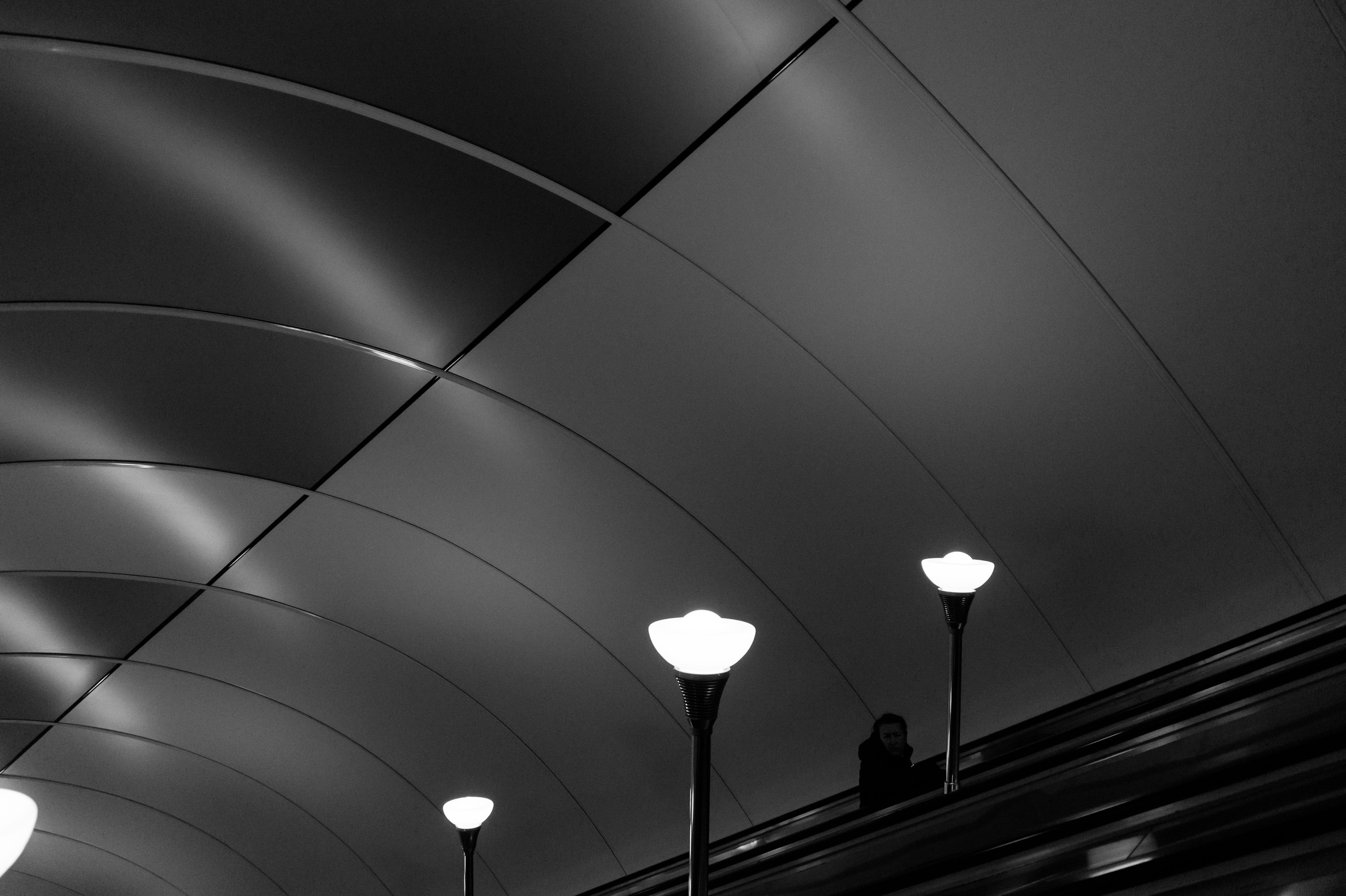
Bright lamps illuminating an escalator in a dark, metallic subway station, creating a striking contrast and moody ambiance.
Here’s a simple snapshot of what metal buildings are all about. They aren’t limited to warehouses or factories—some are cozy enough for a family home, while others span acres as agricultural barns or massive airplane hangars. This quick overview highlights the main categories, shows off their best features, and explains why people lean on them for all sorts of projects.
Common Types of Metal Buildings and How They’re Used
Residential Metal Buildings
- Barndominiums
- Why Best: Combines rustic charm with modern living amenities. They’re known for their open layouts and durable construction.
- Best For: People seeking a unique home style with plenty of flexibility for customization.
- Metal Building Homes
- Why Best: Sturdy, low-maintenance, and cost-effective, metal homes are perfect for modern living while staying budget-friendly.
- Best For: Homeowners looking for affordable, long-lasting, and customizable living spaces.
- Prefab Metal Garages
- Why Best: Quick to assemble, these garages offer secure storage for cars, tools, or hobby projects.
- Best For: Homeowners or DIYers needing extra space for vehicles or equipment.
Commercial Metal Buildings
- Steel Warehouses
- Why Best: Offers expansive floor plans and durability to support heavy loads and operations.
- Best For: Businesses like manufacturing units, distribution centers, or large-scale storage.
- Metal Shop Buildings
- Why Best: Easy to customize with features like insulation, office spaces, or specialized equipment areas.
- Best For: Small businesses needing a functional and affordable workspace.
- Metal Office Buildings
- Why Best: Durable and modular, these structures are perfect for expanding businesses.
- Best For: Companies looking for scalable, low-maintenance office spaces.
Agricultural Metal Buildings
- Metal Barns
- Why Best: Weather-resistant and low-maintenance, metal barns are perfect for housing livestock or farm equipment.
- Best For: Farmers and ranchers needing durable structures for agriculture.
- RV Carports and Portable Carports
- Why Best: Protects RVs, boats, and vehicles from harsh weather conditions like snow, rain, and UV rays.
- Best For: Homeowners or businesses needing versatile vehicle storage solutions.
Specialized Structures
- Airplane Hangars
- Why Best: Wide, clear spans accommodate aircraft and maintenance equipment with ease.
- Best For: Aviation businesses or private owners needing secure, spacious storage for planes.
- Insulated Steel Buildings
- Why Best: Maintains consistent indoor temperatures and energy efficiency, even in extreme climates.
- Best For: Storing sensitive equipment or year-round use in harsh weather conditions.
Recreational Metal Buildings

A close-up of the Pritzker Pavilion's trellis structure, showcasing the intricate steel design that enhances acoustics for outdoor performances.
- Cultural Hubs
- Why Best: Metal structures allow for large, open spaces that are perfect for community centers, art galleries, or performance venues.
- Best For: Cities or communities needing affordable, versatile event spaces.
- Sports Facilities
- Why Best: Metal buildings can house everything from basketball courts to indoor soccer fields, with minimal construction time.
- Best For: Schools, clubs, or private organizations wanting durable sports venues.
Retail and Shopping Spaces
- Metal Malls and Shopping Centers
- Why Best: Offers cost-efficient construction for large retail spaces with the flexibility for multiple tenants.
- Best For: Developers creating shopping centers or standalone retail outlets.
- Metal Convenience Stores
- Why Best: Quick to build, these structures are great for gas stations or small retail shops.
- Best For: Entrepreneurs needing functional spaces to start or expand their businesses.
Industrial Metal Buildings
- Factories and Manufacturing Plants
- Why Best: Built to handle heavy-duty operations and large-scale machinery.
- Best For: Industrial applications requiring high durability and customizable layouts.
- Storage Facilities
- Why Best: Affordable and scalable, metal storage units are perfect for both personal and commercial use.
- Best For: Businesses offering self-storage solutions or warehousing.
Bridges and Infrastructure

Metal arches of a bridge featuring yellow colors that create a visually striking accent, enhancing the bridge's architectural appeal.
- Pedestrian Bridges
- Why Best: Lightweight and durable, metal bridges are quick to assemble and can support heavy foot traffic.
- Best For: Parks, campuses, or urban areas needing safe pedestrian pathways.
- Small Metal Bridges for Vehicles
- Why Best: Weather-resistant and sturdy, metal bridges suit rural or industrial areas.
- Best For: Farms, industrial facilities, or small communities.
Why Choose Metal Buildings?

The modern facade showcases striking contrasts in lines and colors, highlighting its architectural elegance.
Metal buildings have carved out a solid reputation among homeowners, businesses, and farmers looking for something that’s both cost-efficient and long-lasting. They come in countless shapes and sizes, and can easily adapt to different climates and uses. From small backyard workshops to sprawling commercial facilities, metal structures are popping up everywhere—often because they save folks time, money, and headaches in the long run.
- Cost-Effectiveness: Lower costs compared to traditional construction.
- Durability: Resistance to pests, fire, and harsh weather conditions.
- Sustainability: Use of recyclable materials like galvanized steel.
- Customizability: Options like living quarters, storage sheds, and shop homes.
Details: Why Go for Metal Buildings?
Trim the Budget, Not the Quality
One of the biggest draws is cost-effectiveness. Traditional builds can rack up hefty expenses in materials and labor. Metal buildings typically arrive prefabricated and ready to assemble, which speeds things up and lowers the chance of costly mistakes. Over the years, we’ve seen people cut their project timelines in half simply because they weren’t dealing with extended on-site construction or unexpected delays.
Built to Take a Beating
Durability is another major win. Steel’s natural resistance to fire, pests, and rot means your building weathers storms and hard use without constant repairs. We’ve heard from clients in hurricane-prone areas who barely broke a sweat thanks to their metal framing.
That level of toughness reduces maintenance costs and keeps your space in good shape season after season.
Building a Greener Future
Metal construction can also boost sustainability efforts. Steel—especially galvanized steel—often contains recycled content, and it’s easy to recycle again when a structure reaches the end of its life. There’s less job-site waste too, since many parts are made to fit before they even leave the factory. If you’re looking to reduce your carbon footprint, metal buildings check that box nicely.
Your Space, Your Vision
Metal buildings offer flexibility for all kinds of setups: living quarters, storage barns, shops, or even a combination of everything under one roof. With open spans and modular designs, you can customize interior layouts as you wish—go for a cozy corner office or create a wide-open workshop for large-scale projects. We’ve seen folks convert unused corners into guest rooms or even craft studios.
Experience Speaks
After working on multiple metal building installations, it’s clear these structures fit a wide range of needs. Some people start small, adding a basic garage or shed, then upgrade later when they realize how easy it is to expand a metal frame. Others jump right in with a barndominium, combining rustic accents with a comfortable living area. In almost every case, they appreciate the blend of affordability, durability, and design freedom.
Bottom Line
Metal buildings aren’t just a trend. They’re a tried-and-true solution for anyone craving a sturdy space that doesn’t drain the bank account or demand too much upkeep. If you want something that can stand up to tough weather, evolve with your plans, and tread lighter on the planet, it’s worth considering metal for your next project.
Materials Used in Metal Buildings
- Common materials: Steel, aluminum, and corrugated metal sheets.
- Advances in galvalume roofing sheets and insulated panels.
- Comparison: Steel framing vs. wooden framing.
Details:
A Quick Take on Metal Building Materials

The Pias building showcases a sleek steel facade, emphasizing modern architectural detailing and a contemporary aesthetic.
It’s impressive how much metal construction has evolved. Years ago, most folks only pictured simple steel warehouses or bare-bones barns. Now, we see everything from sleek aluminum garages to insulated steel-framed homes.
After working on a few of these projects myself—ranging from cozy backyard sheds to sprawling industrial complexes—I can tell you that choosing the right materials makes all the difference in cost, comfort, and longevity.
Common Picks: Steel, Aluminum, and Corrugated Metal Sheets
Steel
Steel is the go-to for frames and support beams. It’s tough, resistant to pests and fire, and handles heavy loads without a fuss. We’ve seen steel-framed structures stand up to nasty weather far better than some traditional wood-frame buildings.
Aluminum
Aluminum is lightweight and naturally corrosion-resistant. It’s often used for siding, roofing, or trim. If you’re aiming to keep the building’s total weight down (say, in portable structures), aluminum might be the better bet.
Corrugated Metal Sheets
These iconic sheets are more than just a farmhouse staple. Corrugated metal is relatively easy to install, offers decent strength for its weight, and has that classic industrial look. We’ve noticed it pops up everywhere—from small tool sheds to stylish modern homes looking for a bit of contrast.
Galvalume Roofing Sheets and Insulated Panels: What’s New?
Galvalume Roofing Sheets
Galvalume is basically steel coated with a mix of aluminum, zinc, and silicone. This blend adds a serious layer of protection against rust and weather damage, which means fewer repairs down the road. We’ve found it particularly handy in regions with high humidity, where other metals might corrode faster.
Insulated Panels
These panels come with built-in layers of insulation (often foam) sandwiched between metal facings. They’re designed to keep your building warm in winter and cool in summer, cutting energy costs along the way. In our experience, they’re a lifesaver if you plan to occupy the space daily or store temperature-sensitive items.
Steel Framing vs. Wooden Framing: How Do They Stack Up?
Durability and Maintenance
Steel framing usually outperforms wood in harsh conditions—think high winds, heavy snow, or termites. We’ve replaced parts of older wooden structures that fell apart due to rot or pests, while nearby steel frames stayed solid.
Cost and Availability
Wood is often cheaper upfront, and it’s easier to find in some areas. However, once you factor in maintenance and potential damage, steel can be more economical long-term. We’ve seen property owners drop big bucks fixing rotted beams or dealing with termite damage.
Flexibility in Design
Wood framing is easier to cut or modify on the fly, which can be handy if plans shift mid-project. Steel demands precision; but if everything’s planned right from the start, those prefab steel components go together like puzzle pieces—fast and with minimal waste.
One More Thought
Picking materials for a metal building isn’t just about aesthetics. It’s about balancing toughness, energy efficiency, and the local climate’s demands.
From tried-and-true corrugated sheets to cutting-edge galvalume roofing, each choice comes with its own perks and quirks. Having worked on various builds, the recurring theme we see is that a little research and planning at the start can save time, money, and headaches later on.
Whether you’re adding a compact backyard workshop or erecting a full-scale facility, nailing down the right materials is key to a structure that stands strong for years to come.
Key Factors to Keep in Mind When Choosing a Metal Building
Important Considerations for Picking the Best Metal Building
What to Consider Before Selecting a Metal Building
Factors to Consider When Choosing a Metal Building
A Quick Take on Metal Buildings
Think of metal buildings as the Swiss Army knives of construction. They’re flexible, tough, and surprisingly easy on the wallet. One minute, they’re a sleek commercial workspace; the next, they’re a cozy backyard garage.
If you’re trying to figure out how to choose the right one, the following pointers can help you narrow down your options.
How to Choose a Metal Building: Things You Should Know
1. Pin Down the Purpose
Ask yourself what the building will be used for. A 40x60 metal building often suits commercial ventures—think workshops, warehouses, or even retail storage.
On the other hand, a 20x30 metal garage might be all you need for parking a couple of vehicles or storing household tools. Having a clear sense of purpose at the start prevents you from overbuilding or undershooting your needs.
2. Keep the Budget in Check
Money matters, no question. Pricing for structures like a 30x40 metal building can vary widely, especially once you factor in foundation slabs, installation labor, and optional extras.
Be sure to compare estimates and confirm exactly what’s included, from materials to delivery fees. It’s also worth asking about future maintenance costs—sometimes a slightly larger investment up front means fewer repairs down the road.
3. Consider Your Location and Climate
Where you put the building (and what kind of weather it will face) makes a big difference. In cold or humid areas, you might want additional insulation or rust-resistant finishes.
Many folks use heavier-gauge steel in hurricane zones, while drier regions may focus on UV-resistant coatings. Sorting out these details helps your building stay comfortable inside and hold up to the elements outside.
4. Tailor It to Your Tastes (and Needs)
One of the best things about metal buildings is flexibility. You can add a freestanding carport, incorporate extra storage sheds, or create a metal shop home for personal or professional projects.
Deciding on doors, windows, interior partitions, and even façade finishes can transform a basic shell into something that feels totally your own.
If there’s a chance your needs will evolve—like moving from a simple one-car garage to a larger workshop—plan for that expansion now. It’s much easier to adapt a metal building than rebuild from scratch later.
Quick Tip
Balancing these factors—purpose, budget, location, and customization—usually leads to a structure that’s both practical and durable. Taking time to map out your priorities can save headaches, especially when juggling project timelines or dealing with local building codes.
When in doubt, talk to a reputable manufacturer or contractor who has experience with metal building designs in your region. Doing so helps ensure you get the right size, features, and protective measures to handle local weather conditions and whatever else life might throw at it.
Metal Building Costs: What You Need to Know
What Determines the Cost of a Metal Building?
A Quick Look at Metal Building Costs
Understanding the Costs of Metal Buildings
Putting up a metal building isn’t just a one-line price tag. Factors like location, foundation type, and even local regulations can sway the final bill. Over the years, we’ve seen price differences based on what country you’re in—American, Canadian, Aussie, or elsewhere—plus wild variations from local contractors.
The good news? If you plan carefully and know what to expect, you can dodge most budget surprises.
Breaking Down the Costs of Metal Buildings
How Much Do Metal Buildings Really Cost?
1. Popular Sizes and Their Typical Price Ranges
30x50 Metal Buildings
- What You Get: This size is perfect for a modest shop, garage, or hobby space.
- Estimated Kit Costs (USD): Anywhere from $10,000 to $20,000 for a basic package.
- Variations in Other Regions: In Canada or Australia, you’ll want to account for transport, currency exchange rates, and possibly stricter insulation requirements in colder or hotter climates, which can push costs higher.
50x100 Steel Buildings
- What You Get: A roomy setup often used for commercial storage, mini-warehouses, or large workshops.
- Estimated Kit Costs (USD): You might see prices start around $35,000, but they can climb well above $60,000 depending on doors, windows, and insulation.
- Tying It to Real-World Projects: We’ve seen everything from small manufacturing spaces to truck repair bays fit snugly in this range. In countries with higher labor costs or tough code requirements, the price can jump even more.
40x60 Shop Buildings with Living Quarters
- What You Get: Combining a workshop and residential area is becoming a trend—think barndominium vibes.
- Estimated Kit Costs (USD): Basic shells can hover around $25,000–$45,000, but adding living spaces (e.g., plumbing, electrical, interior finishes) can push the total closer to $100,000 or more.
- Global Considerations: In the U.K. or Europe, local planning permissions might require more traditional exteriors, while Aussie builds might need specialized insulation for extreme heat. Keep those regional quirks in mind.
2. Additional Expenses to Keep on Your Radar
Foundation and Site Prep
- Concrete Slab or Pier System? Concrete slabs add stability but can drive up your budget. Pier systems might be cheaper but aren’t always suitable for every soil type.
- Site Clearance: If your property has heavy vegetation or uneven terrain, factor in costs for grading and clearing.
Permits and Regulations
- Local Building Codes: Rules differ not just by country, but often by city or state.
- Environmental Impact: In some areas, you might need special drainage solutions or approval if your building site is near protected land.
Installation and Labor
- DIY vs. Hiring Pros: Prefab kits are designed for quick assembly, but you still need a crew—or some seriously handy friends—to erect them safely.
- Varying Labor Rates: In some parts of the world, skilled labor is at a premium, while in others it’s more affordable. That disparity can tip your budget in a big way.
Tips for Cutting Costs (Without Sacrificing Quality)
- Compare Multiple Quotes: Don’t jump on the first price you see. Different suppliers and contractors can give drastically different bids.
- Plan for Expansion: If there’s a chance you’ll need more space, design a structure that can be extended rather than building an entirely separate one later.
- Insulate Smartly: Insulating up front can reduce energy bills. For places with extreme climates—be it cold Canadian winters or scorching Aussie summers—proper insulation pays off fast.
- Watch Timing: Material costs can fluctuate based on market conditions. Keeping tabs on steel prices might help you snag a better deal.
One Last Word of Advice
Metal buildings can give you fantastic bang for your buck, but it’s easy to underestimate the total cost if you focus only on the kit. Foundations, permits, labor, and interior finishes (like plumbing and electricity in a live-in space) all add up. Wherever you are—U.S., Canada, Australia, or somewhere else—local codes and conditions can impact your project’s timeline and budget.
The key is doing your homework early: talk with local pros, gather quotes, and figure out the right features for your situation. That extra bit of planning can save you money and ensure your new metal building stands the test of time—and weather.
Metal Building Installation: Best Practices and Regulations
Tips for Installing Metal Buildings and Staying Compliant
How to Install Metal Buildings While Meeting Regulations
Essential Installation Tips and Rules for Metal Buildings
Constructing a metal building goes beyond just ordering a kit and hoping it fits. There are permits to pull, codes to follow, and a bit of elbow grease needed—sometimes more than you’d expect.
After seeing folks try to cut corners (and pay for it later), I’ve learned a few key steps that can make the process smoother, safer, and more predictable.
Step-by-Step: From Groundwork to Completion
A Quick Spin on Installation and Regulations
1. Get the Paperwork in Order
- Check Local Codes and Permits: Every region has its own rules about setback distances, height limits, and even roofing materials. I once helped a friend who assumed rural land meant “no regulations.” Let’s just say the inspector made it clear that wasn’t the case.
- Gather the Required Documents: Zoning approvals, construction drawings, and site plans typically need to be submitted before you break ground.
2. Prep the Site
- Clear and Level the Land: Uneven or debris-filled terrain can cause headaches down the road. A stable, flat surface helps ensure everything lines up correctly.
- Choose Your Foundation: Concrete slabs are popular for stability, but in some cases, a pier or gravel foundation might be enough. Just double-check local guidelines.
3. Frame and Erect the Building
- Follow the Manufacturer’s Instructions: Sounds obvious, but skipping steps (or mixing up bolt sizes) is a classic way to weaken the structure.
- Use Proper Tools and Safety Gear: If you’re going the DIY route, don’t climb ladders without a partner, and make sure everyone has gloves and protective eyewear.
4. Finish with Plumbing, Electrical, and Interiors
- Bring in Licensed Professionals: Messing with wiring or gas lines without the right training can lead to hazards and code violations. Better to let a pro handle it.
- Add Insulation and Finishing Touches: This is where you can really customize your space—whether that means installing a workshop bench or drywalling a small living area.
When to Do It Yourself vs. When to Call the Pros
- DIY-Friendly Tasks: Some people tackle minor assembly, painting, or interior work themselves to save cash. If you’re comfortable with basic tools and can follow a guide, go for it.
- Leave These to Experts:
- Structural Welding: It’s not something you learn on the fly—an incorrectly welded seam can compromise the entire build.
- Electrical and Plumbing: Most areas require licensed contractors, plus you want it done right for safety.
Certified Contractors: Why They Matter
A certified metal building contractor stays current with local building codes, construction techniques, and industry standards. Working with someone who’s been around the block—especially in your area—helps you sidestep classic pitfalls. These pros also have relationships with inspectors, which can smooth out the approval process.
- Key Things to Look For: Ask about previous projects, check references, and make sure they understand any unique climate challenges (like high winds or extreme temperatures).
Maintenance Tips for Long-Term Durability
Once your building is up, the right upkeep can keep it sturdy and looking good for years:
- Regular Inspections
- Look for rust spots, leaks, or loose bolts a couple of times a year—especially after harsh weather.
- Clean Gutter Systems
- Leaves and debris can lead to water backups. A quick once-over each season usually does the trick.
- Touch-Up Paint or Sealant
- Exposed metal can corrode over time. A little paint or sealant can stop small problems from becoming big headaches.
- Ventilation and Insulation Checks
- In extremely hot or cold climates, review whether your insulation is still effective. Good airflow helps regulate temperature and moisture.
Quick Tips to Avoid Costly Mistakes
- Don’t Skip the Permit Process: Fines or forced tear-downs can cost far more than the permit fees you tried to dodge.
- Mind Local Weather: If you’re in a hurricane zone, invest in heavier steel gauge or additional bracing. It’s worth it to protect your investment.
- Talk to Several Contractors: Compare multiple estimates to avoid overpaying—and to weed out anyone who can’t back up their claims with references.
- Plan for Future Uses: If there’s a good chance you’ll want to expand or add living quarters later, design for that now. Retrofitting can be pricey.
Bottom Line
Building a metal structure that stands strong and meets local rules isn’t rocket science, but it does take homework and a careful approach. Make sure you know your area’s building codes, decide which tasks you’re prepared to do yourself, and hire qualified help for anything that could jeopardize safety or lead to code issues. A little extra effort on the front end often saves big bucks and headaches on the back end—trust me, I’ve seen it happen more than once.
With proper planning, solid materials, and routine checkups, your metal building can last for decades, serving as a reliable shop, garage, or even a comfy home.
A Glimpse into the Future of Metal Buildings

The Metal Mammoth sculpture by Wolfgang Bier at Rothsee, Franconia, Bavaria. This striking metal structure, reminiscent of a mammoth, stands at four meters long and three meters high, adding a unique artistic touch to the scenic Franconian Lakeland.
Metal buildings have always been ahead of the curve for durability and versatility, but now they’re stepping into entirely new territory.
Innovations in modular construction, sustainable materials, and smart building tech are rapidly changing how we design, build, and manage these structures. The result? Spaces that are not only sturdier and greener but also more connected to modern life.
Future Trends in Metal Buildings
1. Modular Construction: Beyond Prefab
- Factory-Built Components
Next-gen modular systems push beyond simple prefab kits. Entire sections arrive complete with wiring, plumbing, and insulation already installed. This means faster assembly and fewer on-site complications. - Efficient Use of Resources
Because most of the cutting and welding happen in controlled factory settings, there’s less waste. This approach also reduces unexpected material costs and shortens construction timelines. - Customizable Designs
Modern modular buildings aren’t limited to cookie-cutter aesthetics. You can still personalize layouts, façades, and interior finishes to suit everything from a cozy home office to a large-scale commercial complex.
Real-Life Example: We’ve seen projects where entire second-story modules were craned in and bolted onto an existing metal shop, turning it into a multi-use facility in record time—minimal disruption, maximum efficiency.
2. Eco-Friendly Materials and Methods
- Recycled Steel and Aluminum
Using metals with high recycled content shrinks your overall environmental footprint. Some builders source steel that’s been reclaimed from other projects, giving old structures a second lease on life. - Natural Insulation Options
Advanced panels and membranes—often made from organic or recycled materials—improve energy efficiency without piling on costs. This keeps interior climates stable while saving on heating and cooling bills. - Green Building Certifications
As governments worldwide emphasize eco-friendly policies, many metal-building designs now aim for standards like LEED (Leadership in Energy and Environmental Design). Builders are adding solar panels, rainwater harvesting systems, and even rooftop gardens to meet these requirements.
Pro Tip: In certain regions (looking at you, Australia and parts of Canada), a strong focus on sustainable materials can yield tax incentives or rebate programs. Always check local guidelines to see if you qualify.
3. Smart Building Technologies
- IoT Sensors for Monitoring
From tracking temperature and humidity levels to detecting structural stress, small sensors can give real-time updates on a building’s condition. It’s especially handy in large industrial facilities that need constant oversight. - Automated Climate Control
Tying HVAC systems into a central digital network ensures each zone gets precisely the heating or cooling it needs, boosting comfort and cutting energy costs. - Security and Access Control
Smart locks, cameras, and alarm systems integrate seamlessly into steel structures, helping you stay in the loop on everything from potential break-ins to deliveries arriving at odd hours.
Hands-On Experience: I’ve worked on a commercial warehouse that used AI-driven software to optimize lighting and climate control. The energy savings reportedly paid off the cost of the sensor setup in under two years.
4. Where It’s All Headed
- 3D Printing Possibilities
While still in its infancy, 3D printing in metal construction is gaining momentum. Entire building components—like brackets, beams, or decorative elements—can be custom-printed, reducing manual fabrication time. - Adaptive and Movable Structures
Modular designs might soon allow entire buildings (or significant parts of them) to be moved to different locations. This could be a game-changer for industries that need flexible, short-term facilities. - Net-Zero Goals
Combining insulation, solar power, smart systems, and recycled steel paves the way for metal buildings that actually produce as much energy as they consume—or close to it. Governments in various countries, including the U.S. and several European nations, are incentivizing net-zero builds with grants or lower permit fees.
Final Thought: Metal buildings already excel at offering strength, speed, and style. Add in the new wave of modular technology, eco-minded materials, and intelligent systems, and you’ve got structures that adapt seamlessly to tomorrow’s challenges. From solar-powered warehouses to high-tech, sensor-filled offices, the future of metal construction is about innovation and sustainability—delivered at a pace we couldn’t have imagined just a few years ago.
Top Metal Building Manufacturers
Why Look at Top Metal Building Manufacturers?
Choosing a metal building can feel like a maze of brochures, quotes, and fancy promises. The truth is, not all manufacturers are created equal. Some focus on high-end features, while others keep it budget-friendly.
This section is here to help you see through the sales pitch and zero in on the practical stuff—warranties, customization, and how these companies handle delivery.
If you’re on the hunt for a structure you can rely on for years, this breakdown should put the right options in front of you.
A Brief Snapshot of Major Metal Building Brands
1. Mueller Metal Buildings
- What They’re Known For: Mueller has a reputation for sturdy steel structures that range from small storage sheds to large agricultural barns.
- Customization Options: Offers a wide selection of panel colors, roof styles, and add-ons to match your project’s needs.
- Warranties: Typically includes coverage on roofing and structural components, though the exact terms depend on the specific building package.
- Delivery Services: Mueller delivers primarily in the southern and southwestern U.S. Check if their transport routes cover your area, or ask about special delivery options.
2. Morton Buildings
- What They’re Known For: Morton focuses on top-tier craftsmanship, often appealing to folks willing to spend a bit more for upgraded materials and finishes.
- Customization Options: Known for more “high-end” touches—think insulated panels, custom windows, and even living quarters.
- Warranties: Comes with extended protection on certain products. Their materials (like paint systems) often carry guarantees that last decades.
- Delivery Services: Morton has multiple service centers across the U.S., which can simplify the scheduling and reduce lead times.
3. Nucor Steel Buildings
- What They’re Known For: Nucor is a giant in the steel industry, so they bring considerable manufacturing muscle to the table. Their buildings often hit a nice balance of durability and cost-effectiveness.
- Customization Options: Offers a broad range of design choices—especially useful if you need a large, open-span warehouse or commercial facility.
- Warranties: Generally covers structural integrity and steel panels against defects. Always double-check the fine print.
- Delivery Services: Has an extensive distribution network, which usually helps with on-time delivery across various U.S. regions.
4. Viking Steel Structures
- What They’re Known For: Viking provides everything from smaller carports to sizable industrial metal buildings. They emphasize user-friendly online design tools.
- Customization Options: Numerous roof styles, panel gauges, and color schemes. Some customers mention how easy it is to tweak the design on their website before placing an order.
- Warranties: Often includes coverage against rust through the panels (for certain grades of steel) and structural defects, but specifics vary by product line.
- Delivery Services: Operates across most of the continental U.S. and sometimes offers free delivery and installation, depending on location and building type.
Warranties, Customization, and Delivery: Key Takeaways
- Warranties and Coverage
- Most manufacturers offer multi-year warranties on structural components, sometimes extending 20+ years.
- Look closely at terms for roofing, paint, and panel coverage—sometimes these differ from the main building guarantee.
- Customization Choices
- Colors, panel thickness, insulation, window/door placements—these are all up for grabs.
- Certain companies (like Morton) lean toward premium features, while others (like Viking) focus on flexible, budget-friendly design tweaks.
- Delivery and Installation
- Many of these brands ship across the U.S., but you’ll want to confirm service availability if you’re in Canada, Australia, or another locale.
- Some providers bundle installation into the quoted price, while others treat it as an optional add-on. Always clarify who’s responsible for on-site assembly.
A Final Note: Choosing the right metal building manufacturer isn’t just about the base price. It’s about balancing warranty support, how much you can customize, and the convenience of straightforward delivery.
If you’re still weighing your options, don’t hesitate to request quotes from multiple companies. Ask about shipping times, hidden fees, or any specific code requirements in your region.
Doing that homework helps ensure you end up with a building that stands strong, looks great, and fits your needs for years to come.
Conclusion: Are Metal Buildings Right for You?
Metal buildings can serve a wide range of needs—anything from a simple garage to an expansive commercial warehouse. In our experience, a few key advantages show up again and again:
- Toughness and Longevity: Steel’s natural ability to handle rough weather, pests, and fire keeps maintenance low.
- Custom Fit: You can design metal structures to match your vision, whether that’s a sprawling farm barn, a hybrid barndominium, or a high-traffic commercial space.
- Money Savers: Prefabrication can cut down labor costs and speed up assembly, making metal buildings a budget-friendly choice long-term.
- Greener Footprint: Many of these buildings use recyclable materials and can be insulated to reduce energy usage.
If you need a structure that will adapt to shifting requirements, stand up to the elements, and remain cost-effective over the years, a metal building might be just the solution you’re after.
FAQs: Metal Buildings
1. Are metal buildings more affordable than traditional construction?
Answer: Often, yes. Prefabricated parts and quicker assembly can reduce labor and material costs. However, final expenses vary depending on size, design, and finishes.
2. Do metal buildings hold up in extreme weather?
Answer: In many cases, they handle storms, high winds, and heavy snow better than wood-framed structures. Steel resists rot, pests, and fire, which adds to its overall durability.
3. Can a metal building be insulated?
Answer: Absolutely. Insulated panels or added layers like spray foam can stabilize indoor temperatures and cut energy costs, making the building more comfortable and efficient.
4. Will a metal building rust?
Answer: High-quality steel, especially when treated with coatings like galvalume, is designed to resist rust. Regular inspections and touch-ups of protective finishes can further guard against corrosion.
5. What about local building codes and permits?
Answer: Most areas have specific regulations for metal structures, just like they do for wood or concrete buildings. Check with local authorities or consult a contractor to ensure compliance.
6. Is it possible to customize the exterior look?
Answer: Yes. Modern metal buildings offer many design elements—different panel styles, colors, and even siding options—to blend with surrounding architecture or match personal tastes.
7. Are metal buildings considered eco-friendly?
Answer: Steel is recyclable and can be sourced from recycled materials. Plus, less on-site construction waste means a smaller environmental footprint. Proper insulation also reduces energy consumption over the building’s life.
8. How long does it take to construct a metal building?
Answer: Construction times vary, but prefabricated components typically speed things up. Smaller garage-style buildings might go up within days, whereas larger complexes could take weeks or a few months.
Related
Metal Materials and Applications
- The Complete List of Building Materials: Key Types and Their Applications
- Prefab Metal Buildings: Types, Costs, and Benefits
- Prefab Metal Building Prices: What to Expect in 2025
- Small Prefab Metal Building Prices: What You Need to Know
Metal Design
Prefabricated Homes
- Prefab Homes vs. Traditional Construction: Which is Better for Your Budget?
- Prefabricated Homes: The Problems No One Talks About
- Are Prefabricated Homes Safe? Facts, Myths, and What You Need to Know
History and Theory
References and Resources
Below are some official and governmental organizations that provide guidance, codes, and research relevant to metal buildings and construction standards.
- FEMA (Federal Emergency Management Agency)
https://www.fema.gov
Offers guidelines on disaster-resistant building practices, including steel construction for improved resilience. - MBMA (Metal Building Manufacturers Association)
https://www.mbma.com
Provides technical resources and industry standards for metal building systems. - AISC (American Institute of Steel Construction)
https://www.aisc.org
Offers comprehensive guidelines on steel design, fabrication, and construction. - U.S. Department of Energy – Building Energy Codes
https://www.energy.gov/eere/buildings/building-energy-codes-program
Contains information on energy codes and best practices for insulation and efficient building envelopes. - International Code Council (ICC)
https://www.iccsafe.org
Creates model codes and standards (including structural requirements) that many local governments adopt.
When you’re making a final decision, these resources can guide you through everything from code compliance to energy efficiency. We’ve used many of these references ourselves to keep projects aligned with best practices and regulations.
If you’re still weighing your options, browsing these sites or consulting a professional builder can give you extra confidence before you start.