
Prefab Homes: What No One Tells You Until It’s Too Late
The Real Problems with Prefab Houses
Prefab houses look good on paper. Fast build, lower cost, energy efficient. But talk to people who’ve actually lived in one, and the cracks start to show—sometimes literally.
I’ve seen prefab homes buckle under snow loads, rot from bad site prep, or trap owners with layouts they can’t change without tearing walls down. Builders cut corners. Cheap materials get passed off as “green.” And try selling one later? Good luck if your market’s cold.
This isn’t to scare you off. It’s to save you from learning the hard way.
If you’re thinking prefab, here’s what you need to know before you buy.
Structural Problems: When Prefab Isn’t Built to Last
Prefab Homes Aren’t Always What They Promise
Just because it’s built in a factory doesn’t mean it’s built right.
Factory-Built Doesn’t Always Mean Precise
Prefab parts are made in controlled conditions, sure. But that doesn’t stop rushed cuts, warped framing, or sloppy finishes. On-site assembly often reveals gaps, misaligned joints, or floors that bounce underfoot.
Lightweight = Weak in Bad Weather
Most prefab homes use light framing to make transport cheaper. That’s fine—until you’re hit with 70 mph winds or two feet of snow. Roofs sag. Seals fail. Wall panels shift.
Real Example: Colorado Cracks
John and Linda moved into a modern prefab outside Boulder. The builder promised it could handle winter. It didn’t. After one cold snap, the drywall cracked, the floor warped, and their heating system ran nonstop. Their energy bills hit $900 in January. It took two contractors and $12K in repairs to fix what prefab “efficiency” couldn’t.
Prefab Houses: The Good, the Bad, and the Problems You Shouldn’t Ignore
Prefab homes are trendy, but are they trouble? Uncover the drawbacks before you decide to go modular.
Limited Customization: Your House, Their Rules
Before You Buy a Prefab House, Read This
Prefab homes look modern. But when it comes to layout and design freedom, you're boxed in from day one.
Design Is Pre-Decided
Most prefab companies sell fixed plans. Want vaulted ceilings or a custom kitchen island that’s three feet wider? Good luck. These homes are built for speed and efficiency, not creative freedom. Even window changes or swapping a staircase can blow the budget—or just get a flat no.
Why It Actually Matters
This isn’t about luxury taste. It’s about livability. Want your bedroom on the first floor? Need a bigger mudroom? If your life doesn’t fit the template, too bad. Most changes either cost thousands or aren’t allowed at all.
Real Example: Stuck in the Layout
Marie in Toronto picked a sleek prefab, assuming she could tweak the layout later. She couldn’t. Moving a single load-bearing wall would’ve voided the builder warranty and cost over $30,000. She ended up living with a cramped galley kitchen and no pantry; just to keep the structure intact.
Why Some Homeowners Regret Buying a Prefab
Prefab Housing Headaches Most People Miss
Hidden Costs: More Expensive Than You Think
Prefab homes are sold as affordable. But the base price? That’s just the beginning.
Land Isn’t Included
You’re buying a house, not a place to put it. In most cities, the land alone can cost more than the prefab itself.
Site Prep Adds Up Fast
Before anything gets delivered, you need a foundation, utility hookups, grading, permits. That can run $20K–$50K easy—more if your land isn’t flat or serviced.
Delivery Isn’t Cheap
Moving a prefab isn’t like shipping a sofa. Depending on where you live, transport alone can cost $5,000 to $20,000. And if the modules are oversized, expect escort vehicles and extra permits.
Real Story: Mark in Vancouver
Mark budgeted $250K for his prefab. The house itself cost $180K. The rest? $30K in water and electrical hookup fees. Another $12K in excavation. The final bill wasn’t far off a traditional build—and he didn’t even get to pick his layout.
Maintenance Issues: Not as Low-Maintenance as Promised
You’re told prefabs are modern and low-hassle. That doesn’t always hold up.
Materials Cut Corners
To keep things light and portable, many builders use cheaper siding, thin drywall, or basic finishes. These don’t wear well. Expect warping, peeling, or cracking sooner than you'd like.
Repairs Get Weird
Break a wall panel or crack a ceiling? You might need a factory-ordered part that takes weeks. And local contractors often won’t touch it unless they know prefab systems.
Real Story: Lisa in Florida
A slow leak behind Lisa’s prefab shower turned into a $10K nightmare. To reach the pipe, the crew had to take out an entire modular wall section. No one local could fix it—she had to fly in a specialist from the builder’s network.
Resale Value: Prefabs Are Harder to Sell
Is a Prefab Home Worth It? Here’s the Catch
Selling a prefab can feel like selling a used trailer in a luxury lot.
Buyers Don’t Always Get It
Even if your prefab looks great, many buyers assume “cheap build” or “temporary home.” That stigma sticks, especially in markets where site-built homes dominate.
Financing Gets Tricky
Some banks treat prefabs like mobile homes. They require bigger down payments or won’t lend at all. This limits your buyer pool—and keeps your house on the market longer.
Real Numbers
Realtor.ca data from 2023 showed prefabs in Canada lose around 20% of their value in the first 5 years. Traditional homes? Less than half that.
On the Other Hand: When Prefab Does Make Sense
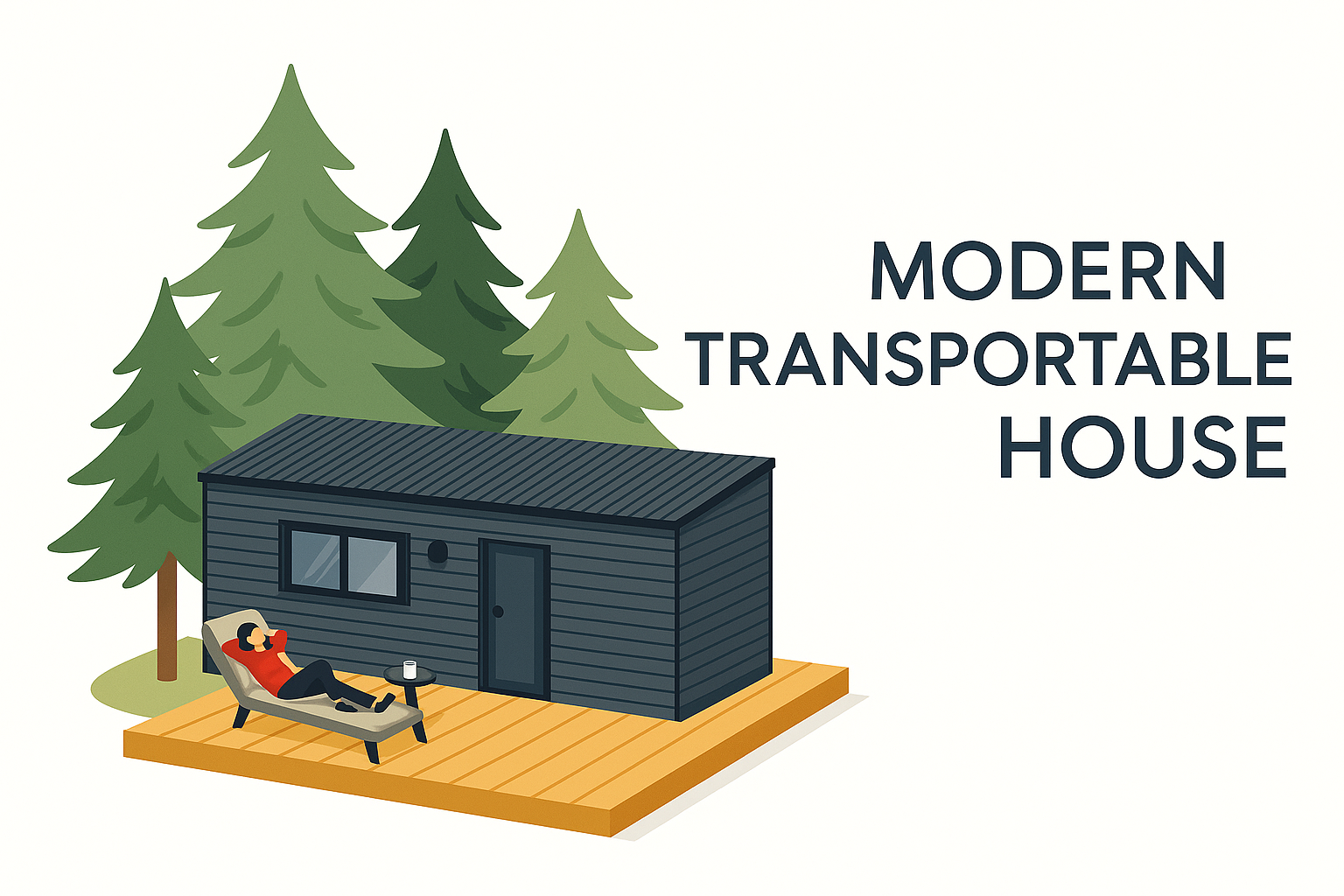
Not every prefab is a trap. If you know what you’re doing and pick the right builder, there are real upsides.
Speed
You can go from permit to move-in in a few months. Factory builds cut weather delays and let site prep happen at the same time. For people in a hurry, that matters.
Cost Control (When Managed Right)
If your site is flat, local, and serviced, you can skip a lot of the usual budget bloat. No delays from rain. No months of labor costs piling up. Everything is priced up front—if you don’t make big changes.
Sustainability
Prefab builds usually waste less material. Some companies use FSC-certified wood, energy-efficient insulation, and solar-ready systems. It’s not always just marketing.
Design Consistency
Factory settings make it easier to enforce standards. No subcontractor cutting corners while no one’s watching. A good prefab company can turn out tight, well-built units that beat some site-built homes.
Good for Remote or Rural Sites
If you’re building off-grid or far from cities, prefab makes sense. You don’t need to find and house a full crew. You just prep the site and receive the finished product.
Real Example: Evan in Northern Ontario
Evan wanted a cabin deep in the woods—no road, no power, no local builders. A prefab company trucked in the modules and craned it into place in 48 hours. Fully insulated, wood stove-ready, solar panel pre-wired. He spent more on delivery, but saved months in labor and logistics.
Bottom line: prefab can work. You just need to go in clear-eyed. Know what you’re getting. Know what you’re not.
Key Takeaways
What to Know Before You Go Prefab
✓ Add Everything Up: House, land, permits, foundation, transport, utility hookups. That’s your real cost.
✓ Choose a Builder You’d Bet Your House On: Check real customer reviews. Call past buyers.
✓ Think Climate and Longevity: Prefabs vary wildly in quality—some won’t survive rough winters or storms.
✓ Check Maintenance Reality: Ask about parts, service, and materials before you buy.
✓ Resale Isn’t a Guarantee: If you might move in 5–10 years, run the numbers. Carefully.
FAQ
Q: Are prefab houses durable?
Some are. But many aren’t designed for extreme climates or long-term wear. It all depends on the builder and materials.
Q: Can you customize a prefab home?
Only a little. Most changes are expensive, restricted, or flat-out denied.
Q: Are prefab homes actually cheaper?
Upfront, maybe. After land and setup? Not always.
Q: Do they hold value?
Usually less than traditional homes. In some markets, resale is a real struggle.
Q: Can they handle snow, heat, or storms?
Only if they’re designed for it. Many aren’t.
Sources
- Canada Mortgage and Housing Corporation (CMHC)
Insights into prefab housing regulations and market trends. - Prefab Housing Canada
A directory of prefab builders and resources for buyers. - Numbeo: Cost of Living in Canada
Detailed breakdowns of living costs across Canadian cities. - Home Builders Association of Canada
Guides on choosing builders and understanding housing costs. - Realtor.ca
Real estate trends and prefab resale data.