
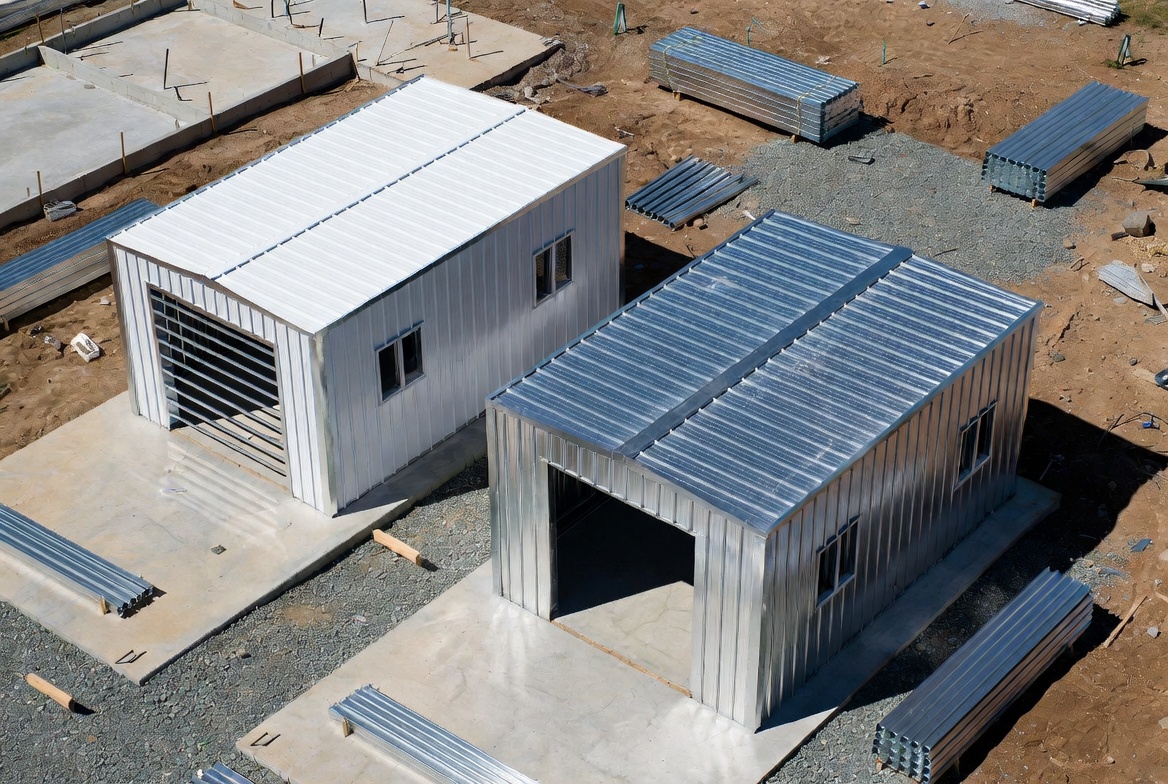
Small metal building prices get messy fast because buyers keep comparing different products as if they are the same thing.
One quote is for a lighter factory-direct enclosed garage. Another is for a heavier pre-engineered steel kit that still needs a slab, erection, and more site work. Same footprint. Different building. Different budget.
This page stays on the sizes people actually shop first: 20x20, 20x30, 24x30, and 30x30. It separates shell price from slab price from a building you can really use as a garage or workshop.
If you want the broader overview first, read Prefab Metal Buildings: Types, Costs, and Benefits. If you want the wider system view beyond small sizes, go to Metal Buildings: Everything You Need to Know.
Start With the Split in the Market
The biggest mistake on small-building price pages is pretending there is one clean market price. There is not.
| Type | What It Usually Is | What the Headline Number Usually Means | What It Often Leaves Out |
|---|---|---|---|
| Factory-Direct Enclosed Garage | Lighter gauge enclosed garage or basic shop package | Often a starting price with delivery and installation | Slab, power, insulation, permit work, upgraded doors, better height, cleaner workshop finish |
| Pre-Engineered Steel Kit | Heavier engineered steel building package | Usually the kit itself, not a finished installed project | Slab, erection, utilities, interior build-out, more framed openings, site work |
That is why a 20x20 can look like a cheap backyard garage in one listing and a much more serious steel package in the next. Buyers compare those numbers like they are interchangeable. They are not.
2026 Planning Ranges by Size
These are early planning ranges for the sizes people actually buy. Height, openings, local loads, and foundation scope can move them fast.
| Size | Low-End Enclosed Shell Start | Concrete Slab Budget | Basic Usable Garage Budget | Usable Workshop Budget |
|---|---|---|---|---|
| 20x20 400 sq. ft. |
About $5,500-$6,000 | About $3,900-$4,800 | About $11,000-$18,000 | About $16,000-$28,000 |
| 20x30 600 sq. ft. |
About $7,000-$9,000 | About $5,900-$7,200 | About $14,000-$22,000 | About $20,000-$34,000 |
| 24x30 720 sq. ft. |
About $8,500-$11,000 | About $7,100-$8,700 | About $18,000-$27,000 | About $24,000-$38,000 |
| 30x30 900 sq. ft. |
About $11,000-$15,000 | About $8,800-$10,800 | About $24,000-$35,000 | About $30,000-$50,000 |
Basic usable garage budget means a real slab, real access, and enough scope that the building is more than a shell. Usable workshop budget assumes you want something cleaner and more functional, not just enclosed storage.
The point is not that every small building will cost the high end of the range. The point is that the shell number is not the whole job.
Why 24x30 Is Often the Smarter Buy
This is the size a lot of buyers should start with, even if they first search 20x20.
A 20x20 can work, but it gets tight fast once you add shelving, a workbench, wider vehicle doors, or normal walking clearance. A 24x30 usually feels less like a compromise. It is often the point where a two-car garage starts working like a garage instead of just technically fitting two cars.
That matters because small buildings are hard to expand cleanly later. Spending a little more on the right footprint up front is often cheaper than forcing a too-small shell to do too much.
What Moves Small-Building Costs Fast
Foundation Scope
A 20x20 slab can still cost serious money once excavation, compaction, drainage, thickened edges, reinforcement, and anchor layout are handled properly. The building gets all the attention. The slab is usually the quieter cost trap.
Doors and Openings
Garage doors are not background items. Two-car and three-car layouts can push the budget harder than people expect, especially once you stop pricing the cheapest possible opening and start pricing doors you actually want to live with.
Height
A small footprint with better wall height is not a minor upgrade. Height changes the frame, the door package, and the way the building can actually be used.
Utilities and Interior Use
There is a big difference between weather cover and usable building. As soon as you want lighting, power, outlets, heat, insulation, or a cleaner interior, the cost logic changes.
Code and Loads
Even at small sizes, a quote built around lighter assumptions is not the same as a quote built for tougher wind, snow, or permit conditions. Same size does not mean same engineering.
What Small-Building Buyers Get Wrong
| What People Focus On | What Usually Matters More | Why |
|---|---|---|
| The shell price | The slab and access package | That is where the cheap-looking quote often stops looking cheap |
| Square footage | Use case and height | A storage shell and a working shop are not the same budget |
| Delivery and install language | What is excluded | Free install does not mean finished project |
| One headline number | Doors, slab, power, and drainage | Those are the parts that decide whether the building is actually useful |
When Gravel Is Okay and When It Is Dumb
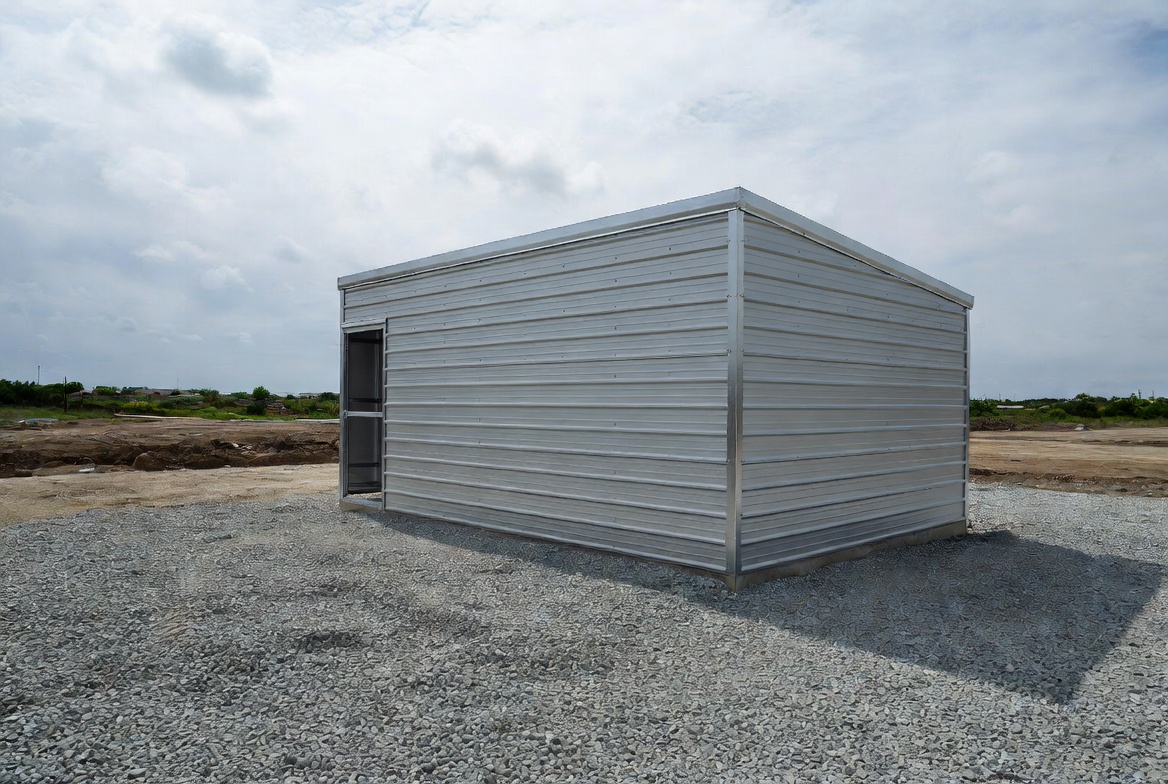
Image by ArchitectureCourses.org. Small prefab metal building on a gravel pad, the kind of setup that can work for light storage but not always for a clean daily-use garage or workshop.
Gravel is not always wrong. It is just wrong for a lot of the uses people have in mind when they say garage or workshop.
| Gravel Can Make Sense | Gravel Usually Becomes a Bad Idea |
|---|---|
| Light storage | Daily-use workshop |
| Equipment parking | Clean garage floor expectations |
| Drainage-heavy sites | Rolling toolboxes, jacks, creepers, or shop benches |
| Fast build now, slab later thinking | Moisture-sensitive storage or finish work |
| Simple utility structure where dirt and dust are acceptable | Permanent enclosed garage you want to feel finished |
Good gravel means compacted, level, and built like a pad. Bad gravel means “we spread stone and called it done.” Those are not the same thing.
If you already know you want a clean garage, a real workshop floor, or a building that feels finished, gravel is usually the wrong move.
What a Cheap 20x20 Quote Usually Leaves Out
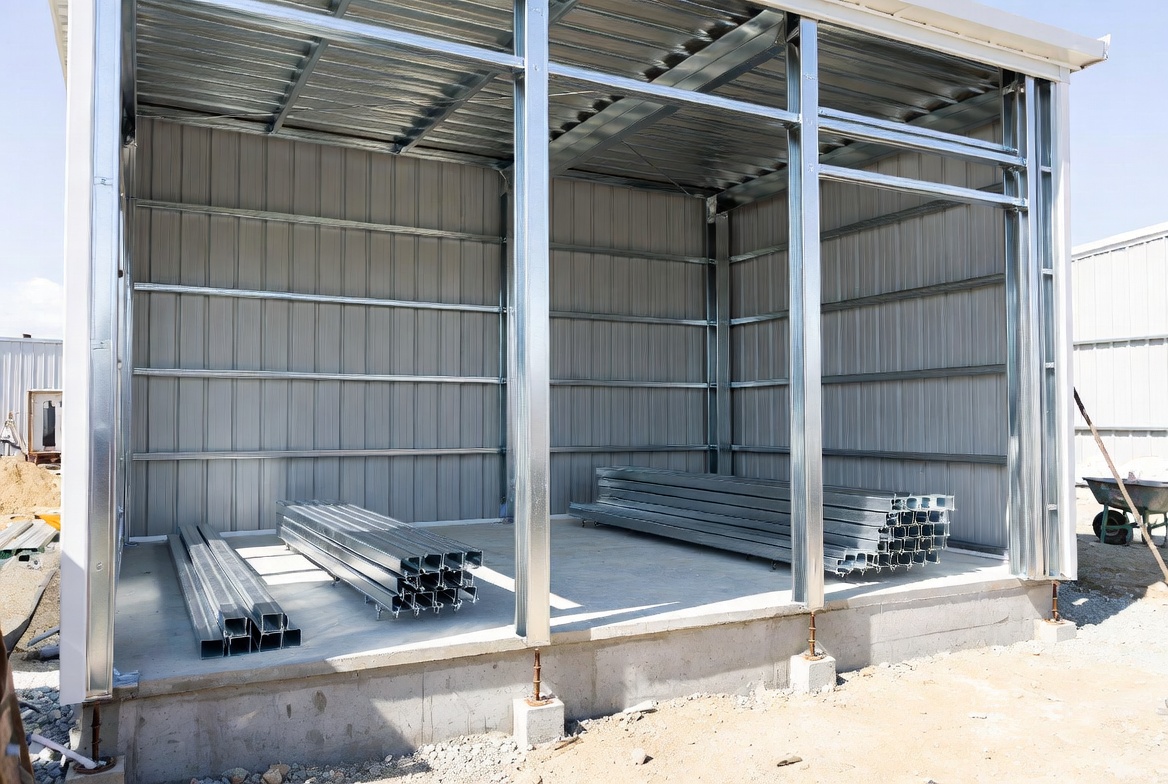
Image by ArchitectureCourses.org. Small prefab metal building shell on a concrete slab, showing the kind of unfinished openings and missing scope that cheap 20x20 quotes often leave out.
This is the smallest size where people still expect garage performance from a bargain shell.
- The slab. A 20x20 still needs a real base if you want a real garage.
- Better doors. The cheapest opening is rarely the one you actually wanted.
- Walk door, windows, and trim upgrades. Small buildings feel every add-on fast.
- Electrical. Even a basic garage feels unfinished without enough power and lighting.
- Drainage and grading. Water around a small building still causes big headaches.
- Permit and engineering differences. Small does not mean exempt from local reality.
A cheap 20x20 quote can still be fine if you understand what it is. It becomes a problem when buyers read it as the budget for a finished small shop.
Use This When, Avoid This When
| Size | Use This When | Avoid This When |
|---|---|---|
| 20x20 | Simple car storage, mower storage, light personal workspace | You want a comfortable two-car garage plus real work area |
| 20x30 | One vehicle plus storage, narrow workshop, tighter budget shop | You need wide clear layout or expect two-car comfort |
| 24x30 | Better two-car garage, more believable hobby shop, cleaner layout | You need lifts, large equipment, or serious commercial use |
| 30x30 | Three-car shell, larger shop, more flexible mixed-use building | You think it will stay cheap once you start finishing it properly |
Spend Here, Not Here
| Spend Here | Not Here | Why |
|---|---|---|
| Slab and drainage | Fancy finish choices too early | The base and water handling decide whether the building works long-term |
| The right height | Oversized footprint you do not really need | Bad height decisions limit the building more than people expect |
| Useful door layout | Extra cosmetic add-ons | Bad access makes even a decent building annoying to use |
| Enough power and lighting | Pretending you will add it later with no plan | That is how cheap shells turn into awkward unfinished spaces |
What To Do Next
Also Useful: Prefab Metal Buildings: Types, Costs, and Benefits if you are still sorting out what class of metal building you are even pricing.
Worth Knowing: Prefab Metal Building Prices if you want the broader pricing page that covers larger shell sizes and less garage-scale buying decisions.
This Part Matters: Metal Buildings: Everything You Need to Know if you want the broader system, not just the small-size budget angle.
FAQ
What is the cheapest useful small metal building size?
Usually 20x20. But cheap only holds if you are honest about the use. A simple storage garage is one thing. A real small workshop is another.
Is a 20x20 actually enough for two cars?
It can work as a minimum-size two-car shell, but it is tight. If you want comfortable access, storage, or workspace, 24x30 usually makes more sense.
Is 20x30 better than 20x20?
Usually yes if the extra depth matters more than width. It is a better fit for one vehicle plus storage or a narrower workshop layout.
When does 24x30 make more sense?
When you want a more comfortable two-car garage or a small workshop that does not feel squeezed. It is often the size where the building starts to feel practical instead of compromised.
Is gravel enough for a small metal garage?
It can be enough for light storage and some equipment uses if the pad is built properly. It is usually the wrong choice for a clean daily-use garage or workshop.
Why do small building prices vary so much online?
Because the market mixes lighter enclosed garage packages, carport-style systems, and heavier pre-engineered steel kits. Same size does not mean same product, same scope, or same final project cost.