
A lot of green building advice sounds impressive right up until the estimate lands on the table.
Then the questions get better. What still matters after value engineering starts? What still works ten years from now? What will the maintenance team keep up with? What can local crews build well without turning the job into an experiment?
That is usually where the green moves worth keeping begin to separate themselves from the ones that mainly photograph well.
The practices that keep surviving those conversations are rarely exotic. Better insulation. Better air sealing. Better drainage and drying. Smarter ventilation. Fewer thermal bridges. Less unnecessary concrete. Lower-emission finishes. Existing buildings reused instead of dumped. Mechanical systems that are commissioned instead of merely switched on.
That is the angle here. Not a shopping list. Not certification theater. Just the practices that still make sense once weather, handoff, maintenance, and budget all show up.
The Question That Filters Out Most of the Green Noise
A lot of articles ask what sounds sustainable. That is not the right question.
The better one is tougher: what still holds up once the building has to stay dry, stay comfortable, stay affordable to run, and stay repairable for decades?
That shifts the whole conversation.
- For houses, it pushes attention toward envelope quality, moisture control, ventilation, equipment sizing, and indoor materials that do not turn a tighter house into a dirtier one.
- For offices, it pushes attention toward operations, controls, commissioning, fit-out waste, and cutting loads before anyone starts bragging about upgrades.
Also Useful. For the broader material logic behind that shift, What Are Sustainable Materials? and Sustainable Building Materials: What Works and What Fails give the bigger frame without losing the practical side.
The Moves That Keep Paying Off
Some green practices fade as soon as the project gets tighter. These usually do not.
| Practice | Homes | Offices | Why It Keeps Working |
|---|---|---|---|
| Reduce loads first | Air sealing, insulation, shading, better windows where justified | Envelope fixes, lighting upgrades, controls, plug-load discipline | Lower loads make every later system smaller, cheaper, and easier to run |
| Control water and drying | Flashing, drainage, vapor-smart assemblies, moisture-safe basements and roofs | Facade maintenance, air-barrier continuity, roof drainage, leak response | Wet buildings fail early, no matter how green the material list sounds |
| Ventilate on purpose | Balanced ventilation, source control, filtration, kitchen and bath exhaust that actually works | Outdoor-air control, filtration, schedules matched to occupancy | Efficiency without air-quality control is a bad trade |
| Electrify after the envelope is under control | Heat pumps, heat-pump water heaters, right-sized equipment | Efficient electric HVAC, controls, heat recovery where appropriate | Electrification works better when the building is not bleeding energy first |
| Reuse what is already there | Keep salvageable structure, finishes, doors, flooring, cabinets, brick, timber | Reuse existing shells, partitions, furniture, and fit-out elements where viable | Avoiding new material is often the quietest carbon win on the job |
| Buy fewer bad indoor materials | Low-emission paints, sealants, cabinets, flooring, composite wood | Low-emission fit-out materials, adhesives, finishes, furniture | Tight buildings concentrate indoor problems, not just energy savings |
| Commission and tune systems | Verify airflow, controls, refrigerant charge, and thermostat logic | Retro-commissioning, scheduling, calibration, and maintenance discipline | Installed equipment drifts; performance has to be protected |
| Lower embodied carbon where it matters most | Concrete, insulation strategy, framing efficiency, reuse | Concrete, steel, glass, interior fit-out, flooring, ceilings, partitions | The highest-impact materials are usually not the decorative ones |
For Houses, the Best Green Moves Are Usually the Least Exciting Ones
This is where homeowners get sold sideways.
They start with the visible stuff because it is easier to picture. Recycled cladding. Eco countertop. Natural wall finish. Solar gadget. Meanwhile the attic hatch still leaks air, the basement wall still runs damp, the insulation is broken by framing in all the usual places, and nobody has decided how the house is supposed to breathe once it gets tightened up.
That order is backwards.
Seal the Leaks Before You Buy Better Equipment
One of the highest-value green moves in a house is still air sealing. It is not glamorous. It does not give you a dramatic reveal. It just keeps paying.
A tighter house is cheaper to heat, cheaper to cool, easier to keep comfortable, and easier to electrify later without oversizing the equipment.
Put Insulation Where It Changes Daily Life
Sustainable insulation matters most where it changes how the house behaves every day: attics, rooflines, rim areas, walls, floors over unconditioned space, and foundations where the climate and assembly justify it.
The strongest choices for many ordinary houses are still the unflashy ones: cellulose, mineral wool, carefully used foam where detailing gets difficult, and continuous insulation where thermal bridging is worth the effort.
This Part Matters. Sustainable Insulation That Saves Energy and Cuts Costs is the right next read once the conversation moves from broad advice into actual wall and roof decisions.
Treat Moisture as Part of Sustainability
A moldy wall is not sustainable because the insulation label sounded progressive.
Green house practice only holds up when drying paths, flashing, drainage, capillary breaks, and site water are handled with the same seriousness as R-values.
Use Heat Pumps After the House Is Ready for Them
Heat pumps are a strong long-run move in many houses. They work better when they are not being asked to compensate for a sloppy envelope.
The smarter sequence is usually simple: reduce the load first, then electrify.
Buy Lower-Emission Materials Indoors
Tightening the house while filling it with cheap high-emission finishes is one of the stranger contradictions in green-home work. Cabinets, paints, adhesives, flooring, sealants, and composite wood products all matter more once the shell starts performing better.
A Good House Assembly Usually Beats a Fancy Product Story
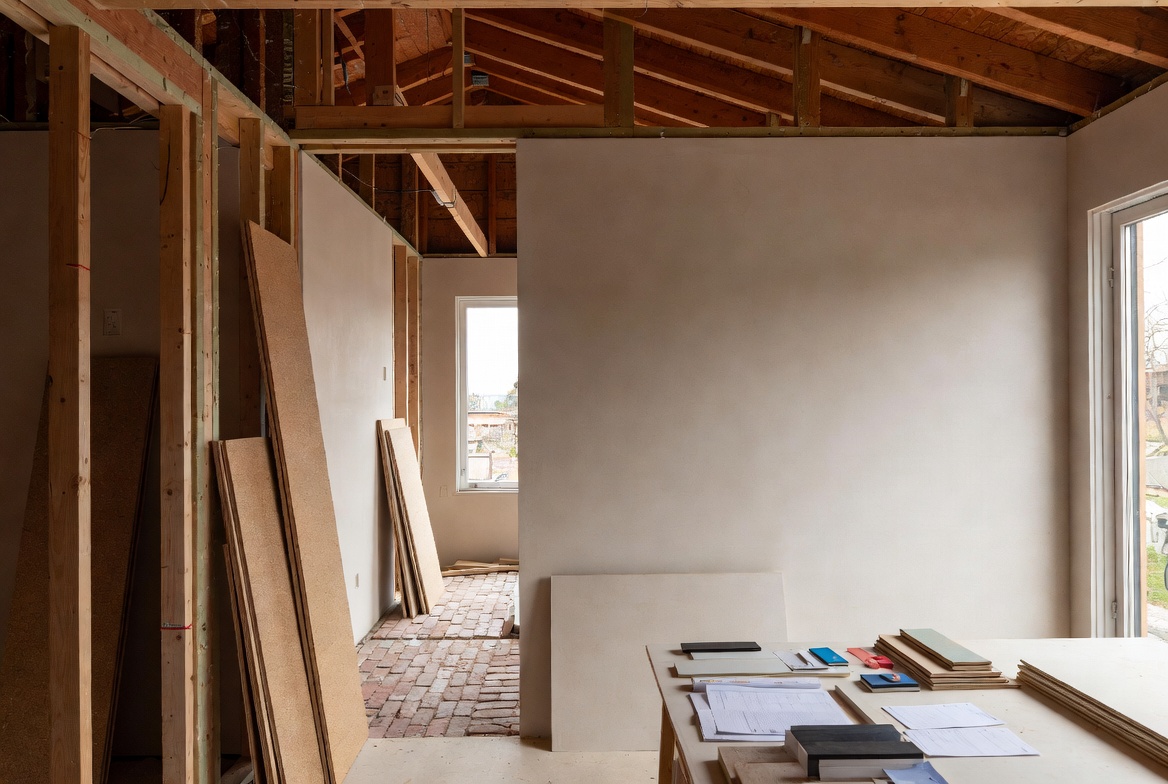
For a lot of houses, the stronger sustainability move is not a miracle wall. It is a normal wall built properly by people who understand it.
- Structure: efficient wood framing, sometimes with advanced framing, so the wall uses less lumber and leaves more room for insulation.
- Cavity insulation: dense-pack cellulose or mineral wool, because both are widely available, familiar, and dependable when installed well.
- Exterior layer: continuous insulation where climate and dew-point control justify it, not because the detail looked impressive online.
- Water control: a clear drainage plane, a reliable air barrier, and a rainscreen where the cladding and exposure want one.
- Siding: wood, fiber-cement, or another durable exterior finish chosen for the climate it has to survive.
- Inside: low-emission paints, sealants, cabinets, and panels so a tighter house does not trap dirtier air.
- Mechanical finish: balanced ventilation so the envelope can stay tight without the house turning stale.
It is not the kind of assembly that gets sold with a lot of drama. It usually does more than the trendier one anyway.
For Offices, the Better Green Wins Are Often Operational First

Offices are where people love to jump straight to visible sustainability.
Green roof. New lobby material. Carbon screen at reception. Meanwhile the schedules are wrong, the controls drift, the lights stay on too long, tenant spaces get ripped apart every few years, and the HVAC is quietly fighting itself across zones.
That is why a lot of real office-side sustainability looks unglamorous.
Tune What Is Already There
Offices waste a lot of energy through scheduling, calibration drift, poor setpoints, unnecessary runtime, and neglected maintenance. Tune-ups and retro-commissioning keep showing up because they work.
This is one of the clearest places where green building is not mainly about buying new things. It is about getting the existing systems to stop wasting energy.
Treat Lighting and Plug Loads Like Real Strategy
Offices can still find serious savings through better lighting, occupancy control, smarter equipment choices, and load management. Not glamorous. Often worth doing.
Make Tenant Fit-Outs Less Disposable
A lot of office carbon gets buried in interior churn. New partitions. New ceilings. New flooring. New furniture. Then it all gets stripped out again during the next turnover.
Reusing partitions, doors, furniture, raised floors, and serviceable finishes is one of the more convincing office-side moves because it cuts waste without asking the building to become experimental.
Buy Lower-Carbon Heavy Materials Where They Count
On larger office work, concrete, steel, glass, CMU, and asphalt usually move the carbon numbers more than decorative finishes do. That is where embodied-carbon procurement starts to matter.
Put Air Quality Inside the Green Conversation
An efficient office that is poorly ventilated, badly filtered, or mismatched to occupancy is not a smart result. Healthy buildings and efficient buildings only fight each other when the systems were badly conceived to begin with.
What Gets Overhyped
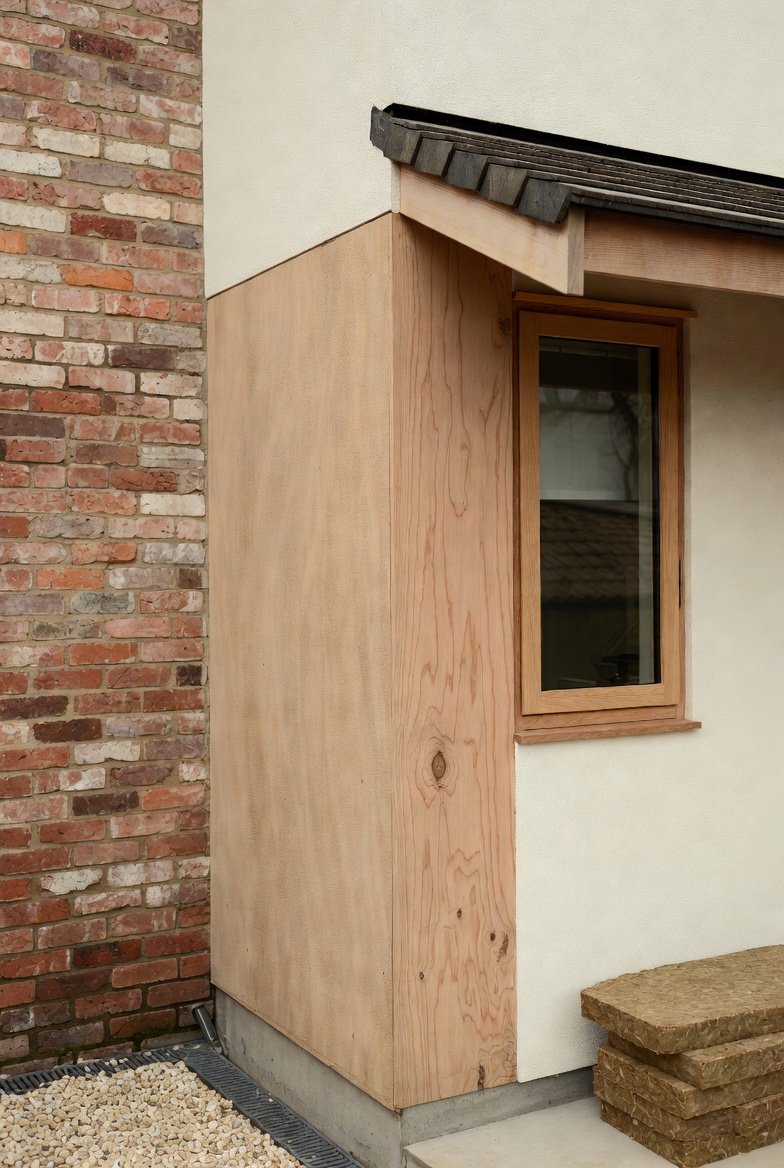
Some green strategies are useful. The problem is how they get sold.
Solar as the First Move
Solar can be excellent. It is usually not the first move in a leaky house or a badly run office. Reduce demand first. Then decide how much generation still makes sense.
Natural Materials With No Assembly Discipline
A material being natural does not make the wall safe, durable, code-ready, or locally buildable. Moisture, fire, detailing, labor, and repairability still settle the argument.
Smart Controls With No Real Commissioning
Controls get sold like intelligence in a box. If nobody commissions them, calibrates them, teaches the occupants, or keeps them tuned, they turn into decorative software.
Green Finishes Driving the Whole Budget
This is a common mistake in both homes and offices. The finish materials get all the attention because they are visible. The envelope, ventilation, and operations keep deciding whether the building performs like it should.
Related Reading. Sustainable Design Strategies in Architecture: A Practical Guide is useful here because the better strategies usually start with building behavior, not product theater.
The Best Realistic Spending Order
For Homes
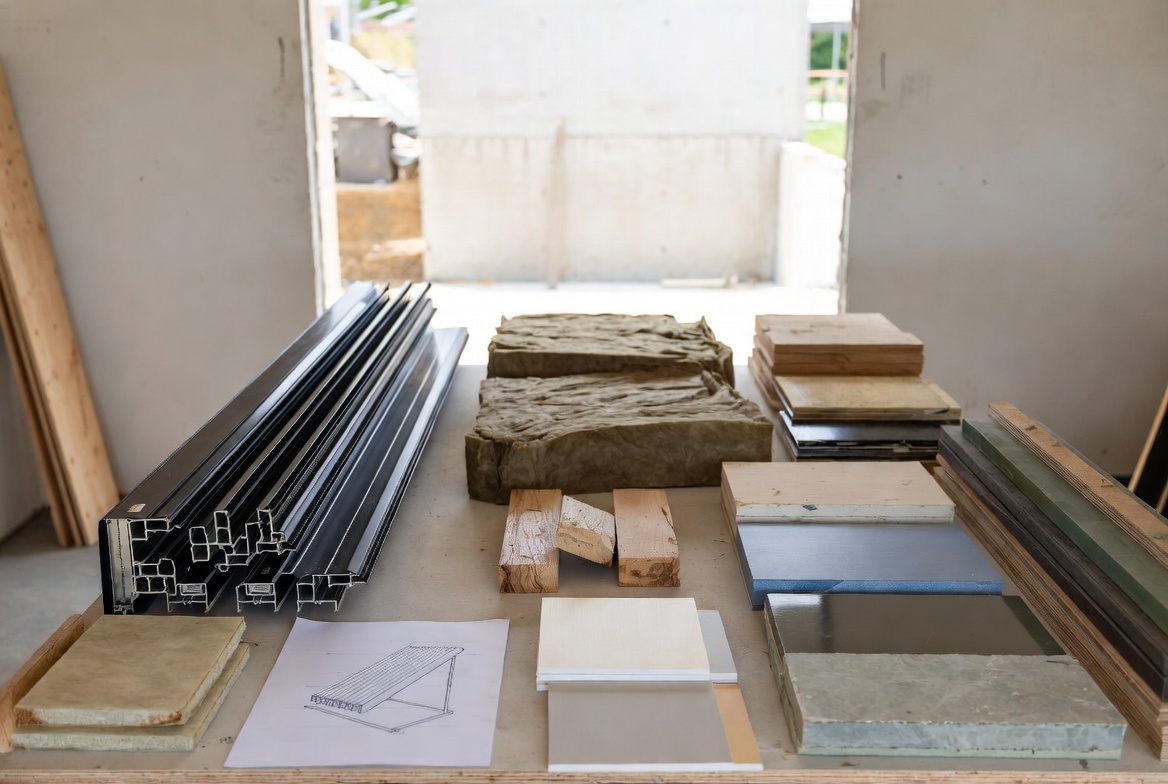
- air sealing and moisture fixes
- insulation where it changes comfort and load
- ventilation and filtration
- right-sized electrification
- durable exterior materials for the actual climate
- low-emission interior materials
- renewables and specialty products after the house is already behaving well
For Offices
- operations and maintenance tune-ups
- controls and scheduling cleanup
- lighting and plug-load reductions
- retro-commissioning and system optimization
- tenant fit-out reuse and lower-waste procurement
- envelope and HVAC capital upgrades where the data supports them
- deeper electrification and lower-carbon heavy materials in major projects
The pattern is plain enough. The smartest green spend is usually the one that cuts waste every month, not the one that only looks advanced on opening day.
Where Materials Still Matter Most
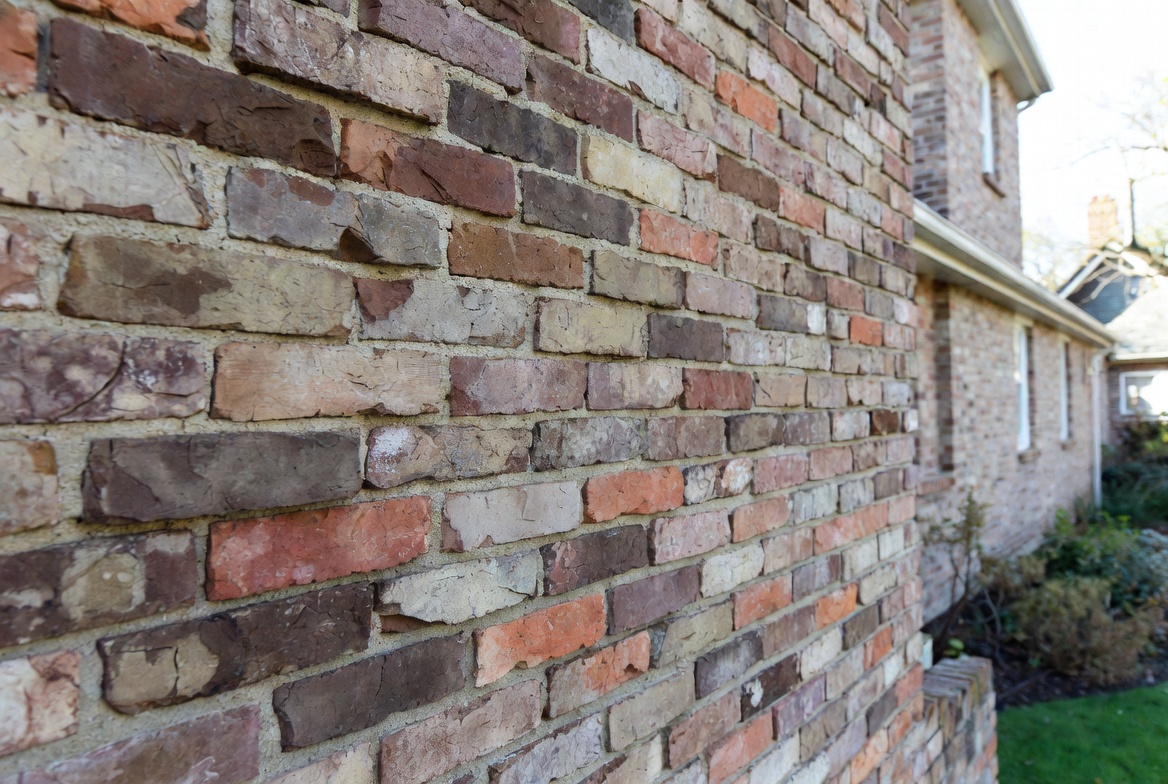
None of this means materials do not matter. They do. Just in a stricter order.
- Insulation. Still one of the strongest material decisions in both houses and offices because it affects daily operating energy.
- Concrete. Still one of the biggest embodied-carbon conversations because of how much of it gets used in foundations, slabs, and larger buildings.
- Wood and framing efficiency. Still one of the cleaner mainstream structural stories when it is well sourced and used intelligently.
- Exterior cladding. Still important because maintenance, durability, and replacement cycles are part of sustainability whether people like that or not.
- Interior finishes. Still important because emissions, replacement churn, and embodied carbon in fit-outs add up fast.
Read This Next. When the slab and structure conversation gets more material-specific, Sustainable Concrete Alternatives is the better next stop.
How to Judge Any Green Product Before You Let It Into the Job
Before you buy it, specify it, or build the whole concept around it, ask:
- Does this solve a real building problem, or just decorate the sustainability story?
- Will it still look smart after ten years of weather, cleaning, repairs, and occupant use?
- Can local crews install it well?
- Can somebody maintain it without specialized rescue work?
- What happens if it gets wet?
- Does it lower operational energy, embodied carbon, indoor pollution, or just one piece of the story?
- What got sacrificed somewhere else in the budget to make room for it?
Those questions usually clear the air faster than another green label will.
FAQ
What green building practices are most realistic right now for homes?
Air sealing, insulation, moisture-safe detailing, balanced ventilation, right-sized heat pumps, and lower-emission interior materials are still the most realistic high-value moves for many houses.
What green building practices are working best in offices now?
Operations tuning, retro-commissioning, controls, lighting upgrades, tenant-space efficiency, fit-out reuse, and lower-embodied-carbon procurement in major materials are some of the strongest practical moves.
Is green building mostly about special materials?
No. In real projects, it is often more about reducing waste, controlling moisture, improving the envelope, tuning systems, and buying fewer bad materials rather than buying many exotic ones.
Are heat pumps still worth it?
Often yes, especially when the building envelope has been improved enough that the equipment is not being asked to compensate for avoidable losses.
What is the biggest green-building mistake people still make?
Letting the visible products outrun the building science. A house or office that stays wet, leaks energy, or traps pollutants is not rescued by a greener finish schedule.
Is retrofitting usually better than building new?
In many cases, yes. Reusing existing buildings and major components can avoid a lot of new material demand and embodied carbon, especially when the retrofit also improves operational performance.
Bottom Line
The best green building practices for homes and offices are not the ones that sound the most futuristic.
They are the ones that keep doing their job after the handoff.
Keep water out. Let assemblies dry. Cut loads before buying complicated equipment. Ventilate on purpose. Reuse what still has life in it. Specify materials that are durable and lower-emission, not just marketable. Tune systems until they do what they were supposed to do in the first place.
That is what still works. Not miracle products. Not green theater. Just building choices that survive budgets, weather, and real occupancy.
Official Sources
U.S. Department of Energy: Air Sealing Your Home
U.S. Department of Energy: Insulation
U.S. Department of Energy: Where to Insulate in a Home
U.S. Department of Energy: Heat Pump Systems
U.S. Department of Energy: Air-Source Heat Pumps
U.S. Department of Energy: Advanced House Framing
U.S. Department of Energy: Whole-House Ventilation
U.S. EPA: VOCs and Indoor Air Quality
U.S. EPA: Formaldehyde Emission Standards for Composite Wood Products
ENERGY STAR: Operation and Maintenance Best Practices
ENERGY STAR: Small and Medium-Sized Office Buildings
DOE Better Buildings: Retro-Commissioning and Energy Savings