
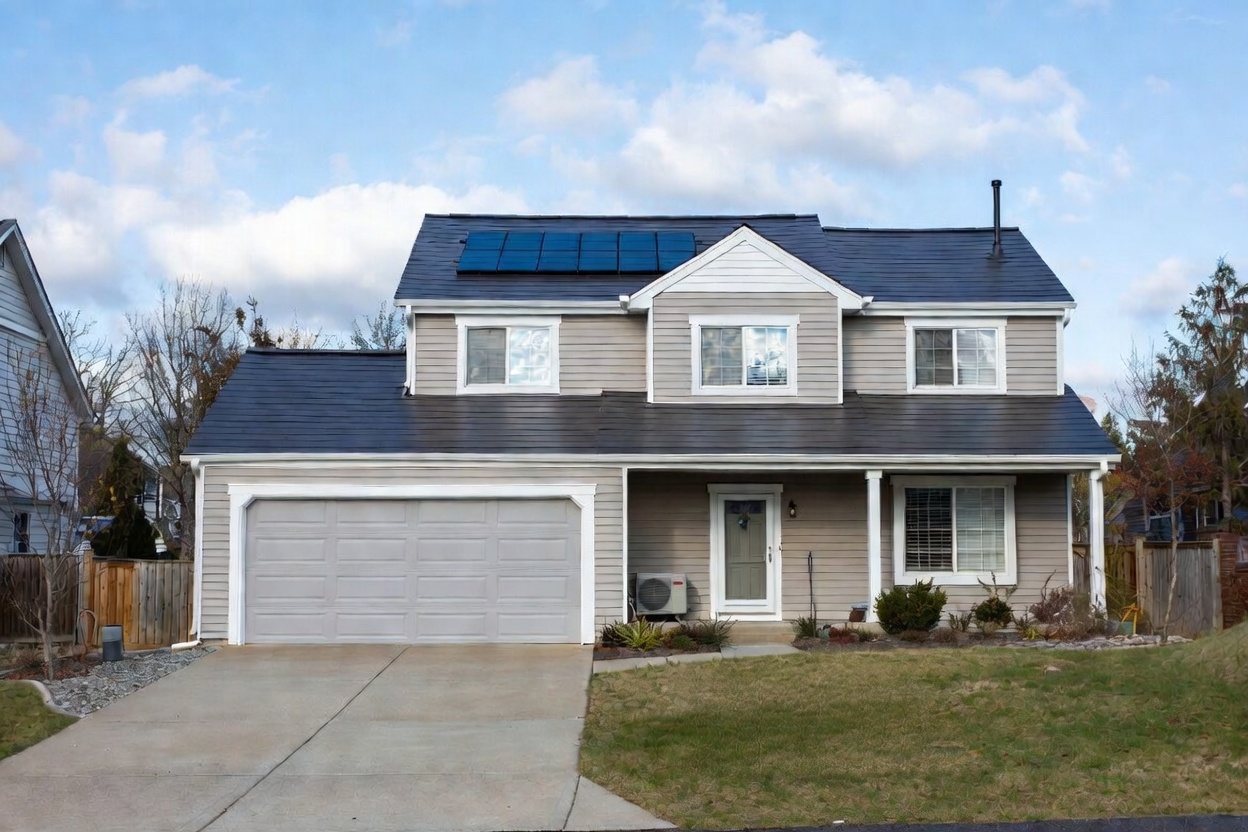
A lot of home energy advice still starts in the wrong place. Panels first. batteries first. some dramatic “energy independence” pitch first. That is usually not how normal houses save money.
The better order is less exciting.
First, stop wasting energy. Then clean up the equipment. Then add generation if the house and budget still justify it. That is the part many homeowners figure out only after spending too much.
This page is built for regular houses, regular budgets, and regular people who want lower bills, better comfort, and fewer dumb upgrade mistakes. If you want the wider background first, start with renewable energy explained or this broader look at renewable energy solutions for buildings.
The new perspective most homeowners need
Clean energy is not mainly about making power. It is about needing less of it in the first place.
That sounds obvious. It still gets skipped all the time.
A house that leaks air, bakes in summer, dumps heat through the attic, or has oversized glass on the wrong side will chew through energy no matter how “green” the equipment looks in the brochure. Put solar on top of that and you may still feel like the bills are weirdly high. Install a premium heating system in that house and it can still feel drafty.
Homeowners should care because the right sequence changes more than utility costs. It changes comfort. humidity. noise. resale. backup power needs. and how expensive the next upgrade becomes.
What real homeowners keep finding out the hard way
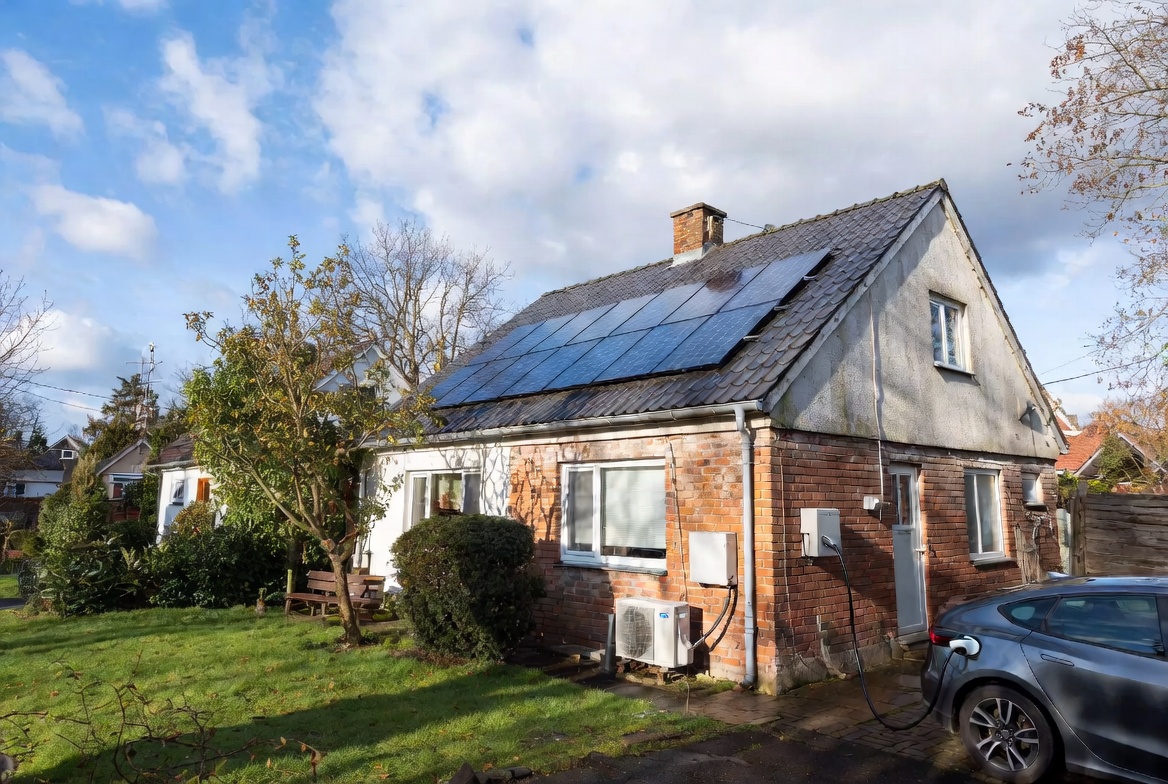
The repeated pattern is boringly consistent.
- People are happiest when they do air sealing and insulation before they size solar or HVAC.
- People regret solar on a roof that needed work a few years later.
- People with shaded roofs or awkward roof shapes often wish they had checked that reality sooner.
- Geothermal owners who love it usually talk about comfort and low operating costs. The unhappy ones usually got hit by bad sizing, drilling cost, or a house that still had envelope problems.
- Small wind sounds exciting, but for most suburban properties it is the wrong answer.
- Some of the best “clean energy” upgrades are not glamorous at all. Attic sealing. attic insulation. duct sealing. a heat pump when the old system is dying. a heat pump water heater. better controls.
That is the real shift here. This is not a shopping article. It is an order-of-operations article.
Why do this at all if you are not trying to be perfect?
Because a cleaner-energy house is usually a better-behaving house.
Done well, it can mean:
- lower monthly bills
- fewer hot and cold rooms
- less strain on heating and cooling equipment
- better comfort during outages if the house holds temperature longer
- an easier path to solar, batteries, or full electrification later
That is why even homeowners who do not care much about carbon still end up doing some version of this work. The comfort argument gets people first. The bill argument keeps them there.
The order that actually works for a normal house
Step 1: Look at your bills before you look at equipment
Pull the last 12 months of electricity and heating bills. Write down the ugly months. Summer spikes usually point toward cooling load, air leakage, sun exposure, or old equipment. Winter spikes usually point toward heat loss, bad insulation, air leakage, or expensive fuel.
Then walk the house like you are trying to prove it is wasting money.
- Which rooms are always too hot or too cold?
- Does the attic feel under-insulated?
- Are there obvious drafts at the attic hatch, rim joist, doors, or recessed lights?
- Is the roof old enough that solar would be bad timing?
- Do you have a lot of tree shade at the best roof area?
If you can get a real home energy audit or blower-door test, even better. That is often the fastest way to stop guessing.
Step 2: Do the cheap leak-stopping work first
This is the highest-value part on a lot of houses. Not sexy. Still true.
Start with what is cheap and visible:
- weatherstrip exterior doors
- seal the attic hatch
- foam or caulk visible plumbing and wiring penetrations
- seal accessible duct joints
- swap old bulbs for LEDs if you somehow still have not
- check thermostat settings and schedules
None of this is social-media content. That is why people skip it. It still works.
Step 3: Fix insulation where it actually matters
For many houses, attic work beats flashy upgrades. Not windows first. Not batteries first. Attic first.
Then look at the usual weak spots:
- attic insulation depth and air sealing
- rim joists over basements
- crawl spaces
- ducts running through hot attics or cold crawl spaces
If you want a deeper look at the material side, sustainable insulation that saves energy and cuts costs is the right next read.
Step 4: Replace the worst equipment when the timing is right
This is where clean energy starts becoming visible.
If your old furnace, AC, water heater, or electric resistance equipment is already close to replacement age, that is the moment to compare better options. A heat pump can make a lot of sense. A heat pump water heater can make sense too. But the point is not “buy the trendy machine.” The point is to buy the right machine after the house stops bleeding energy.
A smaller load can mean smaller equipment. Smaller equipment usually means a saner price.
Step 5: Only then decide if on-site generation makes sense
This is where homeowners split into different paths.
Which clean-energy path fits which house?
Solar is usually the first real generation option to check
Solar tends to make the most sense when the roof is in decent shape, the house gets enough sun, and you plan to stay long enough for the math to matter. It gets even better when you already lowered the load, because now the system can be sized around a better-behaving house instead of a wasteful one.
It also helps if you understand your roof honestly. Shade, dormers, vents, weird roof angles, and an aging roof can turn a good idea into a poorly timed one. If you are trying to push toward a bigger-picture strategy, this guide to designing a 100% renewable energy home is the logical next step.
Community solar is the underrated option
Bad roof. too much shade. condo living. rental. future roof replacement. These are the cases where people keep trying to force rooftop solar when they really should look at off-site or shared solar options instead. Not every house has to make its own power on-site to get some of the benefit.
Geothermal is real, but it is not the default move
Geothermal can be excellent. Quiet. comfortable. efficient. A lot of owners who do it right seem to love the steady comfort more than anything else.
But this is not the casual starter upgrade people sometimes imagine. Ground conditions matter. drilling or trenching cost matters. contractor quality matters. sizing matters a lot. If the house still leaks badly, geothermal does not magically fix that. It just makes the expensive part happen sooner.
For some houses, especially where heating loads are high and the owners plan to stay a long time, it can still be a very smart move. It just belongs later in the decision tree.
Small wind is almost never the normal-house answer
This is one of the biggest fantasy upgrades in home energy. It sounds rugged and independent. In practice, it is a niche solution. You usually need a strong wind resource, enough open land, the right tower setup, and local rules that do not kill the idea. Most suburban lots are the wrong site.
Micro-hydro is even more site-specific
If you have the right water resource, that is a serious asset. Most homeowners do not. This is not something to toss into a general “green home” checklist.
The best homeowner play, honestly, is usually a stack of medium moves
People often search for one silver-bullet upgrade. Real houses usually get better through a stack of medium moves done in the right order.
A common strong sequence looks like this:
- seal leaks
- improve attic or crawl insulation
- fix duct losses and airflow problems
- replace failing HVAC or water-heating equipment with a better option
- then decide whether solar still makes sense
That stack is less exciting than “full energy independence by summer.” It is also much more likely to work.
What people regret most
- Installing solar before replacing or seriously evaluating the roof.
- Believing a generation upgrade would fix a comfort problem that was really an insulation or air-leak problem.
- Overspending on windows when the attic and air sealing were the real problem.
- Choosing a complex system without thinking about service, maintenance, or local installer quality.
- Assuming batteries are automatically the best financial move.
- Trying to make wind work on a site that never had a real wind resource.
The bigger pattern is simple. People regret skipping the house and jumping straight to the hardware.
What tends to feel worth the money
- Attic air sealing and insulation on underperforming houses.
- A right-sized heat pump replacing old, tired equipment.
- Solar on a good roof after the house load was brought down.
- Heat pump water heaters where electric resistance water heating was eating money.
- Basic controls and scheduling that stop the house from running hard when nobody needs it to.
Notice what is missing. Nobody talks about hero upgrades first. They talk about the stuff that changed the bill and made the house feel better to live in.
A practical starting plan for homeowners
This month
- Pull 12 months of utility bills.
- Make a list of comfort problems room by room.
- Check roof age and obvious shade issues.
- Seal the easiest leaks and weatherstrip the obvious trouble spots.
Next 3 to 6 months
- Get an energy audit if you can.
- Fix attic or crawl-space weaknesses.
- Seal ducts if they are accessible and sloppy.
- Recheck your bills after the cheap fixes.
After that
- Price solar only after you know your updated load.
- Compare heat-pump or geothermal options only after envelope work is on the table.
- Look at community solar if your roof is wrong for panels.
- Ignore small wind unless your site is unusually good and you know it.
FAQ
Should I do solar first or insulation first?
Usually insulation and air sealing first. A tighter house can lower the amount of solar or HVAC capacity you need later.
Is geothermal worth it for a regular homeowner?
Sometimes, yes. But it is usually a long-stay, high-commitment decision, not a casual starter upgrade. It makes more sense when the house is already reasonably tight and the site supports it.
Do batteries make sense for everyone?
No. They can be useful for backup, time-of-use strategies, or specific outage concerns. They are not automatically the best money move on every house.
Is a home wind turbine realistic?
For most suburban homeowners, not really. Wind is highly site-specific. Roof-mounted fantasy versions are usually not the answer.
What if I want clean energy but my roof is bad for solar?
You still have options. Efficiency work, electrification, and community solar can all move the house in the right direction without forcing rooftop panels onto the wrong roof.
What if I might move in a few years?
That usually pushes the smarter money toward comfort and efficiency work first, especially the kinds of upgrades that make the house easier to sell and easier to live in right now.
Final Notes
Clean energy for homes does not start with a panel. It starts with judgment.
Figure out where the house is wasting energy. Fix the cheap losses. Tighten the envelope. Replace dying equipment with something smarter when the timing is right. Then, if the roof, budget, and stay horizon line up, add generation.
That is the new perspective here. Stop treating clean energy like a product. Treat it like a sequence. Homeowners who get the sequence right usually end up with the better house, not just the better sales pitch.