
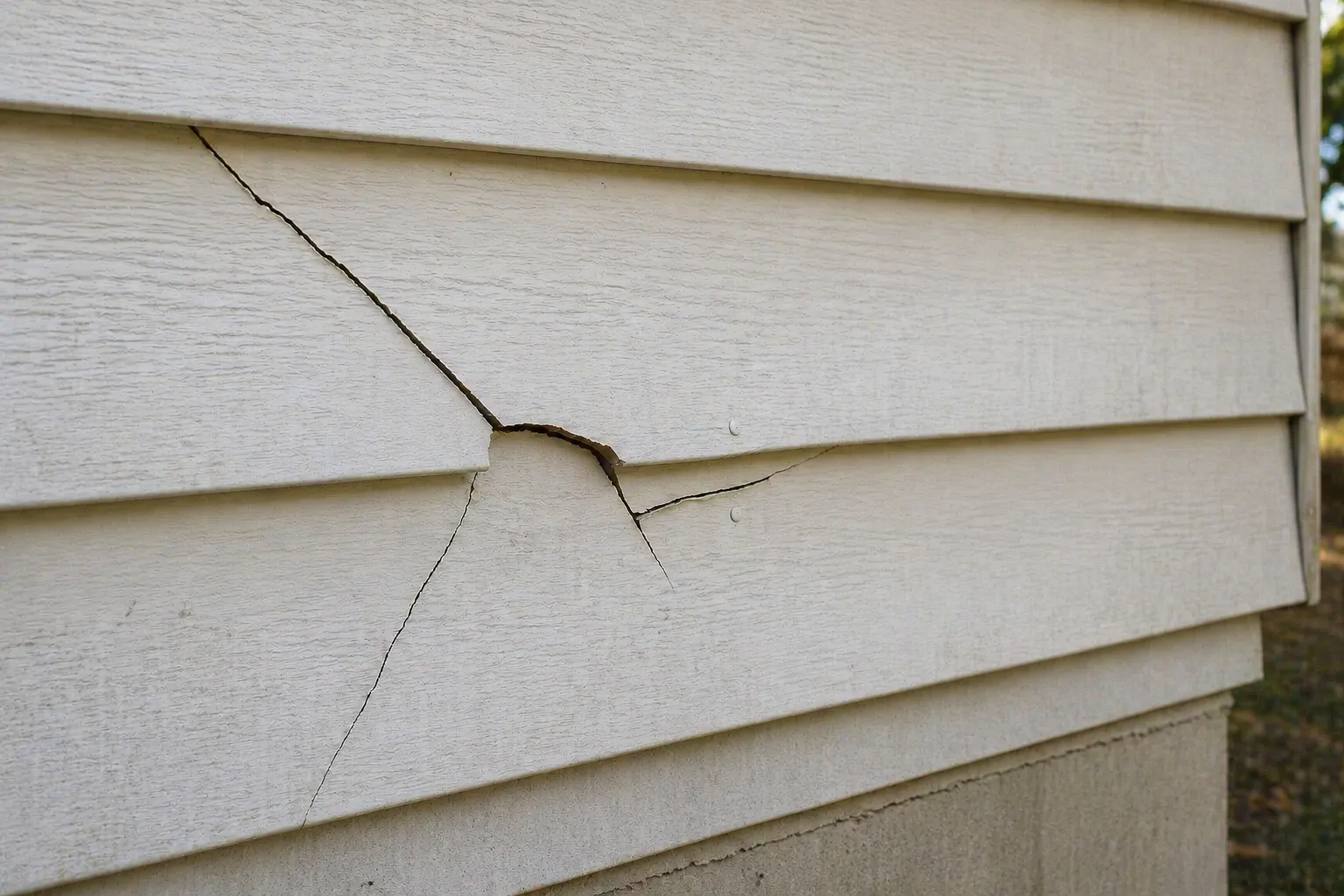
Asbestos siding is still on millions of homes built between 1945 and 1980. Most of it is not actively causing problems. The risk starts when someone sands it, pressure washes it, drills through it, or pulls it off without understanding what they are dealing with. If your house was built in that window and still has its original exterior cladding, there is a reasonable chance you have it — and a straightforward set of decisions to make about what to do next.
This page covers how to identify it, when it is and is not dangerous, what your options are, what removal costs, and what the law requires.
If you are trying to figure out whether your older home has other issues worth knowing about, Common Problems in 1910s Houses and 1930s House Style and Common Issues cover the broader picture.
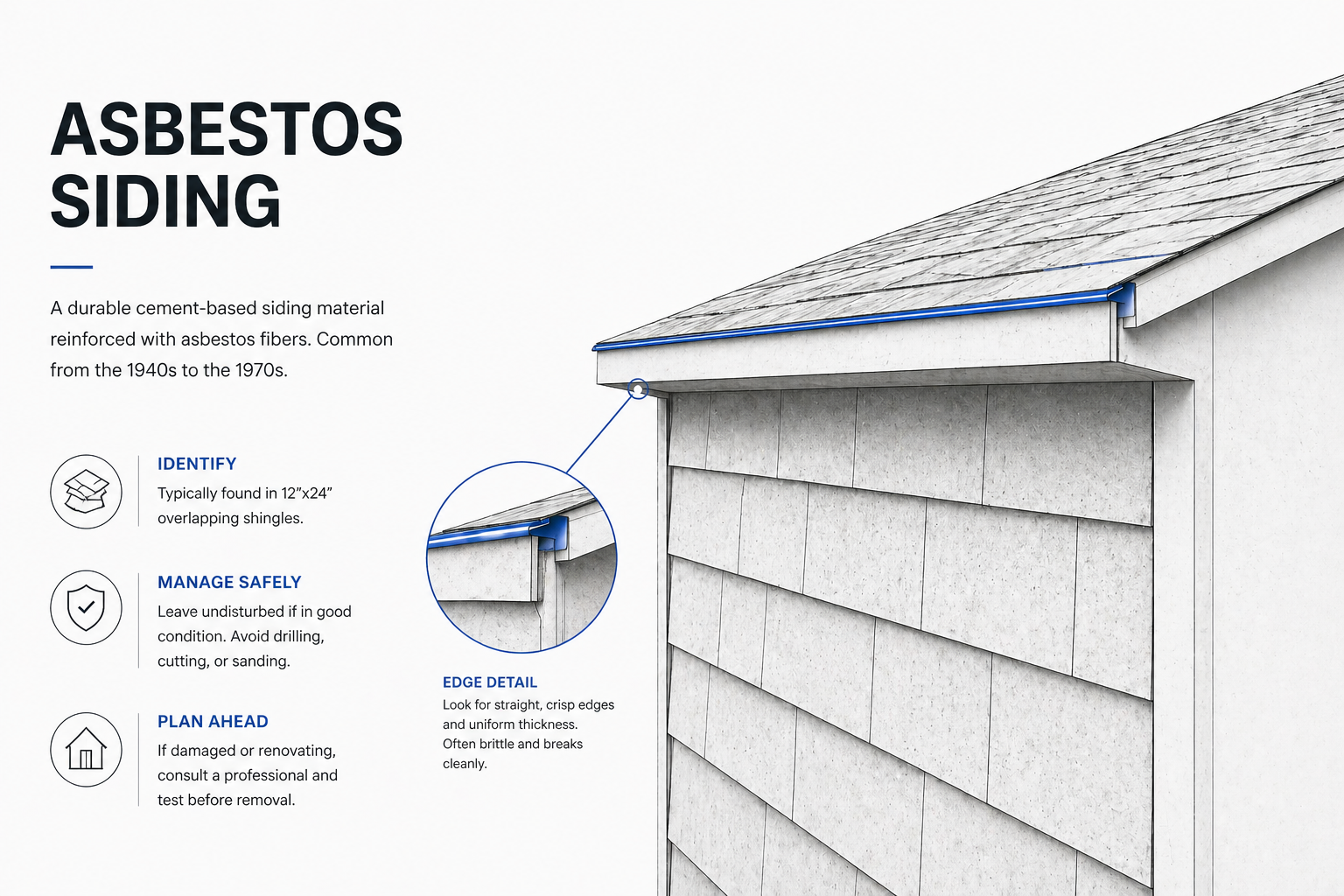
What Asbestos Siding Is
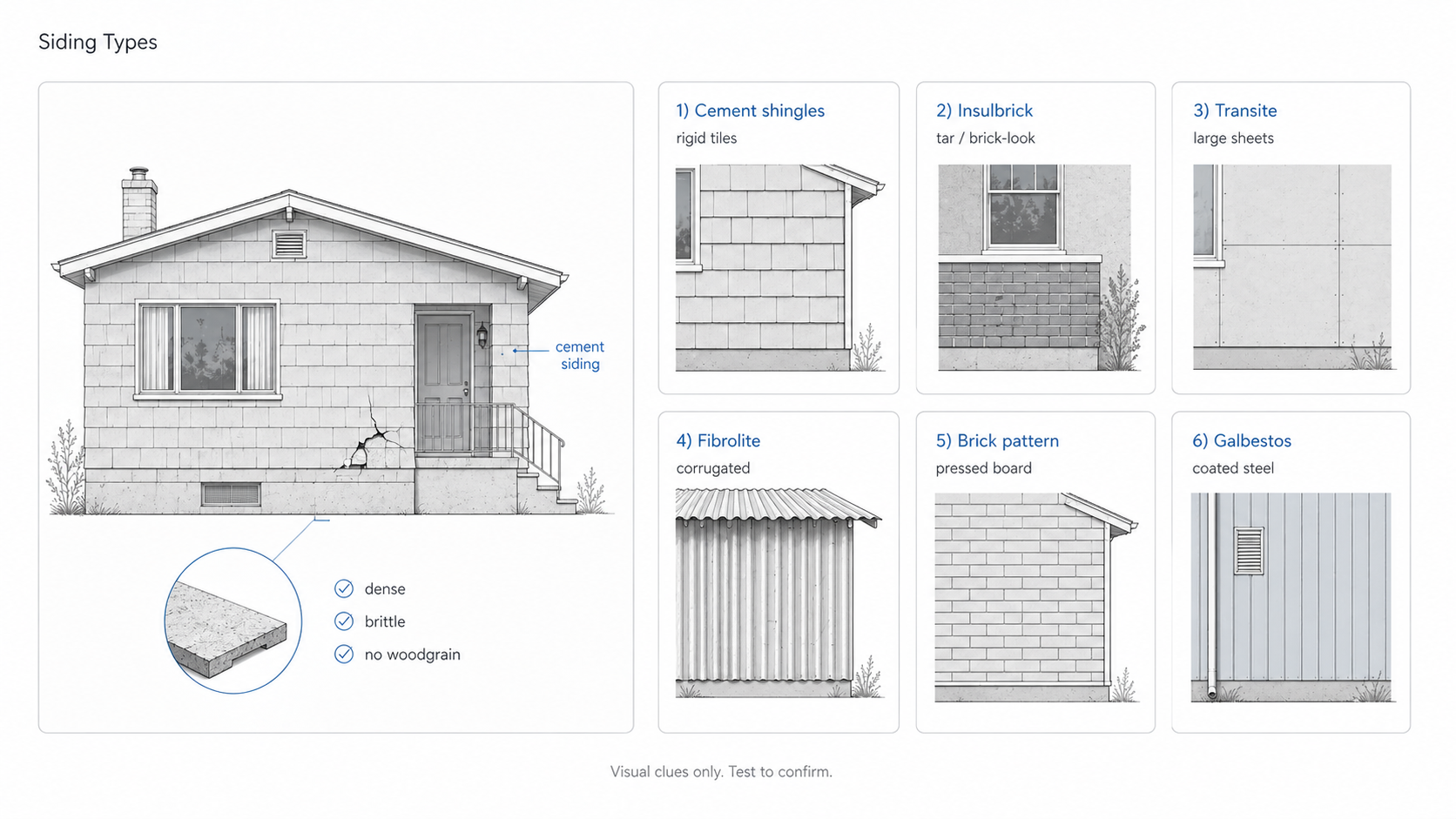
Asbestos siding is exterior cladding made by mixing asbestos fibers into cement or asphalt. The result is a dense, hard, fire-resistant panel that held up well against weather and pests. It was mass-produced and cheap, which is why it ended up on so many mid-century homes across North America.
It came in several forms. Knowing which one you have affects how you handle it and what the replacement looks like.
| Type | What It Looks Like | Where It Was Used | Key Identifying Feature |
|---|---|---|---|
| Asbestos cement shingles | Rectangular tiles, 9"x12" or 12"x24", gray or white, smooth or lightly dimpled surface | Residential exteriors — the most common type across North America | Breaks in clean straight-edged chunks; dense and chalky to the touch; no woodgrain |
| Asbestos asphalt siding (Insulbrick) | Thin panels with a tar-like finish, often stamped to look like brick or stone | Garages, additions, and older homes in the northeast and midwest; common on lower exterior sections | Looks like fake brick veneer; fades to brown or black; more likely to peel and crack than cement shingles |
| Transite panels | Large flat smooth sheets, heavier than drywall, gray or off-white | Larger wall areas, garages, utility buildings; sometimes used as interior backer board near heat sources | Heavier than it looks; often confused with fiberboard or concrete sheeting; higher asbestos content than shingles — banned earlier |
| Fibrolite sheeting | Large corrugated or flat cement sheets, wavy profile similar to corrugated metal | Sheds, barns, farm buildings, garages; common in rural areas and as outbuilding cladding | Wavy or flat profile in large sheets; often mistaken for corrugated metal or generic cement board; common on older agricultural buildings |
| Imitation brick cladding | Flat asbestos board pressed into brick patterns, sometimes painted | Mid-century homes — often on foundation sections, lower exterior walls, or around garage openings | Brick pattern does not align with actual masonry dimensions; surface is rigid and uniform; sounds hollow when tapped |
| Galbestos | Steel sheets with a bitumen and asbestos felt coating, often dark brown or black | Industrial and utility buildings, older commercial properties | Steel backing with a fibrous dark coating; rarely found on residential properties but shows up on older garages and workshops |
Manufacturers included Johns-Manville, CertainTeed, GAF, and National Gypsum. In Canada, Carey Canada was a major asbestos supplier. Some shingles have manufacturer codes stamped on the back, but you would need to remove a piece to find them — not something to do without precautions.
How to Identify It
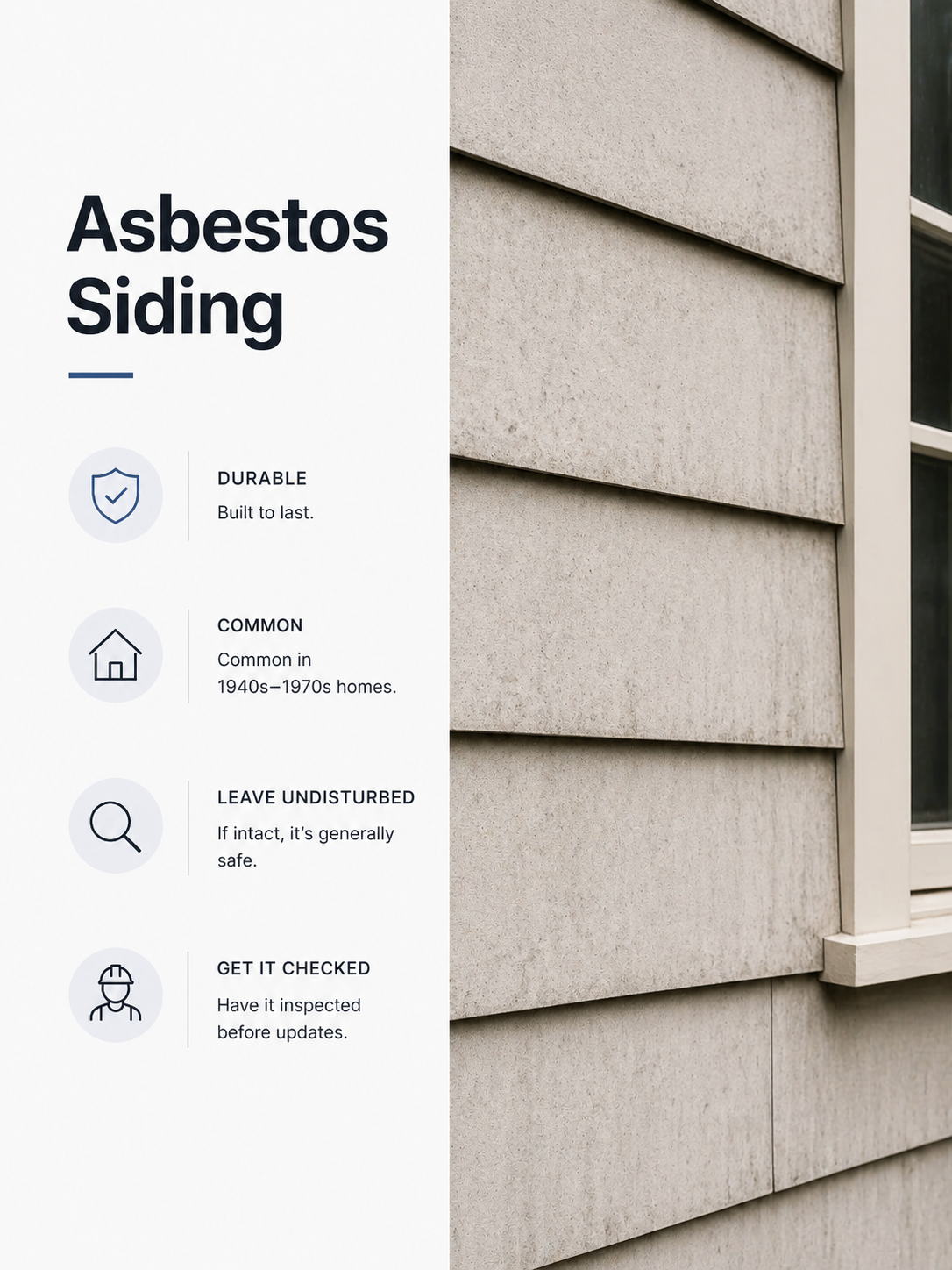
Weathered asbestos siding showing its characteristic overlapping layout and deteriorated edges.
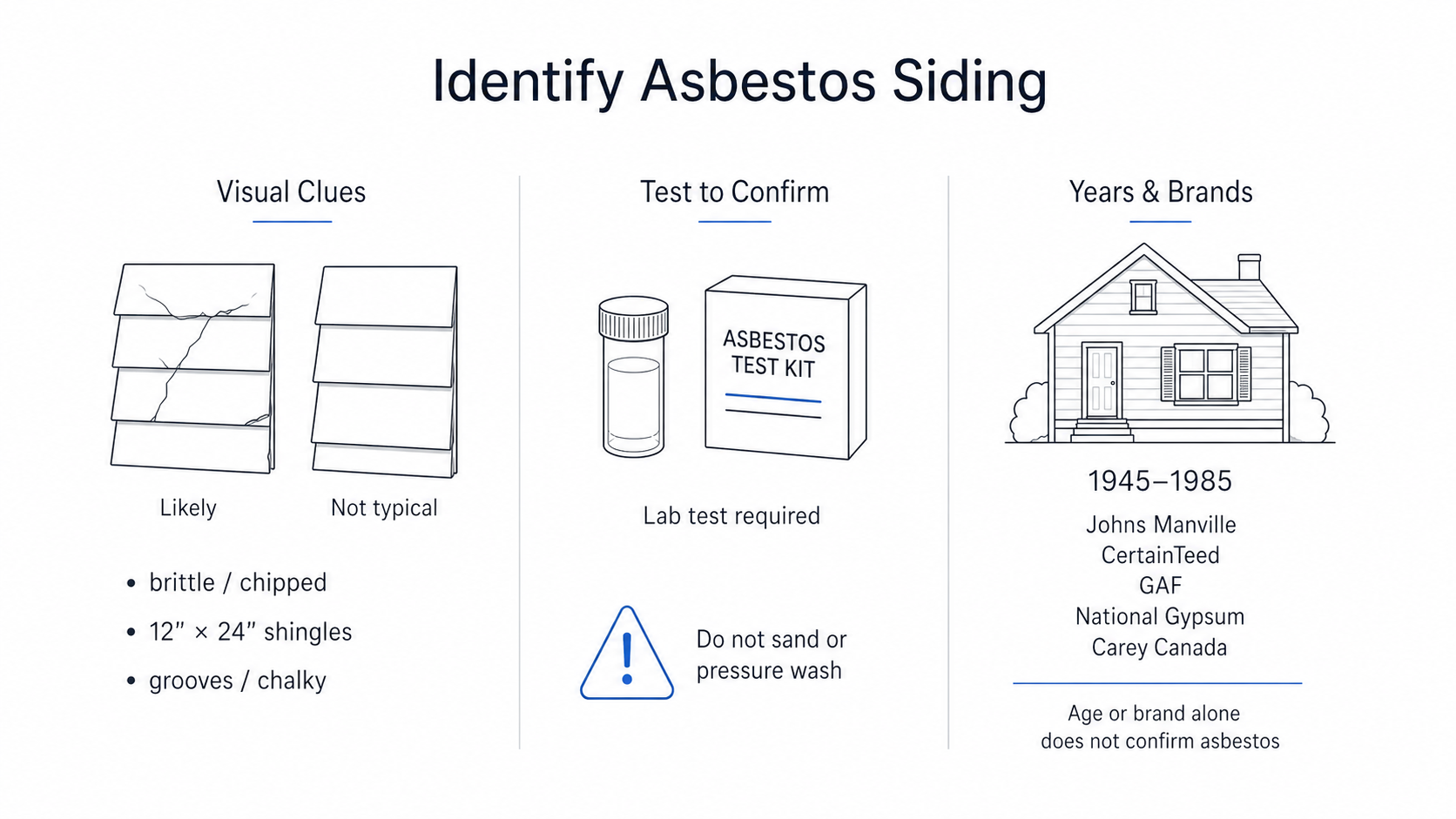
Visual inspection narrows the probability but cannot confirm it. The identifying features:
- Rectangular shingles, typically 9"x12" or 12"x24", uniform in size
- Surface feels dense, slightly chalky — like thin concrete, not plastic
- Smooth or lightly dimpled finish without woodgrain texture
- Breaks in straight-edged chunks rather than splintering
- Nailed near the top edge, covered by the overlapping shingle above
- Often gray, beige, or white — paint may cover the original color
If your home was built between 1945 and 1985 and has cement-looking exterior tiles that fit this description, treat them as asbestos until tested.
Testing options. You can buy a DIY test kit ($40–60 CAD), collect a small chip with proper precautions — gloves, N95 respirator, sealed bag — and mail it to a certified lab. Results take one to two weeks. Alternatively, hire a certified asbestos inspector. An inspector costs more but provides documentation useful for permits, real estate transactions, and contractor work. Some municipal public health departments offer low-cost testing — worth checking before paying out of pocket.
Do not sand, drill, pressure wash, or scrape anything to help with identification. That defeats the purpose.
When It Is and Is Not Dangerous
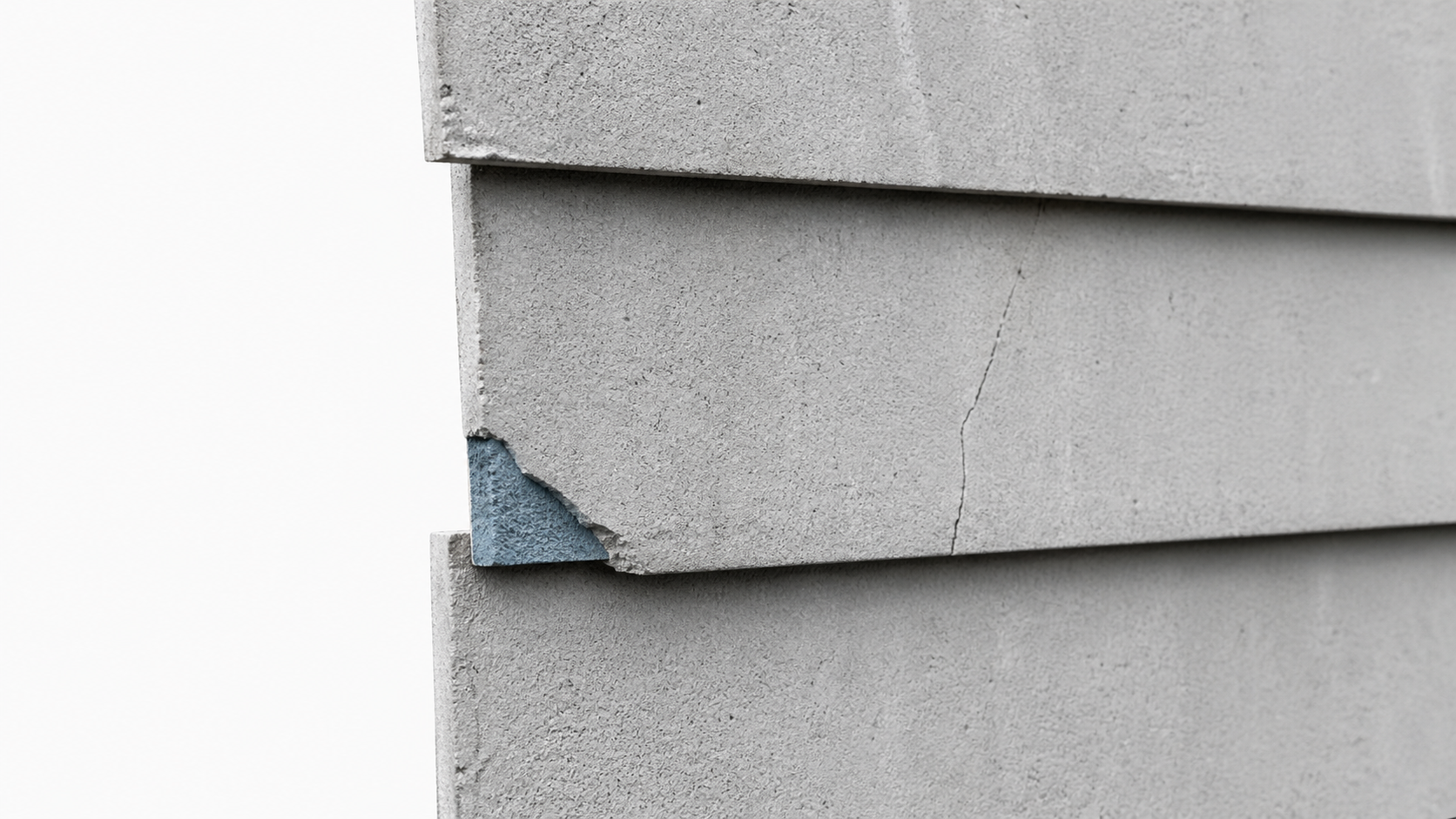
Illustration by ArchitectureCourses.org showing the brittle edge, layered profile, and chalky surface texture associated with old asbestos cement siding.
Asbestos cement siding that is intact, firmly attached, and unbroken presents low risk. The danger is not contact — it is inhalation of airborne fibers, which are released when the material is cut, broken, sanded, or disturbed.
Low risk: siding that is solid, uncracked, and sealed. Asbestos fibers are bound tightly into the cement matrix and do not release under normal conditions.
Higher risk: cracked, chipping, or flaking sections; siding that has been previously drilled or cut; and any disturbance during renovation work — particularly sanding or power washing.
The diseases associated with asbestos exposure — mesothelioma, asbestosis, lung cancer — typically result from prolonged or repeated inhalation of fibers, most commonly in occupational settings. A homeowner with intact asbestos siding is not in the same risk category as a construction worker who disturbed it daily for twenty years.
Your Options
Most homeowners have four choices. The right one depends on the condition of the siding, your renovation plans, your budget, and local regulations.
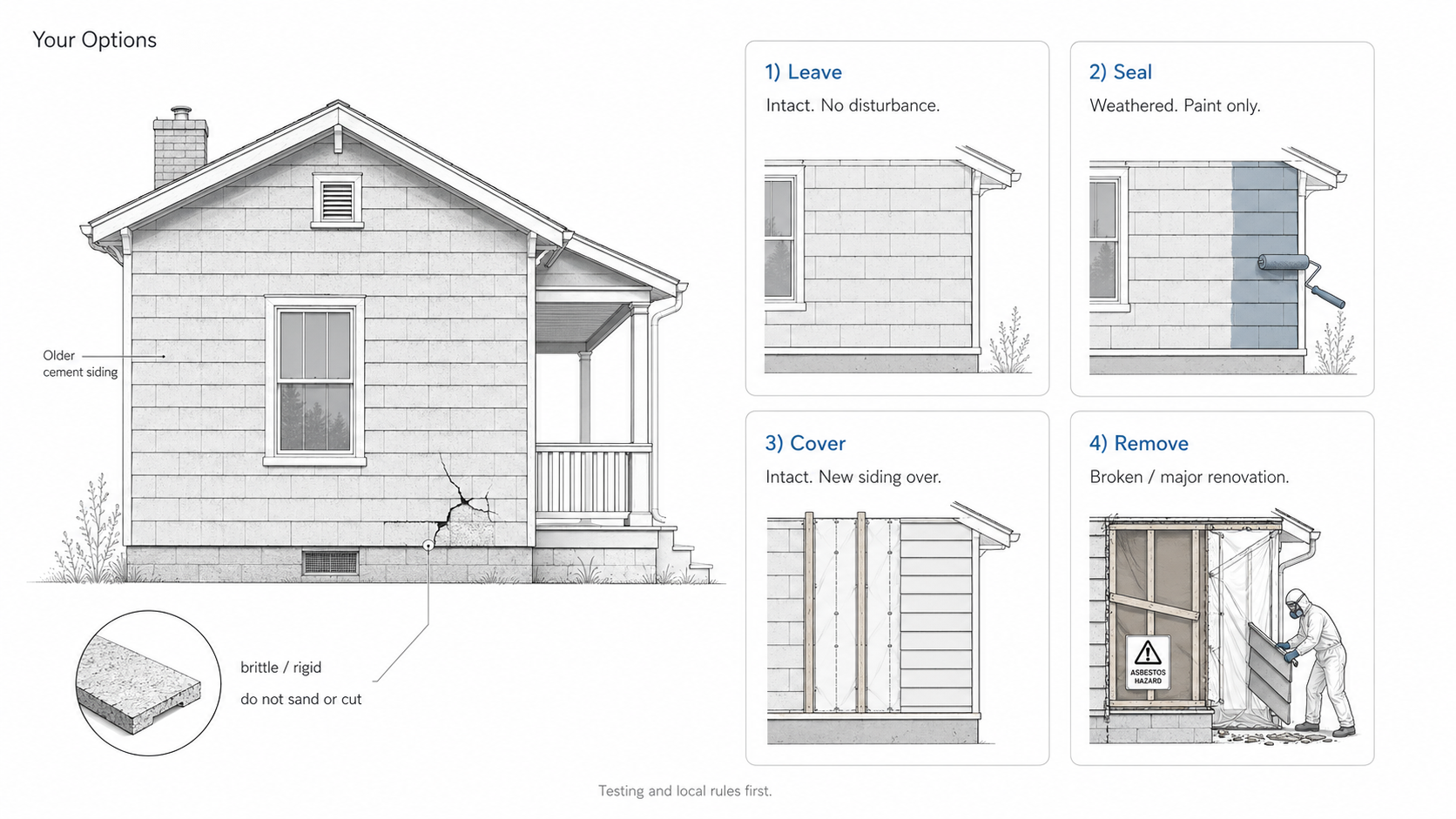
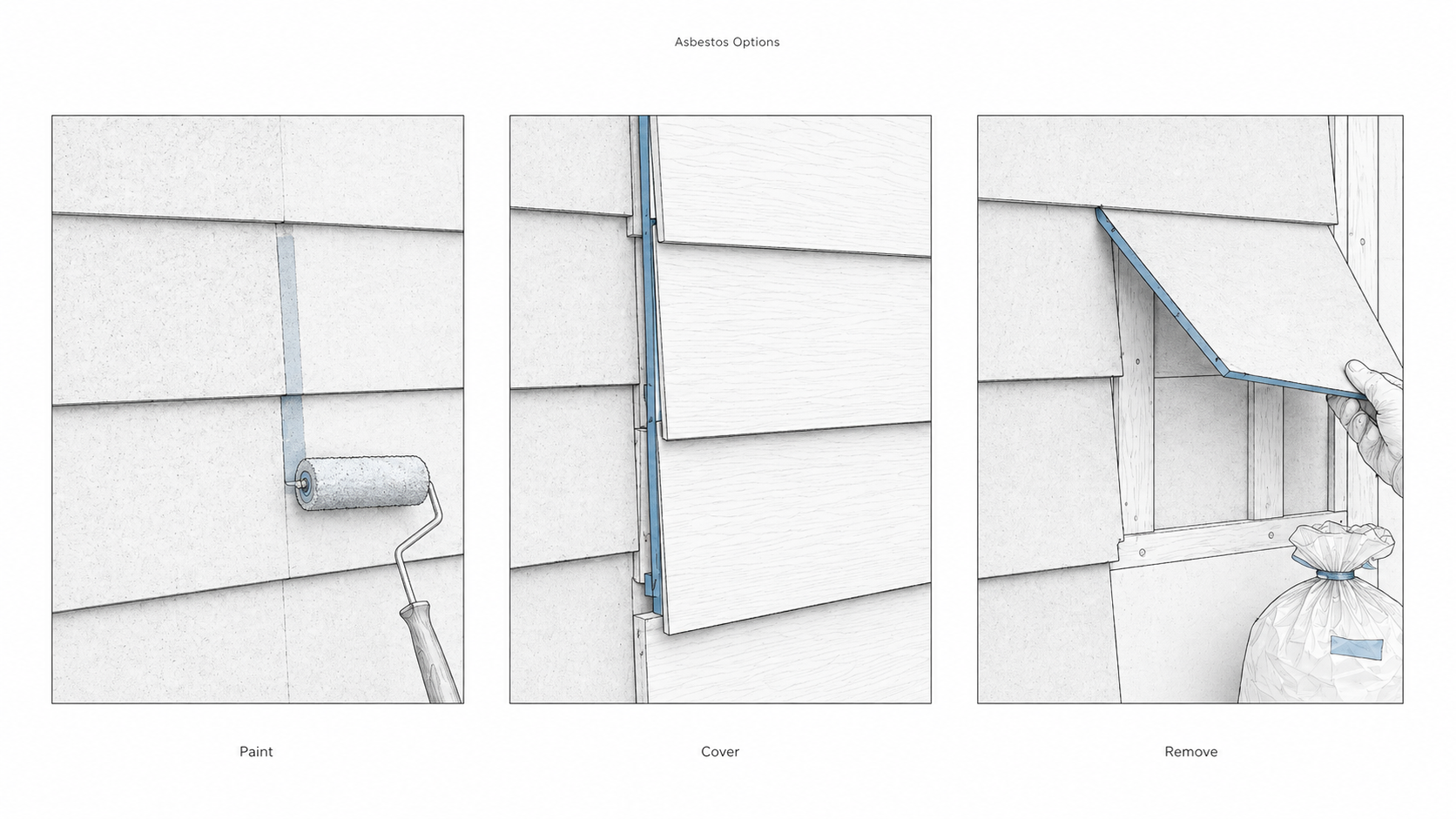
Older asbestos-cement siding is usually handled in one of four ways: leave it alone, seal it, cover it with new siding, or remove it through proper abatement. Illustration by ArchitectureCourses.org.
Leave It Alone
If the siding is intact, well-attached, and not flaking, doing nothing is a legitimate option. Document its condition annually. As long as it stays undisturbed, it poses minimal risk. The mistake is assuming you can leave it alone and also start drilling, cutting, or renovating around it without precautions.
Encapsulate It
Painting or sealing the surface locks in the fibers and prevents release from minor surface degradation. This works when the siding is intact but weathered, or when you want to improve appearance without touching the material. Use a high-adhesion bonding primer followed by 100% acrylic exterior paint in two coats. Do not use elastomeric paint — it traps moisture and can cause blistering and hidden mold. Do not sand or scrape the surface before painting. Clean gently with water and mild detergent, no pressure washing.
Cover It With New Siding
Installing new siding over intact asbestos is legal in most jurisdictions and is often the most practical option. It avoids disturbance, avoids abatement costs, and gives you a fresh exterior. Fiber cement (Hardie board), vinyl, and aluminum all work. The condition requirement is firm: the asbestos siding must be intact before you cover it. Covering broken or cracked sections traps moisture and creates hidden problems. Repair or replace damaged sections with equivalent material — carefully, with proper PPE — before installing the new cladding. For more on siding comparisons, see Asbestos Siding vs Fiber Cement vs Hardie Board and Alternatives to Asbestos Removal.
Remove It
Full removal is the most expensive and disruptive option and is not always necessary. It makes sense when the siding is severely deteriorated, when a full exterior renovation is planned, or when local regulations or lender requirements demand it. In most jurisdictions, asbestos removal requires a licensed abatement contractor, specific disposal procedures, and permits. The process involves controlled wet removal to suppress fiber release, full PPE, and sealed disposal bags taken to a certified hazardous waste facility. You cannot bag it and leave it at the curb or take it to a standard landfill.
| Option | When It Makes Sense | Key Requirement |
|---|---|---|
| Leave it alone | Intact siding, no renovation planned | Do not disturb it |
| Encapsulate / paint | Weathered but unbroken surface | No sanding or pressure washing |
| Cover with new siding | Stable siding, exterior upgrade planned | Must be intact before covering |
| Remove | Severely deteriorated, full renovation | Licensed abatement contractor, permits |
What Removal Costs
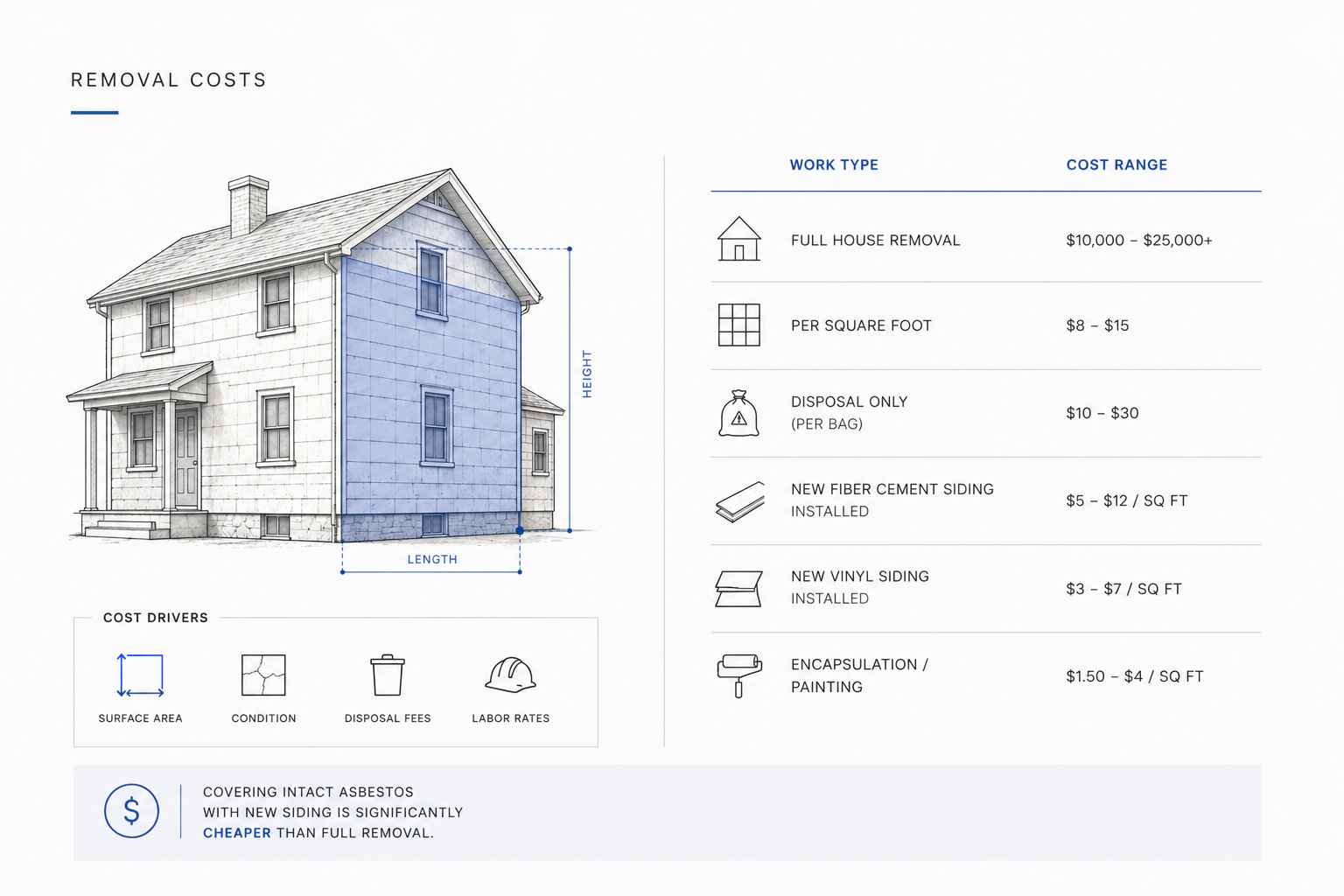
Older asbestos-cement siding is usually handled in one of four ways: leave it alone, seal it, cover it with new siding, or remove it through proper abatement. Illustration by ArchitectureCourses.org.
Removal cost is driven by surface area, condition, local disposal fees, and local labor rates. National averages in the U.S. and Canada run $8–$15 per square foot including labor and disposal. A full house exterior typically runs $10,000–$25,000 or more depending on size, accessibility, and location.
| Work Type | Approximate Cost Range | Notes |
|---|---|---|
| Asbestos removal, full house | $10,000–$25,000+ | Varies significantly by region |
| Removal per square foot | $8–$15 | Labor and disposal included |
| Disposal only (per bag) | $10–$30 per sealed bag | At certified hazardous waste facility |
| New fiber cement siding installed | $5–$12 per sq ft | On top of removal costs |
| New vinyl siding installed | $3–$7 per sq ft | Less expensive over intact asbestos |
| Encapsulation / painting | $1.50–$4 per sq ft | Significantly cheaper than removal |
The cost of covering intact asbestos with new siding is considerably lower than full removal because it skips the abatement process entirely. That is the main reason covering is often the preferred approach when the material is stable.
Legal Obligations
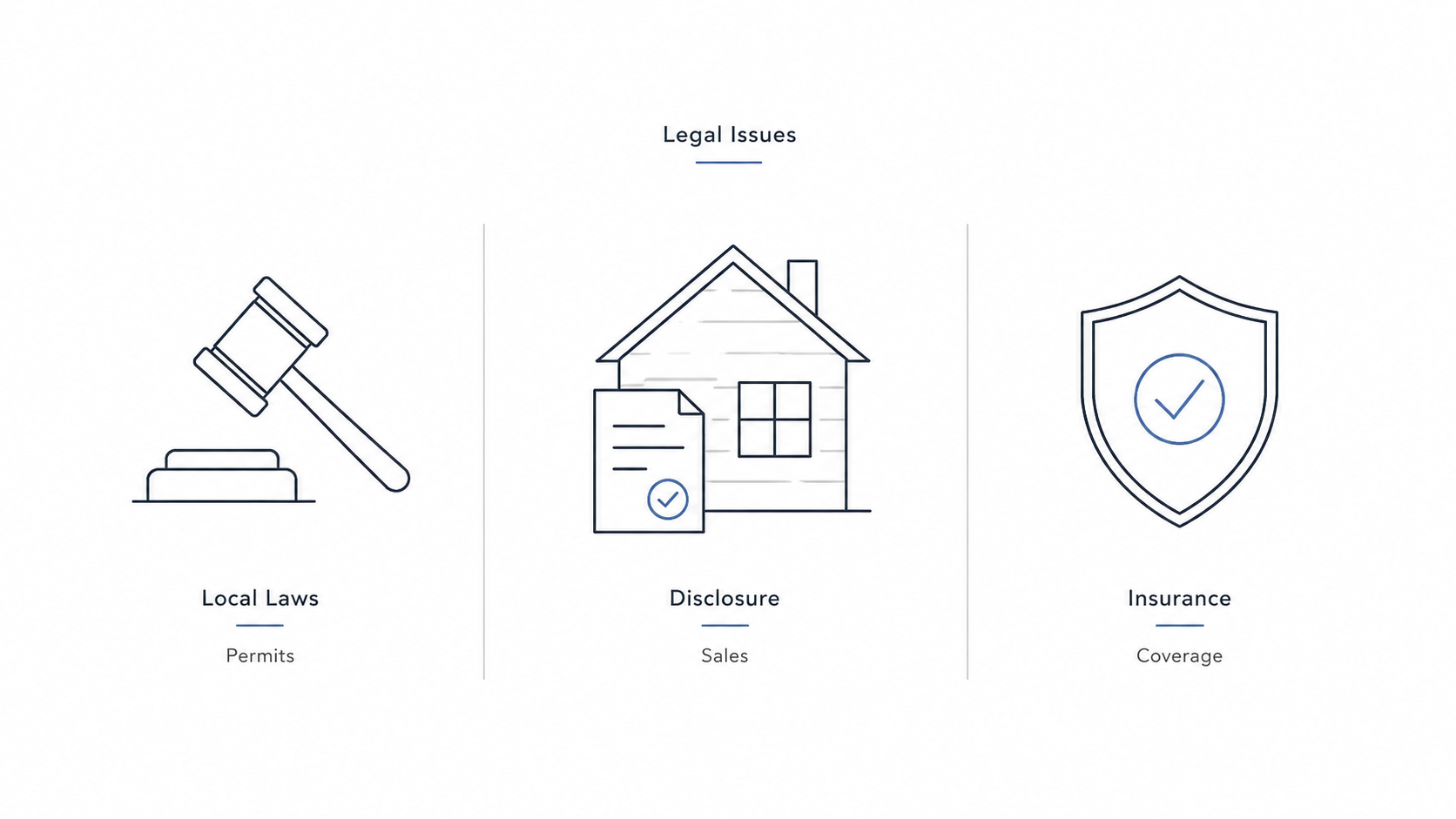
Removal rules. Most provinces, states, and cities require permits for asbestos removal and mandate licensed abatement contractors for anything above a small threshold quantity. Disposal must go through a certified hazardous waste facility — not a standard landfill, not the curbside bin. Regulations vary significantly by jurisdiction. Before touching anything, call your municipal building department and ask specifically about asbestos siding removal requirements. Some areas allow encapsulation and over-cladding without a permit; others require notification even for that. DIY removal is technically legal in some jurisdictions but comes with strict PPE requirements and disposal rules that most homeowners are not equipped to follow correctly.
Disclosure when selling. In Ontario, California, most U.S. states, and most Canadian provinces, you are legally required to disclose known asbestos to buyers. This applies whether the siding is intact, covered, or partially remediated. Concealing it can void a sale or result in litigation. Disclosed, intact, encapsulated asbestos siding is a manageable condition for most buyers. Undisclosed asbestos found after closing is a much larger problem for the seller.
Insurance. Home insurers vary in how they treat asbestos. Some exclude asbestos-related damage from coverage. Some require an inspection before issuing or renewing a policy on an older home. Some deny claims where the damage involves disturbing or exposing asbestos. Call your insurer and ask directly whether your policy is affected by the presence of asbestos siding and whether you need an inspection. Do this before any exterior work starts.
For homeowners dealing with related structural concerns alongside asbestos siding, Settlement Cracks and House Settling Cracks cover the signs that indicate structural movement versus cosmetic wear.
Mistakes
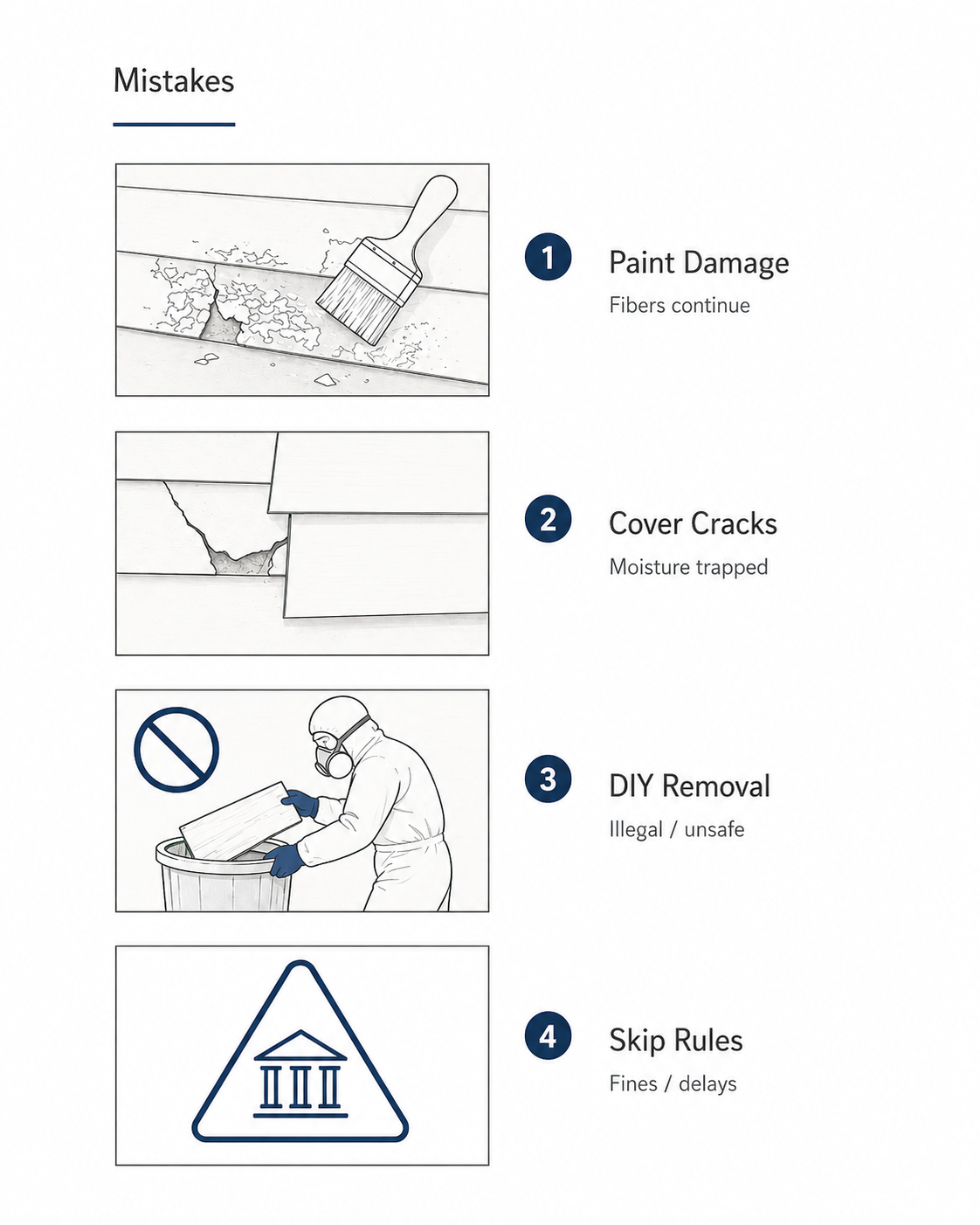
Common asbestos siding mistakes include painting over damaged material, covering cracked siding, attempting DIY removal, and ignoring local rules. Illustration by ArchitectureCourses.org.
Painting over cracked or crumbling siding. Paint does not seal fiber release from structurally compromised material. Broken asbestos cement releases fibers through the cracks regardless of what is on the surface. If sections are crumbling, they need to be addressed — not painted over and ignored.
Installing new siding over damaged asbestos. Covering intact asbestos is the right approach. Covering broken, cracked, or missing sections traps moisture behind the new cladding and creates hidden mold and rot. Repair or replace damaged sections with care before any new siding goes on top.
DIY removal without checking local rules. In many jurisdictions, removing more than a threshold amount of asbestos siding without a licensed abatement contractor is illegal regardless of precautions taken. Penalties for improper removal and illegal disposal are significant in most North American jurisdictions. Check the rules in your area before starting, not after.
Skipping heritage or conservation checks. Some older homes are designated heritage properties with restrictions on exterior alterations. Changes to the exterior — including siding replacement — may require municipal approval regardless of the asbestos issue. Check with your local heritage or planning office before committing to a removal or replacement scope.
| Mistake | What Goes Wrong | What to Do Instead |
|---|---|---|
| Painting over damaged siding | Does not stop fiber release from broken material | Repair, encapsulate properly, or plan removal |
| Covering broken siding | Traps moisture, hidden mold and rot | Repair damaged sections before covering |
| DIY removal without checking rules | Illegal in many jurisdictions, large fines | Confirm requirements with building department first |
| Skipping heritage checks | Fines, forced reversal of work | Verify with local planning office before starting |
| Not disclosing when selling | Voided sales, litigation | Disclose condition and testing status in writing |
Replacement Siding Options
If you are removing asbestos siding and replacing it, these are the options most commonly specified:
Fiber cement (James Hardie board). The closest match in profile and thickness to asbestos cement siding. Available in lap siding and shingle profiles. Durable, paintable, fire-resistant. More expensive than vinyl but significantly longer-lasting. The standard recommendation for period homes where the proportions matter.
Vinyl siding. The least expensive option. Good durability and very low maintenance. Does not replicate the look of cement shingles well. Works better on homes where visual match is not a priority. If installing over intact asbestos rather than replacing it, vinyl is usually the budget-friendly choice.
Engineered wood (LP SmartSide). Better appearance than vinyl at a lower cost than fiber cement. Susceptible to moisture damage if not installed and maintained correctly — not the first choice for coastal or very wet climates.
Aluminum siding. Less common today but still available. Durable and low-maintenance. Dents more easily than fiber cement. Some period-appropriate profiles are still manufactured for older homes.
For a detailed comparison of fiber cement against the other options, see Asbestos Siding vs Fiber Cement vs Hardie Board. For homes where the exterior wall assembly itself needs attention during the re-siding work, Exterior Wall Sheathing and Exterior Wall Construction cover what should happen behind the new cladding.
When a Shingle Breaks or Goes Missing
A single broken or missing shingle is the most common situation homeowners run into, and the article needs to say what to actually do about it.
First, do not ignore it. An exposed gap lets water into the wall assembly. A cracked shingle with loose edges is releasing fibers into the air around it every time the wind moves it. One broken tile is not a crisis, but it does need to be handled.
Sourcing a replacement. Original asbestos cement shingles are no longer manufactured, but salvage yards, demolition sites, and architectural salvage dealers sometimes carry them. Call local salvage dealers and describe the tile size, thickness, and profile. If you cannot find a match, fiber cement shingles cut to size are the closest modern substitute and can be installed over the existing field without disturbing the surrounding material.
What you need before touching it. For a single shingle repair, you are not in abatement territory, but you are working with a material that can release fibers when handled. At minimum: an N95 respirator (not a paper dust mask), nitrile gloves, safety glasses, and a disposable coverall or clothes you can bag and wash separately. Wet the broken piece lightly with a spray bottle before handling — water suppresses fiber release. Do not dry-sand, grind, or snap pieces apart. Work slowly and place fragments directly into a heavy-duty plastic bag. Seal the bag and label it as asbestos-containing material.
Installing the replacement. Remove the nails holding the broken shingle from the course above using a pry bar — carefully, without cracking adjacent tiles. Slide the replacement in, nail it at the top through the existing nail line, and seal the nail heads with exterior caulk. Do not nail through the face of the shingle. The overlapping course above should cover the nail line when seated correctly.
Disposal of the broken piece. One shingle does not require a licensed abatement contractor in most areas, but it cannot go in the regular trash. Sealed in a labeled bag, it can go to a local hazardous waste facility. Call ahead — some facilities require advance notice for asbestos material even in small quantities. Your municipality's hazardous waste disposal page will have the nearest drop-off location and any requirements for drop-off.
When to call a contractor instead. If more than a few shingles are cracked or missing, if the damage covers a whole wall section, or if you have any reason to think the siding behind the damage is also compromised, stop and get a professional assessment. Patching scattered damage across a large area without a full condition survey can create more exposure risk than it resolves.
Buying or Selling a House With Asbestos Siding
If You Are Buying
Asbestos siding on a house you are considering is not a reason to walk away. It is a reason to understand exactly what condition it is in before you close.
Get it tested if it has not been already. A certified inspector can assess the full exterior, document condition, and give you a written report. That report is useful for negotiating price, for your insurer, and for any future contractor work. Budget $300–$600 for a professional asbestos assessment on a typical house.
Ask the seller directly: has any siding been disturbed, cut, or removed? Has any been repaired? Are there sections underneath other cladding? Asbestos siding is sometimes buried under a later layer of vinyl or aluminum, which means you could be buying two layers of material that will eventually need to be dealt with.
Check with lenders early. Some mortgage products — particularly FHA and VA loans in the United States — have specific requirements around hazardous materials. A lender's appraiser flagging asbestos can slow or complicate closing. Knowing the lender's position before you make an offer saves a lot of renegotiation later.
If the siding is intact and the inspection comes back clean, your practical options are straightforward: leave it, encapsulate it, or cover it when you are ready to re-side. Neither the cost nor the risk should derail a purchase if everything else about the house is sound. Factor the eventual re-siding cost into your offer if the exterior needs work — covering with fiber cement on a standard house runs $15,000–$35,000 depending on size and condition of what is underneath.
If You Are Selling
Disclose it. Written disclosure of known asbestos is required in most North American jurisdictions. The condition matters — disclosed, intact, encapsulated asbestos siding rarely kills a sale. Concealed asbestos discovered after closing does, along with the legal exposure that comes with it.
If you have had the siding tested, share the report. If you have not, consider getting it done before listing. A clean inspection report that documents stable, low-risk siding is a stronger position than asking buyers to trust your word on it. It also removes the delay that comes when a buyer's inspector flags the material and the closing stalls while everyone figures out what to do.
Remediation before listing is not always the right call. Full removal is expensive and disruptive, and a well-maintained encapsulated exterior is not the same problem as crumbling, friable siding. If the siding is in good condition, a documented inspection showing that is often enough. If sections are damaged or missing, repair them before listing — damaged asbestos siding in visible condition will get flagged in every inspection and give buyers a reason to negotiate hard on price.
Be honest about what is there, what condition it is in, and what you know about its history. Buyers can work with the facts. The problems come from surprises.
FAQ
How do I know if my siding has asbestos?
Look for brittle cement shingles, typically 9"x12" or 12"x24", with a smooth or lightly dimpled surface and no woodgrain texture. If the house was built between 1945 and 1985, the probability is meaningful. The only confirmation is lab testing — visual inspection is not enough.
Is it safe to live in a house with asbestos siding?
Intact, undisturbed asbestos siding presents low risk to occupants. The fibers are bound in the cement matrix and do not release under normal conditions. The risk increases when the material is cracked, broken, or disturbed.
Can I put vinyl siding over asbestos siding?
Yes, in most jurisdictions, as long as the asbestos siding is intact. This avoids disturbance, avoids abatement costs, and is the approach most contractors recommend when the underlying material is stable.
Can I paint asbestos siding?
Yes. Painting is one of the safest ways to encapsulate asbestos siding. Use a bonding masonry primer and two coats of 100% acrylic exterior paint. Do not sand, scrape, or pressure wash the surface beforehand.
Can I remove it myself?
In some jurisdictions, small quantities can be removed by homeowners following strict safety protocols. In others, any removal requires a licensed abatement contractor. Check with your local building department before touching anything. The legal and financial consequences of getting this wrong are significant.
What does professional removal cost?
$8–$15 per square foot for removal and disposal. A full house typically runs $10,000–$25,000 or more depending on size and location. Covering intact asbestos with new siding costs considerably less because abatement is not required.
Do I have to disclose asbestos siding when selling?
In most North American jurisdictions, yes. Disclosure is required if you know the material is present. Document the condition and any testing that has been done. Concealing it creates legal exposure that is far more costly than the disclosure itself.
What siding is best to replace it with?
Fiber cement is the closest match to asbestos cement in profile and performance. Vinyl is the budget option. Engineered wood sits in between. The right choice depends on your climate, the home's style, and whether visual match matters.
Resources
- EPA — Asbestos
- OSHA Asbestos Standards — search osha.gov for current asbestos construction standards
- Health Canada Asbestos Guidelines — canada.ca
- UK HSE Asbestos in Buildings — hse.gov.uk
Related
- Asbestos Siding vs Fiber Cement vs Hardie Board
- Alternatives to Asbestos Removal
- Exterior Wall Sheathing
- Exterior Wall Construction
- 1930s House Style and Common Issues
- 1910s House Style
- Common Problems in 1910s Houses
- Settlement Cracks
- Stucco: Types, Finishes, and Costs
- Wooden Window Frame Replacement