
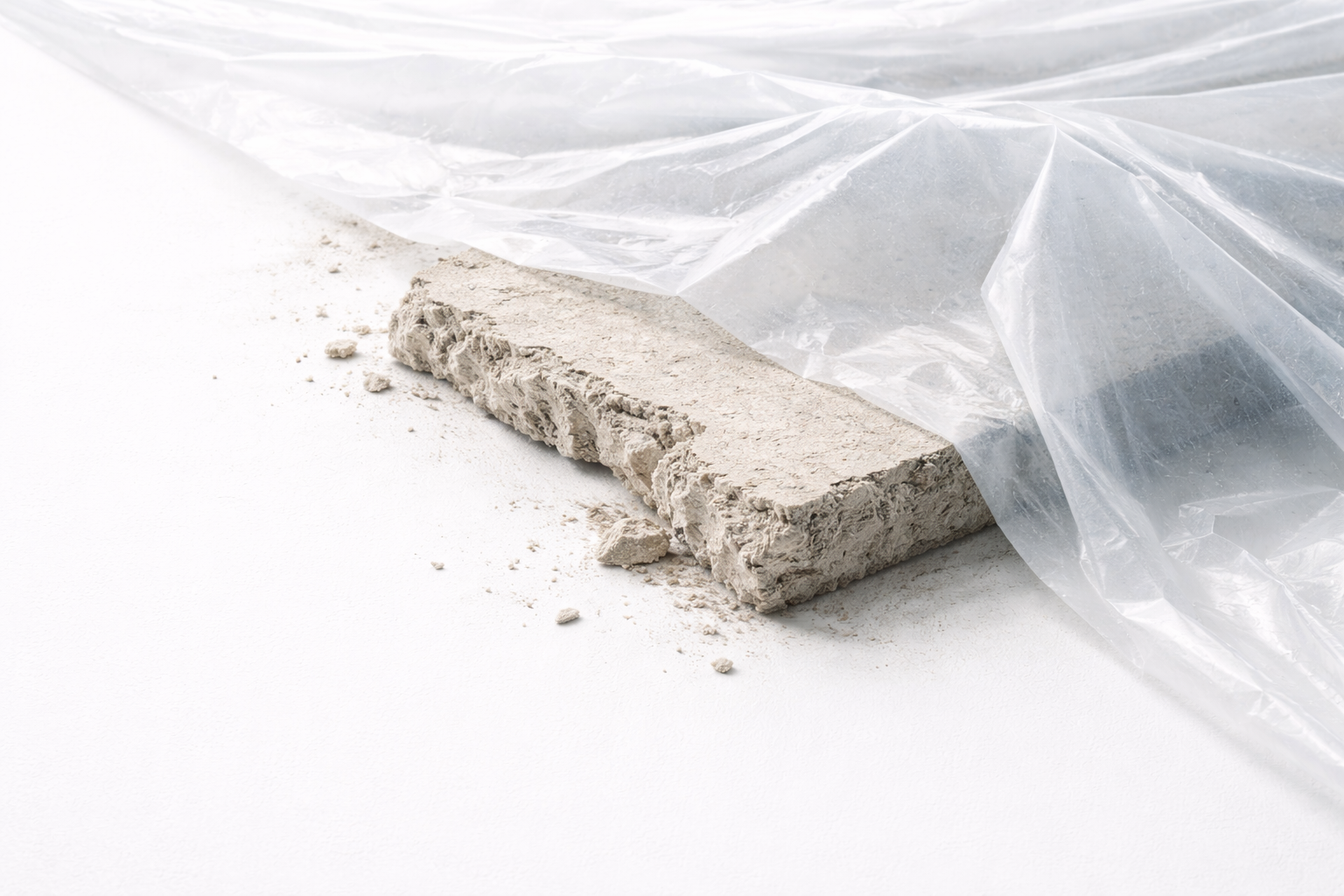
Should you remove or cover asbestos siding? Most of the time, the money gets burned in one dumb moment: somebody treats it like normal siding, cracks a bunch of shingles, makes dust, then everyone argues about who pays for cleanup.
The boring truth: intact asbestos-cement siding is usually a management problem, not an emergency. The risk jumps when it’s broken, drilled, sanded, cut, or power-washed.
What this covers: the real options homeowners use (leave, seal, cover, partial work, full removal), when each makes sense, and the traps that turn a “simple re-side” into a hazmat job.
Start here: the 2-minute decision that changes everything
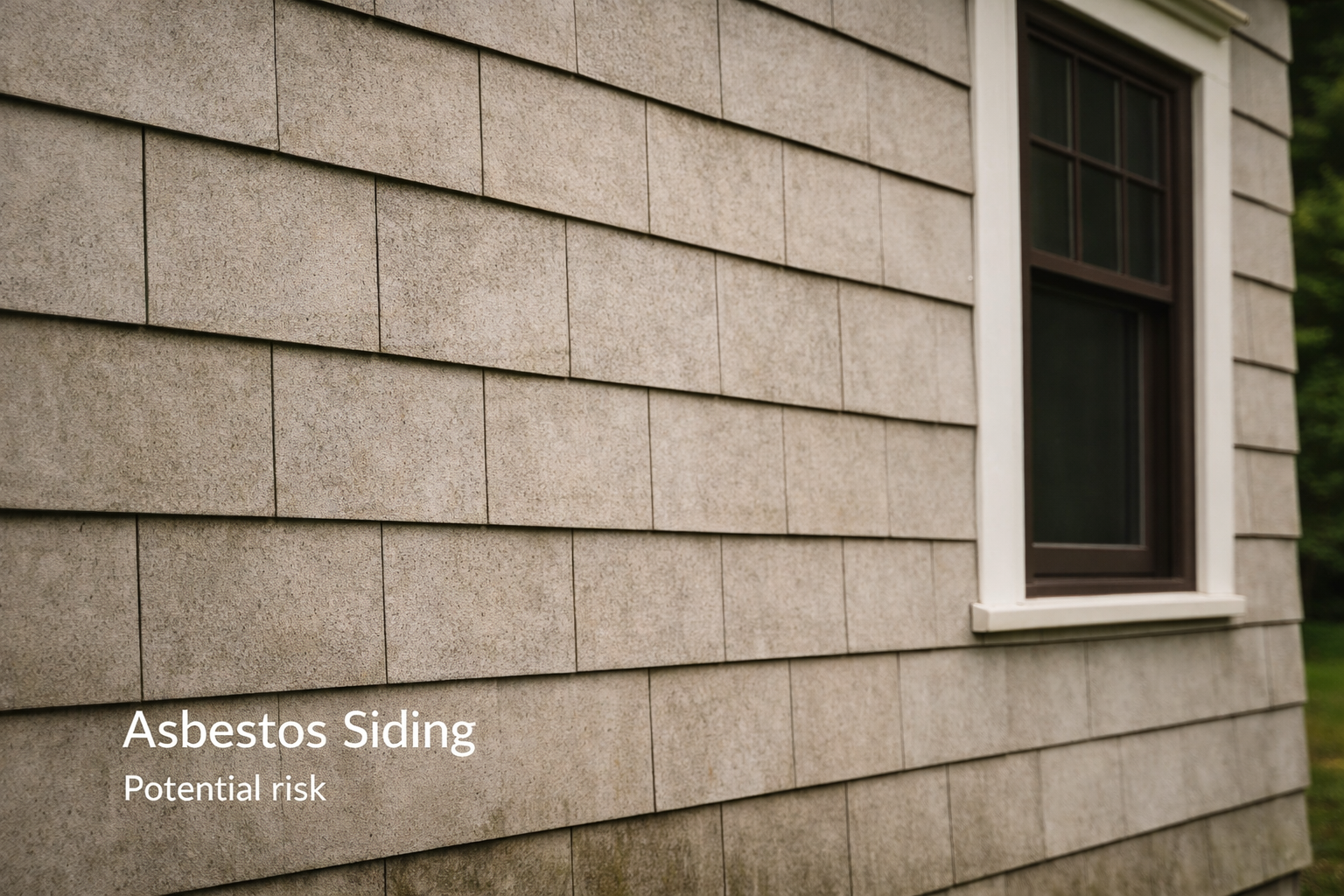
Before you pick an “alternative,” answer one question honestly: is it intact? If it’s mostly solid (no widespread crumbling, no piles of debris at the base, no shattered edges everywhere), you have options. If it’s falling apart, you’re likely in pro territory.
Also: don’t guess what it is by looks. If you’re not sure, treat it as asbestos until a qualified person confirms otherwise. The mistake is “I’ll just scrape this spot to see.” That’s literally how people create the problem.
Alternatives to Asbestos Removal: What Actually Works
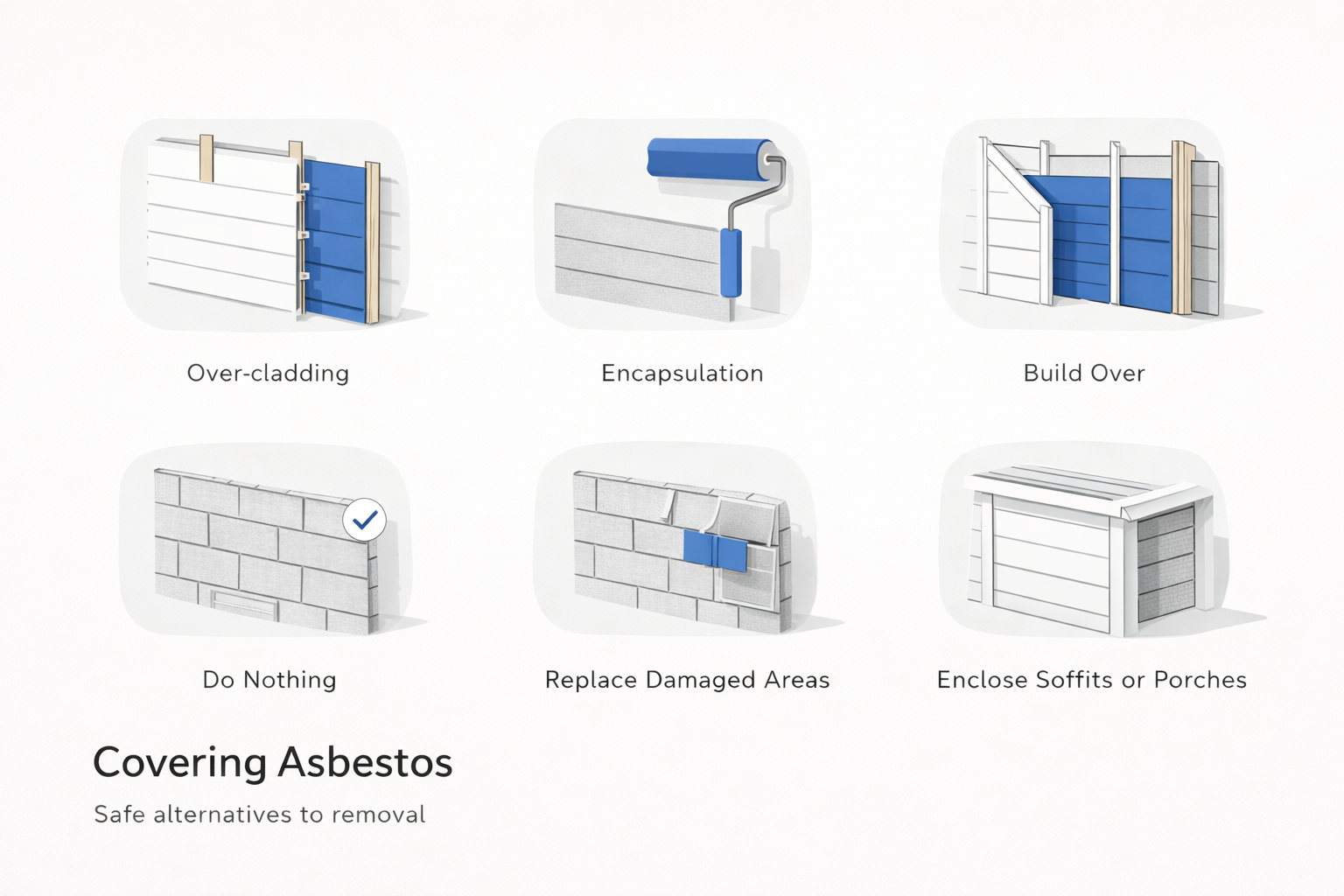
1) Leave it alone (in-place management)
This is the most common outcome for intact asbestos-cement siding: do nothing other than keep it from getting damaged. It’s not sexy. It’s often the smartest.
- Works when: siding is solid, paint isn’t flaking badly, and nobody needs to drill/cut through it.
- Fails when: you start “cleaning it up” with scraping, sanding, aggressive pressure washing, or casual repairs that crack shingles.
If you’re leaving it: keep gutters/downspouts working, keep ladders from grinding against it, and don’t let anyone “prep” it like wood siding.
2) Cover it with new siding (over-cladding)
Over-cladding is the most common alternative to removal because it can keep the old siding undisturbed while you get a new exterior. But it only works if the installer understands what “undisturbed” means in real life.
- Works when: the existing siding is stable enough to sit behind a new assembly without crumbling.
- Where people get burned: crews snapping shingles while setting furring, or using grinders/saws, or making a mess of debris and leaving it around the yard.
Ask the contractor one blunt question before you sign: “What’s your plan when a shingle cracks?” If the answer is vague, they’re not ready for this job.
Also don’t treat over-cladding like a free pass. If the old layer is damaged and wet problems exist, you can end up hiding rot behind a fresh exterior.
3) Paint / seal it (encapsulation coating)

Painting can be a legit option when the siding is intact and you just need to stabilize weathering. It’s not a magic shield. It’s just a surface lock-down.
- Works when: surface is sound and you can prep without scraping/sanding the siding itself.
- Doesn’t work when: edges are crumbling, shingles are cracked, or you’re trying to “fix” deep damage with paint.
The big mistake: “prep” that turns into scraping and dust. If prep requires abrasion, stop and rethink the plan.
4) Enclose it locally (soffits, porches, additions)
If you’re adding a porch roof, enclosing a bump-out, building a mudroom, or changing soffits, you can sometimes cover only the affected area and leave the rest alone. It’s basically over-cladding, but targeted.
- Works when: you can build without tearing off large areas.
- Red flag: the new work requires lots of cutting/drilling through the asbestos-cement. That’s when you slow down and get real guidance.
5) Repair only the damaged pieces (controlled work)
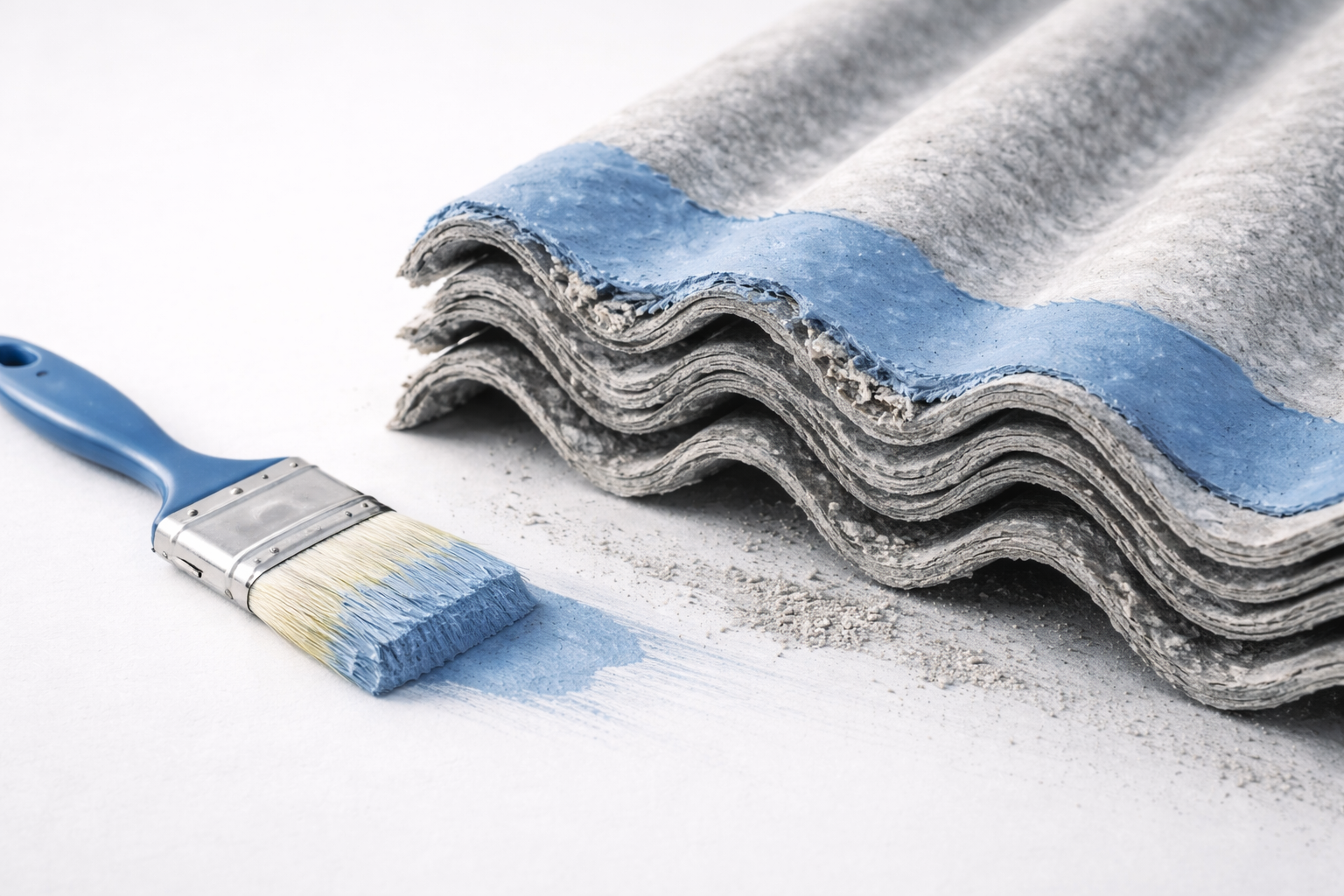
Small damage happens: lawn equipment, ladders, impact at corners. The goal is to stop it from becoming “ongoing breakage.”
This is where DIY gets people in trouble. The moment you’re removing shingles, drilling, cutting, or generating debris, it can cross into regulated work depending on your jurisdiction. If you don’t know the rules where you live, don’t freestyle it.
6) Full removal (when you’re out of alternatives)
Full removal usually makes sense when the siding is widespread damaged, you’re doing major structural changes, or you need to disturb it everywhere anyway. It’s also the right move when the site conditions make safe containment impossible for a “partial” approach.
If you go this route: hire licensed/qualified help and make sure disposal is handled legally. Bad removal is worse than leaving it.
7) Hybrid approach (most common on real houses)
A lot of projects end up here: remove the worst elevations (where shingles are trashed or constantly hit), and encapsulate/over-clad the rest. It keeps the work smaller and the risk more controllable.
Common misunderstandings that cause expensive mistakes
- “It’s outside, so it’s fine.” Outside helps, but broken material is still broken material.
- “We’ll just power-wash it.” Bad idea. Water + force + brittle cement shingle edges = damage and debris.
- “We’ll seal it later.” Later is after it’s cracked and everyone’s arguing.
- “It’s covered now, so it doesn’t exist.” It still exists. Future work (windows, additions, penetrations) still has to deal with it.
Red flags: stop and get real help
- Shingles are crumbly or breaking just from light handling.
- You see debris piles at the base of walls from ongoing deterioration.
- You’re planning work that requires cutting/drilling across large areas (new windows/doors everywhere, major penetrations, big re-framing).
- The contractor talks like it’s “just demo.”
The one detail people miss
Before any siding crew starts, do a 10-minute “no-dust rule” talk on site. No grinders. No saws. No sanding. No scraping. If a piece cracks, stop, keep it from breaking more, and handle cleanup deliberately. This sounds obvious. It’s the difference between a clean over-clad and a yard full of debris you now own.
Quick checklist
- Do: treat intact asbestos-cement siding like “manage in place” unless you have a real reason to disturb it.
- Do: ask contractors how they prevent breakage and how they handle broken pieces.
- Do: check local rules before any removal work, even “small” patches.
- Don’t: sand, scrape, grind, or pressure-wash it like normal siding.
- Don’t: assume “covering” means zero risk. The install method matters.
FAQ
Is asbestos siding dangerous if left alone?
Intact asbestos-cement siding is generally lower risk when it’s not being disturbed. The danger climbs when it’s broken or you create dust by cutting/sanding/scraping. If it’s deteriorating badly, get qualified advice.
Is it legal to cover asbestos siding?
Often, yes. But rules vary by jurisdiction and by what work you’re actually doing (covering vs removing vs cutting). If you’re hiring contractors, they should be able to explain local requirements in writing.
Will covering it hurt resale value?
Buyers mostly react to two things: is it visible, and is it falling apart. Properly covered, many houses sell fine. But disclosure rules vary, and inspectors can still note it if it’s known or visible.
Can I DIY this?
If your plan involves disturbing the material (removing shingles, drilling, cutting, sanding), treat that as a stop sign. Even if it’s “allowed,” it’s easy to do it wrong. This is where people turn a small job into a contamination cleanup.
What if a shingle breaks?
Don’t keep smashing through like nothing happened. Stop, keep the breakage from multiplying, and clean up deliberately. If breakage is happening constantly, your “cover it” plan may not be the right plan.
Short wrap-up
If the siding is intact, removal is often the most expensive way to create the most dust. If it’s damaged and you have to disturb it anyway, do it properly. Either way: the win is boring. No debris. No dust. No “we’ll deal with it later.”
Official sources (click to expand)
- EPA: Asbestos (rules, basics, and program links)
- EPA: Protect your family from exposures to asbestos
- EPA: Asbestos NESHAP overview (demolition/renovation context)
- OSHA: Asbestos standard for construction (29 CFR 1926.1101)
- OSHA: Asbestos technical info (includes asbestos-cement products and cutting/breaking exposure context)
- CCOHS (Non-US note): Asbestos basics and workplace controls in Canada