
Most “green buildings” marketing is vibes. The real difference is boring stuff: envelope, systems, water, and how the building is operated after the ribbon cut.
- 10 real-world buildings people keep citing (and why)
- What features matter (and what’s mostly PR)
- Common mistakes that make “green” buildings perform like regular ones
- FAQ based on what people actually ask
10 Sustainable Buildings People Reference Over and Over
This list is not “best in the world.” It’s “keeps showing up in conversations, case studies, and lectures” because each one demonstrates a clear move.
Shanghai Tower (Shanghai, China)
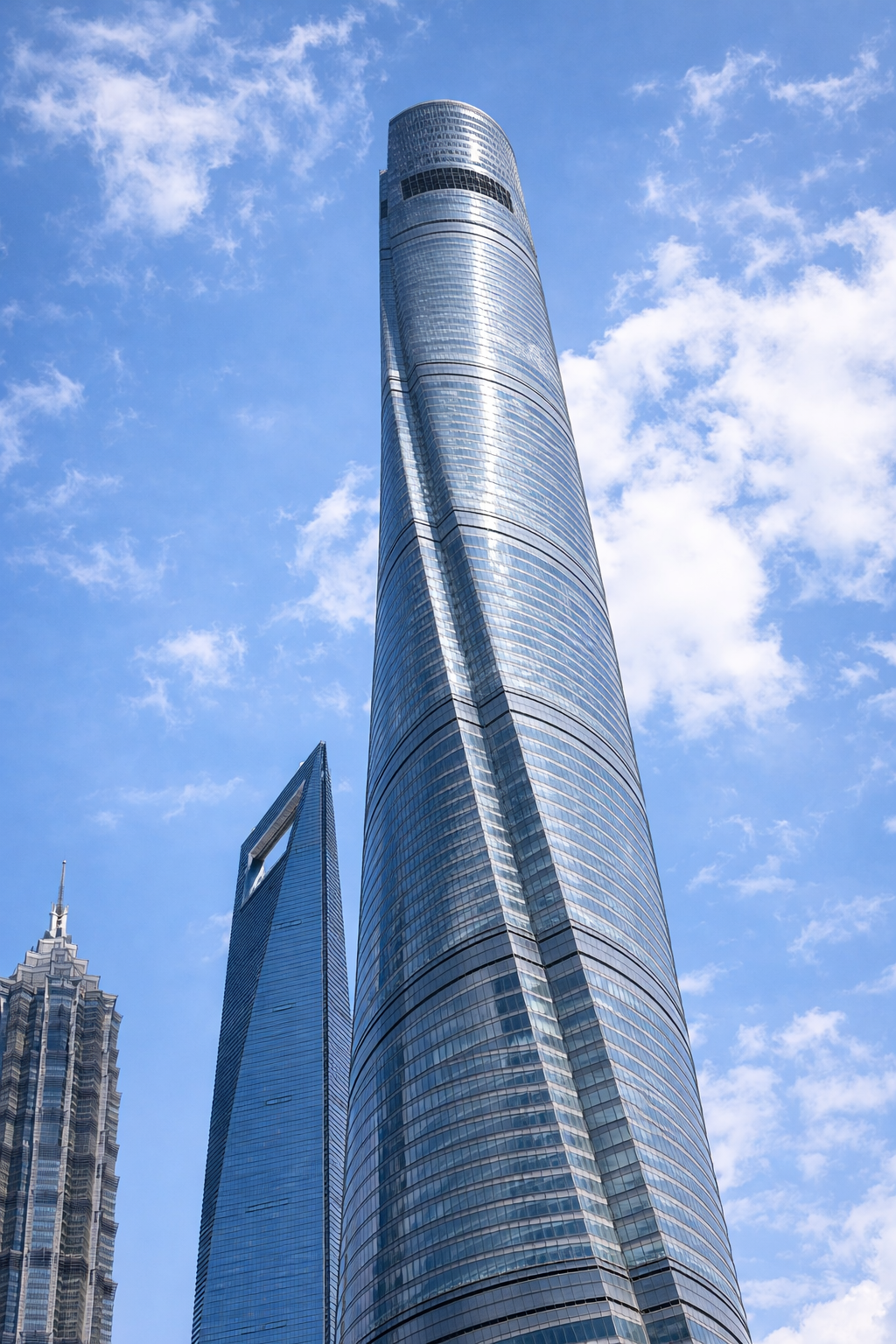
High-rise sustainability: double-skin facade for thermal control, wind strategy, and building-scale water systems. Big lesson: envelope + mechanical strategy must be designed together, not separately.
The Crystal (London, UK)
A showcase building for energy + water efficiency. The main lesson is monitoring and management: systems that are tuned and tracked tend to keep performing, instead of drifting into waste.
Bullitt Center (Seattle, USA)
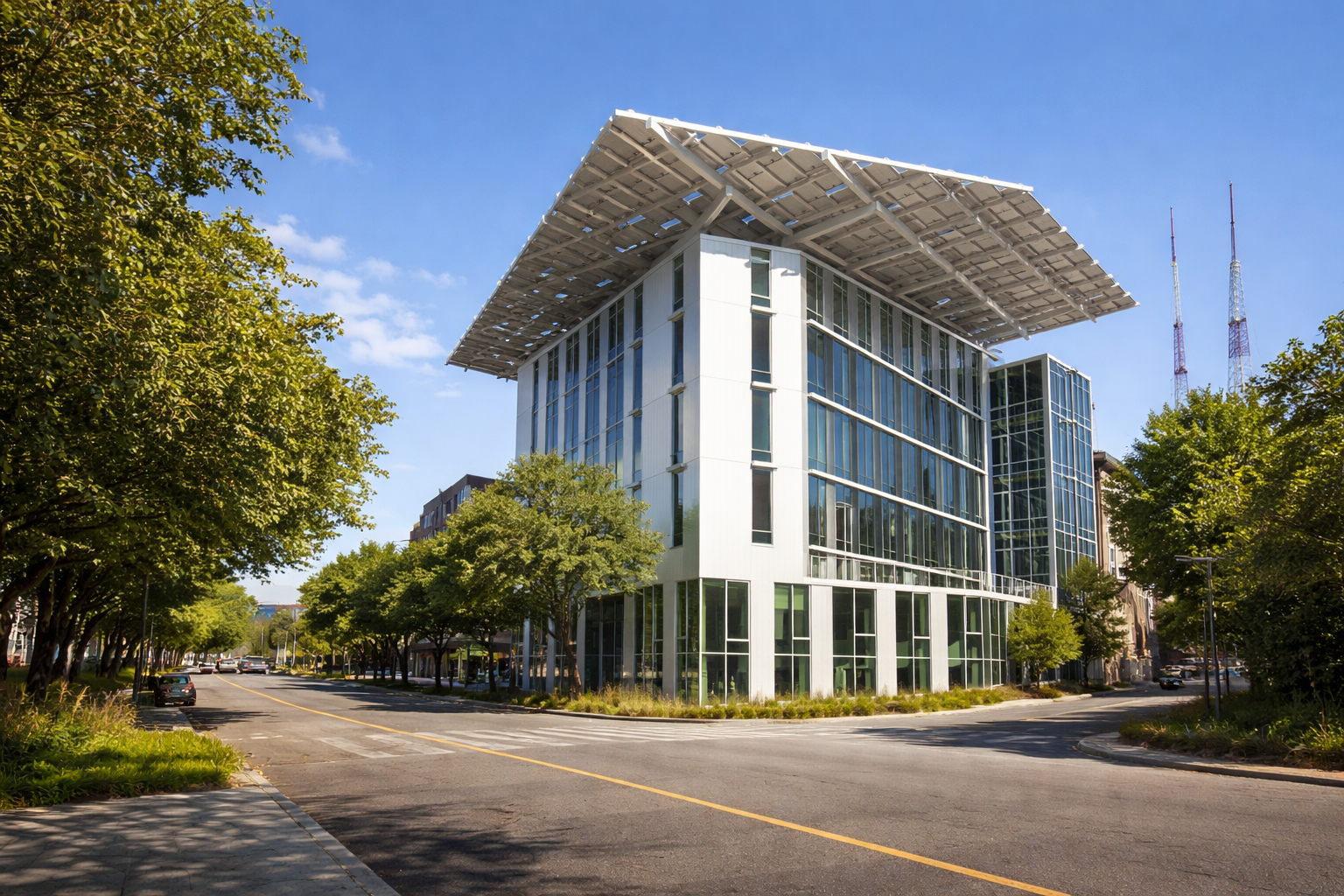
Often cited because it aims at “net-zero” behavior and strict material/systems rules. It’s a clean example of what happens when sustainability is a hard constraint, not a theme.
One Central Park (Sydney, Australia)
Known for facade planting and daylight moves. Lesson: greenery can be useful, but it also adds maintenance and irrigation complexity (which people forget to budget for).
Bosco Verticale (Milan, Italy)
Vertical planting at scale. Good for biodiversity and shading, but the real story is operations: irrigation, pruning, wind load, and long-term upkeep.
BedZED (London, UK)
Housing-focused sustainability with an emphasis on low energy demand. Lesson: community-scale planning matters as much as one “green gadget.”
CopenHill / Amager Bakke (Copenhagen, Denmark)
Waste-to-energy + public recreation. Lesson: infrastructure can be civic space, but you have to design safety, access, and emissions performance tightly.
Pasona Urban Farm (Tokyo, Japan)
Biophilic + food production inside an office. Lesson: plants help comfort and air quality perception, but light, pests, and maintenance are the real constraints.
Manitoba Hydro Place (Winnipeg, Canada)
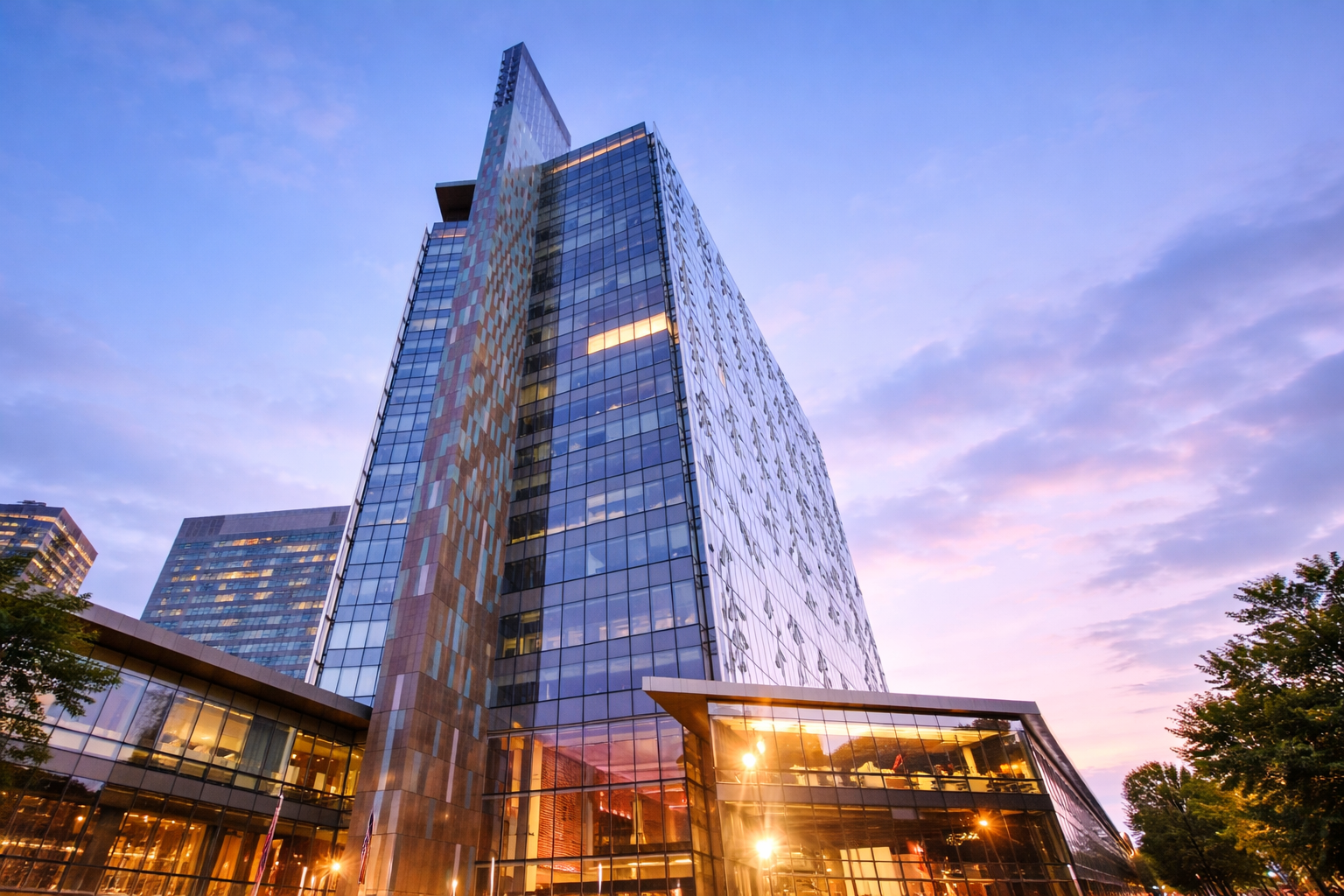
Cold-climate performance focus. Lesson: in harsh climates, the envelope and ventilation strategy are everything. You don’t “solar panel” your way out of a leaky building.
The Edge (Amsterdam, Netherlands)
Smart building controls and efficiency. Lesson: sensors and controls can reduce waste, but only if commissioning and ongoing tuning are taken seriously.
If you want the bigger “materials and systems” side of this topic, start with what counts as sustainable materials and then the trade-offs page at types of sustainable materials and real costs.
Sustainable Features That Move The Needle
These are the features that show up in real projects because they impact operating cost and comfort. Not just “green branding.”
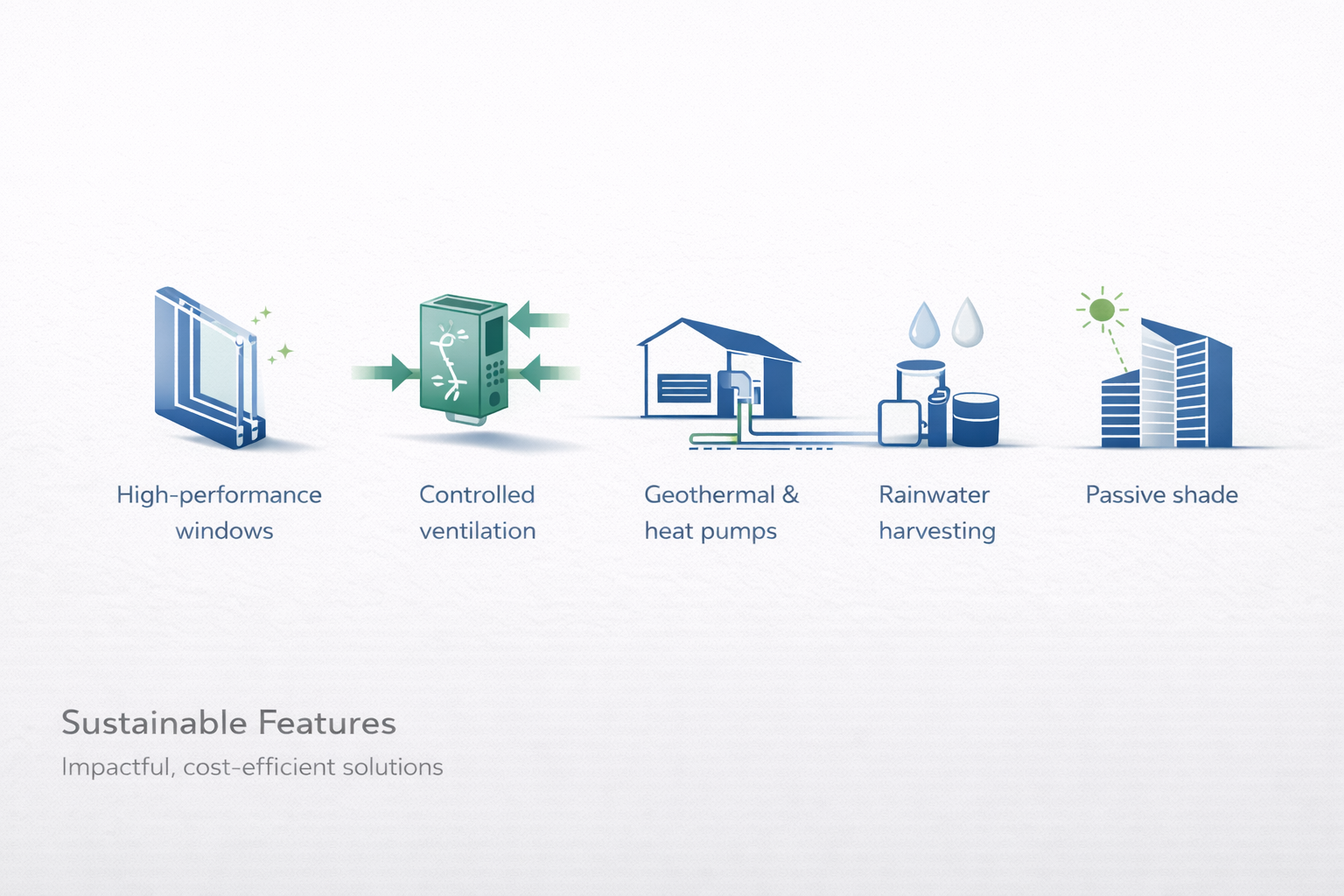
1) High-performance windows and a sane envelope
Triple glazing, low-e coatings, good air sealing, and fewer thermal bridges. It’s not glamorous. It’s also the difference between a building that can be passively stable and one that needs constant mechanical correction.
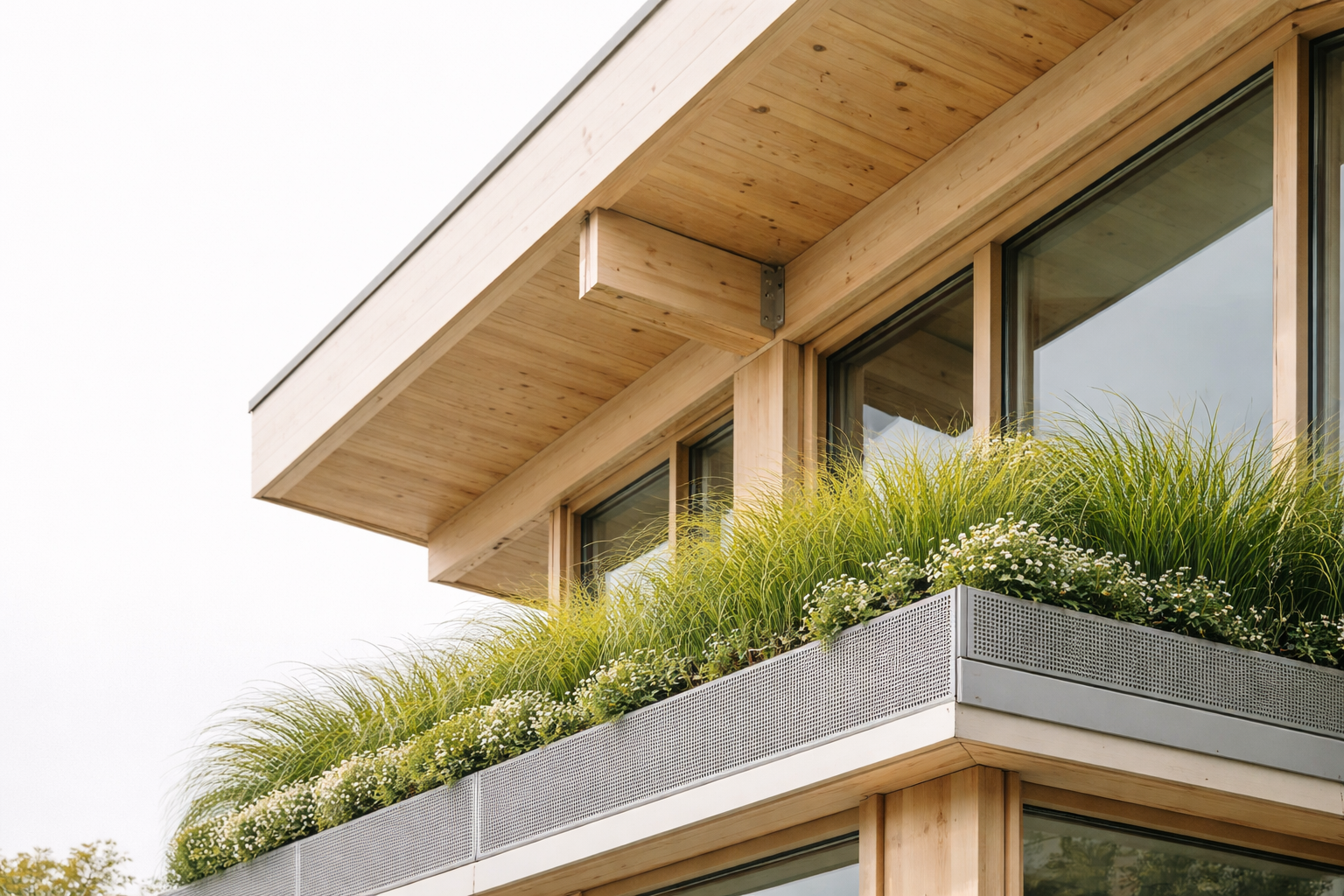
2) Heat recovery + ventilation you can control
Ventilation is where “green” buildings quietly fail. Wrong airflow rates, bad balancing, or occupants fighting the system because it feels stuffy. You end up with windows open in winter and the HVAC running full tilt.
3) Geothermal and heat pumps (when the site supports it)
Great in the right conditions, useless when value engineering destroys the loop field or the controls. Geothermal is a systems design problem, not a product you “add.”
4) Water: rain harvesting + greywater reuse (where legal)
Water systems work best when they’re simple and maintainable. The more complex the filtration and storage, the more likely it gets bypassed later.
5) Shading and passive solar done properly
Orientation, glazing ratios, exterior shading, and thermal mass. Passive solar works when you control summer overheating, not when you just add more glass and call it “daylighting.”
For a practical “what works vs what fails” view (no fluff), see Sustainable Building Materials: What Works and What Fails and Sustainable Design Strategies in Architecture.
Common Mistakes That Kill “Green” Performance
- Over-glazing to look modern, then trying to mechanically fix the heat loss and heat gain.
- Green roofs with no operations plan: irrigation, root barriers, drains, and who maintains it.
- Smart controls nobody understands: then facilities staff disables half the system just to stabilize complaints.
- Ignoring embodied carbon: “efficient building” built with high-impact materials, huge demolition waste, or long-haul supply chains.
- No commissioning: systems are installed, never tuned, and performance drifts for years.
Case Study Snapshot: Bullitt Center (Seattle)
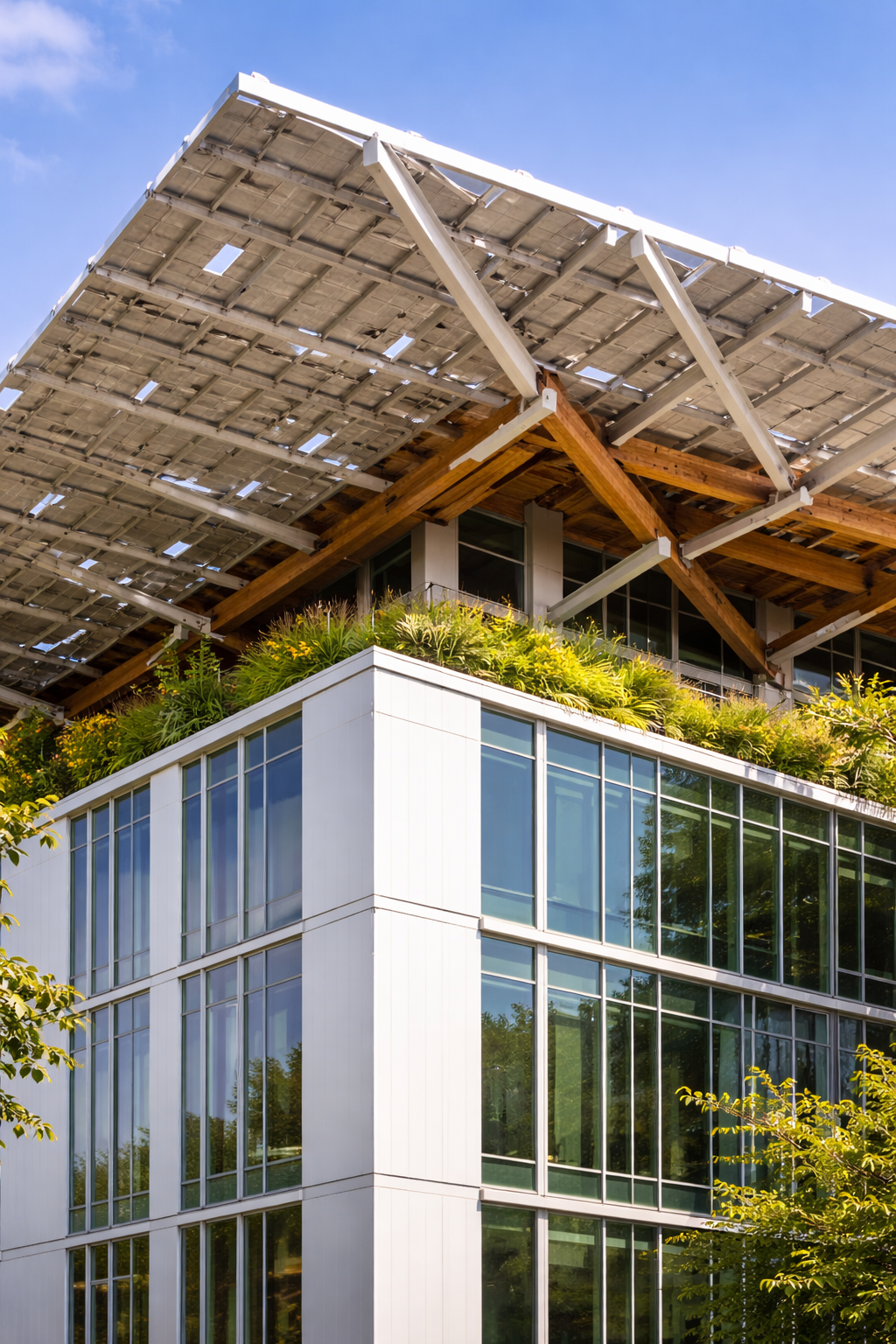
The Bullitt Center stays famous because it’s strict. Energy, water, materials, and operations are treated as design constraints from the start.
- Energy: on-site generation strategy paired with aggressive demand reduction.
- Water: rainwater capture and careful management (complex, and not always easy to replicate everywhere).
- Operations: the building has to be run with discipline, or the model breaks.
See: Sustainable Building Case Study: The Bullitt Center, Seattle — Net-Zero in Practice
How Cities Actually Push Sustainability
(and Why It’s Messy)
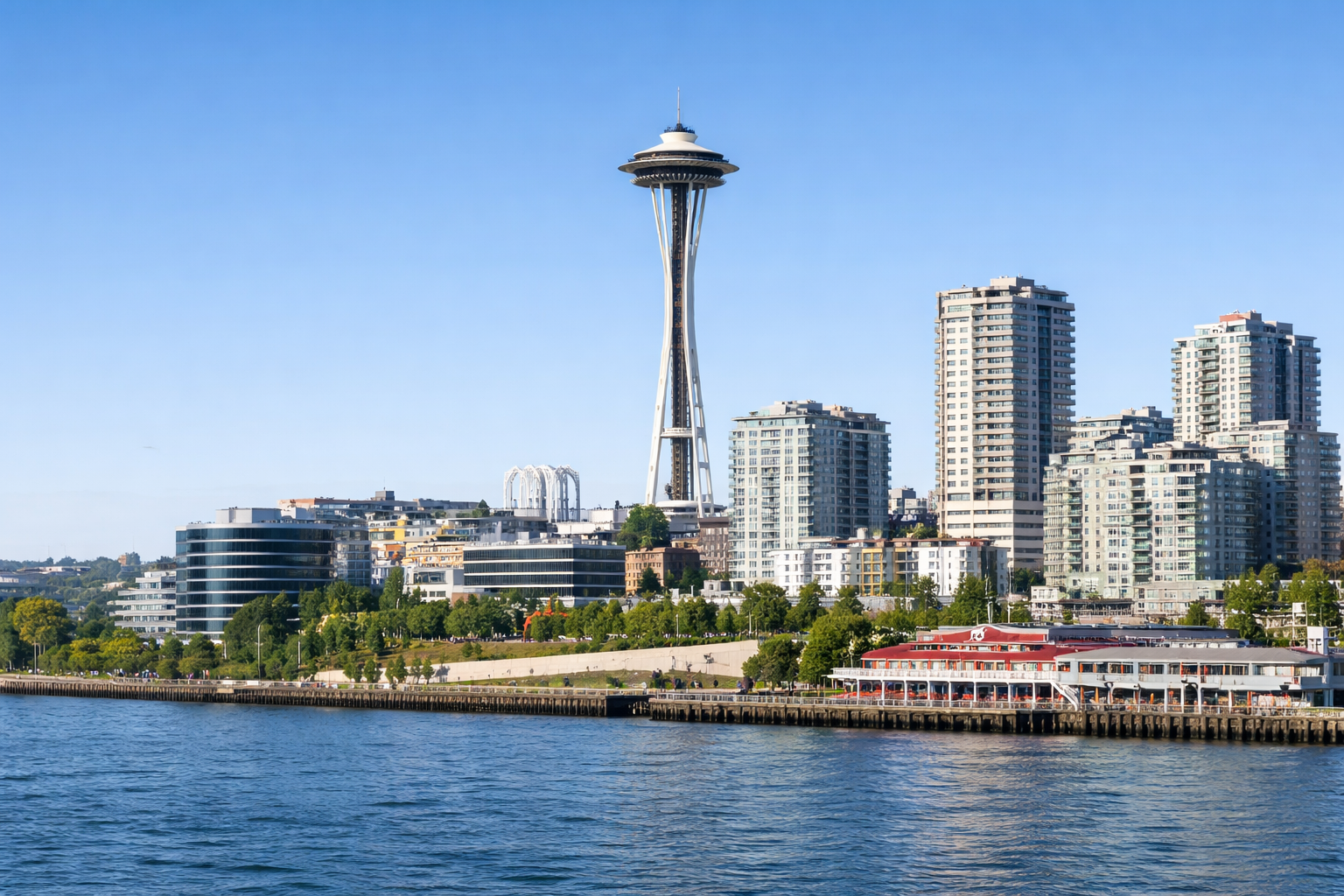
Most of the real “green building” progress doesn’t start in a studio. It starts in city hall, utilities, and procurement meetings where nobody cares about your render. Cities move the market because they control permits, zoning, inspections, and a lot of the money.
But it’s not clean. It’s not one policy and suddenly every building is net-zero. It’s a stack of small moves that slowly make “business as usual” harder to justify.
1) Codes get tighter, and everyone complains for a year
This is the most common lever. Cities adopt newer energy codes, add local amendments, and raise minimum performance. The loudest pushback is usually “cost” and “we can’t get trades.” Sometimes that’s real. Sometimes it’s just habit.
- What it changes: better insulation, windows, air sealing, ventilation requirements, mechanical efficiency.
- What people miss: enforcement matters. If inspections are weak, the code becomes a checkbox and performance never shows up.
2) Permitting gets used as a carrot and a stick
Cities can’t always force luxury-level sustainability, but they can make certain paths faster or cheaper.
- Fast-track permits for projects that hit a high performance target (energy model, green certification, electrification, mass timber, etc.).
- Fee reductions or density bonuses when developers provide measurable public benefits (low-carbon, affordable housing, district energy connections, stormwater improvements).
- Reality: if the fast-track still takes forever, nobody trusts it. The program lives or dies on turnaround time.
3) Benchmarking and disclosure: the quiet policy that actually works
When cities require large buildings to report energy use, owners start paying attention. Not because they suddenly became saints. Because nobody wants to be the worst-performing building on a public list, and lenders start asking questions.
- What it changes: owners tune systems, fix obvious waste, upgrade controls, and do targeted retrofits.
- What people miss: data quality. If the reporting is sloppy, you get noise, not action.
4) Electrification rules: “stop burning gas in new buildings”
This one is spreading because it’s direct: new buildings get pushed toward heat pumps and electric systems. Cities do it through bans, phase-outs, or strict emissions caps.
- What it changes: mechanical design, electrical service sizing, domestic hot water strategy, peak load planning.
- Trade-off: if the grid is dirty or weak, electrification alone doesn’t solve climate. Cities have to coordinate with utilities or it turns into reliability drama.
5) City-owned buildings lead first (because they can)
This is the “walk before you talk” move. Cities retrofit their own stock—libraries, rec centers, schools, fire halls—then use those projects as proof that the methods work. It also trains local contractors because public jobs create repeat work.
- What it changes: market capacity. Contractors get familiar with heat pumps, envelope retrofits, controls, commissioning.
- Real-world catch: public projects are political. Budgets get cut. Timelines get rushed. You end up value engineering the exact parts that matter.
6) Transportation and land use: the part that matters more than a green roof
If a city fixes nothing but building energy, it still loses if every household needs two cars and long commutes. The biggest emissions often sit in transportation and sprawl.
- What cities do: transit-oriented zoning, reduced parking minimums, bike networks, mixed-use planning, safer streets.
- The fight: neighbors hate change. Parking becomes a religious issue. Projects get delayed for years.
7) District energy and shared systems (where it makes sense)
Some cities push district heating/cooling or shared thermal loops. It’s not trendy, but it’s powerful in dense areas. One good system beats 40 mediocre boilers.
- What it changes: long-term operating efficiency and emissions at neighborhood scale.
- Risk: governance and maintenance. If the operator is weak, everyone suffers.
What this looks like on the ground (the part people don’t write about)
A city announces a sustainability plan. The plan reads like a brochure. Then the real work begins:
- Inspectors need training, or the new rules are meaningless.
- Trades need reps, or installs stay sloppy.
- Owners need incentives, or retrofits don’t pencil.
- Utilities need coordination, or electrification hits grid limits.
- Politicians need cover, or the program dies after one election cycle.
That’s why the best city programs feel boring: benchmarking, enforcement, repeatable retrofit packages, and consistent permitting. Not just “pilot projects” that look good on a website.
If you want the material-side view that cities often pair with these policies, see Sustainable Design Strategies in Architecture and Methods of Sustainable Construction: What Works, What Wastes Money.
FAQ
What makes a building “sustainable” in real terms?
Lower energy demand, lower carbon impact (materials + operations), smarter water use, and durability. If it performs well for 30–50 years without constant replacement cycles, that’s sustainability.
Is LEED the same thing as “sustainable”?
LEED is a framework. It helps. But a building can score points and still perform badly if commissioning and operations are weak. Performance is the real test.
What’s the easiest win for most projects?
A tighter envelope and better windows/air sealing. It reduces HVAC size, improves comfort, and pays back quietly over time.
Do green roofs always help?
They can, but only when detailing and maintenance are planned. Otherwise they become leak risk + dead planting + clogged drains.
Are “natural” materials always better?
No. Some “natural” materials still have high transport impacts, weak durability in the wrong climate, or require heavy chemical treatment. Use natural building materials as a menu, not a religion.
What’s a good starting point if I’m new?
Get the basics straight first: materials, envelope logic, and system thinking. Start with Sustainable Architecture 101 and sustainable materials examples.
RECOMMENDED TOOL
Green Building Illustrated (Francis D.K. Ching)
It’s a clean “system + detail” reference. Not hype. Good when you need the basics to stop being vague.
Important Books on Sustainable Building Design
- Eco Skyscrapers II by Ken Yeang
Why you should buy it: Explore the design and sustainability features of modern skyscrapers. - The Passive Solar Energy Book by Edward Mazria
Why you should buy it: Learn how to harness solar energy for building heating and cooling. - Sustainable Building Design: Principles and Practice by Miles Keeping and David Shiers
Why you should buy it: Understand the core principles and practical applications of sustainable building design.
Resources
- U.S. Environmental Protection Agency (EPA) Green Building - Learn about eco-friendly building practices and certifications like LEED and ENERGY STAR.
- Department for Business, Energy & Industrial Strategy (UK) - Explore policies and initiatives promoting sustainable construction in the UK.
- Royal Institute of British Architects (RIBA) Sustainability Resources - Official resources for architects seeking sustainable design solutions.
- C40 Cities: A Global Network of Cities Leading the Way on Climate Action - Learn how cities around the world are leading the charge on sustainable building practices and climate action.
- U.S. Green Building Council (USGBC) - Learn about the LEED certification system and how it promotes sustainability in building design and construction.