
Why AI Is Changing the Future of Architecture—For the Better
Is Architecture a Dying Profession? Spoiler Alert: No, architecture is not a dying profession. However, like many industries, it is evolving, and with the rise of AI and other technologies, it’s becoming a very different field from what it used to be.
The question isn’t whether architecture is dying but whether architects are ready to embrace the new tools at their disposal to stay relevant, creative, and impactful.
The Fun (and Hard) Reality of Being an Architect in the Digital Age

Architecture has always been about shaping how people live, work, and move through space. From tiny homes to massive towers, it’s part art, part problem-solving.
But now? Things are shifting—fast.
-
AI is showing up in the design process
-
Automation is changing how buildings get built
-
Clients expect faster, smarter, cheaper
So no, architects aren’t being replaced. But the job is evolving. And depending on how you handle it, the digital age can either make your life easier—or way more chaotic.
Let’s break down what’s changing, what’s still the same, and how today’s architects can survive (and thrive) in a tech-driven world.
Is architecture becoming obsolete? Not at all! Explore how AI is revolutionizing the profession, making architecture more creative and less tedious.
AI and the Future: Why Architecture is About to Get a Whole Lot Easier

Here’s the twist: while architecture has historically been a tough, mentally demanding profession, the future is looking brighter—thanks to AI.
Is Architecture Still a Good Career? How AI Is Shaping the Future
The introduction of artificial intelligence into architecture doesn’t mean robots will take over and design your next house (at least, not entirely). Instead, AI will handle the tedious, repetitive tasks that often bog down architects, giving them more time to focus on creativity, innovation, and pushing the boundaries of design.
Is architecture still a viable career?
With AI handling the tedious work, architects can focus on creativity. Find out what’s changing in this exciting field.
How AI Is Actually Helping Architects (Not Replacing Them)
-
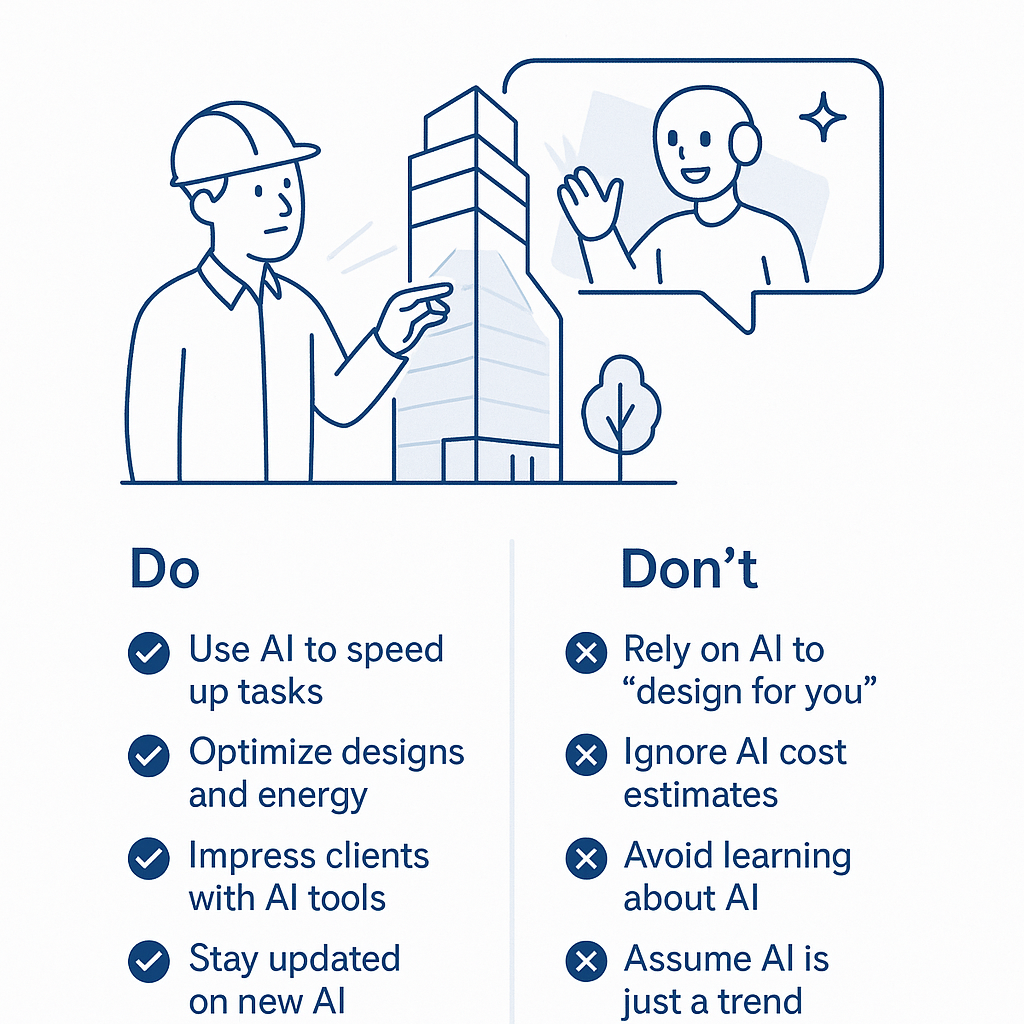
Image showing key dos and don'ts of using AI in architecture, including guidelines on collaboration, oversight, and design integrity.
AI isn’t here to steal your job—it’s here to take the boring parts off your plate so you can focus on real design work.
What AI Can Do for Architects:
-
Instant Calculations
No more late nights with structural math.
AI can handle load-bearing walls, material efficiency, and environmental impact—in seconds. -
Faster Revisions
Clients love to change their minds. AI helps you adapt fast, generating updates quickly without starting from scratch. -
Real-Time Visualization
Tools like AR/VR let clients “walk through” the design—before it’s built. That means fewer misunderstandings and smoother approvals. -
Code & Regulation Checks
AI can scan for zoning rules, building codes, and environmental regulations—automatically. Less paperwork, fewer headaches.
Architects Won’t Lose Jobs—They’ll Get Better Ones
AI doesn’t replace creativity. It supports it.
-
You’ll have more time for design thinking
-
You’ll spend less time fixing technical stuff
-
Your role becomes more about innovation and impact
Bottom line: Architects with AI aren’t going away—they’re just getting sharper, faster, and more creative.
Is Architecture Fun?
That depends who you ask.
If you ask Adam down the hall—the guy who’s on his third coffee and fourth laptop this year—he might say no (loudly). But for a lot of us? Yes, it can be.
▪ Architecture blends art, logic, and real-world impact
▪ You get to solve problems creatively and see your ideas come to life
▪ It’s never boring—every project is different
Is it always fun? Of course not. It’s also intense, demanding, and full of moving parts. But there’s something deeply satisfying about shaping spaces that people use, live in, and remember.
Is Architecture Fun in College?
Sometimes. Sometimes not. Here’s the real breakdown:
▫ The Fun Bits
-
Creative freedom
-
Making models and exploring wild ideas
-
Being around other passionate, artsy people
▫ The Not-So-Fun Bits
-
Sleepless nights
-
Brutal critiques
-
That one project that crashes 5 minutes before the deadline
Still, if you love design and don’t mind hard work, architecture school can be a wild, rewarding ride. Just...maybe invest in a backup hard drive and a big thermos.
The Unexpected Joys of Being an Architect
Think architecture is all hard work and stress? Think again. It has its quirky, wonderful moments too:
- The "Napkin Masterpiece": Every architect has had that moment where their best idea came while doodling on a napkin in a coffee shop.
- The Aha! Moment: When you finally solve a design problem that’s been haunting you for days. It’s like finding the last piece of a jigsaw puzzle.
- The Client’s Epiphany: When you’re showing off your design and the client suddenly gets it. It’s like watching a lightbulb go off over their head.
- Sneaking in Personal Quirks: Architects often leave little "easter eggs" in their designs—whether it’s a signature style element or something meaningful that only they would understand.
The Stages of Architecture: What's Fun, What's Hard, and Is It Worth It?
1. Architecture School
Fun: 🌟🌟🌟
Architecture school is like a playground for creativity. You get to experiment with wild, impractical ideas (that no client would ever approve), use fancy software, and build models. It’s exciting and challenging in equal measure.
Hard: 🔥🔥🔥🔥🔥
The crits (critique sessions) are brutal. You’ll spend 40+ hours on a model just to have a professor tear it apart in minutes. Late nights, endless revisions, and mind-bending theory courses can make it feel like you’ve signed up for an architectural endurance race.
Worth It?
Definitely. If you survive it, you'll come out as a resilient problem-solver with thick skin and creative confidence.
2. The Internship
Fun: 🌟🌟
Finally, you're in the real world! You’re no longer just a student; you're contributing to actual projects. It’s exhilarating to see real buildings take shape based on ideas you’ve contributed to.
Hard: 🔥🔥🔥
You’re mostly doing revisions, drafting, and making sure things comply with regulations. You also get to see the messy side of projects—budget constraints, client disagreements, and rushed timelines.
Worth It?
Yes, because this is where you get real-world experience. Even if it feels tedious at times, internships lay the groundwork for a successful career.
3. The First Job
Fun: 🌟🌟🌟🌟
You’re finally an architect! You’re responsible for designs, working with clients, and seeing projects through to completion. There’s nothing like walking past a building and thinking, “I helped create that.”
Hard: 🔥🔥🔥🔥🔥
Deadlines, budgets, and picky clients will test your patience. You’re also managing people now, which is a whole new skill set. You might find that being an architect is more about compromise than you expected.
Worth It?
Absolutely. When you see your vision realized, it's all worth the effort. And with AI doing the heavy lifting of calculations and revisions, things are only going to get better.
Why AI Will Make Architecture Less Hard (and More Fun!)
So, is architecture a dying profession? Not at all. In fact, with the rise of AI, the profession is only going to get more exciting. AI will handle the time-consuming, repetitive tasks, freeing architects to focus on what they love: design, creativity, and innovation.
How AI Will Change the Game:
- Streamlined Workflows: Imagine being able to quickly generate revisions or test different design options in real-time without spending hours tweaking the details. That’s the power of AI.
- Focus on Creativity: Architects will have more time to think creatively, develop innovative solutions, and focus on sustainability—all without being bogged down by the minutiae of day-to-day work.
- Visualization Tools: AI will continue to advance in virtual reality and augmented reality, allowing architects to create immersive experiences for clients, helping them understand and appreciate design decisions in ways we never thought possible.
AI-Powered Robots in Construction
What AI Robots Are Actually Doing on Construction Sites
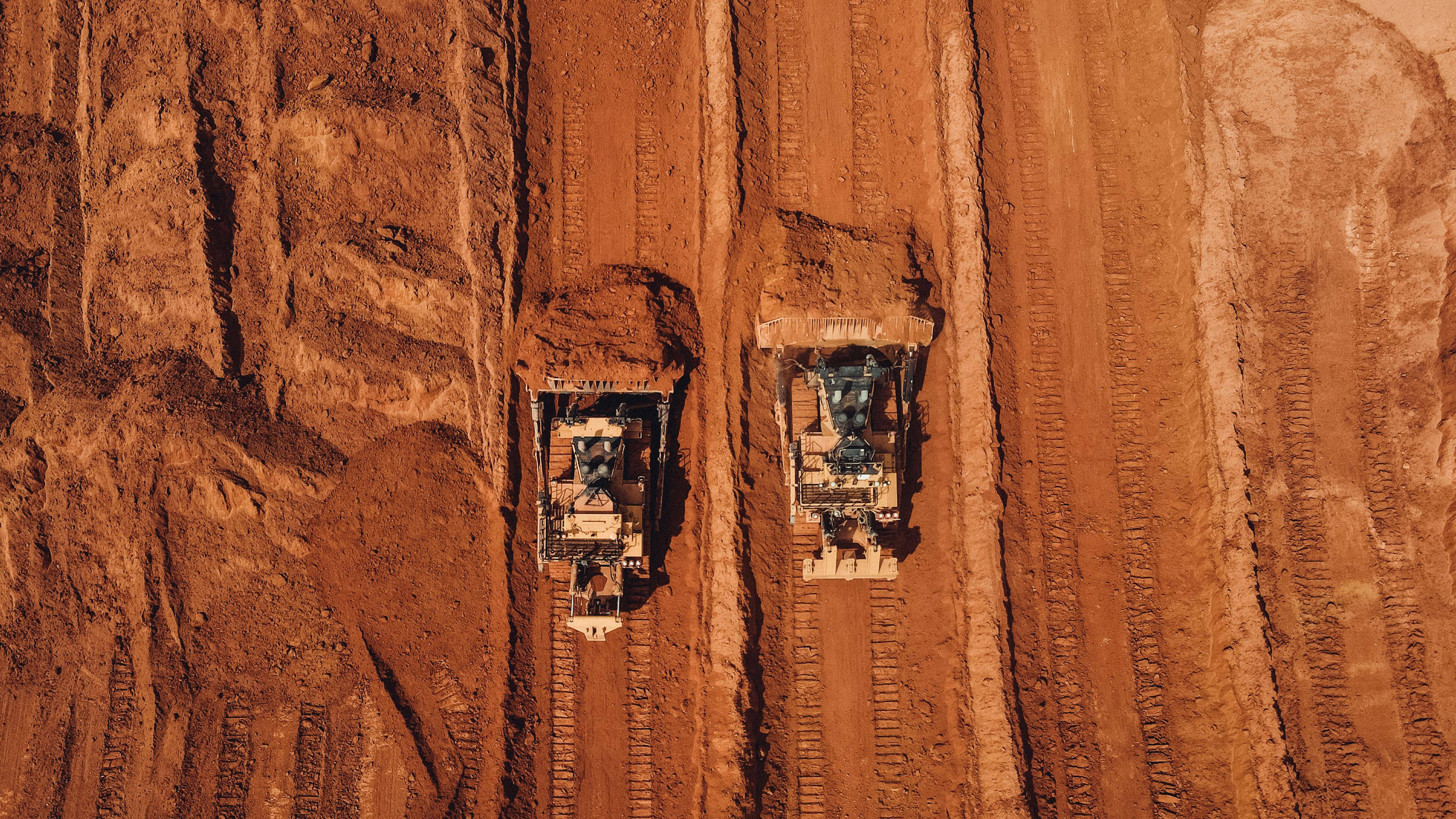
Image: An aerial view showcasing heavy machinery at work in Brazil, driven by artificial intelligence, highlighting advanced technology in construction and industry.
AI and robotics are transforming how buildings get made—not in theory, but right now, on real job sites around the world.
Why It Matters
-
Speed: Robots work non-stop without breaks.
-
Precision: AI avoids mistakes that cost time and money.
-
Safety: Risky tasks? Leave them to machines.
-
Efficiency: Smarter schedules, less waste, fewer delays.
AI and Robotics in Construction: What’s Happening Right Now
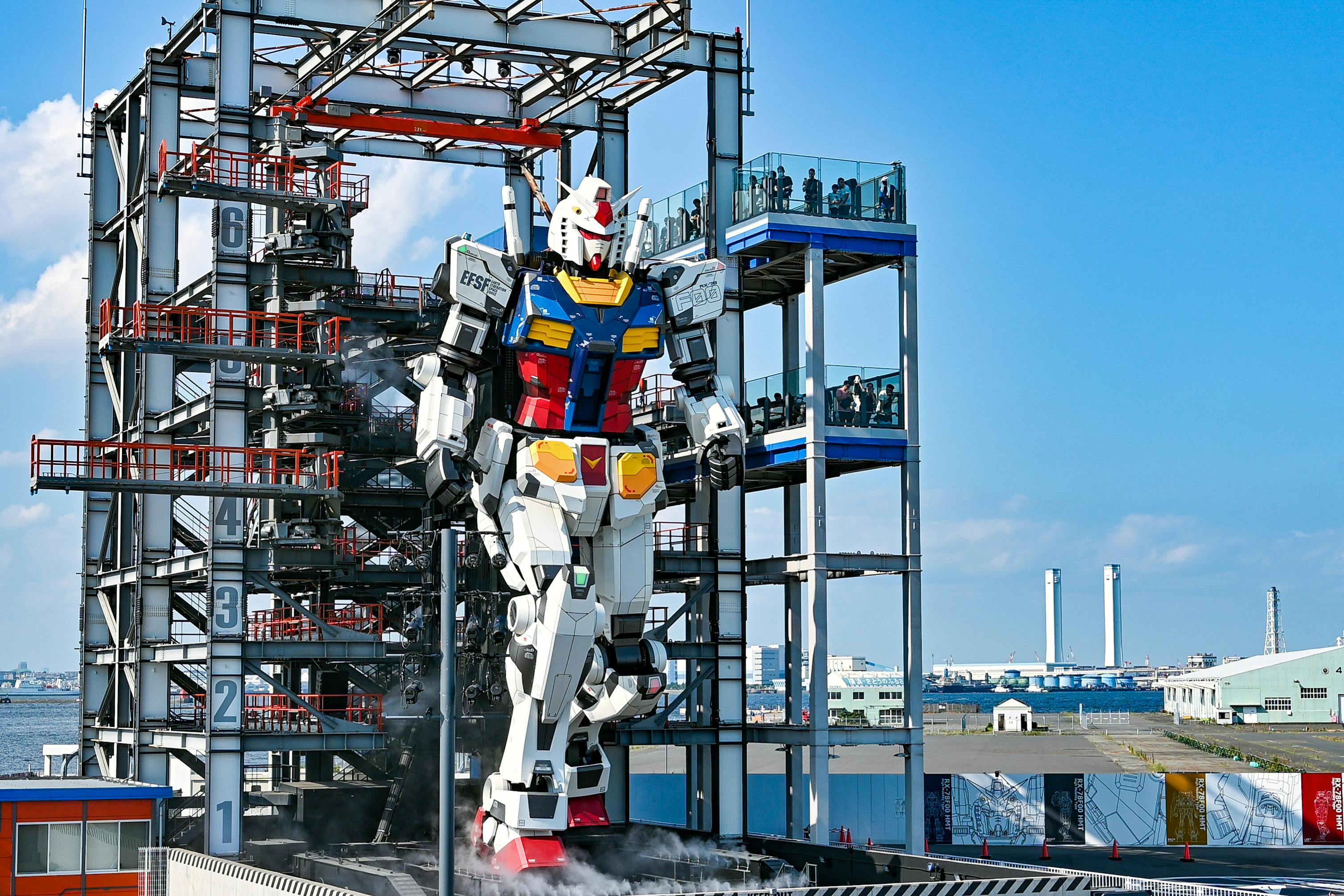
Real-World Robots in Action
-
Hadrian X – Lays 1,000 bricks an hour (Australia)
-
Dusty Robotics – Prints exact layouts on floors
-
Built Robotics – Turns excavators into self-driving machines
What AI Actually Does
-
Finds design errors early
-
Analyzes live construction data
-
Tracks quality using sensors
-
Boosts project scheduling with smart predictions
Humans + Robots = Cobots
-
They don’t replace workers—they assist
-
Work alongside humans safely
-
Get smarter over time with real-world data
The Global Impact
-
AI in construction expected to hit $12.1B by 2030
-
Top countries using this tech: US, Japan, Germany, Australia
-
Big drivers: Labor shortages, safety, efficiency
What It Means for Architects & Builders
-
AI makes design faster and smarter
-
Clients will expect more innovation, less delay
-
The architect's role becomes more strategic and tech-driven
FAQs
Q: Will robots take all the jobs?
A: No. They help with repetitive stuff. Humans are still key.
Q: Can small firms use this tech?
A: Yep—leasing and cloud-based tools make it affordable.
Q: Is this real or future talk?
A: Real. It’s happening now on actual construction sites.
Q: What should I learn?
A: BIM, AI tools (like Autodesk Cloud), and data basics.
Best Books to Learn More
-
"Robot-Oriented Design: Design and Management Tools for the Deployment of Automation and Robotics in Construction" – H(The Cambridge Handbooks in Construction Robotics)
-
"Automation in Construction" – How robotics and automation are transforming the building industry
-
"Applications of Digital Twins and Robotics in the Construction Sector" – How robots work on sites
-
"AI Sapien: Variations on Architecture and the Future" – How to stay relevant
-
"Advanced Technology for Smart Buildings" – Where tech meets design
-
"Construction 4.0" – Deep dive into new tools and automation
In Focus: The One Skill Architects Should Start Practicing Now (That Has Nothing to Do with Design)
Hint: It’s not Revit. Not Rhino. Not AI prompt engineering.
It’s “design storytelling.” And it's about to become the most underrated superpower in the industry.
Why It Matters:
As AI tools take over technical tasks—calculations, code compliance, even initial layouts—what sets a great architect apart won’t be software skills.
It’ll be their ability to communicate the “why” behind the design—clearly, emotionally, and convincingly.
-
Clients don’t fall in love with floor plans.
-
They fall in love with the story:
“This room opens up to morning light so your family breakfast feels calm and energized.”
“We used this material because it honors the old barn that stood here for 80 years.”
How to Build This Skill (Even If You Hate Public Speaking):
-
Practice pitching your concept in 2 minutes—no slides. Just the idea.
-
Write your project blurbs like you're talking to a smart friend, not a planning board.
-
Start a tiny design blog or voice journal. One idea per week, in your words.
-
Watch great architects explain projects—notice what makes them memorable? It’s the emotional connection.
Why It’s Future-Proof:
AI will help generate designs.
But only humans can tell stories that make people care about them.
And as architecture becomes more collaborative, faster, and data-driven…
The architect who can lead with a clear story wins the client, leads the team, and shapes the outcome.
The Future of Architecture Looks Good—Really Good
AI isn't replacing architects—it's helping them work smarter, not harder.
-
Less time on grunt work (calculations, code checks)
-
More time for what matters (design, creativity, people)
Technology is removing barriers, not adding them. It's giving architects the tools to push limits, work faster, and design smarter.
Why It’s Still Worth Becoming an Architect
Architecture isn’t dying—it’s evolving.
-
Creative freedom is growing
-
Tools are improving
-
Workflows are getting smoother
-
Impact is becoming bigger
The future of architecture will be about designing spaces that feel better, work better, and last longer—and AI is just one more tool in your belt.
Final Word
Will architecture still be worth it in the future?
Absolutely. It’s not going anywhere—it’s just becoming more human, more tech-savvy, and more exciting.
So yes—still worth the journey. Just with fewer all-nighters and way better software.
FAQs
Is architecture hard?
Yes, it’s challenging, but it’s also one of the most rewarding careers for those who love design and problem-solving.
Is architecture fun?
It can be! From designing buildings to seeing them come to life, architecture blends creativity and practical problem-solving in a way that few professions can.
Is architecture a good career?
Absolutely. It’s a career that allows for personal expression, intellectual challenge, and tangible results. It’s also evolving with technology, which will make it even more exciting in the future.
Will AI replace architects?
No. AI will handle the tedious tasks, but architects will still be responsible for the creativity, innovation, and human-centered design that makes great architecture.
Is architecture a good career for women?
Yes, the field is increasingly becoming more inclusive, and many women are leading the way with innovative designs and impactful projects.
Related:
- How to Become an Architect: Steps, Tips, and What You Need to Know
- Why Become an Architect? Discover the Passion, Prestige, and Perks of the Profession
- How to Become a Licensed Architect? The Steps, The Myths, and Whether You Really Need It
- Is Architecture Hard? Yes, But Here's Why It's Worth It!
- Is It Hard to Become an Architect? Absolutely—But Here’s Why It’s Worth It
- Is Architecture Fun? The Excitement and Reality of an Architect's Life
Degrees
- Drafting Associate's Degree Salary: Earning Potential and Career Paths
Architectural Career
- Architect Salary Insights: What You Need to Know
- Architectural Career: Guide for New Professionals
- Types of Architecture Jobs and Salaries: Discover High-Paying Opportunities
- 15 Different Types of Architects and What They Do
- Architectural Roles and Specializations: What Every Aspiring Architect Should Know
- Mastering Networking in Architecture: Building Career-Boosting Connections
- Careers in Architecture and Construction: Roles, Salaries, and Paths
- List of Careers in Architecture: With or Without a Degree, There's Something for You
Regional
North America
USA:
- Architect Salary in the United States:
- Architect Salary in New York: Earnings and Expectations
- Architect Salaries in San Francisco, CA: Competitive Pay Rates
- Architect Salary in Los Angeles: Breaking Down the Numbers
Canada:
- Architect Salary in Canada: What You Can Expect to Earn
- Architect Salary in Toronto: How Much You Can Earn
- Architect Salary in Vancouver: Pay Insights for Architects
UK
- Architect Salaries in the United Kingdom: Compensation Trends
- Architect Salary in London, UK: Average Pay for Professionals
Australia
- Architect Salary in Australia: Understanding Pay Scales
- Architect Salary in Sydney: What You Need to Know
United Arab Emirates
- Architect Salary in the United Arab Emirates: High-Paying Roles in Architecture