
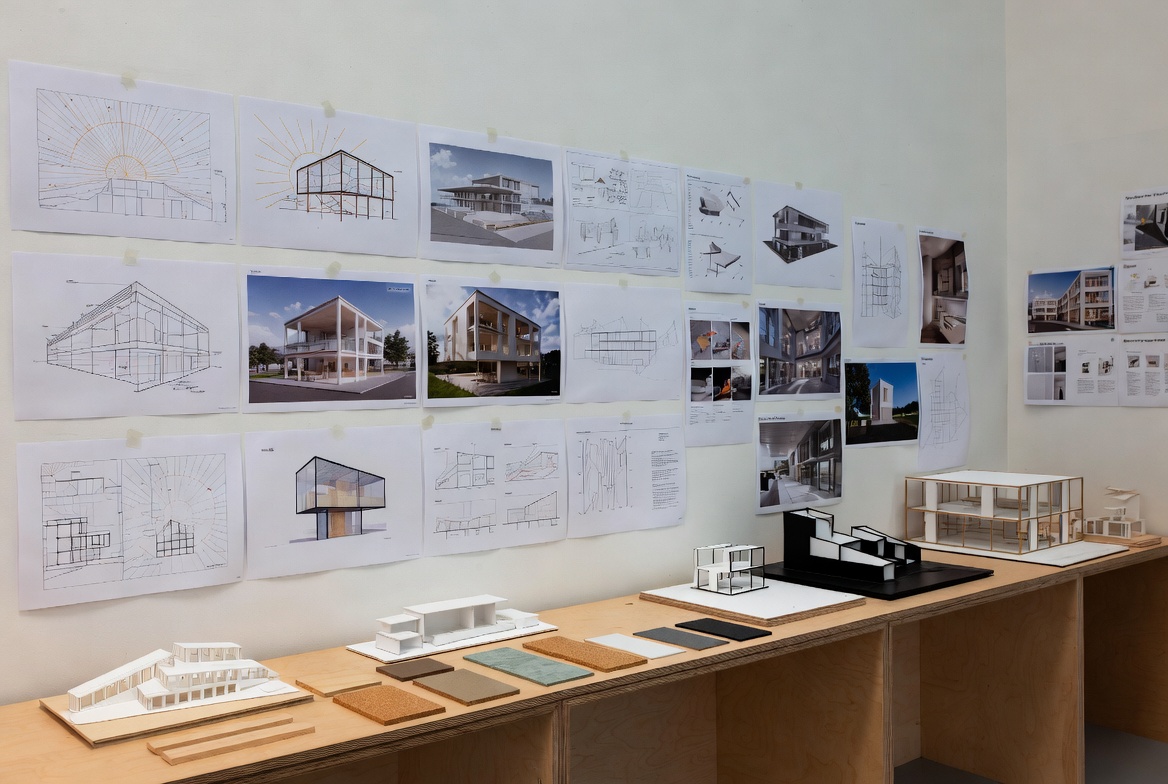
Where People Struggle Most
It is hard because the path is long and none of it is light.
School is one kind of pressure. Office work is another. Then come the experience hours, exams, and the licensing process. Even after that, the job still asks for design judgment, technical skill, client work, and patience at the same time.
That does not make architecture the wrong career. It means people should know what the path demands before they commit to it.
Where the Path Gets Hard
| Stage | What makes it hard | What usually wears people down |
|---|---|---|
| Architecture school | Studio workload, critiques, technical courses, deadlines | Long hours and constant revision |
| Internship | Learning office standards, coordination, technical drafting | Feeling slow and inexperienced |
| Licensure | Experience requirements, exams, long timeline | Keeping momentum after school |
| Early career | Budgets, codes, clients, deadlines, responsibility | Balancing design with real-world limits |
That is why the question is not only “is it hard?” The better question is whether this kind of hard work fits you.
Architecture School Is Usually the First Shock
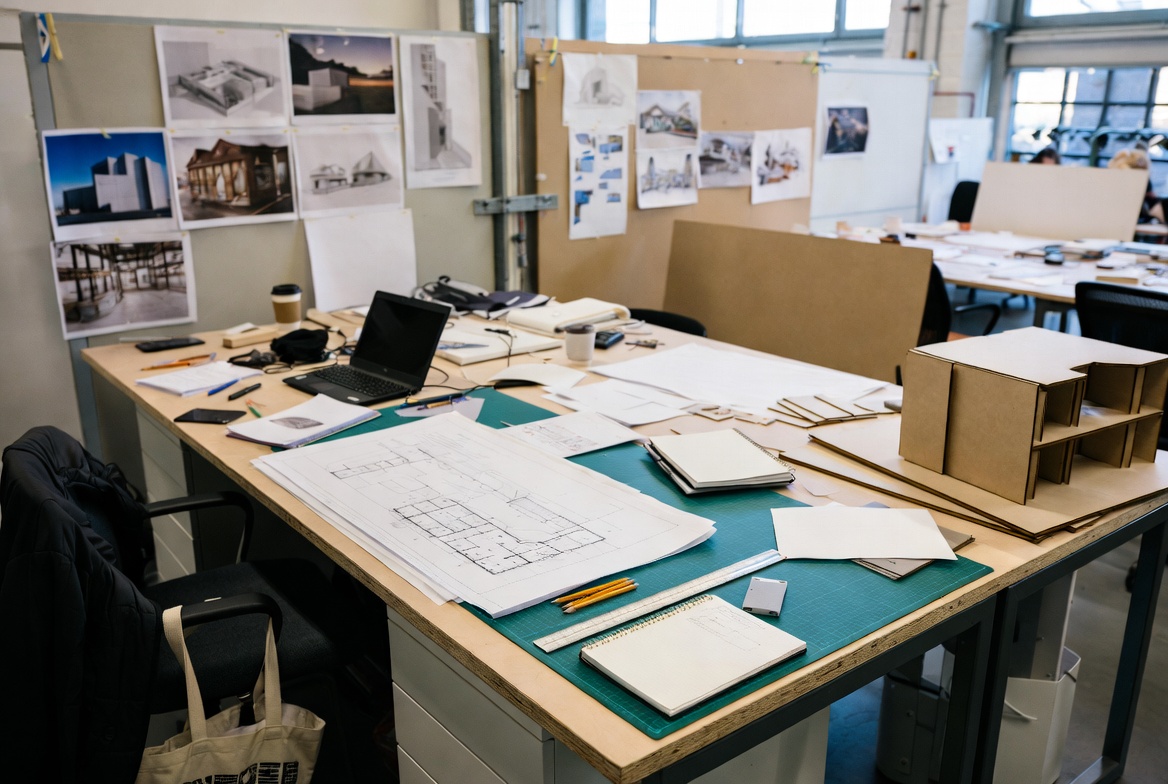
This is where most people first feel the weight of the profession.
Architecture school sounds creative from the outside, and it is. But it is also one of the few degree paths where design studio, history, structures, materials, environmental systems, software, and presentation all stack on top of each other.
What Makes School So Demanding
- Projects take longer than students expect.
- Critiques can be blunt and exhausting.
- There is almost always more work you could do.
- Good ideas still have to survive technical questions.
This is why architecture school feels different from many other degrees. The work is creative, but it is also cumulative. One weak decision early can damage the whole project later.
If you want the student side explained more clearly, read Architecture Coursework: Tips for Success and How to Become an Architect.
The Internship Stage Is Less Glamorous Than People Think
A lot of students think the hard part is over once school ends. It changes, but it does not disappear.
Early internship and office work often means:
- revising drawings
- cleaning up technical details
- learning office standards
- sitting in on meetings and trying to follow everything
- seeing how budgets and codes push on the design
This stage is hard because the work becomes more real and less forgiving. School lets you test ideas. Practice makes you prove they can survive.
That does not mean the stage is bad. It just means it is where many people first understand how architecture actually works day to day.
Licensure Is Its Own Kind of Hard
Becoming licensed takes patience.
In many places, that means education, supervised experience, and registration exams. The hard part is that licensure often happens while you are already working full-time. So the pressure does not arrive in one clean block. It drags out over years.
Why People Stall Here
- They are already tired from school.
- Work takes most of their energy.
- The exams feel far away until suddenly they are not.
- The timeline can feel slow compared with other careers.
If this is the part you are trying to understand, go next to How to Become a Licensed Architect?.
The Job Gets Hard in a Different Way

Even after the exams, architecture does not suddenly become easy.
The pressure changes shape. Instead of school deadlines and juries, you deal with:
- clients who change direction late
- budgets that tighten at the wrong time
- contractors asking fast technical questions
- coordination problems across multiple teams
- the need to protect the design while still making the project work
This is where a lot of people learn the hardest lesson in architecture: a strong idea still has to survive compromise.
What Makes the Path Feel Longer Than It Looks
One reason people underestimate this career is that the timeline on paper looks cleaner than it feels in real life.
On paper, it is simple: degree, internship, exam, license.
In practice, the path feels longer because each stage asks for a different version of you. School asks for endurance and design growth. Internship asks for humility and technical learning. Licensure asks for discipline. Practice asks for judgment under pressure.
That shifting pressure is part of what makes architecture hard to explain to outsiders.
Who Usually Struggles Most
Architecture tends to hit hardest when someone wants:
- clean answers too early
- predictable work every week
- constant praise during the learning stage
- a creative career with low friction
It is also rough on people who love the image of architecture more than the daily work behind it.
Who Usually Does Better
The people who usually do better are not always the most naturally talented. They are usually the ones who can stay steady through revision, criticism, and long project timelines.
They can:
- take feedback without freezing
- keep working when the project changes
- handle both creative and technical problems
- accept that progress in architecture is often slow
That matters more than the romantic image of being a “design genius.”
Is It Worth It?
For the right person, yes.
Architecture can be deeply rewarding because you are shaping real places that people use every day. You solve problems that become physical. You help turn a sketch into something that lasts.
But the reward is tied to the pressure. That part should not be hidden.
If you are choosing this path, choose it because you care about buildings, space, and solving difficult design problems over time. Do not choose it only because the title sounds impressive.
Related: Why Become an Architect? and Is Architecture Hard?
The Better Question
“How hard is it to become an architect?” is a fair question.
But the better one is this:
Is this the kind of hard work I am willing to live with for years?
If the answer is yes, architecture can still be worth it. If the answer is no, it is better to know that early than force yourself through a path that does not fit.
FAQ
How long does it take to become an architect?
In many cases it takes around 7 to 10 years when you count education, experience, and exams, though the exact path depends on the country and degree route.
Is architecture school the hardest part?
It is often the first big shock, but not always the hardest overall. Licensure and early practice bring different pressure.
Can I become an architect if I am creative but weak in technical subjects?
You can improve the technical side, but architecture still asks for structure, codes, and buildability. Creativity alone is not enough.
Do all architects get to design big buildings?
No. Early work often involves technical production, revisions, and coordination before someone leads larger design work.
Is becoming an architect worth the stress?
For some people, yes. It depends on whether the mix of design, technical work, and long-term pressure feels meaningful enough to carry the hard parts.
What To Read Next
- How to Become an Architect if you want the path laid out step by step.
- How to Become a Licensed Architect? if you are focused on licensure.
- Is Architecture Hard? if your question is about the field overall, not only the path into it.
- Why Become an Architect? if you are still deciding whether the rewards match the workload.
- Architectural Career if you want a clearer picture of what the work becomes after school.