

What You Are Really Paying For and Where the Price Jumps
Most crawl-space insulation jobs stop being cheap when the crawl stops being simple.
That is the real starting point.
If the crawl is dry, accessible, and mostly clean, insulation can stay a fairly ordinary job. If the old insulation is hanging in dirty strips, the soil is damp, the access is tight, and the crawl smells bad before anybody even starts, then insulation is only one line in a bigger repair bill.
That is where people get blindsided. They price the batt, not the crawl.
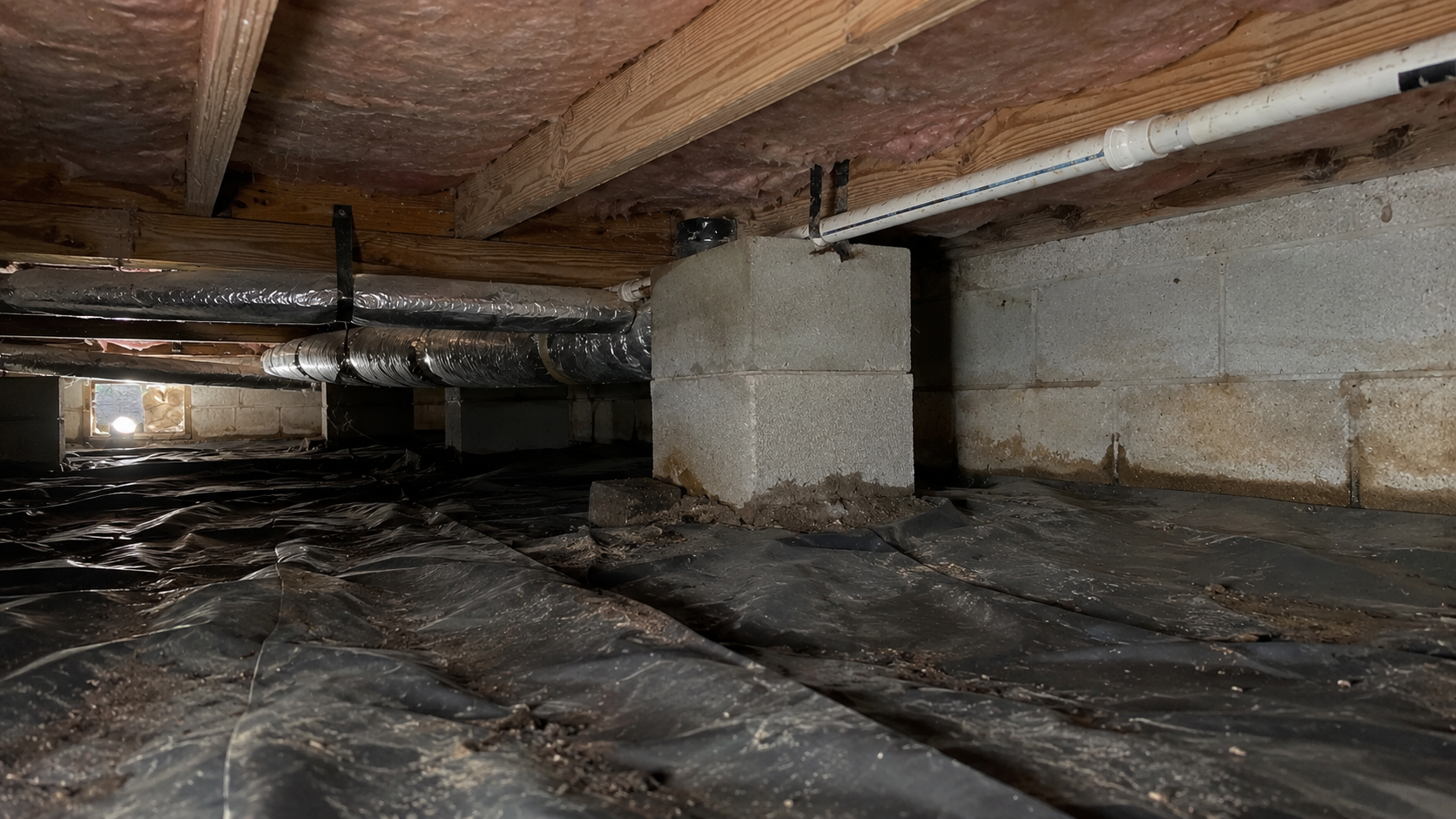
The material itself matters. Fiberglass, mineral wool, rigid foam, and spray foam do not land in the same place. But on a lot of jobs, the bigger swings come from removal, access, cleanup, moisture conditions, and whether the house is still using a simple vented-floor-insulation setup or drifting toward a more controlled crawl-space system.
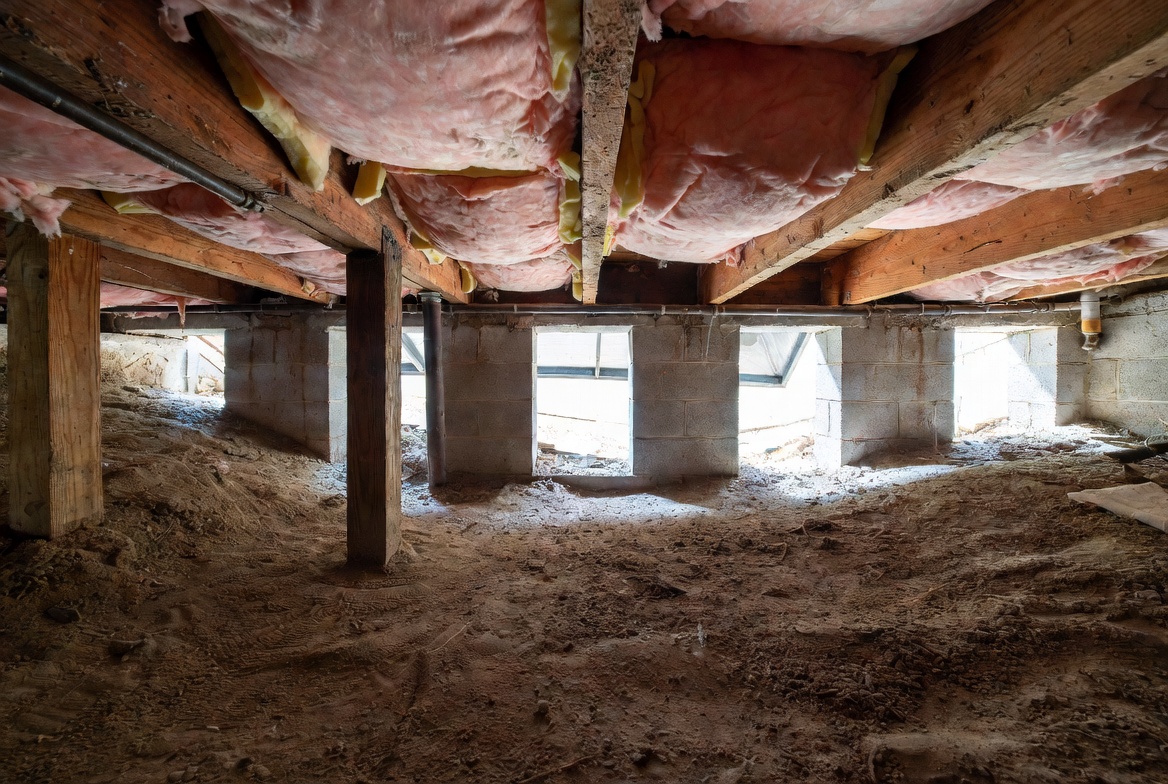
Image by ArchitectureCourses.org. Crawl-space insulation stays cheaper when the space is dry, accessible, and still functioning as a basic vented crawl instead of a damp repair project.
Insulation cost is really scope cost
People talk about insulation cost like it is one decision. It usually is not.
Some jobs are close to a straight replacement. The old insulation comes out, the crawl is basically dry, the access is workable, and the new material goes back in with better support and better fit.
Other jobs only look like insulation jobs from a distance. Once somebody gets under the house, the real bill starts opening up. Wet batts. Damp soil. Rodent damage. Smell. Torn ground cover. One low muddy area nobody mentioned on the phone. Now the insulation is tied to cleanup, disposal, crawl prep, and sometimes moisture-control work that should have happened first.
That is why the right first question is not “How much does crawl-space insulation cost?” It is “What kind of crawl am I insulating?”
| Crawl Condition | Cost Pressure | Why the Price Changes |
|---|---|---|
| Dry, vented, easy access, old batts just worn out | Lower | The job is closer to simple replacement |
| Wet or dirty crawl with failing insulation | Higher | Removal, cleanup, and prep start mattering as much as the new material |
| Tight crawl with poor access | Higher | Labor gets slower fast |
| Controlled or encapsulated crawl needing wall insulation | Medium to high | The insulation location and detailing change |
| Spray-foam or upgrade-driven job | High | You are paying for a different system, not just replacement |
What you are actually paying for
On a real crawl-space insulation quote, the batt or board is only part of the number.
You are usually paying for some mix of these:
- removal of old failed insulation
- bagging and disposal
- new insulation material
- supporting or fastening the new insulation properly
- working around ducts, pipes, wires, and low clearances
- crawl-space prep and cleanup
- sometimes minor liner repair or other moisture-related prep
That is why two crawl spaces with the same square footage can price very differently.
The cheap bid is often cheap because it assumes a cleaner crawl, skips better support, ignores removal details, or acts like the moisture question belongs to somebody else.
The batt is rarely the expensive part
Homeowners tend to fixate on product choice because that is the part they can see on a receipt.
Fiberglass looks cheap. Mineral wool looks like a step up. Spray foam sounds expensive. That part is real. But the biggest cost jump often happens before the new material even shows up.
If the old insulation is dark, wet, loose, and full of dust, the labor starts there. If the crawl is tight enough that a worker can barely move through it, the labor starts there too. If the space smells bad and the floor framing still needs a proper look after the insulation comes down, that costs time.
The material matters. The crawl often matters more.
Dry vented crawl? This is the cheap end
The cheaper version of this job is a straightforward vented crawl where the floor above is still the thermal boundary, the crawl is reasonably dry, and the old insulation mostly failed from age, weak support, or sloppy old installation rather than bigger moisture damage.
That kind of job usually stays in the simpler lane:
- remove old batts
- clean up loose debris
- install new batt insulation in the joist bays
- support it properly
This is where fiberglass or mineral wool replacement still makes sense. It is also where the temptation to take the cheapest possible bid is strongest.
I would still be careful there. A cheap batt job installed badly under a vented crawl can look finished for a few months and then start sagging all over again.
Damp crawl? The price jumps before the new insulation even helps
This is where the page starts getting useful.
If the crawl is damp, dirty, musty, or partly wet, you are usually not paying for insulation alone anymore. You are paying for removal, cleanup, more awkward labor, and the simple fact that the space is unpleasant and slow to work in.
If the old insulation is soaked or moldy, that pushes the job further away from a simple replacement and closer to a repair sequence.
That is where these other pages start mattering more than the batt price itself:
If the crawl still gets wet after storms, stop treating insulation as the first spend and move to water in a crawl space after rain or crawl-space drainage system.
Removal is where the bill gets honest
People do not like paying to remove something that already failed. But that is usually where the job becomes honest.
Old insulation that is wet, dirty, moldy, rodent-damaged, or hanging in pieces usually has to leave. That means labor. Bags. Disposal. More time under the house. Sometimes extra cleanup before anyone can even decide what the replacement should be.
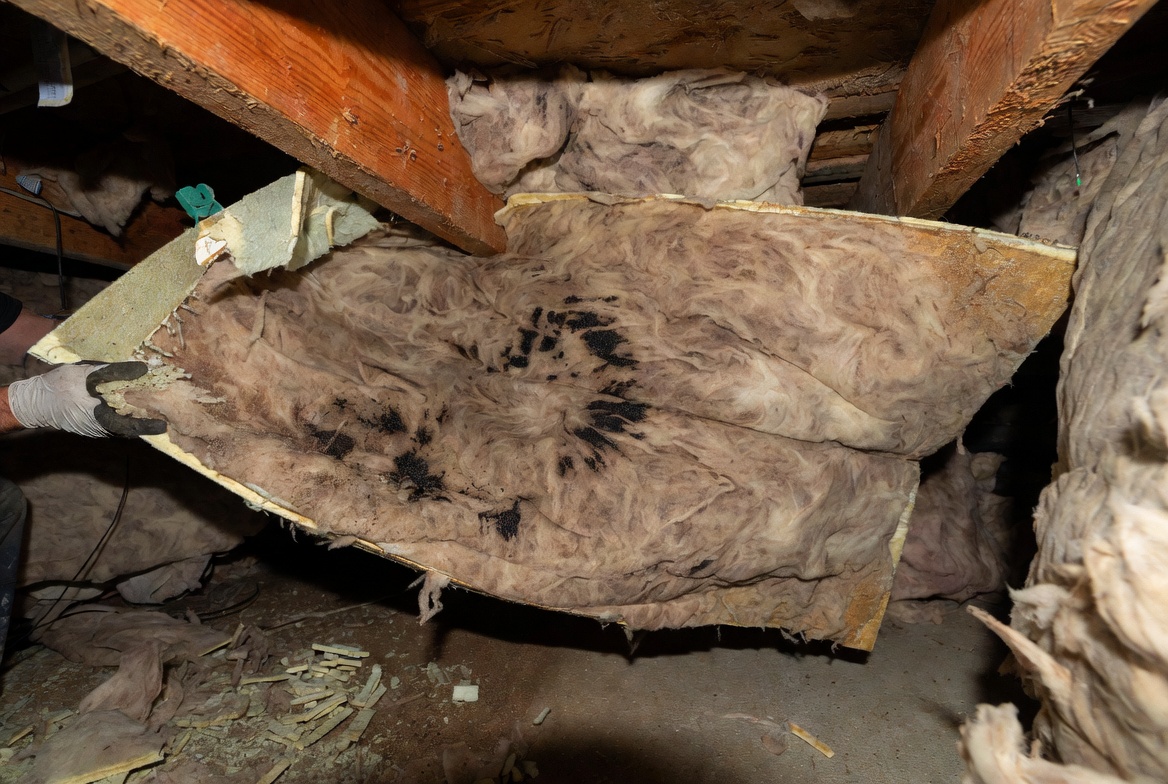
Image by ArchitectureCourses.org. On a damp crawl-space job, the labor to remove failed insulation is often one of the first things that pushes the quote out of the “simple replacement” range.
This is also where homeowners make one of the dumbest repeat-cost decisions in the whole category: they pay for removal, skip the crawl fixes, then pay again later when the next insulation layer starts aging the same way.
Floor insulation and wall insulation do not price the same
The cost structure changes depending on where the insulation belongs.
If the crawl is still vented and outside-like, insulating the floor above is usually the familiar move. That is the ordinary replacement lane.
If the crawl is moving toward a more controlled or encapsulated setup, wall insulation usually makes more sense than rebuilding the old floor-only strategy. That changes the job. The surfaces change. The detailing changes. Sometimes the whole question stops being “replace the insulation” and becomes “finish turning this crawl into a different kind of space.”
That is why some quotes that look like insulation quotes are really partial crawl-space system quotes wearing an insulation label.
| Insulation Direction | Usually Fits | Cost Behavior |
|---|---|---|
| Floor batt replacement | Dryer vented crawls | Usually the simpler, lower-cost lane |
| Floor batt replacement in a damp crawl | Bad fit unless crawl issues are corrected first | Looks cheaper at first, often costs more later |
| Wall insulation in a controlled crawl | Encapsulated or more stable crawl setups | Different scope, often more deliberate and detail-driven |
| Spray foam upgrade | Selected assemblies, awkward geometry, air-sealing-heavy jobs | Usually the higher-cost lane |
Fiberglass, mineral wool, spray foam: where the cost shifts
Fiberglass batts usually stay on the cheaper end, which is why they are common. They still work in the right crawl. They also fail cheaply and predictably in the wrong one.
Mineral wool batts usually cost more, but they fit more solidly and hold up better in rougher conditions. That makes them attractive when the crawl is dry enough to keep batt insulation at all, but the owner wants something sturdier than the cheapest fiberglass route.
Spray foam pushes the job into a different cost lane. Sometimes that is justified. Sometimes it is a confidence purchase. People hear “air sealing” and “better performance” and forget that wet crawl logic still beats expensive foam if the moisture source is untouched.
If the house is still in the “what insulation strategy even fits this crawl?” phase, start with crawl-space insulation before overpaying for the wrong upgrade.
Access can matter as much as product
This is one of the least glamorous cost drivers, but it is real.
A crawl that is low, awkward, muddy, full of obstructions, or hard to move through will cost more to insulate because the labor slows down. That sounds obvious, but people still compare their quote to a friend’s house without noticing that the friend had a cleaner, taller, easier crawl.
That is why square-foot price talk gets messy. The crawl does not bill like an open room. It bills like a constrained work zone under a house.
Ground cover and liner condition change the quote too
Sometimes the quote starts as insulation and ends up partly about the soil below it.
If the ground cover is torn, thin, incomplete, or missing, the crawl may still be loading moisture into the air from below. That affects whether replacement insulation makes sense now, whether the crawl will stay dry enough later, and whether the contractor starts pushing liner or vapor-barrier work into the same project.
That can be the right move. It can also blur the job if nobody is saying clearly what belongs to insulation and what belongs to crawl-moisture control.
If the next cost question is really the liner, go to cost to install a crawl-space vapor barrier. If the job is drifting toward a full controlled-crawl setup, go to cost to encapsulate a crawl space.
What usually pushes a quote up fast
- tight access
- removal of wet or contaminated old insulation
- disposal and cleanup
- working around a lot of ducts, pipes, or wiring
- switching from a simple replacement to a broader crawl upgrade
- discovering moisture issues that make replacement premature
That last one is the real budget trap. The quote rises because the crawl is telling the truth, not because the contractor suddenly invented extra work for fun.
What usually keeps a job cheaper
- dry crawl
- easy access
- simple like-for-like replacement
- little or no cleanup beyond old batt removal
- clear decision to stay with a vented floor-insulation setup
This is why some insulation jobs stay boring and affordable while others start dragging the whole crawl-space system into the conversation.
Do not confuse insulation cost with whole-crawl cost
This is where a lot of homeowners get mad for the wrong reason.
They asked for insulation cost. What they got back felt like a crawl-space rehab number. Sometimes that quote is padded. A lot of the time it is simply pricing the condition that was already there.
If old insulation comes down and the crawl below it is wet, smells bad, has torn ground cover, or shows wall moisture and duct condensation, the project stopped being insulation-only before the quote ever reached your inbox.
That does not mean every house needs the big version. It means the crawl decides the lane more than the batt does.
Who should be careful with the cheapest quote
I would be careful with the cheapest quote when the crawl is already telling you it is not a simple job.
That means:
- wet or moldy old insulation
- musty smell
- tight crawl access
- visible soil moisture or weak liner
- repeated summer humidity issues
- a house that may be moving toward encapsulation or wall-insulation logic instead of simple batt replacement
The cheapest quote often assumes the crawl is cleaner and simpler than it really is.
What to do next
If the old insulation is wet, dirty, or sagging, go next to wet insulation in a crawl space and replacing crawl-space insulation.
If the crawl gets wet after storms, move to water in a crawl space after rain.
If the crawl stays damp and stale even without visible flooding, use crawl-space humidity.
If the next question is whether the crawl should stay basic or move toward a more controlled setup, use crawl-space encapsulation vs vapor barrier only.
If the project has already become more than insulation, compare it against cost to encapsulate a crawl space and cost to install a crawl-space vapor barrier.
FAQ
What affects crawl-space insulation cost the most?
Usually access, old insulation removal, crawl condition, and whether the job is still simple replacement or drifting into bigger crawl-space repair.
Is fiberglass the cheapest crawl-space insulation option?
Usually yes, but the cheapest material does not stay cheap if the crawl is wet enough to ruin it again.
Why did my insulation quote jump after the inspection?
Usually because the crawl turned out to be dirtier, wetter, tighter, or more damaged than the job description made it sound.
Does replacing crawl-space insulation include removing the old insulation?
Sometimes yes, sometimes it is priced separately. On a bad crawl, removal can be a meaningful part of the bill.
When does crawl-space insulation stop being an insulation-only job?
Usually when moisture, smell, cleanup, liner problems, or crawl-space system changes start showing up in the same scope.
Is spray foam worth the extra cost in a crawl space?
Sometimes. But only when the crawl strategy supports it. Expensive foam in a wet crawl is still the wrong spend.