
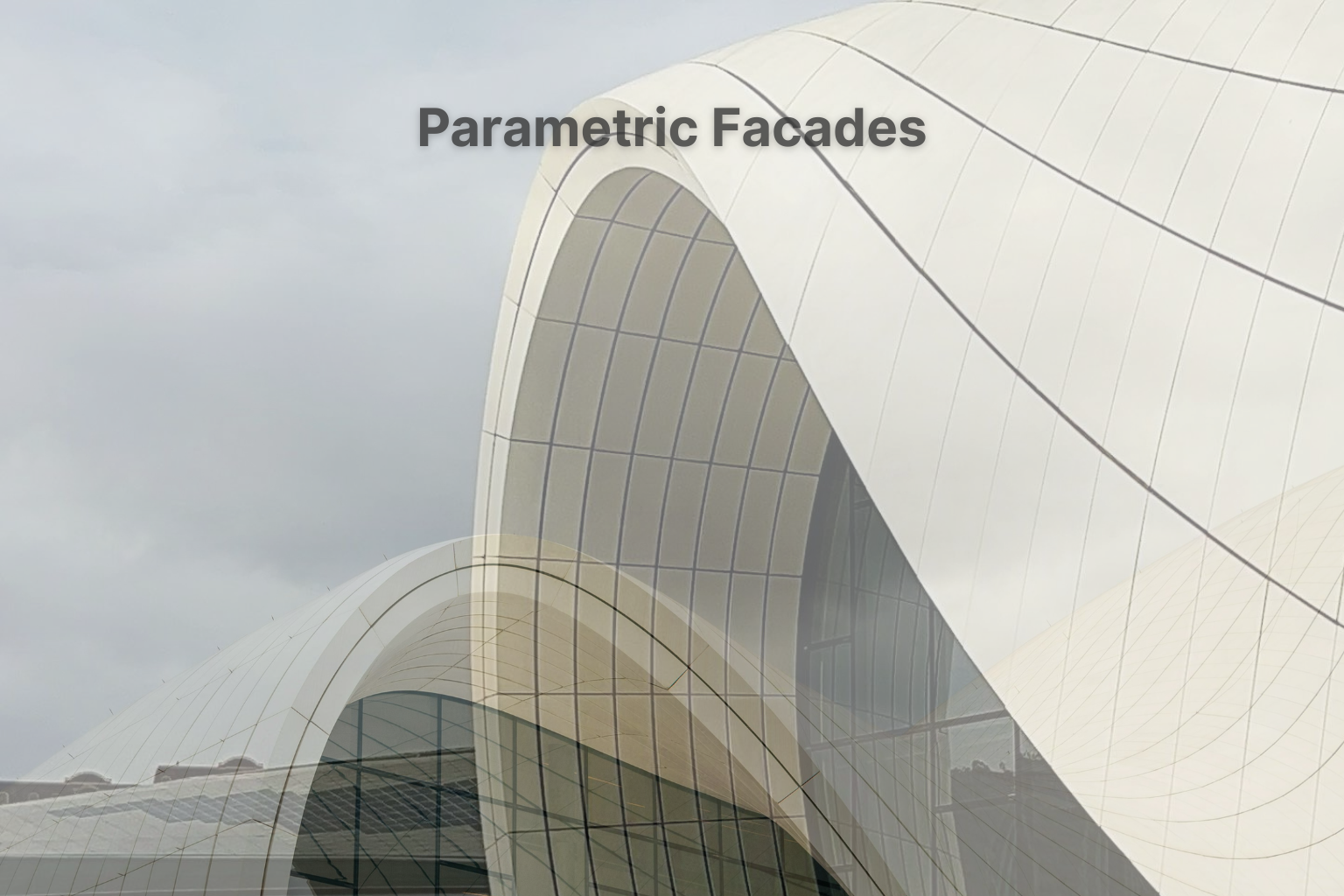
The Tools and Structure Behind Parametric Building Skins
Parametric facades are not about wild shapes. They are about rules. You set targets. The system responds. When done right, the skin looks clean, performs better, and costs less to maintain. If you want the big picture first, skim our primer on parametric facades.
Core Idea
You define constraints. Sun. Wind. View. Modules. Tolerances. The graph translates those constraints into geometry that updates as inputs shift. The output is not one static elevation. It is a behavior. For a simple mindset reset, start with the parametric design overview.
Parametric Facade Concepts: What Changes and What Doesn’t
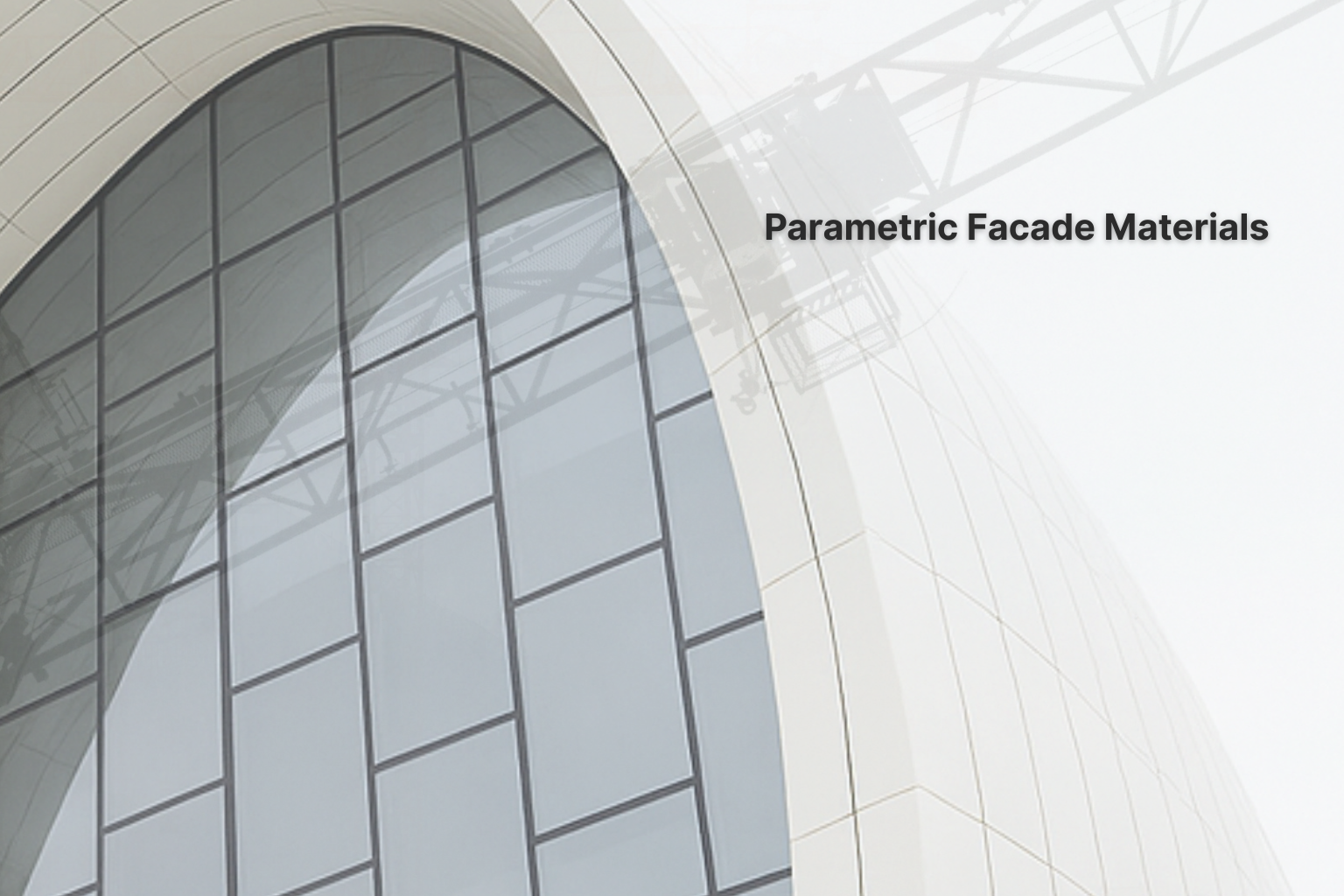
- Fixed: panel catalog, connection logic, max unit size, allowable curvature, code limits.
- Variable: density, rotation, porosity, depth, pattern phase, opening ratio.
- Drivers: sun angles, glare caps, wind pressure zones, view corridors, acoustics.
Lock the fixed list. Expose only the variables that matter. This is how you keep control when the project gets fast and messy.
Beyond Aesthetics: What the Skin Must Do

A good skin earns its keep. It reduces loads. It guides light. It calms wind at grade. It hides maintenance routes. It respects fire and cleaning. If a pattern does not change performance, cut it.
- Energy: tune solar admission and shading depth to cut peak cooling.
- Comfort: shift porosity to kill glare bands and soften daylight.
- Structure: align ribs or diagrid paths to move forces to supports.
- Ops: design panelization for access, swing stages, and safe replacement.
If you need material choices that suit these goals, see facade materials.
Material Systems: Glass, Brick, Bamboo

Glass. Keep modules repeatable. Use depth, frit, and secondary shading to do the hard work. Let geometry handle view while coatings and screens handle heat.
Brick. Treat each course as a controllable unit. Rotate, pull, or recess on a rule set tied to sun or airflow. Keep bond types consistent. Keep structural backup sane. For built logic and craft, see parametric brick facades.
Bamboo. Think in bundles and joints. Limit radii to what can be bent and fixed. Use repetition in nodes. Let variation live in spacing and orientation, not in the connector.
Dynamic Adaptation: When the Skin Moves
Reactive skins change with the day. Louver arrays rotate by sun vector. Cushions adjust internal pressure. Mashrabiya panels open and close on a single control script. Keep the actuator types few. Keep the logic simple. One sensor path. One fail-safe position. Service access planned from day one.
Facade Applications You Can Actually Build
Brick parametric fields. Use a two- or three-state brick offset to create breathable zones near heat loads. Tie the state change to solar exposure by orientation band, not per brick. This keeps drawings and site QA manageable.
Glass with secondary screens. Keep the curtain wall conventional. Add a parametric screen layer on standoff brackets. Vary density only where daylight or privacy shifts. Fewer part types. Faster install.
Ribbed metal skins. Drive rib spacing with view and glare. Lock seam types, coil widths, and subgirt spacing. Let the graph place only what a shop can cut and a crew can clip.
Toolchain: Rhino, Grasshopper, Revit
Rhino + Grasshopper. Use Rhino for clean base geometry. Use Grasshopper for rules. Keep the canvas readable. Group by function: inputs, transforms, evaluators, outputs. Limit sliders. Most values should be computed, not dialed.
Revit. Push approved geometry into Revit as families or adaptive components. Lock references, levels, and grids. Drive schedules from the same model that makes drawings. If you are mapping your process, the high-level steps are similar to the parametric process guide.
- Define targets and tolerances.
- Author the rule graph with named clusters.
- Generate options and tag each with performance metrics.
- Freeze the kit of parts. Publish the catalog.
- Export to Revit. Document and schedule from source.
Interoperability That Won’t Break
- Names: consistent part names across tools.
- Origins: shared coordinates and reference planes.
- Metadata: parameters for type, finish, weight, cost code.
- Round-trips: avoid if you can. Author once. Consume many times.
Cost Control Without Surprises
Show cost while you design. Attach a rough unit rate to each panel type and connection. Display subtotal live. Kill options that climb past the target. Keep the unique count low. Repetition saves projects.
Site Reality Checks
- Tolerances: structure is never perfect. Bake allowances into joints.
- Access: plan anchors and swing routes before patterning.
- Replacement: make single-panel swaps possible from the exterior.
- Cleaning: water tracks and drips should be designed, not accidental.
Schüco and Other System Integrators
System vendors matter when the skin gets complex. Use their catalogs early. Map your panel logic to real extrusions, gaskets, anchors, and tested assemblies. Keep custom pieces to a minimum. If you want a broader tool view, skim software and tools.
Fast Start Playbook
- Write targets on one page. Sun, wind, views, U-values, cost ceiling.
- Pick materials early. Lock what the shop can actually make.
- Sketch the kit of parts. 3 to 6 panel types. One joint logic.
- Build a clear Grasshopper graph. Inputs left, outputs right.
- Generate options, but score them. Energy. Glare. Cost. Access.
- Freeze geometry. Export families. Tag and schedule in Revit.
- Detail corners, edges, doors, and maintenance first. Patterns later.
Common Failure Modes
- Too many uniques. Fabrication time explodes. Standardize parts.
- Pretty without purpose. No performance gain. Cut it.
- Actuators everywhere. Keep moving parts rare and serviceable.
- Late vendor engagement. Bring the facade contractor in early.
FAQ
What is a parametric facade?
A facade driven by rules. Inputs like sun and wind adjust geometry. The system updates without breaking structure or cost.
Which software should I start with?
Rhino for modeling. Grasshopper for rules. Revit for documentation and coordination.
Can I use traditional materials?
Yes. Brick, stone, and timber work well when the logic respects craft and modules. See brick case logic for ideas.
How do I keep costs in check?
Limit unique parts. Show live unit costs in the graph. Choose a small kit of parts and repeat it.
Do parametric facades always move?
No. Most are static but responsive through depth, density, and orientation. Movement is optional and should be justified.
Where do I learn workflows end to end?
Walk through the steps in the process guide and study built examples.
Wrap Up
Great parametric skins are disciplined. Rules first. Parts second. Patterns last. Keep the logic visible, the parts buildable, and the counts low. That is how you get a facade that looks right and works under pressure.