
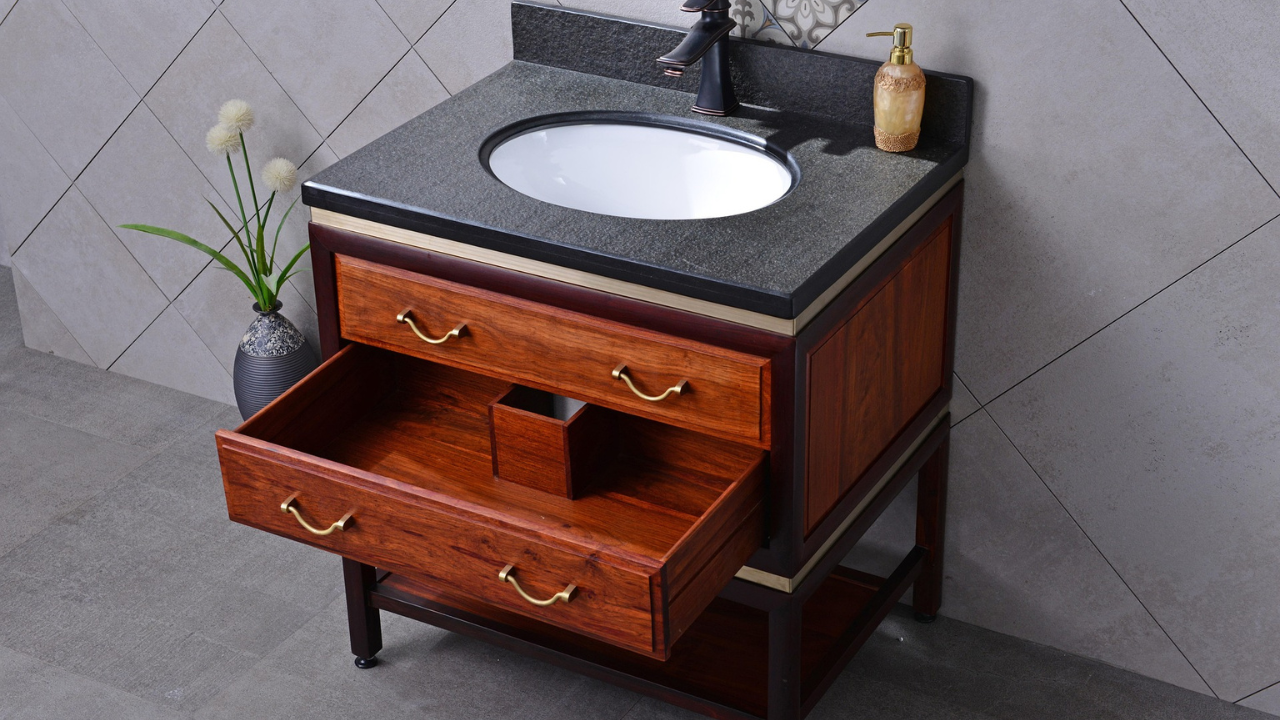
Mahogany gets talked about like it is the king of all woods. That is too vague to be useful.
The real reason people keep paying for mahogany is simpler. It is stable, durable, easy to work, and it finishes beautifully. That makes it a strong choice for furniture, doors, cabinetry, paneling, and other places where the wood is meant to be seen and kept for a long time.
It also has real downsides. It costs more. Good stock is harder to source than it used to be. And if you do not pay attention to species and supply, you can end up buying something labeled “mahogany” that is not what you thought it was.
This page breaks down where mahogany earns its cost, where it does not, and what to check before you buy it. For the broader material picture, start with Wood Materials in Construction and Design. For the species overview, see Hardwood.
Why Mahogany Still Gets Chosen
Mahogany stays in the conversation because it solves a rare mix of problems at once. It has better stability than many woods people compare it to. It works cleanly with hand tools and machines. It holds detail well. It takes finish beautifully. And it has a warm red-brown tone that ages well instead of looking tired after a few years.
That is why it shows up in quality furniture, doors, libraries, millwork, guitars, and architectural details. It is not cheap, but it often feels justified in the right place.
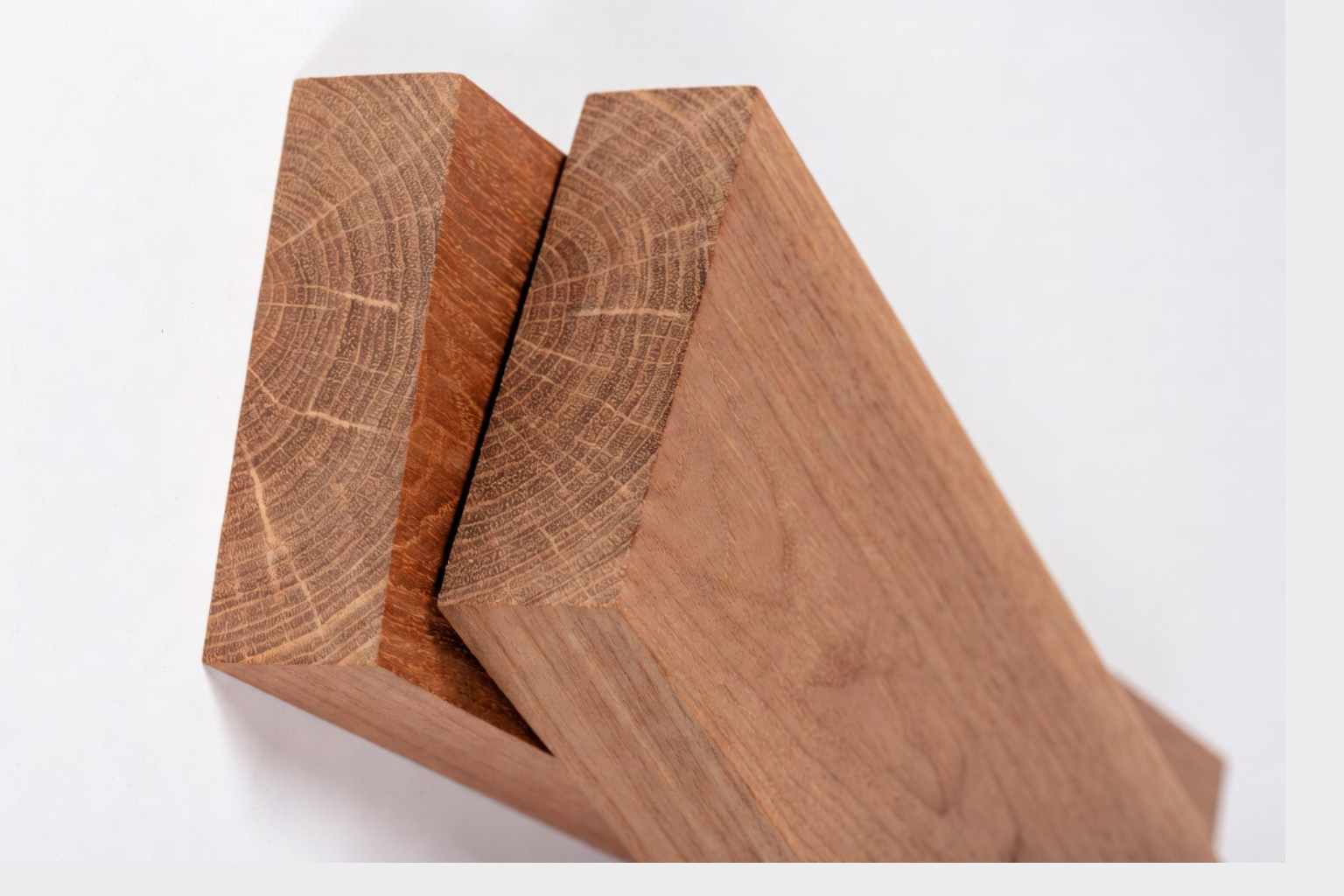
Image by ArchitectureCourses.org.
What Mahogany Is
The word mahogany gets used loosely, and that is part of the problem. Genuine mahogany usually refers to species in the Swietenia group, especially Honduran mahogany. African mahogany is a different group, usually Khaya. Philippine “mahogany” is often something else again.
That does not mean the substitutes are useless. It means the name alone is not enough. If cost, appearance, density, or durability matter to the project, you need to know which mahogany you are actually buying.
If you want the broader wood-performance side first, also useful: Wood Properties and Physical Properties of Wood.
Advantages of Mahogany Wood
1. It Is Stable
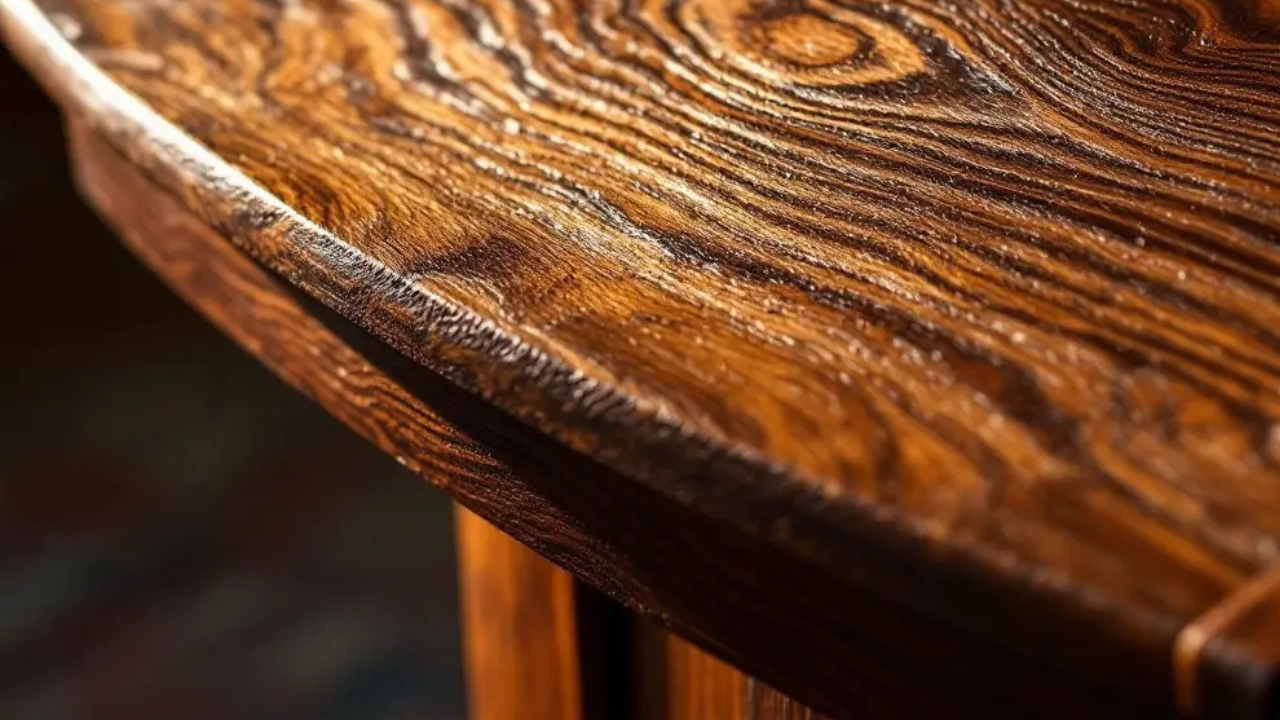
This is one of mahogany’s biggest strengths. It tends to move less than many other woods when humidity shifts. That makes it useful in doors, furniture, paneling, and other work where twist, cup, or warp would show fast.
That stability is one reason woodworkers keep coming back to it. A good mahogany board usually behaves better than its reputation for luxury might suggest. It is not just pretty. It is practical.
2. It Lasts
Mahogany is durable enough for hard daily use. It is not as brutally hard as something like ipe, but it has enough density and enough structural integrity to hold up well in furniture, cabinetry, trim, and some flooring applications.
That does not mean it is damage-proof. It means it can last for decades if the piece is built well and maintained normally.
3. It Handles Moisture Better Than Many Interior Woods
Mahogany is often valued for its resistance to moisture and rot compared with many other interior hardwoods. That is one reason it has long been used in doors, window parts, paneling, and marine-adjacent work.
It still needs finishing and detailing, especially outside. But it gives you a better starting point than many woods that swell or break down more quickly.
4. It Works Cleanly
Mahogany is one of those woods that makes skilled work easier. It planes well. It carves well. It routes cleanly. It usually sands without too much drama. For trim, joinery, furniture parts, and detailed work, that matters.
It also tends to splinter less than rougher or more brittle woods. Clean machining is a big part of why it has been used for high-end interiors for so long.
5. It Finishes Beautifully
This is one of mahogany’s best traits. The color is rich without being loud. The grain is fine enough to look refined but still visible enough to feel like wood. With the right finish, it can look calm, deep, and expensive without trying too hard.
That is part of why old mahogany pieces still hold attention. The wood usually ages well.
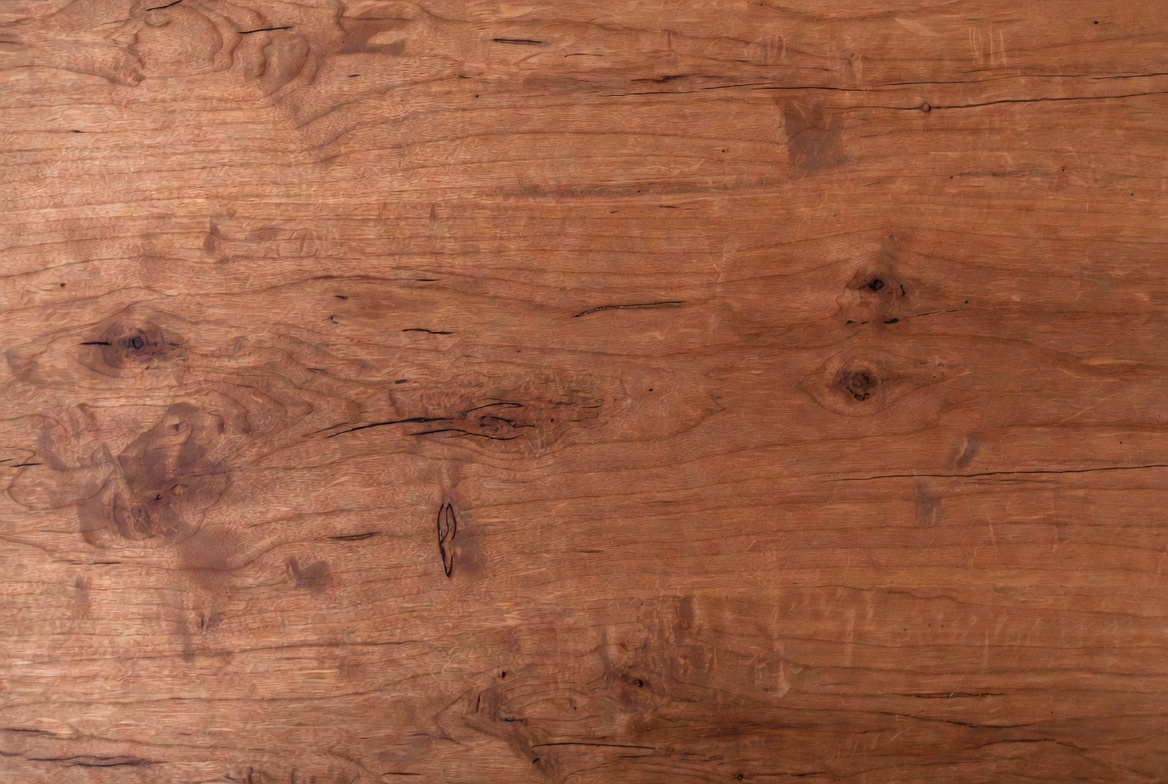
Image by ArchitectureCourses.org.
6. It Holds Long-Term Value
Mahogany is rarely the cheapest choice. But it often outlasts cheaper furniture woods, cheaper doors, and cheaper decorative wood parts. In the right project, that makes the higher cost easier to defend.
A good mahogany table, cabinet, or front door does not usually feel disposable. That matters more than people think.
Disadvantages of Mahogany Wood

1. It Costs More
This is the obvious one. Mahogany is usually priced above common domestic hardwoods such as oak, maple, or ash. If the project is large, the jump in cost gets real fast.
That does not always make it overpriced. It just means you should use it where its strengths matter. A statement door or a dining table is one thing. Every hidden cabinet part is another.
2. Sourcing Can Be Messy
Mahogany has a long history of overharvesting and illegal logging. That means the supply question matters more here than it does with many ordinary woods. If you do not check the source, you may be buying stock with a poor environmental story or stock that is not even the species you think it is.
When sourcing matters, look for reliable documentation and certifications. If you want the sustainability side of the decision, read Sustainable Wood.
3. The Label Can Mislead You
“Mahogany” gets used as a sales word. Genuine mahogany, African mahogany, and Philippine mahogany are not the same thing. They can differ in color, density, grain, stability, and outdoor performance.
That means buying by name alone is risky. The board in front of you matters more than the word on the tag.
4. It Is Not the Best Choice for Every Job
Mahogany works well in visible, refined, long-life applications. That does not mean it is automatically the best choice for flooring, decking, framing, cabinet boxes, or hard-use exterior work. Sometimes oak, maple, teak, white oak, or a good engineered product makes more sense.
Sometimes the smartest decision is not “better wood.” It is better job matching.
5. It Can Feel Too Formal in the Wrong Room
Mahogany has a strong visual identity. In the right room, that feels warm and rich. In the wrong room, especially if the space is already dark or heavy, it can feel too formal or too dense.
That is not a flaw in the wood. It is a warning about using too much of it without enough contrast.
Best Uses for Mahogany
Furniture
Mahogany is one of the classic furniture woods for a reason. It works well in tables, desks, beds, cabinets, chairs, sideboards, and other pieces where the wood needs to carry both structure and finish quality.
Doors and Millwork
This is one of the strongest places for mahogany. Front doors, interior doors, trim packages, library paneling, stair parts, and high-end built-ins all benefit from the stability and finish quality.
Cabinetry
Mahogany works best on visible cabinet parts such as doors, frames, exposed ends, and furniture-style cabinetry. It is less convincing as a default material for every hidden box part, especially if budget matters.
Decorative Woodworking
It is a strong pick for carved details, shaped profiles, and more refined woodworking because it cuts cleanly and holds detail well.
Musical Instruments
Mahogany has long been used in guitars and other instruments because it is stable, workable, and valued for its tone and feel.
Where Mahogany Makes Less Sense
Mahogany is often a weak value choice for hidden structural work, low-budget utility furniture, general framing, and any project where the visible finish does not justify the price.
It can also be a poor outdoor choice if the design leaves the wood wet for long periods or if the project really needs a species with stronger exterior durability. In many cases, teak, ipe, or white oak are safer outdoor bets.
Mahogany vs Oak vs Walnut
Mahogany, oak, and walnut often end up in the same conversation, but they do different things.
Mahogany is the balanced one. Stable, warm, refined, and easy to work.
Oak is tougher-looking and usually better when you want more visible grain and more wear resistance, especially in flooring. See Oak (Quercus spp.).
Walnut is darker and more dramatic. It often wins on color, but it is softer and usually more about appearance than toughness.
If you want a calm, refined wood that machines well and ages well, mahogany often lands in the middle of that choice set.
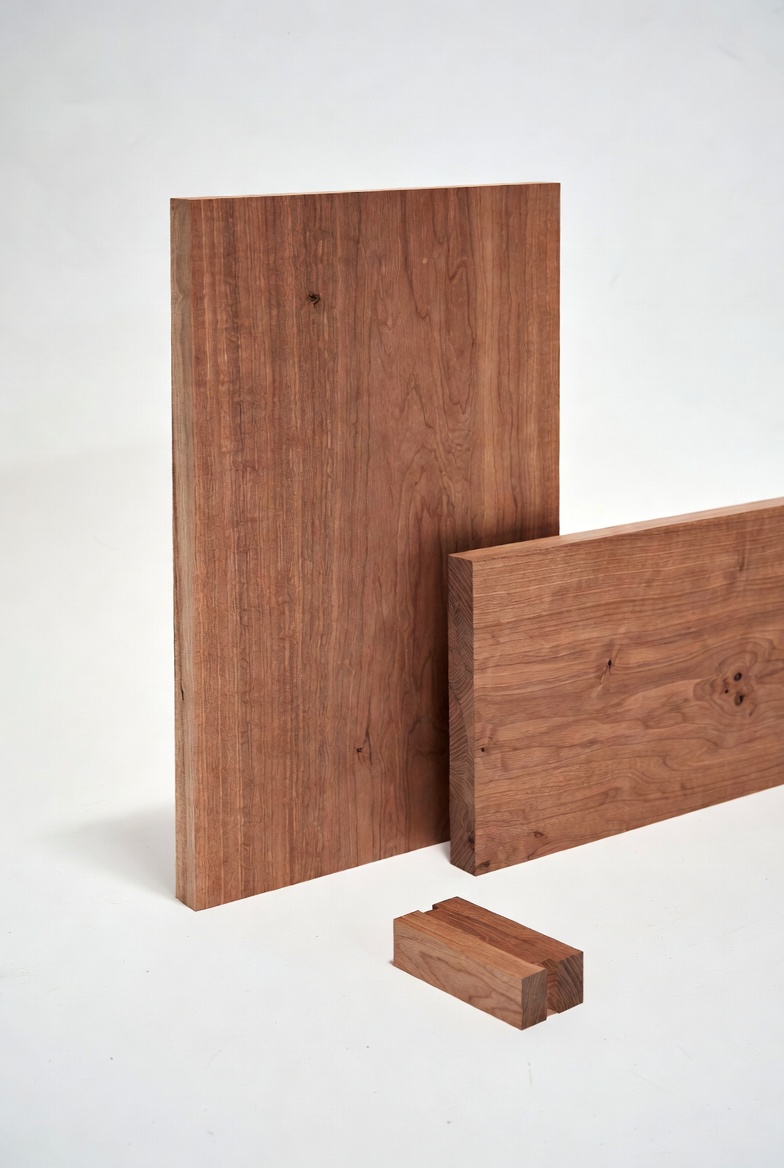
Image by ArchitectureCourses.org.
Why Mahogany Is Expensive
Mahogany costs more for a few clear reasons. The trees grow more slowly than cheap construction woods. Supply is tighter. Transport and sourcing can be more complicated. And the wood itself has a reputation that keeps demand high.
That price premium only makes sense when the project benefits from what mahogany does well. If the visible finish, long-term stability, and workability matter, the cost can be justified. If those things do not matter, it is usually the wrong spend.
This is the simple rule: use mahogany where the eye, the hand, and the lifespan keep finding it.
How to Buy Mahogany Smarter
Do not buy it just because the seller says “mahogany.” Check the actual species. Check the board quality. Check how it was dried. Look for straight grain where stability matters. Look for color consistency where the finish matters. Ask where it came from.
If the price seems oddly low, there is usually a reason. The stock may be a different species, mixed grade, poorly dried, or not sourced the way you expect.
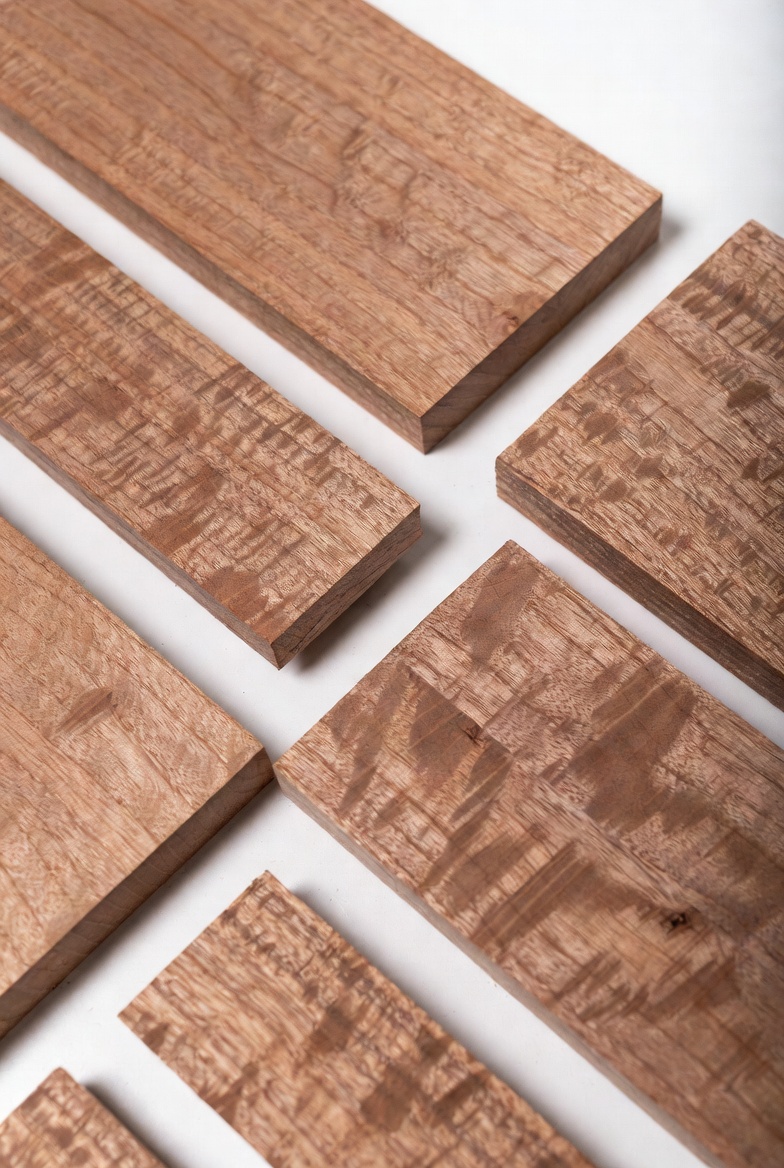
Image by ArchitectureCourses.org.
Design Notes
Mahogany works best when you let it stand out instead of drowning the room in it. A single door, a run of cabinetry, a table, a built-in, or a paneled wall can be enough.
It usually looks better against lighter walls, lighter floors, stone, plaster, or quieter surrounding materials. If you put too much dark mahogany into a dim room, the space can start feeling heavy fast.
Maintenance
Mahogany is not high-maintenance, but it still deserves normal care. Dust it. Keep standing water off it. Re-oil, rewax, or refresh the finish when the surface starts looking dry or tired. Exterior pieces need more regular attention, especially in strong sun or wet climates.
The better the finish and the better the detailing, the less drama you get later.

What People Get Wrong
- They buy the name “mahogany” without checking the actual species.
- They assume expensive always means right for the job.
- They use mahogany where a cheaper wood or plywood would do just as well.
- They ignore sourcing and certification.
- They use too much of it in one room and make the space feel heavy.
- They assume moisture resistance means no finish or no maintenance.
Mahogany is at its best when the project is honest about what it does well. It is not magic. It is just a very good wood used in the right places.
FAQ
Is mahogany worth the extra cost?
Sometimes, yes. It is worth the cost when the project benefits from its stability, finish quality, workability, and long life. It is usually not worth it for hidden or low-value parts of a build.
Is mahogany good for outdoor use?
It can work in some exterior uses, especially when detailed and finished properly, but it is not always the best outdoor wood. Species choice and water exposure both matter.
Why is mahogany popular for furniture?
Because it is stable, easy to work, visually rich, and durable enough for long-term furniture use. It also ages well.
Is African mahogany the same as genuine mahogany?
No. They are related in use and appearance, but they are not the same group of species. They can differ in color, density, and behavior.
Does mahogany need a lot of maintenance?
No. Interior mahogany usually needs only normal dusting and occasional finish care. Exterior mahogany needs more attention because sun and moisture wear finishes faster.
What is the biggest mistake people make with mahogany?
Buying it for the label instead of for the job. The material only makes sense when its strengths actually matter.
Read This Next
- For the broader category, go to Hardwood.
- For the wider material-choice page, read Wood Materials in Construction and Design.
- For the technical side of wood behavior, continue to Wood Properties.
- For oak as a comparison point, see Oak (Quercus spp.).