
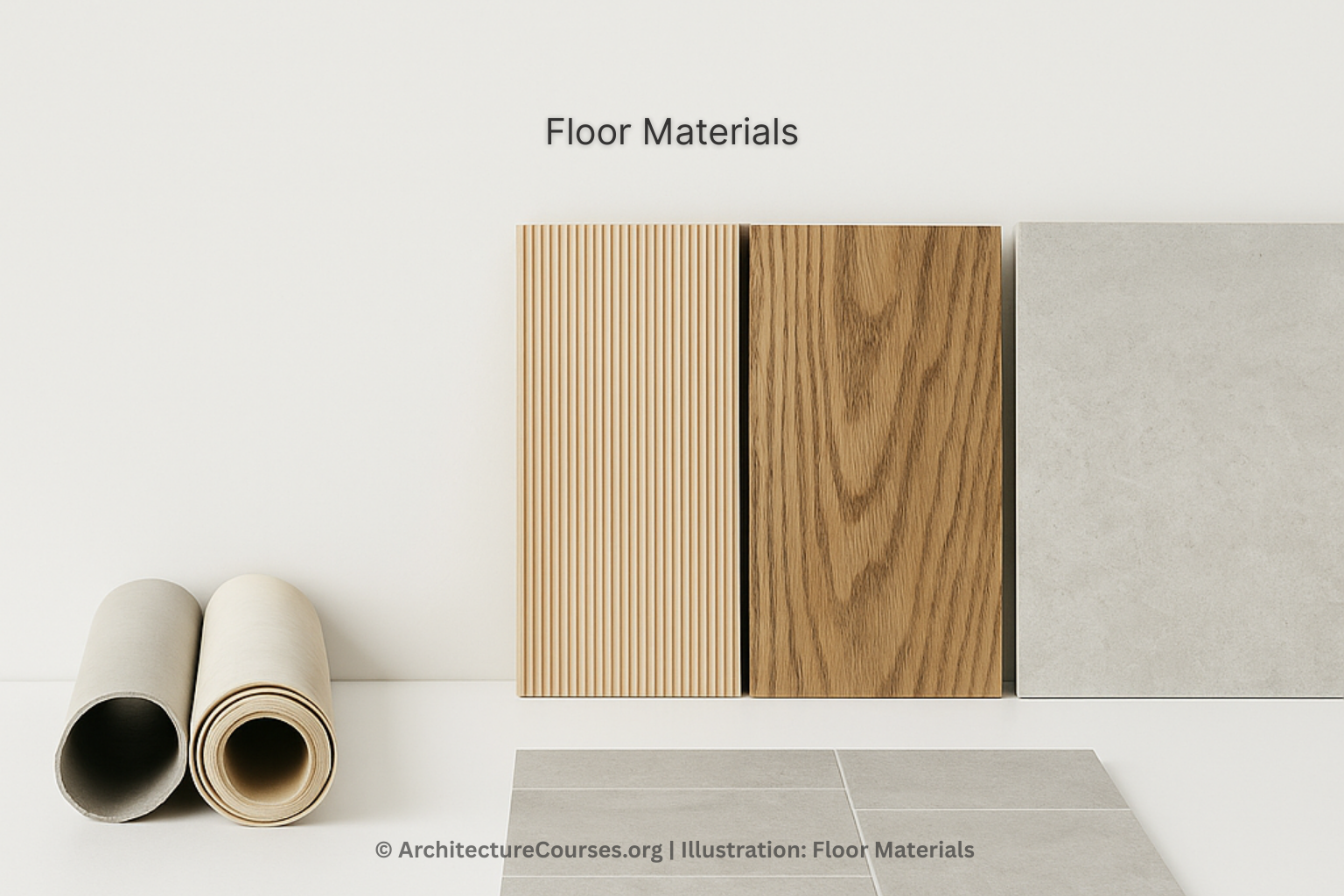
Floor Material Guide for Builders and Homeowners
Floor Materials And Finish Choices
Most people start with the surface. They look at color, texture, sheen, pattern. They picture the room finished and clean. Anyone who has installed floors for more than a week knows that the surface is the last step and the least forgiving. Every floor material is shaped by the structure below it, the subfloor supporting it, and the moisture around it.
If you have already read the structural breakdown in the main hub and the deeper framing guide, this chapter pulls everything over the structure and shows how each finish behaves in the real world. Hardwood, engineered wood, laminate, vinyl plank, tile, stone, carpet, bamboo, cork, and concrete are not interchangeable. Each material has a comfort zone. Each one has a weak point. The best floors are chosen with the whole house in mind, not just the showroom sample.
This chapter gives you the field version. What lasts. What fails. Where the claims break down. What you need from the subfloor. What happens when installers rush. And how to pick the right floor for the room you are actually dealing with, not the room in the advertisement.
Framing Materials Used Under Finished Floors
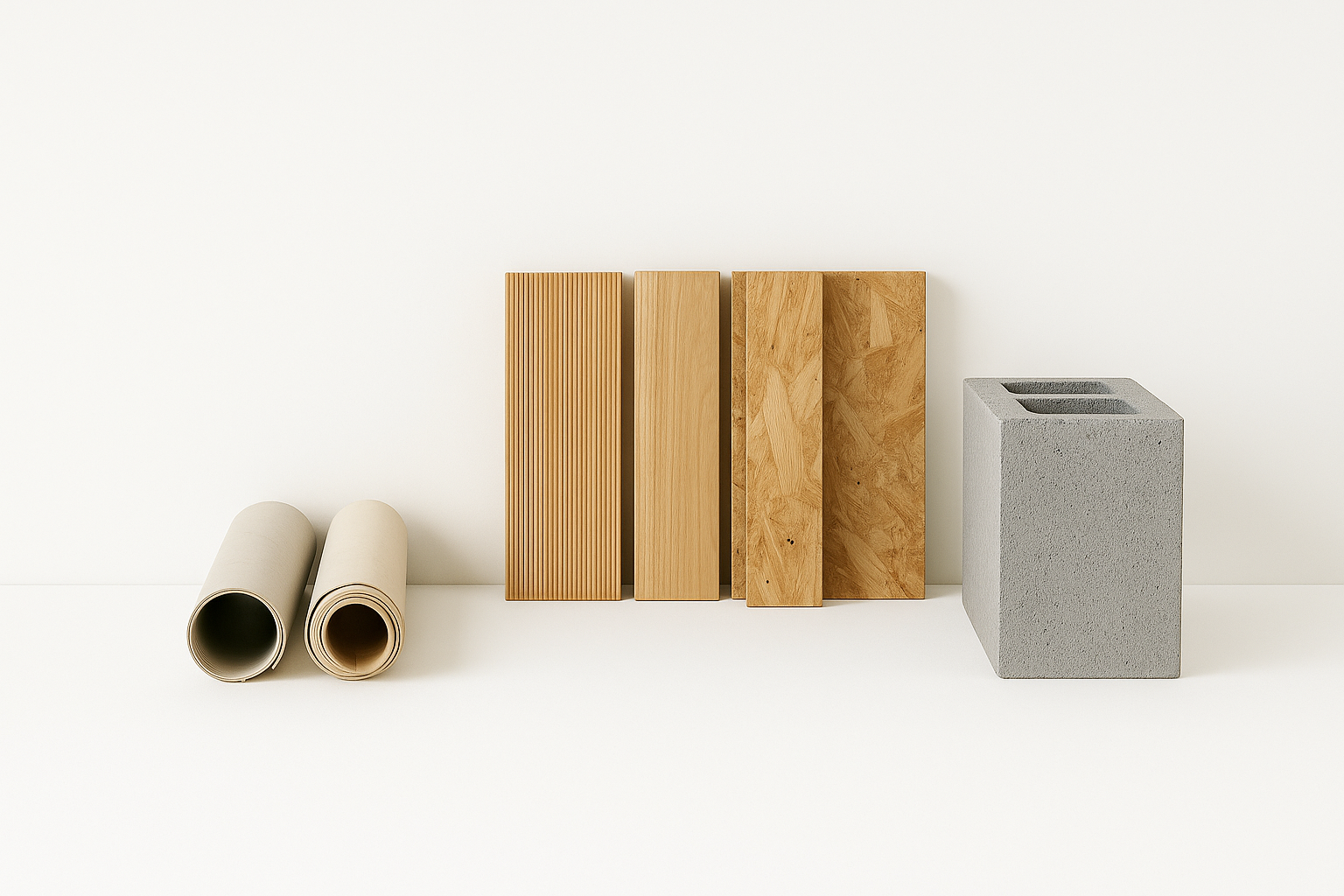
Everything on the surface sits on wood, concrete, steel, panels, and glue that carry the real load. The finish behaves only as well as the materials under it. This is the backbone of how most North American floors are built.
Wood Framing: The Everyday Base
Most houses still run on dimension lumber. Grade matters. Moisture matters. Bad boards twist or shrink and you feel that movement in the finished floor.
Typical lumber under floors:
● SPF 2x8, 2x10, 2x12 in Canada and northern states
● Southern yellow pine in the southeast
● Hem-fir in the west
● Treated lumber for sill plates and anything near moisture
Framers pull straighter boards for joists. Crowns, kinks, and twists become bounce points. Cheap lumber makes uneven floors, no matter how expensive the finish is.
Engineered Wood: LVLs, I-Joists, Open Web Trusses
When spans get longer or loads bump up, engineered wood takes over. It stays straighter and handles big runs.
Common engineered members:
● LVL beams holding joists
● I-joists for the main floor system
● Open web trusses where mechanical lines need room
Engineered wood is strong but touchy. Wrong cuts or holes ruin it. These floors feel flatter, but they depend heavily on the quality of the subfloor.
Subfloor Panels: OSB, Plywood, and High-Performance Panels
The subfloor is the real working surface under every finish.
Typical materials:
● 23/32 OSB tongue and groove
● 3/4-inch plywood tongue and groove
● High-performance panels like AdvanTech in wet or slow builds
Plywood handles wet cycles better. OSB is fine when kept dry. High-performance panels earn their cost in humid regions.
Concrete Slabs and Structural Support
Basements, garages, and slab-on-grade homes sit on concrete.
Typical concrete setups:
● 4–5-inch residential slabs
● Thickened edges or turned-down footings
● Rebar or welded wire mesh
● Vapor barrier under the slab
● Rigid foam insulation when needed
Concrete needs proper curing and moisture control. Trapped moisture affects everything you put on top, especially wood and vinyl.
Steel for Floor Support
Not every house uses steel, but when it shows up it carries the big spans.
Common steel pieces:
● W-beams and I-beams
● Adjustable steel columns in basements
● Steel hangers and connectors with engineered wood
Steel stops sag but sweats if left unprotected. Condensation around cold steel pushes moisture into subfloors.
Fasteners, Adhesives, and Connectors
More floors fail from movement than anything else.
Key materials:
● Subfloor adhesive
● Full-thread screws that pull tight
● Joist hangers rated for the load
● Construction adhesive for blocking and bridging
Skip the glue or use cheap screws and you buy yourself a future squeak.
Moisture Barriers and Underlayments
Moisture control keeps every one of these materials stable.
Common layers:
● Poly vapor barrier under slabs
● Roofing felt or foam under hardwood
● Specific underlayments for vinyl and laminate
● Liquid moisture barriers on damp slabs
These layers are invisible but they protect the finish from cupping, warping, or popping.
Hardwood Floors: Types, Thickness, and Real Lifespan
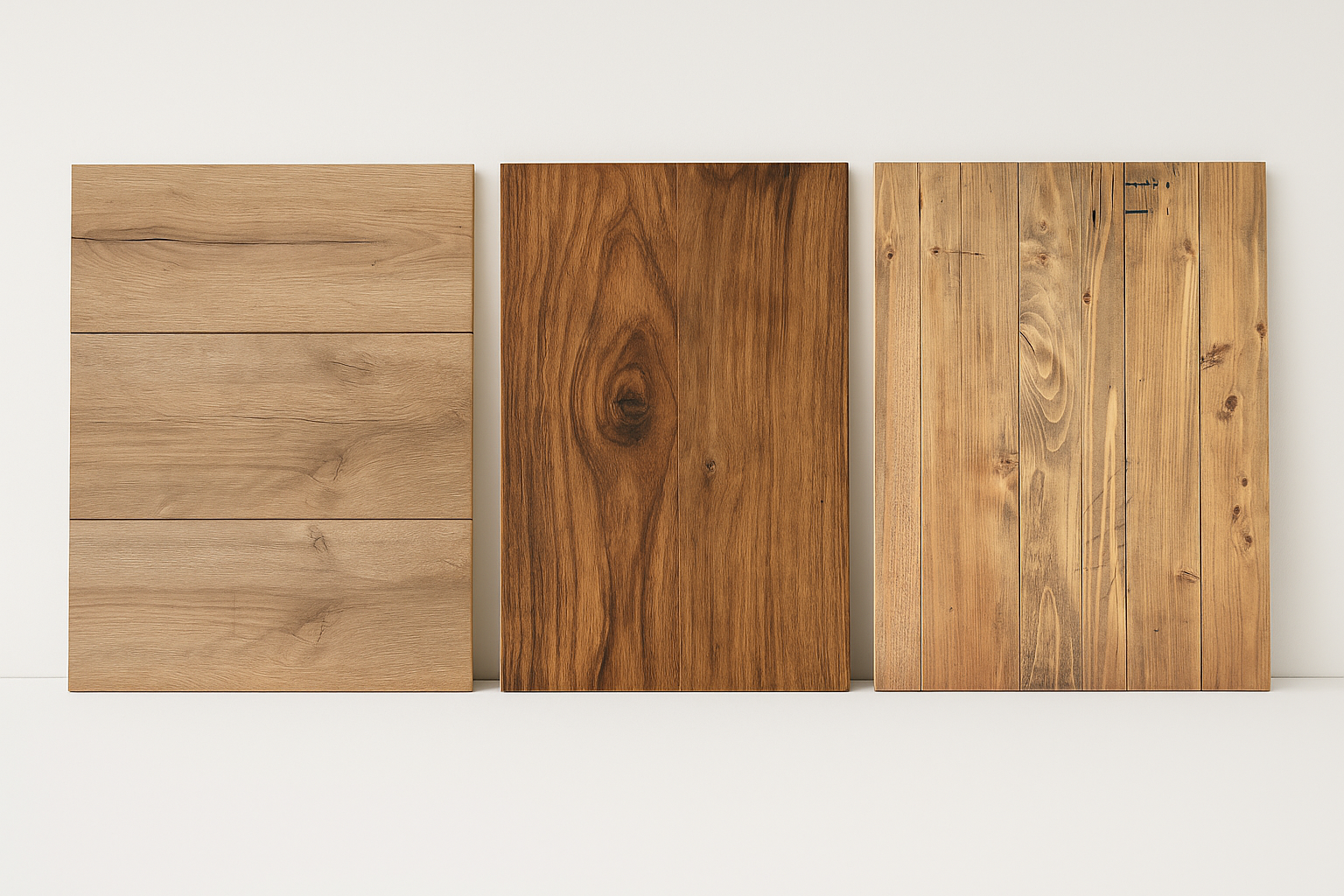
Hardwood seems simple. Real wood. Long life. A warm look that fits almost any house. The truth is layered. Solid hardwood and engineered hardwood behave differently. The thickness matters. The species matters. The way it is finished changes everything.
Solid hardwood is one piece of wood. It can be sanded many times. It moves with humidity. It hates basements and concrete slabs unless you build a full sleeper system and control moisture. When it is installed right, it lasts for generations. When installed wrong, it cups, crowns, gaps, or squeaks.
Engineered hardwood has a real wood top layer glued over stable plywood. It handles moisture better. It works over concrete. It is safer in condos and modern houses where slabs are common. The trade-off is sanding. Some engineered boards can be refinished once or twice. Some cannot be sanded at all.
Thickness is a quiet detail that changes lifespan. Thin boards cannot handle future refinishing. Thick boards handle abuse. In real houses, the lifespan depends less on the manufacturer and more on humidity control, cleaning habits, and the structure underneath. Floors that move too much will split the finish and open gaps no matter how expensive the wood is.
Subfloor prep decides if hardwood stays quiet or clicks every step. Many homeowners never realize that their noisy hardwood is caused by a fastener schedule that skipped half the screws or a subfloor that was never flattened.
Engineered Wood Flooring: Where It Works And Where It Fails
Engineered wood exploded in popularity because it looks like real hardwood and behaves better in modern houses. It is the safest wood option over concrete, radiant heating, and rooms where humidity swings. It still has rules. The core needs to be stable. Cheap boards use weak cores that delaminate or bubble under heavy moisture swings.
The top veneer thickness decides future refinishing. A thin layer cannot be sanded. A thick layer can be sanded like solid wood. Most homeowners do not know the difference until they try to repair damage.
Engineered wood works well in basements only if the slab is dry and the moisture control is handled correctly. Many failures come from installers skipping moisture tests or ignoring slab humidity. Concrete never stops releasing vapor. You need the right underlayment or adhesive based on the product’s rating.
Subfloor flatness is another failure point. Engineered wood clicks, lifts, or gaps when placed over waves or dips. The better installers spend most of day one fixing the subfloor. The faster installers skip it and guarantee callbacks later.
Laminate Flooring: Pros, Cons, And Real Costs
Laminate is the floor that promises everything for almost nothing. Scratch resistant. Easy to install. Water resistant. Cheap. Fast. Every installer has seen the same pattern. Laminate is good until it meets water. It is good until it meets sunlight. It is good until the subfloor is uneven. It is good until someone drags a heavy sofa across it.
The core is still fiberboard. Not plastic. Not wood. Something in the middle that hates water. Even the “waterproof” versions fail at the locking edges if water sits too long. Laminate works well in dry bedrooms, lofts, or rentals where you need to keep costs down. It struggles in kitchens, entryways, bathrooms, and basements unless the installation is perfect.
Impact resistance varies. Cheap laminate dents easily. Good laminate holds up better but still feels hollow because it is floating. The biggest mistake with laminate is skipping the expansion gap. The floor needs space to move. When there is no space, the whole floor tents in the middle.
Luxury Vinyl Plank (LVP): Water, Wear, And Subfloor Prep
LVP became the default choice for many homeowners because it solves problems other materials cannot. It handles water. It works in basements. It works over concrete. It survives pets. It takes abuse in rentals and busy houses. The story changes when you look at the weak points.
LVP needs a flat subfloor. A real flat one. Not “close enough.” High spots telegraph through the floor. Low spots make the clicking edges stress and separate. Many complaints about gapping and peaking come from installers who skipped the flattening phase.
Wear layers matter. Thin layers wear through in a few years. Thick layers hold up. The core type matters too. Rigid core vinyl handles dents better. Flexible vinyl dents easily under furniture legs.
Waterproof does not mean mold-proof. Water can still get under vinyl. Once underneath, it sits for weeks because vinyl traps moisture. This is a common surprise in kitchens and bathrooms where small leaks go unnoticed.
Vinyl is great when chosen correctly and installed over a stable, dry, flat base. It fails when people treat it as magic.
Tile Floors: Thinset, Backer Board, And Cracking Risks
Tile is strong on the surface and unforgiving underneath. Everything depends on stiffness. The structure, the subfloor, the backer material, the thinset, and the grout all work together. If anything flexes, tile cracks. If anything moves, grout crumbles.
The first rule: tile needs a stiff floor. In practical terms, the floor must meet deflection limits similar to L/360 or better. If the floor feels springy, tile will not survive. Many homeowners install expensive tile over bouncy floors and then blame the tile when the problem came from undersized joists.
Backer board or uncoupling membranes matter. Cement board is stable but needs screws and thinset under it. Some installers skip the thinset under the board and wonder why tiles fail. Uncoupling membranes help with small movement but cannot fix major deflection problems.
Tile in bathrooms needs waterproofing under the tile, not just on the tile surface. Tile itself is not waterproof. Grout is not waterproof. The system underneath decides if the bathroom lasts 20 years or 2.
Carpet And Carpet Tiles: When They Still Make Sense
Carpet is softer, warmer, and quieter. It still has a place even with all the newer materials. Bedrooms, basements, and rental units benefit from carpet because of cost, comfort, and sound control. Carpet is easy to install and easy to replace.
The weak point is moisture and allergens. Basements with moisture issues are not good candidates. High-traffic rooms need high-density pad and better backing materials. Carpet tiles are becoming popular in basements because they can be lifted and dried if needed.
Subfloor prep still matters. Carpet hides dips but does not hide squeaks. A loose subfloor will drive someone mad under carpet just as fast as under hardwood.
Polished And Stained Concrete Floors
Concrete floors look simple but require decisions made before the slab is poured. The mix, finish, curing, reinforcement, and surface treatments all matter. Concrete polishing needs a dense slab with few impurities. Staining needs clean, even curing.
Concrete is cold unless you use radiant heat. It is loud unless you add rugs. It is extremely durable but hard to repair. Once cracked, it cracks forever. Many homeowners love the industrial look but miss the maintenance needs. You need proper sealing and cleaning products or the floor absorbs stains permanently.
Concrete works best when planned early. Trying to convert an existing slab into polished concrete often reveals patch marks or inconsistent color.
Natural Stone Floors: Weight, Structure, And Maintenance
Stone is heavy. It needs a stiff floor. Many stone floors fail because someone installed them over standard subfloors without considering the weight or rigidity. Stone also needs extremely flat surfaces. Any unevenness telegraphs through the tile.
Stone scratches easier than people think. Soft stones like marble and limestone show wear fast. Granite and slate are tougher. All stone needs sealing. Some stones need repeated sealing.
The biggest mistake with stone is ignoring movement joints. Stone is rigid. It needs controlled gaps to handle expansion. Without them, stone cracks at doorways and long runs.
Bamboo And Cork Floors: What Clients Never Get Told
Bamboo and cork look natural and sustainable. They behave differently from hardwood.
Bamboo is hard on paper but varies wildly in quality. Cheap bamboo scratches and dents easily. Good bamboo holds up better but still moves a lot with humidity. Strand-woven bamboo is stronger but can be difficult to cut cleanly.
Cork is soft, quiet, and warm. It dents. It fades in sunlight. It expands and contracts more than most people expect. Cork needs careful sealing. In kitchens it needs extra protection. In basements it needs proper moisture control or it will cup.
Both bamboo and cork depend on perfect subfloor moisture control. A small leak can damage them fast.
Best Flooring By Room: Kitchens, Baths, Bedrooms, Basements
Different rooms push floors in different ways. Moisture, temperature, sound, weight, and sunlight all change the right choice.
Kitchens need floors that handle spills, drips, and daily impact. LVP, tile, and engineered wood work well. Solid hardwood works only with strict humidity control and good protection.
Bathrooms need water resistance. Tile and stone win. LVP works in half baths and careful full baths. Wood struggles unless the room is controlled perfectly.
Bedrooms can use almost anything. Hardwood, LVP, carpet, and laminate all work. Bedrooms are low-moisture and low-impact.
Basements need water-resistant floors. LVP, tile, carpet tiles, and polished concrete are safe. Wood over slabs is risky unless moisture is controlled tightly.
Living rooms need comfort and durability. Hardwood, engineered wood, LVP, and carpet all work depending on style.
Entryways need strong water and dirt resistance. Tile or vinyl plank are safest.
For the framing side of this, the structural floor systems article shows how joist size, span, subfloor, and load flow affect everything you install on top.
FAQ
What is the most durable floor material?
Tile, stone, and polished concrete last the longest when installed correctly. Vinyl plank handles the most abuse for the price.
What floor is best for pets?
LVP handles claws and accidents better than wood. Tile works too but is cold and loud.
What floor is best for resale?
Hardwood still leads. Engineered hardwood is a close second.
What floor is best for a basement?
Choose materials that tolerate moisture. Vinyl plank, tile, carpet tiles, and polished concrete are safest.
What floor is best for bathrooms?
Tile. Always tile. LVP in half baths is fine. Wood in bathrooms is asking for trouble.
What is the cheapest floor that still looks good?
Mid-range laminate or mid-range vinyl plank. Vinyl has fewer long-term surprises.
Does hardwood work over concrete?
Only engineered hardwood unless you build a sleeper system or raise the floor. Moisture control is the deciding factor.
Do floating floors feel cheap?
Some do. Some do not. The subfloor flatness and product quality decide the feel more than the locking system.
How do I stop floors from squeaking?
Fix the structure, the subfloor fastening, or both. Squeaks come from movement, not the surface material.
Official References and Standards
1. North American Flooring Standards and Testing Bodies
NWFA – National Wood Flooring Association
Covers hardwood and engineered wood installation standards, moisture testing, fastening schedules, and refinishing guidelines.
https://www.nwfa.org/
RFCI – Resilient Floor Covering Institute
LVP, vinyl sheet, vinyl tile, underlayments, adhesives, and environmental health standards.
https://rfci.com/
TCNA – Tile Council of North America
US tile installation standards, deflection requirements, backer board rules, membranes.
https://www.tcnatile.com/
MIA + BSI – Natural Stone Institute
Natural stone flooring standards, weight rules, deflection limits, sealing requirements.
https://www.naturalstoneinstitute.org/
CRI – Carpet and Rug Institute
Carpet installation standards, indoor air quality testing, carpet tile guidelines.
https://carpet-rug.org/
2. Structural Standards Directly Affecting Floor Materials
ICC – International Code Council
IRC and IBC flooring structure requirements, live loads, fire ratings, moisture barriers.
https://www.iccsafe.org/
APA – The Engineered Wood Association
OSB, plywood, subfloor panels, span ratings, fastening schedules, moisture guidelines.
https://www.apawood.org/
AWC – American Wood Council
Wood joist spans, L/360 and L/480 deflection limits, engineered wood design, DCA 6.
https://www.awc.org/
PTI – Post-Tensioning Institute
Concrete slab design, reinforcement, and pre-stressed slab-on-grade floor behavior.
https://www.post-tensioning.org/
3. Moisture, Indoor Air Quality, and Building Science
Building Science Corporation
Moisture control, slab vapor emissions, crawlspace behavior, flooring over slabs.
https://buildingscience.com/
EPA Indoor Air Quality
VOC emissions from flooring, carpet safety, adhesives, underlayments.
https://www.epa.gov/indoor-air-quality-iaq
ASTM International
Concrete moisture tests (ASTM F2170, F1869), LVP standards, laminate performance.
https://www.astm.org/
4. Concrete, Slab-on-Grade, and Finishes
ACI – American Concrete Institute
Slab-on-grade construction, polished concrete tolerances, curing, cracking control.
https://www.concrete.org/
ICRI – International Concrete Repair Institute
Concrete surface prep standards (ICRI CSP Profiles) used before installing flooring.
https://icri.org/
5. Manufacturer Standards
Schluter Systems
Uncoupling membranes (DITRA), waterproofing, tile floor movement joints.
https://www.schluter.com/
Custom Building Products
Thinset, grout, membranes, substrate requirements.
https://www.custombuildingproducts.com/
Ardex
Self-leveling compounds, moisture barriers, substrate prep.
https://www.ardexamericas.com/
Mapei
Flooring adhesives, waterproofing, leveling products, tile mortars.
https://www.mapei.com/
6. Canada-Specific Codes
NBCC – National Building Code of Canada
Joist spans, floor loads, fire separation, moisture control.
https://nrc.canada.ca/
Canadian Wood Council
Wood framing spans, deflection, engineered wood.
https://cwc.ca/