

Teaching Kids Sustainable Design: Lessons From Real Projects
Architecture for Children: How Schools Can Teach Sustainability
Small Hands, Big Plans: Teaching Architecture and Sustainability to Kids
I spent one week in a public school in Toronto and another in New York City, running design labs for fourth through eighth graders. Two rooms. Two cities. Same questions from kids: Why is this street so hot. Where does the rain go. Why does that building feel good to sit in and that one feels loud and bright.
This is the playbook that worked. It mixes simple field experiments, quick builds, and short stories kids can own. It is not a poster session on “being green.” It is a set of things you can actually do in a classroom, a gym, a schoolyard, or on a sidewalk. Where there is a local program or resource that helped, I call it out.
Kids and Green Architecture: What Works in the Classroom and Playground
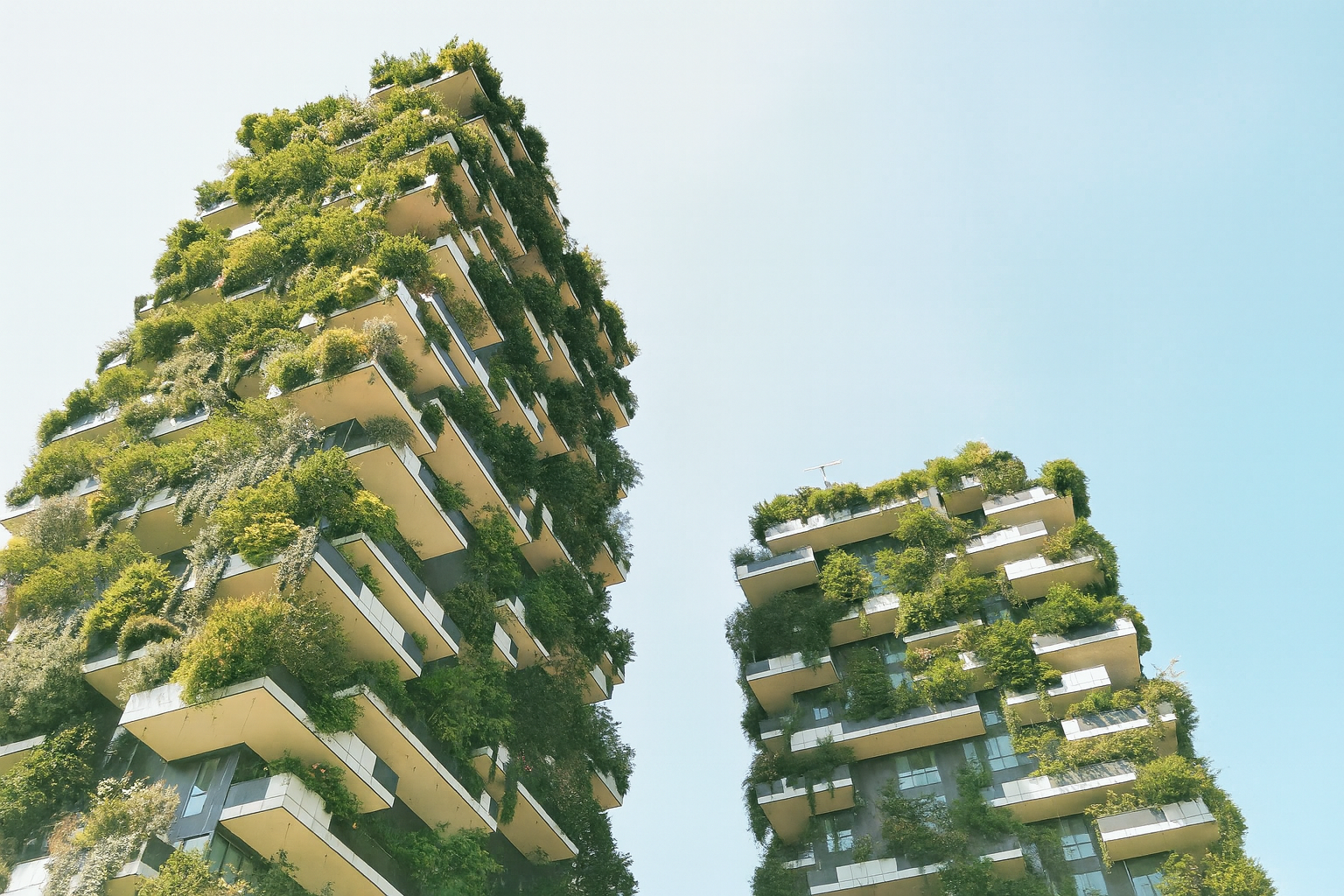
Sustainable Architecture for Children: Real Lessons From New York and Toronto
Start on the sidewalk
What we did
We walked a single city block with clipboards. Kids sketched where they saw shade, puddles, trees, drains, ramps, bike lanes, and places to sit. We stopped at a south-facing facade and held our hands near the glass to feel radiant heat. We stood under a street tree and talked about temperature, glare, and noise. Ten minutes later the notes read like a site plan.
What lands with kids
They notice comfort first. Heat and shade. Places to perch. Where water sits after rain. Use that. Ask them what it feels like to move through the block. Then connect feeling to design. Pavement type. Tree canopy. Orientation. Openings.
Try this
Give each group a single job. Team Shade maps shadows across the day with chalk. Team Water traces every drain, downspout, and puddle. Team Wheels notes curb cuts, bike racks, and safe crossings. When you regroup, they have a picture of “how a block works” without ever touching a slide deck.
Make sun and wind visible
Quick kit
Cardboard models, a phone compass, a cheap anemometer if you have one, and a light meter app. In Toronto the model boxes became tiny courtyards and porches. In New York they became street canyons. We moved a flashlight like the sun and watched where light piled up and where it was blocked.
What they learn fast
Orientation beats slogans. A classroom with tall shaded glass on the west is a heat trap. A courtyard open to the south with an overhang can be bright without glare. Let kids prove it with a model and a phone. You do not need jargon. The beam of light across a cardboard room is enough.
Programs that help
NYC’s Center for Architecture runs K to 12 programs you can borrow ideas from. Their educators are good at turning big concepts into simple activities kids can hold in their hands.
Energy experiments they can build in an hour
Solar oven
Pizza box, foil, black paper, clear plastic. We made s’mores and took temperature readings at five minute intervals. The kids who never raise a hand suddenly owned the data. That makes the “why dark roofs heat up” lesson stick. NASA’s Climate Kids has a dead simple build that works with a class of thirty. TRCA
Tiny circuits
Coin cell, LED, copper tape. It is fast. It teaches polarity, connections, and failure in a low risk way. Tie it back to daylighting. Ask which light we should use less if we can get more from the sun.
What to watch
Keep it scrappy. The more it feels like a science fair, the less it feels like design. Frame every build as a choice. Why this material. Why this orientation. What would you change if this was a real window.
Water is the hook
Two trays, one lesson
Fill one tray with potting soil and plants. Fill another with compacted sand or gravel. Pour the same volume of water into both. Watch where it goes. One becomes a puddle. One drinks and slows the flow. That is stormwater and flood control without a diagram.
City resources
NYC DEP has classroom guides on rain gardens, green roofs, and how the sewer system works. They translate the engineering into activities. Use them to plan a mini green infrastructure walk around your school.
Toronto angle
The Toronto and Region Conservation Authority runs school programs on watersheds and stormwater. Their educators brought a portable stream table that let kids shape a riverbed and see erosion and deposition happen in front of them. It is the fastest way I know to explain why a bioswale matters. New York City Government
Build something small
We built a planter that drains into a gravel trench and logged how much water it holds after rain. One group named it. That matters. When kids name a thing, they maintain it.
Materials with a story
Bring a bin
Scrap brick. Wood offcuts. A short piece of steel. A bit of insulation. Recycled plastic paver. Ask where each came from and how far it traveled. Call that “travel energy” in kid language. Heavy and far is a bigger hit. Local and reused is lighter. You have just explained embodied carbon without saying the words.
Classroom passport
We stuck simple labels on each piece with three icons. Reused. Local. Needs extra care. Kids sorted materials for a pretend project. Choices became a story, not a test.
Where to source
In New York, Materials for the Arts will often work with schools and nonprofits to supply free or low cost materials for projects. In Toronto, Habitat ReStore and community reuse centers can fill a cart for very little. These places turn budgets into possibilities.
Waste audit without the groan
One class period
Make three piles from a day of classroom trash. Recyclable. Compostable. Landfill. We weighed each and made a bar chart on the board. No speeches. The numbers push the conversation on their own.
Then change one thing
Swap paper towels for a hand dryer if the school approves. Add a compost pail. Put a clear bin next to the printer for single sided paper. Measure again next week. Small wins motivate bigger asks, like cafeteria changes.
Where to look for help
NYC DOE’s Office of Sustainability publishes simple K to 12 tools and templates for green teams and energy challenges. They are designed for teachers who are already stretched.
How Children Learn Architecture and Sustainability Through Hands-On Design
How architects teach children about sustainable design through site walks, small builds, and hands-on experiments in schools.
A ten day studio that actually fits the bell schedule
Day 1. Walk the block
Map shade, water, places to sit. Pick one thing on the block that works and one that does not.
Day 2. Sun and wind
Cardboard models. Light meter app. Move the “sun” and record what changes.
Day 3. Energy
Build solar ovens. Take temps. Talk about why dark surfaces heat up faster.
Day 4. Water
Tray test. Identify where rain goes on campus. Choose a spot for a mini rain garden display.
Day 5. Materials
Sort the bin. Label pieces with your simple passport. Argue for a palette for a small project.
Day 6. Sketch to build
Pick a micro project. A planter that slows water. A shade bench. A tiny reading nook under a tree. Make a cardboard mockup.
Day 7. Procurement day
Visit reuse sources or pull from facilities storage. Write a one page plan for what you need and why. This is where math sneaks in.
Day 8. Build
Pre cut parts. Pry bars and saws are adult jobs. Kids assemble, measure, and fasten. Safety first. Eye protection. Gloves. Clear roles.
Day 9. Measure
Take temperatures in sun and shade. Measure how long water sits after a storm. Count how many kids use the thing at lunch.
Day 10. Show and tell
Invite facilities staff, a local architect, and families. Let students explain the choices. Put the data on the wall, not just a poster of ideals.
Sustainability for Children in Architecture: Building Lessons That Last
Architecture sustainability for children explained with real projects, classroom strategies, and lessons that make green design visible.
What failed and why it helped
The green wall that turned brown
A group wanted a vertical garden in a sun blasted corner. It looked great for two weeks. Then it cooked. The lesson was not “green walls are bad.” It was “match plant to microclimate and plan watering that a school can sustain.”
Sensors teachers hated
An automatic light system dimmed during quiet reading time. Teachers taped over the sensor. We moved the sensor, added a simple override, and it worked. The lesson was not “tech is dumb.” It was “people have rhythms. Design for them.”
Planter boxes that dried out
We built boxes from salvaged lumber. Soil was fine. Watering was not. We added a simple wicking reservoir and a watering schedule sign at the box. The fix turned into a mini lesson on capillary action.
When public programs amplify a class
Architecture education in NYC
The Center for Architecture’s youth programs offer in school residencies and teacher training. They can co design a unit so your class builds a small installation or models a street change with real constraints.
Green schoolyards
New York has been turning asphalt yards into green community schoolyards with trees, gardens, play areas, and porous surfaces. There are design toolkits you can adapt for your campus, even if you do not get a full capital project.
Toronto field trips
Evergreen Brick Works is an easy win. The site mixes adaptive reuse with wetlands, trails, and hands on exhibits. It shows kids how an industrial place became a climate site. TRCA’s education team can meet you there or come to your school.
EcoSchools
If your school wants a simple framework with badges and checklists, EcoSchools certification gives structure without killing the joy. It turns your ten day studio into a yearlong arc with student green teams.
A simple build that changes a hallway
We turned a blank corridor corner into a “climate kiosk.” A pegboard holds a handheld light meter, a cheap thermometer, a wind ribbon, and a laminated sun path diagram. Next to it we mounted a small display that showed the school’s daily electricity use and water use as numbers kids could read at a glance.
Two weeks later a fourth grader explained to her parent why they turned off the lights in an empty classroom. Not because a poster told her to, but because the number dropped when she tried it.
Safety and logistics teachers ask about
Keep cutting to adults. Kids can mark, measure, clamp, and fasten. Use sticky backed copper tape for circuits instead of solder. Pre drill to avoid split lumber. Use driver bits with clutches to prevent wrist injuries. Paint outside. Label everything that needs weekly or monthly care and name who owns it. Invite the custodian in on day one. They know where the shutoff valves are and what will get your project removed if you do not plan for maintenance.
Inclusion makes the design better
Ask a student who uses a wheelchair to lead the walk audit for curb cuts and slopes. Ask multilingual students to write bilingual signs for the rain garden. Ask the after school sports coach when a planter will be in the way. These are not token moves. They are the difference between a project that lives for one semester and a project the school keeps for years.
What would make it stronger next time
Public dashboards help. A small e ink screen in the lobby showing daily solar generation or water savings turns private learning into shared culture. More shade on hot schoolyards matters. Simple timber frames with solar panels on top could give a lunch line shade and power a charging station. Community partners multiply reach. A local manufacturer might donate offcuts. A utility might lend meters. A reuse warehouse might save a cart of parts for you.
Ten things I keep in the kit
Cloth tape measures. Cheap light meter and anemometer. Box cutter with fresh blades for the adult. Cutting mats. Mini driver and bits. Zip ties and hose clamps. Painter’s tape and Sharpies. Copper tape, coin cells, and LEDs. Gloves and eye protection. A rolling bin with a lid.
FAQ
How young is too young for this
Second and third graders can do walk audits, solar ovens, and planter builds with adult tool handling. Middle schoolers can measure, cut, fasten, and present.
What do I do if my principal says no tools
Run the same unit with cardboard, zip ties, and clamps. Bring in a facilities manager for a Q and A. Build the full scale piece off site and install it with the custodial team watching.
How do we pay for materials
Start with reuse. Ask your district sustainability office and local reuse centers. Join a materials exchange. In New York, schools and nonprofits can source from Materials for the Arts.
What if the weather does not cooperate
Do the tray test indoors. Run the model sun exercise with a desk lamp. Measure temperature in different parts of the building instead of outside.
How do I grade this
Rubric the process. Observation notes, one measured claim with data, a design choice defended in two sentences, and one maintenance plan.
How do I make it stick after the unit ends
Give the project to a club. Ask the PTA to adopt watering. Mount a small dashboard in a public place. Apply to an EcoSchools style program so the work rolls into the next year.
What about liability
Use district forms for field walks. Eye protection whenever anything is cut or drilled. Adults cut. Kids measure, clamp, and fasten. Clear rules on gloves, hair tied back, and closed toe shoes.
How do I involve families
Run a Saturday fix it clinic. Repair a bench, add mulch, repaint wayfinding. Invite a local architect or engineer to do a short Q and A. Keep it under one hour. Feed people.
Closing
Kids do not need a lecture to understand design. They need a block to read, a small build to own, and a number to watch change because of something they made. Start on the sidewalk. Make sun and water visible. Keep the projects small enough to finish and sturdy enough to last. The rest follows.
Related
- Urban and Landscape Design Courses: What High School Students Should Know
- Tips for High School Students Considering Urban and Landscape Design
- Diploma in Architecture: Your Guide from High School to Advanced Diplomas
- Free Online Architecture Courses for High School Students
- Introduction to Architecture For High School Students
- Architecture Schooling: From High School Prep through B.Arch to PhD
- Classes to Take in High School for Architecture
Resources & Citations
-
Center for Architecture — K-12 Education (NYC)
The Center offers in-school residencies, classroom programs, walking tours, studio workshops, summer programs, and “Learning By Design: NY” residencies where students design around real architecture and sustainability themes.
Link: Center for Architecture -
Center for Architecture — Summer Programs
Week-long classes for students entering grades 3-5, 6-8, or 9-12 in Fall, focusing on architecture, design, and sustainability topics.
Link: Center for Architecture -
NYC Government — Architecture & Design Resources for High School Students
A digital toolkit with architecture and design resources for students in grades 9-12, including guides and activities that show how design works in the built environment.
Link: New York City Government -
AIA — K-12 Initiatives
The American Institute of Architects has a resource center listing K-12 architecture-education programs in many cities. Useful to compare other models beyond NYC/Toronto.
Link: The American Institute of Architects -
Architecture Explorations (Carnegie Mellon University)
Offers architecture-based extracurriculars for K-12 students, combining academic enrichment, creative expression, and civic responsibility. Good model for sustained work outside one-off projects.
Link: CMU School of Architecture