
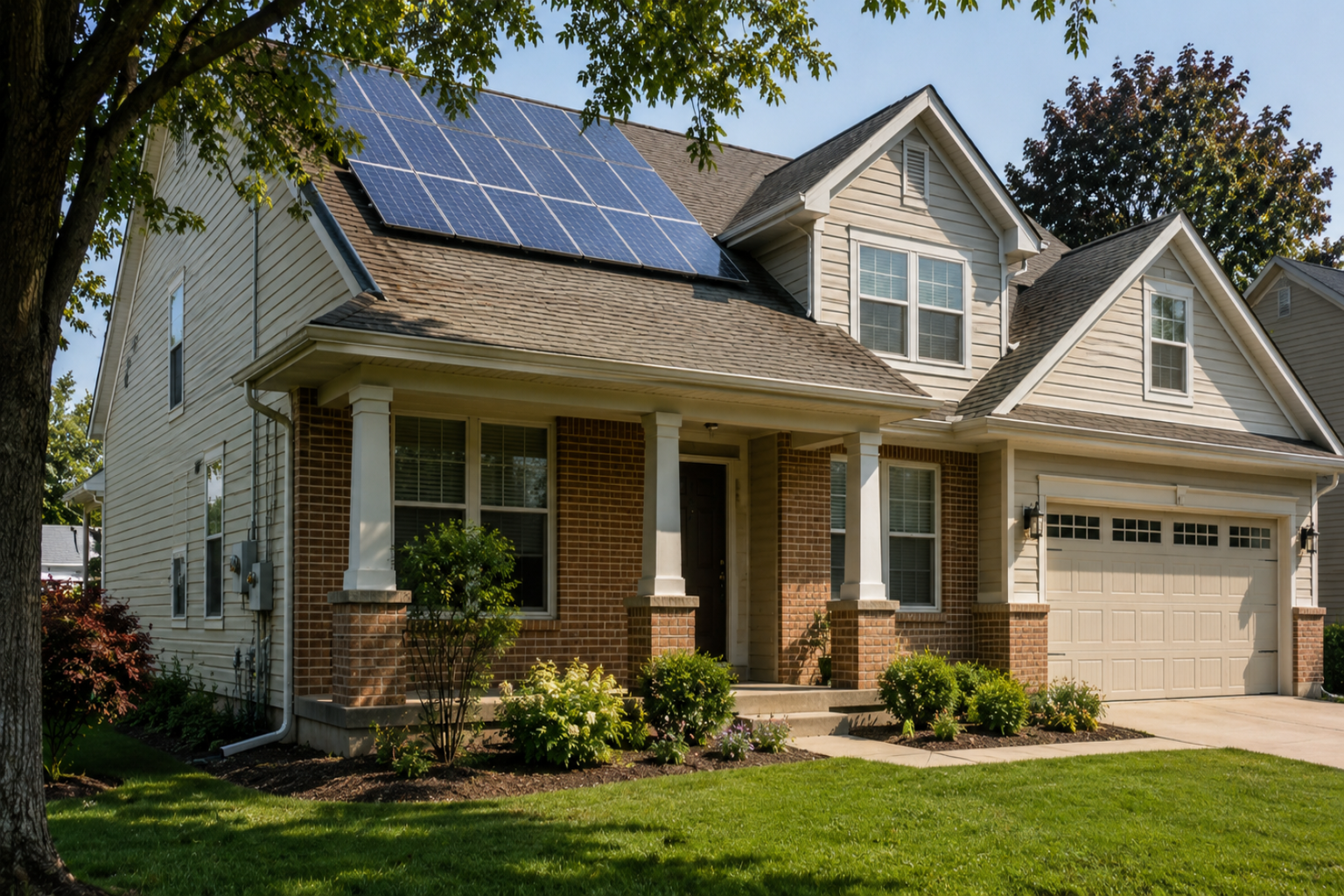
Solar incentives can lower the cost of going solar, but they do not make every solar project a good deal.
That is the part many homeowners miss. A tax credit can reduce the bill, but it will not fix a shaded roof, an old electrical panel, a weak roof surface, a bad lease contract, or a system that is too large for the house.
Solar incentives work best when the project already makes sense: good sun, a usable roof or site, fair utility rules, a clear ownership model, and a realistic quote. The incentive should improve the numbers. It should not be the only reason the project survives.
This guide explains the main types of solar incentives in the United States, what they can reduce, what they do not cover, and what to check before signing a solar contract.
What solar incentives are
Solar incentives are programs that reduce the cost of installing or using a solar energy system. They can come from the federal government, state governments, local governments, utilities, rural energy programs, lenders, or community solar programs.
Some incentives reduce taxes. Some reduce the upfront price. Some give bill credits for exported electricity. Some support rural businesses or farms. Some apply only if you own the system. Others may go to the solar company if the system is leased or financed through a power purchase agreement.
The important point is this: solar incentives are not all the same kind of money.
A solar incentive may be:
- a federal tax credit;
- a state tax credit;
- a utility rebate;
- a property tax exemption;
- a sales tax exemption;
- a net metering or bill-credit policy;
- a loan or financing program;
- a rural business or farm grant;
- a solar renewable energy certificate program;
- a community solar subscription benefit.
They can stack in some cases, but not always. Eligibility depends on location, ownership, tax liability, utility rules, system design, installation date, and program funding.
The federal solar tax credit is usually the first incentive to check
The federal Residential Clean Energy Credit is the incentive many homeowners hear about first. For eligible residential solar property, the federal credit is generally 30% for systems placed in service from 2022 through 2032. It is scheduled to step down after that unless the law changes.
This credit can be valuable, but it is not the same as an instant rebate. A tax credit reduces tax owed. If the credit is larger than the tax you owe for that year, the unused amount may be carried forward, but it does not work like a check handed to every homeowner at installation.
Homeowners should confirm:
- whether the system qualifies;
- when the system is considered placed in service;
- whether battery storage qualifies;
- whether roof work is included or excluded;
- whether they own the system;
- whether they have enough tax liability to use the credit;
- which IRS form is needed at tax time.
Do not rely only on a salesperson’s summary. The installer may explain the incentive, but your tax situation is still yours. For large projects, confirm details with a qualified tax professional.
Solar incentives do not fix a bad solar project
An incentive can make a good solar project better. It can also make a weak project look better than it is.
Before chasing rebates or tax credits, check the actual house or building. A roof near the end of its life can turn solar into a roofing project. Heavy shade can reduce production. Roof vents, chimneys, skylights, and dormers can break up the panel layout. An old electrical panel can add cost. Utility rules can affect payback.
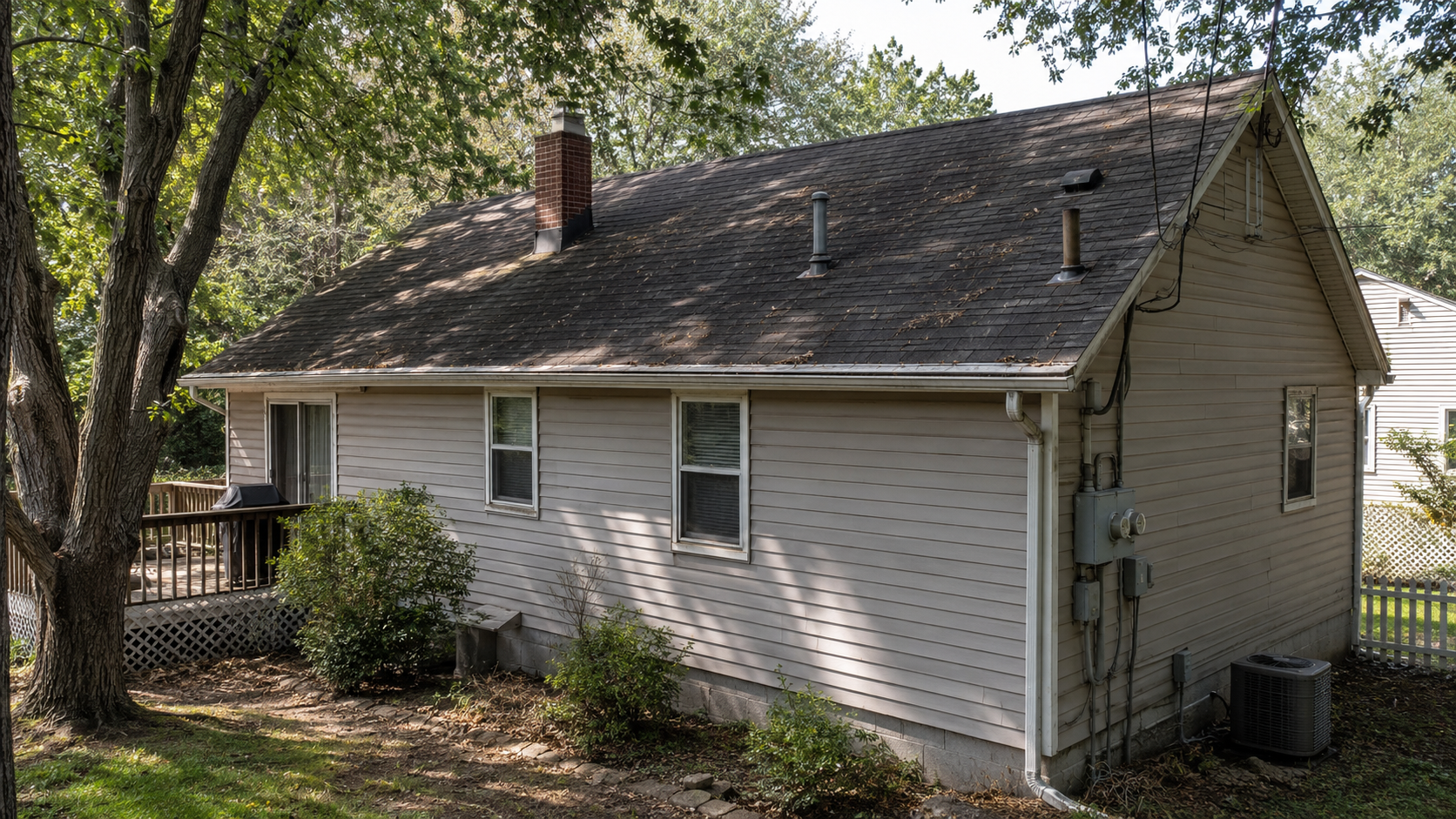
The first question should not be “How much is the incentive?” It should be “Is this a good solar site?”
A good quote should account for:
- roof age and roof condition;
- shade during different seasons;
- usable roof area;
- panel layout;
- inverter location;
- electrical panel capacity;
- utility interconnection;
- battery or backup needs;
- monitoring;
- maintenance access.
If the project is weak before incentives, it may still be weak after incentives.
Rebates are different from tax credits
A rebate usually reduces the project cost more directly than a tax credit. It may come from a utility, city, state agency, or special program. Some rebates are paid to the homeowner. Others are assigned to the installer and shown as a reduction in the contract price.
Rebate programs can run out of funding, change rates, close applications, or apply only to specific equipment or installers. That is why old “best states for solar incentives” lists get stale quickly.
Before counting a rebate, ask:
- who pays the rebate?
- who receives it?
- is the funding still available?
- does the installer have to be approved?
- does the equipment have to meet program rules?
- does the rebate reduce the amount eligible for a tax credit?
- when is the rebate paid?
A rebate that is “available” in a marketing brochure may not be available for your exact address, utility, project size, or contract date.
Net metering and bill credits can matter as much as rebates
Net metering and solar bill-credit policies affect what happens when a solar system produces more electricity than the building uses at that moment.
In some places, exported solar power earns strong credits. In others, export credit is lower, time-dependent, capped, or handled under a different tariff. This can change the value of the same solar system.
This is why two houses with similar systems can have different payback periods. One may have strong retail-rate credits. Another may have lower export value and need more self-consumption or battery storage to make the numbers work.
Before signing, ask the installer to show:
- how much electricity the system is expected to produce;
- how much will be used directly by the house;
- how much will be exported;
- how exported electricity is credited;
- whether rates change by season or time of day;
- whether future utility policy changes could affect savings.
A solar system is not only a roof project. It is also a utility-rate project.
Ownership changes who benefits
Solar ownership matters because incentives usually follow the owner of the system, not simply the person living under the roof.
If you buy the system with cash or a loan, you may be the owner. If you lease the system or sign a power purchase agreement, the solar company usually owns the equipment. That can change who claims the tax credit, who receives certain incentives, who handles maintenance, and what happens when the house is sold.
Compare these ownership models carefully:
- Cash purchase: higher upfront cost, but usually the clearest ownership.
- Solar loan: homeowner may own the system, but interest, fees, dealer charges, and loan terms matter.
- Solar lease: lower upfront cost, but the company usually owns the system.
- Power purchase agreement: homeowner buys the electricity, while the company owns the equipment.
- Community solar: no rooftop system needed, but credits, savings, cancellation rules, and availability vary.
The cheapest-looking option is not always the cheapest over time. Read the contract, not just the monthly-payment box.
Community solar can help when your roof is not suitable
Community solar allows people to benefit from a shared solar project instead of installing panels on their own property. It can help renters, condo owners, shaded houses, older roofs, or homeowners who do not want rooftop equipment.
Community solar is not the same everywhere. Some programs offer bill savings. Some have subscription terms. Some focus on low-income access. Some have waiting lists. Some are only available in certain utility territories.
Ask these questions before subscribing:
- what discount or credit is promised?
- is the credit guaranteed or estimated?
- is there a cancellation fee?
- does the contract follow you if you move?
- who owns the solar project?
- how does the utility apply the credit?
Community solar can be a good option, but it still deserves the same contract review as rooftop solar.
Business, farm, and rural solar incentives are different
Commercial solar has different incentive rules from residential solar. Businesses may have access to tax credits, depreciation, grants, loans, utility incentives, and demand-charge savings. Farms and rural small businesses may also qualify for programs that do not apply to ordinary homeowners.
The Rural Energy for America Program, often called REAP, can support renewable energy systems and energy-efficiency improvements for agricultural producers and rural small businesses. That makes it relevant for farms, rural shops, warehouses, small manufacturers, and other qualifying rural operations.
But business incentives are not simple. Depreciation, tax appetite, ownership structure, grant timing, loan terms, and utility demand charges can all change the real economics.
A business should review solar incentives with:
- a solar contractor;
- a tax professional;
- a lender if financing is involved;
- the utility;
- the state or federal program administrator.
Business solar can be valuable, but it should not be treated like a larger version of a house project.
State-by-state solar incentive lists go stale fast
A static list of “best solar incentive states” is risky because solar programs change. A state may alter net metering, close a rebate, change battery incentives, adjust income limits, or move from one credit system to another.
That is why this page should not pretend to rank the best states forever. A better approach is to teach readers how to check their own address.
The most reliable search order is:
- IRS page for federal residential clean energy credit rules.
- DSIRE for state, local, utility, and federal incentive listings.
- Your electric utility’s solar interconnection and rate pages.
- Your state energy office.
- Your city or county permitting office.
- Installer quote, contract, and production estimate.
If a state incentive sounds too good, confirm it on the program website before counting it in your payback math.
What to ask before you believe the savings number
Solar quotes often lead with a large savings number. That number can be useful, but only if the assumptions are clear.
Ask the installer:
- what incentives are included in the quote?
- are they tax credits, rebates, bill credits, or estimated savings?
- who receives each incentive?
- does the quote assume I can use the full federal tax credit?
- does the proposal include loan fees or dealer fees?
- what utility rate was used in the savings estimate?
- does the estimate assume energy prices rise every year?
- what happens if net metering rules change?
- is battery storage included?
- are roof, panel, meter, and permitting upgrades included?
A strong proposal separates real incentives from estimated future savings. A weak proposal blends everything together and makes the project look cheaper than it is.
The hidden cost: incentives can distract from bad contract terms
The biggest incentive trap is not missing a rebate. It is signing a contract that hides the real cost.
Watch for:
- monthly payments shown without total loan cost;
- low payment offers with high dealer fees;
- leases that complicate home resale;
- production guarantees with weak remedies;
- battery backup claims that do not define which loads are backed up;
- roof work excluded from the quote;
- electrical panel upgrades treated as “extra” after signing;
- incentives shown as guaranteed when they depend on tax situation or program approval.
Solar incentives should make a good project easier to afford. They should not be used to rush the homeowner past the real contract.
Simple checklist before applying for solar incentives
Before you apply, collect the documents and facts that usually matter.
- 12 months of electric bills.
- Recent roof age and condition information.
- Photos of roof planes, shade, meter, and electrical panel.
- System size in kW.
- Battery size, if included.
- Installer license or program approval status, if required.
- Utility interconnection application.
- Contract showing who owns the system.
- Incentive list separated by tax credit, rebate, bill credit, and loan.
- Tax documents needed for the federal credit.
Do this before you treat the advertised savings as real.
FAQ
What are solar incentives?
Solar incentives are programs that reduce the cost of installing or using solar energy. They may include tax credits, rebates, bill credits, grants, loans, property tax exemptions, sales tax exemptions, or community solar savings.
Is the federal solar tax credit a rebate?
No. It is a tax credit. It reduces federal tax owed, subject to IRS rules. It is not the same as an instant rebate from the installer.
Can I get the federal solar tax credit if I lease solar panels?
Usually the system owner claims ownership-based incentives. With a lease or power purchase agreement, the solar company often owns the equipment. Read the contract carefully.
Do solar incentives vary by state?
Yes. State, local, and utility programs vary widely and can change. Use DSIRE, your state energy office, and your utility to verify current programs for your address.
Can solar incentives be combined?
Sometimes. Federal, state, utility, and local incentives may stack, but the rules can affect how each one is calculated. Confirm before assuming all incentives apply.
Do incentives cover roof replacement?
Do not assume that they do. Roof work and solar equipment are treated differently, and eligibility depends on the tax or rebate program. Verify with the program rules and a tax professional.
Are there solar incentives for batteries?
Some battery systems may qualify for federal or state incentives, and some states or utilities have separate storage programs. Eligibility depends on the program, installation date, ownership, and equipment.
Where should I check current solar incentives?
Start with the IRS for federal tax credit rules, DSIRE for state and utility programs, your electric utility for interconnection and bill-credit rules, and your state energy office for current local programs.
Read next
Start with renewable energy if you need the broad background. Read renewable energy home design before sizing a system for a house. For practical building-level planning, see renewable energy solutions for buildings.
References
Sources used for this article
- Internal Revenue Service, Residential Clean Energy Credit
- Internal Revenue Service, Home energy credits for solar panels and other improvements
- U.S. Department of Energy, Solar Investment Tax Credit: What Changed?
- U.S. Department of Energy, Homeowner’s Guide to Solar
- USDA Rural Development, Rural Energy for America Program Renewable Energy Systems and Energy Efficiency Improvement Guaranteed Loans
- U.S. Department of Energy, Community Solar Basics
- DSIRE, Database of State Incentives for Renewables & Efficiency