

Image: Tudor-style house in Deauville, Normandy featuring a bold red and white tiled roof and traditional architectural detailing.
Tudor Architecture: From History to Practical Design Tips
Why Tudor Style Still Works Today
Tudor-style homes are known for their solid construction, steep gables, timber detailing, and leaded windows—features that give them instant character. But this style isn’t just about old-world looks. It blends surprisingly well with modern living when done right.
Over the years, I’ve found practical, low-fuss ways to bring Tudor elements into today’s homes—without turning the project into a restoration nightmare.
If you’re thinking about building in Tudor style or just pulling in a few key details, this guide keeps it simple. You’ll see what really defines the look, what still works today, and how to use those elements in a way that feels smart—not fussy.
Let’s break down what matters most—and how to use it effectively.
How Tudor Architecture Began
The Early Days of Tudor Architecture: Key Facts
Tudor Architecture: Where It All Started
Tudor Era Architecture: The Origins of Tudor Architecture Explained

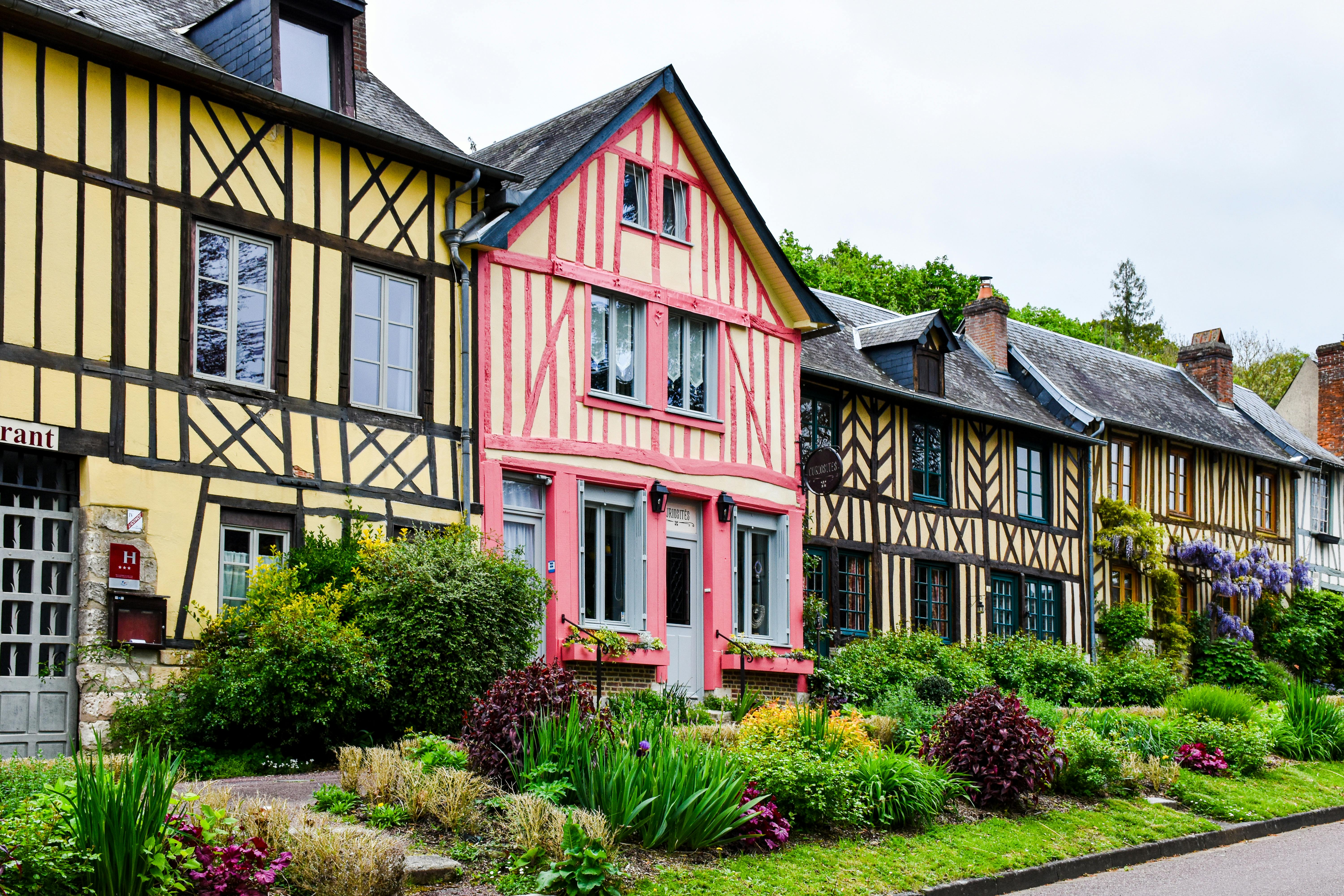
Tudor Period Houses originated in England between the late 15th and early 17th centuries, marking a shift from medieval Gothic structures to more personal, home-oriented spaces. A few things shaped this architectural transition:
Key aspects of the Tudor period that shaped this architectural style:
- The End of the Feudal System: As more people moved to towns and became tradespeople, homes got smaller and more personal. You’ll notice Tudor homes are cozy, with lots of little nooks and crannies.
- The Rise of Brick and Stone: Earlier homes were mostly wood, but during the Tudor period, brick and stone became more accessible, adding durability to Tudor homes.
- Improved Glass-Making Techniques: The period saw advancements in glass-making, which is why you see those classic leaded windows and mullions in Tudor homes. Before that, glass was a luxury!

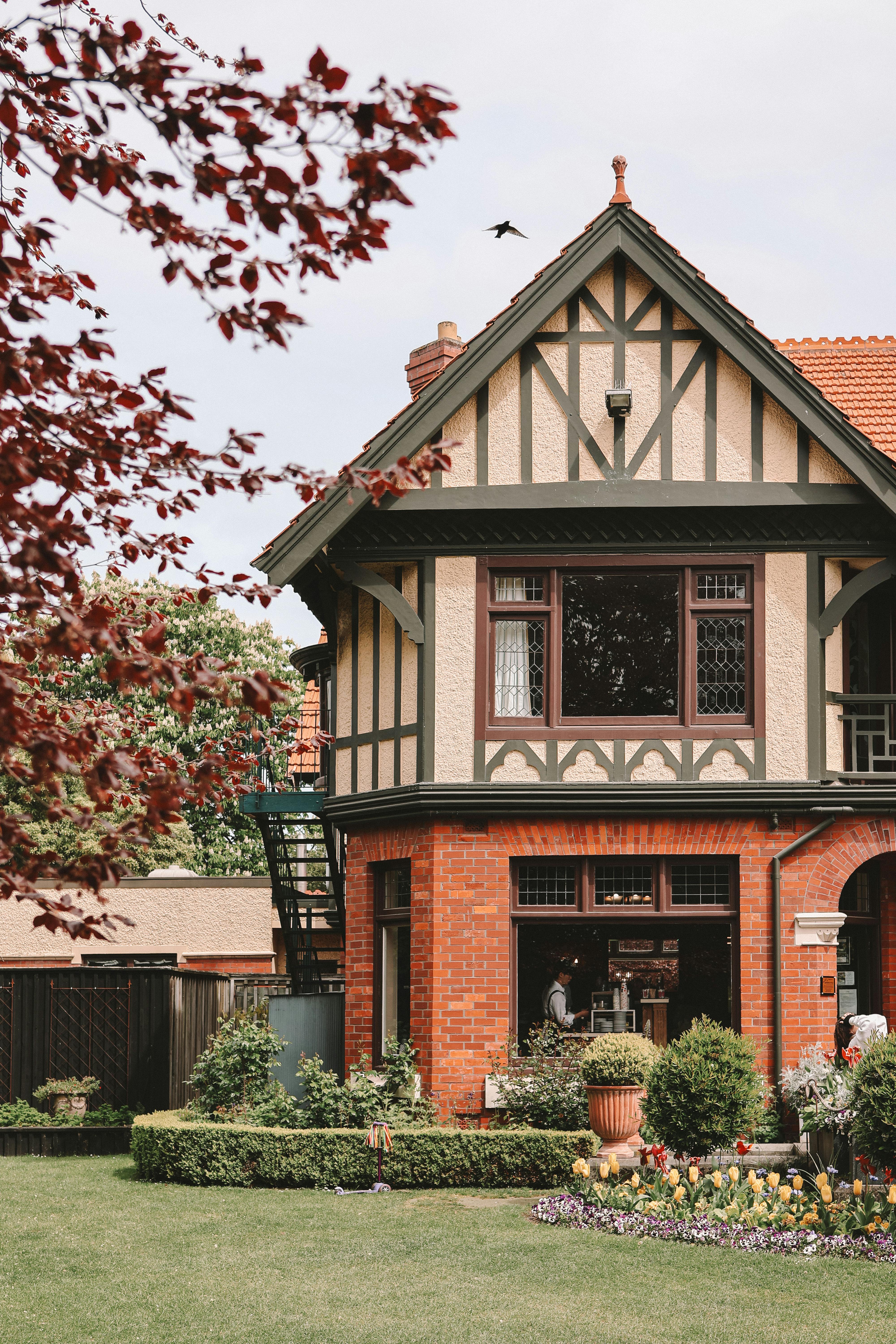
A classic Tudor-style home featuring steep gables and decorative half-timbering. The house is now undergoing renovations.
Fun Fact: The Black and White Look
The iconic “black and white” Tudor Exterior? It was an unintended effect of aging plaster. These homes originally had timber frames, and over time, the plaster darkened. Nowadays, we recreate that look intentionally for an authentic feel in both Mock Tudor Homes and Tudor Revival Houses.
Timeline of Tudor Architecture Style
Tudor architecture is a fascinating blend of medieval craftsmanship and early Renaissance innovation. Here's a concise timeline highlighting its key developments and features:
1485 - The Birth of Tudor Architecture

Anne Hathaway's Cottage, a historic Tudor-style farmhouse in Shottery, Warwickshire, features timber framing, multiple chimneys, and extensive gardens.
- Notable Element: Timber framing becomes a defining feature. Blackened timber beams are paired with whitewashed wattle and daub walls.
- Interesting Fact: Early Tudor homes often included large, open hearths for cooking and heating, reflecting medieval traditions.
1500s - Expanding Influences
- Key Feature: Tall, narrow windows with leaded glass panes start to appear, providing more natural light while maintaining a rustic aesthetic.
- What to Note: Homes began incorporating chimneys as a prominent architectural element, signaling advancements in heating technology.
Mid-1500s - Introduction of Half-Timbering

- Notable Element: Half-timbering reaches its peak. The wood frame is exposed on the exterior, filled with plaster or brick for insulation and style.
- Interesting Insight: This method was not only decorative but also practical, as timber was a widely available material in England.
1570s - Rise of Decorative Elements
- Key Feature: Ornate gables and decorative overhangs become popular, especially in wealthy households.
- What to Note: Carved wood details, such as finials and pendants, showcase the growing emphasis on craftsmanship and status.
1600s - Transition to Jacobean Architecture

Glanville Hall, a Tudor Gothic mansion in Semaphore, built for John Hart in 1856. The property features a castellated tower and ballroom, added in 1865.
- Notable Element: Tudor homes evolve to include larger windows, reflecting Renaissance influences.
- Interesting Fact: Brickwork becomes more prevalent, replacing timber in many cases, as brick was considered more durable and fire-resistant.
Modern Revival - 19th to Early 20th Century

Tudor Revival style house located in the Ocala Historic District, showcasing classic architectural details.
- Key Feature: Tudor Revival architecture reimagines traditional elements for suburban homes in Britain and America.
- What to Note: These homes often feature steep-pitched roofs, decorative half-timbering, and large, multi-paned windows, blending nostalgia with modern functionality.
Takeaway: The Tudor architectural style has left an enduring legacy, evolving from medieval practicality to a symbol of charm and sophistication. Each phase of its timeline introduces elements that continue to inspire design today, making it a timeless choice for both traditional and modern homes.
Defining Characteristics of Tudor Homes

A Tudor-style living room showcasing a stone fireplace, wooden beams, leaded windows, vintage furniture, and luxurious decor in a cozy, elegant setting.
From Steep Gabled Roofs to Ornate Doorways, Tudor homes have specific architectural elements that make them instantly recognizable. Here’s a breakdown:
Exposed Timber Framing

Tudor-style room featuring exposed timber beams, distressed for an authentic look, leaded windows, and a blend of rustic charm and modern renovation.
One of the standout Characteristics of Tudor Architecture is exposed timber framing, which gives Tudor Houses their signature rustic warmth.
- Structural and Visual Impact: Traditional Tudor Type Houses use timber as both a structural and decorative element. Adding faux timber beams in a renovation or Modern Tudor House build can give you the look without the structural commitment.
- Distressing Tip: To give beams an authentic look, try distressing them with sandpaper or a wire brush and add a weathered stain.
Steep Gabled Roofs and Tall Chimneys

Tudor-style house exterior with steeply pitched gabled roofs and intricate patterned brick chimneys, blending traditional charm with modern design.
The Tudor Building Style is well-known for its Steeply Pitched Roofs, designed for practical rain and snow shedding. And don’t forget the chimneys! These aren’t just functional but also a piece of artistry.
- Modern Interpretation: Even in Contemporary Tudor Homes, a decorative gable or faux chimney can add to the Tudor aesthetic without structural changes.
- Chimney Style Points: Go for patterned brickwork if you want to make your Tudor House Exterior stand out.
Leaded Windows and Stone Mullions

Tudor-style house exterior featuring diamond-patterned leaded windows in stone mullions, blending Gothic charm with contemporary energy-efficient design.
The small-paned, diamond-patterned Tudor House Window is an instantly recognizable element.
- Creating the Look on a Budget: If replacing windows is out of budget, adhesive lead tape on existing glass is a great way to mimic Tudor Gothic Style windows.
- Double-Glazing: In new English Tudor Homes, opting for double-glazed leaded glass offers both energy efficiency and historical style.
Ornate Doorways and Arched Entries

Tudor-style house exterior featuring an ornate arched doorway with heavy iron hardware, a deep green door, and textured stone details for a medieval charm.
A true Tudor Style House Exterior wouldn’t be complete without a grand doorway, often arched and featuring heavy iron hardware.
- Make It Pop: Even a small arch above a door can lend a Neo Tudor Style charm. Black iron knockers and handles complete the look.
- Color Choice: Deep greens and browns pair well with the rustic Tudor Style Home Exterior, adding to the medieval allure without clashing.
Practical Tips for Designing a Tudor-Style Home

A Tudor-style bedroom showcasing a canopy bed, intricate wooden beams, leaded windows, vintage furniture, and a cozy stone fireplace in warm, natural lighting.
Thinking of building or remodeling in a Tudor Revival Style? Here’s how to achieve that classic look while keeping it functional.
Want to capture that Tudor look but not sure where to start?
Here are some practical tips to make it happen without going full-on medieval.
Exterior Design Choices

The Nathan Moore House, designed by Frank Lloyd Wright in 1895, combines Tudor Revival style with Prairie School elements added after a 1920s renovation.
- Half-Timbering: Add faux wood strips over plaster or stucco for that iconic black-and-white look.
- Brick and Stone Mix: Use a combination of stone on the lower level and brick on the upper to create depth and visual interest.
- Roof Pitch: If you’re building from scratch, go for a steep roof pitch with gables. Even adding small decorative gables can bring out that Tudor vibe.
Interior Decor Elements
- Exposed Beams Inside: For an easy Tudor touch, add exposed beams in the living room or even the kitchen.
- Large Stone Fireplaces: Nothing says cozy Tudor like a big stone fireplace. Even if it’s just a decorative element, it will add a lot of charm.
- Furniture Choices: Opt for dark, solid wood pieces with sturdy construction. Avoid anything too modern or sleek.
Blending Modern Amenities with Tudor Charm
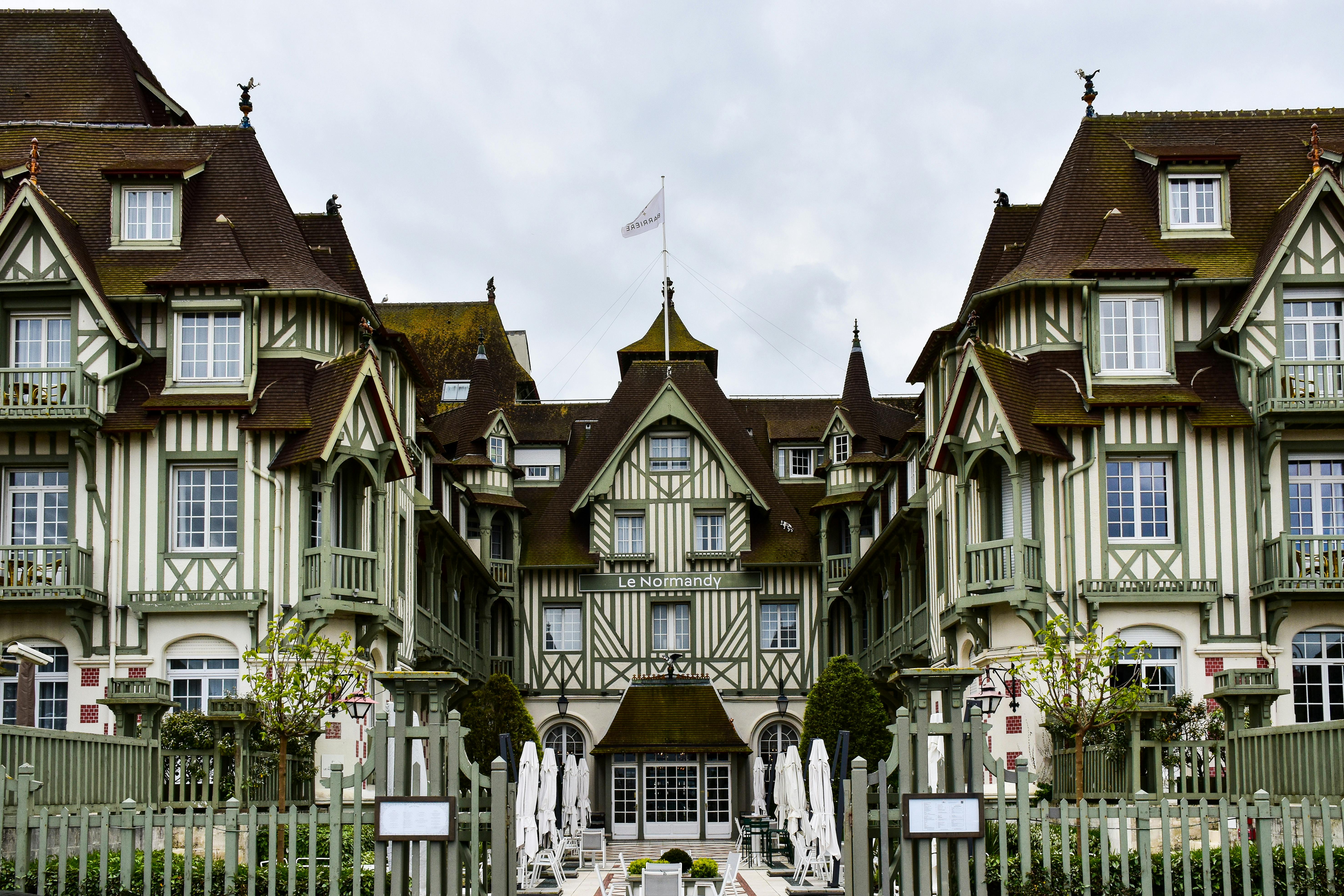
- Open Floor Plans: Original Tudors were full of small, closed rooms. If you want an open layout, consider adding large wooden posts to break up the space visually.
- Modern Lighting: Wrought iron or brass fixtures work best. Avoid anything overly glossy or minimalistic.
- Insulation and Windows: Modern double-glazing and insulation can help make a Tudor home more energy-efficient without losing the look.
Tudor-Style Home Design Made Easy: Expert Tips
Designing a Tudor-style home is about getting the details right. Each room should reflect the charm and practicality of this timeless design while being functional for modern living. Let’s break it down room by room, with practical tips, key elements to focus on, and small touches that make a big difference.
Living Room

Tudor-style living room featuring exposed wooden beams, a stone fireplace, diamond-patterned leaded windows, and rich velvet-upholstered furniture for old-world charm.
- Exposed Wooden Beams: Add dark, exposed wooden beams to the ceiling. They’re a hallmark of Tudor design and instantly create a sense of old-world character. Focus on darker stains to match the traditional look, but don’t let them overwhelm—pair them with light walls to balance the space.
- Stone Fireplace: A large stone fireplace should be the focal point. If a real stone setup isn’t an option, go for a high-quality faux stone to get the same effect. This is where you’ll spend cozy evenings, so make it inviting with warm lighting and comfy furniture arranged around it.
- Leaded Glass Windows: Replace plain windows with leaded or diamond-patterned ones. These instantly set the Tudor tone and let in beautiful, soft light. If replacing windows isn’t feasible, stained-glass accents can offer a similar vibe.
- Furniture and Decor: Go for sturdy, wooden furniture with carved details. Upholster chairs and sofas in deep, earthy tones or rich fabrics like velvet. Small details, like brass candleholders or antique-inspired lighting, can tie the room together.
Bedroom

Tudor-style bathroom featuring a clawfoot tub, vintage brass fixtures, checkerboard flooring, and wooden accents for a warm, rustic charm.
- Canopy Bed or Four-Poster Bed: Choose a bed with an ornate frame—preferably dark wood—to bring the grandeur of Tudor style to life. A fabric canopy or simple drapes can add coziness without much effort.
- Layered Textiles: Use heavy drapes or curtains in muted greens, deep reds, or golds. Pair them with a patterned area rug to add texture and warmth. These touches are practical too, helping with insulation in colder months.
- Accent Walls: Add a feature wall with wood paneling or wallpaper in a Tudor-inspired pattern. It gives the room personality without needing a complete makeover.
- Lighting: Stick to warm, dimmable lighting with vintage-style fixtures. Wall sconces on either side of the bed can add a touch of medieval charm.
Bathroom

Tudor-style bathroom featuring a clawfoot tub, vintage brass fixtures, checkerboard flooring, and wooden accents for a warm, rustic charm.
- Freestanding Tub: A clawfoot tub or pedestal tub instantly gives a Tudor vibe. Place it as a centerpiece if space allows.
- Period Fixtures: Use brass or oil-rubbed bronze for faucets, towel racks, and handles. These small changes make a huge difference in nailing the look.
- Flooring: Opt for patterned tiles or black-and-white checkerboard flooring. They’re easy to maintain and capture a vintage feel.
- Storage Touches: Use a wooden vanity or add open wooden shelves for towels and essentials. A small stained-glass panel on a cabinet door adds instant Tudor charm.
Kitchen

Tudor-style kitchen featuring exposed beams, brick backsplash, dark wooden cabinets with wrought iron handles, and functional decor like copper pans.
- Exposed Beams and Rafters: If you’ve got the ceiling height, leave beams exposed. For lower ceilings, consider faux beams for a similar effect without compromising space.
- Farmhouse Sink: A large, apron-front sink combines utility with style. Pair it with a gooseneck faucet for added elegance.
- Brick or Stone Backsplash: Natural stone or brick backsplashes create texture and bring a rustic element into a functional space.
- Wooden Cabinets with Metal Handles: Choose dark-stained cabinets with wrought iron or antique brass handles. This combination is authentic to the Tudor look and incredibly durable.
- Small Touches: Add a hanging pot rack or display copper pans and cast iron cookware. These functional items double as decor and bring in warmth.
Dining Room

Tudor-style dining room featuring a trestle-base wooden table, high-backed carved chairs, wrought iron chandelier, and elegant, uncluttered decor.
- Massive Wooden Table: A heavy, rectangular table with a trestle base anchors the room. This is the spot for family dinners and gatherings, so make it inviting.
- High-Backed Chairs: Add high-backed chairs with upholstered cushions. Look for carved wood designs to keep the look authentic.
- Chandeliers: Install a wrought iron chandelier above the table. It doesn’t need to be overly elaborate, but it should complement the room’s size and feel.
- Decorative Accents: Use simple decor like ceramic bowls, candlesticks, or a runner in muted tones. Avoid clutter—the table should be the star.
Small Touches That Make a Big Difference
- Hardware: Swap out generic hardware for antique-style knobs and pulls. It’s an easy, affordable update that adds charm.
- Color Palette: Stick to warm, earthy tones—think creams, browns, and deep greens—to create a cohesive look.
- Art and Decor: Hang tapestries, vintage prints, or even family crests if you want a personalized touch.
- Flooring: Wood or stone floors are ideal, but if that’s not an option, consider adding area rugs with traditional patterns.
Designing a Tudor-style home doesn’t have to be overwhelming. Focus on the signature elements in each room, and let the details bring it all together. With these practical tips, you’ll create a space that’s both functional and full of character.
Dos and Don’ts of Tudor Design

Here’s a cheat sheet to make sure your Tudor-inspired home hits the right notes.
Dos
- Use Natural Materials: Go for wood, stone, and brick to stay true to Tudor aesthetics.
- Balance Asymmetry: Tudor homes are charmingly imperfect. Don’t try to make everything perfectly even.
- Choose Earthy Colors: Browns, greens, and creams work well. A pop of red or deep blue can also add character without clashing.
Don’ts
- Avoid Uniformity: Tudor homes should look handmade. Skip perfectly matching beams and symmetrical layouts.
- Don’t Over-Modernize: Keep a bit of rustic charm. Stainless steel or high gloss finishes will feel out of place.
- Stay Away from Bright Colors: Bright reds or yellows are too harsh for a Tudor look. Stick to muted shades.
Common Mistakes in Tudor Architecture Design and How to Fix Them
Tudor Architecture: Design Errors to Watch Out For
How to Steer Clear of Mistakes in Tudor Architecture Design
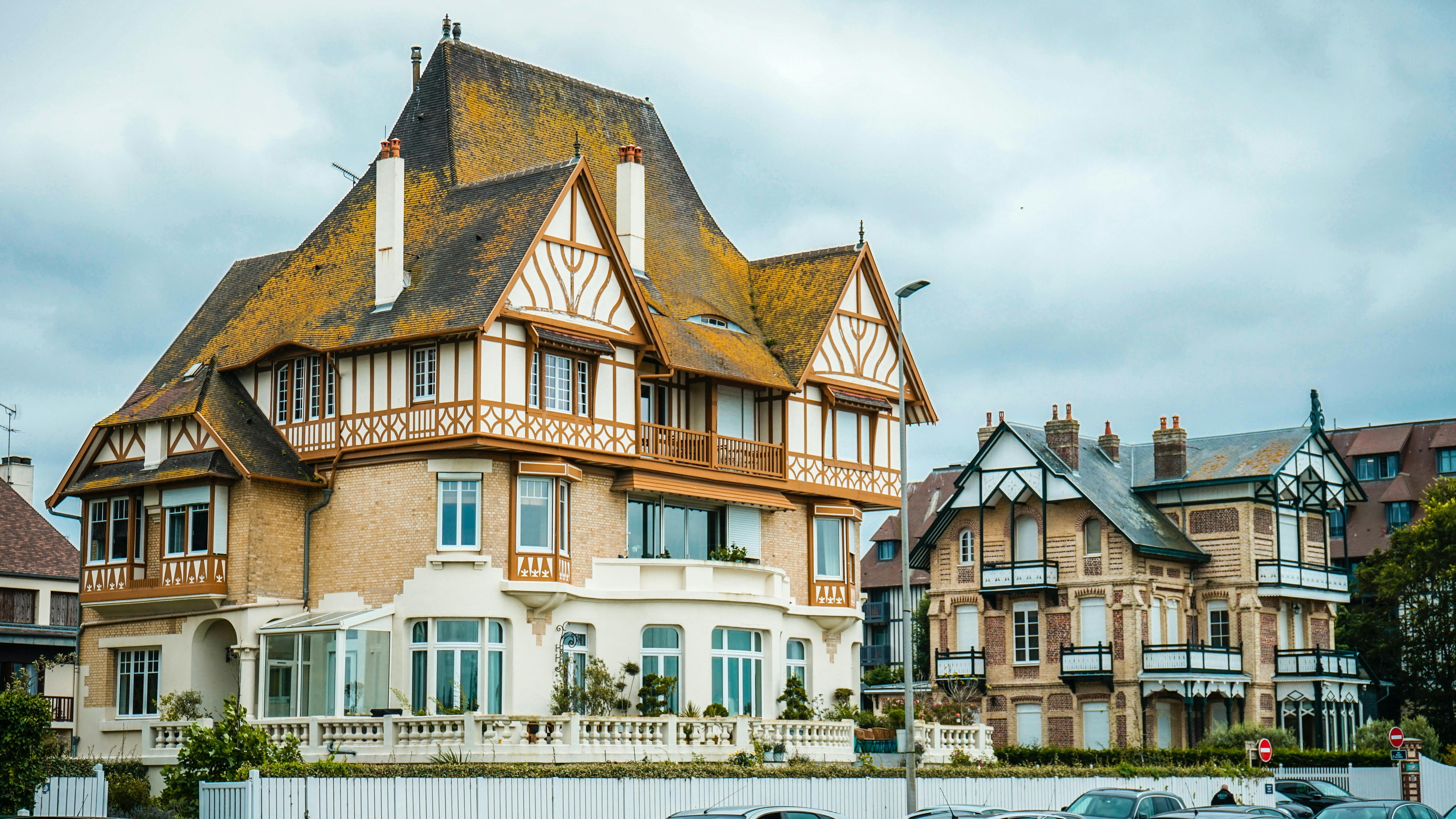
Even the best-laid plans can go awry, so here are a few common Tudor design mistakes to watch out for.
- Overusing Dark Wood: While dark wood is key to Tudor style, too much can make a space feel heavy. Balance with lighter walls or ceiling.
- Too Many Medieval Touches: Adding iron chandeliers and tapestries everywhere can make your home look like a set piece from a medieval fair. Stick to a few tasteful touches.
- Ignoring Scale: Tudor homes are often grand and spacious. Avoid tiny furniture or overly minimalist decor; instead, choose pieces with some substance.
Details:
Avoiding Common Pitfalls in Tudor Architecture Design
Designing a Tudor-inspired home can be incredibly rewarding, but there are a few easy mistakes that can make a space feel either too dark, overly themed, or just plain off. Here are some common pitfalls I’ve seen—and sometimes learned the hard way—along with tips on how to avoid them.
Tudor Architecture Gone Wrong: Common Pitfalls and Solutions
Overusing Dark Wood: Striking the Right Balance
Dark wood is a classic Tudor element, but it’s easy to go overboard. While exposed beams, paneling, and dark-stained furniture add authenticity, too much dark wood can make a space feel heavy, dated, or even claustrophobic.
- How to Avoid It: Balance dark wood with lighter walls, ceilings, and accents to keep the space from feeling oppressive. I once worked on a Tudor-inspired dining room with dark wood beams and paneling. To lighten it up, we used cream-colored walls and warm, natural light. It kept the space rich in character but also bright and inviting.
- Pro Tip: If you’re adding wood paneling, consider using it on only one or two accent walls rather than covering the entire room. Another option is to stain wood beams a shade lighter than you might originally consider, which keeps them from feeling too overpowering.
Too Many Medieval Touches: Keeping It Tasteful, Not Theatrical
The Tudor style brings to mind medieval elements—iron chandeliers, tapestries, and heavily carved furniture—but going all out with these details can make your home look like a medieval theme park. I once had a client who wanted iron wall sconces in every room. While it sounded dramatic, it ended up making the space feel cluttered and a bit “staged.”
- How to Avoid It: Select a few key medieval touches rather than filling every space with iron, tapestries, or carved wood. Choose iron fixtures and lighting in prominent areas, like the entryway or main living room, but keep bedrooms and secondary spaces simpler.
- Pro Tip: If you want that medieval charm without overdoing it, mix Tudor elements with modern or neutral pieces. A carved wood dining table with contemporary chairs, for instance, can keep the look balanced and avoid turning the space into a set piece.
Ignoring Scale: Choosing Pieces That Match Tudor Proportions
Tudor homes are often defined by grand proportions, with high ceilings, large rooms, and substantial furniture. Placing tiny furniture or minimalist decor in a Tudor setting can make the space feel incomplete or oddly mismatched. I once saw a client’s Tudor-style living room where they’d placed delicate, low-profile furniture. It ended up looking like dollhouse furniture lost in a grand space.
- How to Avoid It: Choose pieces that have some weight and presence to them. Tall bookshelves, large dining tables, and substantial sofas all help fill a Tudor-style room appropriately.
- Pro Tip: If you’re working in a smaller space but still want that Tudor vibe, go for one or two bold, substantial pieces (like a tall armoire or large fireplace mantel) rather than trying to fill the room with small furniture.
Neglecting the Importance of Light: Finding the Right Brightness
Tudor homes can feel dark if the lighting isn’t carefully planned. While medieval lighting was limited, you don’t have to replicate that gloominess. Many homes that go heavy on dark wood and dark furnishings end up feeling closed off and cave-like.
- How to Avoid It: Use a mix of natural and artificial light. Large windows, if possible, are ideal for letting in natural light. Add sconces, table lamps, and chandeliers strategically, and choose warm, soft bulbs to maintain coziness without dimness.
- Pro Tip: Installing mirrors strategically can also help reflect light, especially in small rooms or areas with limited windows. This not only brightens up the space but adds a sense of depth, keeping it from feeling cramped.
Forgetting Functional Layouts: Keeping Tudor Style Practical
Traditional Tudor layouts were often compartmentalized and closed off. While that style can bring intimacy, it can also feel restrictive in a modern home if not handled thoughtfully.
- How to Avoid It: When creating a Tudor-inspired space, incorporate open sight lines and functional layouts. You can create separation with archways or partial walls to suggest distinct areas without boxing off every room.
- Pro Tip: If you’re set on a closed-off layout, consider widening doorways or adding larger passageways between rooms to encourage better flow. I’ve found that adding just a few inches to a doorway can make a dramatic difference in how open and connected a Tudor home feels.
With a few of these tips in your toolkit, you’ll be able to create a Tudor-inspired space that feels true to its roots without going overboard.
A few thoughtful choices here and there will let you enjoy the elegance of the style without turning your home into a medieval set piece.
How to Install Tudor-Inspired Details on a Budget
Creating a Tudor Look for Your Home on a Tight Budget
Affordable Ways to Add Tudor-Inspired Elements to Your Home
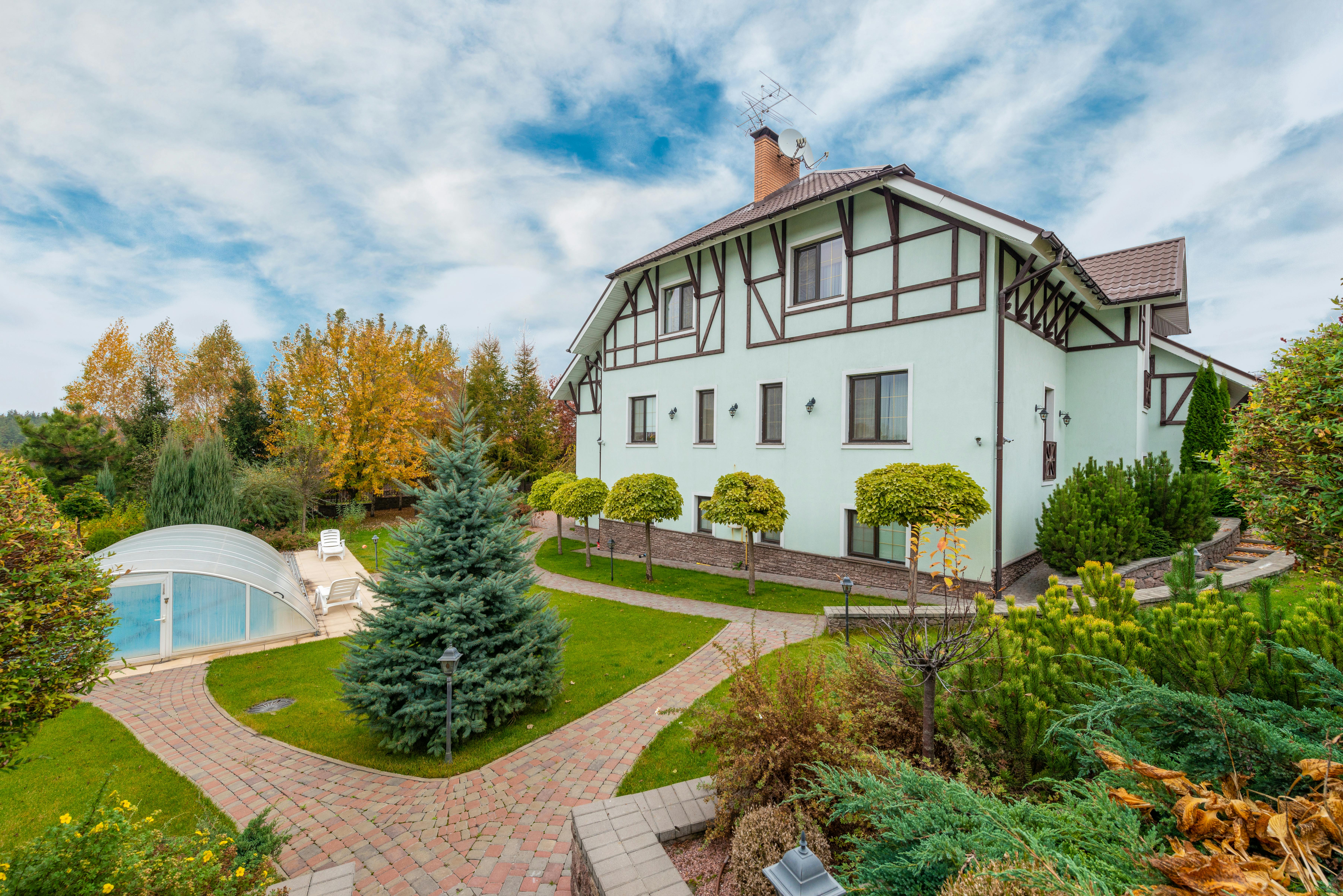
Achieving a Tudor look doesn’t have to be expensive. Here are a few budget-friendly ways to get there.
- Faux Timber Beams: You can buy foam or composite beams that look just like the real thing but are much cheaper and lighter.
- Stone Veneer: Real stone can be pricey, so consider stone veneer for walls, fireplaces, or even exterior facades.
- DIY Leaded Windows: Use adhesive lead tape to mimic the diamond-pane windows without replacing your current glass.
Details:
Designing Tudor-Style Features Without Breaking the Bank
You don’t need to have a royal budget to add Tudor character to your home! Many Tudor features can be achieved with some smart substitutions and a little creativity. Over the years, I’ve seen and worked on plenty of budget-friendly ways to create the Tudor style without having to go all-in on costly materials.
Budget-Friendly Tips for Tudor-Style Home Design
Faux Timber Beams: Big Style Without the Hefty Cost
One of the hallmarks of Tudor architecture is the use of dark, exposed timber beams. Real timber, especially reclaimed wood, can be expensive and difficult to install. Fortunately, faux timber beams made from foam or composite materials are incredibly realistic these days and much more affordable.
- Why They Work: Faux beams are not only cheaper but also lightweight and easy to install. They’re a fantastic option if you want that rustic look without needing structural modifications.
- Pro Tip: When I first used faux beams in a Tudor remodel, I applied a light stain and used a rough sandpaper finish to make them look aged and more authentic. Adding a few dents or even lightly tapping them with a hammer can make them look even more like reclaimed timber.
- DIY Installation: Faux beams are often hollow and can be installed with screws or brackets, making them perfect for a weekend project. Just make sure to line them up with existing architectural lines in the room for a seamless, authentic look.
Stone Veneer: Affordable Elegance for Walls and Fireplaces
Real stone can be pricey, especially if you’re covering a large surface area, but stone veneer is a cost-effective alternative that looks remarkably close to the real thing. Veneers are thin slices of stone or composite material that can be applied to walls, fireplaces, and even exterior facades.
- Why It’s a Great Substitute: Stone veneer is lightweight, easier to install, and significantly less expensive than full stone masonry. I once used stone veneer on a client’s fireplace and along the base of the exterior walls, and it brought incredible depth to the home’s look without blowing the budget.
- Where to Use It: Consider adding stone veneer around fireplaces, in entryways, or along the exterior lower walls. These touches go a long way in bringing Tudor style to life.
- Installation Tip: When applying stone veneer, mix pieces from different boxes to get a more varied, natural look. I learned this trick after my first project looked a little too uniform—now I always mix pieces to avoid any “repeat pattern” effect.
DIY Leaded Windows: Diamond-Pane Magic for Less
Traditional Tudor windows often feature diamond-pane leaded glass, which can be pricey to replicate. A great budget-friendly trick is to use adhesive lead tape on existing windows to create that iconic diamond pattern without replacing the glass.
- Why It Works: Lead tape adheres directly to glass and can be arranged in any grid pattern you like. It’s a straightforward and effective way to add that medieval charm to modern windows.
- How to Do It: Measure and mark out your grid pattern with a ruler and pencil before applying the tape. This is a project where precision matters—taking your time here will pay off with a crisp, professional look.
- Extra Touch: For an added level of authenticity, consider a tinted window film under the lead tape to give the glass a slightly aged look. I tried this on a client’s Tudor-inspired home, and they loved the character it brought to the windows, giving a softer, more traditional look.
Additional Budget-Friendly Tips for Tudor Style
Beyond beams, stone, and windows, there are a few other small touches that can bring Tudor style to life without costing a fortune:
- Decorative Door Hardware: Adding wrought iron door handles, hinges, and knockers can make a basic door look like it belongs in a Tudor castle. Many of these items can be found affordably online or at salvage stores.
- Textured Plaster Walls: For that authentic Tudor feel, consider using textured wall paint or plaster to create a slightly uneven, rustic look. It’s an easy way to replicate the plaster finishes in traditional Tudor homes.
- Painted Half-Timbering on Exterior Walls: For those who want the Tudor half-timbered look on the exterior, painting faux timber patterns over light-colored stucco can be a simple solution. With a steady hand, you can create the Tudor effect without actual timber beams.
Mixing these budget-friendly touches together can give your space the authentic Tudor charm you’re after—without breaking the bank. Whether you’re upgrading a single room or transforming the whole exterior, these details add that touch of history that makes a home feel warm and full of character.
Cost-Saving Tips for Tudor Home Design
Here are some ways to save on costs while still creating a beautiful Tudor-inspired home.
- DIY vs. Professional Work: Simple elements like faux beams and leaded windows can be done yourself. For more complex work like masonry, hire a pro.
- Use Salvaged Materials: Salvage yards can be a goldmine for Tudor-style doors, windows, and even wooden beams.
- Choose Faux Options: For things like stonework and beams, faux materials can give the look without the cost.
Details: Cost-Saving Tips
Designing a Tudor-style home doesn’t mean breaking the bank. There are plenty of ways to achieve the look with clever, cost-effective choices. Here are some tried-and-true strategies I’ve seen work over the years, along with a few lessons learned from my own projects and clients.
DIY vs. Professional Work: Knowing When to Roll Up Your Sleeves
For some elements of Tudor design, DIY can save you a significant amount, especially for simpler tasks. But with certain features, hiring a pro can save time, prevent mistakes, and often look much better in the end.
- What Works for DIY:
- Faux Beams: Installing faux beams is a great DIY project. Faux beams are lightweight, can be cut to size easily, and come in realistic textures and finishes. I’ve seen homeowners make a huge difference in the look of a room by adding these beams themselves.
- Leaded Windows: Adding lead tape to existing windows to create that classic diamond-pane effect is an affordable project that anyone can try. You’ll just need a ruler, some patience, and a steady hand. I recommend practicing on a smaller window before tackling larger ones to get the hang of it.
- When to Call in the Pros:
- Stone Masonry: True stone masonry can be tricky, requiring both skill and precision. Attempting a stone fireplace or facade on your own can lead to uneven results, and it’s tough to get that authentic look without experience. In one project, I saw a client attempt DIY stonework around their fireplace, only to call in a mason later to fix it. In the end, it cost more than if they’d hired someone from the start.
- Structural Beams and Heavy Carpentry: If you’re working on an older home with load-bearing timber, structural work is best left to professionals. Mistakes in this area can be costly and even dangerous.
- DIY Tip: For decorative touches, don’t be afraid to DIY. For structural work or projects that involve heavy lifting and intricate skills, bringing in a pro will save you headaches—and likely, extra expenses—in the long run.
Use Salvaged Materials: Affordable Character with Built-In History
Salvage yards are one of my favorite resources for Tudor-inspired projects. You can find reclaimed materials that not only match the style but also add authenticity and charm. Plus, they’re generally more affordable than buying new.
- What to Look For:
- Doors and Windows: Tudor-style doors and windows are a gem if you can find them at a salvage yard. Heavy wooden doors with iron hinges or leaded windows can add instant Tudor character to your home.
- Wood Beams: Reclaimed wood beams, especially old oak, bring authenticity and warmth to a Tudor-style home. Salvage yards often carry beams from old barns and historic homes, so you’re getting a piece of history with each one.
- Iron Hardware: Look for wrought iron door handles, hinges, and even light fixtures. They’re often far cheaper than buying replicas and carry the natural wear and patina that can’t be easily replicated.
- Why Salvage Works for Tudor Style: The Tudor look is inherently rustic and storied, so items with some wear and patina often look better than brand-new pieces. I’ve seen clients incorporate old iron chandeliers and rough-hewn beams into their homes with fantastic results.
- Salvage Tip: Visit a few salvage yards to get a feel for what’s available, and be open to adapting items. I’ve found leaded windows that were too large for the original intended space, but with a little cutting and reframing, they fit perfectly and saved a bundle.
Choose Faux Options: Realistic Looks Without the Cost
When it comes to stonework, beams, and other heavy features, going with faux materials can often give you the look without the price tag (or the weight). These materials have come a long way in realism and can work beautifully in the right setting.
- Faux Stone Veneer: For exterior walls, fireplaces, or even accent walls inside, stone veneer is a practical choice. It’s significantly lighter than real stone, so it’s easier to install, and it doesn’t require structural reinforcement.
- When It Works Best: Stone veneer looks great on lower sections of exterior walls, around fireplaces, and as accent walls. In one project, we used a stone veneer around the base of a Tudor-inspired home’s exterior, and it blended seamlessly with the real brick accents.
- Installation Tip: When installing stone veneer, make sure to vary the pieces for a more natural look. Mixing pieces from different boxes and rotating the stones can help avoid a “repeating pattern” look, making it look closer to real stone.
- Faux Timber Beams: Faux beams are often made of lightweight materials like foam or composite, but they can be stained and textured to look like real wood.
- Where to Use: Ceilings are the best place for faux beams since you get the visual impact without the weight or cost. In several projects, I’ve installed faux beams in kitchens, living rooms, and even bedrooms. A few clients didn’t even realize they weren’t real wood!
- DIY Tips: Faux beams are often hollow, so they’re easy to install with just a few screws or brackets. For an added touch, sand the edges lightly and apply a wood stain to give them an aged, authentic look.
- Why Faux Works for Tudor: Faux materials are practical for homeowners looking to achieve a Tudor look without investing in heavy (and costly) materials. They work especially well in homes where real timber and stone would be too weighty or expensive.
Other Budget-Friendly Tudor Tips
Sometimes, it’s the little things that can pull a room together without a huge cost. Here are a few extra touches that I’ve found make a big impact in Tudor-inspired designs.
- Decorative Hardware: Swapping out standard doorknobs and cabinet pulls with wrought iron or dark metal options instantly gives a Tudor feel. You can find these for great prices at flea markets, salvage yards, or even online.
- Textured Wall Finishes: Adding a light plaster or textured paint can bring in the imperfect, rustic look of Tudor walls. I’ve had clients use plaster to add subtle texture to walls, giving that old-world charm without the need for expensive wood paneling.
- Accent Lighting: Adding wrought iron sconces or medieval-inspired chandeliers can be surprisingly affordable. I’ve used iron fixtures in entryways and dining rooms to add warmth and character to the space.
Wrapping It Up: Finding the Tudor Look That Works for Your Budget
Creating a Tudor-inspired home doesn’t mean you need to go all out on heavy wood, stone, or iron. Sometimes, it’s about making smart choices—knowing when to DIY, when to buy salvaged pieces, and when to go with faux materials. Whether you’re updating one room or reimagining the entire exterior, these cost-saving tips can bring classic Tudor charm into your space while keeping your budget intact. Sometimes, the best results come from knowing where to spend and where to save, and that’s where Tudor style can really come to life without overspending.
Pro Tips for Preserving and Restoring Tudor Buildings
Over the years, I’ve worked on a few restoration projects and learned that preserving a Tudor building is both an art and a science. Here are a few tips to keep these architectural treasures in top shape:
- Document and Preserve Original Features
Always document existing features like timber framing, leaded windows, and decorative brickwork. These original elements are what make the building truly unique. For one project, we photographed every inch of a 16th-century Tudor home before starting the restoration. This made it easy to recreate damaged sections accurately and maintain the historical integrity of the building. - Use Traditional Materials and Techniques
When possible, match original construction methods and materials. For instance, timber-framed structures benefit from hand-hewn beams rather than machine-cut lumber. In one restoration, we sourced reclaimed oak beams, which aged beautifully over time and matched the original structure perfectly. - Seek Expert Guidance
Working with a Tudor building requires a specialized team. Conservation experts, architects, and historians bring invaluable knowledge to the project, ensuring work is done responsibly. In a recent project, a conservation expert helped us restore an ancient leaded window without compromising its structural integrity—worth every penny for a job well done. - Regular Maintenance
Preventative care is critical. Regularly inspect roofs, windows, and timber elements to catch minor issues before they become big problems. A good schedule includes checking for water damage, inspecting window lead, and reinforcing timber framing as needed. Trust me, it saves a lot of headaches down the road.
The Tudor “Curse” of Low Ceilings
A Tudor Cottage wouldn’t be complete without a few head-bumping doorways. Low ceilings are part of the charm, especially if you’re over six feet tall! It’s a good reminder that English Tudor Interiors were built for shorter folks, so be prepared to duck occasionally.
Bonus Sections
Key Characteristics of Elizabethan Architecture
Following the Tudor period, Elizabethan architecture emerged with a style all its own. Here’s what sets it apart:
- Symmetrical Facades: The Elizabethans loved balance. Unlike the more irregular Tudor style, Elizabethan homes embraced symmetry and orderly frontages, symbolizing the era’s love for harmony and structure.
- Mullioned Windows: These signature windows, divided by stone or wood mullions, allowed more light to pour into homes, an architectural nod to the era’s interest in art and interiors.
- Ornate Detailing: Elizabethan buildings are known for their elaborate gables, parapets, and intricate plasterwork. Many of these decorations were inspired by the Renaissance, which had just started making waves across Europe.
Iconic Examples:
- Hatfield House (Hertfordshire): Built in 1611, Hatfield House stands as a prime example of the Elizabethan style, transitioning from Tudor sturdiness to Elizabethan refinement. Its expansive use of glass and high ceilings reflect the luxurious, detailed craftsmanship of the period.
- Burghley House (Lincolnshire): Built by William Cecil, an advisor to Queen Elizabeth, Burghley House combines grand symmetry, extensive art collections, and beautifully landscaped gardens, offering a complete Elizabethan experience.
The Tudor Revival in America
The Tudor Revival style became popular in the United States in the early 20th century, bringing English charm to American neighborhoods. Here’s what defines American Tudor Revival homes:
- Steeply Pitched Gable Roofs: These dramatic rooflines add height and character to the facade.
- Decorative Half-Timbering: Exposed wood frameworks filled with stucco or masonry echo the original Tudor look.
- Tall, Narrow Windows: Often grouped and featuring small panes, these windows maintain that cozy, old-world feel.
- Massive Chimneys with Decorative Pots: These grand chimneys are both functional and a nod to the significance of hearths in traditional English homes.
Prominent examples of Tudor Revival homes can be found in early 20th-century neighborhoods across the U.S., particularly in states like California, Illinois, and Pennsylvania. These homes retain the romance and charm of English Tudor style while adapting it to American tastes and climates.
Fun Fact: The Name "Tudor" Isn’t Just Architectural!
Did you know that "Tudor" originally referred to the Tudor dynasty, rather than the architectural style itself? This royal family ruled England from 1485 to 1603, shaping both the country’s politics and architectural preferences. Over time, the architectural elements of the period became so iconic that “Tudor” morphed into a shorthand for this beloved style.
Real-Life Examples of Tudor Architecture
Hampton Court Palace (London, England)
If there’s one place that embodies the essence of Tudor architecture, it’s Hampton Court Palace. Originally built in the early 1500s for Cardinal Wolsey and later acquired by King Henry VIII, this palace showcases classic Tudor features on a grand scale.
You’ll find ornate brick facades, grand turrets, and stunning gardens—all meticulously designed to reflect the power and opulence of Tudor royalty. Walking through its halls, you get an immediate sense of the sheer scale and artistry that defined the period. It’s like stepping straight into Tudor England.
Shakespeare's Birthplace (Stratford-upon-Avon, England)
This quaint yet historically rich Tudor home in Stratford-upon-Avon is where the legendary playwright William Shakespeare was born and raised.
The timber-framed structure and leaded glass windows are so perfectly preserved that it feels like Shakespeare himself might still be wandering through the rooms.
The restoration here is top-notch, giving us a rare glimpse into the daily life of the Elizabethan era. It’s an absolute must-see for history buffs and architecture lovers alike.
Anne Hathaway's Cottage (Stratford-upon-Avon, England)
Just outside Stratford, you’ll find this picture-perfect Tudor cottage, believed to be the childhood home of Anne Hathaway, Shakespeare’s wife. With its timber-framed construction, thatched roof, and delightful gardens, this cottage offers a beautiful peek into rural Tudor life.
Every corner of this home—from the cozy kitchen to the snug bedrooms—has been preserved with care, maintaining that authentic Tudor warmth and charm.
English Tudor Architecture Examples: Images of Tudor Style Houses
Tudor-style home interior: A modern example image of the interior of a Tudor-style home, blending classic elements like exposed wooden beams and arched doorways.

Tudor-style home exterior: A modern example image of the interior of a Tudor-style home, blending classic elements like exposed wooden beams, arched doorways, leaded glass windows, and an ornate fireplace.

An image about the Characteristics of Tudor Architecture: A detailed close-up of a Tudor-style building, emphasizing all its distinctive features. This includes the alternating bands of dark wood and white plaster, intricate timber framing patterns, and leaded glass windows, among other elements.

Another Example of Tudor Architecture Exterior: A quaint English village street lined with charming Tudor-style houses, capturing the classic features of Tudor architecture. The scene includes vibrant flowers and detailed architectural elements.
FAQs
What Materials Are Most Authentic for a Tudor Home?
Using authentic materials is key to capturing the timeless, rustic feel of a Tudor home. The following materials are most commonly associated with Tudor architecture:
- Wood: Exposed timber beams are a hallmark of Tudor homes, typically dark-stained or naturally weathered. Using reclaimed timber can add to the authenticity, as aged wood has a richer texture and character.
- Best Use: Structural beams, ceiling joists, wall paneling, and trim.
- Tip: Choose oak or walnut for wood that matches the traditional look and durability.
- Stone: Stone was often used for foundations, fireplaces, and exterior facades in traditional Tudor homes.
- Best Use: Fireplaces, exterior walls, and entryways.
- Modern Tip: Stone veneer is an affordable alternative that’s easier to work with than natural stone but still creates an authentic look.
- Brick: Brick is commonly used for both structural elements and decorative features in Tudor homes. English or antique-style brick, particularly in warm, earthy tones, best reflects the style.
- Best Use: Facades, chimneys, and interior feature walls.
- Design Note: Traditional brickwork patterns, like herringbone or basketweave, can add historical authenticity to your design.
- Salvaged Materials: Salvaged materials, such as vintage doors, reclaimed wood, or old brick, add genuine charm and character.
- Where to Find: Salvage yards, antique shops, and auctions are great sources for authentic materials.
- Tip: Salvaged iron hardware, like hinges and door knockers, can bring the Tudor aesthetic into even small details.
- Lead and Glass for Windows: Leaded glass windows with diamond or rectangular patterns are a Tudor staple. Lead tape on existing glass can create a similar effect on a budget.
- Best Use: Feature windows or small accent windows.
- Cost-Saving Tip: Use leaded-look adhesive film to replicate this feature without needing custom windows.
How Do I Combine Tudor Elements in a More Modern Home?
Combining Tudor elements with a modern aesthetic can create a unique and balanced design. Here’s how to add Tudor charm without overwhelming a contemporary space:
- Leaded Windows: Add leaded window film or adhesive lead strips to existing windows for a subtle Tudor touch that doesn’t feel too heavy.
- Tip: Stick to small feature windows or add a single leaded window in a prominent spot, like above a staircase or in a home office.
- Wood Beams: Install faux wood beams on ceilings or walls to add depth and warmth without the full rustic effect.
- Modern Twist: Space beams further apart for a more open, airy feel that suits a modern layout.
- Stone Accents: Use stone veneer or natural stone in moderation for fireplaces, accent walls, or entryways.
- Design Note: Pair stone accents with sleek furniture and modern light fixtures to keep the look balanced.
- Iron Hardware: Iron hinges, handles, and light fixtures can add character without being overwhelming. Look for pieces with clean lines rather than ornate designs for a more modern feel.
- Tip: Iron cabinet pulls and minimalist chandeliers can bring a Tudor touch to kitchens and living areas.
- Neutral Color Palette: Traditional Tudors are known for rich, earthy tones, but a lighter, more neutral palette can make the style feel fresher.
- Best Colors: Stick to creams, grays, and soft browns for walls, and add darker wood accents sparingly.
- Avoid Heavy Wood Furniture: Unless you want a more traditional look, opt for lighter or streamlined wood furniture. This lets the architectural features speak for themselves without competing for visual attention.
Can Tudor Elements Work in a Small Space?
Absolutely! In fact, Tudor details can add a cozy, intimate feel that works well in smaller spaces. Here’s how to incorporate Tudor elements effectively:
- Compact Beams: Use thin, faux wood beams on ceilings for a hint of Tudor style without overwhelming the room.
- Accent Walls: Stone veneer or brick accents work great on one wall rather than throughout the room.
- Leaded Glass Decor: Instead of installing leaded windows, use smaller decor items with leaded glass, like a mirror or a glass-front cabinet.
Are There Cost-Effective Ways to Get the Tudor Look?
Yes, here are a few budget-friendly tips for achieving Tudor charm:
- Faux Materials: Faux wood beams and stone veneer provide the look without the cost of real materials.
- DIY Leaded Windows: Add lead tape to windows or use lead-look adhesive film for an easy, inexpensive Tudor touch.
- Focus on Key Areas: Concentrate Tudor elements in a single room, like the living room or entryway, for maximum impact without overdoing it.
What Interior Features Define a Tudor Home?
The interior of a Tudor home is known for its cozy, inviting atmosphere, with specific design elements:
- Dark Wood Paneling: Wall paneling in rich, dark wood is a traditional feature. For a lighter look, consider using paneling on half-walls or as an accent.
- Large Stone Fireplaces: A stone fireplace serves as the focal point in Tudor interiors. For a modern take, add a stone veneer around an existing fireplace.
- Heavy Drapes and Textiles: Tudor interiors often feature heavy drapes and rich, textured textiles like wool or velvet.
- Iron and Wrought Iron: Wrought iron light fixtures, handles, and hardware add medieval charm without feeling dated.
What Are the Key Exterior Features of Tudor Homes?
A Tudor home’s exterior is its defining feature, and several architectural elements create that iconic look:
- Steeply Pitched Gables: A hallmark of Tudor architecture, these gables add height and character.
- Tall, Ornamental Chimneys: These chimneys are not just functional but also decorative, often featuring intricate brick patterns.
- Half-Timbering: Exposed wood beams on white plaster, often just decorative in modern builds, make a Tudor instantly recognizable.
- Brick and Stone: Tudor homes typically feature a blend of brick and stone, with intricate masonry work to add texture and depth.
How Do Tudor Homes Handle Natural Light?
Tudor homes are known for smaller, leaded windows that let in less light than modern windows. However, there are ways to increase light without losing Tudor charm:
- Add Skylights: Placing skylights in less visible areas (like corridors or above stairwells) can bring in natural light without changing the exterior look.
- Install Larger Windows in Key Areas: In areas where more light is essential, like kitchens or living rooms, larger windows with subtle Tudor-inspired framing can keep the look consistent.
- Use Light Wall Colors: In darker rooms, cream or light gray walls can brighten the space while contrasting with darker wood accents.
Can I Make a Tudor Home Eco-Friendly?
Yes, with a few smart upgrades, you can increase the energy efficiency of a Tudor home:
- Energy-Efficient Windows: Double-glazed windows with leaded designs provide better insulation.
- Insulation in Walls and Ceilings: Improved insulation in a Tudor home’s walls, ceilings, and attic can greatly reduce heating costs.
- Efficient Heating Systems: Use modern radiant floor heating, which works well with stone or wood floors, common in Tudor homes.
What Are the Best Furniture Choices for Tudor Interiors?
When selecting furniture for a Tudor interior, look for pieces that match the style’s rustic, medieval charm:
- Solid Wood Furniture: Heavy, solid wood pieces with simple designs are ideal, particularly in oak or walnut.
- Carved Details: Chairs, tables, and cabinets with carved details can add authenticity without feeling overly ornate.
- Mix of Soft and Durable Fabrics: Use rich fabrics like velvet or wool for seating and decor while balancing with more durable materials in heavily used areas.
What Paint Colors Work Best for Tudor Homes?
When choosing paint colors for a Tudor-style home, opt for earthy, neutral tones:
- Exterior Colors: White or cream with dark brown or black timber accents is classic for Tudor exteriors.
- Interior Colors: Deep, muted tones like forest green, burgundy, and dark brown are traditional, while lighter shades like cream, soft gray, and tan work well with dark wood.
Conclusion
Bringing Tudor Style Into Your Home
The Tudor style has a way of making homes feel rich in history and warmth. Whether you go all out with timber beams and steep roofs or just add a few Tudor-inspired touches, remember that this style is about charm, character, and creating spaces that feel like home. Embrace the quirks, add a bit of rustic elegance, and enjoy the timeless appeal that Tudor brings to any setting.
Related
Free Tudor Style Courses
- Tudor Architecture Style: Key Elements and Modern Twists
- Characteristics of Tudor Architecture: Style, Design, and Practical Tips
- Tudor Style Houses: Architectural Features, Examples, and Facts
- English Tudor House: Plans, Interiors, and Exterior Essentials
General Concepts
- Tudor Style Architecture: Overview of the classic Tudor design, featuring steep roofs and half-timbered exteriors.
- Tudor Gothic Style: Fusion of Gothic elements (pointed arches) with Tudor features for a medieval look.
- Tudor Period Houses: Historic homes from 1485–1603, often with timber framing and leaded glass.
- Tudor Revival Architecture: Popular 20th-century reinterpretation of Tudor design, especially in the U.S.
- Characteristics of Tudor Architecture: Key traits like asymmetry, decorative timber, and rustic finishes.
Types of Tudor Homes
- Tudor Style Homes: Catch-all term for dwellings showcasing Tudor design principles.
- Tudor House: A single residence featuring hallmark Tudor elements (e.g., steep gables, masonry).
- English Tudor House: Traditional Tudor home faithful to English design.
- American Tudor Homes: U.S. versions adapted for local climates.
- Tudor Style Cottage: Smaller, cozy homes exuding rustic Tudor charm.
- Tudor Style Mansion: Grand-scale residences employing Tudor architectural details.
- Tudor Revival Home: Modern suburban homes influenced by historic Tudor.
- Neo Tudor Style: Simplified, modern reimagining of traditional Tudor.
- Storybook Tudor: Whimsical designs with fairy-tale touches (e.g., curved rooflines).
- Tudor Bungalow: One-story home incorporating recognizable Tudor elements.
- Tudor Revival Cottage: Cottage-size dwelling inspired by the Tudor Revival movement.
Regional Variations
- English Tudor Cottage: Quaint countryside version found in England.
- Colonial Tudor: Hybrid style merging Colonial and Tudor features.
- Modern English Tudor Homes: Updated English Tudors with contemporary materials.
Modern Tudor Adaptations
- Modern Tudor Style: Blending timeless Tudor details with clean, contemporary lines.
- White Modern Tudor House: Light-colored exteriors accentuating minimalist Tudor influences.
- Modern Tudor Architecture: Current-day building approaches highlighting Tudor rooflines, brick, and timber.
- Modern Tudor Home: Overall term for contemporary residences referencing Tudor style.
Tudor Interiors & Interior Design
- Tudor House Interior: Traditional look inside a Tudor dwelling (exposed beams, dark wood).
- Tudor Style Interior Design: Principles for creating authentic Tudor-inspired spaces.
- English Tudor Interior: Interiors that strictly follow English Tudor aesthetics.
- Tudor Cottage Interiors: Cozy, rustic design for smaller Tudor cottages.
Tudor Exterior Features
- Tudor Exterior: Overall façade details, including stucco, timber, and steep gables.
- Tudor House With Turret: Homes featuring a small tower structure, common in classic/revival Tudors.
- Brick Tudor Style House: Residence emphasizing Tudor design with prominent brickwork.
- Updated Tudor Exterior: Refreshed finishes that modernize the traditional Tudor look.
Small & Cottage Tudor Homes
- Tudor Cottage: Intimate-scale Tudor dwellings highlighting rustic elements.
- Small Tudor Home: Compact house layout retaining distinctive Tudor character.
- Tiny Tudor Cottage: Fairy-tale–inspired mini-cottages for minimalistic living.
Notable Characteristics & Features
- Characteristics of a Tudor House: Hallmarks like half-timbering, steep roofs, and leaded windows.
- Tudor House Windows: Signature tall, narrow windows often in a diamond-pane pattern.
Historical & Classic Tudor Homes
- History of Tudor Homes: Evolution and timeline of Tudor architecture.
- Classic Tudor Home: Traditional Tudor structure preserving historical authenticity.
Tudor Mansions & Larger Homes
- Tudor Mansions: Expansive estates adorned with Tudor detail.
- Tudor Revival Mansion: Grand houses from the Tudor Revival era.
- English Tudor Mansion: Large-scale English Tudor residence.
- Tudor Mansion Floor Plan: Layouts specifically designed for mansion-size Tudor builds.
Visual & Imagery
- Images of Tudor Style Houses: Photographic references showcasing Tudor exteriors and details.
Explore More on Tudor Architecture
If you’re interested in diving deeper, here are some resources that offer a wealth of information on Tudor architecture, restoration techniques, and historical significance:
- The Tudor Society
A hub for Tudor history enthusiasts, this site features articles, videos, and podcasts exploring Tudor life, architecture, and culture, all curated by experts and dedicated fans of the period. - Historic England
An invaluable resource for anyone interested in English heritage. Historic England offers guides, case studies, and interactive maps for those looking to explore or restore Tudor sites and learn more about England’s architectural past. - National Trust
The National Trust manages many Tudor sites, providing access to historical information, tours, and conservation resources. Their site is a must-visit for anyone keen on Tudor history and architecture. - Society for the Protection of Ancient Buildings (SPAB)
SPAB focuses on conserving historic structures in England, including Tudor buildings. They offer advice, educational resources, and hands-on workshops for those interested in preservation.