
Tudor Architecture: Key Features, Tips, and Modern Applications
Interested in Tudor architecture? Lets talk about the Essential elements of Tudor Architecture for modern homes. Lets study its key characteristics, interior/exterior design tips, and practical advice for every home.
When it comes to Tudor Style Architecture, every project feels like a discovery of the past—and how to bring it into the present.
The beauty of Tudor Architecture Homes lies in their timeless appeal and deep-rooted connection to history, something both designers and homeowners love to embrace.
If you’re considering this style, whether for a cozy Tudor Style Cottage or an expansive Tudor Mansion, you’ll find a trove of character, sophistication, and practicality.
Why Tudor Style Still Matters Today

The defining characteristics of Tudor architecture and learn how to incorporate its timeless charm into your home.
I’ll be honest; my heart skips a beat every time someone asks for Tudor Revival Style Architecture in a project. There’s something about Tudor Home Characteristics that’s simply magnetic—from those tall, narrow windows to the intricate masonry and dark timber frames.
Characteristics of Tudor Architecture give a home both strength and personality, which you don’t get in a lot of modern builds.
Whether you’re looking at an authentic English Tudor House or a Modern Tudor Style Home, you’re tapping into a design that’s equally at home in the past and present.
And while many new Tudor Revival Homes take liberties with the classic elements, there’s a charm in combining history with modern convenience.
Bringing Tudor Style Home: Characteristics, Dos & Don’ts, and Expert Tips
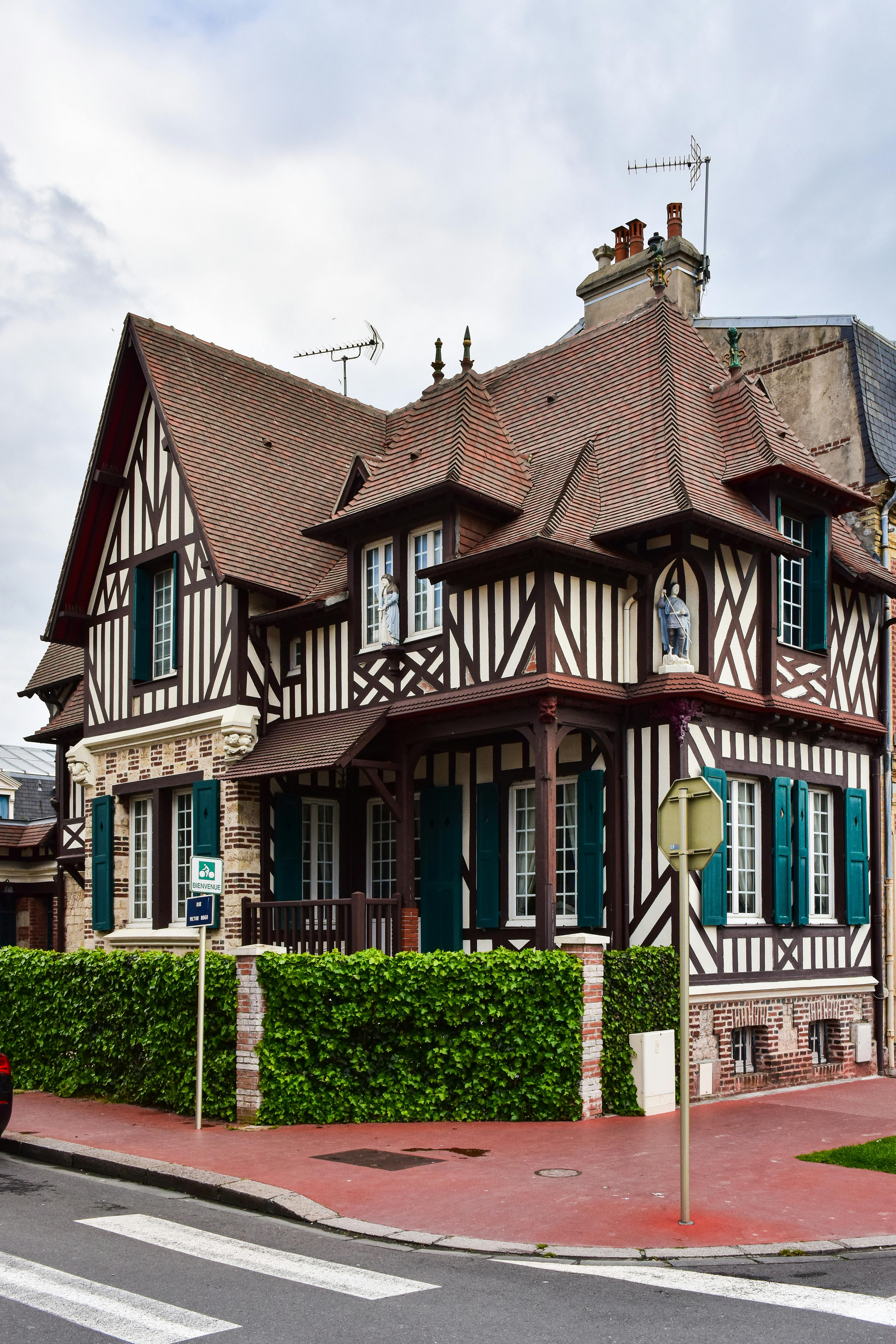
Image: A beautiful Tudor-style half-timbered house with green shutters and a white roof, reflecting the charm of Normandy architecture in Deauville, France.
Tudor architecture has long captivated homeowners and designers alike. Known for its rustic charm, Tudor style architecture brings a mix of medieval elegance and homey warmth that’s impossible to ignore.
From steeply pitched roofs to half-timbered exteriors and leaded glass windows, each characteristic carries a story from the past.
Today, the enduring appeal of Tudor homes has led to a revival, with people looking to integrate these historical elements into both new builds and renovations.
This article will explore the essential characteristics of Tudor architecture, from exterior elements to interior details, and provide expert tips on how to bring this classic style into modern homes. Whether you’re building from scratch or enhancing an existing property, we’ve got you covered.
1. Defining Exterior Characteristics of Tudor Architecture
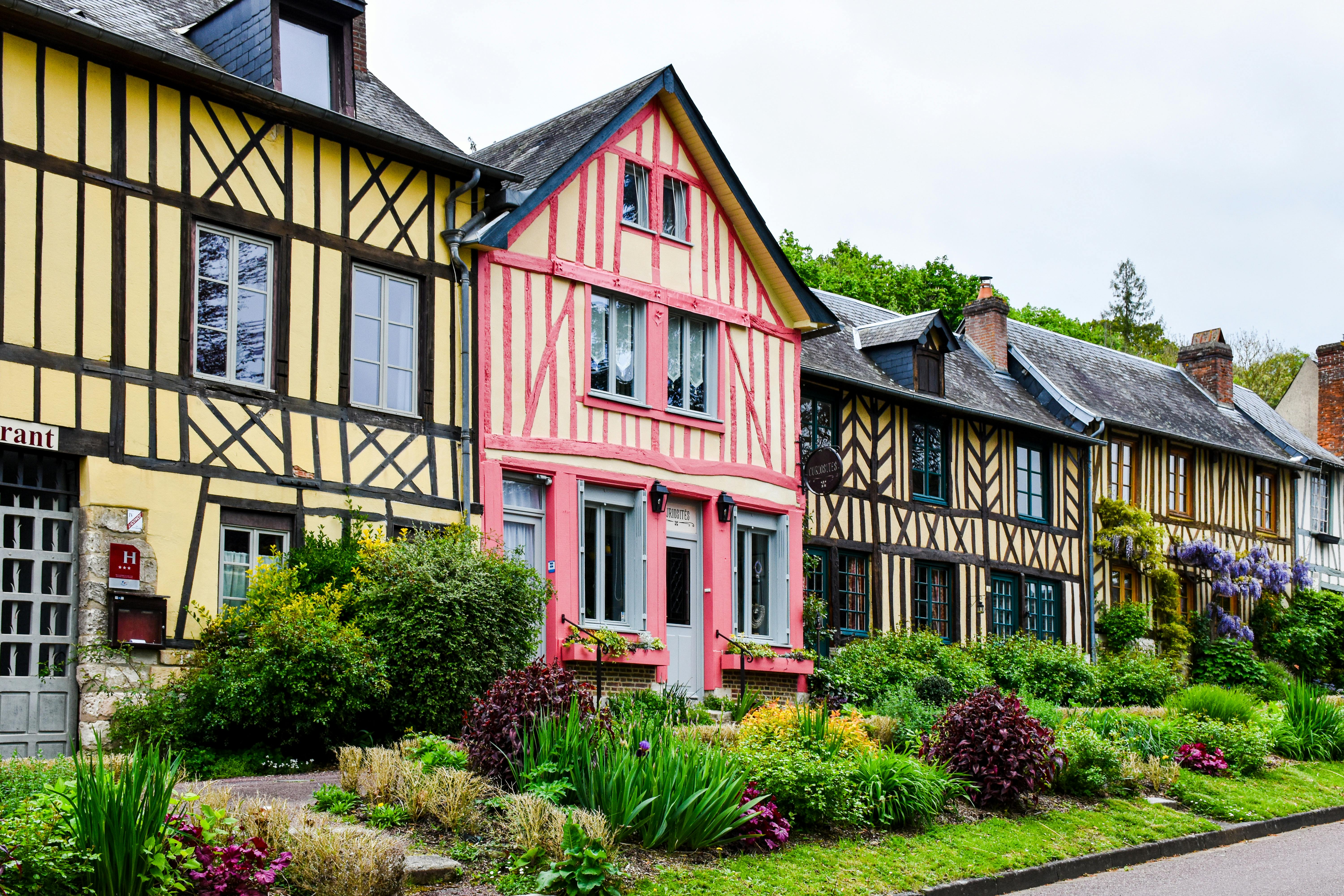
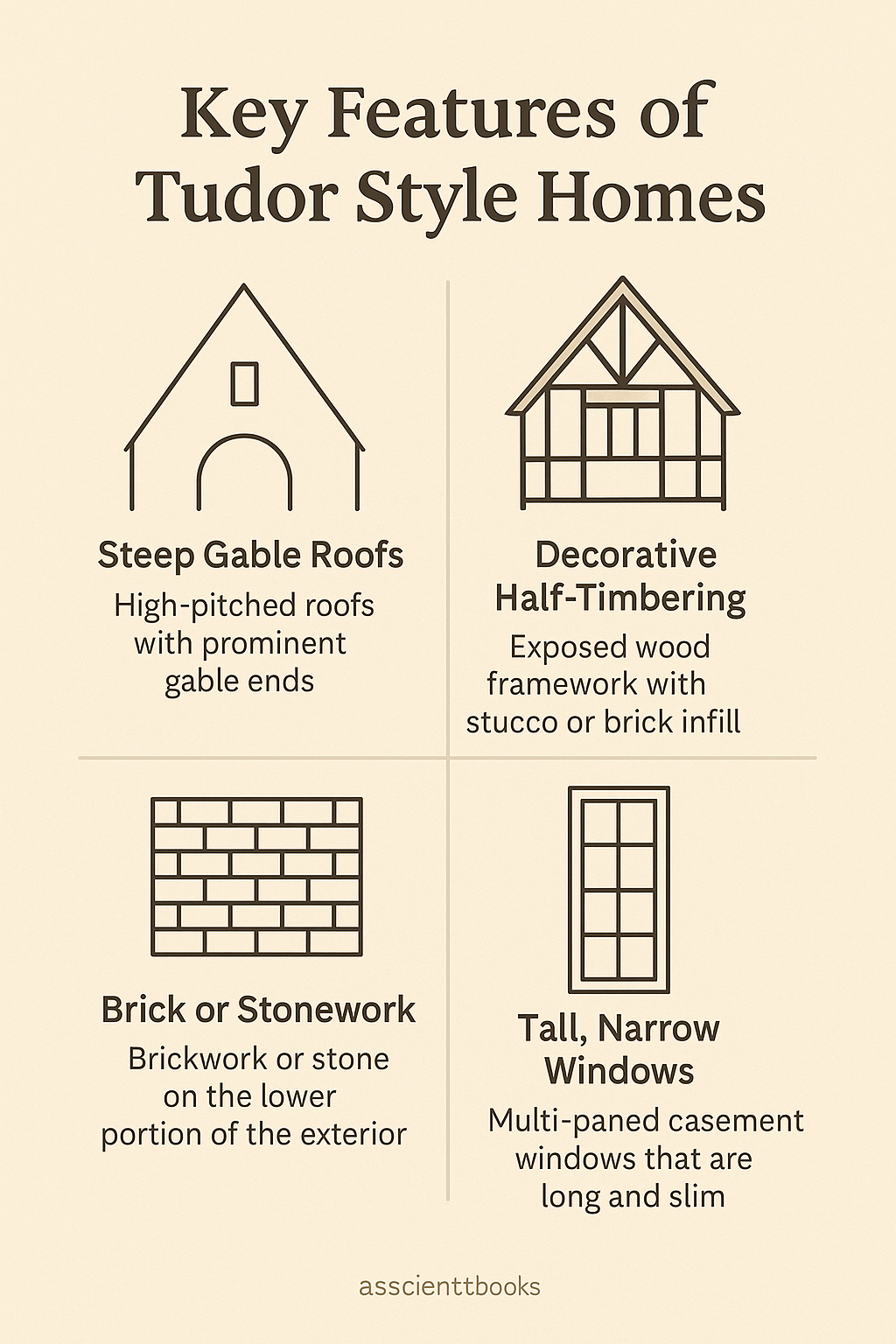
Let’s start with the outside, where Tudor style exteriors truly shine. The combination of materials and forms makes these homes unmistakably Tudor and incredibly charming. Here are the standout features you’ll find on a Tudor house exterior:
Exposed Half-Timbering
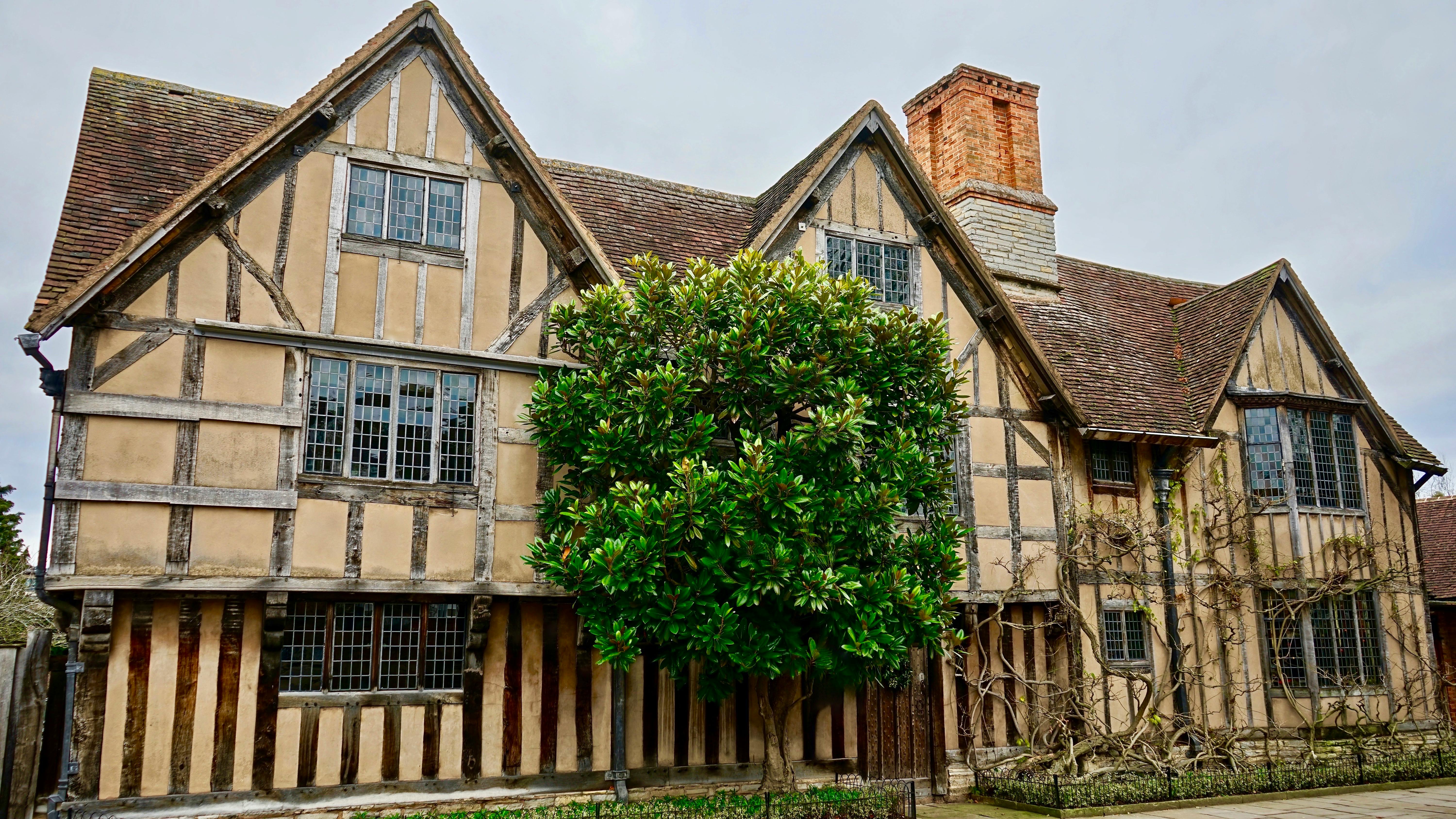
One of the most recognizable characteristics of Tudor architecture is its half-timbering. This design shows off dark wooden beams on white plaster, giving the home a black-and-white checkerboard effect.
- Origins: Originally, the exposed timber beams were structural, but today, they’re often added as decorative accents.
- Materials: In modern homes, faux wood beams are a cost-effective and maintenance-friendly alternative to real timber.
- Tip: Use faux wood to achieve the look without compromising on budget or upkeep. Quality faux beams can look nearly identical to authentic timber and add historical charm.
Steeply Pitched Gable Roofs
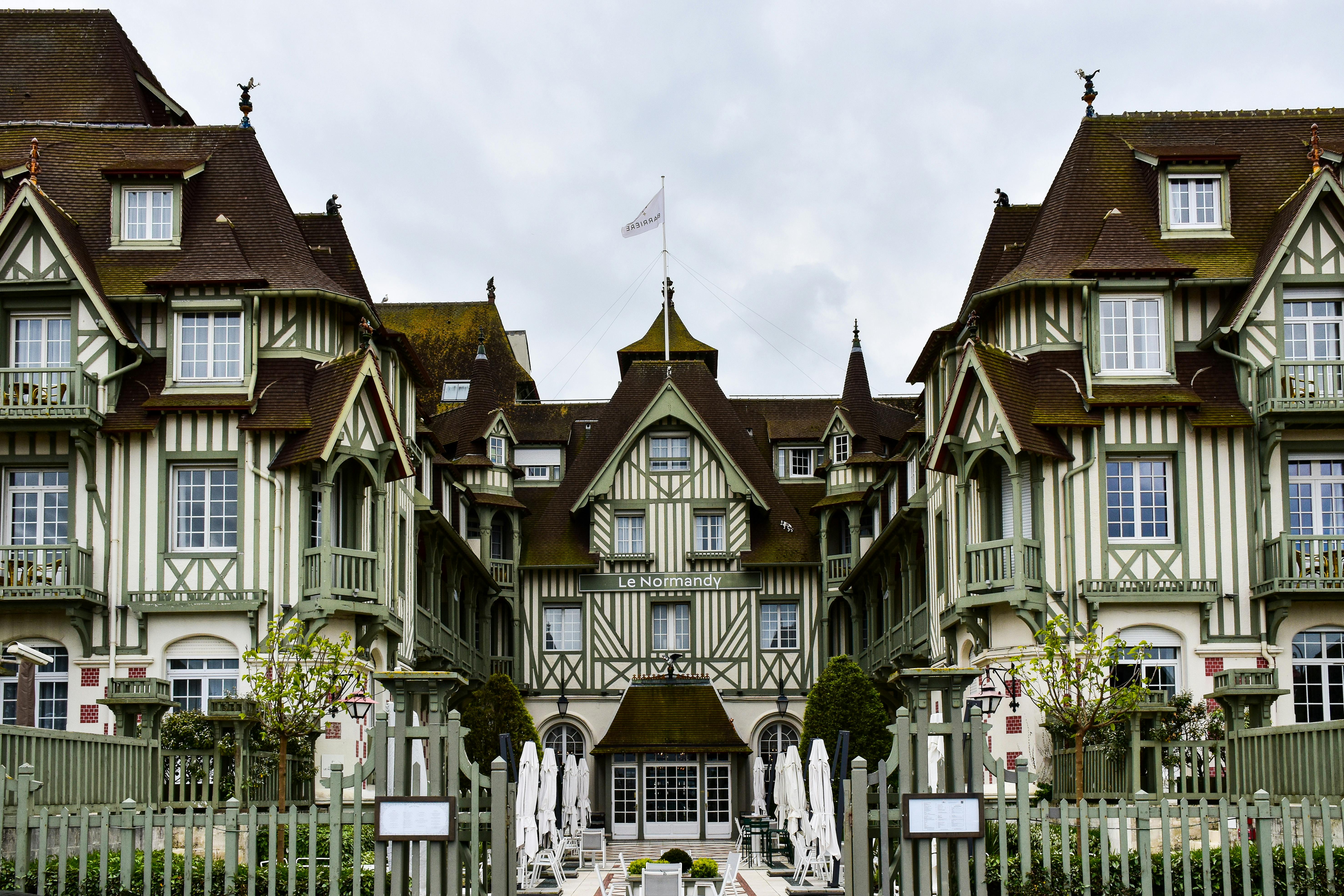
Tudor homes are known for their steep gable roofs, which are not only stylish but practical, particularly in rainy or snowy climates.
- Functional Design: These steep roofs are designed to quickly shed water, making them ideal for wet regions.
- Decorative Gables: Multiple gables and dormers add depth and complexity, contributing to that unique Tudor silhouette.
- Modern Application: If building new, consider adding decorative gables without steep pitches for a similar look with modern functionality.
Tall, Ornamental Chimneys
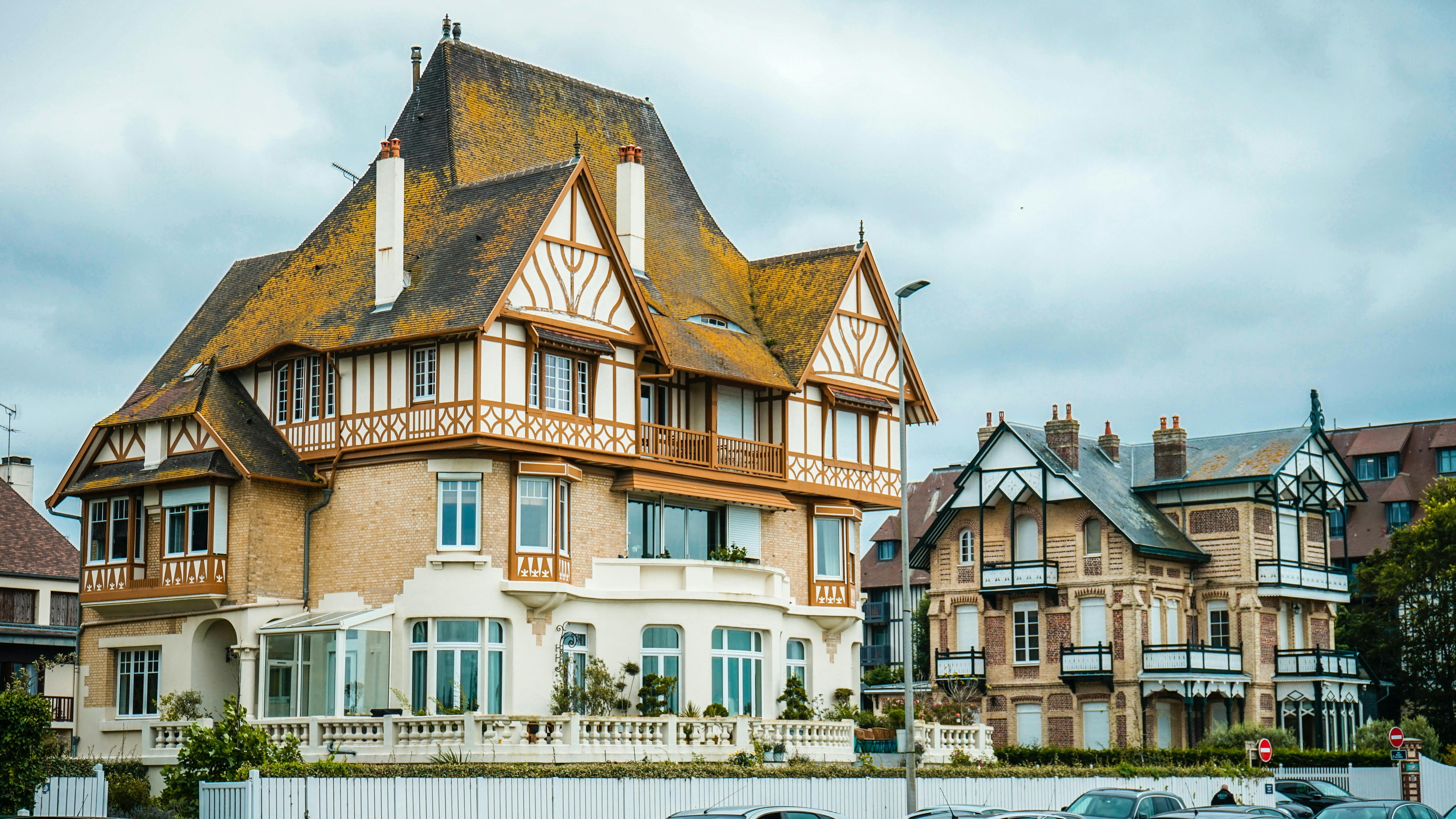
A Tudor home exterior wouldn’t be complete without tall, often highly decorative chimneys. These aren’t just for show; they’re a central feature of Tudor period houses.
- Chimney Pots: Often topped with decorative chimney pots, these chimneys add a medieval touch to the roofline.
- Brick Patterns: Many Tudor chimneys feature intricate brickwork that showcases craftsmanship.
- Cost-Effective Tip: Add a faux chimney or chimney pots for decorative effect without the need for a working fireplace.
Stone and Brick Work
The Tudor style home exterior typically combines brick and stone, with brickwork often arranged in unique patterns like herringbone. This mix of materials provides depth and texture.
- Authenticity: Older Tudor homes often used locally sourced materials, which is why they feel so grounded and connected to their surroundings.
- Modern Alternatives: Stone veneer and brick siding are excellent options if you’re looking to create the Tudor look without the cost of full masonry.
- Budget-Friendly Approach: Use real stone accents only on parts of the facade, such as around doorways or window frames, to save on cost.
2. Essential Interior Characteristics of Tudor Homes
Inside Tudor Architecture: Characteristics, Interior & Exterior Essentials
Moving indoors, the Tudor interior is all about creating a warm, cozy atmosphere, blending old-world charm with sturdy construction. Here are some defining features:
Exposed Timber Beams
Just as they do on the exterior, exposed beams feature prominently inside Tudor homes, especially on ceilings.
- Rustic Look: These beams add a rustic and warm feeling, often stained dark to contrast with lighter plaster walls.
- Practical Tip: Use faux wood beams in rooms where adding real timber would be structurally challenging. They’re lighter, easier to install, and still achieve that iconic Tudor look.
Large Stone Fireplaces
No Tudor home is complete without a grand fireplace, typically crafted from stone and serving as a central feature in living areas.
- Medieval Charm: Stone fireplaces add a sense of age and grandeur, and they’re a natural gathering point in the home.
- DIY Approach: For those renovating, consider a stone veneer for the fireplace. It’s easier to install than full stone and creates the same look.
Leaded Glass Windows
The classic Tudor house window features small, diamond-shaped panes set in leaded glass. These windows add elegance and a touch of historical authenticity.
- Design Details: Often framed with stone or timber, leaded windows are a distinctive element of English Tudor interiors.
- Modern Tip: Add lead tape to existing glass for a budget-friendly way to mimic this look without the need to replace windows.
Rich, Dark Wood Details
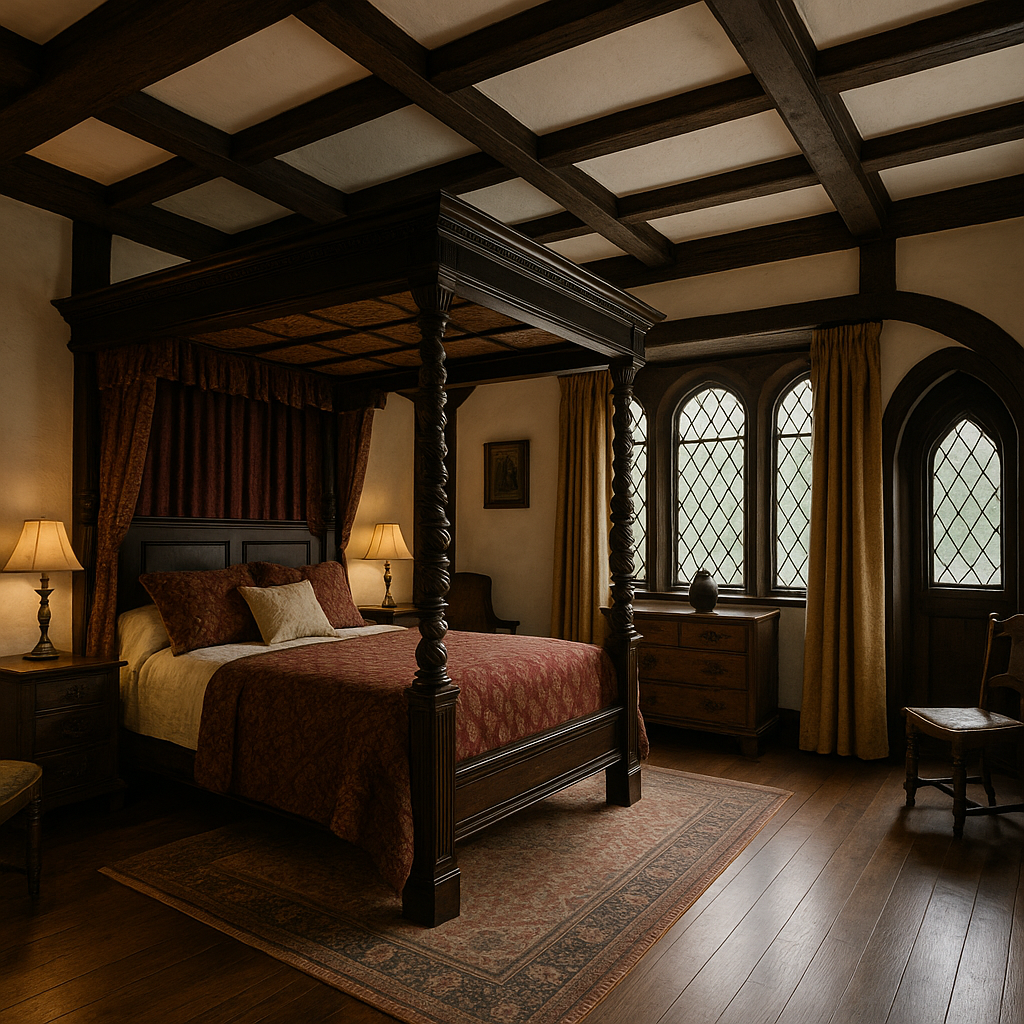
Dark wood trim, wainscoting, and paneling add to the depth and warmth of Tudor house interiors.
- Material Choices: Oak, walnut, and mahogany were historically used, and you can replicate this with dark-stained woods today.
- Decorating Tip: Keep the dark wood limited to trim and furniture if you want a brighter, more modern space. This prevents the room from feeling overly dark or heavy.
3. How to Apply Tudor Characteristics in a New Build
If you’re building from the ground up, incorporating Tudor style architecture characteristics can create a home that’s full of history but designed for modern living. Here’s how:
- Exterior Elements: Plan for steeply pitched gable roofs, half-timbering, and brick or stone accents from the start. These are essential for an authentic Tudor look.
- Modern Solutions: Consider energy-efficient windows with leaded designs and insulate well to keep the home cozy.
- Interior Essentials: Opt for open floor plans with defined spaces using exposed timber beams, stone fireplaces, and wood paneling to bring warmth into larger spaces.
4. How to Incorporate Tudor Style in an Existing Home
Want to add Tudor elements without a full renovation? Here are some quick ways to bring Tudor charm to your current home:
- Faux Beams: Use faux beams to add character to ceilings. They’re lighter and easier to install than real wood, making them ideal for existing structures.
- Leaded Window Tape: Apply lead tape to existing glass for that classic Tudor look without window replacement.
- Stone Veneer Fireplaces: Adding a stone veneer to your fireplace is a quick way to introduce a Tudor focal point in any room.
- Decorative Elements: Look for wrought iron lighting, dark wood furniture, and rich textures to enhance the Tudor feel without making structural changes.
5. Exterior Kits for Tudor Homes: Are They Worth It?
Pre-made Tudor kits are available for homeowners looking to add specific Tudor style characteristics without extensive customization. These kits often include faux timber for half-timbering, stone veneer, and decorative gables.
- Pros: These kits simplify installation and are often more budget-friendly than custom work. They’re ideal for DIYers who want a quick way to get the Tudor look.
- Cons: Quality can vary, so look for kits that use durable, weather-resistant materials. Cheap kits may fade or degrade faster.
Tips from a Professional Architect: Dos and Don’ts of Tudor Style
Here are some tips to keep your Tudor revival home looking authentic:
Dos
- Embrace Asymmetry: Tudor homes aren’t about perfect symmetry. Allow for slight imperfections in design for a more authentic look.
- Use Natural Materials: Stick with wood, stone, and brick as much as possible. Faux materials can be used, but opt for high-quality products that mimic natural materials.
- Earthy, Muted Colors: Browns, greens, and creams are ideal for creating a rustic feel, with the occasional dark accent for contrast.
Don’ts
- Avoid Overly Modern Finishes: Sleek or glossy finishes clash with the Tudor style. Stick to matte or aged finishes to maintain the rustic appeal.
- Don’t Go Overboard on Dark Wood: While dark wood is essential, too much can make your home feel heavy. Balance it with lighter wall colors or accents.
- Skip Bright Colors: Bright colors like neon or pastel shades feel out of place. Stick to muted, earthy tones.
The “Fairy Tale” Side of Tudor Architecture
Tudor homes have a storybook quality, which has led to a subtype known as Storybook Tudor. Think of whimsical elements like:
- Curved Roofs: A playful twist on the steep gables that adds a “hobbit home” touch.
- Round Doors and Windows: These soften the look and give a cottage-like vibe.
- Miniature Turrets: While not practical, they add a fun, fairy-tale look and are popular in Mock Tudor Homes.
How to Balance Tudor Charm with Modern Comforts
Even the most die-hard Tudor fans want their homes to be comfortable and efficient. Here’s how to balance historical aesthetics with modern needs:
- Energy-Efficient Windows: Use double-glazed windows to maintain insulation while still achieving the Tudor look with leaded designs.
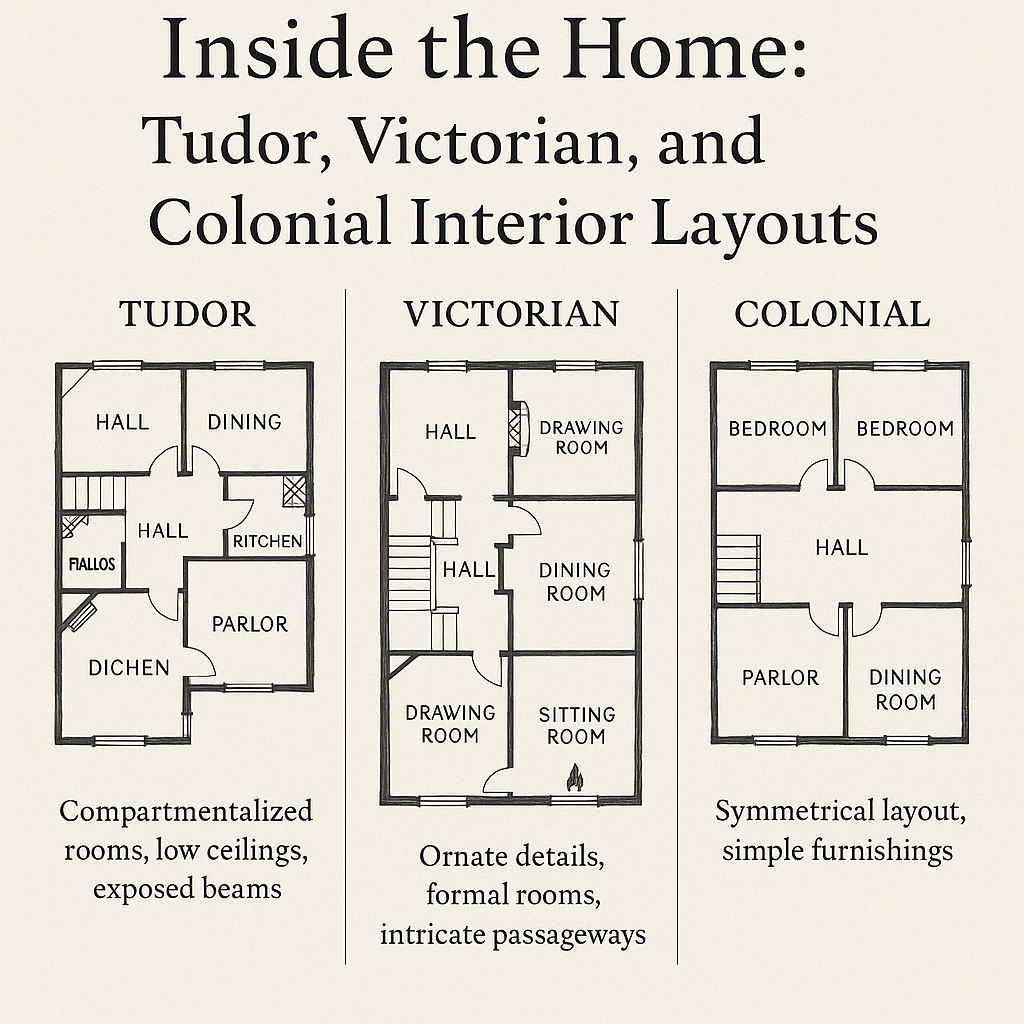
- Open Layouts: While original Tudors were more compartmentalized, open up spaces where possible and define them with exposed beams or archways.
- Smart Heating Solutions: Incorporate modern heating and insulation without altering the cozy, inviting look. Use stone or brick veneer around fireplaces for both warmth and style.
Conclusion: Bringing Tudor Architecture Home
Characteristics of Tudor architecture offer a captivating blend of history and charm, giving any home a sense of timeless appeal. Whether you’re embracing the full style or adding subtle elements, Tudor architecture invites warmth, texture, and a unique story into your space.
FAQs
What’s the Difference Between English Tudor and American Tudor?
- English Tudor Homes: These are the originals, often found in England and built during the Tudor period (1485-1603). They’re historically accurate and feature:
- Authentic Half-Timbering: Exposed timber is structural, not just decorative.
- Smaller, Compartmentalized Rooms: Spaces are cozy, with many nooks and crannies.
- Leaded Glass Windows: These windows are smaller and feature diamond or rectangular patterns.
- Lower Ceilings: Historically, these homes were built for shorter occupants, and the ceilings reflect this.
- Materials: Traditional English Tudor homes often used local materials like stone, brick, and timber, giving them an earthy, grounded feel.
- American Tudor Homes: Built in the early 20th century during the Tudor Revival period, these homes adapt Tudor characteristics to fit American needs, including:
- Decorative Half-Timbering: In most American Tudor homes, the half-timbering is purely decorative and not structural.
- Open Floor Plans: Unlike compartmentalized English Tudor homes, American Tudors often incorporate more open layouts.
- Larger Windows: American Tudors feature larger windows to let in more light, sometimes with faux leaded glass for a Tudor-inspired look.
- Modern Materials: Instead of traditional English stone, American Tudor homes may use stone veneer, brick facades, and other accessible materials.
Can I Incorporate Tudor Elements in a Minimalist Home?
Absolutely! You don’t need to go all-in with heavy decor to capture the essence of Tudor style. For a minimalist approach, consider these subtle touches:
- Exposed Beams: Use faux or real timber beams on the ceiling to add a rustic element without overwhelming the space.
- Stone Accents: Incorporate stone accents on the fireplace or as a small feature wall to give a nod to Tudor material choices.
- Dark Wood Furniture: Choose a few dark wood pieces (like a console table or chair) to bring Tudor warmth into a minimalist home without cluttering it.
- Leaded Window Tape: If you want the look of leaded glass without a full renovation, apply adhesive lead strips to create a Tudor-inspired window design.
How Can I Modernize a Tudor-Style Home Without Losing Its Charm?
Modernizing a Tudor home requires balancing contemporary updates with traditional style. Here’s how:
- Keep the Exterior Authentic: Maintain key Tudor features like half-timbering and steep roofs while adding modern, energy-efficient windows.
- Open Up the Interior: Consider removing non-structural walls to create a more open flow while retaining timber beams for structure and style.
- Add Modern Lighting: Swap out medieval-style chandeliers for clean-lined, industrial fixtures that complement the dark wood and stone.
- Use Subtle Paint Colors: A fresh coat of soft white or light gray paint can brighten up the space without clashing with dark wood elements.
What are the Key Differences Between Tudor Revival and Neo-Tudor Styles?
- Tudor Revival: This style emerged in the early 20th century and aimed to recreate authentic Tudor design with modern building methods.
- Focus on Original Features: Tudor Revival homes incorporate classic elements like steep gables, decorative chimneys, and leaded windows.
- Traditional Layouts: Tudor Revival homes retain some of the traditional compartmentalized room layouts, even if modified slightly for modern living.
- Neo-Tudor: A more recent development, Neo-Tudor homes simplify Tudor elements for a modern aesthetic.
- Streamlined Features: Neo-Tudor homes keep the Tudor charm but often skip the heavy detailing, instead using simplified half-timbering and lighter materials.
- Minimalist Approach: Neo-Tudor homes may have clean lines and an open floor plan, with subtle nods to Tudor style rather than a full historical look.
What Types of Homes Best Suit Tudor Architecture?
Tudor architecture is versatile and can be applied to various types of homes:
- Tudor Cottage: Smaller homes that emphasize cozy charm with elements like steep roofs, leaded glass windows, and exposed beams.
- Tudor Mansion: Large, grand homes that use Tudor features on a bigger scale—think multiple gables, large chimneys, and expansive fireplaces.
- Mock Tudor Home: A modern home that imitates Tudor style with half-timbering and Tudor-inspired exterior features.
- Storybook Tudor: A whimsical twist on the Tudor style, these homes might feature curved roofs, rounded doorways, and fairy-tale elements.
Are There Regional Variations in Tudor Architecture?
Yes, Tudor architecture varies by region, especially between English Tudor and American adaptations. Some regional differences include:
- English Tudor Homes: More authentic and historical, with true half-timbering and traditional, local materials.
- American Tudor Homes: Built for American climates and often use brick or stone veneer rather than solid timber and stone.
- Modern Tudor Styles in Warm Climates: These may incorporate wider, shaded porches and larger windows for ventilation.
What Materials Should I Use for an Authentic Tudor Look?
For an authentic Tudor look, choose materials that align with the traditional, rustic style:
- Exteriors: Use brick, stone, and timber (or quality faux alternatives).
- Windows: Opt for leaded glass windows or lead tape to create that distinctive paneled look.
- Interiors: Dark woods, heavy textures, and stone or brick fireplaces are ideal for an authentic Tudor interior.
Is Tudor Architecture Expensive to Build?
Tudor architecture can be more expensive due to the detailed woodwork, brick and stone facades, and leaded windows. However, you can keep costs down with these tips:
- Faux Materials: Use faux timber beams and stone veneer to achieve the look at a lower cost.
- Focus on Key Features: Choose a few essential Tudor elements (like steep gables and leaded windows) rather than a full Tudor build.
- Reuse and Salvage: Salvage yards often carry reclaimed timber, brick, and wrought iron fixtures that match the Tudor aesthetic without the high cost.
How Do I Choose Paint Colors for a Tudor-Style Home?
Tudor homes are best suited to earthy, muted colors. Here are some classic options:
- Exteriors: Choose shades of cream, dark brown, green, or gray to enhance the natural materials.
- Interiors: Rich, warm tones like deep greens, burgundy, and browns work well. Lighter shades like cream or pale gray can help balance dark wood accents.
Can I DIY Tudor Elements in My Home?
Yes, there are several Tudor-inspired projects you can tackle as DIY:
- Half-Timbering: Faux wood beams can be applied to walls or ceilings to create a half-timbered look.
- Leaded Windows: Apply adhesive lead strips to existing windows for a Tudor-inspired look.
- Stone Veneer Fireplaces: Use stone veneer to give your fireplace a rustic, Tudor feel.
What is Tudor Gothic Style?
Tudor Gothic is a blend of Tudor and Gothic architectural styles. It combines the rustic charm of Tudor with the pointed arches and ornamental stonework of Gothic design.
- Arched Doorways and Windows: Gothic-inspired, pointed arches add an element of medieval elegance.
- Decorative Stonework: Tudor Gothic often includes intricate stone carvings around doorways or windows.
- Charming yet Grand: It creates a mix of stateliness with the warm, homey feel of Tudor.
How Do I Maintain a Tudor Home?
Maintaining a Tudor home, especially an older one, requires some attention to detail:
- Timber: Inspect timber beams for rot or termite damage and seal them to prevent moisture issues.
- Masonry: Check brick and stone for cracks and have them repaired to avoid structural issues.
- Windows: Leaded windows may need periodic maintenance, as the lead can wear down over time.
Can Tudor Architecture Be Made Energy-Efficient?
Yes, you can make a Tudor home energy-efficient without losing its charm:
- Double-Glazing for Windows: Opt for double-glazed leaded glass windows to improve insulation.
- Insulation: Use high-quality insulation in walls and roofing to maintain the home’s rustic look while reducing energy costs.
- Efficient Heating: Install modern heating solutions like radiant floor heating, which is discreet and doesn’t interfere with the Tudor aesthetic.
What Are Popular Interior Design Choices for a Tudor Home?
Popular choices in Tudor interior design reflect the style’s historical character and warmth:
- Furniture: Dark wood furniture with sturdy construction, like oak or walnut, fits well in Tudor interiors.
- Textiles: Heavy drapes, tapestries, and rich fabrics like velvet or wool are great for adding warmth.
- Accessories: Wrought iron lighting, wooden chests, and detailed candlesticks contribute to the Tudor feel.
Are Tudor Homes Good for Families?
Yes, Tudor homes offer a warm, cozy environment that’s great for families. With adaptable layouts, plenty of small rooms, and large communal areas like living rooms with big fireplaces, they create a welcoming atmosphere.
- Outdoor Play Areas: Tudor homes often have charming gardens, ideal for children’s play.
- Versatile Layouts: The smaller rooms can easily be converted into bedrooms or studies as the family grows.
Can I Paint a Tudor Home White?
Painting a Tudor home white is possible and creates a fresh, modern look. Here’s how to do it without losing the Tudor charm:
- Exterior Timber Framing: Paint only the plaster sections white, leaving the dark wood exposed for contrast.
- Interior Paneling: Paint wood paneling white or off-white for a lighter look while keeping the structural elements dark.
Keep Learning
Related: Complete Guide on Tudor Style:
- Tudor Architecture Style: Key Elements and Modern Twists
- Characteristics of Tudor Architecture: Style, Design, and Practical Tips
- Tudor Style Houses: Architectural Features, Examples, and Facts
- English Tudor House: Plans, Interiors, and Exterior Essentials
Top Reads on Tudor Architecture
- "The Tudor Home" by Kevin Murphy - A visual guide to classic Tudor architecture, including in-depth sections on Tudor interiors.
- "The Architecture of the Eighteenth Century (World of Art)" by John Summerson - Offers a historical and structural analysis, ideal for those wanting to understand Tudor Gothic style.