

New York’s Green Future: What You Can Do
New York is pushing hard on carbon cuts and clean energy. The real changes come from the basics: sealing leaks, insulating right, sizing systems to the shell.
What you’ll get here. Steps that actually work in New York buildings. What inspectors check for, what Local Law 97 demands, and what saves money month to month.
Start here. Fix the envelope. Seal cracks, insulate walls, keep moisture out. Then put in the right heat pump and ventilation. After that, add controls and smart timing. Local materials with short haul routes finish the job.
Who this helps. Owners, renters, co-op boards, and small crews who want clear moves without the sales pitch.
Green Building and Renewable Energy: A Practical Guide for Every New Yorker
How homeowners, renters, businesses, and students in New York can join the green energy revolution and enjoy the benefits.
What Is New York’s Green Initiative?

New York’s commitment to sustainability is outlined in its Climate Leadership and Community Protection Act (CLCPA). The law sets some of the most aggressive climate goals in the U.S., including:
- 70% Renewable Electricity by 2030
- Zero-Emission Electricity Grid by 2040
- Carbon Neutrality Across All Sectors by 2050
To achieve these goals, the state is focusing on renewable energy projects, green building practices, and community-driven solutions. Programs like NY-Sun, offshore wind farms, and building retrofitting incentives are already making waves.
How Every New Yorker Can Take Action with Green Building and Renewables Today
Take Action Now: Green Building and Renewables for Homeowners

Homeowners have some of the most direct opportunities to contribute to New York’s green vision. Here’s how:
- Install Solar Panels
- Solar energy is a game-changer for cutting utility bills and reducing emissions.
- Programs like NY-Sun offer substantial rebates, making solar installations more affordable.
- Example: A family in Albany installed a 6kW solar panel system with NY-Sun incentives and saves over $1,200 annually.
- Improve Energy Efficiency
- Replace old windows with energy-efficient ones to reduce heating and cooling costs.
- Upgrade insulation or install a smart thermostat like Nest or Ecobee.
- Why It Matters: Better energy efficiency means lower bills and a more comfortable home.
Details:
Take Action with Green Building and Renewables Today
If you’re a homeowner in New York, you’re in a unique position to make real changes that not only benefit the planet but also improve your daily life.
Green building and renewable energy aren’t just buzzwords—they’re practical, achievable steps that can save you money, make your home more comfortable, and contribute to a healthier community.
Let’s study some realistic, actionable ways to get started and explore how these choices can make a difference.
How Homeowners Can Lead the Charge in Green Building and Renewables
1. Install Solar Panels: A Bright Investment
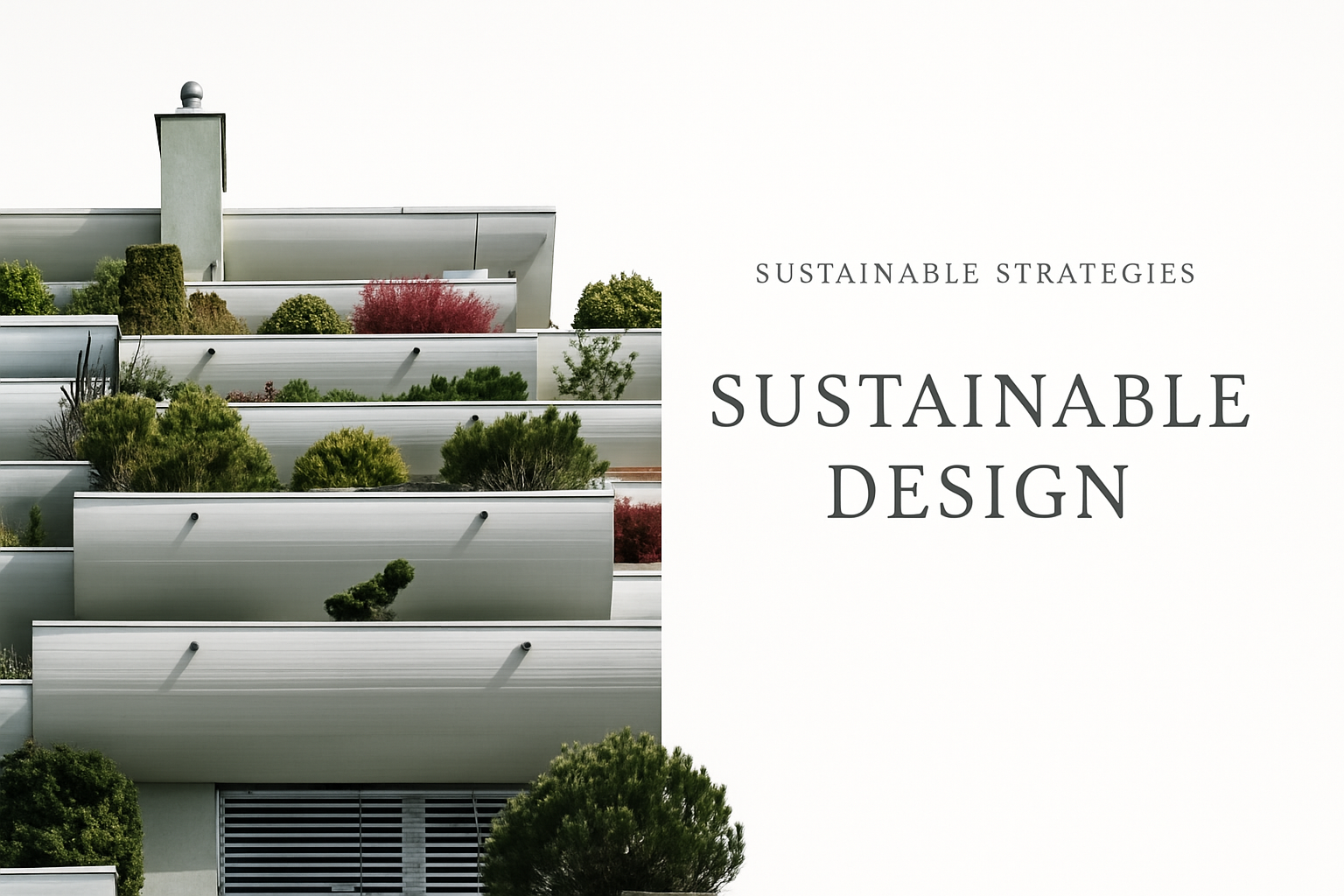
Solar panels are one of the most impactful ways to embrace renewable energy. They harness the power of the sun to produce electricity, cutting down your reliance on traditional energy sources and lowering your utility bills.
- How It Works:
- Solar panels capture sunlight and convert it into electricity for your home.
- Excess energy can often be sold back to the grid, further offsetting costs.
- Why It’s Doable:
- Programs like NY-Sun make solar installation more affordable by offering substantial rebates and tax incentives.
- Financing options, like solar loans or leases, allow you to install panels with little to no upfront costs.
- Real-Life Example:
- A family in Albany installed a 6kW solar panel system through the NY-Sun program. Their upfront cost was reduced by over 40%, and they now save more than $1,200 annually on electricity bills. The savings paid off their investment in just a few years.
- Tips to Get Started:
- Use the NY-Sun Solar Calculator to estimate your potential savings.
- Get multiple quotes from certified installers to ensure you’re getting the best deal.
- Check local regulations to see if your area qualifies for community solar programs if rooftop installation isn’t an option.
2. Improve Energy Efficiency: Small Changes, Big Impact
Energy efficiency upgrades are a practical, low-barrier way to make your home greener and more comfortable. These improvements don’t require major renovations but can still lead to significant savings.
- Key Actions:
- Upgrade Your Windows:
- Old, drafty windows can waste energy, driving up your heating and cooling bills.
- Installing energy-efficient windows can reduce energy loss by up to 30%.
- Example: A homeowner in Brooklyn replaced single-pane windows with energy-efficient ones and saved $600 a year on heating costs.
- Insulate Properly:
- Adding or upgrading insulation in your walls, attic, or basement can make a noticeable difference in maintaining indoor temperatures.
- This simple fix reduces the strain on your HVAC system and improves overall comfort.
- Install a Smart Thermostat:
- Devices like Nest or Ecobee learn your habits and adjust heating or cooling to save energy without sacrificing comfort.
- Example: A home in Queens reduced heating and cooling costs by 15% after installing a Nest thermostat.
- Upgrade Your Windows:
- Why It Matters:
- Lower energy consumption directly translates to reduced utility bills.
- Energy-efficient homes are more comfortable, maintaining steady indoor temperatures regardless of the weather outside.
- Small improvements can increase your property value, especially as energy-conscious buyers become the norm.
Why Take These Steps?
Beyond the immediate benefits like lower utility bills and a more comfortable home, taking these actions contributes to New York’s broader sustainability goals:
- Environmental Impact:
- By switching to renewable energy and improving efficiency, you’re helping reduce greenhouse gas emissions and reliance on fossil fuels.
- This contributes to cleaner air and a healthier environment for everyone.
- Economic Benefits:
- Energy-efficient homes and renewable installations like solar panels typically increase property values.
- The money saved on utility bills can be reinvested elsewhere, making these upgrades a smart financial choice.
- Leading by Example:
- When homeowners take action, it inspires neighbors and the community to follow suit, creating a ripple effect of positive change.
Tips to Get Started as a Homeowner
- Assess Your Home:
- Schedule an energy audit to identify the most significant areas for improvement.
- Many programs, including those through NYSERDA, offer free or low-cost audits.
- Start Small:
- Begin with changes that have a quick return on investment, like LED lighting or weatherproofing doors and windows.
- Explore Incentives:
- Look into rebates, tax credits, and financing programs. For example, New York’s EmPower+ program offers assistance for insulation and heating upgrades.
- Keep Learning:
- Stay informed about new technologies and incentives. Attend workshops or talk to local energy experts to explore more options.
The Bigger Picture: Every action you take, no matter how small, contributes to New York’s vision for a sustainable future. Whether you’re adding solar panels or simply upgrading your windows, you’re reducing your environmental impact, saving money, and improving your quality of life. Plus, your efforts help build a stronger, greener community.
- Going Green: Practical Steps for Homeowners to Save and Sustain
So, why wait? Start with one step today—install that smart thermostat, schedule an energy audit, or explore solar options. These actions not only benefit your household but also move New York closer to its goal of being a global leader in sustainability. Small steps lead to big changes, and as a homeowner, you’re in the perfect position to make it happen.
Sustainable Living for Renters: Practical Steps to Start Today
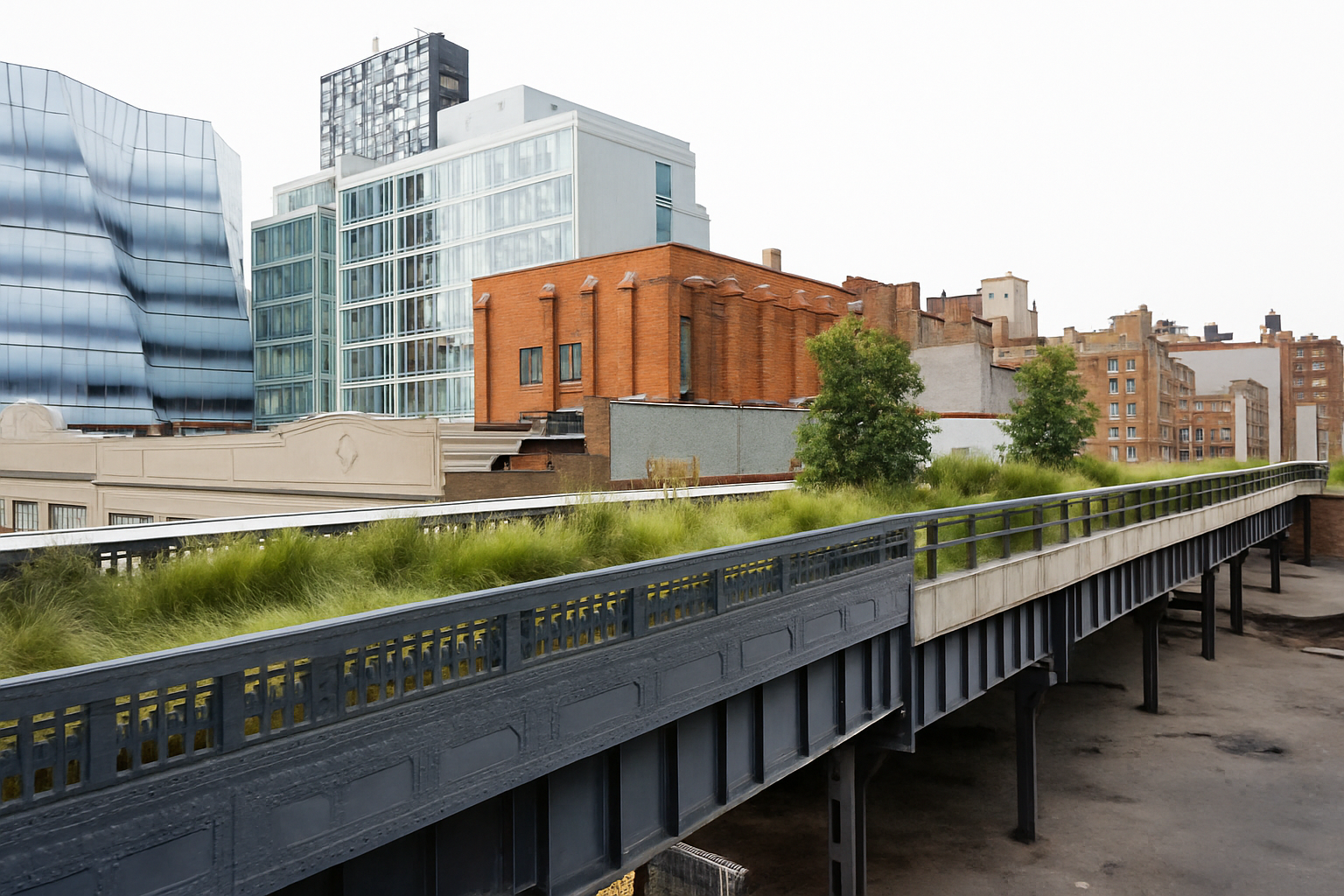
Renters might feel limited in what they can do, but small changes can have a big impact.
- Switch to LED Lighting
- LED bulbs use up to 80% less energy than traditional bulbs.
- A quick, affordable swap that saves money instantly.
- Join a Community Solar Program
- No rooftop? No problem. Community solar lets you access renewable energy by subscribing to a local solar farm.
- Example: In Queens, renters can subscribe to solar farms through NYSERDA programs, cutting their electricity costs by up to 10%.
- Advocate for Green Improvements
- Work with landlords to install efficient appliances or improve insulation.
- Many upgrades qualify for rebates, making them attractive for landlords.
Details:
Green Living for Renters: What You Can Do Today
Renters might feel limited in their ability to adopt green practices, but even small changes can make a significant impact. Here are some practical steps you can take:
Green Living for Renters: Small Changes, Big Impact
1. Switch to LED Lighting
LED bulbs use up to 80% less energy than traditional incandescent bulbs and can last up to 25 times longer. This simple switch not only reduces your carbon footprint but also lowers your electricity bills.
How to Get Started:
- Assess Your Current Lighting: Identify frequently used light fixtures and replace incandescent or CFL bulbs with ENERGY STAR-certified LED bulbs.
- Choose the Right Bulbs: LEDs come in various color temperatures and brightness levels. Select bulbs that match your preferences for different rooms.
- Dispose of Old Bulbs Properly: Recycle old bulbs according to local guidelines to minimize environmental impact.
Benefits:
- Immediate Savings: Switching to LED lighting can save the average household more than $200 per year. U.S. Department of Energy
- Reduced Environmental Impact: Lower energy consumption means fewer greenhouse gas emissions.
2. Join a Community Solar Program
If installing solar panels isn't an option, community solar programs allow you to benefit from solar energy without any equipment on your property. By subscribing to a local solar farm, you can receive credits on your electricity bill for the energy produced.
How to Get Started:
- Find a Local Project: Use NYSERDA's Community Solar Map to locate available projects in your area.
- Review Subscription Details: Understand the terms, including potential savings, contract length, and cancellation policies.
- Sign Up: Enroll directly through the community solar provider.
Benefits:
- Cost Savings: Subscribers typically receive a discount of 5-10% off their annual electricity costs. NYSERDA
- Support Renewable Energy: Participating helps increase the share of renewable energy in the grid.
Example:
In Queens, renters have subscribed to local solar farms through NYSERDA programs, reducing their electricity costs by up to 10%.
3. Advocate for Green Improvements
Engaging with your landlord about energy-efficient upgrades can lead to a more comfortable living environment and lower utility bills. Many improvements are eligible for rebates, making them cost-effective for property owners.
How to Get Started:
- Initiate a Conversation: Discuss the benefits of energy-efficient appliances, better insulation, or programmable thermostats with your landlord.
- Provide Information: Share details about available rebates and programs that can offset upgrade costs.
- Offer Assistance: Volunteer to help research or coordinate the implementation of improvements.
Benefits:
- Enhanced Comfort: Energy-efficient upgrades can lead to more consistent indoor temperatures.
- Cost Savings: Both tenants and landlords can benefit from reduced energy bills.
Example:
A tenant in Brooklyn successfully worked with their landlord to install ENERGY STAR-rated appliances, resulting in lower energy consumption and utility costs for both parties.
Renting Sustainably: How You Can Live Green Today
By taking these steps, renters can actively contribute to energy conservation and sustainability, demonstrating that impactful change is possible regardless of property ownership status.
Sustainability Made Simple: Practical Steps for New York Businesses
Green Practices for Businesses: How to Save Costs and Lead the Change
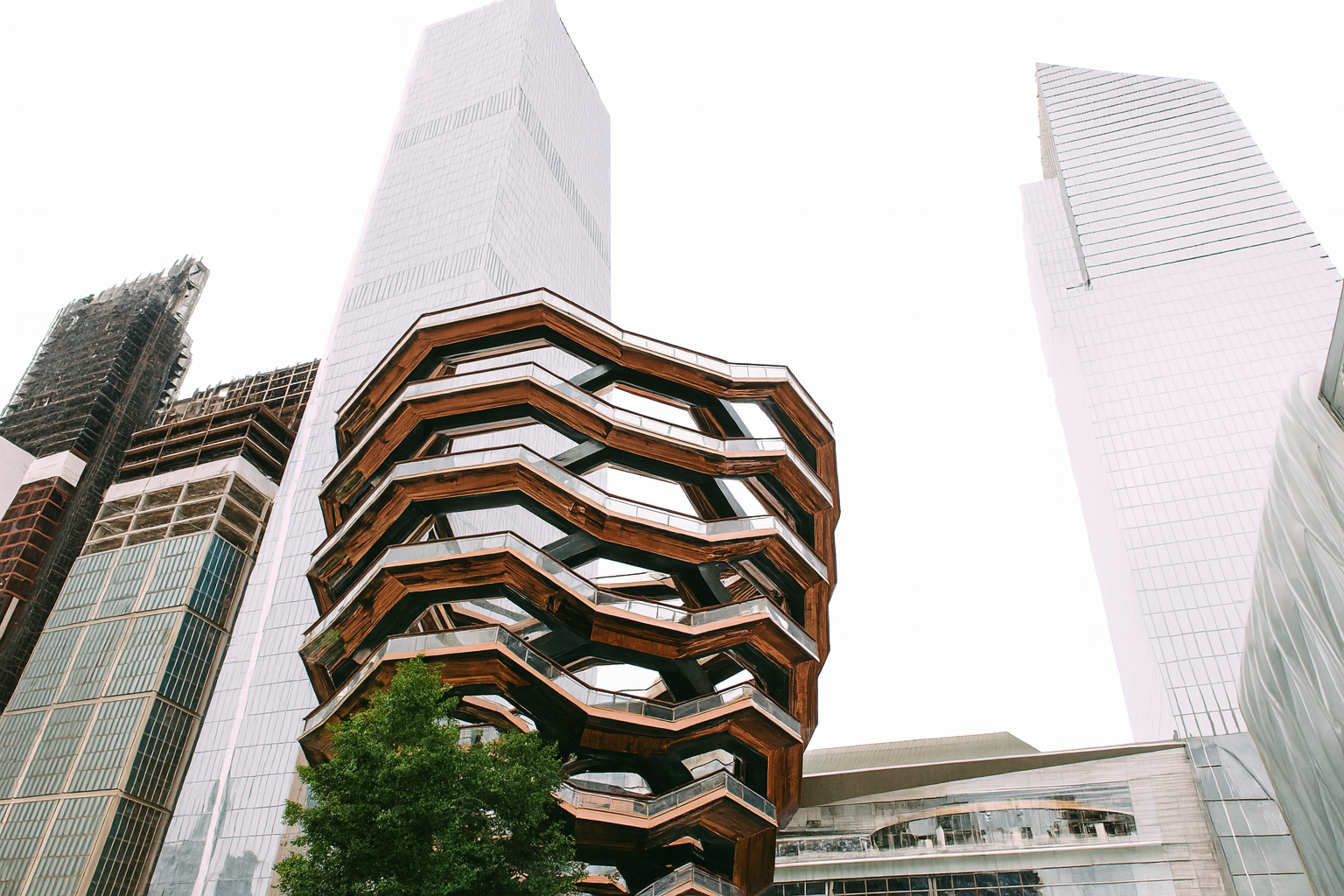
Businesses have unique opportunities to lead by example, reduce operational costs, and inspire others.
- Adopt Energy Management Systems
- Monitor and optimize energy use with tools like Energy Star’s Portfolio Manager.
- Example: A small business in Brooklyn reduced its energy costs by 15% after installing smart energy management systems.
- Install Renewable Energy Systems
- Solar panels or wind turbines not only cut costs but also improve brand reputation.
- Incentives like green tax credits make these installations more affordable.
- Green Certifications
- Pursue certifications like LEED to showcase commitment to sustainability.
- Why It Matters: Green credentials attract eco-conscious consumers and build trust.
Details:
How Businesses Can Go Green and Thrive in New York
Businesses in New York are uniquely positioned to drive sustainability while reaping the benefits of cost savings and enhanced reputation.
Whether you run a small café or manage a corporate office, adopting green practices doesn’t just make environmental sense—it makes business sense.
From energy management to renewable energy systems, there are practical steps every business can take to reduce their carbon footprint and inspire change.
Green Building and Renewables: A Business Owner’s Guide
1. Adopt Energy Management Systems
Monitoring and optimizing energy usage is a practical step toward sustainability. Tools like the ENERGY STAR® Portfolio Manager allow businesses to track energy and water consumption, as well as greenhouse gas emissions, across their properties. This free, user-friendly tool helps identify areas where energy efficiency can be improved.
Example: A small business in Brooklyn utilized the ENERGY STAR Portfolio Manager to monitor its energy usage. By identifying inefficiencies, the company implemented targeted improvements, resulting in a 15% reduction in energy costs.
Getting Started:
- Sign Up: Create a free account on the ENERGY STAR Portfolio Manager website.
- Data Entry: Input your building's energy and water usage data.
- Analyze: Use the tool to benchmark performance and identify opportunities for improvement.
2. Install Renewable Energy Systems
Investing in renewable energy sources like solar panels or wind turbines can significantly reduce energy costs and showcase your commitment to sustainability. Incentives such as green tax credits make these installations more affordable.
Example: A retail store in Manhattan installed solar panels, which now supply 50% of its energy needs. Leveraging state incentives, the store achieved a return on investment within five years.
Getting Started:
- Assess Feasibility: Conduct an energy audit to determine the suitability of renewable energy installations.
- Explore Incentives: Research federal and state tax credits, such as the Federal Investment Tax Credit (ITC), which offers a tax credit for installing solar energy systems.
- Consult Professionals: Engage with certified installers to design and implement the system.
3. Pursue Green Certifications
Obtaining certifications like Leadership in Energy and Environmental Design (LEED) demonstrates a commitment to environmental responsibility and can attract eco-conscious consumers. LEED-certified buildings often experience lower operating costs and improved indoor environmental quality.
Example: An office building in the Bronx achieved LEED certification by incorporating energy-efficient lighting, water-saving fixtures, and sustainable materials. As a result, the building saw a 20% reduction in energy costs and attracted tenants seeking environmentally friendly office spaces.
Getting Started:
- Understand Requirements: Review the LEED certification process to understand the criteria and levels of certification.
- Implement Sustainable Practices: Incorporate energy-efficient systems, sustainable materials, and waste reduction strategies.
- Apply for Certification: Submit documentation to the U.S. Green Building Council (USGBC) for review and certification.
Benefits of Sustainable Practices
- Cost Savings: Energy-efficient operations lead to significant reductions in utility bills.
- Enhanced Reputation: Demonstrating environmental responsibility builds trust and attracts customers who value sustainability.
- Regulatory Compliance: Proactively adopting green practices ensures compliance with evolving environmental regulations.
Adopting sustainable practices isn’t just about meeting environmental goals—it’s about creating smarter, more efficient operations that benefit your business and the community.
- Sustainable Business in New York: Tips, Benefits, and Real Examples
By reducing energy costs, attracting eco-conscious customers, and leading the way in green innovation, businesses can play a vital role in shaping New York’s sustainable future.
It’s not just a win for the planet; it’s a win for your bottom line and your brand.
Take the first step today and watch how small changes can lead to big rewards for everyone.
For Students and Educators
Schools and students can drive awareness and innovation in green building and renewables.
- Participate in Campus Initiatives
- Get involved in energy audits, green clubs, or sustainability campaigns.
- Example: A high school in Syracuse installed solar panels as part of a student-led initiative, saving $50,000 annually on energy costs.
- Learn and Innovate
- Courses in renewable energy and sustainability are becoming more accessible.
- Students can explore careers in growing fields like solar installation and energy auditing.
- Teach Sustainability
- Educators can incorporate renewable energy concepts into science and math lessons, preparing students to think critically about climate challenges.
For Communities
Collective action amplifies impact. Communities can achieve more by working together.
- Organize Workshops
- Host local events to teach residents about energy efficiency and available programs.
- Example: Neighborhood workshops in the Bronx helped residents save on bills by introducing them to weatherproofing techniques.
- Advocate for Local Policies
- Push for zoning laws that encourage solar farms, green roofs, or bike-friendly infrastructure.
- Community Solar Projects
- Develop or join shared solar installations to provide affordable, clean energy to all residents.
The Power of Green Building and Renewables in New York
Learn about New York’s commitment to green energy and how individuals can contribute through small, actionable steps that make a big difference.
The Benefits of Going Green
Environmental Benefits
- Lower greenhouse gas emissions.
- Cleaner air and water, improving public health.
Economic Benefits
- Reduced utility bills for families and businesses.
- Job creation in the renewable energy and construction sectors.
Social Benefits
- Stronger communities through shared projects.
- Educational opportunities that prepare the next generation for green careers.
Getting Started: Simple Steps Anyone Can Take
- Assess Your Home or Workplace
- Start with an energy audit to see where you can make improvements.
- Explore Incentives
- Check out programs like NY-Sun or federal tax credits to offset costs.
- Join the Conversation
- Attend town halls, workshops, or online seminars to stay informed and share ideas.
Conclusion: A Collective Path to a Greener Future
Creating a sustainable New York isn’t just about grand policies or cutting-edge projects—it’s about everyday people taking action. From homeowners installing solar panels to students advocating for green education, everyone has a role to play.
And the benefits? Cleaner air, lower costs, and a stronger sense of community.
Small steps lead to big changes. Whether you switch to LED bulbs, join a community solar program, or organize a neighborhood workshop, your efforts matter. Together, we can build a future that’s not only greener but better for everyone.
Making Sustainability Personal: How You Can Help New York Go Green
Find out how people from all walks of life can participate in New York’s green building and renewable energy initiatives and why it matters.