
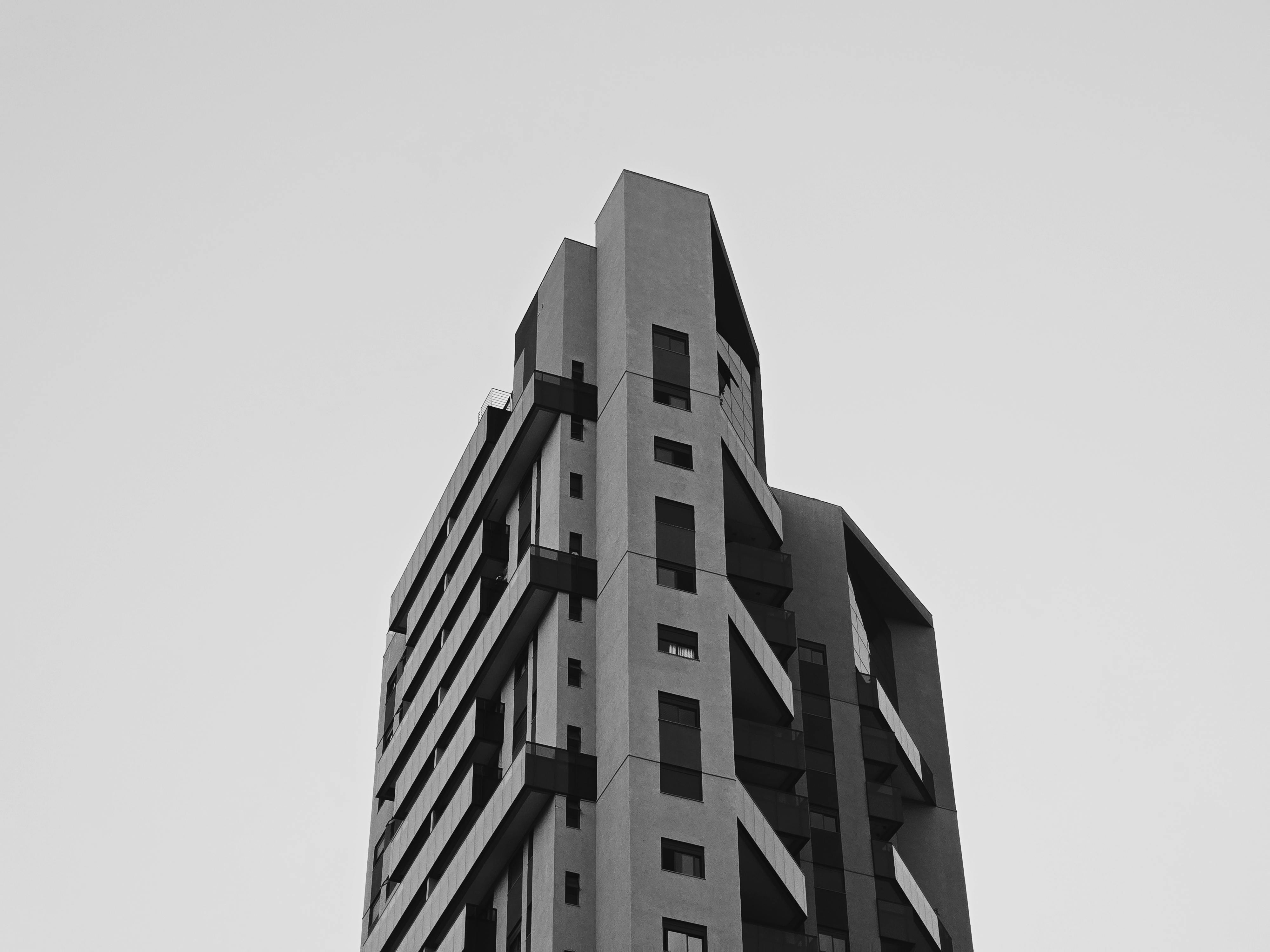
Brutalism: Concrete, Controversy, and Cult Status
Love it or hate it, Brutalism leaves a mark. This raw, concrete-heavy style reshaped cities for decades.
Born in the 1950s, Brutalist buildings were bold, blocky, and brutally honest. No frills. Just form, function, and unapologetic concrete. They rose fast in post-war cities—and so did the backlash.
So what made governments love it, critics loathe it, and architects keep coming back?
Here’s the story behind one of architecture’s most divisive styles—how it rose, collapsed, and somehow came back stronger.
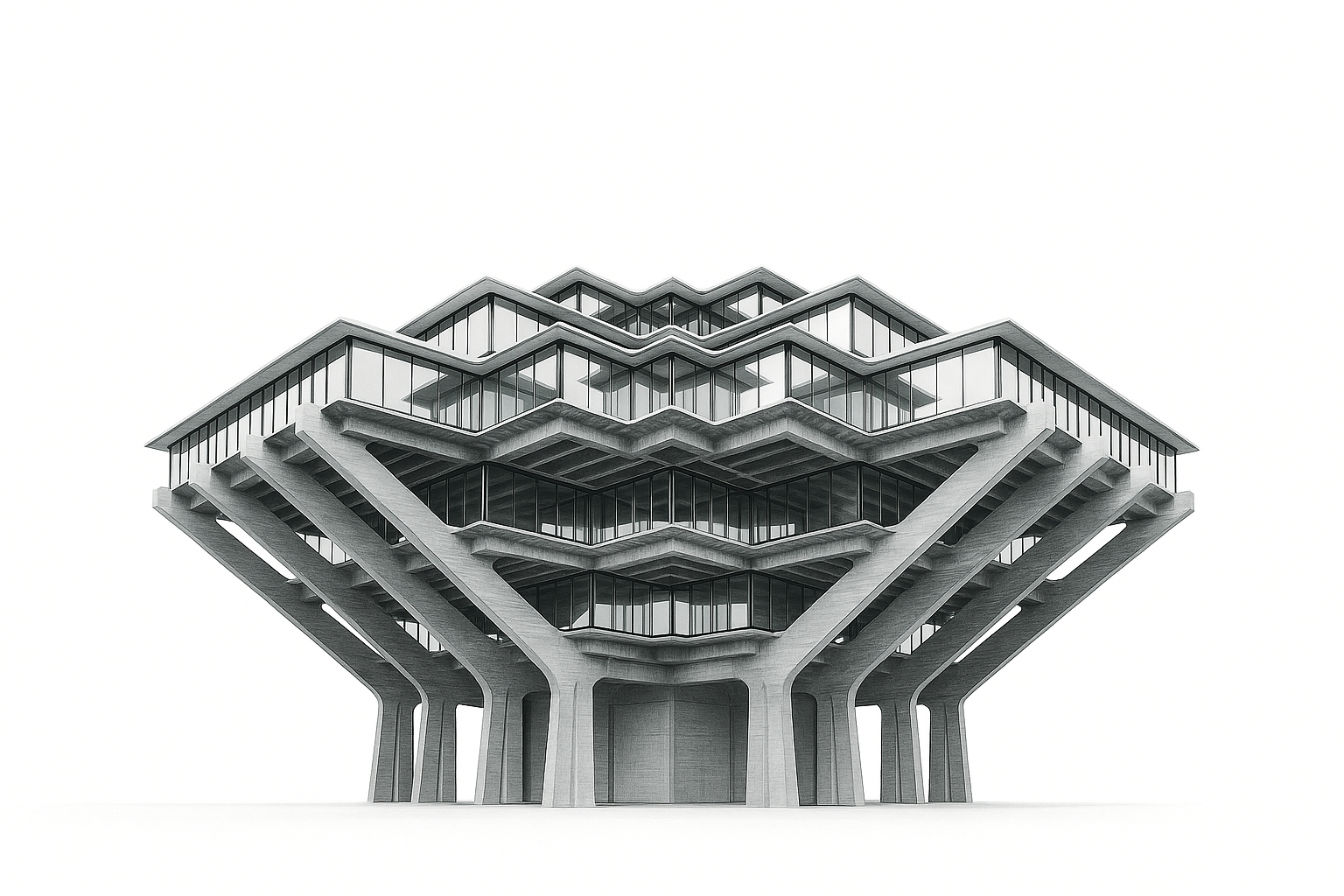
IMAGE: Geisel Library at the University of California, San Diego—an iconic Brutalist structure by William Pereira, featuring bold cantilevered concrete floors and futurist design influences.
Maybe you're just curious after seeing Adrien Brody in The Brutalist—but this concrete-heavy style once ruled cities worldwide.
Let’s break it down and see why it still matters today.
Brutalist Architecture Explained: Bold Designs and Raw Concrete
Brutalism is one of the most striking and controversial architectural styles of the 20th century.
Is Brutalism Really Ugly? Depends Who You Ask.
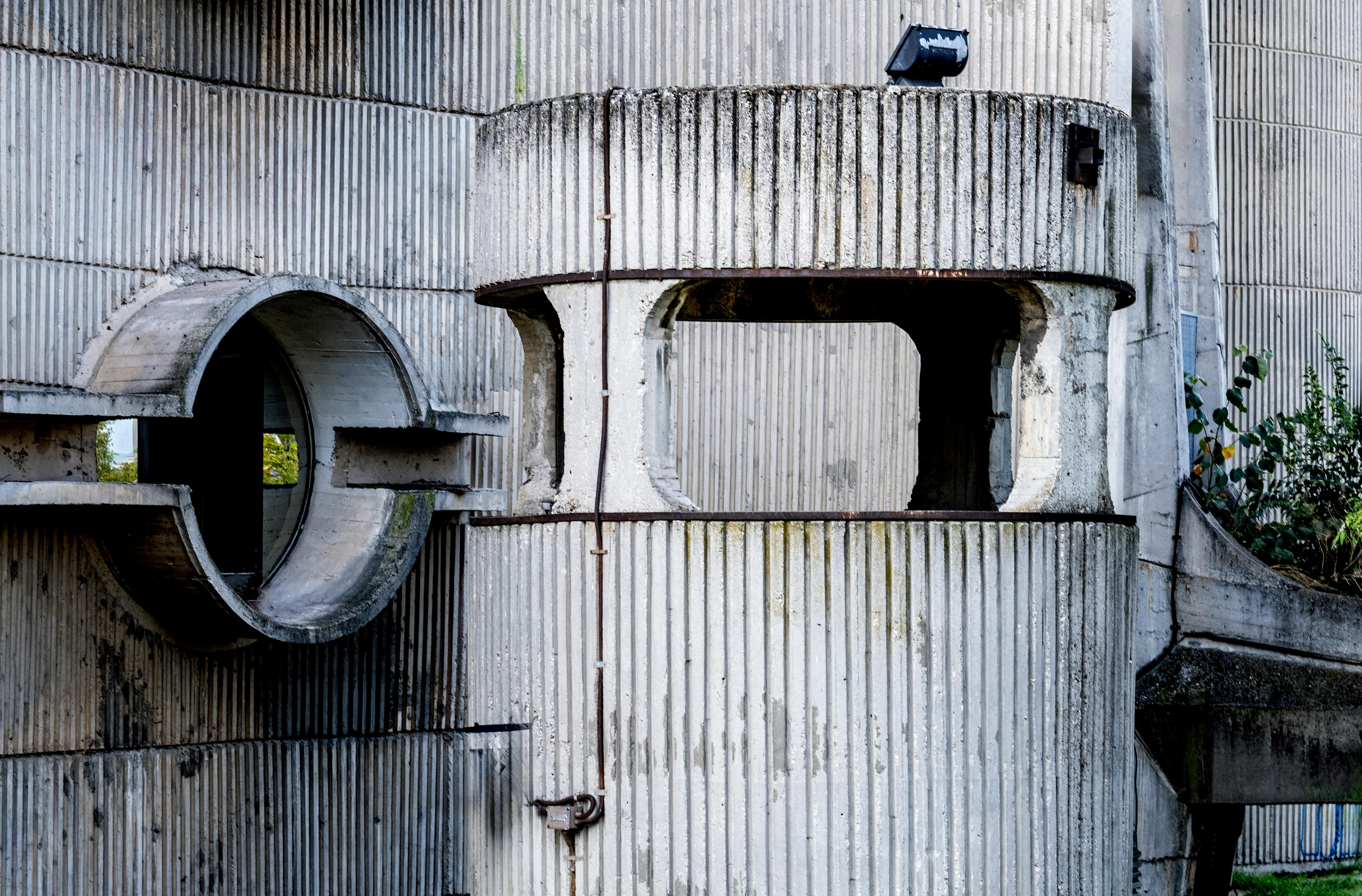
IMAGE: Brutalist architecture detail in Skopje, North Macedonia—highlighting the raw concrete texture and striking geometric form that feels both beautiful and unsettling.
Brutalist buildings are often called “ugly.” Too gray. Too boxy. Too cold.
But here’s the truth: it’s more complicated than that. And there’s plenty of evidence on both sides.
Why People Think It’s Ugly
▪ Concrete fatigue: Decades of gray slabs, crumbling facades, and mildew stains turned people off.
▪ Poor upkeep: Many Brutalist buildings weren’t maintained properly—leading to weathered stains, rust streaks, and broken infrastructure.
▪ Bad copies: Once Brutalism became popular, many cheap imitations were built fast—soulless government offices, public housing blocks, etc.
Real example:
The infamous Robin Hood Gardens in London was demolished in 2017.
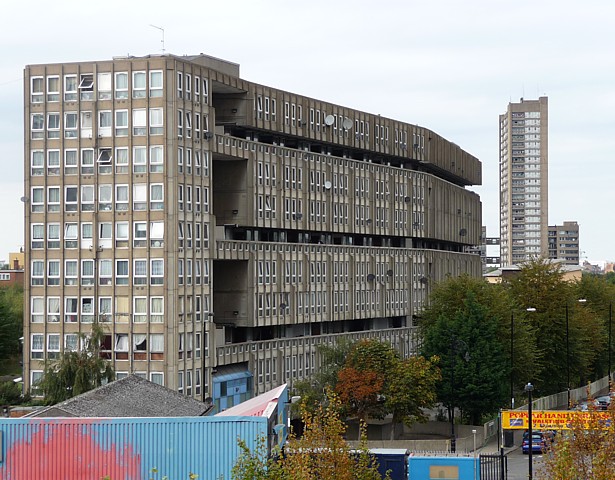
Critics said it was depressing and unsafe. Even though it was designed by top Brutalist architects, it became a symbol of everything people hated about the style.
Why Brutalism Isn't Ugly (If You Know What to Look For)
▪ Design intention: Brutalism is about honesty—what you see is what you get.
▪ Texture and light: Brutalist concrete plays with shadows, weather, and light in surprisingly beautiful ways.
▪ Monumental scale: When done well, Brutalism feels powerful, bold, and timeless.
Real example:
The Barbican Centre in London was once called an “eyesore.” Now? It’s a beloved cultural hub and one of the most photographed buildings on Instagram. The design community views it as a masterpiece of raw urban architecture.
So... Is It Ugly?
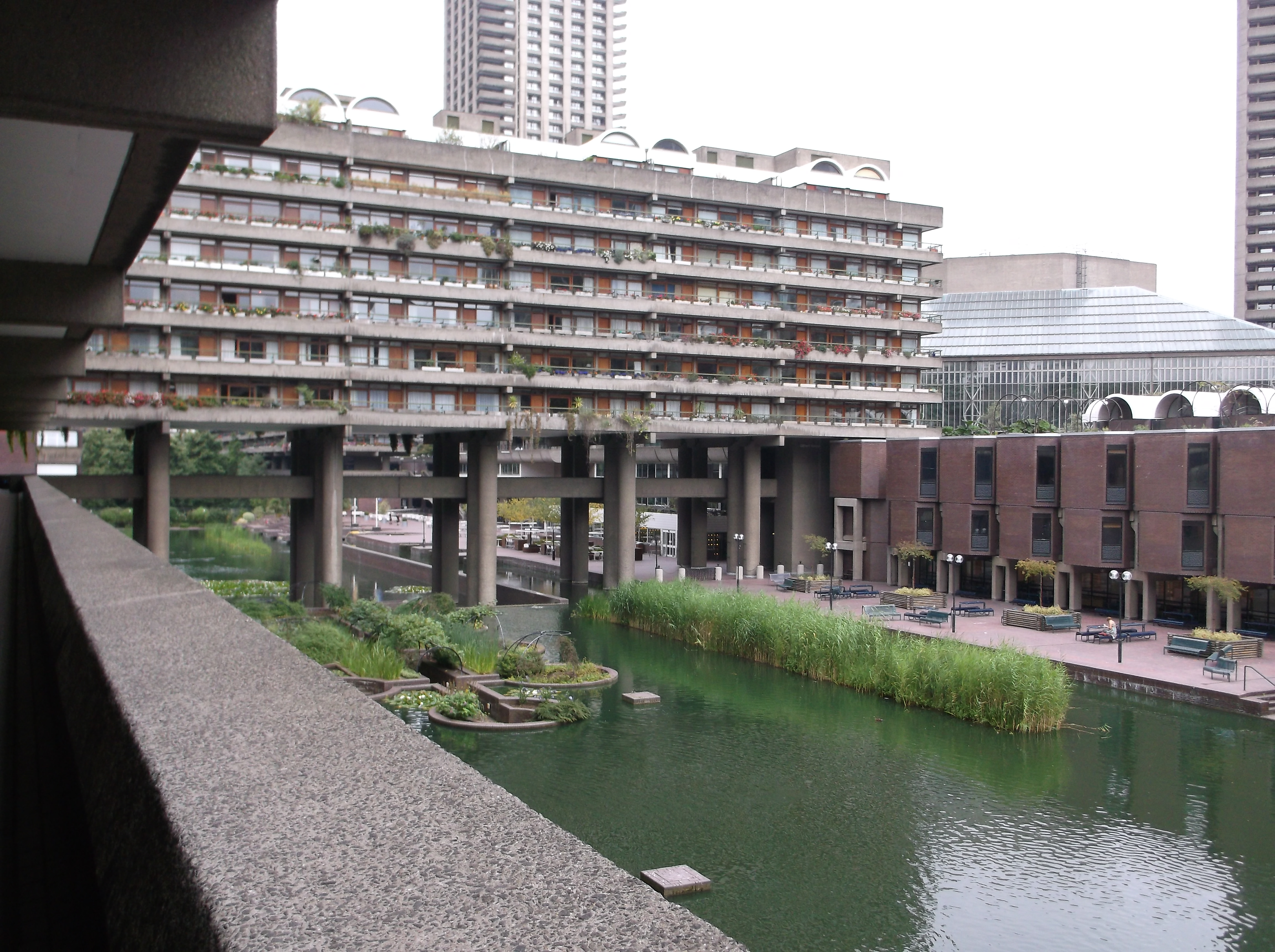
IMAGE: Barbican Centre in London showcasing Brutalist architecture through layered terraces, raw concrete surfaces, and sculptural forms.
There’s no right answer. Some people love it. Some people hate it. But ugliness alone doesn’t mean failure in architecture.
Quote from critic Jonathan Meades:
“Brutalism is not about comfort. It’s about truth. And sometimes, truth isn’t pretty.”
Bottom Line: Brutalism wasn’t meant to be pretty. It was meant to stand up, stand out, and serve people.
Sometimes, that results in beauty.
Sometimes, it doesn’t. But calling it all “ugly” misses the point—and ignores the work of some of the boldest designers of the 20th century.
Brutalism: The Architectural Style That Redefined Urban Design
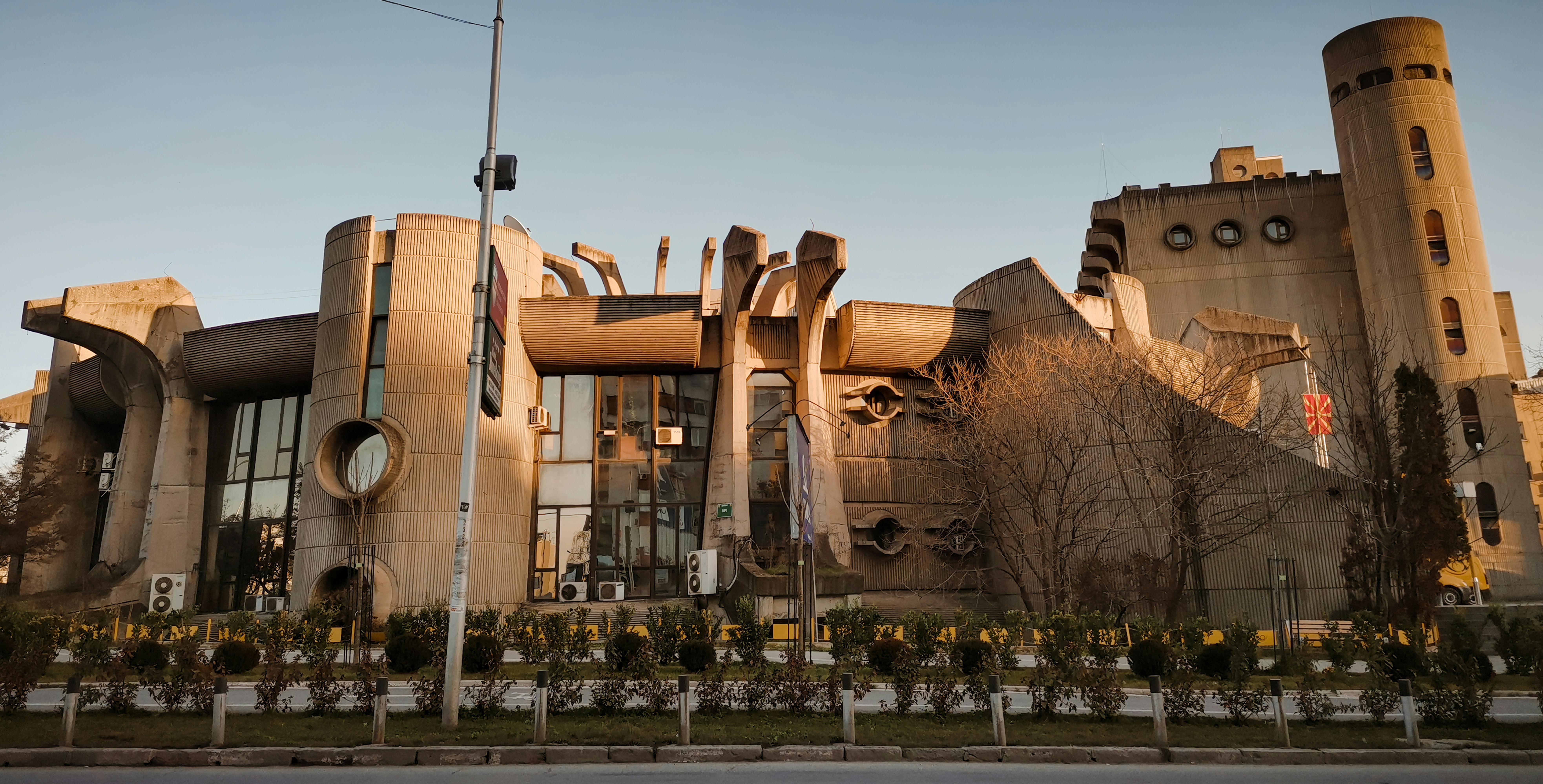
IMAGE: Brutalist architecture detail in Skopje, North Macedonia—highlighting the raw concrete texture and striking geometric form that feels both beautiful and unsettling.
The bold, geometric designs and raw concrete beauty of Brutalist architecture.
Summary
Brutalist Architecture Defined: Raw, Bold, Functional
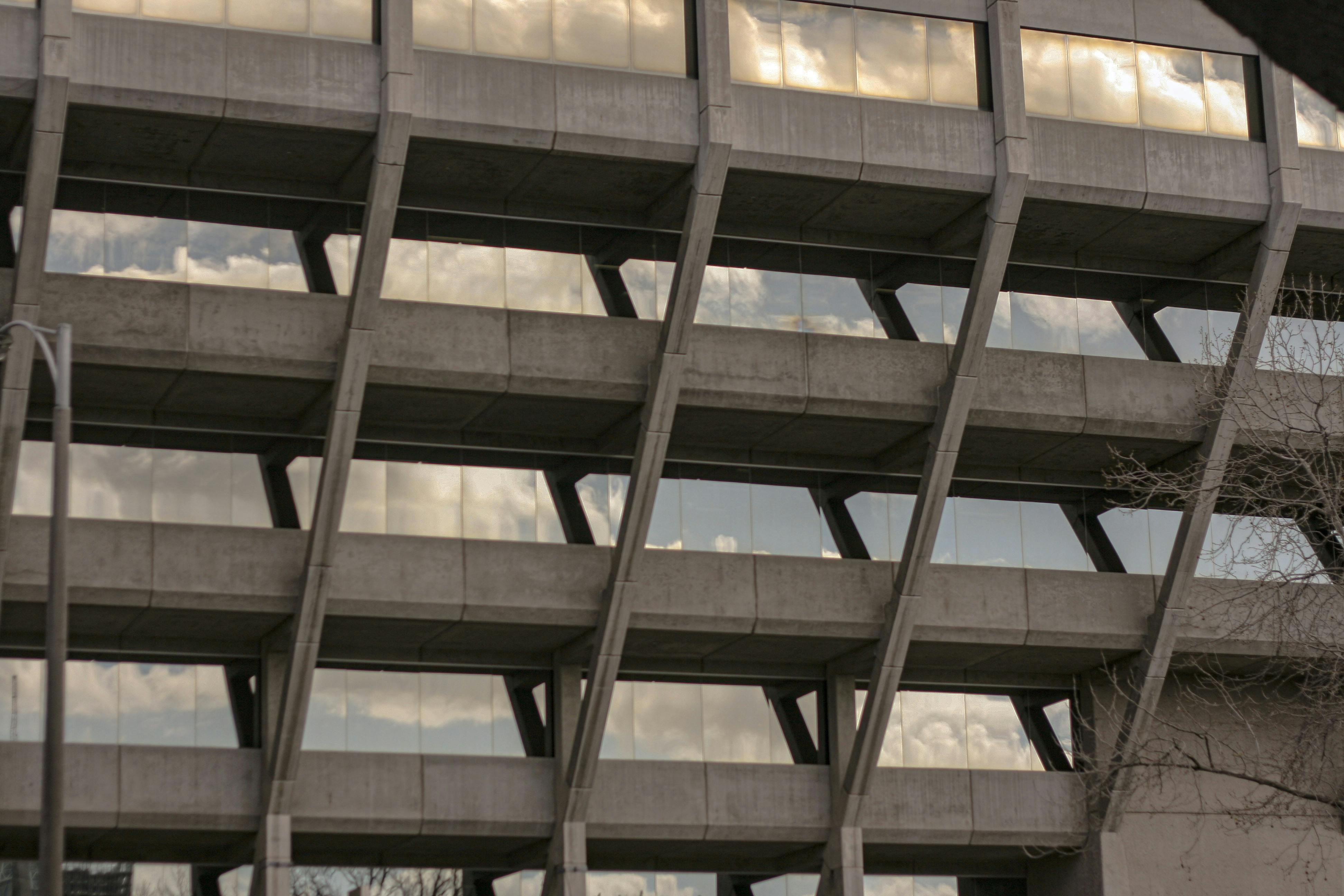
IMAGE: Brutalist building facade in Geelong, Victoria, showcasing raw concrete textures and bold geometric forms typical of the style.
Brutalism emerged in post‑World War II Britain (1950s–1980s) as a reaction to ornate design, embracing 'béton brut' (raw concrete). Its hallmarks are:
-
Exposed concrete (often board-marked)
-
Geometric, monolithic forms
-
Minimal ornamentation
-
Emphasis on material honesty and structural clarity
Key Features & Philosophy
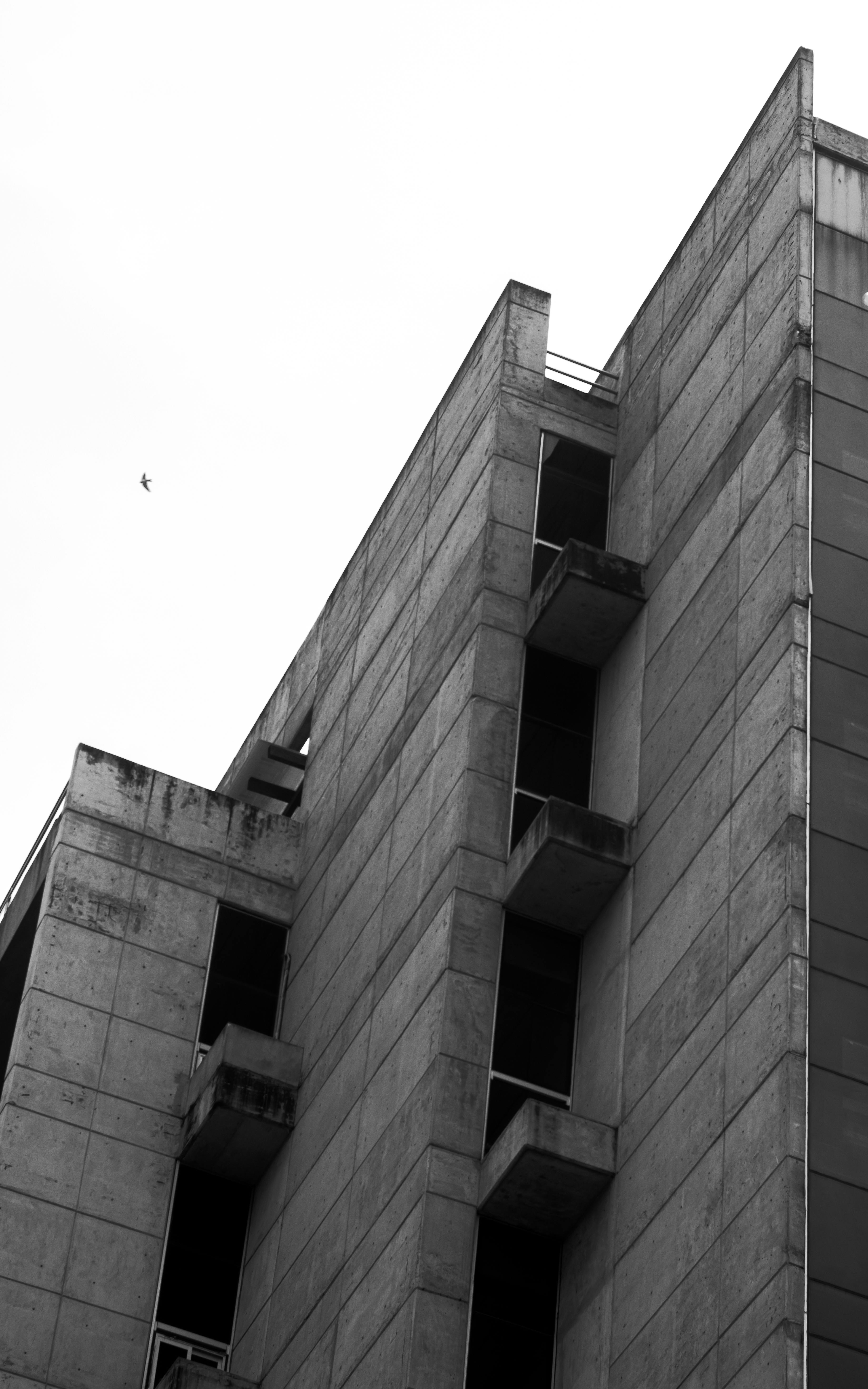
IMAGE: Brutalist building in Xalapa, Mexico, featuring raw concrete surfaces and geometric structural design typical of the style.
-
Material Honesty: Structures lay bare their core—concrete, steel, brick
-
'Form follows function': Design reflects use—e.g., exposed beams signal civic spaces
-
Bold Scale & Texture: Massive forms, sharp edges, rugged finishes
-
Social Intent: Initially sought a new, egalitarian architecture for housing and public buildings
Iconic Brutalist Buildings
-
Le Corbusier’s Unité d’Habitation (Marseille): first ‘béton brut’ realization
-
Hunstanton School (Alison & Peter Smithson, UK, 1954): coined “New Brutalism”
-
Boston City Hall (Kallmann, McKinnell & Knowles): civic monument in concrete
-
Geisel Library (UC San Diego) & Barbican Centre (London): exemplify rugged monumentalism
Global Reach
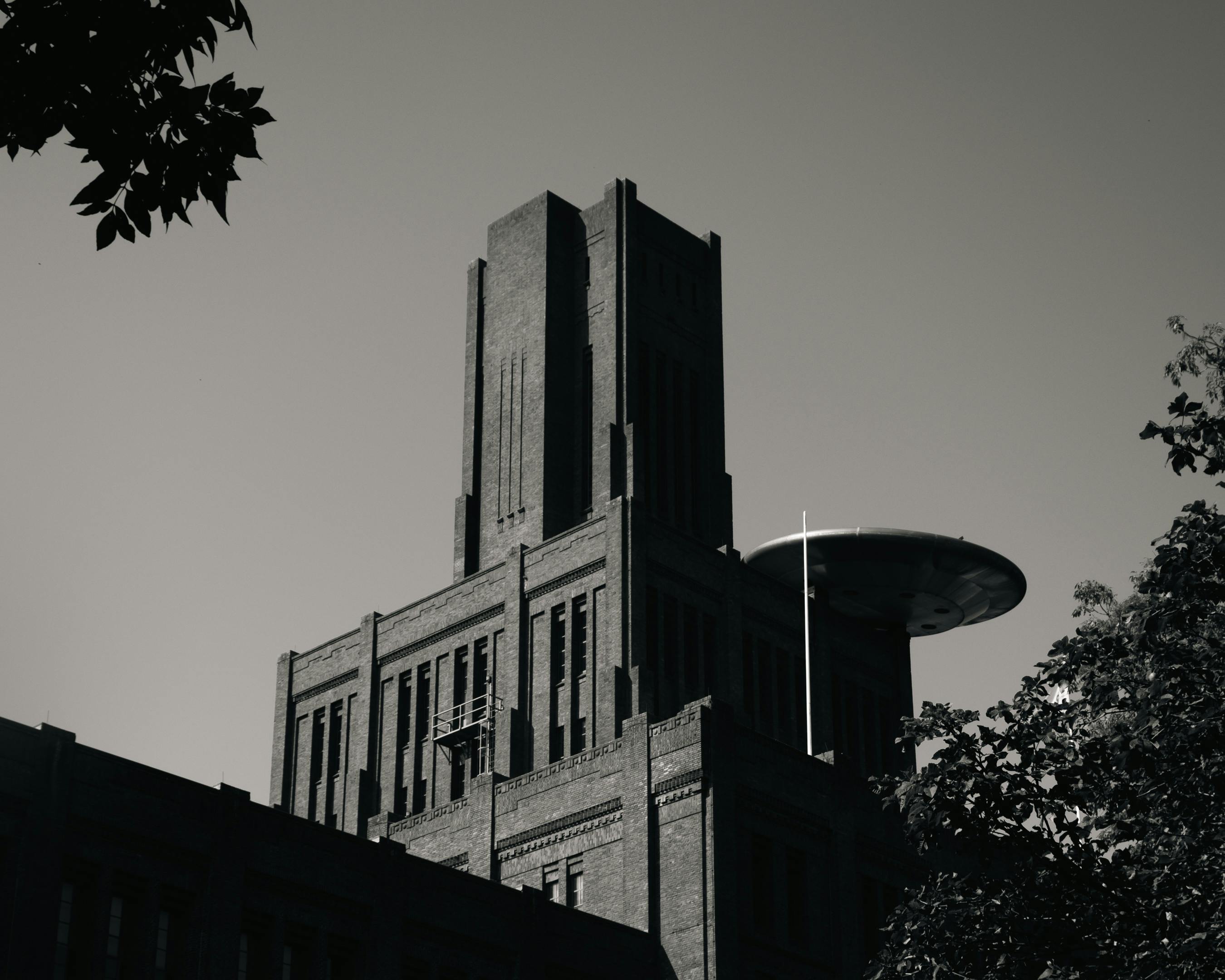
IMAGE: Monochrome photo of a historic industrial building in Amsterdam featuring Brutalist architectural elements with raw concrete and geometric forms.
Brutalism spread internationally:
-
Social housing in UK, Eastern Europe
-
Institutional buildings globally, from India (B.V. Doshi campus) to the U.S.A
Backlash & Recent Revival
-
Decline (1980s): Criticized as cold, oppressive, and out of touch—often targeted for demolition
-
Resurgence: Renewed interest in its bold materiality and integrity. Campaigns to preserve and repurpose key sites
Why Study Brutalism?
-
It challenges us to rethink beauty and function
-
Inspires bold material use and design honesty
-
Its structural clarity and texture find modern reinterpretation in sustainable and industrial-inspired designe
Brutalism is honest, raw, powerful architecture. Love it or hate it, its legacy shapes how architects think about material, form, and civic purpose.
What Is Brutalist Architecture?
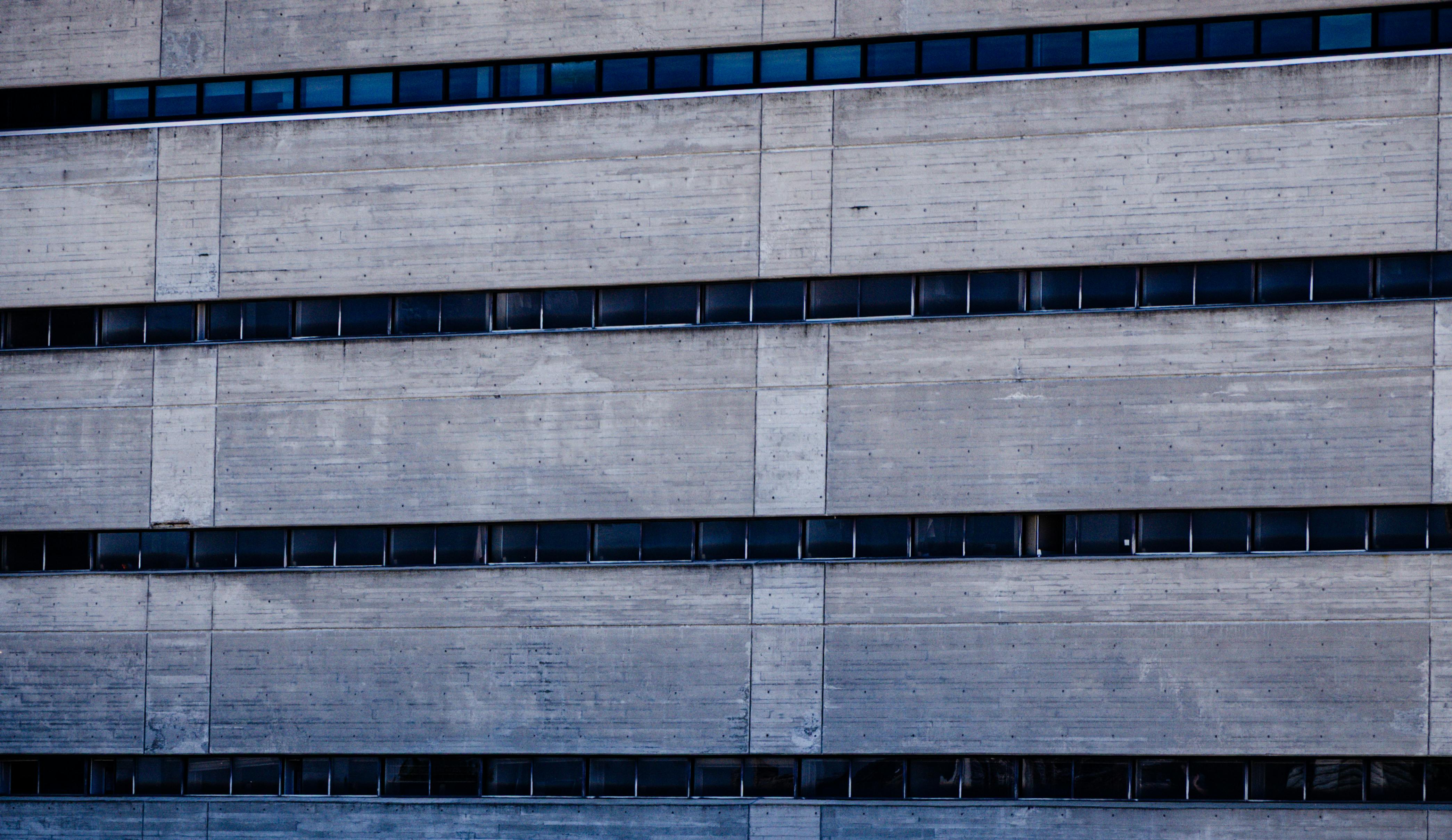
IMAGE: Concrete wall featuring the raw, textured surfaces and bold forms characteristic of modern Brutalist architecture.
Brutalism is all about raw honesty. No frills. No fakes. Just bold forms, exposed concrete, and design that puts function first.
The term comes from the French béton brut — “raw concrete” — and that’s exactly what you see. Walls that look unfinished. Materials left exposed. Structures that feel unapologetically massive.
Why Did Brutalism Happen?
Brutalism wasn’t just a style. It was a reaction.
▪ It pushed back against overly decorative, romantic buildings.
▪ It answered the post-WWII demand for fast, affordable, durable construction.
▪ It embraced a new ethos: form follows function — even if that form looks severe.
Where Did It Come From?
It started with Le Corbusier.
In 1952, his Cité Radieuse in Marseille showed what concrete could do — not just structurally, but aesthetically. He didn’t hide the material. He made it the message. That project became the blueprint for what came next.
Brutalism quickly spread across Europe, the UK, and North America — especially for public buildings, housing blocks, and universities.
Key Characteristics of Brutalist Architecture
Iconic Features of Brutalist Architecture You Need to Know
Brutalism doesn’t try to charm you—it confronts you.
Below are the defining traits that make this style unforgettable (and often controversial).
Concrete Elegance: The Distinctive Traits of Brutalist Architecture
1. Exposed Concrete (Béton Brut)
What it is: Concrete walls left raw—no plaster, no paint. Just the material, as it is.
Why it matters: It’s about truth in materials. You see every line from the wooden formwork. Every imperfection becomes part of the aesthetic.
Example: National Theatre, London – pure, weathered concrete that evolves with time.
2. Bold, Geometric Forms
What it is: Boxy, angular structures—often stacked or cantilevered like blocks.
Why it matters: These forms express power, clarity, and brutal honesty. No curves, no softness.
Example: Boston City Hall – massive, tiered shapes that dominate the skyline.
3. Function-First Design
What it is: Every element serves a purpose. No ornament. No fluff.
Why it matters: Built in an era of rebuilding, these structures prioritized utility, speed, and economy.
Example: Habitat 67, Montreal – a modular housing system designed for livability, not luxury.
4. Blending with the Environment
What it is: Stark architecture softened by greenery or landscape integration.
Why it matters: These cold materials meet warm life—courtyards, gardens, and water features ease the concrete edge.
Example: Barbican Estate, London – concrete towers wrapped in elevated walkways, trees, and ponds.
5. Monumentality and Scale
What it is: Structures designed to feel immense and permanent—often used for civic or institutional buildings.
Why it matters: It speaks to ambition—of nations, of ideologies, of an architectural movement trying to reshape cities.
Example: Palace of Culture and Science, Warsaw – a colossal Soviet statement in concrete.
Iconic Brutalist Structures Around the World
Brutalism left its mark on every continent. Here are four structures that define the movement—each bold, raw, and unforgettable.
Barbican Centre – London, UK
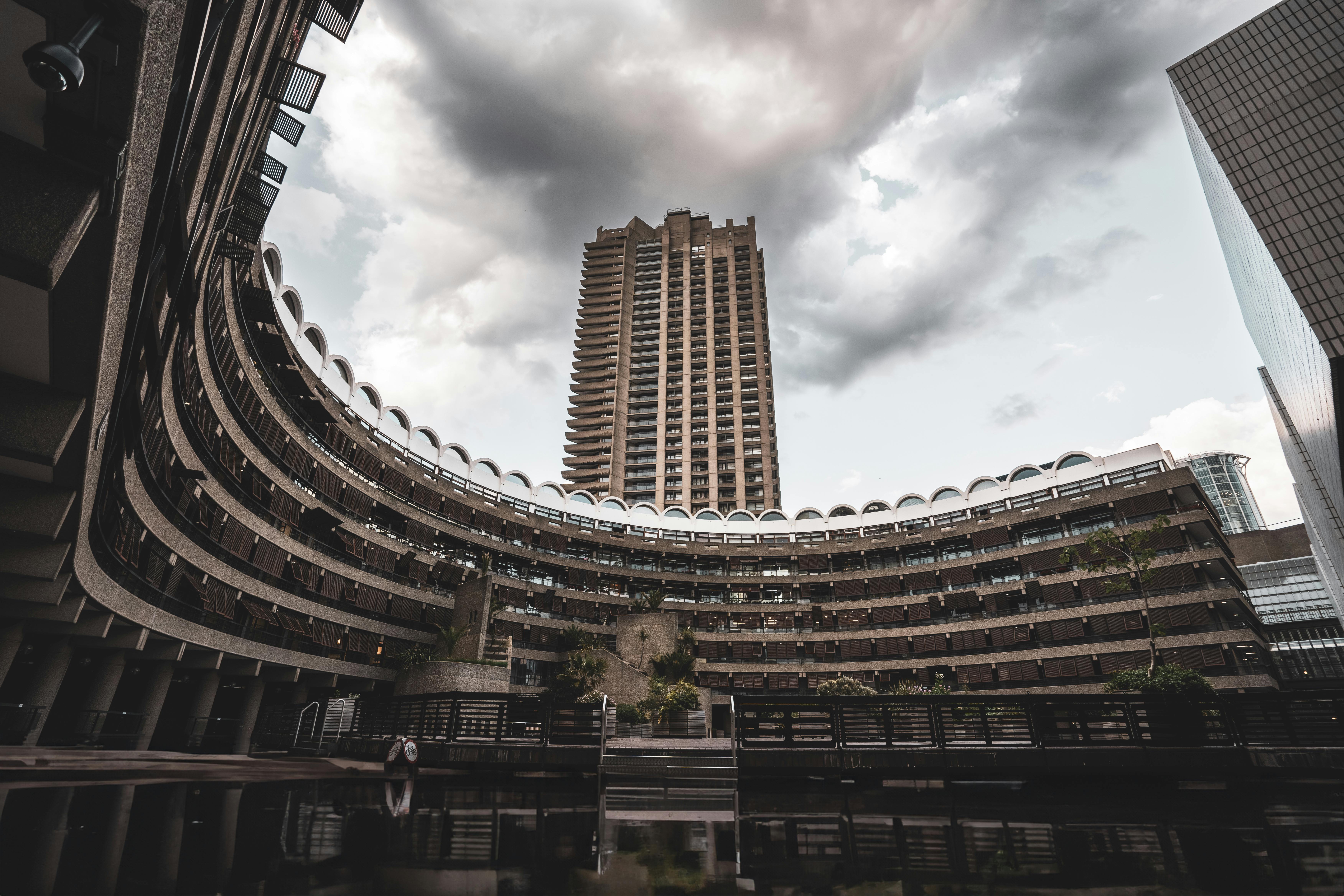
IMAGE: Iconic Barbican Centre in London, a landmark of Brutalist architecture combining residential, cultural, and recreational spaces with elevated walkways and sculptural concrete forms.
Type: Residential + Cultural Complex
Why It Stands Out: A sprawling urban megastructure that fuses housing, arts, and recreation. Elevated walkways, sunken gardens, and layered concrete forms make it a Brutalist city within a city.
Habitat 67 – Montreal, Canada
Type: Experimental Housing Project
Architect: Moshe Safdie
Why It Stands Out: A pioneering design in modular living—stacked concrete boxes that offer privacy, light, and green terraces. It redefined urban housing and still feels futuristic.
Boston City Hall – Boston, USA
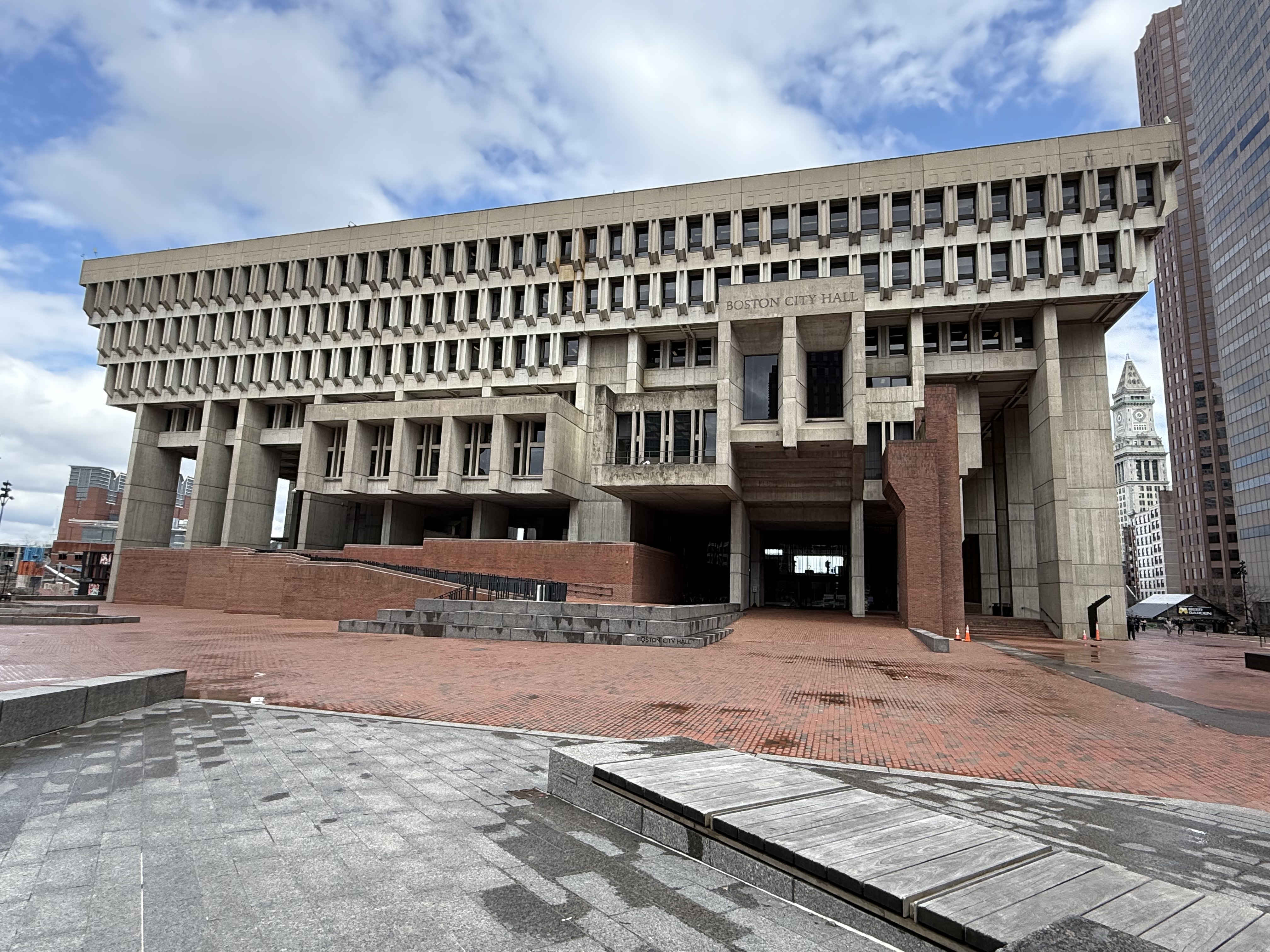
IMAGE: Boston City Hall, a bold Brutalist government building known for its exposed concrete, monumental overhangs, and polarizing presence in the cityscape.
Type: Government Building
Architects: Kallmann, McKinnell, and Knowles
Why It Stands Out: Brutalism at full volume. The heavy overhangs, exposed concrete forms, and fortress-like presence have made it one of America’s most debated landmarks.
The National Theatre – London, UK
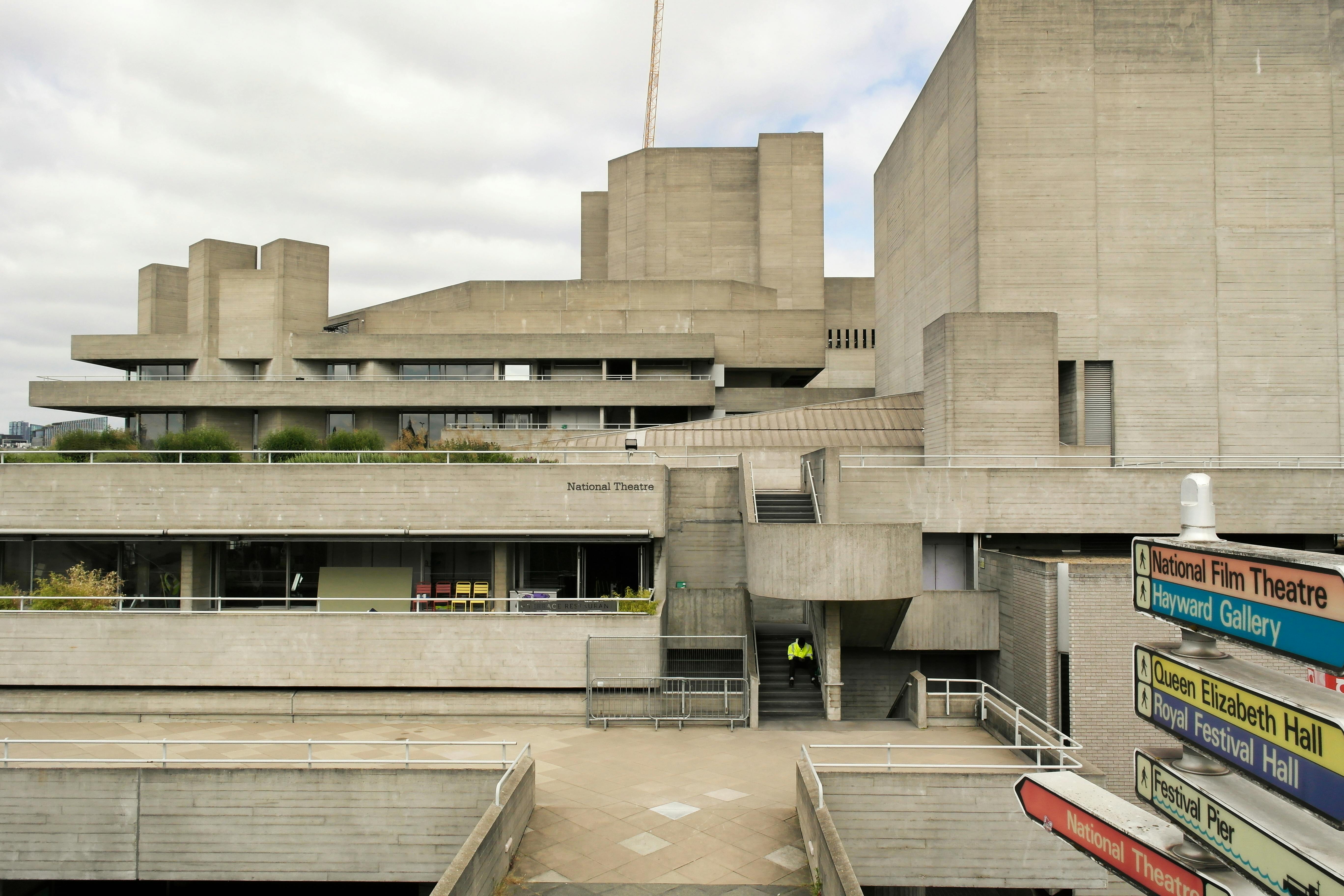
IMAGE: The National Theatre in London, a key example of Brutalist architecture with layered concrete terraces and stark geometric forms defining its iconic cultural presence.
Type: Cultural Institution
Architect: Denys Lasdun
Why It Stands Out: An icon of British Brutalism. Sharp terraces, brutal geometry, and raw concrete make it a dramatic stage—before you even enter the building.
What Brutalism Left Behind
1. Still Shapes Modern Design
Brutalism didn’t disappear—it just got repackaged. You’ll find its clean lines and raw materials echoed in everything from tech offices to modern homes.
▪ Example: Look at Apple’s retail stores or corporate buildings. Stripped-down, concrete-heavy, and built with purpose—they borrow a lot from Brutalism without saying it out loud.
2. People Are Saving These Buildings Now
What used to be hated is now being preserved. Cities and architects are trying to protect some of the most iconic Brutalist buildings before they get demolished.
▪ Example: The Southbank Centre in London—once seen as a concrete eyesore—is now listed and undergoing careful restoration.
3. It's Trending Again
Love it or hate it, Brutalism isn’t dead. It’s back in photos, social media, and architecture schools. People are sharing images tagged #BrutalistArchitecture because there's something honest about the raw look.
▪ Brutalism feels different in a world full of glass boxes. It’s bold. It says something. And people are listening again.
The Resurgence of Brutalism: Why It’s Back
Brutalist architecture is having a comeback—and not just among architects. From social media to urban preservation projects, a new generation is embracing its raw strength, bold forms, and no-nonsense honesty.
Why Is Brutalism Back?
1. It Stands Out
Today’s cities are filled with glass boxes and neutral tones. Brutalist buildings cut through the noise. They're bold, heavy, and demand attention—something younger audiences find refreshing in a sea of sameness.
2. It Feels Honest
Brutalism doesn’t fake it. No veneers, no shiny finishes. Just concrete, steel, and form. In an era obsessed with authenticity, this unfiltered aesthetic hits home.
3. It Lasts
With proper upkeep, Brutalist buildings are nearly indestructible. Many have stood for 50+ years and are still structurally sound. Concrete ages well—visually and physically.
4. It’s Being Reused
Old Brutalist buildings are being repurposed—into museums, tech offices, art schools, or high-end apartments. Designers appreciate their adaptability and rugged potential.
5. It’s Going Viral
Instagram, TikTok, and design blogs are full of moody shots of Brutalist icons. Structures like Habitat 67, Boston City Hall, and the Barbican now have cult status. The brutal becomes beautiful—especially online.
6. It Pushes Back Against Sterile Design
Minimalism went too far. People are bored of blank walls and polished spaces. Brutalism offers weight, texture, and edge—architecture with presence.
Real Projects That Prove It’s Back
-
Barbican Towers, London: Once mocked, now premium property.
-
The Met Breuer (New York): Former Whitney Museum, still a brutalist icon.
-
Zaha Hadid’s early work: Clear Brutalist influence in geometry and scale.
-
University restorations worldwide: Brutalist campuses are being refurbished, not replaced.
Preservation & Modern Takes
-
Preservation groups are fighting to save Brutalist buildings from demolition—Trellick Tower, the National Theatre, even Soviet-era landmarks.
-
New architects are channeling Brutalist ideas—bold structure, raw materials, sustainability—but with modern techniques like precast panels, green roofs, and passive design.
Why It Matters
Brutalism came from a time of urgency, clarity, and ambition. It wasn’t about beauty—it was about function, permanence, and truth. That message still matters.
Today, as cities rethink what buildings should look like—and how they should work—Brutalism reminds us that architecture doesn’t need to be soft to serve people. Sometimes, it just needs to stand its ground.
Did Brutalism Survive? Or Was It Just a Failed Experiment?
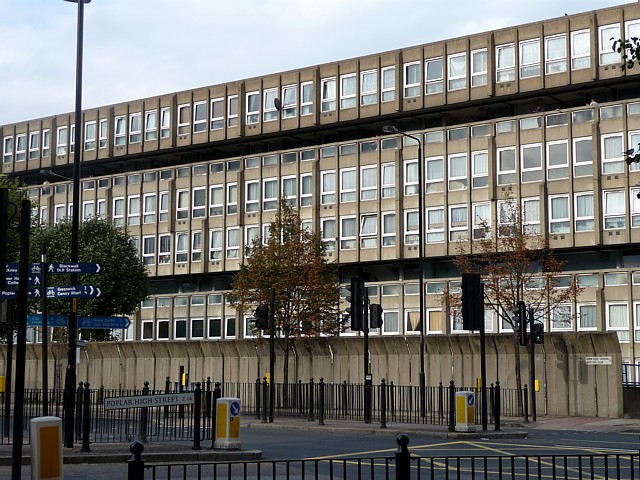
IMAGE: The now-demolished Robin Hood Gardens in East London, a landmark Brutalist housing estate by Alison and Peter Smithson, known for its raw concrete facade and utopian design vision.
Brutalist architecture didn’t die. But it didn’t exactly thrive either. It split in two: some of it was demolished or abandoned, and some of it became cult architecture.
Why It Was Born
▪ When: Post-WWII (late 1940s–1970s)
▪ Why: Cities needed cheap, fast, durable buildings. Brutalism fit the bill.
▪ Who: Pioneers like Le Corbusier, Alison & Peter Smithson, and Paul Rudolph led the charge.
→ It wasn’t meant to be beautiful. It was meant to function, endure, and make a social impact.
The Philosophy Behind Brutalism
Brutalism came from frustration—with fake façades, ornamentation, and bourgeois architecture. Architects wanted honesty. Concrete was cheap, real, and powerful.
▪ Form follows function—no decorative junk.
▪ Social housing as pride, not pity.
▪ Truth in materials—concrete wasn’t hidden. It was celebrated.
"You have to give people pride in where they live." — Peter Smithson
Where It Went Wrong
By the 1980s, public opinion turned. Brutalist buildings aged poorly. Dirty concrete. Maintenance nightmares. Cities started tearing them down.
▪ Examples of Demolished Brutalism:
→ Robin Hood Gardens (London)
→ Prentice Women’s Hospital (Chicago)
→ Birmingham Central Library (UK)
It was seen as cold, alienating, even oppressive. Politicians used it as a scapegoat for failed social housing.
Where It Survived
Ironically, the same buildings that were once hated are now protected, restored, and praised by a new generation.
▪ Still Standing Icons:
→ Barbican Centre (London) – now a sought-after address
→ Habitat 67 (Montreal) – iconic and fully inhabited
→ Trellick Tower (London) – once loathed, now listed
→ Many are now heritage-protected. The conversation changed from “tear it down” to “why didn’t we appreciate it sooner?”
Did Brutalism Win or Lose?
Both. It failed commercially but succeeded culturally.
▪ It didn’t become the global norm. Developers hated the cost of upkeep.
▪ But it inspired generations of designers. Minimalism, exposed materials, and functional honesty? All still alive.
Brutalism Today: A Revival or Nostalgia?
▪ Brutalist aesthetics are back—in interiors, graphic design, even video games.
▪ New buildings rarely use concrete the same way, but the spirit lives on in raw, honest design.
▪ Even luxury homes now borrow from Brutalist form—without the mass housing stigma.
"Brutalism never cared what you thought of it. That’s what made it radical."
Verdict: Is Brutalism Worth Mentioning?
Yes—not because it’s perfect, but because it changed the conversation.
▪ It proved that architecture could be political.
▪ It showed that beauty doesn’t have to be soft.
▪ And it left behind some of the boldest, weirdest, most unforgettable buildings of the 20th century.
If your city has one left, go look at it again. Brutalism may be brutal, but it never pretended to be anything else.
Brutalism: Myths, Misconceptions & Controversies
Brutalist architecture remains one of the most polarizing styles in modern history. Critics call it ugly and oppressive. Supporters praise its honesty and strength. But most of what people believe about Brutalism isn’t even true.
Let’s break down the biggest misconceptions and why they matter.
1. “Brutalism is Always Ugly”
Not true. What some see as cold, others see as powerful. The Barbican Centre is still used and loved today—not despite its raw look, but because of it.
2. “It’s Just a Bunch of Gray Concrete”
Concrete is central, yes. But Brutalists used brick, glass, steel, and light play too. Many buildings feature texture, shadow, and rhythm, not just slabs.
3. “All Brutalist Buildings Look the Same”
Hardly. Compare Habitat 67 to Boston City Hall—one is modular and playful, the other monumental and sharp. Same movement, totally different expressions.
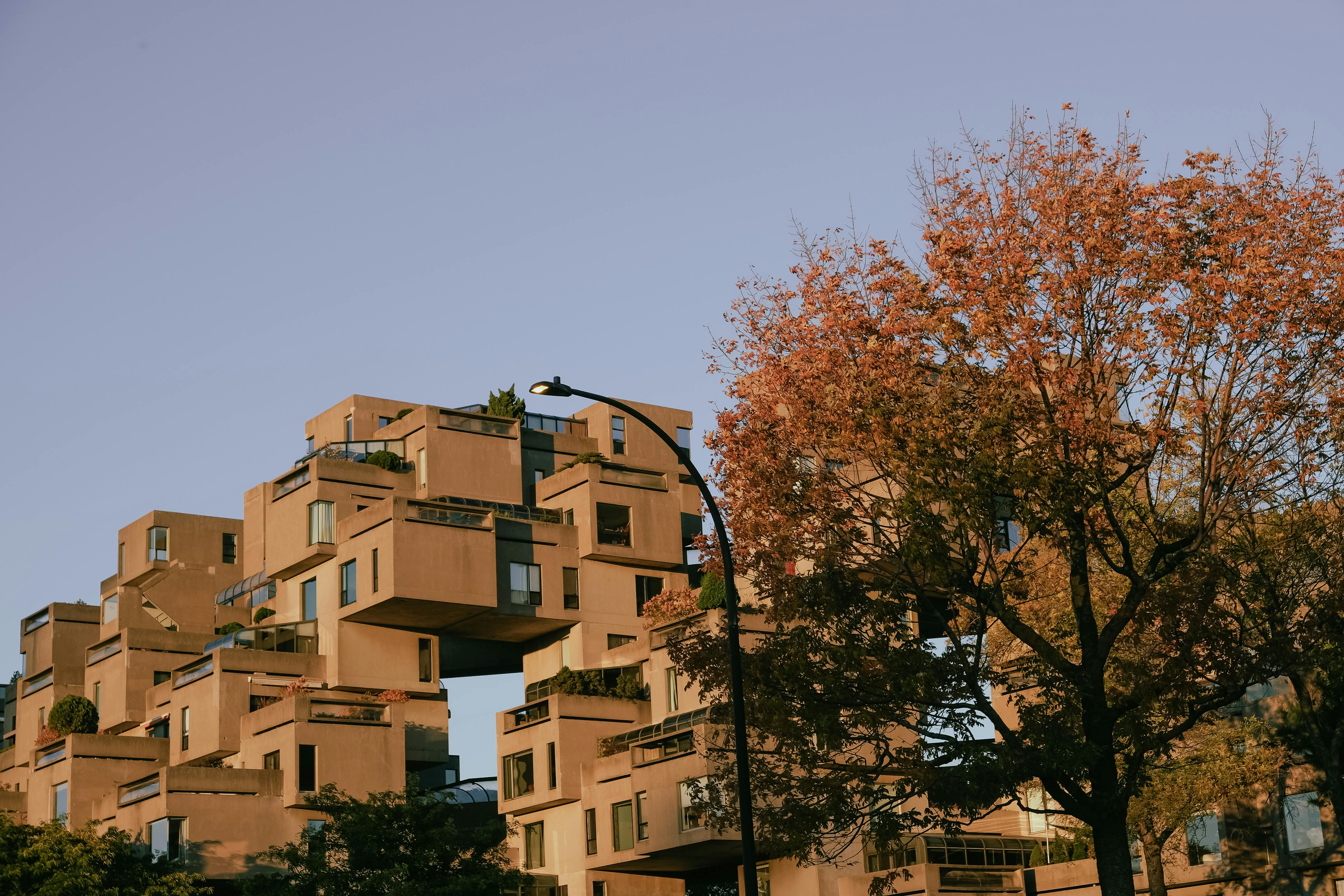
IMAGE: Habitat 67 in Montreal, a landmark of Brutalist architecture featuring stacked modular concrete units, merging urban density with sculptural, experimental design
4. “Brutalism is Oppressive”
Some structures did feel harsh. But many were designed for people—with community terraces, open plazas, and shared courtyards. The National Theatre is a perfect example.
5. “Brutalism Was Only a Western Thing”
Wrong. Brutalism went global. Look at Le Corbusier’s Capitol Complex in India or Soviet-era universities in Eastern Europe. Each adapted the style to local needs.
6. “It Hates Nature”
Brutalism often incorporated green space—not ignored it. The Barbican Estate weaves in gardens, walkways, and water features. It was never about concrete alone.
7. “Concrete Can’t Be Maintained”
Maintenance can be tricky—but not impossible. Many structures, like Trellick Tower, have been restored and upgraded. The issue isn’t the style—it’s the neglect.
8. “It’s Outdated”
Modern minimalism and industrial styles owe a lot to Brutalism. Clean geometry, exposed structure, and no-nonsense design? All very much in play today.
9. “Everyone Hates Brutalism”
Brutalism has a cult following. Preservation groups, architecture forums, and young designers actively protect and promote these structures.
10. “It’s Always Massive”
Some are. But Brutalism also includes smaller, detailed works. The Brion Cemetery by Carlo Scarpa is a quiet, poetic example of how intimate Brutalism can be.
Misunderstanding Brutalism leads to demolition—not dialogue.
These buildings weren’t meant to be beautiful in a conventional way. They were meant to function, provoke, and last.
Love it or hate it, Brutalism challenged architecture to be honest, bold, and social. That’s worth remembering—before it’s all gone.
Brutalism vs. Art Deco: Two Different Stories
When it comes to architectural styles, Brutalism and Art Deco couldn’t be more different—yet both have left profound marks on the urban landscape.
Each represents a response to the cultural, economic, and technological shifts of its time.
1. Design Philosophy: Function vs. Flourish
- Brutalism: Rooted in functionality, Brutalist architecture prioritizes practicality and structural honesty. Its raw concrete facades and geometric forms strip design down to the essentials, rejecting ornamentation in favor of purpose.
- Example: Boston City Hall showcases Brutalism’s ethos, where every element serves a specific function.
- Art Deco: The epitome of glamour, Art Deco celebrates luxury, elegance, and exuberance. It embraces intricate patterns, bold colors, and lavish materials, often reflecting the optimism of the Jazz Age.
- Example: The Chrysler Building in New York epitomizes Art Deco’s attention to detail, with its gleaming spire and ornate design.
2. Materials: Raw vs. Refined
- Brutalism: Dominated by raw materials, particularly exposed concrete, steel, and glass. Its minimalist palette reflects an industrial aesthetic.
- Feel: Stark, utilitarian, and sometimes polarizing.
- Art Deco: Leans on polished materials like marble, brass, chrome, and decorative glass. This focus on refinement mirrors the wealth and innovation of its era.
- Feel: Luxurious, warm, and inviting.
3. Emotional Impact: Provocative vs. Pleasing
- Brutalism: Its bold, imposing forms can feel cold or alienating to some, but others admire its unflinching honesty and strength. It demands attention and sparks conversation.
- Why It Matters: Brutalism isn’t about making you feel comfortable—it’s about making you think.
- Art Deco: Designed to delight, Art Deco exudes optimism and vitality. It invites admiration with its intricate detailing and joyful aesthetic.
- Why It Matters: Art Deco’s charm lies in its ability to inspire and uplift.
4. Cultural Context: Post-War Realism vs. Roaring Twenties Optimism
- Brutalism: Emerged in the mid-20th century, largely as a response to post-war austerity. It symbolized resilience, functionality, and the democratization of architecture.
- Example: The Habitat 67 complex in Montreal reflects Brutalism’s focus on creating affordable, practical housing.
- Art Deco: Born in the 1920s, Art Deco embodied the economic boom and cultural confidence of the Jazz Age. Its lavish designs celebrated modernity and progress.
- Example: Miami’s Art Deco Historic District stands as a colorful testament to this era’s vibrancy.
5. Modern Influence: Enduring Legacies
- Brutalism: Though divisive, Brutalism’s principles continue to inspire contemporary architects seeking functionality and minimalism. Its geometric purity often finds echoes in modern urban planning.
- Revival Example: Many Brutalist buildings are being preserved and reinterpreted, such as London’s Barbican Centre, now a cultural and residential hub.
- Art Deco: The style’s decorative flair and focus on luxury have influenced modern interior design, fashion, and even tech products.
- Revival Example: High-end hotels and luxury brands frequently channel Art Deco’s glamorous aesthetic.
Key Similarities
While their differences are striking, Brutalism and Art Deco share a few key similarities:
- Innovative for Their Time: Both pushed architectural boundaries, experimenting with materials and forms in ways that challenged conventions.
- Urban Icons: Each style left behind a legacy of iconic buildings that define cityscapes worldwide.
- Cultural Reflections: Both movements are deeply tied to the social and economic climates of their respective eras.
Bold Statements in Design
Brutalism and Art Deco are reflections of different mindsets.
Art Deco is about flair, polish, and forward-looking optimism. Brutalism is about grit, utility, and honesty in structure.
One dazzled with detail; the other stripped it all away.
You don’t need to pick a side. Both styles say something real about the time they came from—and what people needed then.
And together, they give our cities contrast, character, and perspective.
Comparing Brutalism to Modern Architectural Styles
Brutalism and modern architectural styles each offer unique perspectives on design, material use, and functionality.
While both have their merits, they differ significantly in their aesthetics, philosophy, and adaptability to contemporary needs.
1. Brutalism vs. Minimalism
Aesthetic Approach
- Brutalism: Bold, raw, and unapologetic. Its defining feature is exposed concrete with a rugged, unfinished look.
- Minimalism: Clean, refined, and understated. Emphasizes simplicity and the elimination of clutter.
Materials Used
- Brutalism: Primarily concrete, with occasional use of steel and glass.
- Minimalism: A mix of natural materials (wood, stone) and industrial elements (glass, steel), often in neutral tones.
Philosophy
- Brutalism: Functionality first. Every element serves a purpose, with little regard for visual softness.
- Minimalism: “Less is more.” It’s about creating calm, harmonious spaces by focusing on essentials.
Real-World Example
- Brutalism: Boston City Hall, with its stark concrete facade and imposing geometry.
- Minimalism: The Farnsworth House by Mies van der Rohe, featuring glass walls and an open, airy interior.
2. Brutalism vs. High-Tech Architecture
Aesthetic Approach
- Brutalism: Heavy, solid forms that feel rooted and monumental.
- High-Tech: Lightweight, futuristic designs with exposed structural elements, such as steel frames and visible mechanical systems.
Materials Used
- Brutalism: Dominated by concrete, often left exposed to showcase its raw texture.
- High-Tech: Steel, glass, and advanced composites, emphasizing innovation and transparency.
Philosophy
- Brutalism: Focused on honesty and functionality, with an emphasis on permanence.
- High-Tech: Celebrates technological advancements, aiming to highlight the building’s structural and mechanical components.
Real-World Example
- Brutalism: The Barbican Estate in London, a fortress-like residential complex.
- High-Tech: The Centre Pompidou in Paris, with its inside-out design showcasing pipes and support structures.
3. Brutalism vs. Sustainable Architecture
Aesthetic Approach
- Brutalism: Prioritizes function over appearance, often criticized for being cold or uninviting.
- Sustainable Architecture: Balances beauty with eco-friendliness, often blending structures with natural surroundings.
Materials Used
- Brutalism: Concrete, known for its durability but also criticized for its high carbon footprint.
- Sustainable Architecture: Renewable and low-impact materials like bamboo, reclaimed wood, and energy-efficient glass.
Philosophy
- Brutalism: Emphasizes permanence and utility, with little concern for environmental impact.
- Sustainable Architecture: Focuses on reducing environmental harm, improving energy efficiency, and creating harmony with nature.
Real-World Example
- Brutalism: The National Theatre in London, an iconic yet polarizing structure.
- Sustainable Architecture: Bosco Verticale in Milan, a "vertical forest" integrating greenery into urban living.
Shared Traits and Key Differences
Shared Traits Across Styles
- Functionality: Both Brutalism and modern styles prioritize function, though Brutalism often does so at the expense of aesthetics.
- Innovation: While Brutalism experimented with new uses for concrete, modern styles push boundaries with technology and sustainable practices.
Key Differences
- Public Perception: Brutalism often divides opinion, while modern styles like Minimalism and Sustainability tend to garner widespread admiration.
- Adaptability: Modern styles are more flexible, evolving with societal and environmental needs. Brutalism, rooted in mid-20th-century ideals, feels static in comparison.
Bridging the Old and the New
Brutalism stands as a bold statement in architectural history—its focus on raw materials and functionality shaped a generation of design. However, as architectural priorities have shifted toward sustainability, aesthetics, and innovation, Brutalism’s stark, monolithic approach feels out of sync with modern sensibilities.
That said, Brutalism’s influence persists. Its honesty in material use and commitment to function are principles that resonate with architects today, even as they explore more eco-friendly and visually engaging styles.
Wrapping It Up
Brutalist architecture might not win everyone over, but there’s no denying its influence and the conversations it sparks. Its unapologetic approach to design—prioritizing functionality and raw expression—has left an indelible mark on cities worldwide.
Love it or hate it, Brutalism challenges us to rethink beauty. That's real architecture.
FAQ
- Why is it called Brutalist architecture?
- It comes from béton brut, French for "raw concrete," reflecting the material’s prominence in the style.
- What are the main materials used?
- Exposed concrete, glass, steel, and brick are the primary materials.
- Is Brutalist architecture still relevant?
- Yes, its principles of honesty, functionality, and minimalism continue to influence modern architecture.
- Why is Brutalism controversial?
- Its stark aesthetic and large scale often divide opinions, with some seeing it as oppressive.
- Where can I see Brutalist architecture?
- Famous examples include the Barbican Centre (London), Habitat 67 (Montreal), and the National Theatre (London).