
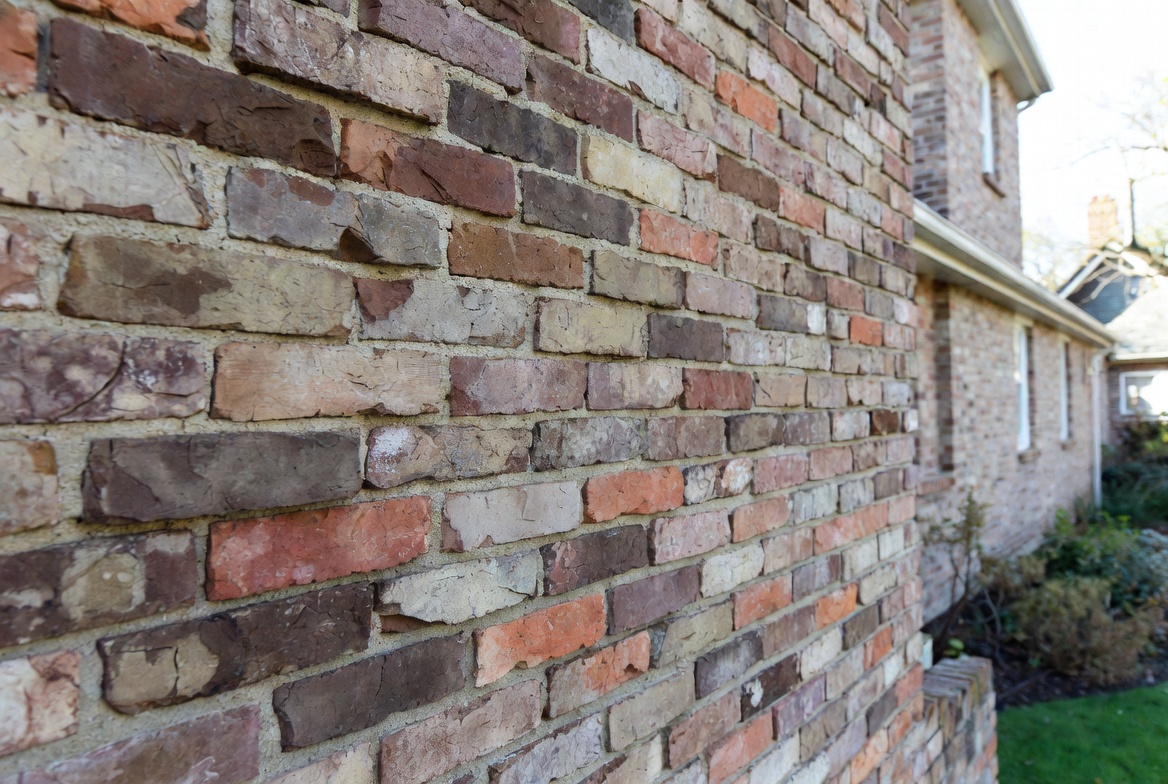
Antique thin brick gets sold as an easy win.
A little age. A little texture. A little old-house feeling without the structural headache of full masonry.
Sometimes that is exactly what it delivers.
Sometimes it gives you a wall that looks like it was dressed up after the room was already finished and still felt empty.
That split matters more than people think. Because the expensive part is not just buying the brick. It is buying the illusion, then paying labor, corners, mortar, sealer, cuts, and cleanup to make that illusion hold together.
So the better question is not just Do I like antique thin brick? It is this: when does it behave like architecture, and when is it just a finish trying to impersonate age?
That is the line worth following before you spend on it.
What Antique Thin Brick Is Really Good At
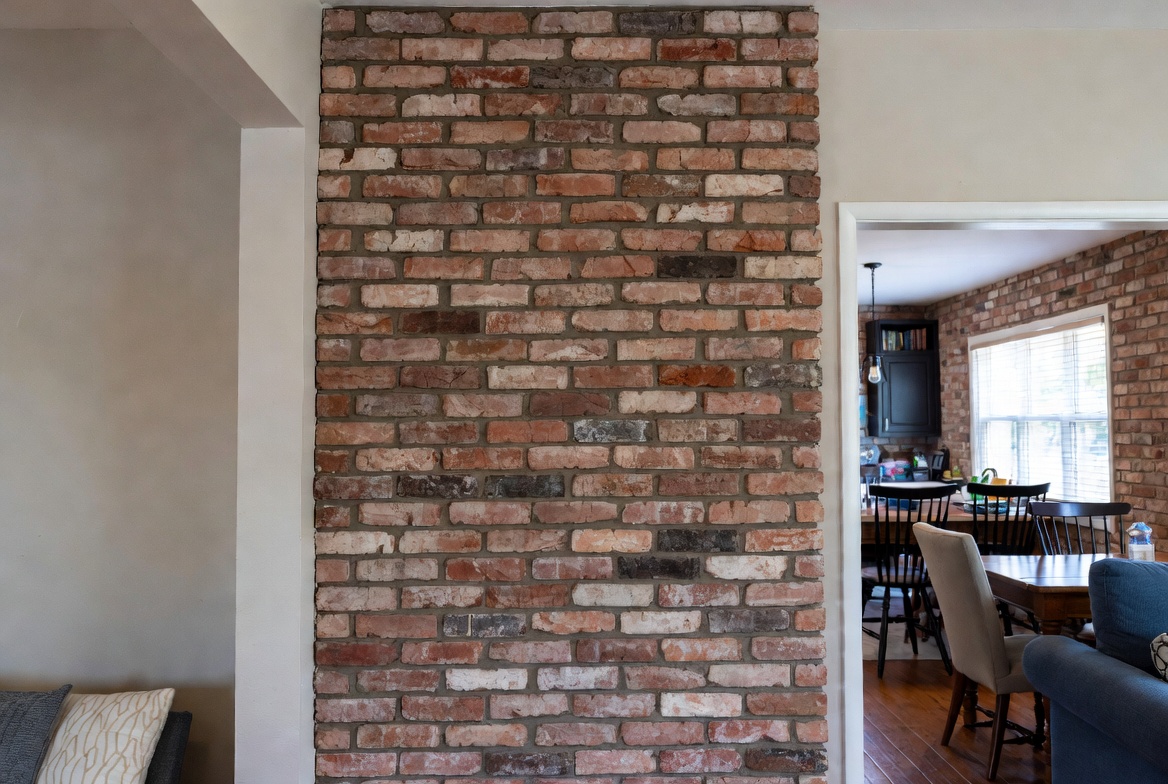
Antique thin brick gives you the face, wear, and visual density of old brick without the thickness and weight of a full masonry wall.
That makes it useful in interiors where full brick would be too heavy, too deep, or simply unnecessary. Fireplaces. Entries. Stair walls. Some kitchens. Long quiet walls that feel too blank and too polite.
What it does well is not “rustic charm.” That phrase usually cheapens the material.
What it does well is weight. It can slow a room down. It can make one wall feel older, denser, and more settled than the drywall around it. That is why it works when it works.
If you want the broader old-brick reference behind this look, antique bricks are the better starting point. Thin brick is a veneer decision, not a structural one.
The First Test: Is It Doing Architecture or Just Surface Styling?
This is still the cleanest filter.
Antique thin brick feels architectural when it gives the room something it was missing: mass, focus, continuity, or a believable focal surface.
It feels like surface styling when it is mostly there to wake up a bland room, fake age on command, or distract from a problem that belongs to layout, lighting, storage, or proportion instead.
A fireplace wall usually has enough gravity to carry brick. A long stair wall often does too. A tiny decorative panel behind floating shelves usually does not.
That is where the money line starts. Once the brick is not doing any real spatial work, the whole decision starts leaning on mood alone. Mood is expensive when labor gets involved.
Where Antique Thin Brick Usually Earns the Spend
| Location | Why It Can Be Worth It | What Usually Makes It Convincing |
|---|---|---|
| Fireplace wall | The room already wants one heavier focal surface | Good returns, calm mantel detailing, matte or low-sheen finish |
| Entry or mudroom wall | Adds toughness and presence to a hard-working zone | Durable sealing, clear stopping points, restraint nearby |
| Long living or dining wall | Helps a flat room feel more settled | Enough area for variation to read naturally, not like a sample patch |
| Stair wall | Turns circulation into part of the architecture | Full-height treatment, clean cuts, believable corners |
| Selected kitchen wall or range wall | Can soften a slick kitchen and add age where it helps | Good sealing, controlled visual clutter, realistic cleanup plan |
The pattern is not complicated. Antique thin brick earns its money where one heavier, quieter surface improves the whole room.
Where People Usually Waste Money on It
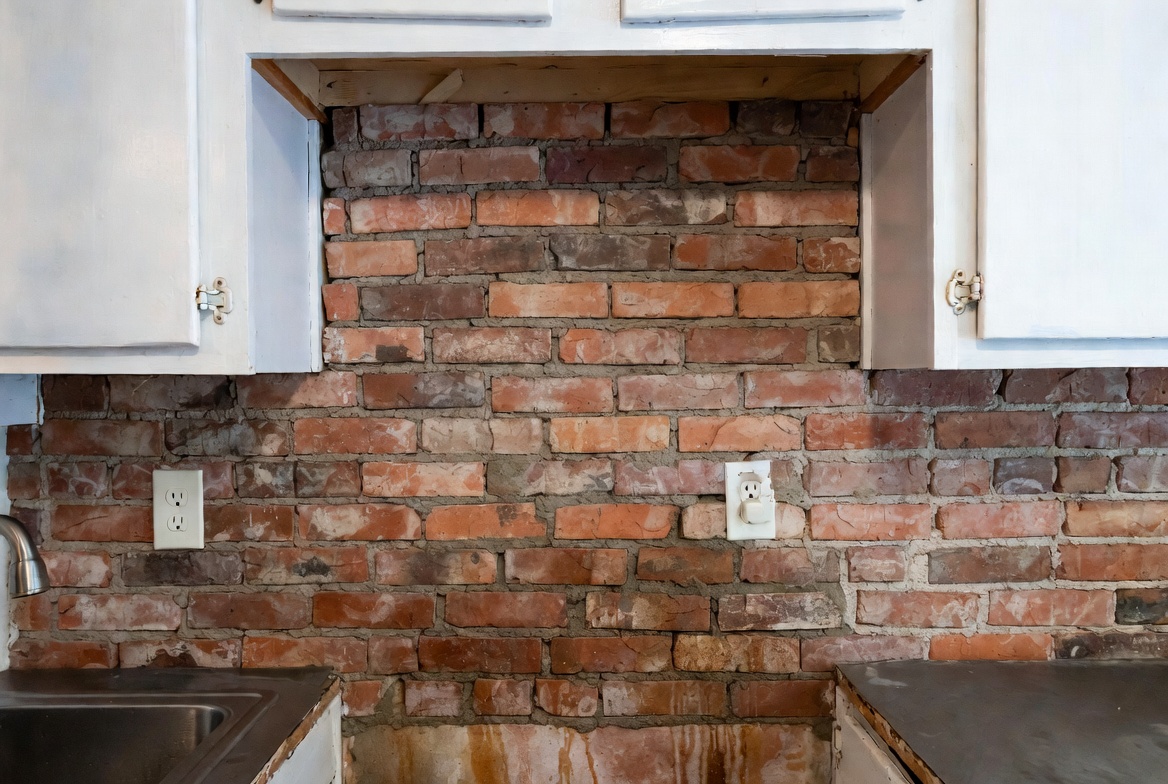
- Tiny accent patches. These rarely feel built in. They feel purchased.
- Busy rooms. If the room already has strong stone, bold wood grain, patterned tile, dark metal, and open shelving, brick may just become another surface fighting for attention.
- Weak edge conditions. Flat exposed edges are where the trick starts telling on itself.
- Glossy sealer. Old-looking brick should not look coated in plastic.
- Kitchens with no maintenance logic. Texture is attractive until grease and dust decide to stay.
- Bathrooms where the cleaning demand outweighs the payoff. Sometimes the mood board wins that argument. The room usually does not.
Also Useful. If the room is cleaner and more contemporary, using brick in modern design becomes less about charm and more about discipline.
The Buying Trap: People Price the Brick and Forget the Wall
This is where antique thin brick stops being a style decision and becomes a money decision.
Buyers usually look at the material first. Fair enough. But the installed wall is where the number changes.
In practice, you are usually paying for:
- the face brick
- corner pieces or return treatment
- substrate prep
- mortar, adhesive, and sealer
- labor, which climbs fast once the wall gets fussy
That is why antique thin brick is often a better spend on one serious wall than on several smaller decorative moves. A fireplace surround or full stair wall can justify better material and better labor. A narrow coffee-bar patch usually cannot.
The useful way to think about cost is not just square-foot price. It is what kind of wall are you asking that square foot to carry?
Where the Cost Usually Climbs
- Corner pieces. Necessary on exposed returns, and one of the first places budgets get pinched badly.
- Outlet cuts, shelves, and trim conflicts. Small interruptions eat time.
- Irregular antique faces. Beautiful, but slower to lay cleanly.
- Backsplashes and fireplace walls. They look simple in photos and rarely are.
- Sealing and finish decisions. Cheap here can ruin the whole visual point.
Antique Thin Brick vs. Reclaimed Thin Brick vs. Manufactured Old-Look Brick
These get lumped together constantly, but they do not read the same.
Antique thin brick usually leans softer, older, and a little more domestic. It is the version people reach for when they want warmth more than grit.
Reclaimed thin brick often leans rougher and more industrial. More chips. More color drift. More edge. If that is the direction, reclaimed thin brick is the clearer comparison.
Manufactured old-look thin brick usually gives you more consistency. Thickness is calmer. Sizing is more predictable. Labor can be easier. The result can also feel slightly too composed if the room is depending on genuine irregularity to carry the mood.
The wrong comparison is “authentic versus fake.” The better one is this: how much irregularity does the room want, and how much irregularity can the installer control without turning the wall messy?
Wall Use, Floor Use, and Exterior Use Are Three Different Decisions
Interior Walls
This is the easiest category. You still need the right substrate, believable corners, sensible mortar, and a finish that does not kill the age of the material. But interior walls are the least punishing use.
Floors
Floors are stricter. Brick underfoot deals with abrasion, joint wear, dirt, chair movement, and tighter tolerance for unevenness. Not every antique thin brick product belongs on a floor just because the sample board looks good.
Exterior Facades
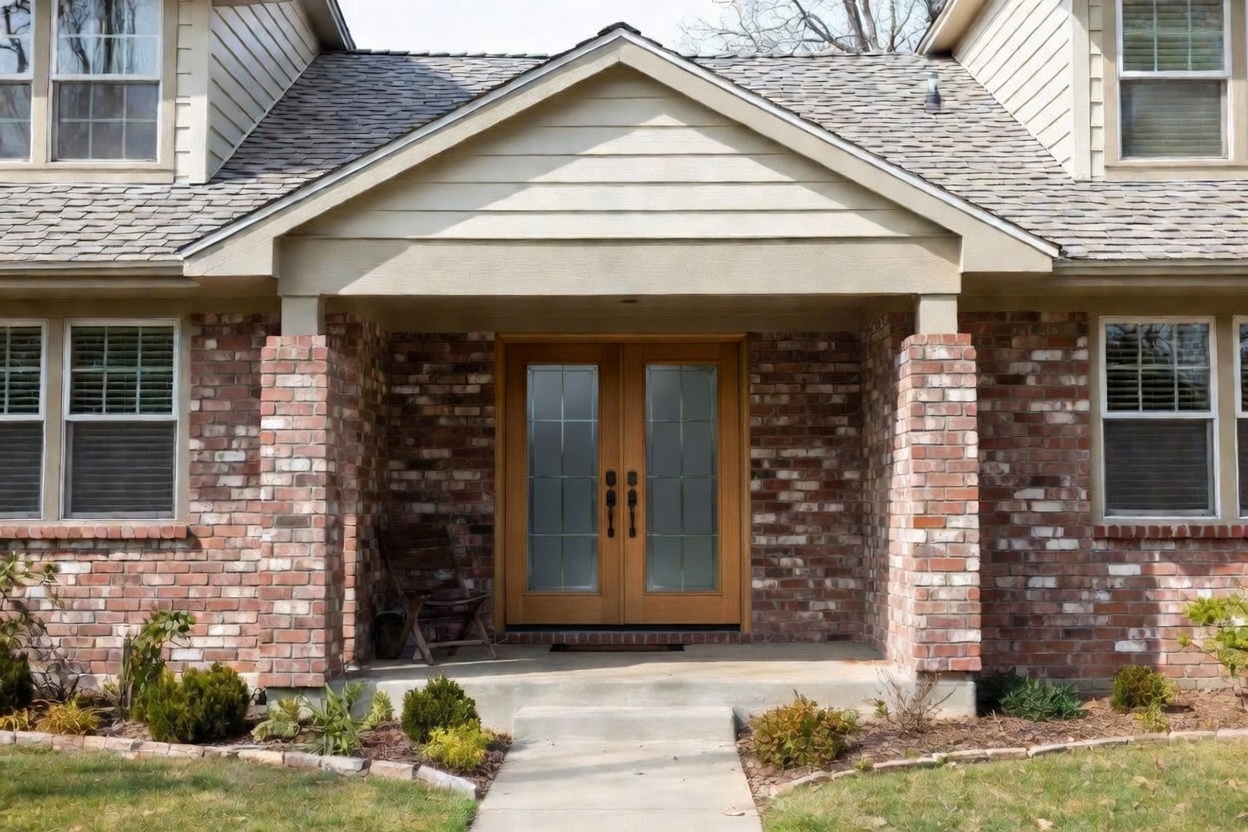
Outside, the conversation changes again. Water, freeze-thaw, edge exposure, movement, and detailing around openings all matter more. At that point the brick is not just a finish choice. It is part of a wall system.
Indoors, you can sometimes get away with instinct. Outside, details settle the entire argument.
The Details That Decide Whether It Looks Expensive or Cheap
Corner Treatment
If the wall has visible returns, outside corners, or exposed ends, corner pieces are not optional in spirit even when they are optional on the invoice. Flat edges expose the trick fast.
Mortar Color
Mortar is not background. Warm gray, buff, off-white, and darker tones all change how old, sharp, or soft the wall feels.
Joint Depth
Too flush and the wall loses shadow. Too deep and it starts looking overworked. Antique-looking brick usually wants enough depth to let the face variation stay alive.
Sealer
Sealer is part of the design. A glossy finish can flatten the whole effect in one coat. Kitchens and entries may need protection, but the finish still wants restraint.
Blending
Open multiple boxes at once. Mix as you go. Running one carton at a time down the wall is how accidental striping starts.
Termination Lines
Where the brick begins and ends matters more than people think. It nearly always looks stronger when it lands on a logical return, full-height wall, built-in edge, or chimney mass instead of stopping mid-surface for no good reason.
Best Rooms to Spend On, Worst Rooms to Force It Into
Best Places to Spend
- fireplace walls
- entries and mudrooms
- long living or dining walls that feel too flat
- stair walls that need more presence
- selected kitchen walls where the rest of the finish palette stays controlled
Places to Think Twice
- tiny decorative patches
- already-busy kitchens
- bathrooms with more moisture and cleanup than payoff
- exterior installs without a real detail package
- rooms where better lighting, furniture layout, or paint would solve the problem more honestly
One More Thing. Color pushes this material hard. antique red brick brings more heat and depth, while antique white bricks can quiet the room down fast.
What to Check Before You Buy
- Is it truly antique, reclaimed, or just manufactured to look old?
- Are matching corner pieces available?
- Is it rated for walls only, or also for floors or exterior use?
- What substrate does the manufacturer require?
- What sealer is recommended, and what sheen does it leave behind?
- How much thickness variation should you expect?
- What happens where the brick meets trim, cabinets, ceilings, and open edges?
- Have you seen a full mockup or installed sample, not just a neat little board?
Those questions usually tell you more than the marketing copy will.
FAQ
Is antique thin brick worth the money?
Yes, when it gives the room something substantial: weight, focus, age, or a stronger focal wall. No, when it is being used as a small decorative patch to fake character after the room already went off track.
Is antique thin brick better than reclaimed thin brick?
Not automatically. Antique thin brick often reads softer and more domestic. Reclaimed thin brick often reads rougher and more industrial. The room decides which one is better.
Can antique thin brick go on a kitchen backsplash?
Yes, but only if you are honest about sealing, splatter, and how much visual clutter the kitchen already has.
Do I need corner pieces?
Usually yes when the wall has visible returns or exposed edges. Skipping them is one of the fastest ways to make the install look cheap.
Does antique thin brick need sealing?
Often yes, especially in kitchens, entries, and other splash-prone zones. The safer move is a finish that protects the surface without making it glossy.
Can I use it outside?
Sometimes, but exterior use is much less forgiving. That choice needs to be made as a system decision, not just a style decision.
Bottom Line
Antique thin brick is not valuable because it looks old.
It is valuable when it makes a room feel more built.
That usually means one wall with enough presence to carry some age and some weight. A fireplace. An entry. A stair wall. A kitchen surface that can justify the maintenance and the labor.
It usually fails when it is asked to perform history in small decorative doses.
That is the buying angle that matters. Not just whether you like old brick. Whether this room, this wall, and this budget will let antique thin brick behave like architecture instead of surface styling.