
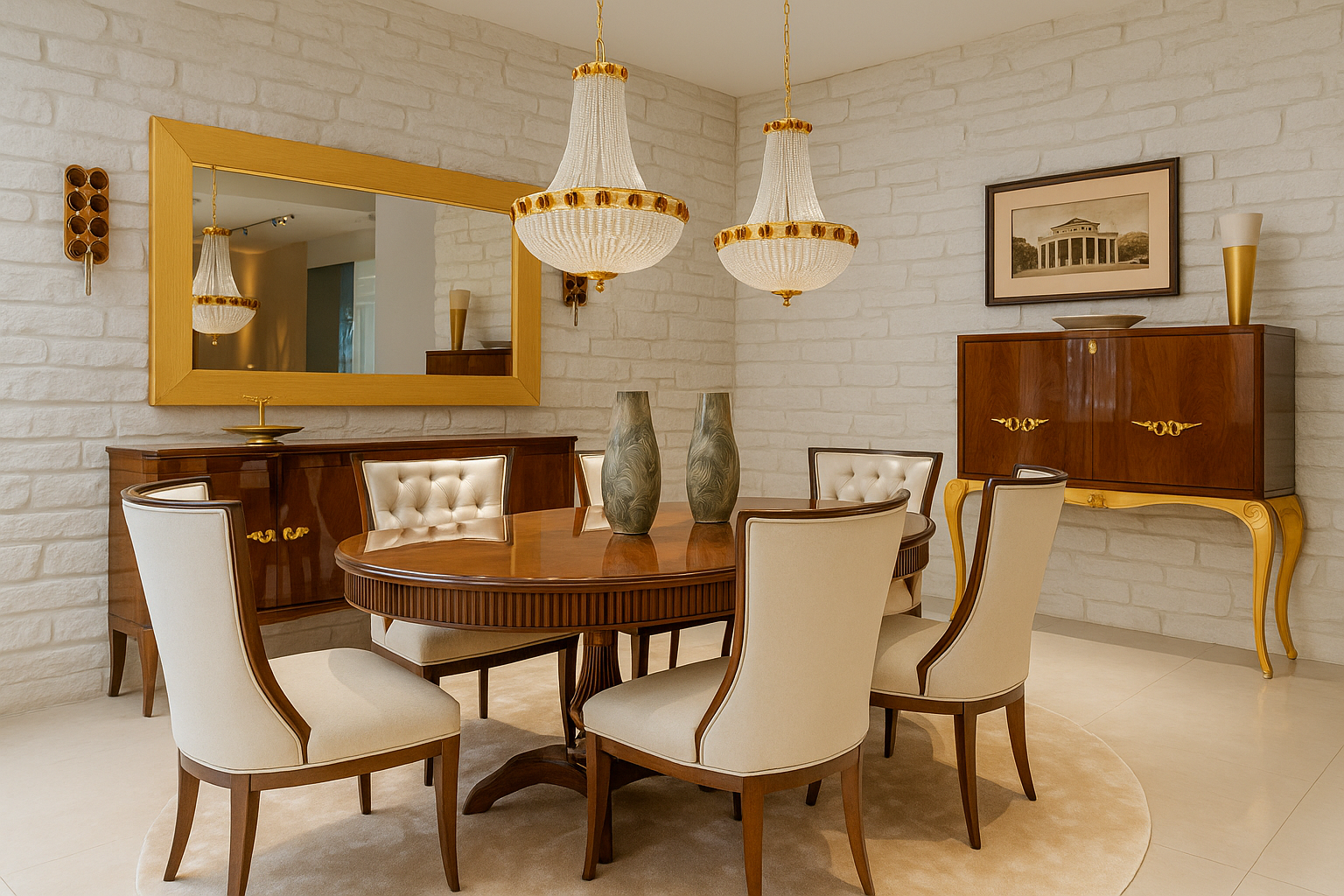
Antique White Bricks for Warm, Honest Interiors
Antique White Brick: Warmth, Texture, and a Calm Read
Want a room that feels easy and lived-in, not staged? Antique white brick is a quiet way to get there. It brings real texture, soft light, and a gentle vintage tone that works in kitchens, living rooms, and even outside.
What makes antique white brick different
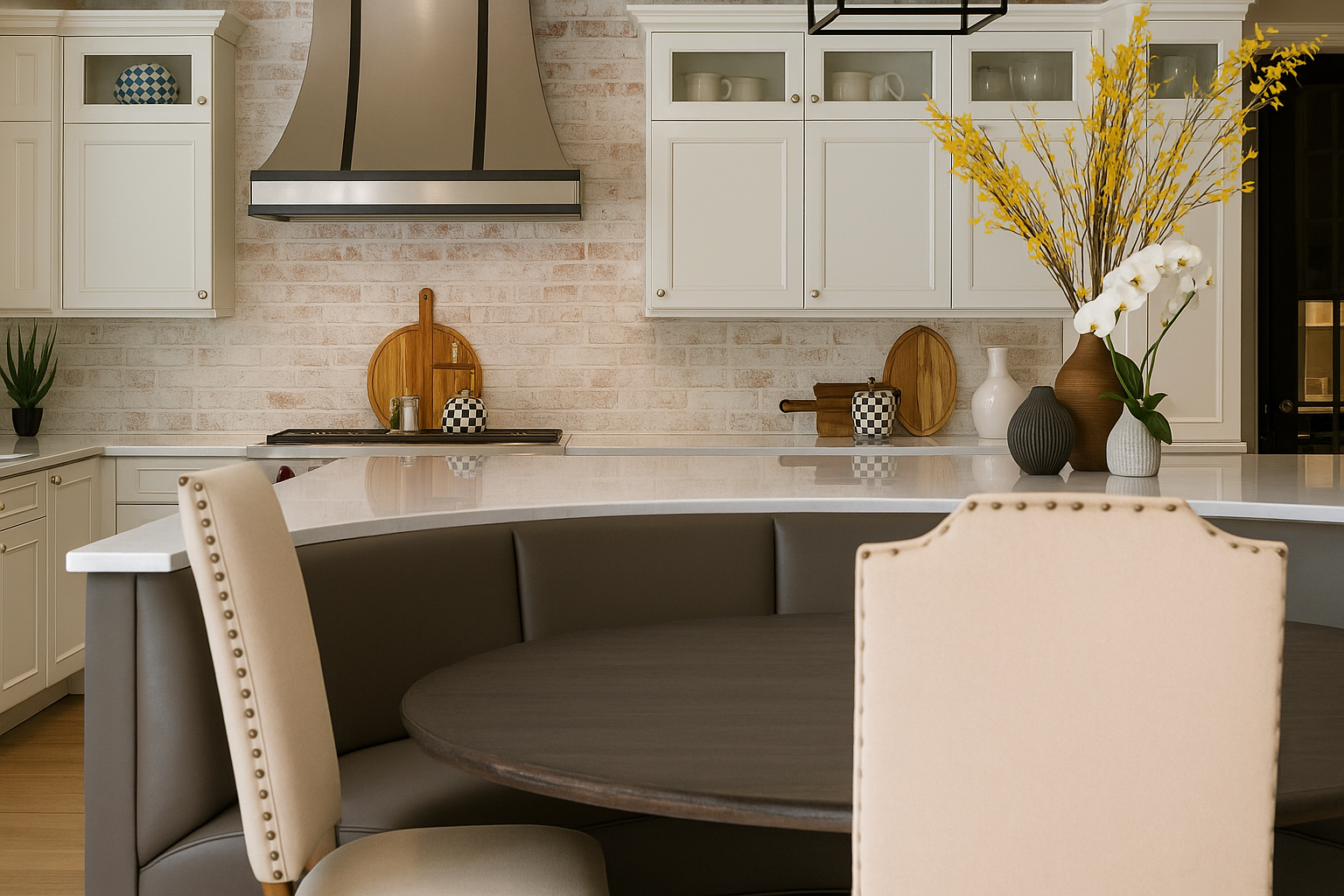
This isn’t flat, bright white. Antique white brick has tone shifts, soft edges, and little scars from age or hand-finishing. That’s why it photographs well and lives even better. You get the calm of white, but with warmth.
If you want the same feel without the depth of classic reds, this is your lane. For comparison, see how color and patina read on antique red brick. And if weight or thickness is an issue, the thin version is a smart swap (more on that below).
MUST READ
Building with Stone — Charles McRaven
Clear basics on tools, mortar, and detailing. Great for planning clean joints and edges.
Antique White Bricks and How Designers Use Them Right
How to use antique white bricks for interiors and exteriors without faking age. Real texture, soft tone, and solid material logic.
Where it works best
Accent walls that don’t shout
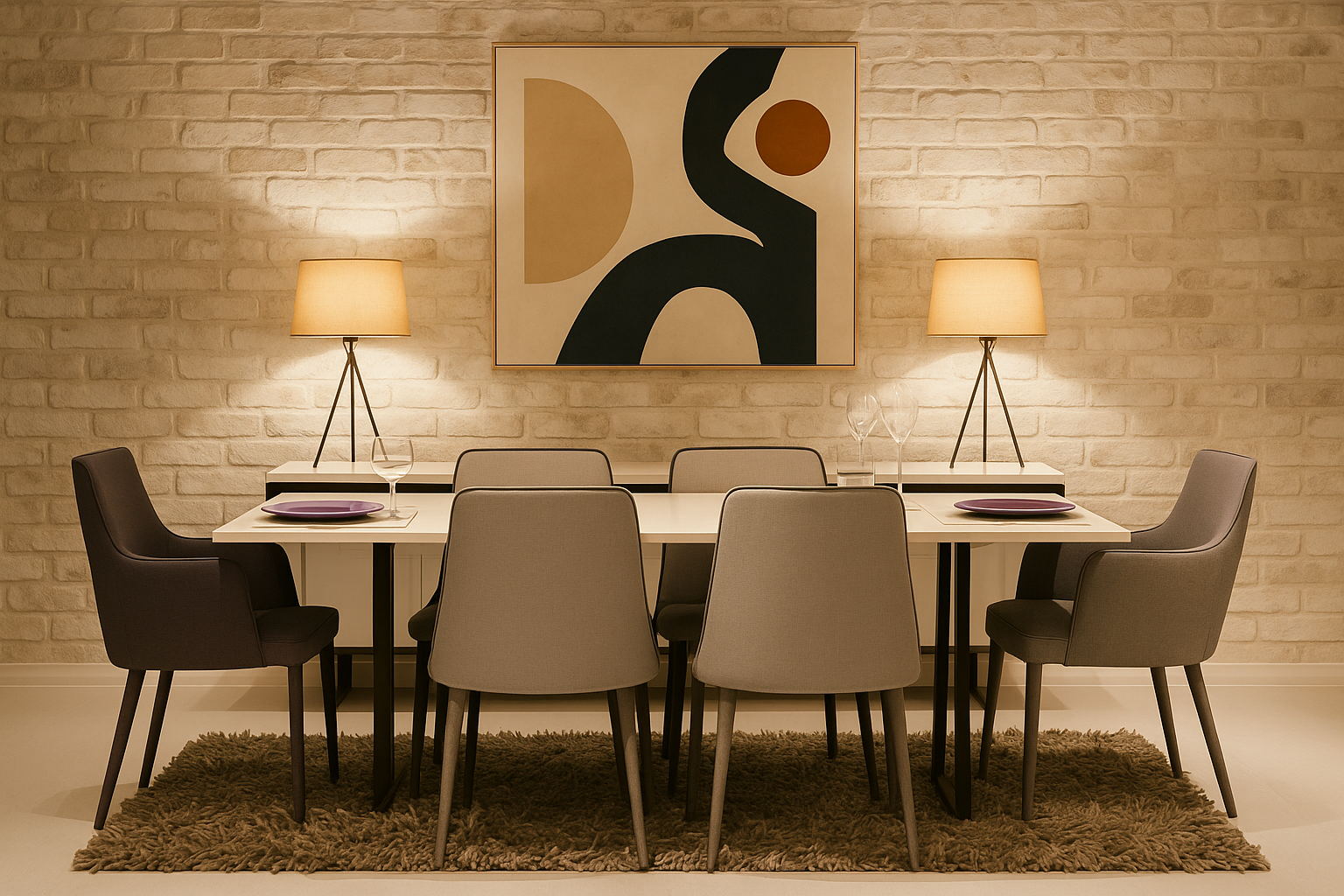
One wall in a living room or entry is enough. It adds depth without dragging the room darker. Give it space—let art or a single mirror breathe on it.
Kitchens and fireplaces
As a backsplash, antique white brick stays bright but not glossy. It sits well with oak, walnut, navy, or white cabinets. Around a firebox, the soft tone picks up flame light and reads cozy instead of heavy. If you’re weighing patterns and joints, these tips for using brick in modern design keep things tidy.
Outside, where light is strong
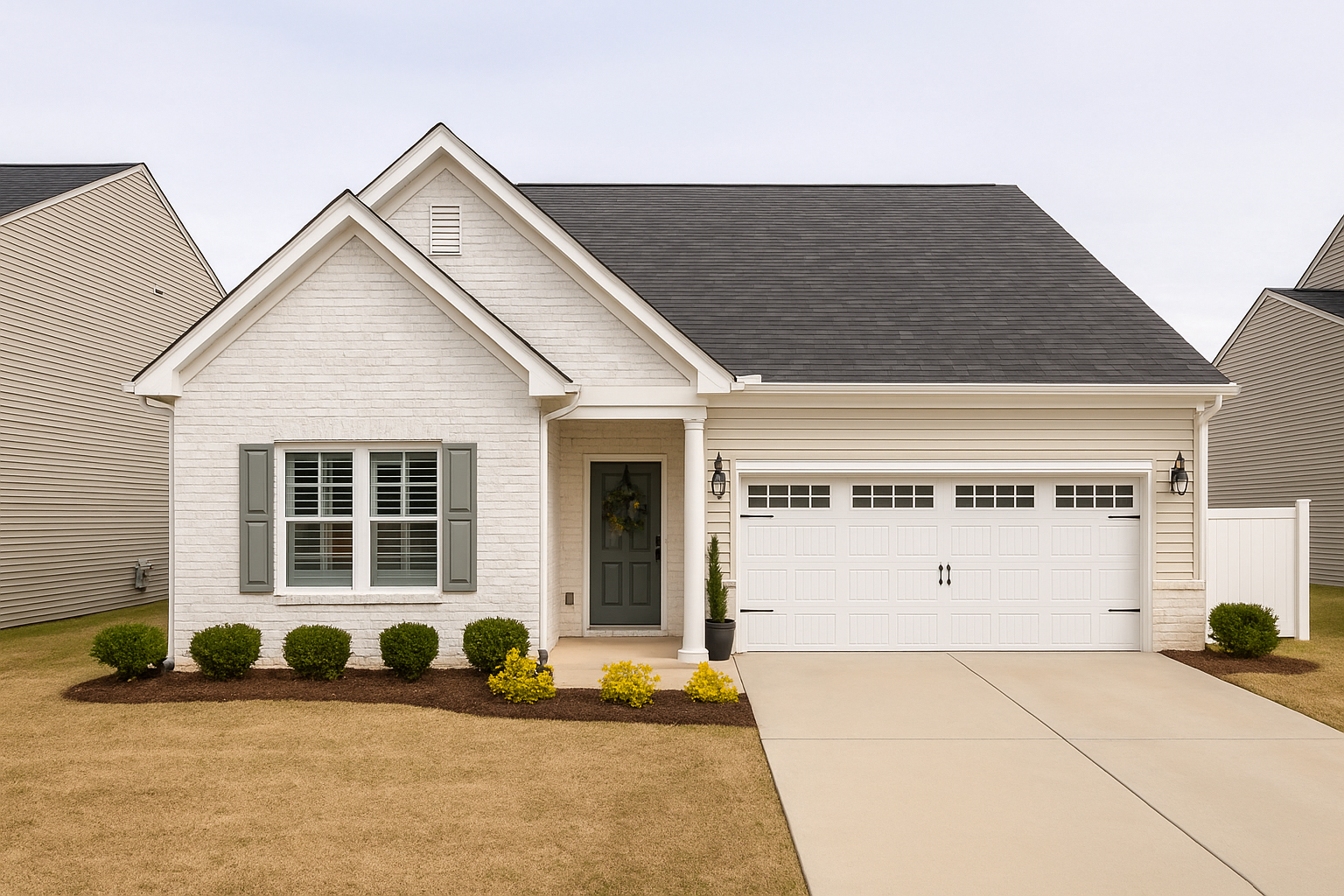
On a facade or garden wall, the slightly weathered tone keeps glare down and ages gracefully. It also plays well with black metal, limestone, and simple landscaping.
FIELD PICK
Stone Architecture — Alfonso Acocella
Good reference for massing and surface—helps you choose where brick should lead or support.
Best 9 Tricks to Use Antique White Bricks at Home
Every builder and designer eventually learns that antique white brick behaves differently from what the catalog shows. The finish, light, and mortar all shift once it’s on the wall. These tricks come from real homes and lessons learned the hard way.
1. Blend batches before you lay
On a townhouse renovation in Charleston, three lots of antique white brick arrived from different runs. Each pallet looked fine alone but flat on the wall. Mixing all three created the soft variation that makes it look original, not new. Always pull from multiple pallets before you start the first course.
2. Test in real light
In a San Diego kitchen, we dry-laid one panel near the window for a full day before mortaring. Morning light turned the brick pink, afternoon made it chalky. That small test changed the paint choice and the cabinet color. Natural light reveals what the shop lights hide.
3. Strike joints at the right moment
On a living room fireplace in Atlanta, we waited too long to tool the joints and lost the clean shadow line. The next project in Nashville, we struck them as soon as the mortar firmed up. That tiny timing shift made the difference between “builder basic” and “aged with intent.”
4. Seal only what needs it
Antique white brick breathes. In a Chicago condo, we sealed only the backsplash and hearth, not the whole wall. The untreated areas kept their dry, matte tone. The sealed spots resisted oil and smoke. Over-sealing traps moisture and dulls the surface.
5. Play with small depth shifts
In a Dallas loft, the mason set a few bricks forward by a hair—less than an eighth of an inch. Under downlights, those slight shadows looked like a century of natural wear. It’s a small trick that gives new walls a sense of history.
6. Contain the field
On a Denver remodel, the brick wall stopped abruptly against drywall and looked raw. Adding a one-inch painted reveal framed it cleanly. It stopped the eye and made the brick look intentional, not leftover from construction.
7. Anchor it with warmth
In a Portland kitchen, the white brick read too cold until we added walnut shelving and bronze pulls. Antique white brick needs balance—wood, leather, or brass keeps it grounded and human. Cold whites come alive when paired with warm textures.
8. Rotate bricks for character
In a New Orleans exterior, we turned every tenth brick slightly to catch the light differently. That soft irregularity mimicked older masonry without fakery. It’s a quiet move, but it keeps the wall from looking printed.
9. Match the grout, not the paint
In a Philadelphia brownstone, we used bright white grout against creamy antique brick. It glared. We swapped to a warm gray mix, and the wall immediately felt natural. Always test a small joint board outside first—brick tone decides, not the paint swatch.
Antique white brick rewards patience. Blend your materials, read your light, and let small imperfections live. That’s where the character comes from.
Related: How to Create a Timeless Interior with Antique Bricks and Using Stone in Interior Design
Real-world gotchas (and easy fixes)
- Lighting lies. Test a few bricks on the wall. Daylight, task light, and warm lamps shift the read. Warm LEDs (2700–3000K) keep the tone rich.
- Mortar steals the show if you let it. If the brick is the hero, keep joints neat and consistent. Overfull joints make the wall look smeared. The mortAR failure checklist is handy if your joints are cracking or powdering.
- Finish is everything. In kitchens and baths, seal to block oils and splashes. The Natural Stone Institute has straightforward care-and-seal guidance you can trust.
Design moves that always land
Keep the pattern calm
Running bond reads timeless. If you want more energy, try a small herringbone field in a niche or backsplash band, not the whole wall.
Tune the joint color
White or light gray joints give a soft, continuous read. Charcoal joints pop each unit and feel more graphic. Pick one and commit across the room.
Mix honest textures
Pair brick with real wood, unlacquered brass, linen, or leather. That mix is what makes white feel warm, not cold. If weight is a concern, reclaimed thin brick gets you the surface without the bulk.
RECOMMENDED TOOL
Laser Measure
Fast layout checks so your first course and outlets land clean.
Installation basics (the short version)
Start dead level and square. Dry-lay a few courses to see the rhythm around corners, outlets, and shelves. Butter consistently; don’t chase gaps with extra mortar. Tool the joints once they set a bit—too soon and you smear, too late and you tear.
For splash zones, seal once, then again after a week. If you want the “soft, used” joint, a grout bag and a light brush-back after cure gives that slightly worn line. The National Park Service preservation briefs on masonry are gold for joint profiles and repointing basics.
Cost savers that don’t look cheap
- Go thin where you can. Thin brick installs faster and saves depth (great for backsplashes and chimney chases).
- Panel only the field you see. Full-height behind a range; half-height elsewhere. Spend where sightlines live.
- Let brick be the only texture. Skip busy backsplash tiles and patterned counters together—your money reads better.
MUST READ
Stone in Architecture: Properties and Durability
If you care about stains, salts, and long-term behavior, this saves headaches.
Authentic Antique Bricks or Manufactured Look-Alikes
I’ve worked with both real reclaimed bricks and the newer factory-made antique styles. The difference shows fast once you start laying them. Real antique bricks have unpredictable edges, rough backs, and a weight that feels different in the hand. They demand patience. On a warehouse loft project in Philadelphia, I spent two full days just sorting them by tone before the crew could start laying. The result looked incredible, but the labor cost was high.
My Honest Take
Manufactured antique-look bricks are easier. Glen Gery and a few others do a good job of mimicking old textures. The color is consistent, the shape predictable, and the waste rate low. For suburban builds in Dallas or Nashville where time and cost matter, these are practical. Still, the surface sometimes reads too clean under daylight. That’s when I use a light limewash or joint brushing to break the perfection.
Veneers are a third route. They’re thin and quick to install. I’ve used antique white veneers in Los Angeles remodels where full brick weight wasn’t possible. They work well indoors, especially on feature walls or fireplaces. But outdoors, they can look flat if not detailed right. Corners need proper returns, and the bonding lines must be planned early. When done wrong, you can tell from across the street.
In simple terms, go authentic if the project deserves it—heritage homes, historic restorations, or high-end interiors. Go manufactured when speed, cost, or weight limits matter. Use veneers when structure or budget rules out full brick. Each one has its place, and knowing when to use which separates clean design from gimmick.
Glen Gery and Antique White Bricks
I’ve used Glen Gery bricks on several residential and commercial projects. They’re dependable, easy to source, and rarely ship bad batches. The quality control is strong. Bricks arrive straight, edges clean, and colors mostly consistent. That makes installation smoother, especially when you’re running tight deadlines or big surface areas.
On a townhouse renovation in Boston, we used their “Glacier White” line for an interior fireplace. The material handled perfectly, but once installed it looked too clean, too even. Antique white bricks should carry small imperfections and tonal shifts. We had to wash the wall with diluted lime and a touch of pigment to bring back some life. After that, it looked authentic. The lesson: Glen Gery gives you a good base, but the finish needs help if you want a real aged feel.
The Look and Feel
Their antique white range leans modern. The color sits between bone and cream, which works for contemporary farmhouses and transitional interiors. In Charleston, I used the same line outdoors. It caught sunlight nicely but didn’t yellow over time. Their firing process is stable, so fading is slow even in coastal humidity. Still, it lacks that natural patina you get from reclaimed brick. To fix that, we blended ten percent of locally salvaged brick into the mix. That gave depth and broke up the uniformity.
Service and Supply
Glen Gery’s biggest strength is distribution. You can find their stock easily in most U.S. cities. The Chicago and New Jersey branches have been the most reliable for me. Deliveries showed up when scheduled, and replacements were fast. The Atlanta branch was slower with color match responses, so order samples early if you’re based there.
Verdict
If you want control, go with Glen Gery. If you want history, you’ll need to add it yourself. Their antique white bricks are clean, consistent, and practical. They hold structure well and stay true under weather, but they don’t arrive with soul. For most projects, I use them as a foundation and build the story with finish work.
Read more about antique brick interiors.
Why the color works (and why rooms feel calmer)
White opens a space, but antique white softens it. On brick, the little pits and edges catch light, so walls look alive, not flat. That’s why it’s friendly with both modern and traditional rooms. If you’re curious how brick reads in different house types, this modern brick guide lays out good rules of thumb.
Types of White Bricks and Where They Work Best

Interior Use
Inside, white bricks fall into three main types: painted, glazed, and naturally light-fired. Painted white brick is the easiest route when you’re updating existing walls. I’ve used it often in lofts across New York and Philadelphia where full replacement wasn’t an option. You sand, prime, and coat with breathable masonry paint. It gives that antique white look without tearing anything down. The drawback is maintenance—paint chips in high-traffic zones, and you’ll need touch-ups every few years.
Glazed white bricks reflect more light and work well in small apartments or basement conversions. I used them in a Boston brownstone kitchen where natural light was limited. They brightened the room without needing extra fixtures. The surface wipes clean easily, making them ideal for kitchens and bathrooms. Just keep them away from living rooms where you want softer texture.
Naturally light-fired or antique white bricks—like Glen Gery’s line—offer the most texture. They absorb and diffuse light instead of reflecting it. Perfect for living areas, hallways, and accent walls where you want warmth and depth without gloss.
Exterior Use
For exteriors, the main options are tumbled, sanded, and limewashed white bricks. Tumbled bricks have soft edges and a slightly aged surface. I used them on a Charleston facade that needed to blend with neighboring historic homes. The result looked settled, not new.
Sanded white bricks show finer texture and hold up well in rough weather. They’re solid for colder cities like Chicago or Pittsburgh where freeze-thaw cycles test durability. The sanded surface also resists dirt better than polished finishes.
Limewashed white bricks create a timeless, breathable layer. In Dallas and Savannah projects, I’ve applied limewash to existing red brick to achieve that pale, aged tone. It holds beautifully and can be refreshed every few years.
The Balance
Inside, go for warmth and touchable texture—antique or lightly coated bricks. Outside, choose durability and breathability—tumbled, sanded, or limewashed. The best designs use both: warm matte finishes inside, hard-wearing natural tones out.
If you’re exploring how white brick behaves in structure and style, see our related guides on <a href="/design/stone-facades">stone facades</a> and <a href="/home-and-garden/antique-bricks">antique brick interiors</a>.
Kitchen and living room playbook
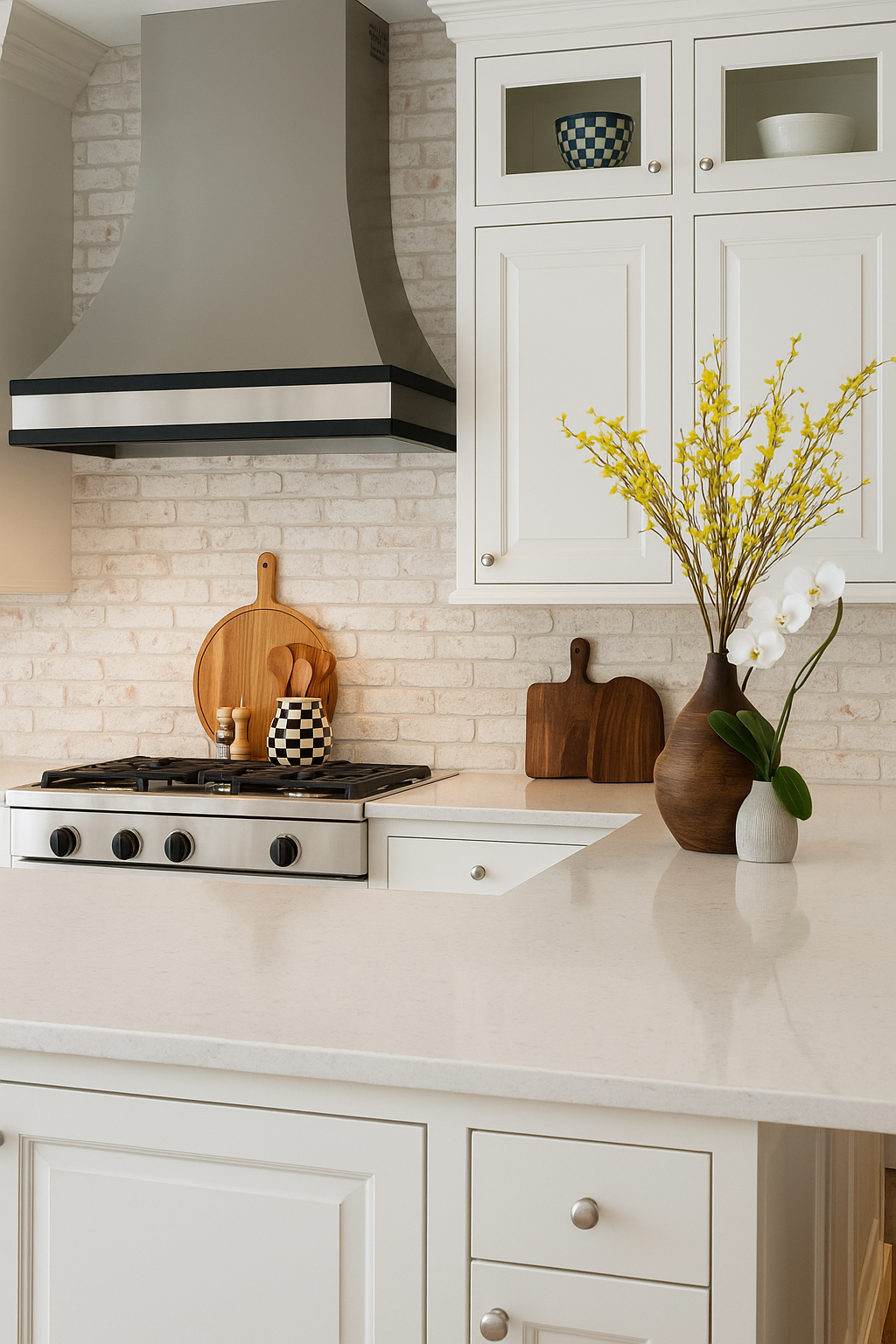
Backsplash that behaves
Seal once a year, wipe with mild soap, and you’re done. Keep outlets aligned to brick courses so plates don’t fight the pattern.
Fireplace that earns the room
Wrap the firebox, then add a simple timber or stone mantle. Let the brick field be the art; keep decor light. If you’re comparing stone surrounds vs. brick, the pros/cons in using stone in interior design help you decide where brick should stop and stone should start.
FIELD PICK
Soft-Close Pocket Door Frame Kit
Clean transitions next to brick feature walls, no swing clearance drama.
Frequently asked questions
Is antique white brick hard to clean?
No. Mild soap and water does it. In cooking zones, seal and keep a small, soft brush for joints. For long-term performance and cleaner specs, the USGBC materials guidance is a good lens when choosing low-VOC sealers.
Can I paint it later?
You can, but you’ll lose the texture and tone shifts that make it special. Better to choose a brick you love now, then tune the joint color.
What grout (mortar) color is best?
Light gray for quiet, charcoal for contrast. If you want that “soft, worn” look, tool the joints slightly recessed so light grazes the edges.
Good-to-know details
- Historic builders used pale brick to bounce heat. That same reflectance makes small kitchens feel bigger today.
- Specks and freckles aren’t flaws; they’re mineral traces from the clay and firing. That’s where the depth comes from.
Keep going
Ready to compare colors and formats? Start with antique red brick for palette planning, then look at reclaimed thin brick if you need a lighter build. If you’re weighing brick against stone in the same project, this quick primer on using stone in interior design helps you split roles cleanly.