

Why Antique Red Brick Works in Modern Design
I like antique red brick for the same reason I respect hand-laid terrazzo or old-growth floorboards: it carries time in its face. Each unit has a shift in tone, a softened edge, a mark from the kiln. None of it is uniform, and that’s the point. Drop it into a modern room and it adds memory without turning the space into a theme park.
The move is simple: brick does the texture, you hold restraint everywhere else. Keep the lines tight, joints honest, and the surfaces around it calm: plaster, pale timber, or dark steel. When the proportions work, the room breathes. Get them wrong and it feels like a stage set. For detailing that avoids that trap, start with Top Tips for Using Brick in Modern Design.
Before you spec, gut-check the material against broader assemblies. Antique red brick behaves differently alongside glass or stone, and it pays to know those costs and trade-offs. See Natural Stone for Architecture: Types, Benefits, and Design Insights for how mixed materials play in real projects.
If you want field-tested guidance you can use on site, this is the book I hand interns: Ultimate Guide: Masonry & Concrete (Creative Homeowner).
Why Use Antique Red Brick in Design
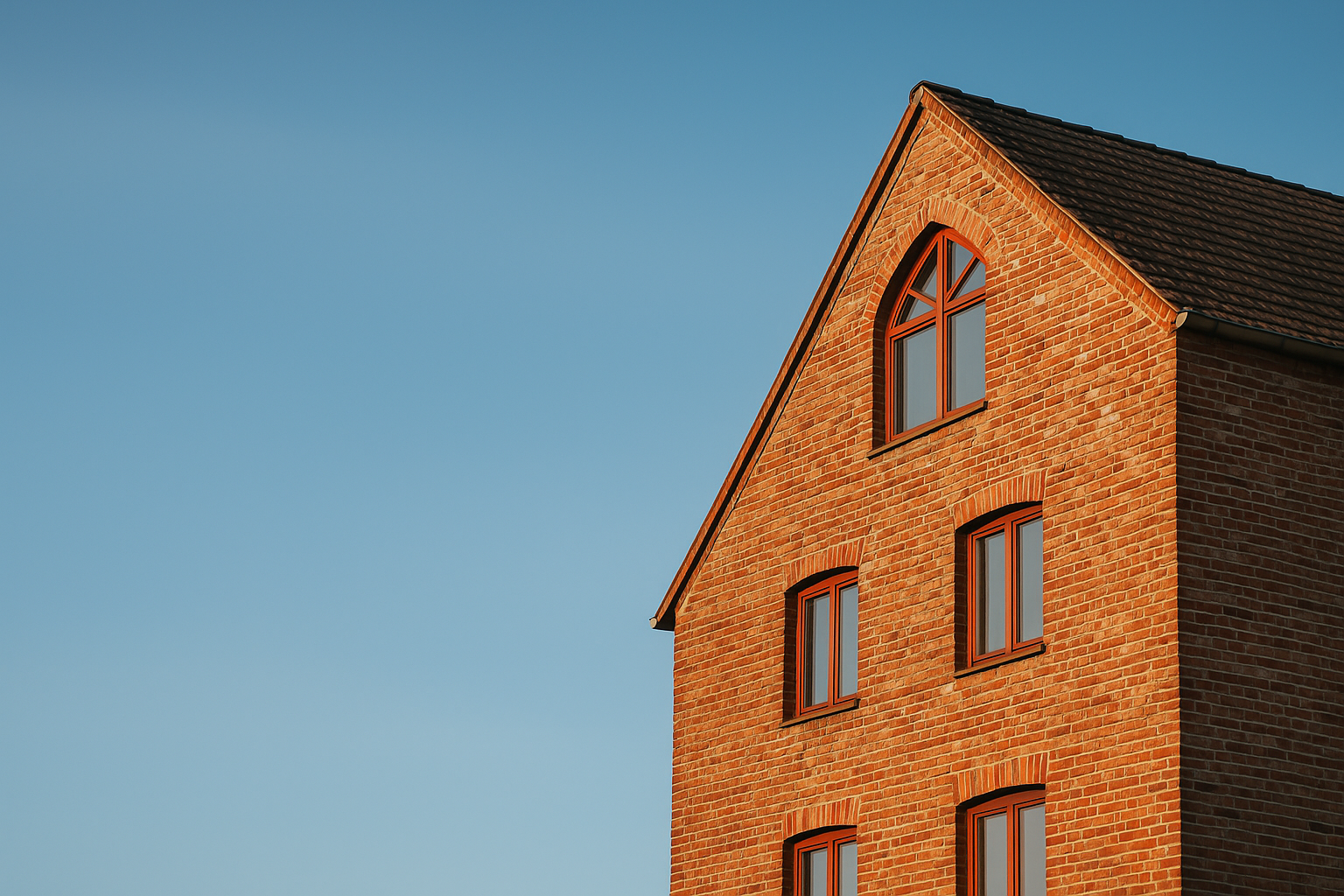
Antique red brick earns its keep because it carries history. The irregular color shifts, softened arrises, and kiln marks give depth you can’t fake with new stock. Drop one honest brick surface into a clean modern room and the space stops feeling flat—it has a center of gravity. If you want a fuller primer before you specify, skim Antique Red Brick: A Guide to Styles, Uses, and Tips.
How Antique Red Brick Adds Depth to a Space
1. Unique and full of history
The surface tells stories—weathering, small chips, slight tonal swings. Those aren’t defects; they’re why a wall reads as real. In modern interiors, that roughness offsets glass, steel, and gypsum. One exposed plane or a fireplace core is usually enough. When you’re working toward a pared-back look, keep the bond quiet and the joint profile clean. For modern detailing notes, see Top Tips for Using Brick in Modern Design.
Pro tip: salvage when you can. Reclaimed units have a patina you won’t reproduce with new “tumbled” lines.
Field reference that keeps you honest on joints, bases, and substrate prep: Ultimate Guide: Masonry & Concrete (Creative Homeowner).
2. A reliable choice across styles
Red brick holds its ground indoors and out—accent wall, kitchen splash, garden walk, patio edge. It’s durable, low-maintenance, and it ages into its surroundings. It pairs cleanly with timber, dark metal, and even glass panels. The trick is restraint: let the brick anchor the composition, don’t let it take over. If weight is a worry, use thin brick on a plumb substrate and keep nearby surfaces light—limewash, pale plaster, or light oak.
Pro tip: when you need the look without the load, spec thin brick—start with this overview: Antique Thin Brick: A Guide to Styles, Uses, and Tips.
Where Antique Red Brick Belongs (and Where It Doesn’t)
Antique Red Brick in Every Room: Smart Uses and Warnings

Antique red brick carries its weight because of history. The color shifts, softened edges, and kiln marks give a depth you don’t get from new stock. Drop it into a clean modern room and the space stops feeling flat. The key is proportion and restraint. One surface, done right, anchors the whole design.
Accent Walls That Hold a Room
Too many projects drown in brick. One wall is enough. In loft work, a single party wall can anchor the plan without eating light. Thin brick veneer solves the load issue when you don’t want to reinforce joists. Always ask: is this structure or surface?
For balance, pair the brick with clean painted plaster. If you want to think envelope-level, see Sustainable Insulation That Saves Energy and Cuts Costs.
📘 MUST READ
The Whole Building Handbook — real sustainable firms use it to tie materials like brick and timber into larger energy strategy.
Fireplaces That Feel Built-In
Brick around a fireplace looks like it grew with the house. Repointed antique units catch firelight better than polished stone. The mistake I’ve seen is gloss sealers — they make the brick look plastic. Go matte, or leave it raw if draw is good.
Don’t treat the fireplace in isolation. For wider context, check Green Building Practices.
Brick in Kitchens: Beauty Without Regret
Antique brick in kitchens adds grit and warmth, but grease can ruin it fast. I’ve seen oil soak deep into unsealed brick, and the stains never left. Best move is a matte or satin sealer, tight mortar, and indirect lighting. Done right, it pairs well with stainless steel. Done sloppy, it looks neglected.
The trade-offs echo what’s laid out in Types of Sustainable Materials: Real Costs and Trade-Offs.
📘 FIELD PICK
The Timeless Way of Building by Christopher Alexander — explains why some brickwork feels right and others don’t.
Patios, Gardens, and Weather
Outdoors is where antique brick earns its keep. In courtyards and garden walls, it looks too clean at first but weathers into place. The trick is to design for the second winter, not the day you install. Brick loves foliage — ivy, grasses, or climbers balance the hard surface and make it sit in the landscape.
For whole-building lessons on fit and weathering, see Ecofriendly Roofing Guide: Costs, Mistakes, and Real Options That Work.
Common Mistakes With Antique Red Brick
- Over-bricking interiors → heavy, gloomy rooms.
- Skipping sealant in kitchens → permanent grease stains.
- Gloss coatings → kill texture, look fake.
- Forgetting the weight of full brick → veneer often smarter indoors.
Each mistake comes from skipping the detail phase. Always plan for air-sealing, repointing, and substrate prep, not just buying the brick.
How to Apply This as a Designer
- Photograph the wall before committing — helps test proportion.
- Order 10–15% extra brick. Antique lots vary and you’ll need swaps.
- Mock up with lighting. Brick changes under daylight vs LED.
- Don’t sell “character” alone — show durability and low maintenance.
📘 MUST READ
Cradle to Cradle: Remaking the Way We Make Things — changed how architects specify materials, including brick reuse and waste cycles.

See also: Engineered Stone Benchtops: Styles That Don’t Look Cheap in 5 Years
TIPS
Working With Antique Red Brick the Right Way
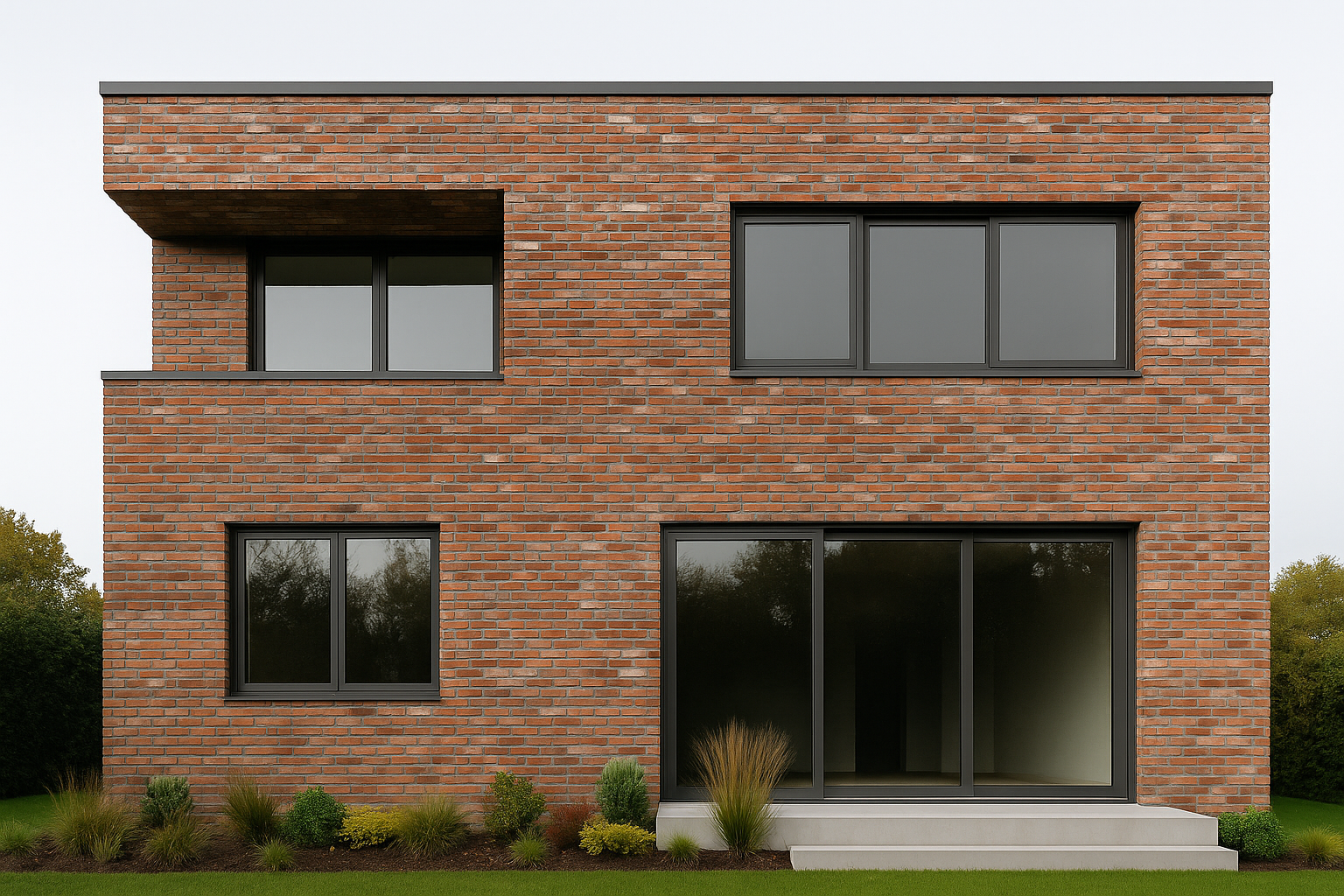
Antique red brick only works if you respect its quirks. The color shifts, chipped corners, and kiln marks are the whole point. Don’t try to polish them out. That texture is what keeps a modern room from looking flat.
Respect the Imperfections
I’ve never seen two antique bricks the same. That’s the value. In a clean interior, the uneven tone and weathering give depth. If you’re trying to fake uniformity, you may as well buy new stock. Let the wall read as old. For context on why material honesty matters, see Sustainable Materials Examples.
Get the Mortar Right
Mortar color decides if the wall feels calm or busy. Match it close to the brick and the whole surface quiets down. Contrast it in light gray or white, and every unit pops. For rustic projects, a loose joint with a bit of smear can make it feel aged from day one. Always mock up a test panel first—saves you from regrets later.
Seal Where It Matters
In kitchens, baths, or patios, antique brick will drink stains if you leave it raw. Use a matte or satin sealer to keep out grease and moisture. Never go glossy—it kills the texture and makes the wall read plastic. For whole-system thinking about durability, check Types of Sustainable Materials: Real Costs and Trade-Offs.
📘 MUST READ
Ultimate Guide: Masonry & Concrete (Creative Homeowner) — step-by-step details that explain mortar, sealing, and finish choices the way crews actually use them.
Red Brick in Design: How to Use It Without Drowning the Room

Red brick is strong medicine. A wall of it can anchor a space, but cover every surface and the room caves in. The trick is proportion. Antique stock carries history in every unit—fired marks, softened edges, uneven tone. That’s what gives depth. But you need to hold it in check so it works with the rest of the design.
Keep It as an Accent
One surface is usually enough. In a loft conversion, we bricked only the party wall. It gave the open plan a clear anchor without killing light. Thin veneer saved us the weight of full brick. Ask yourself: is this structure or surface? That decision keeps the design honest. For other envelope choices that change energy balance, skim Sustainable Insulation That Saves Energy and Cuts Costs.
Know Where It Fails
Red absorbs light. Put it in a small, dim room and it feels like a cave. I’ve seen it done in windowless corridors—the space closes in. In low-light areas, switch to lighter brick tones. You’ll keep character without sacrificing daylight. For broader remodel logic, Green Remodeling: Tools, Products, and Design Ideas That Work is worth keeping close.
Balance Color With Texture
The brick brings its own grit, so keep the palette restrained. Pair it with calm plaster, pale woods, or blackened steel. Textiles help too: light rugs, simple upholstery, nothing fussy. Done right, the brick reads as history, not theme. Overdo it and the room looks staged.
Where It Shines
Accent walls, fireplaces, kitchen backsplashes, and garden walls are where antique red brick holds up. Outdoors, it only gets better after a winter or two. Indoors, it needs balance—don’t let it turn the whole room into a set.
📘 MUST READ
Ultimate Guide: Masonry & Concrete (Creative Homeowner) — project-level details on when to use veneer, how to seal, and what mistakes to avoid.
A Note on History
Red brick isn’t new. Romans used it, colonials built with it, and its iron-rich clay still burns the same tone today. That continuity is part of its appeal. When you set antique units in a modern room, you’re tying into a line of builders stretching back centuries.
Reading the Brick Before You Lay It
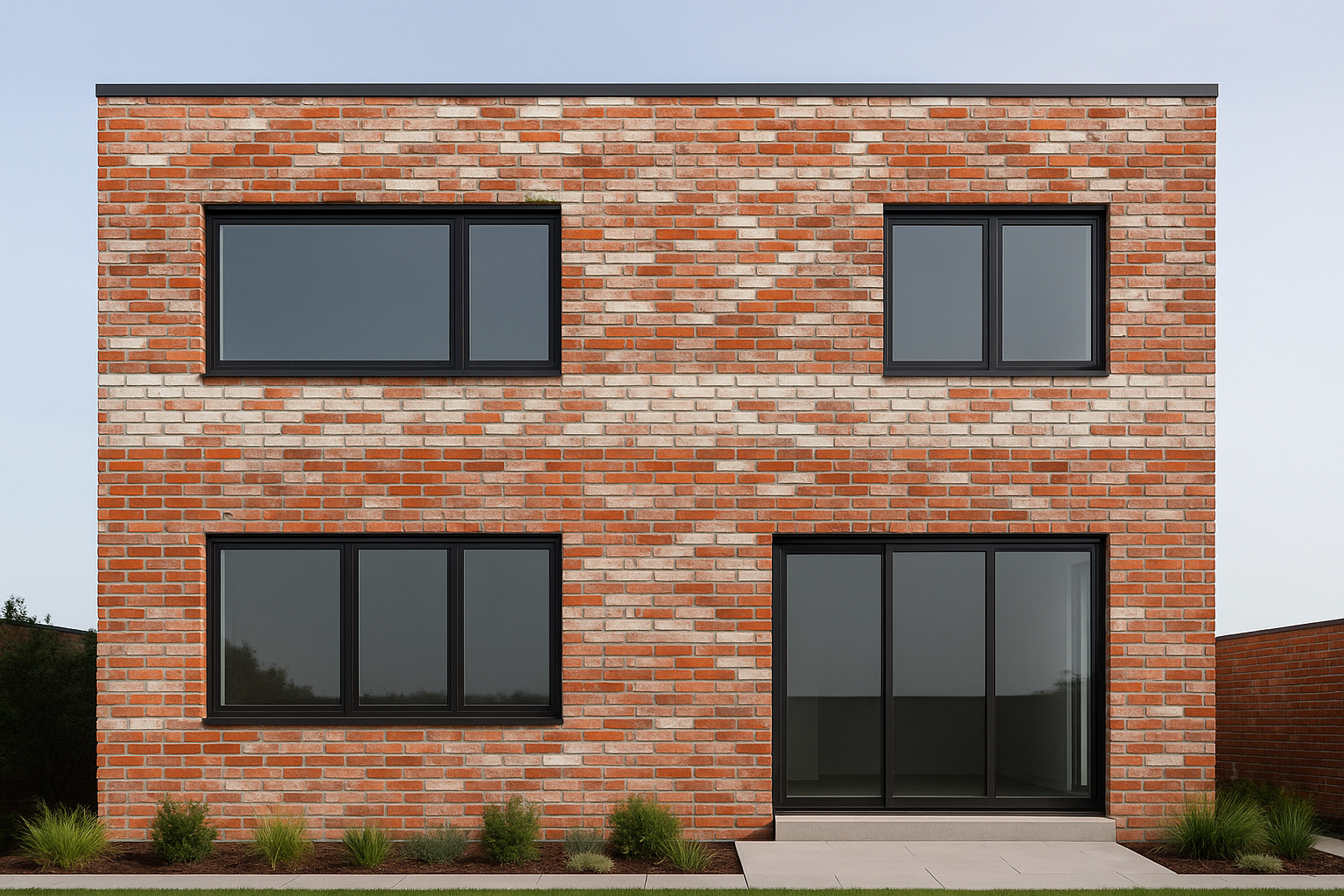
Most people treat antique brick like wallpaper: order a pallet, stick it up, call it rustic. That’s why so many projects look fake. The truth is, antique brick isn’t uniform. Every piece has clues: soot marks, lime leaching, edge wear, old mortar scars. If you read them, you know how to place them. If you don’t, you end up with patchy, accidental patterns that scream “salvage yard special.”
Sorting is Half the Craft
On site, I always spread bricks out before a wall goes up. I group them: deep reds, pale pinks, blacks, and the scarred ones. Then I stage the mix. Heavy charred pieces at the base, lighter tones higher, just like they’d have weathered on an old facade. That grading gives a wall the gravity it deserves. Skip it, and you’ll have checkerboard chaos.
Mortar Memory
Look close at the edges. Antique bricks often carry remnants of the old lime mortar. That’s not dirt, it’s memory. If you place those pieces randomly, the wall reads messy. Use them in bands or corners, and suddenly the wall looks intentional, like it’s been there for decades. The trick is to let the mortar “ghosts” guide your pattern.
Where the Stories Belong
The most weathered bricks shouldn’t sit behind cabinets or in shadow. They belong where the eye lingers: fireplace surround, stair return, garden wall. Let the cleanest faces take the background. Think of it like casting a play: not every actor should be the lead.
📘 FIELD PICK
EcoHouse Manual by Nigel Griffiths — practical detail on reusing salvage so it reads authentic, not sloppy.
Closing Notes
Antique red brick earns its keep when you let it play a supporting role. It carries weight, history, and warmth, but it doesn’t need to cover every wall to prove it. One surface, well detailed and well lit, will do more than a whole room drowned in brick.
The spaces that succeed are the ones where brick is balanced with plaster, timber, or steel — each material doing its job without shouting. Get that mix right and the brick doesn’t just look old, it feels grounded. Get it wrong and you end up with heaviness that no furniture can fix.
Use antique brick as a tool, not a theme. Respect its imperfections, plan for how it weathers, and let it anchor the design rather than overwhelm it. Do that, and it will give your project a depth you can’t fake with new stock.
FAQ
Is antique red brick worth the cost?
Yes, if you want real character. Reclaimed brick usually runs higher than new stock, but you’re paying for history and durability. Cheaper veneer options exist if budget is tight. For whole material cost breakdowns, see Types of Sustainable Materials: Real Costs and Trade-Offs.
Can I use antique red brick in a small room?
Be careful. Brick absorbs light and can make small rooms feel heavy. Use it on one wall at most, and balance with light paint or plaster. In dim spaces, consider antique white brick instead to keep brightness.
Does antique red brick need sealing?
Indoors, yes in kitchens and baths. Outdoors, optional if you want a natural patina. Always go for matte or satin sealers — gloss makes brick look fake.
What’s the biggest mistake with antique brick?
Overusing it. I’ve seen projects drown in brick — every wall covered. It kills light and balance. The best jobs use restraint: one fireplace, one accent wall, or a garden path.
How do you cut or shape antique bricks without wrecking them?
Score and split with a brick set chisel if you want to keep edges rough. For clean cuts, a wet saw works, but always order extra because antique lots vary and break rates are higher.
Can I mix antique red brick with modern finishes?
Absolutely. Works well against steel, glass, and polished concrete. The trick is to let the brick anchor the composition while the modern finishes carry precision. For broader examples, see Top Tips for Using Brick in Modern Design.
What books or guides help with real-world brickwork?
📘 FIELD PICK
Ultimate Guide: Masonry & Concrete (Creative Homeowner) — step-by-step builds, photos, and pro tips that translate directly to brick projects.
Recommended Books
- "Stone Houses: Traditional Homes of Pennsylvania's Bucks County and Brandywine Valley"
What’s it about? – This book covers the history and styles of brick, including how antique bricks like red brick have shaped architecture. Why You Should Buy It – A great resource for anyone interested in the history and uses of brick in modern and classic design. - "Reclaimed: New Homes from Old Materials"
What’s it about? – This book provides insights on incorporating reclaimed materials like antique red brick into your designs. Why You Should Buy It – Perfect for readers looking to add character and sustainability to their homes.