

Modern and Contemporary Homes: Not the Same Thing
How to Tell Modern Architecture from Contemporary Design
What’s the Difference (And Why It Matters)?
People often use “modern” and “contemporary” interchangeably, but they’re not the same. Here’s how they’re different—and how to tell which is which in real life.
What Is Modern Architecture?
Modern architecture isn’t “new” anymore—it dates back to the early 20th century (roughly 1920–1970).
Think:
-
Flat roofs
-
Clean, boxy shapes
-
No ornamentation
-
White walls, glass, and concrete
Modernism was about function over form. “Less is more.” It grew out of the industrial revolution and rejected historical styles. No more Gothic, no more Roman columns. Just clean, efficient design.
Key Features:
-
Flat roofs
-
Open floor plans
-
Minimalist shapes
-
Steel, concrete, glass
-
Built-ins instead of decoration
Why It Happened:
-
Post-World War I & II rebuilds
-
Industrial materials became affordable
-
Architects pushed for a fresh, universal style
Modern Architecture Examples:
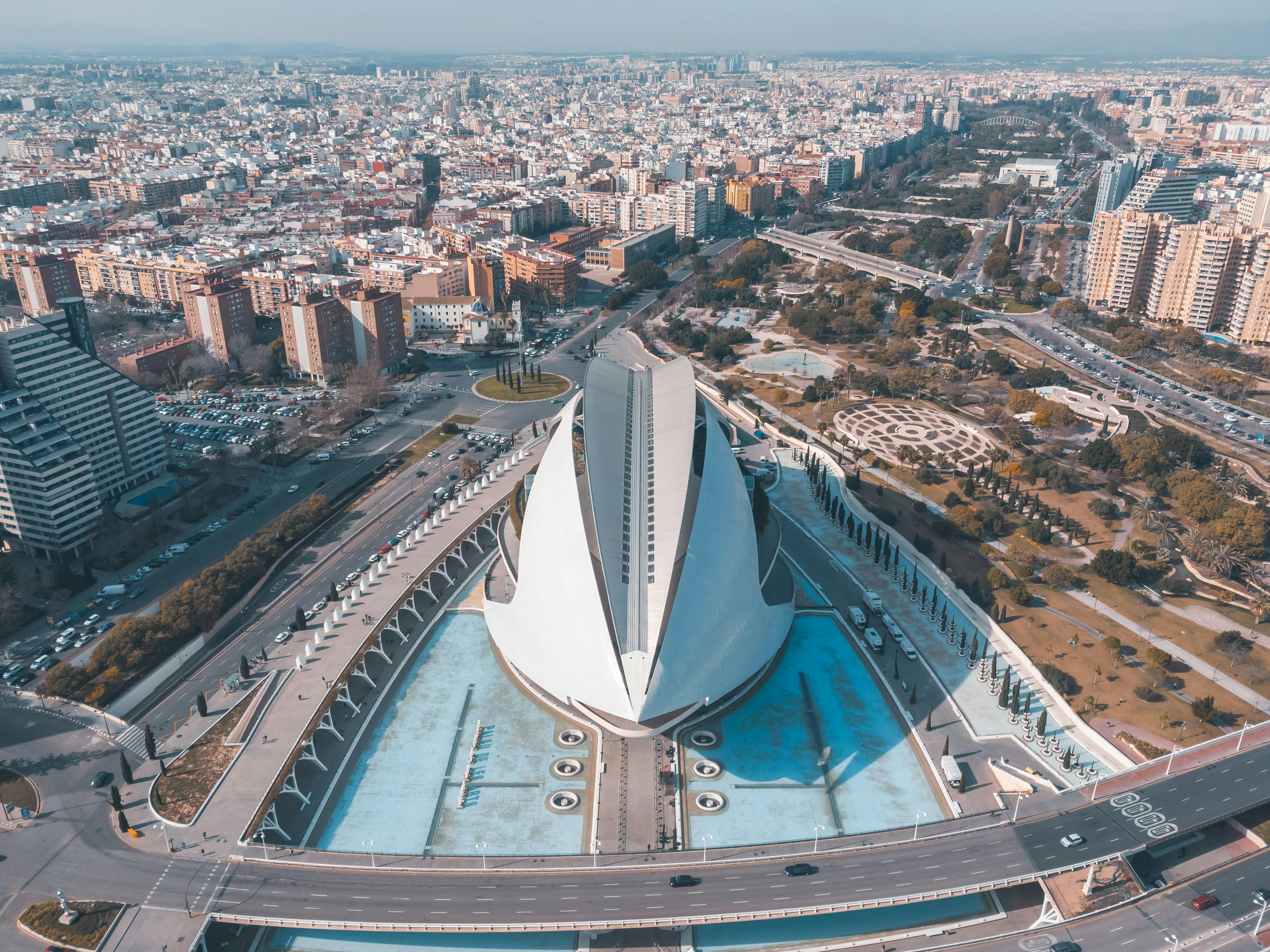
Image: Aerial view of Valencia, Spain, highlighting the city's modern architectural designs and urban landscape.
-
Farnsworth House (Mies van der Rohe)
-
Villa Savoye (Le Corbusier)
-
Bauhaus Dessau Building (Walter Gropius)
Modern vs. Contemporary: Two Styles People Always Confuse
Key Differences Between Modern and Contemporary Architecture
What Is Contemporary Architecture?
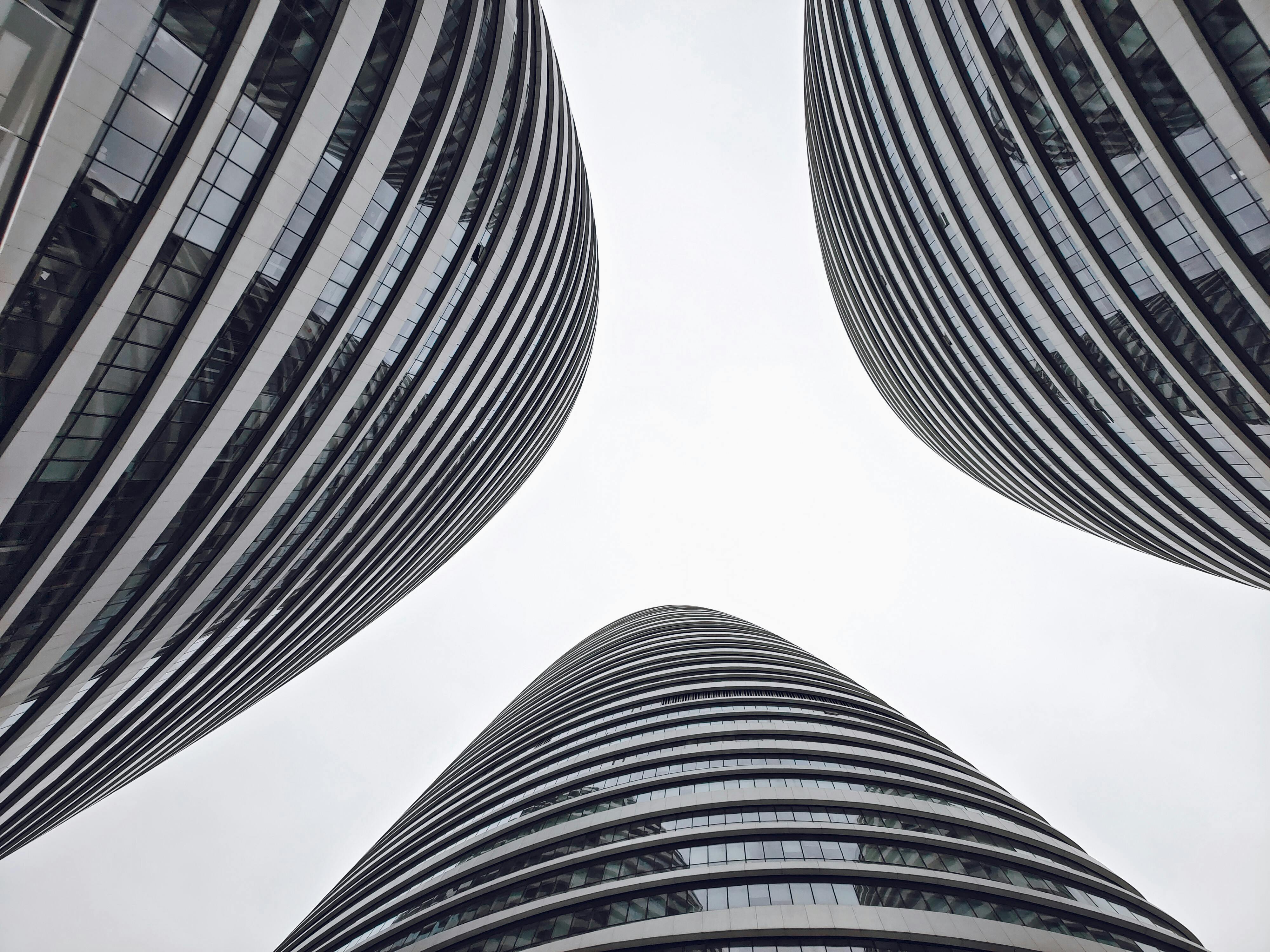
Image: A low-angle view of high-rise buildings in Chaoyang, Beijing, showcasing modern and contemporary design elements.
Contemporary = current design thinking. It’s what’s happening now, not tied to a fixed period like Modernism.
It borrows from many styles, mixes materials, and adapts to new tech, climate awareness, and changing lifestyles.
Think:
-
Asymmetry
-
Smart homes
-
Natural materials
-
Sustainability
-
Unexpected forms
It’s like modern’s younger, more flexible cousin—still minimalist, but with more freedom and personal expression.
Key Features:
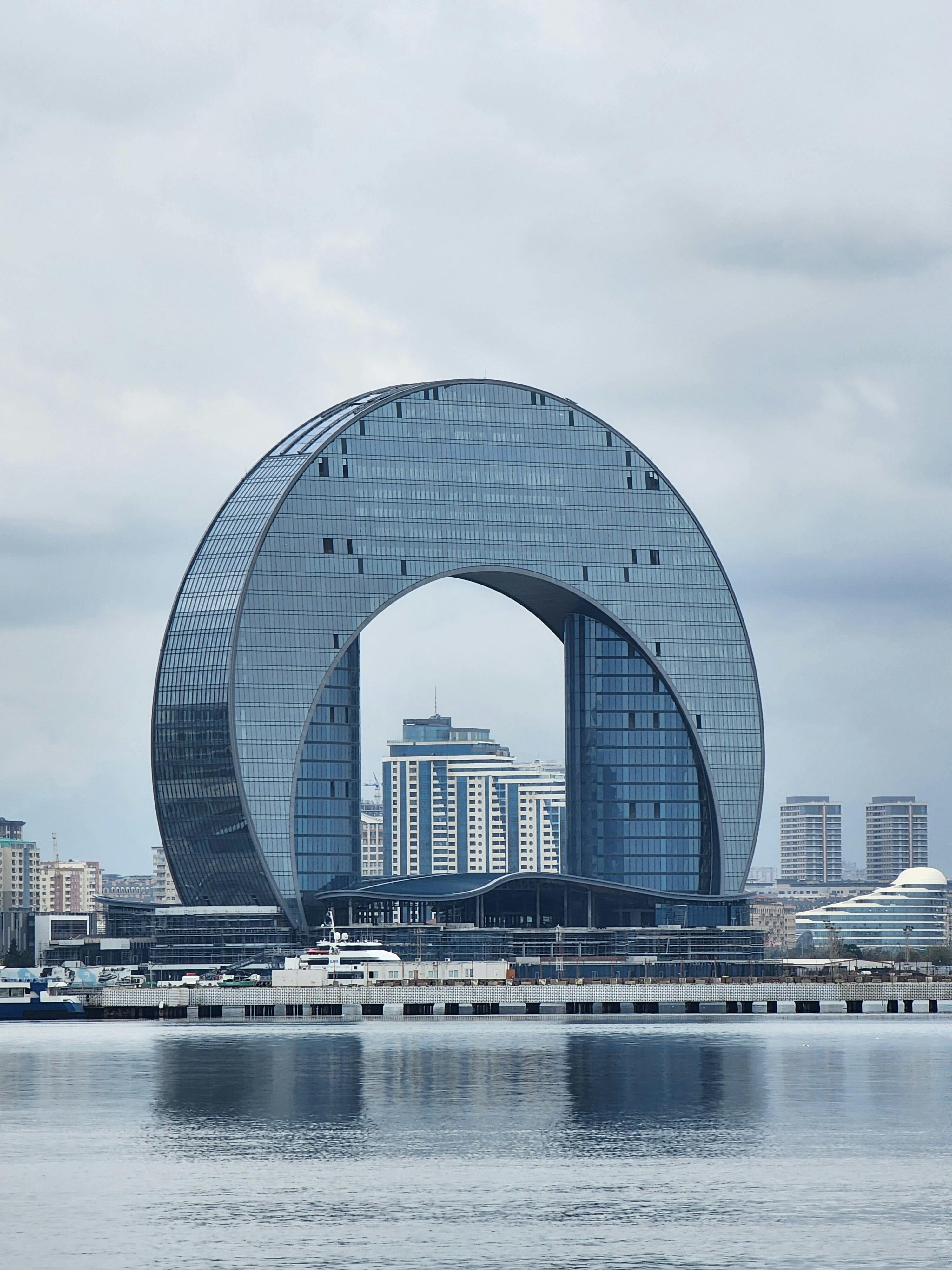
Image: Modern Crescent Hotel in Baku, Azerbaijan, featuring innovative architectural design and striking structures.
-
Sustainability first (solar panels, passive cooling)
-
Natural materials (wood, stone, bamboo)
-
Lots of glass, but smarter glazing
-
Blending indoor/outdoor spaces
-
Unique shapes, no strict rules
-
Tech integration (smart lighting, climate, security)
Why It’s Happening:
-
Climate crisis
-
Smart home tech
-
Global design influences
-
People want homes that fit their lives, not just a “style”
Contemporary Architecture Examples:
-
The Broad Museum (Zaha Hadid)
-
Bullitt Center (Seattle – greenest commercial building in the world)
-
Fogo Island Inn (Todd Saunders – remote, sustainable luxury)
-
Kiasma Museum (Steven Holl – playful forms and light)
How to Tell Them Apart (Even as a Non-Architect)
| Feature | Modern | Contemporary |
|---|---|---|
| Time Period | 1920s–1970s | 2000s–today |
| Design Philosophy | Function > form | Function + expression |
| Materials | Concrete, steel, glass | Wood, stone, eco-friendly mix |
| Shapes | Boxy, rigid | Fluid, flexible, bold angles |
| Roofs | Flat or low-pitch | All shapes—even sculptural |
| Color Palette | White, grey, neutral | Neutral with bold natural accents |
| Sustainability | Not central | Core to the design |
| Architectural Detail | Minimalist, no décor | Simplified but with texture/play |
| Tech | Rare or absent | Smart tech built-in |
| Landscaping | Separate from house | Blended with indoor spaces |
Famous Architects – Who Led the Charge?
Modern Architecture Giants
-
Le Corbusier – Invented open floor plans. Concrete king.
-
Mies van der Rohe – “Less is more.” Defined glass-box homes.
-
Walter Gropius – Founded Bauhaus. Design for the people.
-
Richard Neutra – California modernist, blended nature with form.
Contemporary Visionaries
-
Zaha Hadid – Queen of curves and fluid forms.
-
Bjarke Ingels (BIG) – Sustainability + fun, livable forms.
-
Glenn Murcutt – Aussie architect who listens to the land.
-
Todd Saunders – Combines remoteness, craft, and purpose.
-
Kengo Kuma – Merges Japanese tradition with green design.
What to Learn from Each Style
| If You Like… | Then Pay Attention To… |
|---|---|
| Simplicity and timeless structure | Modernism (clean layouts, clarity) |
| Comfort, tech, nature | Contemporary (better climate response) |
| Low maintenance homes | Both, but contemporary tends to use smarter materials |
| Freedom in shapes and layouts | Contemporary – it’s not locked in a box |
Contemporary or Modern? How to Choose the Right Style
Modern vs. Contemporary Homes: Features, Layouts, and Materials
FINAL TIPS
Choosing or Designing with These Styles
\Modern homes are great if you want:
-
Minimal design
-
Easy-to-read structure
-
A home that looks sharp and crisp
Contemporary homes are best if you want:
-
Flexibility
-
Better sustainability
-
A home that responds to your lifestyle
⚠️ Common Mistake to Avoid:
People often say “I want a modern house” when they mean “contemporary.” Show your architect photos, not just words.
Verdict: Which Is Better?
That’s like asking "espresso or cold brew?"
Modern is bold, clean, and timeless.
Contemporary is clever, green, and tuned for now.
💬 If you’re building or renovating today, contemporary gives you more freedom to:
-
Design for your region
-
Add tech
-
Stay sustainable
-
Reflect your personality
But if you love the look of mid-century classics, modern still wins in visual clarity and elegance.
Both can be beautiful. It’s not about choosing sides—it’s about picking what fits your life.
IN FOCUS
Secrets Only Architects Know About Modern vs. Contemporary Homes
Most homeowners see sleek photos and say, “That’s the style I want.” But there are a few things only architects (and builders who’ve done this for years) really know about how Modern and Contemporary homes behave in real life:
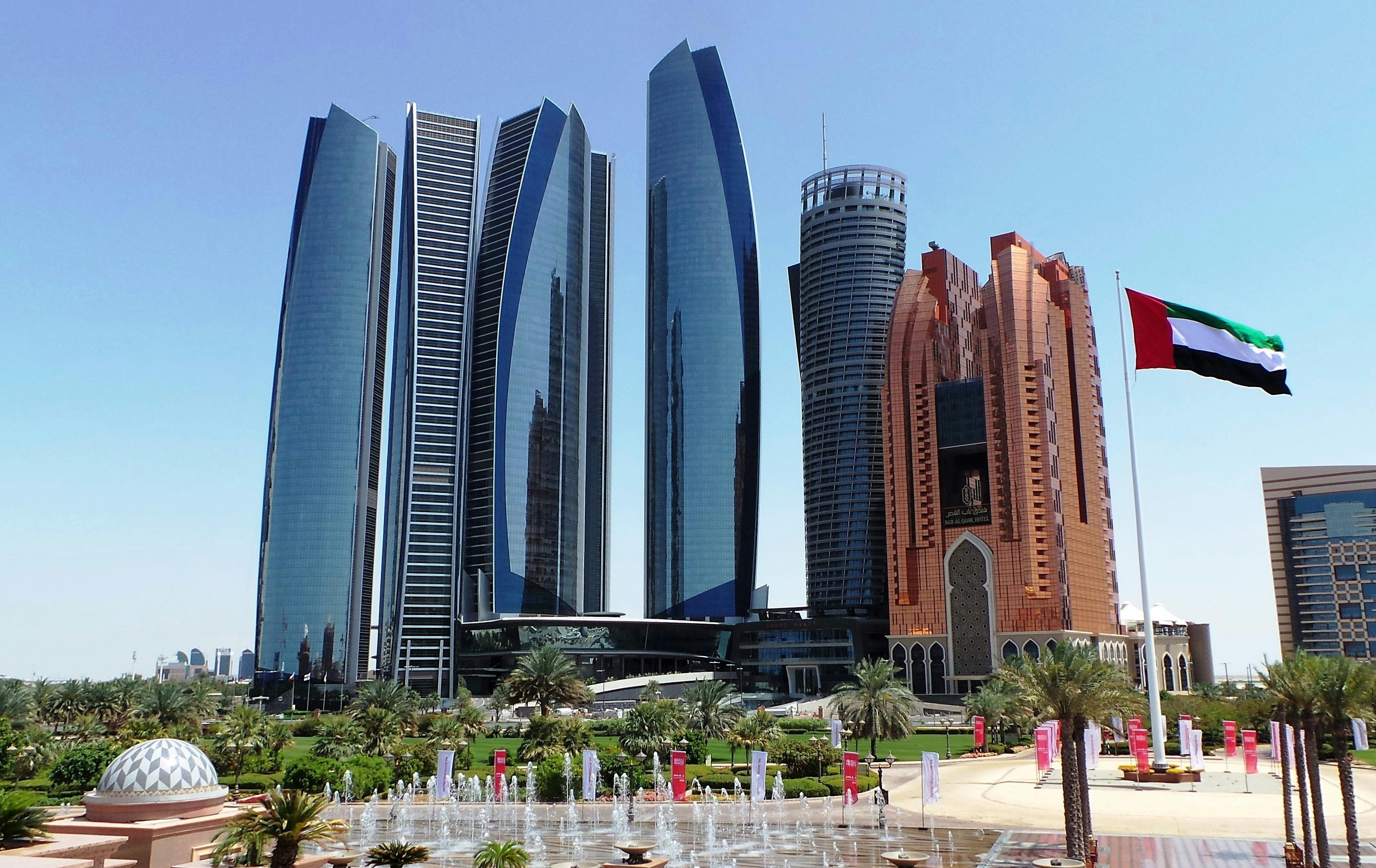
Image: Conrad Abu Dhabi Etihad Towers, a striking example of modern architecture in Abu Dhabi, UAE, showcasing innovative design
Modern Looks Easy. It’s Not.
-
Those clean lines and boxy forms? They require precise craftsmanship.
-
If your builder is off by even ½ inch, everything looks crooked.
-
Flat roofs? They look sharp but can leak if not engineered perfectly.
Architect tip: Budget for high-quality materials and a contractor who’s done true Modern work before. It’s not the time to go cheap.
Contemporary Offers More Wiggle Room
-
Unlike Modernism’s rigid design rules, contemporary homes are flexible.
-
You can mix wood with concrete, old with new, sharp with soft—and it still works.
-
Smart architects use this to solve awkward site conditions or budget changes mid-project.
Architect tip: Use contemporary’s flexibility to adapt. Add passive cooling, a green roof, or update materials—without ruining the look.
Glass Is Great… Until It Isn’t
-
Both styles love glass. But too much glass = too much heat loss or gain.
-
That dreamy floor-to-ceiling wall? Can bake your living room unless it’s properly oriented or shaded.
Architect tip: South-facing is best. Add overhangs. Use double or triple glazing, or smart glass.
Furnishing Modern Homes Is Harder Than You Think
-
Modern homes need minimal furniture that doesn’t fight the clean lines.
-
That means custom furniture, often built-in. Which adds to the cost.
-
If you throw in bulky, traditional couches, it all starts to look off.
Architect tip: Budget for furniture as part of the architecture in modern homes. Otherwise, it never feels “finished.”
The Best Designs Mix a Bit of Both
-
The truth? Most award-winning homes blend Modern bones with Contemporary soul.
-
You get the structure and logic of Modernism with the warmth and adaptability of Contemporary.
Architect tip: Don’t get stuck in a label. Ask yourself: What do I actually want to feel in this home? Start from there.
FAQ
Q: What’s the biggest difference between Modern and Contemporary homes?
A: Modern = fixed historical period (1920s–1970s). Contemporary = what’s happening now.
Modern follows strict design rules; Contemporary is more flexible and focused on sustainability and tech.
Q: Can I mix the two styles in one home?
A: Absolutely. In fact, most great homes do. You can have a Modern layout and form with Contemporary materials and systems.
Q: Which one costs more to build?
A: True Modern homes often cost more because of the craftsmanship and clean-line precision.
Contemporary homes vary—some prefab options make them more affordable.
Q: Are flat roofs a good idea?
A: Aesthetically? Yes. But only if done right.
Flat roofs require excellent drainage and weatherproofing.
If you live in a rainy or snowy area, talk to an architect first.
Q: Which one is better for resale?
A: Depends on your market. In most cities, contemporary homes sell faster, especially if they’re energy efficient and smart-tech ready.
But well-done modern homes always have buyers—especially mid-century lovers.
Q: What’s better for small lots or tricky sites?
A: Contemporary. It adapts better to tight, irregular spaces.
Modern designs tend to be boxy and rigid, which may not fit every lot or code.
Q: Do I need to hire an architect for either style?
A: If you want it done right—yes.
Modern needs precision. Contemporary often requires custom layouts and tech/sustainability integration. A good architect saves you time, stress, and costly fixes later.