

Designing Indoor-Outdoor Living Spaces: Seamlessly Blending Nature and Home
Create a harmonious flow between indoors and outdoors with practical tips, proven strategies, and design insights to elevate your living spaces.
Strategies for Seamless Integration of Interiors and Exteriors
As an interior designer, one of the most exciting challenges I’ve tackled is creating spaces that blur the lines between indoors and outdoors.
There’s something magical about stepping into a room and feeling like nature is just an extension of the space—bringing fresh air, natural light, and a sense of openness right into your home.
Designing Indoor-Outdoor Living Spaces: Making the Most of Your Home’s Layout
From bi-fold doors to outdoor kitchens, discover how to maximize your home’s potential with seamless indoor-outdoor design solutions.

Let me share a story that perfectly captures this idea. I worked with the Preston family on their suburban home. Their living room felt disconnected from their beautiful backyard, so we installed large bi-fold doors that could open up the entire wall. Suddenly, their home became an airy, welcoming retreat.
The living room flowed seamlessly into the garden, and the change was transformative. Now, weekend barbecues feel like a resort getaway, with kids running freely, natural scents wafting in, and a perfect mix of coziness and spaciousness.
This simple change not only improved their daily lives but also boosted the value of their property. It’s proof that integrating interiors and exteriors can do wonders, both functionally and aesthetically. In this guide, I’ll share practical tips, design strategies, and examples to help you achieve that same harmonious indoor-outdoor living.

Main Themes and Structure
- This is a free guide on designing seamless indoor-outdoor living spaces.
- We'll walk you through the key elements that make these spaces work so well, from the right architectural choices to the best materials and practical design tips.
- Everything we mention here has been done before in a similar fashion, so the concepts have been proven.
Here's a quick preview of what we'll cover:
- Architectural Elements: Discover the different types of doors and windows that can open up your living spaces, and how to choose the right ones for your home.
- Material Choices: Learn about the best materials for creating a cohesive look that blends your indoor and outdoor areas seamlessly.
- Practical Tips: Get actionable advice on planning, budgeting, and implementing your indoor-outdoor living space project, whether you're starting from scratch or looking to enhance your current setup.
This guide will give you all the tools you need to create a home where indoor and outdoor spaces flow together effortlessly, enhancing your lifestyle with both practicality and beauty.
Fun Facts
- Did You Know?: Share fun facts about famous indoor-outdoor living spaces around the world.
Historical Context and Evolution
- Historical Evolution: Explore the evolution of indoor-outdoor living spaces, from ancient Roman atriums to modern open-plan designs.
- Timeline: Provide a timeline highlighting key developments in indoor-outdoor design.
If you like the historical part of things, click to expand for details
Evolution
Indoor-outdoor living spaces have a rich history, evolving significantly over the centuries. Let's take a journey through time to see how these spaces have transformed from ancient times to modern-day designs.
Ancient Roman Atriums
The concept of indoor-outdoor living dates back to ancient Rome, where atriums served as central open-air courtyards within homes. These spaces allowed for natural light and ventilation, creating a harmonious connection between the interior and exterior.
- Construction Techniques: Atriums were designed with open roofs to allow sunlight and rainwater, often leading to an inner garden.
- Symbolism: These spaces were a focal point of the home, reflecting wealth and status.
Medieval Cloisters
During the medieval period, cloisters in monasteries and churches provided enclosed garden spaces that blended indoor and outdoor elements. These serene areas were designed for contemplation and relaxation.
- Architectural Layout: Cloisters were typically quadrangular, surrounded by covered walkways.
- Functional Purpose: They served both practical and reflective functions, enhancing the monastic lifestyle.
Renaissance Gardens
The Renaissance era saw the rise of elaborate gardens in European estates. These gardens were often designed to be extensions of the living spaces, featuring pathways, fountains, and sculptures that created a seamless flow between indoors and outdoors.
- Design Elements: Renaissance gardens included symmetrical layouts, water features, and classical statues.
- Symbolic Significance: They represented harmony and order, reflecting the Renaissance ideals of beauty and nature.
19th Century Conservatories
In the 19th century, conservatories became popular in Europe and America. These glass-enclosed spaces allowed people to enjoy the beauty of nature year-round, blending the indoors with the outdoors.
- Materials Used: Iron and glass were the primary materials, allowing for expansive views and abundant light.
- Purpose: Conservatories were used for growing exotic plants and as social spaces.
Mid-20th Century Modernism
The mid-20th century brought a significant shift with modernist architects like Frank Lloyd Wright, who championed the idea of organic architecture. His designs often featured large windows, open floor plans, and an emphasis on blending the built environment with the natural surroundings.
- Architectural Principles: Modernist designs emphasized simplicity, functionality, and harmony with nature.
- Famous Examples: Fallingwater and the Glass House are iconic examples of this style.
Contemporary Open-Plan Designs
Today, the trend continues with contemporary open-plan designs that prioritize fluidity between indoor and outdoor spaces. Advances in materials and technology have made it easier than ever to create seamless transitions, enhancing both aesthetics and functionality.
- Technological Innovations: Modern materials and construction techniques enable larger openings and better insulation.
- Design Trends: Current trends include biophilic design and smart home integration.
Timeline of Key Developments
Here's a timeline highlighting key developments in indoor-outdoor design:
- Ancient Rome: Introduction of atriums in homes for natural light and ventilation.
- Medieval Period: Cloisters in monasteries blending indoor and outdoor elements.
- Renaissance: Elaborate gardens designed as extensions of living spaces.
- 19th Century: Popularity of conservatories for year-round enjoyment.
- Mid-20th Century: Modernist designs emphasizing open floor plans and large windows.
- Contemporary: Open-plan designs with advanced materials and technologies.
Understanding the historical context of architectural design is crucial for appreciating the advancements and cultural significance of modern architecture. Each ancient civilization contributed unique innovations and aesthetics that continue to influence contemporary practices.
Key Features of Indoor-Outdoor Living Spaces
Designing Indoor-Outdoor Living Spaces: Tips for Functional and Beautiful Designs
Discover how to transform your home with design ideas that connect your interiors to your exteriors, enhancing functionality and aesthetics.
Learn the secrets behind effective indoor-outdoor design, including the best materials, layouts, and architectural details to bring your vision to life.
Doors play a crucial role in creating a seamless transition between indoor and outdoor spaces. The right type of door can enhance the aesthetic appeal and functionality of your living space.
Types of Doors
Various types of doors can be used to create an indoor-outdoor living experience. Here are some popular choices:
- Bi-Fold Doors: These doors consist of multiple panels that fold back against the wall, opening up the entire wall space.
- Sliding Doors: Sliding doors move horizontally along a track, saving space and providing wide openings.
- French Doors: Traditional French doors open outwards, providing a classic look with wide access to outdoor areas.
More Details on Types of Doors
Understanding the different types of doors available for indoor-outdoor living spaces can help you make an informed decision. Here's an in-depth look:
- Bi-Fold Doors: Ideal for large openings, bi-fold doors can create a seamless flow between the interior and exterior. They are perfect for homes that want to maximize their open space. Bi-fold doors are highly versatile and can be customized to fit various openings, from narrow doorways to entire walls.
- They are available in a range of materials, including aluminum, timber, and composite, each offering different benefits. For instance, aluminum bi-fold doors are lightweight, strong, and require minimal maintenance, while timber doors provide a traditional look with excellent insulation properties.
- When installing bi-fold doors, consider the threshold options. Low or flush thresholds can create a smooth transition between indoor and outdoor spaces, reducing tripping hazards and enhancing accessibility. Additionally, bi-fold doors can be designed with multiple configurations, such as inward or outward opening, depending on your space and preference.
- One of the primary benefits of bi-fold doors is their ability to create a wide, unobstructed opening, which is perfect for entertaining and creating a sense of openness. However, it's important to ensure that the door tracks and mechanisms are of high quality to prevent issues with alignment and operation over time.
- Sliding Doors: Sliding doors are space-efficient and can be designed with large glass panels to enhance natural light. They are a great choice for smaller spaces or where traditional swinging doors are not practical. Sliding doors can be used in a variety of applications, from patio doors to balcony entrances.
- They are available in single, double, or triple sliding configurations, allowing for greater flexibility in design. One of the key advantages of sliding doors is their ability to provide expansive views while maintaining a slim profile. This makes them ideal for modern homes that prioritize minimalistic aesthetics.
- Sliding doors can be made from various materials, including UPVC, aluminum, and wood. UPVC sliding doors are known for their energy efficiency and low maintenance, while aluminum doors offer a sleek, contemporary look with high durability. Wood sliding doors provide a warm, natural feel but may require more maintenance to prevent warping and rotting.
- When choosing sliding doors, consider the type of glazing used. Double or triple glazing can improve energy efficiency and reduce noise transmission.
- Additionally, look for features such as multi-point locking systems for enhanced security and smooth-glide mechanisms for easy operation. One of the challenges with sliding doors is ensuring proper sealing to prevent drafts and water ingress. High-quality weather stripping and threshold design can help address these issues, ensuring your sliding doors perform well in all weather conditions.
- French Doors: Offering a touch of elegance, French doors can be paired with side panels to increase light and ventilation. They work well in both traditional and contemporary settings.
- French doors are characterized by their double-door design, which typically features large glass panes that extend from the top to the bottom of each door. This design allows for maximum natural light and creates a visual connection between indoor and outdoor spaces. French doors can be made from a variety of materials, including wood, fiberglass, and aluminum.
- Wooden French doors are a popular choice for their classic look and excellent insulation properties, but they may require more maintenance to protect against weather damage.
- Fiberglass doors offer the look of wood with lower maintenance and higher durability. Aluminum French doors are lightweight and resistant to rust, making them ideal for coastal areas.
- When installing French doors, consider the swing direction. Inward-swinging doors are common for interior applications, while outward-swinging doors are often used for exterior applications to maximize indoor space. French doors can be customized with various decorative elements, such as grille patterns, sidelights, and transom windows, to enhance their aesthetic appeal.
- Additionally, consider adding weather stripping and energy-efficient glazing to improve the door's performance. One of the benefits of French doors is their ability to create a wide opening, which is perfect for moving large items in and out of the house or creating a seamless flow for entertaining. However, they may require more space to open fully, so ensure there is adequate clearance around the doors.
Pro Tips:
- When choosing door materials, consider the local climate. For example, aluminum doors are great for humid environments, while wood may be better suited for drier climates with proper treatment.
- Think about the door's threshold design. A low or flush threshold can enhance accessibility and create a smoother transition between indoor and outdoor spaces.
- Consult with a professional to ensure the door's structural integrity and proper installation, especially for large openings like bi-fold doors.
Example: The Williams family chose aluminum bi-fold doors for their beach house. The doors' sleek design and rust-resistant properties made them perfect for the coastal environment. By selecting double-glazed panels, they improved energy efficiency and enjoyed panoramic ocean views without compromising on comfort.
Material Choices

Choosing the right material for your doors is essential for durability and aesthetics. Common materials include:
- Glass: A modern look and allows maximum light penetration but requires careful consideration of insulation.
- Wood: A warm, classic appearance but may need regular maintenance to withstand weather conditions.
- Aluminum: Durable and low maintenance, aluminum doors are resistant to rust and provide a sleek, contemporary look.
More Details on Material Choices
Choosing the right material for your doors is crucial for ensuring long-term durability, aesthetics, and performance. Here's an in-depth look at various material options:
- Glass: Glass doors provide a sleek, modern look and allow for maximum light penetration, creating a bright and airy space. However, they require careful consideration of insulation to prevent heat loss in winter and heat gain in summer.
- Types of Glass: Double or triple glazing improves insulation and energy efficiency. Laminated glass provides additional security and noise reduction. Low-E (low-emissivity) glass coatings can help reflect heat and reduce energy costs.
- Maintenance: Glass doors are relatively low maintenance but require regular cleaning to keep them looking pristine. Consider using glass treatments or coatings that reduce smudges and make cleaning easier.
- Wood: Wood offers a warm, classic appearance and excellent insulation properties but requires regular maintenance to withstand weather conditions.
- Types of Wood: Hardwoods like oak, teak, and mahogany are durable and resistant to warping, making them ideal for exterior use. Softwoods like pine are more affordable but may require more frequent maintenance.
- Finishes: Staining and sealing wood doors can protect them from moisture and UV damage. Painted finishes offer additional protection and allow for customization to match your home's color scheme.
- Maintenance: Regularly inspect wood doors for signs of wear, such as cracks, warping, or peeling paint. Refinish or reseal as needed to maintain their appearance and durability.
- Aluminum: Aluminum doors are durable, low maintenance, and resistant to rust, making them ideal for coastal areas and harsh climates.
- Finishes: Powder-coated finishes provide additional protection and are available in a variety of colors to match your design preferences. Anodized aluminum offers a sleek, modern look with added durability.
- Insulation: Aluminum doors can be fitted with thermal breaks to improve their insulation properties and reduce heat transfer.
- Maintenance: Aluminum doors are relatively low maintenance, requiring only occasional cleaning to remove dirt and debris. Regularly inspect for signs of wear or damage to the finishes.
Pro Tips:
- Consider the environmental impact of your material choice. For example, sustainably sourced wood or recycled aluminum can be more eco-friendly options.
- Evaluate the energy efficiency of the material. High-quality glass with insulating properties can significantly reduce energy costs.
- Choose materials that complement your home's architectural style for a cohesive look.
Example: The Jones family opted for aluminum sliding doors with low-E glass for their modern home. The doors' sleek design and energy-efficient properties helped reduce their heating and cooling costs, while the low maintenance requirements fit their busy lifestyle.
Design Tips
When selecting doors, consider the following tips to ensure you choose the right type and material:
- Climate Considerations: Choose materials that can withstand your local climate. For example, wood may not be suitable for very humid areas without proper treatment.
- Aesthetic Preferences: Match the door style with your home’s architectural design to maintain a cohesive look.
- Functionality: Ensure the doors are easy to operate and provide the desired level of security and privacy.
More Design Tips
Designing doors for indoor-outdoor living spaces involves more than just choosing the right type and material. Here are some additional tips to help you achieve a seamless transition:
- Energy Efficiency: Look for doors with good insulation properties to maintain energy efficiency. Consider doors with thermal breaks or low-E glass.
- Thermal Breaks: These are barriers within the door frame that reduce the transfer of heat and cold, improving energy efficiency.
- Low-E Glass: This type of glass has a special coating that reflects heat, keeping your home warmer in winter and cooler in summer.
- Space Planning: Plan the door placement to maximize the flow between indoor and outdoor spaces. Consider how the doors will open and whether they might obstruct pathways or furniture.
- Accessibility: Ensure that doorways are wide enough to accommodate wheelchairs or mobility aids. Low or flush thresholds can make it easier for everyone to move between indoor and outdoor spaces.
- Outdoor Space Integration: Align doorways with outdoor features like patios, decks, or garden paths to create a seamless transition.
- Customization: Custom-designed doors can perfectly match your space requirements and design preferences, offering unique solutions for your home.
- Color and Finish: Customize the color and finish of your doors to complement your interior and exterior decor.
- Hardware: Choose high-quality hardware, such as handles, locks, and hinges, that match the style of your doors and provide durability and security.
- Security: Ensure your doors provide the necessary level of security for your home. Multi-point locking systems, toughened glass, and reinforced frames can enhance security without compromising on aesthetics.
- Multi-Point Locking Systems: These locks secure the door at multiple points, making it more difficult for intruders to force entry.
- Toughened Glass: Also known as tempered glass, this material is stronger than regular glass and less likely to shatter if broken.
Pro Tips:
- Consult with a professional to ensure the door's structural integrity and proper installation, especially for large openings like bi-fold doors.
- Consider adding insect screens to your doors to enjoy fresh air without letting bugs in.
- Think about the maintenance requirements of different materials and finishes to ensure they fit your lifestyle.
Example: The Martinez family customized their patio doors with a bi-fold design that included built-in insect screens and low-E glass panels. The result was a beautiful, energy-efficient, and functional space that seamlessly connected their indoor and outdoor living areas.
Windows
Windows are another vital element in creating an indoor-outdoor living space. They enhance natural light and provide views of the outdoors, making indoor spaces feel more expansive.
Window Styles
Several window styles work well for indoor-outdoor living spaces:
- Floor-to-Ceiling Windows: These windows provide expansive views and allow maximum light to enter, creating a strong connection with the outdoors.
- Picture Windows: Fixed windows that offer unobstructed views, ideal for framing beautiful outdoor scenes.
- Casement Windows: Hinged on the side, these windows open outward, allowing for good ventilation and clear views.
More Details on Window Styles
Choosing the right window style can significantly enhance your indoor-outdoor living experience. Here's an in-depth look at various window styles:
- Floor-to-Ceiling Windows: These windows are ideal for modern homes that want to create a dramatic effect. They can also enhance energy efficiency with the right glazing options.
- Design Considerations: Floor-to-ceiling windows create a seamless visual connection with the outdoors and can make small spaces feel larger. Consider the orientation of your home and the path of the sun to maximize natural light while minimizing glare.
- Privacy: Use window treatments such as blinds, curtains, or smart glass that can be adjusted for privacy without compromising the view.
- Frame Materials: Choose materials like aluminum or fiberglass that can support large glass panes without obstructing the view.
- Picture Windows: Perfect for rooms with a view, picture windows create a seamless frame for outdoor landscapes while being energy-efficient due to their fixed nature.
- Placement: Position picture windows to frame the most attractive views from your home, such as gardens, water features, or scenic landscapes.
- Insulation: Since picture windows don't open, they can be highly insulated to improve energy efficiency. Double or triple glazing and low-E coatings can enhance their performance.
- Decorative Elements: Add transom windows above or below picture windows to create visual interest and allow additional light into the space.
- Casement Windows: These windows offer flexibility in design and can be paired with other window types for a customized look. They are also easy to clean and maintain.
- Ventilation: Casement windows are hinged on the side and open outward, providing excellent ventilation. They are ideal for areas where airflow is important, such as kitchens or bathrooms.
- Security: The multi-point locking system of casement windows provides enhanced security. Ensure the hardware is durable and easy to operate.
- Customization: Casement windows can be combined with fixed windows or used in bay window configurations to create a unique design. Choose from various frame materials, such as wood, vinyl, or aluminum, to match your home's style.
Pro Tips:
- Consider the orientation of your windows to maximize natural light and views while minimizing heat gain and glare.
- Use energy-efficient glazing options to improve insulation and reduce energy costs.
- Combine different window styles to create a unique and functional design that suits your needs.
Example: The Chen family installed floor-to-ceiling windows in their living room, which overlooks their beautifully landscaped backyard. The large windows provided stunning views and filled the room with natural light, creating a bright and airy atmosphere. To enhance privacy, they added motorized blinds that could be easily adjusted with a remote control.
Energy Efficiency
Energy-efficient windows are crucial for maintaining a comfortable indoor temperature and reducing energy costs. Here are some tips:
- Double or Triple Glazing: These windows provide better insulation, reducing heat loss in winter and heat gain in summer.
- Low-E Glass: Low-emissivity glass has a special coating that reflects heat while allowing light to pass through, improving energy efficiency.
- Proper Sealing: Ensure windows are properly sealed to prevent drafts and leaks, enhancing their energy efficiency.
More Details on Energy Efficiency
Improving the energy efficiency of your windows can make a significant difference in your home's comfort and energy bills. Here's a deeper dive into energy-efficient window options:
- Double or Triple Glazing: These windows have two or three layers of glass with air or gas-filled spaces between them, providing better insulation than single-glazed windows.
- Benefits: Double or triple glazing reduces heat transfer, minimizes noise, and improves security. The additional layers of glass and the insulating gas (such as argon or krypton) between the panes create a barrier that helps maintain a consistent indoor temperature.
- Applications: Use double or triple glazing in all windows, especially in areas exposed to extreme temperatures or high noise levels.
- Low-E Glass: This type of glass has a special coating that reflects heat while allowing light to pass through, improving energy efficiency.
- Types of Low-E Coatings: There are two main types of low-E coatings: hard-coat and soft-coat. Hard-coat low-E glass is more durable and can be used in single-pane applications, while soft-coat low-E glass offers better performance and is typically used in double or triple glazing.
- Benefits: Low-E glass reduces energy consumption by reflecting heat back into the room during winter and blocking heat from entering during summer. This helps maintain a comfortable indoor temperature year-round.
- Argon Gas Fill: Windows filled with argon gas between the panes offer better insulation than air-filled windows.
- Benefits: Argon is a non-toxic, inert gas that provides better thermal insulation than air. It reduces heat transfer, making your home more energy-efficient.
- Window Frames: Choose frames made from materials with good insulating properties, such as vinyl or wood-clad frames.
- Vinyl Frames: These frames are energy-efficient, low maintenance, and cost-effective. They provide good insulation and are resistant to moisture and UV damage.
- Wood-Clad Frames: These frames offer the best of both worlds, combining the energy efficiency and natural beauty of wood with the low maintenance of an exterior cladding material, such as aluminum or vinyl.
- Window Treatments: Use energy-efficient window treatments like cellular shades or insulated curtains to further reduce energy loss.
- Cellular Shades: Also known as honeycomb shades, these window coverings trap air in their cells, providing an additional layer of insulation and improving energy efficiency.
- Insulated Curtains: These curtains are designed with multiple layers of fabric and thermal insulation to reduce heat loss in winter and heat gain in summer.
Pro Tips:
- When replacing windows, look for the ENERGY STAR label to ensure they meet energy efficiency standards.
- Consider installing window films or tints to reduce UV rays and glare while improving energy efficiency.
- Ensure windows are properly sealed and caulked to prevent drafts and air leaks.
Example: The Thompson family upgraded their windows to double-glazed, low-E glass with argon gas fill. The new windows significantly improved the insulation of their home, reducing their heating and cooling costs by 20%. They also added cellular shades for an extra layer of insulation and to control light and privacy.
Design Tips
Consider the following tips when planning window placement and style:
- Maximize Natural Light: Position windows to capture the best natural light throughout the day. South-facing windows typically offer the most light.
- Frame Views: Use windows to frame attractive outdoor views, making them focal points in your interior design.
- Ventilation: Ensure windows can be opened to provide adequate ventilation and improve indoor air quality.
More Design Tips
Designing windows for indoor-outdoor living spaces involves more than just choosing the right type and material. Here are some additional tips to help you achieve a seamless transition:
- Privacy: Consider using frosted or textured glass for windows that face public areas to maintain privacy without sacrificing light.
- Frosted Glass: This type of glass provides privacy by diffusing light, making it difficult to see through while still allowing natural light to enter.
- Textured Glass: Textured glass has a patterned surface that obscures the view while adding a decorative element to your windows.
- Consistent Design: Choose window styles that complement the overall architectural style of your home for a cohesive look.
- Match Styles: Ensure that window styles, frames, and finishes are consistent with the design of your home. For example, use traditional window styles for a classic home and modern window styles for a contemporary home.
- Color Coordination: Coordinate window frame colors with your home's exterior and interior color schemes for a harmonious look.
- Maintenance: Select windows that are easy to clean and maintain, especially for hard-to-reach areas.
- Tilt-and-Turn Windows: These windows can be tilted inward for ventilation and fully opened inward for easy cleaning.
- Easy-Clean Coatings: Some windows come with special coatings that repel dirt and water, making them easier to clean and maintain.
- Window Placement: Thoughtfully plan the placement of windows to maximize natural light, views, and ventilation.
- Light and Views: Position windows to capture the best views and natural light. For example, place larger windows in living areas and bedrooms to enjoy outdoor scenery.
- Ventilation: Use operable windows in areas that require good airflow, such as kitchens, bathrooms, and bedrooms. Strategically placing windows on opposite walls can create cross-ventilation, improving air quality and comfort.
Pro Tips:
- Use a combination of window types and sizes to create a dynamic and functional design.
- Incorporate skylights or roof windows to bring additional natural light into dark or interior spaces.
- Consider using awning or hopper windows in combination with larger fixed windows for ventilation and design flexibility.
Example: The Patel family designed their new home with a combination of floor-to-ceiling windows and casement windows. They positioned the floor-to-ceiling windows to capture stunning views of the nearby mountains, while the casement windows provided excellent ventilation in the kitchen and bathrooms. The result was a bright, airy, and comfortable living space that connected beautifully with the outdoors.
Outdoor Amenities
Outdoor amenities like patios, decks, and kitchens can enhance your living experience, making outdoor spaces more functional and enjoyable.
Patios and Decks
Patios and decks are extensions of your indoor living space. Consider the following design options:
- Materials: Choose durable materials like composite decking, natural stone, or concrete pavers that can withstand outdoor conditions.
- Layout: Plan the layout to accommodate furniture, plants, and pathways, ensuring a comfortable and functional space.
- Furniture: Select outdoor furniture that is weather-resistant and complements your indoor decor for a cohesive look.
More Details on Patios and Decks
Designing a patio or deck involves selecting the right materials, layout, and furniture to create a functional and inviting space. Here's a deeper look into these elements:
- Materials: The choice of materials can significantly impact the look, feel, and durability of your patio or deck.
- Composite Decking: This material is low-maintenance and resistant to rot and insects, making it ideal for outdoor use.
- Benefits: Composite decking is made from a blend of wood fibers and plastic, offering the natural look of wood with enhanced durability and reduced maintenance.
- Colors and Styles: Available in a variety of colors and finishes, composite decking can mimic the appearance of different wood types, allowing you to choose a style that matches your home.
- Installation Tips: Ensure proper spacing and ventilation during installation to prevent moisture buildup and prolong the life of the decking.
- Natural Stone: Offers a timeless look and is extremely durable, though it may require more maintenance to prevent staining and weathering.
- Types of Stone: Options include granite, limestone, slate, and travertine, each with its unique appearance and properties. Choose a stone that complements your home's style and withstands local climate conditions.
- Installation Tips: Properly prepare the base and use a high-quality sealant to protect the stone from moisture and stains.
- Concrete Pavers: Versatile and available in various styles, concrete pavers are easy to install and maintain, providing a modern look.
- Benefits: Concrete pavers are durable, affordable, and available in a wide range of colors, shapes, and patterns. They can be used to create intricate designs and customized layouts.
- Installation Tips: Ensure proper compaction and leveling of the base to prevent shifting and uneven surfaces. Use polymeric sand to fill joints and prevent weed growth.
- Composite Decking: This material is low-maintenance and resistant to rot and insects, making it ideal for outdoor use.
- Layout: Planning the layout of your patio or deck is crucial for creating a comfortable and functional space.
- Zoning: Create different zones for various activities, such as dining, lounging, and cooking. Use furniture, planters, or outdoor rugs to define these areas.
- Dining Area: Position the dining area near the kitchen or outdoor kitchen for easy access. Ensure there is enough space for a dining table, chairs, and movement around the table.
- Lounge Area: Place comfortable seating, such as sofas, chairs, or hammocks, in a shaded or partially shaded area. Include side tables and outdoor lighting for added convenience and ambiance.
- Cooking Area: If you have an outdoor kitchen or grill, position it away from high-traffic areas to avoid smoke and heat affecting your guests.
- Flow: Ensure there is a natural flow between indoor and outdoor spaces. Align pathways with doors and consider the movement patterns of your household.
- Pathways: Use materials like stone, brick, or gravel to create pathways that connect different areas of your patio or deck. Ensure they are wide enough for easy movement and consider adding lighting for safety.
- Transitions: Create smooth transitions between different levels or areas using steps, ramps, or gradual changes in elevation. This can enhance accessibility and create visual interest.
- Zoning: Create different zones for various activities, such as dining, lounging, and cooking. Use furniture, planters, or outdoor rugs to define these areas.
- Furniture: Selecting the right furniture is essential for comfort and aesthetics.
- Weather-Resistant Materials: Choose furniture made from materials like teak, aluminum, or resin wicker that can withstand outdoor conditions.
- Teak: This hardwood is naturally resistant to moisture, insects, and decay, making it ideal for outdoor furniture. Over time, it develops a beautiful silver-gray patina.
- Aluminum: Lightweight, rust-resistant, and low-maintenance, aluminum furniture is available in various styles and finishes.
- Resin Wicker: Made from synthetic fibers, resin wicker is durable, weather-resistant, and available in a wide range of colors and styles. It provides the look of natural wicker without the maintenance requirements.
- Comfort and Style: Ensure the furniture is comfortable and complements your indoor decor for a cohesive look.
- Cushions and Fabrics: Use outdoor cushions and fabrics that are water-resistant, fade-resistant, and easy to clean. Consider adding throw pillows and blankets for extra comfort and style.
- Mix and Match: Combine different furniture pieces, such as sofas, chairs, ottomans, and coffee tables, to create a dynamic and functional outdoor space. Ensure the pieces work well together and provide ample seating and surfaces for your needs.
- Storage: Include storage solutions, such as deck boxes or built-in benches with storage compartments, to keep outdoor items organized and protected from the elements.
- Deck Boxes: These versatile storage solutions can be used to store cushions, garden tools, and other outdoor essentials. Choose a design that complements your furniture and provides easy access to stored items.
- Built-In Benches: Incorporate built-in benches with storage compartments into your deck or patio design. They provide additional seating and storage while maintaining a clean and uncluttered look.
- Weather-Resistant Materials: Choose furniture made from materials like teak, aluminum, or resin wicker that can withstand outdoor conditions.
Pro Tips:
- Consider adding shade structures, such as pergolas, umbrellas, or awnings, to provide relief from the sun and create a more comfortable outdoor environment.
- Incorporate outdoor lighting to extend the usability of your patio or deck into the evening. Use a combination of task, ambient, and accent lighting for a well-rounded lighting scheme.
- Include plants and greenery to soften the hardscape and create a more inviting and natural atmosphere. Use planters, hanging baskets, or vertical gardens to add color and texture.
Example: The Johnson family designed their deck with composite decking and a well-planned layout that included separate zones for dining, lounging, and cooking. They selected teak furniture with comfortable cushions and added a pergola with retractable shades to provide sun protection. With the addition of outdoor lighting and potted plants, their deck became a functional and beautiful extension of their indoor living space.
Outdoor Kitchens

Outdoor kitchens can transform your backyard into a culinary haven. Key elements include:
- Appliances: Invest in high-quality, weather-resistant appliances like grills, refrigerators, and sinks.
- Countertops: Use durable materials such as granite or stainless steel that can withstand the elements.
- Seating Areas: Create comfortable seating areas for dining and socializing, ensuring they are protected from the elements.
More Details on Outdoor Kitchens
Creating an outdoor kitchen involves selecting the right appliances, countertops, and seating areas to enhance your outdoor cooking and dining experience. Here's an in-depth look at these elements:
- Appliances: High-quality, weather-resistant appliances are essential for a functional and durable outdoor kitchen.
- Grills: Choose between built-in or freestanding grills depending on your layout and cooking needs. Look for features like multiple burners and infrared searing options.
- Types of Grills: Gas grills offer convenience and quick heating, while charcoal grills provide a traditional smoky flavor. Pellet grills combine the benefits of both gas and charcoal, offering precise temperature control and wood-fired flavor.
- Installation Tips: Ensure proper ventilation and clearance around the grill to prevent overheating and fire hazards. Consider adding a side burner for cooking side dishes and a warming rack to keep food hot.
- Refrigeration: Outdoor refrigerators or coolers keep beverages and ingredients chilled, making outdoor entertaining more convenient.
- Types of Refrigeration: Options include compact refrigerators, beverage centers, and ice makers. Choose appliances with weather-resistant construction and energy-efficient features.
- Installation Tips: Position the refrigerator in a shaded area to improve efficiency and protect it from direct sunlight. Ensure proper ventilation and clearance around the appliance for optimal performance.
- Sinks: An outdoor sink provides a convenient place for food prep and cleanup. Look for sinks made from durable materials like stainless steel or granite composite.
- Plumbing Considerations: Ensure proper drainage and water supply for your outdoor sink. Consider adding a hot water line for added convenience.
- Installation Tips: Position the sink near the cooking and prep areas for easy access. Include a cutting board insert or integrated accessories to maximize functionality.
- Grills: Choose between built-in or freestanding grills depending on your layout and cooking needs. Look for features like multiple burners and infrared searing options.
- Countertops: Durable countertops are essential for withstanding outdoor conditions and providing ample workspace.
- Granite: This natural stone is heat-resistant, durable, and available in various colors and patterns. Ensure it is properly sealed to prevent staining and moisture damage.
- Benefits: Granite is highly durable and can withstand high temperatures, making it ideal for outdoor kitchens. Its natural beauty adds an elegant touch to any design.
- Maintenance: Regularly clean and reseal granite countertops to maintain their appearance and prevent stains.
- Stainless Steel: This material is durable, easy to clean, and resistant to heat and stains. It provides a sleek, modern look.
- Benefits: Stainless steel is non-porous and resistant to bacteria, making it a hygienic choice for outdoor kitchens. Its reflective surface can help brighten the space.
- Maintenance: Clean stainless steel countertops with mild soap and water, and use a stainless steel cleaner to remove fingerprints and maintain their shine.
- Concrete: Concrete countertops can be customized with various colors, textures, and finishes. They are highly durable and can withstand outdoor conditions.
- Benefits: Concrete is versatile and can be molded into any shape or size. It can be stained, polished, or textured to achieve a unique look.
- Maintenance: Seal concrete countertops regularly to protect them from stains and moisture. Avoid using harsh chemicals that can damage the sealant.
- Granite: This natural stone is heat-resistant, durable, and available in various colors and patterns. Ensure it is properly sealed to prevent staining and moisture damage.
- Seating Areas: Creating comfortable seating areas for dining and socializing is essential for a functional outdoor kitchen.
- Dining Tables: Choose a dining table that fits your space and accommodates the number of guests you typically entertain. Consider materials like teak, aluminum, or weather-resistant wicker.
- Table Size: Ensure the table is large enough to comfortably seat your guests and provide ample space for food and drinks.
- Table Shape: Round or oval tables encourage conversation and create a more intimate dining experience, while rectangular tables can accommodate larger groups.
- Bar Seating: If space allows, include a bar area with stools for casual dining and socializing. Look for bar stools made from weather-resistant materials with comfortable cushions.
- Bar Height: Ensure the bar height is appropriate for the stools you choose, typically around 42 inches for standard bar height.
- Bar Location: Position the bar near the cooking area for easy access to drinks and snacks while entertaining.
- Lounge Areas: Create a comfortable lounge area with outdoor sofas, chairs, and coffee tables. Use weather-resistant cushions and fabrics for added comfort and style.
- Seating Arrangement: Arrange seating to encourage conversation and provide a clear view of the cooking and dining areas.
- Shade and Shelter: Consider adding a pergola, umbrella, or retractable awning to provide shade and protection from the elements, ensuring the seating area is comfortable year-round.
- Dining Tables: Choose a dining table that fits your space and accommodates the number of guests you typically entertain. Consider materials like teak, aluminum, or weather-resistant wicker.
Pro Tips:
- Incorporate outdoor lighting to enhance the ambiance and functionality of your outdoor kitchen. Use a combination of task lighting, ambient lighting, and accent lighting.
- Include ample storage solutions, such as cabinets and drawers, to keep cooking utensils, dishes, and supplies organized and protected from the elements.
- Consider installing a weather-resistant sound system to enjoy music while cooking and entertaining.
Example: The Rivera family designed their outdoor kitchen with a built-in gas grill, outdoor refrigerator, and granite countertops. They added a large dining table and a bar area with stools for casual dining. To create a comfortable lounge area, they included outdoor sofas and a coffee table under a pergola with retractable shades. The result was a fully equipped and inviting outdoor kitchen that became the centerpiece of their backyard entertaining space.
Pools and Water Features
Pools and water features can add a touch of luxury and tranquility to your outdoor space. Consider the following design elements:
- Pool Design: Choose a pool design that complements your outdoor space, whether it’s a sleek modern pool or a natural-looking pond.
- Water Features: Incorporate features like fountains, waterfalls, or koi ponds to enhance the aesthetic appeal and create a soothing ambiance.
- Safety and Maintenance: Ensure that pools and water features are designed with safety in mind and plan for regular maintenance to keep them in good condition.
More Details on Pools and Water Features
Incorporating pools and water features into your outdoor space can create a luxurious and relaxing environment. Here's an in-depth look at these elements:
- Pool Design: The design of your pool should complement your outdoor space and meet your specific needs and preferences.
- In-Ground Pools: These pools are custom-built and offer a seamless look that integrates with the landscape. They can be designed in various shapes and sizes, from classic rectangular pools to freeform designs that mimic natural bodies of water.
- Materials: Choose from materials like concrete, fiberglass, or vinyl liners. Concrete pools offer the most customization but require more maintenance. Fiberglass pools are low maintenance and quick to install but have limited design options. Vinyl liner pools are affordable and customizable but may need liner replacements over time.
- Finishes: Select finishes like plaster, tile, or aggregate to achieve the desired look and feel. Plaster provides a smooth, classic finish, while tile and aggregate offer more durability and texture.
- Above-Ground Pools: These pools are more affordable and easier to install than in-ground pools. They can be built with materials like steel, resin, or wood and come in various shapes and sizes.
- Benefits: Above-ground pools are portable, making them a flexible option for homeowners who may want to move the pool or change its location.
- Installation Tips: Ensure a level surface and proper support structure for the pool. Consider adding a deck or platform around the pool for easier access and enhanced aesthetics.
- Infinity Pools: Also known as vanishing edge or negative edge pools, these designs create the illusion of water extending to the horizon. Infinity pools are typically built on slopes or elevated areas to enhance the visual effect.
- Benefits: Infinity pools provide a stunning visual effect and can enhance the value of your property. They are ideal for properties with scenic views.
- Design Considerations: Work with a professional to ensure the pool is properly designed and constructed to achieve the desired effect. Consider factors like the pool's location, elevation, and the type of edge treatment used.
- In-Ground Pools: These pools are custom-built and offer a seamless look that integrates with the landscape. They can be designed in various shapes and sizes, from classic rectangular pools to freeform designs that mimic natural bodies of water.
- Water Features: Incorporating water features like fountains, waterfalls, or koi ponds can enhance the aesthetic appeal and create a soothing ambiance in your outdoor space.
- Fountains: Fountains come in various styles and sizes, from simple bubbling fountains to elaborate tiered designs. They can be standalone features or integrated into pools and ponds.
- Benefits: Fountains provide visual interest and the calming sound of running water, creating a tranquil environment. They can also help aerate ponds and improve water quality.
- Placement: Position fountains near seating areas or as focal points in the landscape. Ensure they are accessible for maintenance and cleaning.
- Waterfalls: Waterfalls can be incorporated into pools, ponds, or standalone features. They add movement and sound to the landscape, enhancing the sensory experience.
- Design Options: Choose from naturalistic designs that mimic real waterfalls or more contemporary styles with sleek lines and modern materials.
- Installation Tips: Ensure proper water flow and circulation to prevent algae growth and maintain water quality. Consider adding lighting to highlight the waterfall at night.
- Koi Ponds: These naturalistic water features can be a peaceful addition to any garden, supporting aquatic plants and fish.
- Benefits: Koi ponds provide a serene environment and can be a focal point in the garden. They also support biodiversity and can attract wildlife.
- Design Considerations: Ensure the pond is deep enough to support fish and plants year-round. Include features like shelves for planting aquatic vegetation and rocks or logs for fish to hide and spawn.
- Fountains: Fountains come in various styles and sizes, from simple bubbling fountains to elaborate tiered designs. They can be standalone features or integrated into pools and ponds.
- Safety and Maintenance: Ensure that pools and water features are designed with safety in mind and plan for regular maintenance to keep them in good condition.
- Safety Measures: Install fencing, alarms, and non-slip surfaces around pools to ensure the safety of all users, especially children and pets.
- Fencing: Choose secure, climb-resistant fencing with self-closing and self-latching gates to prevent unauthorized access to the pool area.
- Alarms: Pool alarms can alert you if someone enters the water unexpectedly. Consider installing gate alarms, surface wave sensors, or subsurface disturbance sensors for added security.
- Non-Slip Surfaces: Use materials like textured concrete, rubber mats, or anti-slip tiles around the pool to prevent slips and falls. Ensure proper drainage to avoid standing water.
- Maintenance Tips: Regular cleaning, chemical balancing, and equipment checks are essential to keep pools and water features in top condition.
- Cleaning: Use pool skimmers, brushes, and vacuums to remove debris and algae. Regularly clean filters and backwash as needed to maintain water clarity.
- Chemical Balancing: Test and adjust the water's pH, alkalinity, and chlorine levels to ensure safe and comfortable swimming conditions. Consider using automated chemical dispensers for consistent dosing.
- Equipment Checks: Inspect and maintain pool pumps, heaters, and filtration systems to ensure they operate efficiently. Replace worn or damaged parts as needed.
- Safety Measures: Install fencing, alarms, and non-slip surfaces around pools to ensure the safety of all users, especially children and pets.
Pro Tips:
- Consider adding energy-efficient pool equipment, such as variable-speed pumps and solar heaters, to reduce energy costs and environmental impact.
- Use a pool cover to reduce water evaporation, keep the pool clean, and maintain water temperature when the pool is not in use.
- Incorporate pool lighting to enhance safety and create a beautiful nighttime ambiance. Use a combination of underwater lights, LED strips, and landscape lighting to highlight features and pathways.
Example: The Garcia family installed an in-ground infinity pool with a natural stone waterfall and adjacent koi pond. They added energy-efficient pool equipment and a solar heater to reduce operating costs. To ensure safety, they installed a secure fence with self-closing gates and non-slip surfaces around the pool area. The result was a luxurious and serene outdoor oasis that provided endless enjoyment for family and friends.
Just for Fun!
Funny Outdoor Bathroom Setup
Ever thought about taking your bathroom breaks to the next level? How about stepping outside for a good laugh with a quirky outdoor bathroom setup? Imagine the sheer surprise and joy of having a toilet with a view—literally! Let's dive into this hilariously unique home improvement project that's sure to be the talk of the neighborhood.
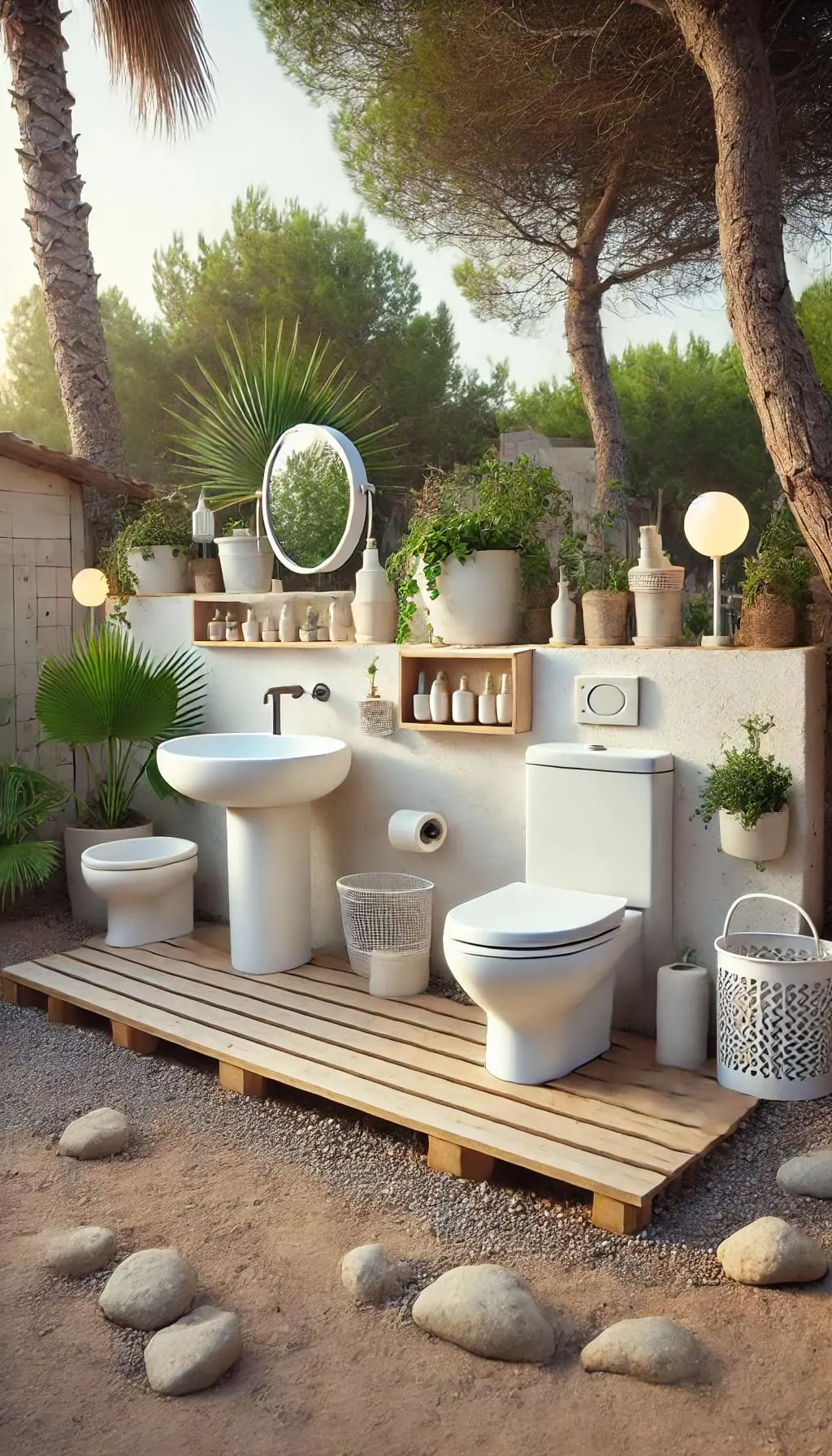
The Concept: Who said bathrooms have to be boring and confined? Let’s break the mold and bring some humor to your hygiene routine with an outdoor bathroom that's as funny as it is functional. Picture this: a modern toilet and sink placed right in the middle of your backyard, surrounded by nature. It's the perfect blend of practicality and pure comedic genius.
Design Elements:
- Nature’s Loo: Forget about dull tiles and walls; your new bathroom decor includes flowers, shrubs, and maybe even a curious bird or two. The great outdoors becomes your wallpaper.
- Sky Roof: Enjoy your bathroom time under the open sky. Sunbathe while you brush your teeth or stargaze while you, well, take care of business.
- Chic Fixtures: Modern fixtures keep it classy—think sleek toilets and stylish sinks—but the setting keeps it cheeky.
- Privacy with Panache: Privacy screens made of tall plants or humorous, strategically placed curtains offer just the right amount of cover while keeping the spirit light.
Why It’s a Hoot: An outdoor bathroom is more than just a practical joke—it's a lifestyle upgrade with a twist. Imagine the stories your guests will tell after experiencing this one-of-a-kind setup! It's perfect for those who love to blend humor with home design and aren’t afraid to laugh at the little things.
Pro Tips:
- Weather-Proof Everything: Make sure all your fixtures can handle the elements. Go for waterproof materials and rust-resistant metals.
- Plumbing Made Easy: Connect to your home’s water system without hassle. A plumber can help ensure everything flows smoothly—pun intended.
- Keep It Clean: Maintaining your outdoor bathroom is as simple as hosing it down. Choose low-maintenance plants to keep the space fresh and tidy.
Transform your backyard into a laugh-out-loud experience with this funny outdoor bathroom setup. It's more than just a bathroom—it's a whimsical escape that turns a daily necessity into a delightful adventure. Ready to flush away the ordinary? Let's get this project rolling!
Design Strategies for Seamless Integration
Creating a cohesive aesthetic is crucial for seamless indoor-outdoor living spaces. By coordinating colors and materials, you can blur the lines between indoor and outdoor areas, making them feel like one unified space.

Summary:
Cohesive Aesthetic
- Color Palette: Recommend color palettes that create a harmonious transition between indoor and outdoor spaces.
- Materials: Suggest materials that work well both indoors and outdoors, such as natural stone, wood, and concrete.
Functional Flow
- Layout Planning: Tips on planning layouts that facilitate easy movement between indoor and outdoor areas.
- Furnishing Choices: Advise on selecting furniture that complements both environments and serves multiple purposes.
Landscaping Integration
- Plant Selection: Choosing plants that thrive both indoors and outdoors.
- Hardscaping: Explore hardscaping elements like pathways, retaining walls, and outdoor lighting that enhance the connection between spaces.
Details:
Color Palette
Recommend color palettes that create a harmonious transition between indoor and outdoor spaces. A well-chosen color palette can enhance the visual flow and cohesion between the two areas.
More Details on Color Palette
Choosing the right color palette can significantly impact the integration of indoor and outdoor spaces. Here are some recommendations:
- Neutral Tones: Use a base of neutral colors like beige, gray, and white to create a versatile backdrop that works well both indoors and outdoors. These colors provide a clean, timeless look that complements natural surroundings.
- Examples: Benjamin Moore's Revere Pewter, Sherwin-Williams' Agreeable Gray, and Behr's Ultra Pure White.
- Benefits: Neutral tones create a calm and cohesive atmosphere, allowing other design elements to stand out.
- Earthy Hues: Incorporate earthy colors like terracotta, olive green, and warm browns to blend seamlessly with outdoor environments. These colors evoke a sense of nature and tranquility.
- Examples: PANTONE 18-1445 Terracotta, PANTONE 18-0538 Olive Drab, and PANTONE 18-1027 Chocolate.
- Benefits: Earthy hues create a warm and inviting feel, connecting indoor spaces with the natural world.
- Accent Colors: Use bold accent colors to add personality and vibrancy. Choose accents that complement the natural surroundings and indoor decor.
- Examples: PANTONE 13-1023 Peach Fuzz, PANTONE 19-4052 Classic Blue, and PANTONE 17-5641 Emerald Green.
- Benefits: Accent colors can highlight specific areas and features, creating visual interest and depth.
Pro Tips:
- Use the same color palette for indoor and outdoor furniture and accessories to enhance the cohesive look.
- Incorporate natural elements like wood and stone in similar tones to unify the spaces.
- Consider the natural lighting in both areas when choosing colors, as lighting can affect how colors appear.
Example: The Martin family used a neutral base of beige and gray throughout their indoor and outdoor spaces, accented with earthy terracotta and olive green. This cohesive color palette created a seamless transition between their living room and patio, enhancing the overall harmony and aesthetic appeal.
Materials
Suggest materials that work well both indoors and outdoors, such as natural stone, wood, and concrete. The right materials can enhance the flow between spaces and ensure durability in various conditions.
More Details on Materials
Selecting materials that can be used both indoors and outdoors is essential for a seamless integration. Here are some materials to consider:
- Natural Stone: Stone is a versatile and durable material that can be used for flooring, countertops, and wall cladding. It adds a natural, elegant look to both indoor and outdoor spaces.
- Examples: Limestone, travertine, and slate.
- Benefits: Natural stone is durable, easy to maintain, and provides a timeless aesthetic that blends well with natural surroundings.
- Wood: Wood adds warmth and texture to any space. When properly treated, it can be used both indoors and outdoors for flooring, decking, and furniture.
- Examples: Teak, cedar, and reclaimed wood.
- Benefits: Wood creates a cohesive look, offers natural insulation, and adds a touch of nature to the design.
- Concrete: Concrete is a versatile and modern material that can be used for floors, countertops, and furniture. It is durable and can be finished in various textures and colors.
- Examples: Polished concrete, stamped concrete, and concrete pavers.
- Benefits: Concrete is durable, low-maintenance, and offers a sleek, contemporary look.
Pro Tips:
- Use the same material for flooring both indoors and outdoors to create a seamless transition.
- Choose materials that complement each other in texture and color for a cohesive look.
- Consider the durability and maintenance requirements of each material to ensure they are suitable for both indoor and outdoor use.
Example: The Hernandez family chose limestone flooring for both their indoor living room and outdoor patio. The consistent use of natural stone created a seamless flow between the two areas, enhancing the overall aesthetic and functionality of their indoor-outdoor living space.
Functional Flow
Ensuring a functional flow between indoor and outdoor areas is essential for a cohesive living experience. Proper layout planning and furnishing choices can enhance the usability and comfort of your space.
Layout Planning
Offer tips on planning layouts that facilitate easy movement between indoor and outdoor areas. A well-thought-out layout can improve the functionality and enjoyment of your living spaces.
More Details on Layout Planning
Planning the layout of your indoor-outdoor living spaces requires careful consideration of movement patterns, sightlines, and functionality. Here are some tips:
- Open Floor Plan: Use an open floor plan to connect indoor and outdoor spaces visually and physically. Remove barriers like walls or use large sliding doors to create a seamless flow.
- Benefits: An open floor plan enhances natural light, improves ventilation, and allows for flexible use of space.
- Align Pathways: Ensure that pathways between indoor and outdoor areas are aligned and unobstructed. This facilitates easy movement and creates a sense of continuity.
- Benefits: Aligned pathways enhance accessibility and make it easier to navigate between spaces.
- Zone Definition: Define different zones for various activities, such as dining, lounging, and cooking, while ensuring they are easily accessible from both indoor and outdoor areas.
- Benefits: Defined zones improve the functionality of the space and make it easier to organize and use.
Pro Tips:
- Use furniture and rugs to define different zones within an open floor plan.
- Consider the flow of traffic when arranging furniture and features to avoid obstructions.
- Incorporate natural elements like plants and water features to enhance the connection between indoor and outdoor spaces.
Example: The Clark family used an open floor plan with large sliding doors to connect their living room and patio. They aligned pathways and defined zones for dining and lounging, creating a functional and cohesive indoor-outdoor living space.
Furnishing Choices
Advise on selecting furniture that complements both environments and serves multiple purposes. The right furniture can enhance the comfort and style of your indoor-outdoor living spaces.
More Details on Furnishing Choices
Selecting furniture that works well both indoors and outdoors can enhance the functionality and aesthetic of your living spaces. Here are some tips:
- Weather-Resistant Materials: Choose furniture made from materials that can withstand outdoor conditions, such as teak, aluminum, and synthetic wicker.
- Examples: Teak sofas, aluminum dining sets, and synthetic wicker lounge chairs.
- Benefits: Weather-resistant materials ensure durability and longevity, reducing maintenance needs.
- Multi-Purpose Pieces: Select furniture that can serve multiple functions, such as storage benches, extendable tables, and modular seating.
- Examples: Storage benches that double as seating, extendable dining tables, and modular sofas that can be rearranged.
- Benefits: Multi-purpose furniture maximizes space and provides flexibility for different activities.
- Consistent Style: Ensure that indoor and outdoor furniture share a similar style and color palette to create a cohesive look.
- Examples: Modern, minimalist furniture for both areas or rustic, natural pieces that blend seamlessly.
- Benefits: A consistent style enhances the visual flow and cohesion between indoor and outdoor spaces.
Pro Tips:
- Use outdoor rugs and cushions to add comfort and style while protecting furniture from the elements.
- Consider portable furniture that can be easily moved between indoor and outdoor areas as needed.
- Incorporate built-in furniture, such as benches and planters, to save space and create a cohesive design.
Example: The Patel family selected teak and aluminum furniture for their indoor-outdoor living space. They used a consistent color palette of neutral tones with blue accents, creating a cohesive and stylish environment. Multi-purpose pieces like a storage bench and extendable dining table maximized functionality and flexibility.
Landscaping Integration
Integrating landscaping elements can enhance the connection between indoor and outdoor spaces. Thoughtful plant selection and hardscaping can create a harmonious and functional living environment.
Plant Selection
Discuss choosing plants that thrive both indoors and outdoors. The right plant selection can create a seamless transition and enhance the aesthetic of your spaces.
More Details on Plant Selection
Selecting plants that thrive both indoors and outdoors can enhance the connection between your living spaces. Here are some tips:
- Versatile Plants: Choose plants that can adapt to both indoor and outdoor conditions, such as ferns, succulents, and palms.
- Examples: Boston ferns, jade plants, and areca palms.
- Benefits: Versatile plants create a cohesive look and are easier to care for across different environments.
- Seasonal Interest: Select plants that offer year-round interest, such as evergreens, flowering plants, and ornamental grasses.
- Examples: Boxwoods, hydrangeas, and miscanthus.
- Benefits: Plants with seasonal interest ensure your space looks vibrant and attractive throughout the year.
- Native Plants: Incorporate native plants that are well-suited to your local climate and require less maintenance.
- Examples: Depending on your region, this could include plants like lavender, sage, or echinacea.
- Benefits: Native plants support local ecosystems, are easier to maintain, and often require less water and fertilizer.
Pro Tips:
- Group plants with similar water and light requirements to simplify care and maintenance.
- Use container gardens to easily move plants between indoor and outdoor areas as needed.
- Incorporate vertical gardens or living walls to add greenery without taking up floor space.
Example: The Lee family selected a mix of versatile plants, including ferns, succulents, and palms, to create a cohesive look between their indoor living room and outdoor patio. They used container gardens to easily move plants between areas, enhancing the connection and aesthetic appeal of their indoor-outdoor living space.
Hardscaping
Explore hardscaping elements like pathways, retaining walls, and outdoor lighting that enhance the connection between spaces. Hardscaping can add structure and functionality to your indoor-outdoor living areas.
More Details on Hardscaping
Incorporating hardscaping elements can enhance the structure and functionality of your indoor-outdoor living spaces. Here are some ideas:
- Pathways: Create pathways that connect indoor and outdoor areas, using materials like stone, brick, or gravel.
- Examples: Flagstone paths, brick walkways, and gravel paths.
- Benefits: Pathways improve accessibility and create a sense of direction and flow between spaces.
- Retaining Walls: Use retaining walls to define outdoor spaces, create seating areas, or manage sloped landscapes.
- Examples: Stone retaining walls, concrete block walls, and timber walls.
- Benefits: Retaining walls add structure, create level areas, and can be used for additional seating or planting beds.
- Outdoor Lighting: Incorporate outdoor lighting to extend the usability of your spaces and enhance safety and ambiance.
- Examples: Solar path lights, LED string lights, and wall-mounted sconces.
- Benefits: Outdoor lighting improves visibility, enhances security, and creates a welcoming atmosphere.
Pro Tips:
- Use the same materials for hardscaping elements both indoors and outdoors to create a seamless look.
- Incorporate lighting at different levels, such as ground-level path lights and overhead string lights, for a layered lighting effect.
- Consider using permeable materials for pathways and patios to improve drainage and reduce runoff.
Example: The Garcia family created a cohesive indoor-outdoor living space by installing a flagstone pathway that connected their living room to the garden. They used stone retaining walls to define planting areas and added solar path lights and LED string lights to enhance the ambiance and safety of their outdoor space.
Practical Tips and Implementation
Summary:
Provide a step-by-step guide to budgeting and planning an indoor-outdoor living space project. Proper budgeting and planning are crucial for the success of any design project, ensuring that you stay within your financial limits and achieve your desired outcome.
- Budgeting and Planning: A step-by-step guide to budgeting and planning an indoor-outdoor living space project.
- Hiring Professionals: Advice on selecting architects, designers, and contractors.
- DIY Tips: Simple DIY projects for enhancing indoor-outdoor connectivity, such as building a small deck or installing a garden window.
Details:
More Details on Budgeting and Planning
Here is a detailed step-by-step guide to budgeting and planning your indoor-outdoor living space project:
- Define Your Goals: Clearly outline what you want to achieve with your indoor-outdoor living space. Consider factors such as functionality, aesthetics, and how you plan to use the space.
- Examples: Entertaining guests, creating a relaxing retreat, or expanding living space for a growing family.
- Benefits: Having clear goals helps guide your planning and budgeting decisions.
- Determine Your Budget: Set a realistic budget based on your financial situation and the scope of your project. Break down the budget into categories such as materials, labor, and furnishings.
- Examples: Allocate funds for construction materials, professional fees, and decor items.
- Benefits: A detailed budget helps prevent overspending and ensures that all aspects of the project are covered.
- Research and Plan: Research design ideas, materials, and costs. Create a detailed plan that includes sketches or renderings, a list of materials, and a timeline for completion.
- Examples: Use online design tools, visit home improvement stores, and consult design magazines for inspiration.
- Benefits: Thorough research and planning help you make informed decisions and anticipate potential challenges.
- Source Materials: Compare prices and quality of materials from different suppliers. Consider sustainable and durable options that fit your budget.
- Examples: Purchase materials in bulk, look for sales or discounts, and consider reclaimed or recycled materials.
- Benefits: Sourcing high-quality materials at the best prices helps maximize your budget and ensure the longevity of your project.
- Get Permits and Approvals: Check local regulations and obtain necessary permits for construction or renovation work. Ensure compliance with building codes and zoning laws.
- Examples: Apply for building permits, consult with local authorities, and hire a surveyor if needed.
- Benefits: Ensuring legal compliance prevents delays and fines and ensures the safety and quality of your project.
- Create a Timeline: Develop a realistic timeline for your project, including key milestones and deadlines. Factor in potential delays and plan accordingly.
- Examples: Set deadlines for completing design, sourcing materials, and construction phases.
- Benefits: A detailed timeline helps keep the project on track and ensures timely completion.
Pro Tips:
- Regularly review and adjust your budget and timeline as needed to accommodate changes or unexpected expenses.
- Communicate clearly with contractors and suppliers to ensure everyone is on the same page and to avoid misunderstandings.
- Set aside a contingency fund for unexpected expenses or changes in scope.
Example: The Jackson family carefully planned their indoor-outdoor living space project by setting clear goals, creating a detailed budget, and developing a comprehensive timeline. They sourced high-quality materials at discounted prices, obtained necessary permits, and communicated regularly with their contractors. Their meticulous planning resulted in a beautiful and functional living space completed on time and within budget.
Hiring Professionals
Offer advice on selecting architects, designers, and contractors. Hiring the right professionals is essential for ensuring the success of your project, as they bring expertise, experience, and creativity to the table.
More Details on Hiring Professionals
Here are some tips for selecting the right architects, designers, and contractors for your indoor-outdoor living space project:
- Research and Recommendations: Start by researching potential professionals online and seeking recommendations from friends, family, or neighbors who have completed similar projects.
- Examples: Look for online reviews, browse portfolios, and ask for referrals from trusted sources.
- Benefits: Recommendations and reviews provide insight into the quality and reliability of potential hires.
- Check Credentials: Verify the credentials, licenses, and certifications of architects, designers, and contractors. Ensure they are qualified and experienced in handling projects similar to yours.
- Examples: Check with professional organizations, request proof of licensing, and verify insurance coverage.
- Benefits: Ensuring credentials and qualifications protects you from potential liabilities and guarantees professional standards.
- Review Portfolios: Examine the portfolios of potential hires to assess their style, expertise, and experience. Look for projects that align with your vision and requirements.
- Examples: Review project galleries, case studies, and client testimonials.
- Benefits: Reviewing portfolios helps you gauge the suitability of a professional for your specific needs.
- Conduct Interviews: Interview potential hires to discuss your project, ask questions, and assess their communication skills and compatibility with your vision.
- Examples: Prepare a list of questions about their experience, approach, and availability.
- Benefits: Conducting interviews helps you select professionals who understand your goals and can effectively collaborate with you.
- Request Quotes: Obtain detailed quotes from multiple professionals, including a breakdown of costs for materials, labor, and other expenses.
- Examples: Request itemized estimates, compare costs, and ask about potential additional charges.
- Benefits: Comparing quotes helps you find the best value for your budget and avoid unexpected costs.
- Check References: Ask for and check references from past clients to gain insight into the professional's work quality, reliability, and communication skills.
- Examples: Contact previous clients, ask about their experience, and inquire about any issues encountered during the project.
- Benefits: Checking references provides additional assurance of the professional's capabilities and work ethic.
Pro Tips:
- Ensure that all agreements, including scope of work, timelines, and payment schedules, are documented in a written contract.
- Maintain open and regular communication with your hired professionals to ensure the project stays on track and any issues are promptly addressed.
- Trust your instincts and choose professionals who are not only qualified but also share your vision and are easy to work with.
Example: The Nguyen family carefully selected their architect and contractor by researching credentials, reviewing portfolios, and conducting interviews. They obtained detailed quotes and checked references from past clients. By following these steps, they hired professionals who understood their vision and delivered high-quality work, resulting in a beautifully designed and functional indoor-outdoor living space.
DIY Tips
Share simple DIY projects for enhancing indoor-outdoor connectivity, such as building a small deck or installing a garden window. DIY projects can be a cost-effective way to improve your living spaces and create a seamless indoor-outdoor transition.
More Details on DIY Tips
Here are some simple DIY projects to enhance indoor-outdoor connectivity:
- Building a Small Deck: Constructing a small deck can create an inviting outdoor area that seamlessly connects with your indoor space.
- Materials Needed: Pressure-treated lumber, deck screws, concrete footings, joist hangers, and deck boards.
- Steps:
- Plan and measure the deck area, ensuring it aligns with existing doors or windows for easy access.
- Install concrete footings for the deck supports.
- Build the frame using pressure-treated lumber and secure it with deck screws and joist hangers.
- Lay the deck boards, ensuring they are evenly spaced and securely fastened.
- Finish the deck with a weather-resistant sealant or stain to protect it from the elements.
- Benefits: A small deck provides additional outdoor living space and creates a smooth transition from indoor to outdoor areas.
- Installing a Garden Window: A garden window can enhance indoor-outdoor connectivity by bringing natural light and greenery into your home.
- Materials Needed: Garden window kit, shims, screws, silicone sealant, and insulation.
- Steps:
- Remove the existing window and prepare the opening for the garden window installation.
- Fit the garden window into the opening, using shims to ensure it is level and plumb.
- Secure the window with screws, following the manufacturer's instructions.
- Apply silicone sealant around the exterior edges to prevent water infiltration.
- Insulate around the window frame to improve energy efficiency.
- Decorate the garden window with potted plants or herbs to bring a touch of nature indoors.
- Benefits: A garden window enhances natural light, provides space for indoor plants, and creates a visual connection to the outdoors.
- Creating a Pathway: Building a pathway from your indoor space to the garden or patio can enhance the flow and connectivity of your living areas.
- Materials Needed: Pavers or stepping stones, sand, gravel, and landscaping fabric.
- Steps:
- Plan the pathway route, considering the most direct and functional connection between indoor and outdoor areas.
- Excavate the pathway area to a depth of about 6 inches.
- Lay landscaping fabric to prevent weed growth.
- Fill the area with a layer of gravel for drainage, followed by a layer of sand.
- Place the pavers or stepping stones on the sand, ensuring they are level and evenly spaced.
- Fill the gaps between the pavers with sand or gravel, compacting it to secure the stones in place.
- Benefits: A well-designed pathway improves accessibility, enhances the visual appeal of your garden, and creates a cohesive flow between spaces.
Pro Tips:
- Start with small projects to build your DIY skills and confidence before tackling larger tasks.
- Follow safety guidelines and use appropriate protective gear when working on DIY projects.
- Take your time and plan each step carefully to ensure a successful outcome.
Example: The Wilson family enhanced their indoor-outdoor connectivity by building a small deck off their living room and installing a garden window in their kitchen. These DIY projects created additional outdoor living space, brought natural light into their home, and improved the overall flow between indoor and outdoor areas.
Real-Life Examples and Case Studies
Gain valuable insights from architects and designers who specialize in creating seamless indoor-outdoor living spaces. Their expertise provides practical tips and innovative ideas to elevate your home design.
Expert Quotes
"Incorporating indoor-outdoor living spaces into home design is not just about aesthetics, but about enhancing the quality of life. It allows for more natural light, better ventilation, and a stronger connection to nature." - Sarah Johnson, Architect.
"When designing these spaces, it's crucial to consider the local climate and choose materials that can withstand the elements while maintaining a cohesive look with the interior." - Michael Brown, Senior Designer at Green Spaces.
"The key to a successful indoor-outdoor space is creating a seamless transition. This can be achieved through the use of large sliding doors, consistent flooring materials, and thoughtful landscaping." - Emily Davis, Landscape Architect at Nature's Touch.
Case Studies
Explore detailed case studies showcasing successful indoor-outdoor living space designs. Each case study highlights the challenges faced and the solutions implemented, offering a comprehensive understanding of the design process.
Indoor-Outdoor Room Ideas
Discover creative ideas and inspiring images that illustrate how to blend indoor and outdoor spaces seamlessly.
- Case Study: The Rida Residence
Challenge: The Ridas wanted to create an indoor-outdoor living room that could be used year-round, even in their chilly New England climate.
Solution: Architect Sarah Johnson designed a space with floor-to-ceiling bi-fold doors that could be fully opened during the warmer months. To keep the space usable in winter, radiant floor heating was installed, along with a large stone fireplace that served as a central feature. The flooring material was a durable stone tile that extended from the interior to the exterior patio, creating a seamless transition.
Details:
- Design Elements: The design included built-in seating with storage, weather-resistant outdoor furniture, and strategically placed planters to blend the indoor and outdoor spaces.
- Materials Used: Natural stone, treated wood for the patio, and double-glazed windows for insulation.
- Challenges Faced: Ensuring the space was comfortable during the winter months while maintaining an open and airy feel.
- Solutions Implemented: The use of radiant floor heating and a large fireplace addressed the heating issues, while large glass doors provided an unobstructed view of the garden.
- Outcome: The Ridas now enjoy a versatile living room that blends seamlessly with their outdoor space, providing a cozy retreat in winter and an open, breezy area in summer.
Indoor-Outdoor Patio Ideas
Learn about the best practices for designing patios that serve as an extension of your indoor living areas.
- Case Study: The Williams Residence
Challenge: The Williams family wanted to create a patio that was an extension of their indoor kitchen and dining area.
Solution: Designer Michael Brown incorporated large sliding glass doors that opened up to a patio with an outdoor kitchen and dining area. The use of consistent flooring materials and complementary color schemes helped to unify the indoor and outdoor spaces.
Details:
- Design Elements: The design included a built-in grill, a dining table with weather-resistant chairs, and a pergola for shade.
- Materials Used: Composite decking, stainless steel for the outdoor kitchen appliances, and weather-resistant fabrics for the furniture.
- Challenges Faced: Creating a cohesive design that worked well both indoors and outdoors.
- Solutions Implemented: The use of sliding glass doors and consistent flooring materials created a seamless transition between the indoor and outdoor areas.
- Outcome: The Williams family now enjoys an outdoor space that feels like an extension of their home, perfect for entertaining and family meals.
Indoor Patio Furniture Ideas
Get tips on selecting furniture that complements both indoor and outdoor settings, ensuring comfort and style.
- Case Study: The Johnson Residence
Challenge: The Johnsons wanted furniture that was comfortable enough for indoor use but durable enough to withstand outdoor conditions.
Solution: Designer Emily Davis selected a range of weather-resistant furniture that featured plush cushions and stylish designs. She used a mix of materials like teak, aluminum, and outdoor fabrics to ensure durability and comfort.
Details:
- Design Elements: The design included a sectional sofa, a coffee table, and lounge chairs that could be easily moved between the indoor and outdoor spaces.
- Materials Used: Teak wood, aluminum frames, and weather-resistant outdoor fabrics.
- Challenges Faced: Finding furniture that was both comfortable and durable.
- Solutions Implemented: The use of high-quality materials and versatile designs that worked well both indoors and outdoors.
- Outcome: The Johnsons now have a stylish and comfortable furniture setup that seamlessly transitions between their indoor living room and outdoor patio.
Indoor-Outdoor Room Extension
See examples of home extensions that successfully integrate indoor and outdoor areas, enhancing the overall living space.
- Case Study: The Martinez Residence
Challenge: The Martinez family wanted to extend their living space by adding an indoor-outdoor room that could be used for entertaining guests.
Solution: Architect Michael Green designed an extension with large, retractable glass walls that opened up to the garden. The room was equipped with indoor amenities like a fireplace and comfortable seating, as well as outdoor features like a built-in grill and dining area.
Details:
- Design Elements: The design included a mix of indoor and outdoor furniture, a fireplace, and a built-in grill.
- Materials Used: Glass, stone, and weather-resistant fabrics.
- Challenges Faced: Ensuring the room was functional and comfortable year-round.
- Solutions Implemented: The use of retractable glass walls and a fireplace provided flexibility and comfort in all seasons.
- Outcome: The Martinez family now has a versatile space that seamlessly integrates indoor and outdoor living, perfect for entertaining guests.
Indoor-Outdoor Living Room
Find inspiration for living rooms that open up to outdoor areas, creating a unified and expansive living environment.
- Case Study: The Thompson Residence
Challenge: The Thompsons wanted to create a living room that felt connected to their backyard, providing a seamless transition between indoor and outdoor spaces.
Solution: Designer Rebecca Black incorporated large sliding glass doors and consistent flooring materials to create a unified space. Comfortable indoor-outdoor furniture and thoughtful landscaping enhanced the connection between the living room and the backyard.
Details:
- Design Elements: The design included large sliding glass doors, consistent flooring materials, and comfortable furniture that worked well both indoors and outdoors.
- Materials Used: Glass, wood, and weather-resistant fabrics.
- Challenges Faced: Creating a seamless transition between the indoor living room and the outdoor space.
- Solutions Implemented: The use of large sliding glass doors and consistent flooring materials created a unified and expansive living environment.
- Outcome: The Thompsons now have a living room that feels connected to their backyard, providing a unified and expansive living environment.
Connecting Indoor and Outdoor Spaces
Explore various methods and architectural techniques for connecting indoor and outdoor spaces seamlessly.
- Case Study: The Anderson Residence
Challenge: The Andersons wanted to create a seamless connection between their indoor living spaces and their outdoor garden.
Solution: Architect Jonathan Taylor used a combination of large sliding glass doors, consistent flooring materials, and a cohesive color palette to create a seamless transition between the indoor and outdoor spaces.
Details:
- Design Elements: The design included large sliding glass doors, consistent flooring materials, and a cohesive color palette.
- Materials Used: Glass, stone, and weather-resistant fabrics.
- Challenges Faced: Ensuring a seamless connection between the indoor and outdoor spaces.
- Solutions Implemented: The use of large sliding glass doors, consistent flooring materials, and a cohesive color palette created a seamless transition between the indoor and outdoor spaces.
- Outcome: The Andersons now have a home that feels connected to their garden, providing a seamless transition between indoor and outdoor spaces.
Indoor-Outdoor Entertaining Areas
Discover ideas for creating versatile and functional entertaining areas that blend indoor comfort with outdoor enjoyment.
- Case Study: The White Residence
Challenge: The Whites wanted to create an entertaining area that could be used year-round, blending indoor comfort with outdoor enjoyment.
Solution: Designer Olivia Taylor created a space with large retractable glass walls, a built-in outdoor kitchen, and comfortable seating that could be easily moved between the indoor and outdoor areas.
Details:
- Design Elements: The design included retractable glass walls, a built-in outdoor kitchen, and comfortable seating.
- Materials Used: Glass, stainless steel, and weather-resistant fabrics.
- Challenges Faced: Creating a versatile and functional entertaining area that could be used year-round.
- Solutions Implemented: The use of retractable glass walls and a built-in outdoor kitchen provided flexibility and comfort in all seasons.
- Outcome: The Whites now have a versatile entertaining area that blends indoor comfort with outdoor enjoyment, perfect for hosting gatherings year-round.
Indoor-Outdoor Kitchens
Explore designs where kitchens extend into outdoor dining areas, perfect for hosting gatherings and enjoying meals with a view.
- Case Study: The Davis Residence
Challenge: The Davises wanted to create a kitchen that extended into their outdoor dining area, providing a seamless transition between cooking and dining spaces.
Solution: Designer Jonathan Scott designed a kitchen with large sliding glass doors, an outdoor dining area, and weather-resistant kitchen appliances. The use of consistent materials and colors created a unified space.
Details:
- Design Elements: The design included large sliding glass doors, an outdoor dining area, and weather-resistant kitchen appliances.
- Materials Used: Glass, stainless steel, and weather-resistant fabrics.
- Challenges Faced: Creating a seamless transition between the indoor kitchen and the outdoor dining area.
- Solutions Implemented: The use of large sliding glass doors, consistent materials, and weather-resistant appliances created a unified and functional space.
- Outcome: The Davises now have a kitchen that extends into their outdoor dining area, perfect for hosting gatherings and enjoying meals with a view.
Garden Rooms
Learn how to create garden rooms that act as tranquil retreats, merging indoor comfort with the beauty of nature.
- Case Study: The Patel Residence
Challenge: The Patels wanted to create a garden room that provided a tranquil retreat while blending seamlessly with their indoor living spaces.
Solution: Landscape architect Emily Wright designed a garden room with large windows, comfortable seating, and lush greenery. The use of natural materials and colors created a peaceful and cohesive space.
Details:
- Design Elements: The design included large windows, comfortable seating, and lush greenery.
- Materials Used: Glass, wood, and weather-resistant fabrics.
- Challenges Faced: Creating a garden room that felt connected to the indoor living spaces while providing a tranquil retreat.
- Solutions Implemented: The use of large windows, natural materials, and cohesive colors created a peaceful and unified space.
- Outcome: The Patels now have a garden room that provides a tranquil retreat while blending seamlessly with their indoor living spaces.
Poolside Living Spaces
Find inspiration for integrating indoor living spaces with poolside areas, offering a luxurious and cohesive design.
- Case Study: The Green Residence
Challenge: The Greens wanted to create a living space that integrated seamlessly with their poolside area, providing a luxurious and cohesive design.
Solution: Designer Michael Thompson created a space with large sliding glass doors, consistent flooring materials, and comfortable indoor-outdoor furniture. The use of cohesive colors and materials enhanced the connection between the living space and the poolside area.
Details:
- Design Elements: The design included large sliding glass doors, consistent flooring materials, and comfortable indoor-outdoor furniture.
- Materials Used: Glass, stone, and weather-resistant fabrics.
- Challenges Faced: Creating a seamless connection between the indoor living space and the poolside area.
- Solutions Implemented: The use of large sliding glass doors, consistent flooring materials, and cohesive colors created a unified and luxurious design.
- Outcome: The Greens now have a living space that integrates seamlessly with their poolside area, providing a luxurious and cohesive design.
Rooftop Gardens
See how rooftop gardens can be designed to connect seamlessly with indoor spaces, providing a green escape in urban environments.
- Case Study: The Brown Residence
Challenge: The Browns wanted to create a rooftop garden that connected seamlessly with their indoor living spaces, providing a green escape in their urban environment.
Solution: Landscape architect Laura Lee designed a rooftop garden with large windows, comfortable seating, and lush greenery. The use of natural materials and colors created a peaceful and cohesive space.
Details:
- Design Elements: The design included large windows, comfortable seating, and lush greenery.
- Materials Used: Glass, wood, and weather-resistant fabrics.
- Challenges Faced: Creating a rooftop garden that felt connected to the indoor living spaces while providing a green escape in an urban environment.
- Solutions Implemented: The use of large windows, natural materials, and cohesive colors created a peaceful and unified space.
- Outcome: The Browns now have a rooftop garden that provides a green escape while blending seamlessly with their indoor living spaces.
Sunrooms and Conservatories
Discover the benefits of adding sunrooms and conservatories that bridge the gap between indoor and outdoor living.
- Case Study: The Harris Residence
Challenge: The Harrises wanted to add a sunroom that provided a seamless transition between their indoor and outdoor living spaces.
Solution: Designer David King created a sunroom with large windows, comfortable seating, and lush greenery. The use of natural materials and colors created a peaceful and cohesive space.
Details:
- Design Elements: The design included large windows, comfortable seating, and lush greenery.
- Materials Used: Glass, wood, and weather-resistant fabrics.
- Challenges Faced: Creating a sunroom that felt connected to the indoor living spaces while providing a green escape in an urban environment.
- Solutions Implemented: The use of large windows, natural materials, and cohesive colors created a peaceful and unified space.
- Outcome: The Harrises now have a sunroom that provides a green escape while blending seamlessly with their indoor living spaces.
Multi-Functional Spaces
Get ideas for designing multi-functional spaces that can be used year-round, regardless of weather conditions.
- Case Study: The Moore Residence
Challenge: The Moores wanted to create a multi-functional space that could be used year-round, regardless of weather conditions.
Solution: Designer Anna Smithson created a space with large sliding glass doors, consistent flooring materials, and comfortable indoor-outdoor furniture. The use of cohesive colors and materials enhanced the connection between the living space and the outdoor area.
Details:
- Design Elements: The design included large sliding glass doors, consistent flooring materials, and comfortable indoor-outdoor furniture.
- Materials Used: Glass, stone, and weather-resistant fabrics.
- Challenges Faced: Creating a seamless connection between the indoor living space and the outdoor area.
- Solutions Implemented: The use of large sliding glass doors, consistent flooring materials, and cohesive colors created a unified and luxurious design.
- Outcome: The Moores now have a multi-functional space that can be used year-round, regardless of weather conditions.
Eco-Friendly Designs
Explore sustainable indoor-outdoor living designs that use eco-friendly materials and practices.
- Case Study: The Taylor Residence
Challenge: The Taylors wanted to create an indoor-outdoor living space that was sustainable and eco-friendly.
Solution: Architect Emily Johnson designed a space with large windows, sustainable materials, and energy-efficient systems. The use of natural materials and colors created a peaceful and cohesive space.
Details:
- Design Elements: The design included large windows, sustainable materials, and energy-efficient systems.
- Materials Used: Glass, wood, and weather-resistant fabrics.
- Challenges Faced: Creating a sustainable and eco-friendly indoor-outdoor living space.
- Solutions Implemented: The use of large windows, sustainable materials, and energy-efficient systems created a peaceful and cohesive space.
- Outcome: The Taylors now have an indoor-outdoor living space that is sustainable and eco-friendly.
Small Space Solutions
Learn about innovative ways to create indoor-outdoor connections in smaller homes or apartments, maximizing the use of limited space.
- Case Study: The Clark Residence
Challenge: The Clarks wanted to create an indoor-outdoor living space in their small apartment, maximizing the use of limited space.
Solution: Designer Jason Lee created a space with large sliding glass doors, space-saving furniture, and cohesive colors. The use of consistent materials and colors created a unified and functional space.
Details:
- Design Elements: The design included large sliding glass doors, space-saving furniture, and cohesive colors.
- Materials Used: Glass, wood, and weather-resistant fabrics.
- Challenges Faced: Creating a seamless connection between the indoor living space and the outdoor area in a small apartment.
- Solutions Implemented: The use of large sliding glass doors, space-saving furniture, and cohesive colors created a unified and functional space.
- Outcome: The Clarks now have an indoor-outdoor living space that maximizes the use of their limited space.
Fun Facts
- Quirky Details: Include interesting tidbits about the design and functionality of unique indoor-outdoor spaces.
Trends and Innovations
Explore how smart home technology can enhance indoor-outdoor living spaces. Smart home technology offers numerous ways to improve the functionality, convenience, and efficiency of your indoor-outdoor living areas.
- Smart Home Integration: Explore how smart home technology can enhance indoor-outdoor living spaces.
- Sustainable Design: Discuss sustainable practices and materials for eco-friendly indoor-outdoor living.
- Future Trends: Predict upcoming trends in indoor-outdoor living space design.
More Details on Smart Home Integration
Integrating smart home technology into your indoor-outdoor living spaces can provide enhanced control, convenience, and efficiency. Here are some innovative ways to incorporate smart technology:
- Automated Lighting: Use smart lighting systems to control outdoor and indoor lights with ease. These systems can be programmed to adjust based on the time of day, motion detection, or your personal preferences.
- Examples: Philips Hue, Lutron Caseta, and Ring Smart Lighting offer customizable lighting solutions that can be controlled via smartphone apps or voice commands.
- Benefits: Automated lighting enhances security, saves energy, and creates the perfect ambiance for any occasion.
- Smart Irrigation: Optimize your garden and lawn care with smart irrigation systems that adjust watering schedules based on weather conditions and soil moisture levels.
- Examples: Rachio, RainMachine, and Orbit B-hyve offer smart irrigation controllers that can be managed through mobile apps.
- Benefits: Smart irrigation systems conserve water, promote healthier plants, and reduce the effort required for garden maintenance.
- Climate Control: Maintain comfortable indoor and outdoor temperatures with smart thermostats and fans. These devices can be programmed to adjust settings automatically based on your schedule and preferences.
- Examples: Nest Learning Thermostat, Ecobee SmartThermostat, and Haiku Smart Ceiling Fans provide advanced climate control solutions.
- Benefits: Smart climate control improves comfort, saves energy, and allows for remote management of heating and cooling systems.
- Security Systems: Enhance the safety of your indoor-outdoor living spaces with smart security cameras, doorbells, and locks. These devices offer real-time monitoring and alerts to keep your home secure.
- Examples: Ring Video Doorbell, Arlo Pro Security Cameras, and August Smart Lock provide comprehensive security solutions.
- Benefits: Smart security systems offer peace of mind, deter intruders, and allow you to monitor your property remotely.
- Entertainment Systems: Create the perfect outdoor entertainment setup with smart TVs, speakers, and streaming devices. Control your entertainment system from your smartphone or voice assistant.
- Examples: Sonos Outdoor Speakers, Amazon Echo, and Roku Streaming Stick enhance your outdoor entertainment experience.
- Benefits: Smart entertainment systems provide high-quality audio and video, easy control, and seamless integration with other smart home devices.
Pro Tips:
- Integrate smart home devices with a central hub or platform, such as Amazon Alexa, Google Assistant, or Apple HomeKit, for unified control and automation.
- Consider energy-efficient smart devices to reduce your overall energy consumption and environmental impact.
- Plan the placement of smart devices to ensure optimal coverage and connectivity for reliable performance.
Example: The Rodriguez family integrated smart home technology into their indoor-outdoor living spaces, including automated lighting, climate control, and security systems. They used a combination of Philips Hue lights, Nest Thermostats, and Ring security cameras to create a comfortable, secure, and energy-efficient environment. The family enjoys the convenience of controlling all their devices from a single app and the ability to automate routines based on their daily activities.
Sustainable Design
Discuss sustainable practices and materials for eco-friendly indoor-outdoor living. Sustainable design not only benefits the environment but also enhances the health and well-being of the occupants.
More Details on Sustainable Design
Implementing sustainable design practices and materials in your indoor-outdoor living spaces can reduce environmental impact and promote a healthier lifestyle. Here are some key strategies and materials to consider:
- Energy-Efficient Windows and Doors: Use windows and doors with high energy efficiency ratings to reduce heat loss in winter and heat gain in summer.
- Examples: Double or triple-glazed windows with low-E coatings, insulated doors with thermal breaks.
- Benefits: Improved insulation reduces energy consumption, lowers utility bills, and enhances indoor comfort.
- Sustainable Materials: Choose eco-friendly materials for construction and finishes, such as reclaimed wood, recycled metal, and low-VOC paints.
- Examples: FSC-certified wood, recycled aluminum, bamboo flooring, and natural stone.
- Benefits: Sustainable materials reduce resource depletion, lower carbon footprint, and improve indoor air quality.
- Green Roofing and Walls: Incorporate green roofs and living walls to enhance insulation, reduce urban heat island effect, and improve air quality.
- Examples: Sedum or moss green roofs, vertical gardens with native plants, and green wall systems.
- Benefits: Green roofs and walls provide natural insulation, reduce stormwater runoff, and create habitats for wildlife.
- Water Conservation: Implement water-saving technologies and practices, such as rainwater harvesting, greywater systems, and drought-tolerant landscaping.
- Examples: Rain barrels, drip irrigation systems, and xeriscaping with native plants.
- Benefits: Water conservation reduces strain on local water resources, lowers water bills, and promotes sustainable landscaping.
- Renewable Energy: Incorporate renewable energy sources, such as solar panels and wind turbines, to power your indoor-outdoor living spaces.
- Examples: Photovoltaic solar panels, solar water heaters, and small-scale wind turbines.
- Benefits: Renewable energy reduces reliance on fossil fuels, lowers greenhouse gas emissions, and decreases energy costs.
Pro Tips:
- Consult with a sustainability expert to identify the most effective strategies and materials for your specific climate and location.
- Prioritize locally sourced materials to reduce transportation emissions and support local economies.
- Incorporate passive design principles, such as proper orientation and shading, to maximize natural light and ventilation while minimizing energy consumption.
Example: The Kim family focused on sustainability when designing their indoor-outdoor living spaces. They installed energy-efficient windows and doors, used reclaimed wood for decking, and incorporated a green roof on their patio. Additionally, they implemented a rainwater harvesting system and installed solar panels to power their outdoor lighting and appliances. These sustainable practices not only reduced their environmental impact but also created a healthier and more comfortable living environment.
Future Trends
Predict upcoming trends in indoor-outdoor living space design. Staying ahead of design trends can help you create a space that is both stylish and functional for years to come.
More Details on Future Trends
As lifestyles and technologies evolve, so do design trends for indoor-outdoor living spaces. Here are some predictions for the future:
- Biophilic Design: Incorporating natural elements, such as plants, water features, and natural materials, to create a stronger connection with nature.
- Examples: Indoor gardens, living walls, and water features integrated into the design.
- Benefits: Biophilic design promotes well-being, reduces stress, and improves indoor air quality.
- Modular and Prefabricated Construction: Using modular and prefabricated components to create flexible, scalable, and sustainable living spaces.
- Examples: Prefabricated garden rooms, modular decking systems, and flexible outdoor structures.
- Benefits: Modular construction reduces waste, speeds up the building process, and allows for easy customization and expansion.
- Adaptive Reuse: Repurposing existing structures and materials to create unique and sustainable indoor-outdoor living spaces.
- Examples: Converting old shipping containers into garden rooms, using reclaimed materials for decking and furniture.
- Benefits: Adaptive reuse reduces resource consumption, preserves historical character, and creates unique design solutions.
- Smart Outdoor Kitchens: Integrating smart technology into outdoor kitchens for enhanced convenience and functionality.
- Examples: Smart grills with app control, automated lighting and shading systems, and weather-resistant smart speakers.
- Benefits: Smart outdoor kitchens provide greater control, efficiency, and enjoyment for outdoor cooking and entertaining.
- Wellness Spaces: Designing outdoor areas that promote physical and mental well-being, such as meditation gardens, yoga decks, and outdoor fitness zones.
- Examples: Dedicated spaces for meditation, yoga, and exercise with appropriate equipment and features.
- Benefits: Wellness spaces encourage healthy lifestyles, reduce stress, and provide opportunities for outdoor activities.
Pro Tips:
- Stay informed about emerging trends and technologies in architecture and design to incorporate the latest innovations into your indoor-outdoor living spaces.
- Consider the long-term sustainability and adaptability of your design choices to ensure they remain relevant and functional in the future.
- Work with professionals who specialize in forward-thinking and sustainable design practices to achieve the best results.
Example: The Chen family embraced future trends when renovating their indoor-outdoor living spaces. They incorporated biophilic design elements, such as a living wall and a water feature, to create a calming and natural environment. They also used modular components for their decking and outdoor structures, allowing for easy customization and expansion. Additionally, they integrated smart technology into their outdoor kitchen, including a smart grill and automated lighting system. These forward-thinking design choices created a stylish, functional, and sustainable space that will remain relevant for years to come.
Reviews & Expert Advice
Review of popular products for indoor-outdoor living, such as outdoor furniture, lighting, and kitchen appliances. These reviews provide insights into the best products on the market to enhance your indoor-outdoor living experience.
- Product Reviews: Review popular products for indoor-outdoor living, such as outdoor furniture, lighting, and kitchen appliances.
- Expert Opinions: Feature expert opinions on the best practices and common mistakes in designing indoor-outdoor living spaces.
More Details on Product Reviews
Choosing the right products for your indoor-outdoor living spaces is crucial for creating a functional and enjoyable environment. Here are some in-depth reviews of popular products:
- Outdoor Furniture: Comfortable and durable outdoor furniture can transform your outdoor spaces into inviting extensions of your home.
- Product Review: Brown Jordan Outdoor Furniture
- Overview: Brown Jordan is renowned for its high-quality outdoor furniture, featuring stylish designs and durable materials.
- Features: The furniture is made from weather-resistant materials such as aluminum and teak, with UV-protected fabrics for cushions.
- Pros: Stylish design, exceptional durability, and comfort.
- Cons: Higher price point compared to other brands.
- Conclusion: Brown Jordan offers premium outdoor furniture that combines style, comfort, and durability, making it a worthwhile investment for any indoor-outdoor living space.
- Product Review: IKEA ÄPPLARÖ Series
- Overview: IKEA's ÄPPLARÖ series offers affordable and versatile outdoor furniture solutions.
- Features: The series includes modular seating, tables, and storage units made from sustainably sourced acacia wood.
- Pros: Affordable, modular design, and easy to assemble.
- Cons: Requires regular maintenance to preserve the wood.
- Conclusion: IKEA's ÄPPLARÖ series is a great budget-friendly option for those looking to create flexible and stylish outdoor spaces.
- Product Review: Brown Jordan Outdoor Furniture
- Outdoor Lighting: Proper lighting enhances the ambiance and functionality of your indoor-outdoor living areas.
- Product Review: Philips Hue Outdoor Lighting
- Overview: Philips Hue offers a range of smart outdoor lighting solutions that can be controlled via an app or voice commands.
- Features: The lighting system includes path lights, wall lights, and spotlights with customizable colors and brightness levels.
- Pros: Easy to control, energy-efficient, and customizable.
- Cons: Requires a Philips Hue Bridge for full functionality.
- Conclusion: Philips Hue Outdoor Lighting is an excellent choice for those seeking versatile and smart lighting solutions for their outdoor spaces.
- Product Review: SolarGlow Stainless Steel Solar Lights
- Overview: SolarGlow offers eco-friendly solar-powered outdoor lights made from stainless steel.
- Features: The lights are solar-powered, waterproof, and provide up to 8 hours of illumination per charge.
- Pros: Environmentally friendly, no wiring required, and easy to install.
- Cons: Limited brightness compared to wired options.
- Conclusion: SolarGlow Stainless Steel Solar Lights are a sustainable and easy-to-install option for illuminating outdoor pathways and gardens.
- Product Review: Philips Hue Outdoor Lighting
- Outdoor Kitchen Appliances: High-quality appliances can elevate your outdoor cooking and dining experience.
- Product Review: Weber Genesis II E-335 Gas Grill
- Overview: Weber's Genesis II E-335 is a high-performance gas grill known for its durability and cooking versatility.
- Features: The grill includes three burners, a sear station, and a side burner, with a total cooking area of 669 square inches.
- Pros: Excellent heat distribution, durable construction, and versatile cooking options.
- Cons: Higher price point compared to other gas grills.
- Conclusion: The Weber Genesis II E-335 is a top-tier gas grill that offers exceptional performance and versatility for outdoor cooking enthusiasts.
- Product Review: KitchenAid Stainless Steel Outdoor Refrigerator
- Overview: KitchenAid's outdoor refrigerator is designed to withstand outdoor conditions while keeping beverages and ingredients cool.
- Features: The refrigerator features a 5.0 cubic foot capacity, stainless steel construction, and adjustable shelves.
- Pros: Durable, weather-resistant, and spacious.
- Cons: Requires a dedicated outdoor power outlet.
- Conclusion: The KitchenAid Stainless Steel Outdoor Refrigerator is a reliable and stylish addition to any outdoor kitchen, providing ample storage and durability.
- Product Review: Weber Genesis II E-335 Gas Grill
Expert Opinions
Feature expert opinions on the best practices and common mistakes in designing indoor-outdoor living spaces. These insights can help you avoid pitfalls and achieve the best results in your design.
More Details on Expert Opinions
Designing indoor-outdoor living spaces requires careful planning and execution. Here are some expert opinions on best practices and common mistakes to avoid:
- Best Practices:
- Seamless Transitions: "Creating a seamless transition between indoor and outdoor spaces is key. Use similar materials and color palettes to blur the boundaries and create a unified look." - Rebecca Black, Interior Designer at Harmony Designs.
- Functional Layouts: "Plan the layout carefully to ensure functionality and flow. Consider how you will use the space and arrange furniture and features accordingly." - Jonathan Scott, Architect at Visionary Homes.
- Climate Considerations: "Always consider the local climate when selecting materials and designing your space. Choose weather-resistant materials that can withstand the elements while maintaining their appearance." - Emily Davis, Landscape Architect at Nature's Touch.
- Maximize Natural Light: "Maximizing natural light is essential for creating bright and inviting indoor-outdoor spaces. Use large windows, skylights, and glass doors to bring in as much light as possible." - Sarah Johnson, Architect at Urban Design Studio.
- Common Mistakes:
- Poor Planning: "One of the most common mistakes is poor planning. Take the time to carefully plan your space, considering factors like layout, materials, and functionality." - Michael Brown, Senior Designer at Green Spaces.
- Ignoring Privacy: "Failing to consider privacy can be a major issue. Use screens, fencing, or strategic landscaping to create private outdoor spaces without sacrificing the open feel." - Laura Lee, Landscape Architect at Garden Inspirations.
- Overlooking Maintenance: "It's important to choose materials and features that are easy to maintain. High-maintenance materials can become a burden over time and detract from the enjoyment of your space." - David King, Designer at Outdoor Living Experts.
- Poor Weather Protection: "Ensure your design includes adequate protection from the elements. Consider adding awnings, pergolas, or retractable covers to protect outdoor areas from sun and rain." - Olivia Taylor, Designer at Home & Garden Designs.
Pro Tips:
- Consult with professionals who specialize in indoor-outdoor living spaces to ensure your design is both functional and aesthetically pleasing.
- Prioritize durability and low maintenance when selecting materials and products for your outdoor areas.
- Incorporate flexible design elements that can adapt to different weather conditions and uses, such as retractable covers and modular furniture.
Example: The Khan family consulted with experts to design their indoor-outdoor living space. They incorporated seamless transitions with similar flooring materials, created functional layouts with comfortable seating and dining areas, and selected weather-resistant materials to withstand their coastal climate. By following expert advice, they avoided common pitfalls and achieved a beautiful and practical space that they enjoy year-round.
Actionable Advice
The top tips for designing seamless indoor-outdoor living spaces. These tips provide a quick reference to the most important considerations for creating a cohesive and functional living environment.
Top Tips
More Details on Top Tips
- Plan for Flow: Ensure a seamless transition between indoor and outdoor spaces by using consistent flooring materials and aligning pathways.
- Maximize Natural Light: Use large windows, skylights, and glass doors to bring in natural light and create a bright, open feel.
- Choose Durable Materials: Select materials that can withstand outdoor conditions, such as natural stone, treated wood, and weather-resistant fabrics.
- Create Functional Zones: Define different areas for dining, lounging, and entertaining, both indoors and outdoors, to enhance usability and comfort.
- Incorporate Greenery: Use plants to blur the lines between indoor and outdoor spaces and create a cohesive natural aesthetic.
- Use Smart Technology: Enhance convenience and efficiency with smart lighting, climate control, and security systems that can be controlled remotely.
- Focus on Comfort: Choose comfortable, weather-resistant furniture that can be used both indoors and outdoors to create inviting spaces.
Pro Tips:
- Regularly review and adjust your design plans to accommodate changes or new ideas.
- Consider the local climate and environment when selecting materials and plants to ensure longevity and sustainability.
- Prioritize quality over quantity when choosing furniture and materials to ensure a lasting investment.
Step-by-Step Guide
Provide a step-by-step guide to getting started on an indoor-outdoor living space project. This guide offers a structured approach to planning and executing your design, ensuring a successful outcome.
More Details on Step-by-Step Guide
Follow these steps to start your indoor-outdoor living space project:
- Set Your Goals: Clearly define what you want to achieve with your indoor-outdoor living space. Consider how you will use the space and what features are most important to you.
- Example: Creating an outdoor dining area for entertaining guests and a cozy lounge space for relaxation.
- Establish a Budget: Determine how much you are willing to spend on your project. Break down your budget into categories such as materials, labor, and furnishings.
- Example: Allocate funds for a new deck, outdoor furniture, and landscaping.
- Research and Inspiration: Gather inspiration and ideas from design magazines, websites, and social media. Create a mood board or digital folder to collect images and concepts that you like.
- Example: Save photos of patios, outdoor kitchens, and garden designs that resonate with your vision.
- Hire Professionals: If needed, hire architects, designers, or contractors to help with the design and execution of your project. Ensure they have experience with indoor-outdoor living spaces.
- Example: Hire a landscape architect to design a cohesive garden and patio area.
- Create a Detailed Plan: Develop a comprehensive plan that includes sketches or renderings, a list of materials, and a timeline for completion. Make sure to consider any necessary permits or approvals.
- Example: Create a detailed layout of the patio, including the placement of furniture, plants, and pathways.
- Source Materials: Purchase the necessary materials and furnishings. Compare prices and quality from different suppliers to get the best value.
- Example: Buy weather-resistant furniture, decking materials, and outdoor lighting.
- Start Construction: Begin the construction or renovation process, following your detailed plan. Ensure all work is done according to local building codes and regulations.
- Example: Build the deck, install outdoor lighting, and set up the dining area.
- Decorate and Furnish: Once construction is complete, decorate the space with plants, outdoor rugs, and accessories. Arrange furniture to create a functional and inviting layout.
- Example: Add potted plants, cushions, and a fire pit to the patio.
- Enjoy Your Space: Use your new indoor-outdoor living space to entertain guests, relax, and enjoy the connection with nature.
- Example: Host a barbecue or spend a quiet evening reading on the patio.
Pro Tips:
- Be flexible and open to making adjustments as needed during the planning and construction process.
- Regularly communicate with any professionals you hire to ensure the project stays on track and aligns with your vision.
- Maintain your indoor-outdoor space by regularly cleaning and caring for furniture, plants, and other features to keep it looking its best.
Key Takeaways
Summary of Insights
- Understanding the Concept: Indoor-outdoor living spaces blur the boundaries between interior and exterior environments, enhancing the living experience by creating a cohesive and functional space.
- Historical Context: The evolution of indoor-outdoor living spaces dates back to ancient times, with modern designs incorporating innovative materials and technologies.
- Key Features: Essential elements include doors, windows, outdoor amenities, and landscaping that create a harmonious transition between indoor and outdoor areas.
- Trends and Innovations: Current trends focus on smart home integration, sustainable design, and future innovations that enhance the functionality and aesthetics of indoor-outdoor spaces.
- Practical Tips: Detailed guides on budgeting, planning, hiring professionals, and DIY projects help ensure the successful implementation of indoor-outdoor living spaces.
- Advice: Top tips and a step-by-step guide provide practical strategies for getting started on your project.
Final Thoughts
Creating seamless indoor-outdoor living spaces offers numerous benefits, from enhancing the aesthetic appeal of your home to improving functionality and quality of life. By thoughtfully integrating interior and exterior areas, you can:
- Increase Living Space: Expanding your living area to include outdoor spaces provides more room for relaxation, entertainment, and family activities.
- Improve Well-Being: Connecting with nature and enjoying natural light and fresh air can boost mental and physical health.
- Enhance Aesthetic Appeal: A well-designed indoor-outdoor space adds beauty and value to your home, making it more attractive and enjoyable.
- Promote Sustainability: Incorporating sustainable design practices and materials can reduce your environmental impact and create a more eco-friendly living environment.
- Maximize Functionality: Thoughtful planning and design can create versatile spaces that serve multiple purposes, from dining and entertaining to relaxing and gardening.
Investing in indoor-outdoor living spaces is a worthwhile endeavor that offers lasting benefits. Whether you choose to undertake a full-scale renovation or start with small DIY projects, the effort will result in a more connected, harmonious, and enjoyable living environment. Embrace the possibilities and transform your home into a seamless blend of indoor comfort and outdoor beauty.
Questions & Answers (FAQs)
Creating seamless indoor-outdoor living spaces involves integrating design elements that connect your interior and exterior environments. This FAQ section addresses common questions and provides detailed answers to help you design, decorate, and maximize your indoor-outdoor living spaces.
Design Considerations
How to design an indoor-outdoor living space?
Designing an indoor-outdoor living space involves several steps:
- Plan the layout: Ensure a seamless flow between the indoor and outdoor areas. Use large sliding doors or bi-fold doors to open up the space.
- Use consistent materials: Choose materials that work well both indoors and outdoors, such as natural stone, treated wood, and weather-resistant fabrics.
- Incorporate greenery: Use plants to blur the boundaries between indoor and outdoor spaces. Vertical gardens and potted plants work well.
- Maximize natural light: Use large windows, skylights, and glass doors to bring in as much natural light as possible.
Example: The Smith family used large bi-fold doors to connect their living room to the patio, creating a seamless indoor-outdoor flow. They used the same stone flooring inside and outside and added potted plants to enhance the connection.
What are some design considerations related to the outdoor living area?
When designing an outdoor living area, consider the following:
- Weather resistance: Choose durable, weather-resistant materials for furniture and fixtures.
- Functionality: Plan the space based on how you will use it. Include areas for dining, lounging, and entertaining.
- Lighting: Incorporate outdoor lighting to extend the usability of the space into the evening.
- Privacy: Use plants, screens, or pergolas to create private areas.
Example: The Johnsons added a pergola with climbing plants for shade and privacy and used solar-powered lights to illuminate their outdoor dining area.
How do you link indoor and outdoor spaces?
Linking indoor and outdoor spaces can be achieved through several methods:
- Use of large openings: Install large sliding or bi-fold doors to create a seamless transition.
- Consistent flooring: Use the same or similar flooring materials indoors and outdoors.
- Visual continuity: Extend interior design elements, such as colors and materials, into the outdoor space.
Example: The Browns extended their living room’s hardwood floor to the deck, creating a unified look and feel.
Indoor-Outdoor Living Concepts
What is indoor-outdoor architecture?
Indoor-outdoor architecture refers to designs that create a seamless connection between indoor and outdoor living spaces. This approach emphasizes natural light, ventilation, and a visual and functional flow between the interior and exterior of a home.
- Key Elements:
- Large glass doors and windows
- Consistent use of materials
- Integration of natural elements
Example: A home with floor-to-ceiling glass walls that open onto a garden, creating an uninterrupted view and easy access to outdoor spaces.
What does indoor-outdoor living mean?
Indoor-outdoor living means creating spaces where the boundaries between the inside of the home and the outside are blurred, allowing for a fluid transition between the two. This design style aims to make the outdoors feel like an extension of the indoor living area.
- Benefits:
- Enhanced natural light and ventilation
- Greater connection to nature
- Increased living space
Example: An indoor living room that opens up to a patio, creating a larger space for entertaining and relaxing.
Practical Design and Planning
How to create an indoor patio?
Creating an indoor patio involves incorporating outdoor elements into an indoor space to create a garden-like environment:
- Select a space: Choose an area with plenty of natural light, such as a sunroom or a corner with large windows.
- Add plants: Use a variety of plants, including hanging plants, potted plants, and vertical gardens.
- Outdoor furniture: Use outdoor furniture that can withstand indoor conditions for a cohesive look.
- Decorative elements: Add features like water fountains, stone pathways, and garden statues.
Example: The Andersons transformed their sunroom into an indoor patio with potted ferns, a small water fountain, and wicker furniture.
How to decorate outdoor living spaces?
Decorating outdoor living spaces involves selecting appropriate furnishings and decorative elements:
- Choose durable furniture: Select weather-resistant furniture made of materials like teak, aluminum, or synthetic wicker.
- Add textiles: Use outdoor rugs, cushions, and throw pillows to add color and comfort.
- Incorporate lighting: Use string lights, lanterns, or solar lights to create ambiance.
- Decorative elements: Include potted plants, outdoor art, and water features to enhance the space.
Example: The Millers decorated their patio with a teak dining set, colorful outdoor cushions, and a mix of lanterns and string lights for a cozy atmosphere.
Professional Advice and DIY Projects
What are the principles of room layout?
The principles of room layout help create functional and aesthetically pleasing spaces:
- Balance: Distribute visual weight evenly in the room.
- Proportion: Ensure that the size of furniture and decor items is appropriate for the space.
- Rhythm: Create a sense of movement through patterns and repetition of design elements.
- Harmony: Achieve a cohesive look by using similar styles, colors, and materials.
Example: In their living room, the Taylors balanced the space by placing a large sofa opposite a fireplace and used a color scheme of blues and grays to create harmony.
How do you make an indoor space feel like the outdoors?
Making an indoor space feel like the outdoors can be achieved through various design elements:
- Natural materials: Use wood, stone, and other natural materials in furniture and decor.
- Plants: Incorporate a variety of indoor plants to bring greenery into the space.
- Natural light: Maximize natural light with large windows and skylights.
- Outdoor-inspired decor: Use items like wicker furniture, outdoor rugs, and garden-themed art.
Example: The Evans family created an outdoor feel in their living room by using a large skylight, a mix of potted plants, and wooden furniture.
How do you build an outdoor living space indoors?
Building an outdoor living space indoors involves bringing elements of outdoor design into your interior spaces:
- Use durable materials: Choose materials like treated wood, stone, and weather-resistant fabrics.
- Incorporate greenery: Add a variety of indoor plants, including vertical gardens and hanging plants.
- Furniture: Use outdoor furniture that can withstand indoor conditions, such as rattan or metal pieces.
- Decorative elements: Include features like water fountains, stone pathways, and garden statues.
Example: The Wilsons created an indoor garden room with a mix of potted plants, a small water fountain, and wicker furniture, providing a tranquil escape within their home.
Maximizing and Organizing Spaces
How do I organize my outdoor space?
Organizing your outdoor space involves planning and arranging elements for functionality and aesthetics:
- Define zones: Create specific areas for dining, lounging, and gardening.
- Use storage solutions: Incorporate outdoor storage benches, cabinets, and sheds to keep items organized.
- Arrange furniture: Position furniture to maximize space and create inviting areas.
- Incorporate plants: Use planters and garden beds to define spaces and add greenery.
Example: The Parkers organized their backyard by creating a dining area with a pergola, a lounge area with outdoor sofas, and a garden with raised beds and storage benches.
How can I maximize my outdoor living space?
Maximizing your outdoor living space involves making the most of the available area:
- Multi-functional furniture: Choose furniture that can serve multiple purposes, such as storage benches or extendable tables.
- Vertical space: Use vertical gardens and hanging planters to add greenery without taking up floor space.
- Flexible layout: Arrange furniture in a way that allows for easy reconfiguration based on your needs.
- Lighting: Use outdoor lighting to extend the usability of your space into the evening.
Example: The Thompsons maximized their small patio by using a foldable dining table, vertical planters, and string lights, creating a versatile and inviting space.
What is the importance of creating indoor-outdoor living spaces?
Creating indoor-outdoor living spaces offers numerous benefits, enhancing both the functionality and aesthetics of your home:
- Increased living space: Expanding your living area to include outdoor spaces provides more room for relaxation, entertainment, and family activities.
- Improved well-being: Connecting with nature and enjoying natural light and fresh air can boost mental and physical health.
- Enhanced aesthetic appeal: A well-designed indoor-outdoor space adds beauty and value to your home, making it more attractive and enjoyable.
- Promoted sustainability: Incorporating sustainable design practices and materials can reduce your environmental impact and create a more eco-friendly living environment.
- Maximized functionality: Thoughtful planning and design can create versatile spaces that serve multiple purposes, from dining and entertaining to relaxing and gardening.