

Mastering the Industrial Office Look
Industrial office design is more than exposed pipes and a brick wall. When it works, it creates spaces that feel raw, functional, and sharp without slipping into “unfinished basement” territory.
The style grew out of factories and warehouses. Concrete floors, steel frames, rough timber, big windows. Offices picked it up because those bones make a space feel honest and flexible. The trick is balance: too much metal and it feels cold, too much clutter and it loses edge.
I’ve seen it play out in co-working hubs, startup lofts, even a law firm that wanted grit without losing professionalism. The ones that succeed treat it like architecture, not decoration. Materials are chosen with intent. Lighting is planned. Furniture sits in the right proportion to the volume of the space.
Below, we’ll break down how to get the look right, where people usually mess it up, and the small moves that turn industrial from gimmick into something you can actually work in every day.
What Industrial Office Design Really Means

Industrial offices borrow from old factories. Exposed brick, steel beams, concrete floors, timber that looks like it’s done a century of work. High ceilings and open layouts keep things flexible.
It’s not just a “look.” Those raw materials are durable and cheap to maintain. Big spans and open space make collaboration easier. That’s why startups and co-working hubs grabbed the style first — it fit their budgets and energy.
Done well, it feels authentic and practical at the same time. Done poorly, it slips into theme-park grit. The difference is whether the design choices are tied to function, not just surface.
Industrial Office Design: Why It’s a Smart and Stylish Choice
Why an Industrial Look Works Perfectly for Modern Offices
Why Choose an Industrial Office Look
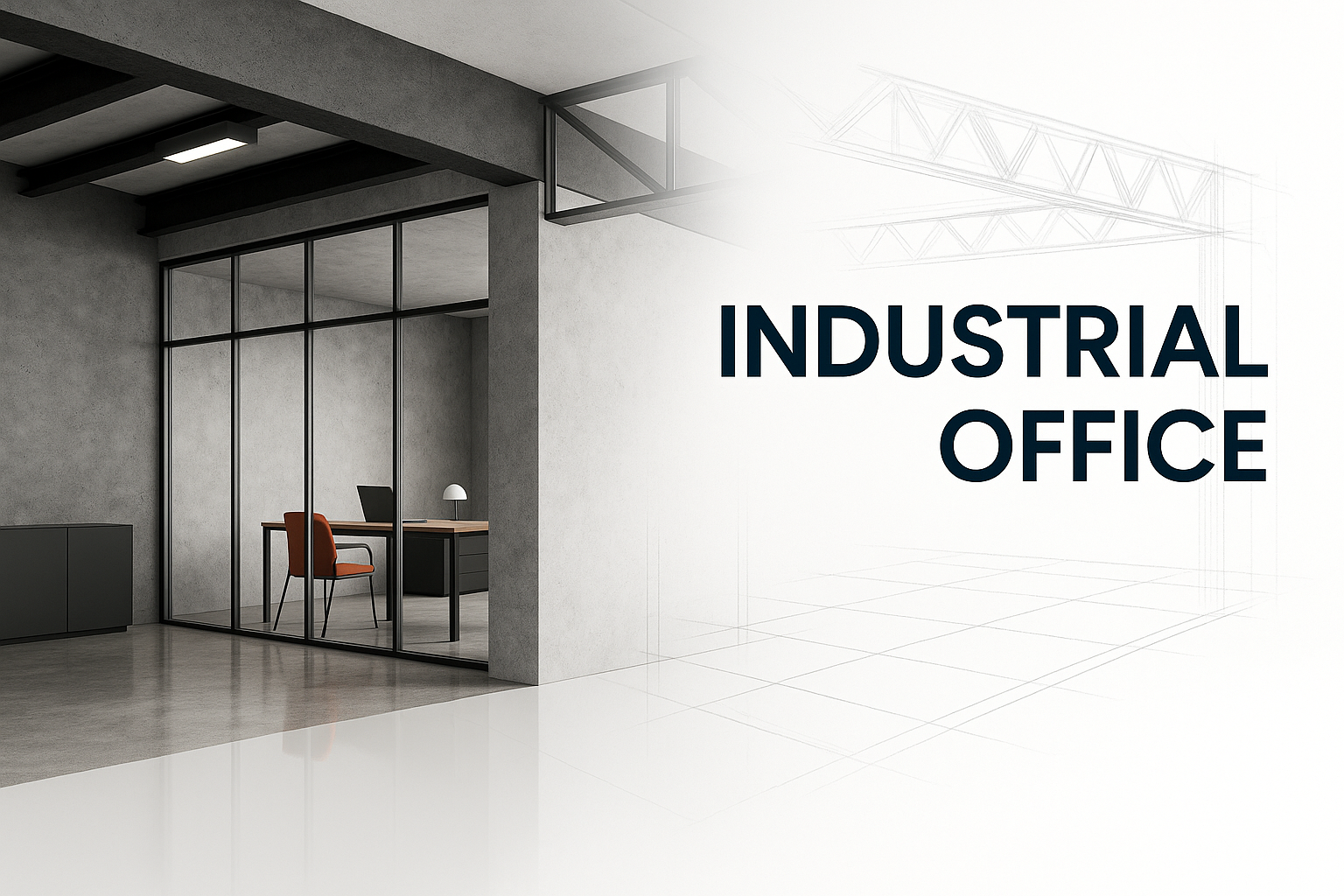
Industrial design works because it balances style with function. It looks bold, lasts long, and stays practical in busy work environments.
A Look That Stands Out
Exposed brick, steel beams, concrete floors. The style feels raw but deliberate. It has been trusted for decades, so it avoids the trap of short-lived trends.
Layouts That Help Teams Work
Industrial often means open plans. Fewer walls, more interaction. I once worked with a marketing agency that switched to this setup. Their design and account teams finally stopped working in silos, and it showed in their output.
Durable by Nature
Brick, steel, reclaimed wood. These materials handle heavy use. In one office we fitted, scratched desks looked better with age instead of worse. Wear became part of the character.
Sustainable Without Trying Too Hard
Reclaimed wood, recycled steel, upcycled fixtures. They cut waste and give the office texture. A co-working space we designed used timber from a local yard, and the clients loved that every table carried its own history.
Room to Personalize
Industrial sets the frame, but you decide the details. Art, plants, and lighting can soften or sharpen the vibe without clashing. That flexibility is why both tech firms and boutique studios use it.
Low-Maintenance
Concrete floors are easy to clean. Brick and steel don’t show scuffs. One client joked their office was “mess-proof,” and honestly, they were right.
Good for Creativity
Raw, unfinished textures encourage experimentation. It is not an accident that many creative agencies choose this style. The atmosphere itself keeps ideas moving.
The Takeaway
Industrial design is not just an aesthetic choice. It is durable, practical, flexible, and it carries a look that signals confidence without overdoing it.
Industrial Office Design: Breaking Down the Core Elements
Core Features of Industrial Office Design: Style and Function Combined
Defining the Industrial Office Look
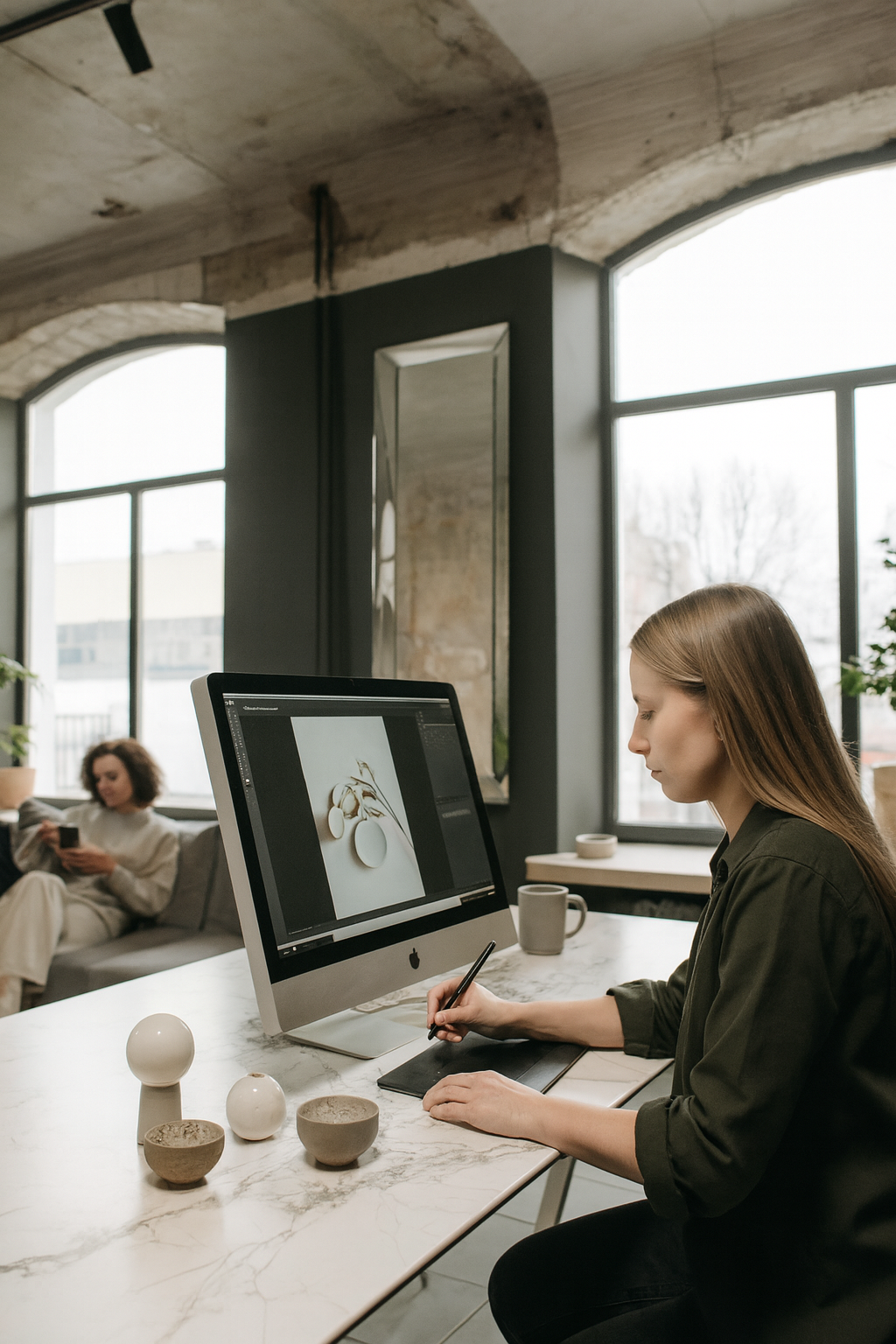
Industrial design stands out through raw materials, open layouts, and a balance of hard edges with softer accents. These are the pieces that set the tone.
Materials That Shape the Space
Exposed brick
Adds warmth and texture. If you do not have real brick, panels can work. Seal them so dust does not become a problem.
Concrete floors
Durable and low maintenance. A polished finish feels modern, while matte gives a raw look. One client paired concrete with distressed rugs to keep the edge but add comfort.
Metal fixtures
Steel shelving, iron lamps, and hardware add strength and balance against wood or softer textures.
Reclaimed wood
Tables, desks, or accent walls made from salvaged timber add authenticity. It is sustainable and keeps the space from feeling too cold.
Lighting That Sets the Mood
Pendant lights
Metal shades and exposed bulbs work well over desks or meeting tables.
Track lighting
Lets you direct focus on workstations, art, or architectural details.
Floor lamps
Oversized with metallic finishes or tripod bases add character to corners and lounges.
Tip: Mix warm bulbs with natural daylight to avoid a sterile feel.
Furniture That Works Hard
Reclaimed wood desks and tables bring durability and character.
Leather chairs with metal frames add comfort without losing the industrial edge.
Open shelving combines wood with steel brackets for storage and display.
Watch out for clutter. Industrial style depends on space to breathe.
Decor That Adds Character
Oversized clocks, vintage signage, or textured rugs can soften the look and personalize it. In one co-working project, we added signage sourced from local markets. Clients noticed and loved the unique feel.
Colors That Hold It Together
Neutrals like gray, black, and brown form the base. Accents in muted blue, green, or rust add depth. Metallic finishes like copper or brushed steel help tie the palette into a cohesive whole.
You might like: Industrial Architecture Style: The Past, Present, and Design Ideas for Today
How Industrial Office Design Actually Works
Industrial offices are not just about exposed brick and steel beams. The style works because it ties materials to function. Open layouts support collaboration. Durable finishes handle constant use. The look is raw but the logic is practical.
The Core Idea
Every industrial office shares the same backbone: open space, visible structure, and honest materials. Brick, concrete, steel, wood. Nothing fake, nothing hidden.
Planning the Space
Zones matter more than walls. A communal table can anchor the center. Pipe shelving or glass partitions can define smaller corners without closing them off. Lighting carries weight too. Oversized pendants or track lights signal where work happens.
When It Fits
This approach makes sense at the start of a project when you want a clear design language. It works in co-working hubs, startups, or even home offices where one consistent theme pulls the whole room together.
A Real Example
One co-working hub we worked on kept polished concrete floors bare, used steel shelving as dividers, and set a twenty-foot reclaimed wood table in the middle. The table became the meeting ground. Rugged, functional, impossible to miss.
You might like: Industrial Coastal Style: Design Principles and Inspiration
Industrial Office Design: Step-by-Step Guide to Achieving the Perfect Look
A detailed guide to transforming your office into an industrial masterpiece with practical steps and creative ideas.
Types of Industrial Offices
Small Industrial Office
Overview
Industrial design can punch above its weight in small spaces. The trick is restraint. Too much raw steel or concrete and the room feels like a storage closet. The right balance makes even a 10x12 room feel sharp and intentional.
How to Approach
Use vertical space with open shelving or wall-mounted desks. Stick to multipurpose furniture. Add one or two bold elements like a single pendant lamp or a reclaimed wood desk. Let the rest breathe.
When It Works
Perfect for freelancers, startups, or anyone squeezing an office into a spare room or basement.
Example
A freelancer in Montreal converted a spare bedroom with one steel-framed desk, a leather chair, and a brick accent wall. Nothing extra. It looked industrial but still worked as a real office.
Modern Industrial Office
Overview
This is industrial grown up. The grit is still there with brick, steel, and concrete, but softened with glass, clean lines, and ergonomic furniture.
How to Approach
Mix raw materials with refined finishes. Black steel-framed glass partitions, polished oak desks, and concrete floors softened by rugs. Lighting should be layered with both track lights and warm desk lamps.
When It Works
Ideal for tech startups, design studios, or agencies that want to look professional without being bland.
Example
A Toronto software office kept polished concrete floors, used glass walls with steel frames, and filled the space with oak desks. It kept the industrial backbone but felt polished enough to host investors.
Corporate Industrial Office
Overview
Scaling industrial design for hundreds of employees is tough. When done well it creates open and collaborative spaces without slipping into chaos.
How to Approach
Keep layouts open and define zones with shelving or clusters of furniture. Use large reclaimed wood tables for team work. Add soft seating areas so people do not burn out in a sea of concrete. Lighting should mix bold statement fixtures with subtle layers that keep the office functional.
When It Works
Corporate headquarters, big co-working spaces, or firms that want creativity without losing structure.
Example
A co-working hub in Chicago turned a warehouse into a 200 person office. Steel trusses stayed exposed, but they added acoustic panels, greenery, and breakout pods. It kept the industrial edge without being an echo chamber.
Loft Industrial Office
Overview
The classic industrial vibe. Tall ceilings, ducts left in view, massive windows. A loft office feels raw but alive.
How to Approach
Show the bones of the building. Keep ceilings open. Leave brick walls untouched. Use oversized light fixtures so the scale matches the space. Modular furniture like rolling desks helps keep the space flexible.
When It Works
Creative firms, schools of design, or any group working in old warehouses or factories.
Example
In Brooklyn a textile warehouse became a studio with fourteen foot ceilings left untouched. They added pipe shelving and oversized pendant lights. It looked raw but still organized.
Hybrid Industrial Office
Overview
Sometimes full industrial is too much. A hybrid blends grit with another style like modern or Scandinavian.
How to Approach
Pick one or two industrial anchors such as a concrete floor or a steel desk and then balance with lighter pieces like oak shelving or soft textiles. Plants help break up the severity.
When It Works
Home offices inside modern houses or businesses that want a nod to industrial without going all in.
Example
A Vancouver home office used pipe shelving, a concrete desk lamp, and a leather chair alongside pale oak flooring and white walls. It had the edge of industrial but stayed approachable.
Step-by-Step Guide to Building an Industrial Office

Step 1: Read the Room
Check what you already have. Exposed brick, concrete beams, or high ceilings? That is design gold. If nothing stands out, you can fake it with brick panels or reclaimed wood. I once opened up a sterile office ceiling and found raw concrete beams. Cleaned them up and suddenly the space had character without spending extra.
Step 2: Pick Your Materials
Industrial design uses honest, tough finishes. Wood, steel, glass, and concrete. They last and they look the part. I like mixing rough textures with polished ones. Steel shelves against a smooth epoxy floor, for example. It keeps the space from feeling like a garage.
Step 3: Plan the Layout
Forget tight partitions. Keep it open. Use furniture to define zones such as long communal tables, clusters of leather chairs, or shelves as dividers. In one office we overloaded with furniture and the whole place felt cramped until we pulled half of it out. Space to move is half the style.
Step 4: Light It Right
Bad lighting ruins industrial design. Pendants, Edison bulbs, and track lighting set the tone. Layer it with task lamps for focus and warm floor lamps for corners. One startup I worked with swore productivity went up after we fixed screen glare with softer side lamps.
Step 5: Add a Bold Piece
Industrial thrives on one or two statement moves. A sliding steel door, a reclaimed wood conference table, or a huge wall clock. They anchor the room. A client once installed an old factory door as a divider and it became the one thing everyone remembered.
Step 6: Warm It Up
Steel and concrete get cold quick. Balance them with rugs, plants, and softer light. I have seen offices go from warehouse to workable just by adding greenery and warm bulbs. Do not skip this step.
Step 7: Test and Tweak
Live in the space for a week. See how the light changes and how people move. Adjust. In one case, glare off screens nearly ruined the design until we swapped in softer lamps. Small fixes keep the look strong but functional.
Bonus: Embrace Imperfections
Scratches on metal. Knots in wood. Uneven textures. Do not hide them. That is the point. Industrial style is about using what is real, not polishing everything until it feels fake.
Modern Meets Industrial: Small Office Design Ideas
Small Industrial Offices in Modern Homes: Tips and Tricks
Designing a Small Industrial Office at Home
A small office inside a modern house can feel like a style clash. Industrial thrives on grit, concrete, and steel. Modern houses lean clean and polished. Put the two together and you either get a sharp, balanced room—or something that looks like a half-finished basement.
The trick is knowing when to go all-in and when to pull back.
Full Industrial or Just a Touch?
Go full industrial if you have a dedicated room like a garage or basement. These spaces can handle exposed pipes, concrete floors, and raw timber. If you like a cohesive theme, go for it.
Stick to accents if your office sits inside an open-plan living space. A metal desk, pipe shelving, or a concrete lamp might be enough. Push too far and you’ll end up with clashing styles that feel forced.
Pro move: Test with one item. Swap in a metal desk lamp or steel-framed chair. Live with it for a week. If it feels good, layer in more.
Materials That Work
Industrial is about contrasts. Steel, concrete, and reclaimed wood paired with the clean walls and polished finishes of a modern house. Think weathered timber desk against white walls, or steel shelving beside glass panels. Too many raw finishes in a small room just overwhelm it.
Furniture That Fits
Scale is everything in a small office. Multi-use pieces keep the space practical. A metal-framed desk with built-in shelves saves space and nails the look. A compact leather chair with steel legs adds comfort without heaviness.
One client once dragged in an old factory cart for a coffee table. Looked cool. Ate up half the room. Lesson: in small spaces, cool ideas die if they kill function.
Lighting That Makes the Room
Industrial lighting is iconic. Pendants with Edison bulbs, steel desk lamps, or a strip of track lights over shelving. But remember, small offices need brightness. Too much mood lighting and the room feels like a cave. Balance warmth with clarity.
When Industrial Fails in Small Offices
• You love bold colors. Industrial works best with neutrals.
• Your house has zero industrial bones. Dropping raw steel into a glossy all-white interior can feel fake.
• The space is tiny. Heavy metal and concrete make it feel cramped. In this case, use light touches only.
Real Lessons from the Field
The DIY fail: One homeowner used faux brick wallpaper and “industrial” lights but kept a shiny glass desk. The textures clashed. We swapped the desk for a reclaimed wood one and the room finally made sense.
The hybrid success: A modern home office with pipe shelving, a concrete lamp, and a leather chair. Clean, functional, with just enough grit.
The full commitment: A converted shed done with concrete flooring, exposed beams, and steel furniture. Worked perfectly because it was separate from the house.
How to Get It Right
• Start small. Add one or two pieces before a full overhaul.
• Balance raw with sleek. Pair steel with glass, timber with polished surfaces.
• Prioritize function. Storage matters more than vibe in tight spaces.
• Warm it up. Add plants or a rug so it feels lived in, not staged.
Bottom line: Industrial in a small office is not about copying a warehouse. It is about knowing what to borrow. Use the grit where it counts, keep the space workable, and let the imperfections show. Done right, you end up with a room that is sharp, comfortable, and personal—where the coffee tastes better because the table has a story.
Common Mistakes to Avoid in Industrial Offices
Overdoing the raw look
Exposed brick and steel beams are great accents. Turn every wall gray concrete and the place feels like a bunker. Balance grit with wood, plants, or rugs. I’ve seen one office where everything was concrete. Within a week the staff nicknamed it “the dungeon.”
Ignoring comfort
Industrial is not spartan. A steel stool looks edgy until you sit on it for six hours. Always invest in ergonomic chairs. One startup I worked with blew thousands on vintage factory stools. Two months later every employee brought in their own IKEA chair.
Clutter creeping in
Open layouts look sharp on day one. By week three, without proper storage, it’s cables everywhere, mugs on every surface, and samples stacked in corners. Shelving and cable management are as important as the brick wall.
Mixing without a plan
Industrial style works because the palette is restrained. Brick, steel, wood, glass. Add shiny plastics or neon beanbags and it starts looking like a college dorm. Keep the base simple, then layer with intent.
Bad lighting
Bare bulbs and a single pendant make a room look unfinished. Industrial thrives on layered light: pendants over tables, task lamps at desks, warm strips along shelves. The mix matters more than the fixtures.
Forgetting sound
Raw spaces echo. Concrete floors and metal beams bounce every phone call. Without rugs, curtains, or acoustic panels, your office becomes an echo chamber. It’s the design flaw people never notice until the first Zoom call.
Industrial Sustainable Offices That Save Bills and Keep Teams Breathing
Industrial design can go green without losing the grit. Exposed steel and concrete don’t have to mean high bills or bad air. The trick is pairing the raw look with smart systems.
Energy Smarts in Raw Spaces
Those big warehouse windows everyone loves? Great for light, terrible for heat loss if you don’t handle them right. Use double or triple glazing, plus automated shades. One Montreal co-working loft cut heating costs by 30 percent just by sealing and shading its steel-framed windows.
Air That Moves
Industrial spaces often come with high ceilings. Perfect chance to use natural ventilation. Ceiling fans, vents, and well-placed operable windows push hot air out and bring fresh air in. Add indoor greenery and the space stops feeling like a box of fumes.
Water Efficiency Without the Shine
Concrete floors don’t have to gulp water for cleaning. Polished concrete is easy to mop with minimal water. Pair that with low-flow fixtures in washrooms and you’ve got sustainability built into the bones.
Reclaimed, Not Just Raw
Industrial style already leans on reclaimed wood and steel. Push it further. Source desks from salvaged lumber. Use recycled steel in shelving and partitions. It saves money and lowers embodied carbon without changing the look.
Lighting That Works With You
Exposed bulbs are an industrial cliché. Swap them for LEDs in vintage housings. You keep the vibe but cut the power draw. In one design studio I worked with, swapping just 40 fixtures saved them $4,500 a year on electricity.
See also: Biophilic Office Design: Creating Healthier, Happier Workspaces
Real Examples
Haworth Headquarters, Michigan
This furniture giant retrofitted an old industrial building into its global HQ. They kept the raw steel structure but added daylighting systems, recycled materials, and on-site wind turbines. It shows how old bones can carry new tech.
Factory Berlin, Germany
A former brewery turned co-working hub. They left brick walls and concrete intact but overlaid smart HVAC and efficient LED grids. The result: energy use dropped, while the space still feels raw and creative.
The Dock, Toronto
Converted warehouse offices along Toronto’s waterfront. Designers used reclaimed wood beams, geothermal heating, and efficient glazing. Tenants pay less in utilities, and the interiors keep that loft-style edge.
Why It Works
The old “cool but costly loft” reputation isn’t inevitable. Done right, an industrial office can be tough, stylish, and energy-lean. Staff breathe better, bills stay lower, and the space feels authentic instead of staged.
You might like: Sustainable Offices That Save Bills and Keep Teams Breathing
EXTRAS..
Industrial Exterior Offices
Overview
The outside of a building sets the tone. Industrial design on the exterior signals character before anyone steps in.
How to Approach
Brick facades, steel framed windows, oversized glass panels. Add outdoor lighting in an industrial style and keep landscaping minimal. A green wall or rooftop garden can soften the hardness.
When It Works
Converted warehouses, urban office buildings, or modern office parks that want to stand out.
Example
In London a design studio turned an old warehouse into offices. The brick and steel stayed. They added oversized windows and climbing greenery. The building looked tough but welcoming.
Industrial Office Design on a Budget
You don’t need a giant budget to pull it off. Industrial style is rooted in reusing, repurposing, and being resourceful.
Smart Budget Moves
-
Thrift and salvage
Check local salvage yards or online marketplaces. Old metal cabinets, factory carts, or pipe shelving are often cheaper than flat-pack furniture and sturdier. -
DIY shelving
Wood planks and steel pipes can be turned into custom shelves with a weekend’s work. I’ve seen better results from DIY shelves than from pricey catalog buys. -
Faux finishes
Faux brick panels or concrete-effect paint are cheap and effective. One co-working space faked a brick wall with panels and most visitors thought it was real. -
Prioritize statement pieces
Spend on one anchor, like a reclaimed wood conference table. Fill in the rest with budget finds. -
Use what’s already there
Strip plaster to reveal original brick. Sand and seal concrete floors instead of covering them. Sometimes the raw material is hiding under your feet.
Final Thoughts
Creating the perfect industrial office space is about striking the right balance between raw materials and warmth. From choosing the right furniture to lighting and decor, every detail counts. And trust me, when it’s done right, an industrial office isn’t just a workspace—it’s a statement.
So go ahead, embrace those exposed bricks and vintage touches. Just don’t forget the comfy chair—you’ll need it for those long brainstorming sessions!
FAQ
1. Can industrial design work in small office spaces?
Absolutely! Focus on key elements like lighting and furniture, and keep the layout uncluttered.
2. What materials are best for industrial office furniture?
Reclaimed wood, metal, and leather are staples of industrial design.
3. How can I add warmth to an industrial office?
Use soft textures like rugs, cushions, and warm lighting to balance the raw look.
4. Is industrial design eco-friendly?
Yes, especially if you use reclaimed materials and sustainable practices.
5. Can industrial design be combined with other styles?
Yes, it pairs well with modern, rustic, or Scandinavian styles for a unique look.
Resources
- ArchitectureCourses.org:
- ArchDaily: For the latest trends and inspirations in industrial office design.
(https://www.archdaily.co:/) - Interior Design Society (IDS): Offers professional insights and certifications.
(https://interiordesignsociety.org/) - Sustainable Furnishings Council: Learn about eco-friendly furniture choices.
(https://sustainablefurnishings.org/)