
Industrial Coastal Design: Where Grit Meets Calm
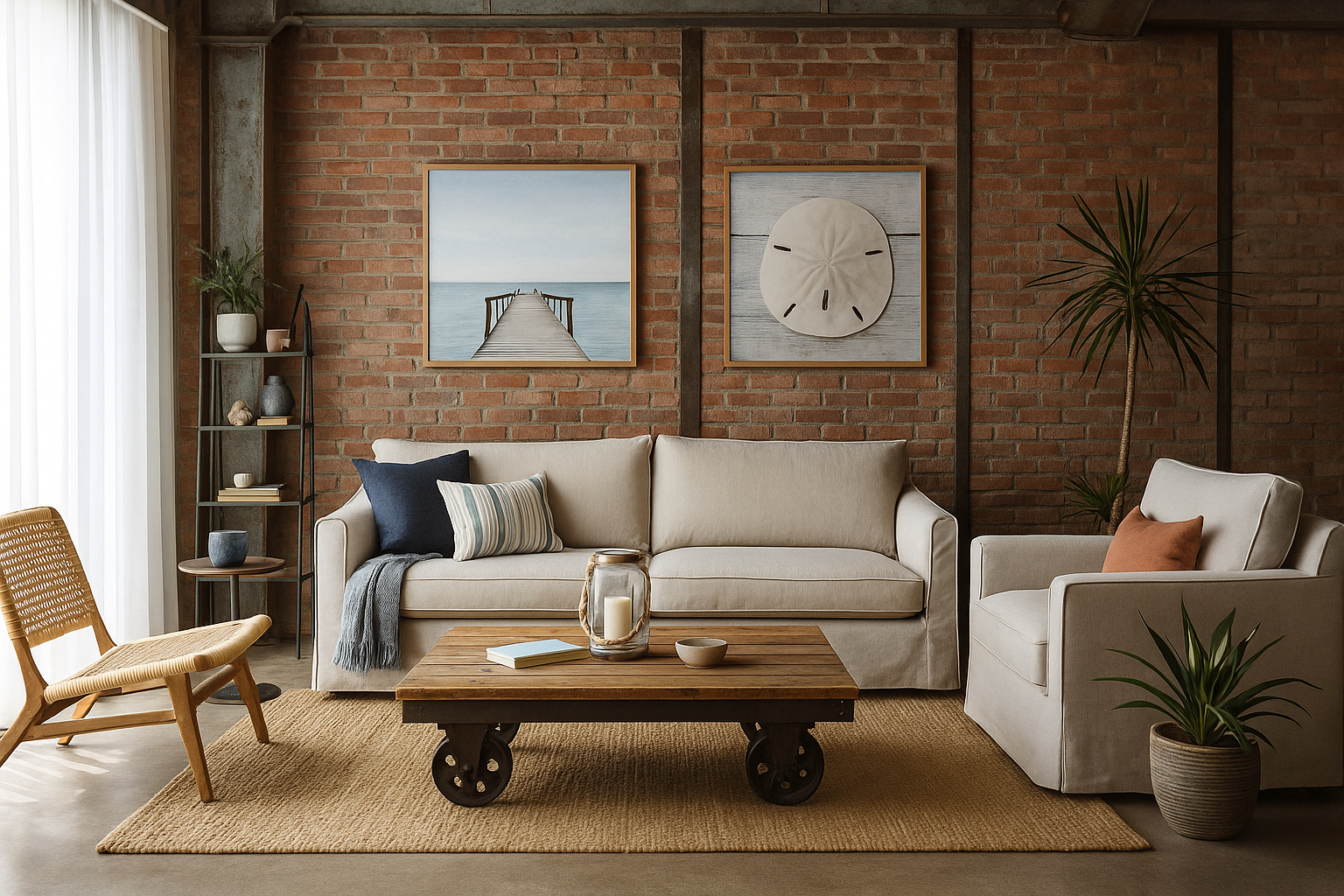
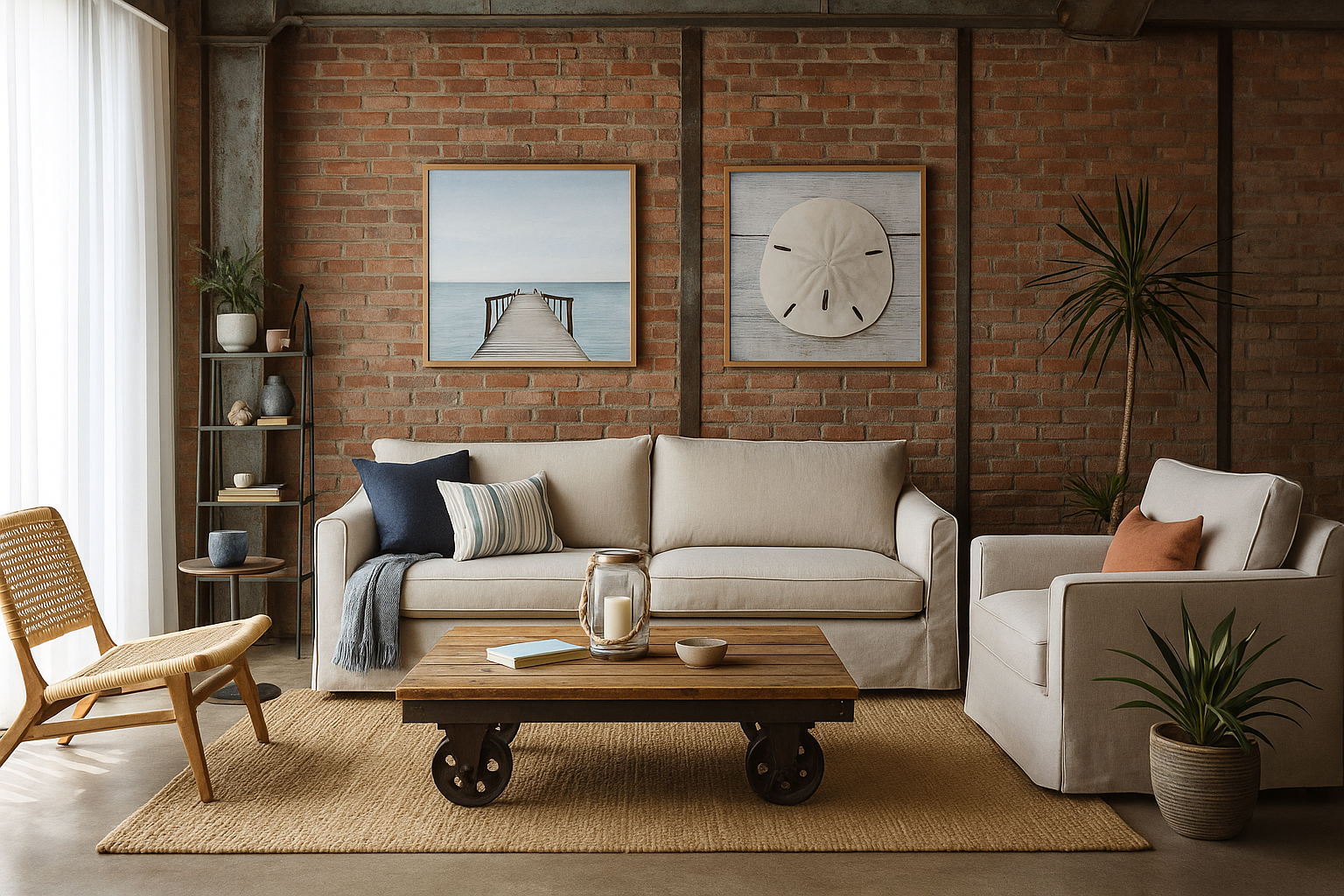
Industrial coastal design is what happens when steel beams meet driftwood, and concrete floors sit under soft sandy tones. It is raw and calm at the same time. Rugged, but breezy.
Think weathered wood next to black steel. Big windows pulling in daylight. A muted palette of grays, whites, and sea-blues that softens the hard edges.
The trick is balance. Push too far into industrial and you get a cold bunker. Go too heavy on coastal and it starts looking like a beach rental. The sweet spot is layering: rough textures against smooth ones, metal against wood, light against dark.
I’ve seen it work in very different settings. A loft in Toronto turned warmer with rope fixtures and bleached oak floors. A cottage on the coast sharpened up with steel shelving and concrete counters. Same logic, different vibe.
Industrial coastal is not about picking sides. It is about mixing materials with intent until the space feels grounded and easy at once.
Now let’s look at how to actually pull it off.
Industrial Coastal Decor Ideas to Transform Your Home
How to Nail the Industrial Coastal Look: Tips and Tricks
Types of Industrial Style and How They Work

Industrial design started in old factories and warehouses. Brick walls left raw, beams exposed, concrete underfoot. Nothing hidden, nothing polished. That honesty is what gave it edge, and it’s why the style still sticks today.
The trick now is flexibility. Industrial can swing gritty, sleek, or even soft depending on how you mix the bones.
Variations You’ll See
Rustic industrial leans into rough timber, scuffed metal, and warm tones. Think workshop energy more than showroom polish.
Modern industrial cuts the grit down. Steel, glass, and clean lines. Works as well in a tech office as a loft apartment.
Industrial chic plays contrast. Leather sofas under steel trusses, big light fixtures over raw floors. Rough and polished side by side.
Scandinavian industrial strips it back even further. Light wood, pale walls, minimal clutter. Still raw, but softer and brighter.
Industrial coastal is the outlier. It takes the grit of steel and concrete and puts it against the calm of the seaside. Done well, it feels rugged and breezy at once.
The Common Bones
-
Materials: brick, concrete, steel, salvaged wood.
-
Colors: gray, black, brown at the base. Accent with muted blues or greens.
-
Lighting: pendants, task lamps, oversized fixtures with visible bulbs.
-
Textures: always a mix. Rough brick against smooth glass. Timber beside steel.
The best industrial spaces don’t copy factories. They borrow the structure and make it fit real lives.
How to Pull Off Industrial Coastal Design

Industrial coastal isn’t just industrial with a seashell on top. It’s a real hybrid. Factories meet shoreline.
What Sets It Apart
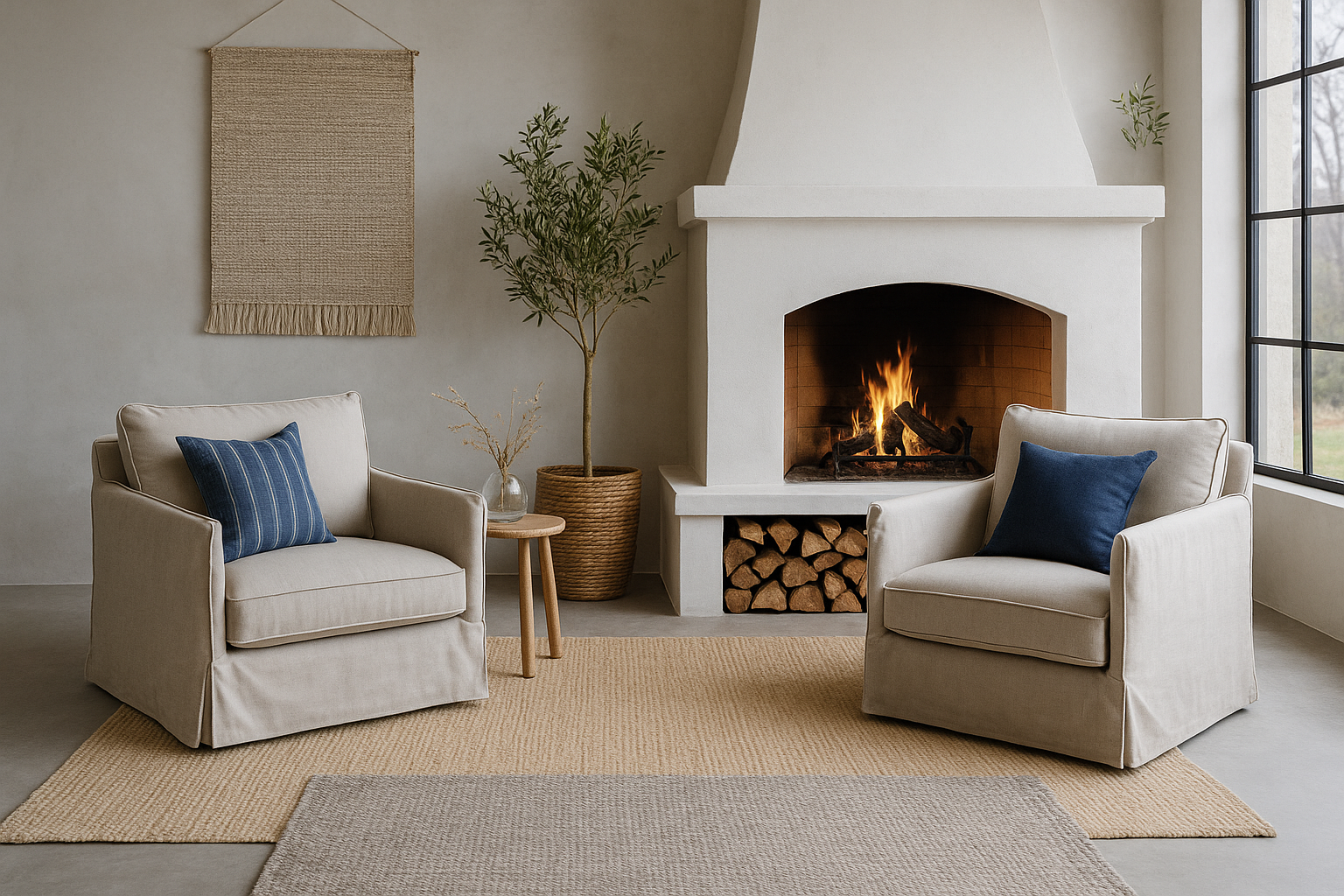
The palette comes from the coast. Sandy whites, faded blues, light grays. Calm enough to soften steel and concrete, strong enough to hold their weight. Whitewashed walls with a steel-framed mirror hit that balance fast.
Materials play off each other. Reclaimed wood feels like driftwood. Jute rugs and linen curtains add texture. Steel legs on a weathered table keep the edge. The push and pull makes it work.
Light is everything. Big windows, glass doors, open layouts. Natural light carries the seaside feel through what could otherwise be a heavy room. Sheer linen drapes keep it bright while still giving privacy.
Hard meets soft. Exposed beams or polished concrete floors land the industrial side. Coastal layers over it with white sofas, pale wood chairs, or cushions in sea tones. That’s how you get grit without gloom.
Why It Holds Up
-
Durability with comfort. Steel, brick, and reclaimed timber age well. Coastal touches keep the space human.
-
Adaptable anywhere. Downtown loft or beach house, it holds its identity.
-
Personal. Every mix of wood, linen, and metal tells a story. It never feels staged.
Industrial coastal works because it doesn’t try to blend the styles perfectly. It lets them play off each other. Heavy against light. Raw beside soft. The result is lived-in, practical, and sharp.
You might like: Industrial Interior Design: Styles, Features, and Practical Tips
Lessons Learned in Industrial Coastal Design
Industrial coastal style looks effortless in magazines, but in real projects it takes trial, error, and fixes. These are the details that actually matter once you start building.
Reclaimed wood needs work
That weathered pier beam or driftwood table will look incredible, but only if you prep it properly. I once saw a client bring in salvaged wood straight from a dock. Within weeks it was splintering and smelled of mildew. Clean, sand, and seal every piece. Shortcuts show up fast.
Metal looks sharp, until it takes over
Steel frames, iron lamps, or black window mullions anchor the room. But stack too much and the space tips into cold factory chic. One project near the coast looked like a fish cannery until we dialed back the metal and added woven textures and soft lighting.
Concrete floors divide people
Polished concrete reads sleek and industrial, but in a beach house renovation the owners complained it was freezing underfoot. The fix was simple: thick rugs in high-traffic zones. Concrete works, but you need warmth layered in.
Color fights happen in sunlight
In one coastal project, we tried deep teal walls behind exposed brick. Looked great at night, clashed horribly with the morning sun. Neutral bases—white, cream, soft gray—are safer canvases, then you can add navy cushions or green throws without regret.
Cheap shortcuts show
Peel-and-stick brick, faux driftwood, fake rusted metal… they read fake the moment you step into the space. Real reclaimed wood and real metal age with character. Fakes just look tired.
Windows are your ally
Industrial coastal thrives on natural light. A project in Nova Scotia taught us the trick: mirrors opposite windows. It doubled the daylight and made the space glow without a single extra fixture.
Balance is the secret
Every space needs one raw moment and one soft counterpoint. A concrete wall with linen curtains. A steel pendant over a jute rug. Get that pairing right and the whole room feels grounded yet breezy.
See also: Industrial Architecture Style: The Past, Present, and Design Ideas for Today
Styling Your Home: Industrial Coastal Decor for Every Room
Industrial Coastal Styling Tips for Different Spaces
How to Style Industrial Coastal in Real Spaces
Living Room
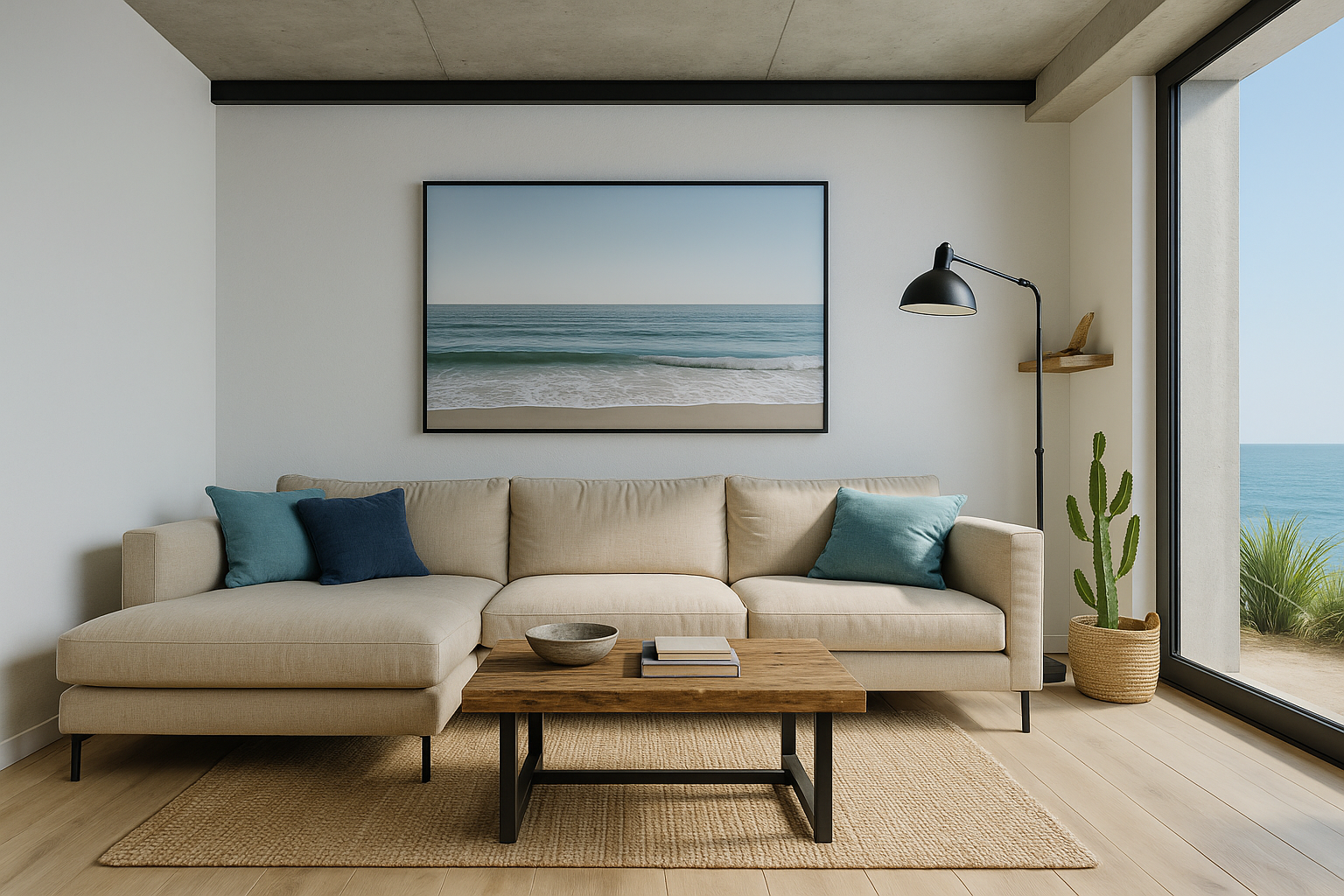
Start with one grounding piece. A jute rug sets the coastal base, then layer in a weathered wood coffee table. On a condo project by the water, we built a table from pier planks—guests still ask about it first thing. Balance the grit with soft seating and metal accents like a steel-framed mirror or slim side table.
Bedroom
Keep it cozy but strong. A reclaimed-wood bed frame anchors the room. In a cottage project, dock boards turned into a platform bed—heavy and raw, but softened with linen bedding. Add rope details in a pendant light or curtain ties. The key is blending industrial bones with breathable fabrics.
Kitchen
Function rules here. Open shelving with steel brackets, butcher block counters, and pendant lights over the island create the look. In one beach house, we hung pendants at staggered heights—bold without being heavy. Skip polished finishes; matte textures keep it grounded.
Bathroom
This is where restraint pays off. Subway tile or plaster walls with matte black faucets form the base. Then bring in one coastal touch, like a rope-framed mirror or woven basket. In a boutique hotel project, rope mirrors paired with lantern sconces gave the space a raw but calming vibe.
Outdoor and Patio
This is where industrial coastal really comes alive. Think weatherproof metal furniture paired with cushions in sandy neutrals. Concrete or stone floors keep it rugged, softened with a jute outdoor rug. In one patio redesign, we strung industrial-style lights overhead and added a driftwood sculpture as a centerpiece. Guests lingered longer because the space felt both casual and designed.
Add potted greenery to stop it from looking too bare. A few climbing plants against a brick or steel backdrop make the whole scene feel alive. Keep the palette muted—gray, beige, soft blue—so it ties back to the indoors.
Related: Creating the Perfect Industrial Look for Your Office Space
Design Tips That Work
Mix and Match
Pair steel-framed furniture with driftwood or rattan pieces for contrast.
Focus on Lighting
Maximize natural light, then layer with industrial pendants or sconces.
Layer Textures
Use jute rugs, linen cushions, and woven baskets to soften the hard edges.
Balance Raw and Relaxed
Too much grit feels cold. Coastal tones and soft textiles bring warmth.
Keep It Simple
Less is more. Over-decorating kills the airy feel.
Mistakes to Watch Out For
Too much metal makes a space feel harsh.
Skipping coastal details leaves it unfinished.
Overcrowding ruins the open layout.
Bad lighting makes it cave-like instead of breezy.
Final Thoughts
Industrial coastal design works because it balances edge with ease. Steel and concrete give structure. Linen, jute, and sunlit tones bring the calm. Put together, the space feels lived-in and solid without losing its lightness.
It is not just for beach houses either. I have seen it done in city lofts with no water in sight. The trick is balance—enough grit to ground the room, enough coastal air to keep it comfortable.
So pull in that reclaimed wood table, hang the metal pendant light, toss in a linen cushion or two. The mix is what makes it real. And when it’s right, the room doesn’t just look styled—it feels like a place you actually want to sit down, breathe, and stay awhile.
FAQ
What is industrial coastal design?
It’s the mix of raw factory-style elements (steel, brick, concrete) with relaxed coastal vibes (linen, jute, sandy colors). Grit meets breeze.
Where does this style work best?
Beach houses, lofts, condos with big windows, or any space that needs a balance of toughness and calm.
Can I pull this off in a small apartment?
Yes. Use light colors, one or two industrial accents, and keep furniture scaled down. A metal desk lamp and jute rug are enough to set the tone.
What colors define industrial coastal?
Base of whites, creams, and grays. Accents in navy, muted greens, or sandy beige. Touches of black or steel to hold the edge.
Which materials are essential?
Reclaimed wood, steel or iron, concrete, linen, jute, and woven fibers. Bonus if you can use salvaged or weathered pieces.
Does it require exposed brick or beams?
No. You can fake the vibe with steel frames, matte finishes, or textured walls. Brick helps, but it’s not a deal-breaker.
What kind of lighting works best?
Oversized metal pendants, Edison bulbs, or industrial track lights paired with natural daylight. Add linen shades if you need warmth.
How do I keep the space from feeling cold?
Layer soft textiles—linen curtains, woven rugs, cushions in muted tones. Plants help too.
Can you mix industrial coastal with other styles?
Yes. Works well with Scandinavian (light and minimal) or rustic (warmer woods). Avoid clashing with overly ornate styles.
Is this style expensive to pull off?
Not necessarily. Many pieces can be thrifted, DIY’d, or built from reclaimed wood and pipe fittings. Save splurges for statement lighting or a standout table.
What kind of furniture fits the look?
Metal-framed desks, reclaimed wood tables, linen sofas, and open shelving. Keep lines simple.
Do I need a lot of decor?
No. This style thrives on restraint. A single driftwood piece or metal wall clock is better than a shelf full of knick-knacks.
What flooring works best?
Polished concrete, wide planks of wood, or even stone. Add jute or sisal rugs for warmth.
How do I apply it in a kitchen?
Steel brackets for open shelving, butcher block counters, pendant lights, and a neutral backsplash. Add rope or woven stools for the coastal touch.
Can bathrooms use industrial coastal design?
Yes. Subway tile, matte black faucets, and a rope-framed mirror with woven baskets for storage. Keep it clean and bright.
What mistakes do people make with this style?
Too much metal, too many dark colors, or overloading with “beachy” decor. The balance is what makes it work.
Is reclaimed wood required?
It helps. But you can also use new wood treated with a weathered finish if reclaimed isn’t available.
Does natural light matter?
Yes. Large windows or glass doors make the style shine. If light is limited, layer warm artificial lighting.
Can I use bright colors?
Not really. This style leans muted. If you love color, use it sparingly—maybe in art or throw pillows.
How do I balance industrial toughness with coastal softness?
One hard element (like a steel coffee table) should always be balanced with a soft one (linen sofa or jute rug).
What kind of art fits industrial coastal?
Abstract in neutral tones, nautical prints, or vintage maps. Avoid anything too glossy or ornate.
Can offices use industrial coastal design?
Yes. Open shelving, steel lighting, reclaimed desks, and light tones create workspaces that feel grounded but not heavy.
Does this style age well?
Yes. Industrial pieces gain character with wear, while coastal elements stay fresh if you keep the palette light.
What’s one pro tip for beginners?
Start small. Add one industrial piece and one coastal piece. Live with them. Build slowly until the mix feels right.
Sources
- Houzz (www.houzz.com)
- Offers inspiration and real-life examples of industrial coastal spaces.
- Environmental Protection Agency (www.epa.gov)
- Information on sustainable materials for eco-friendly design.