
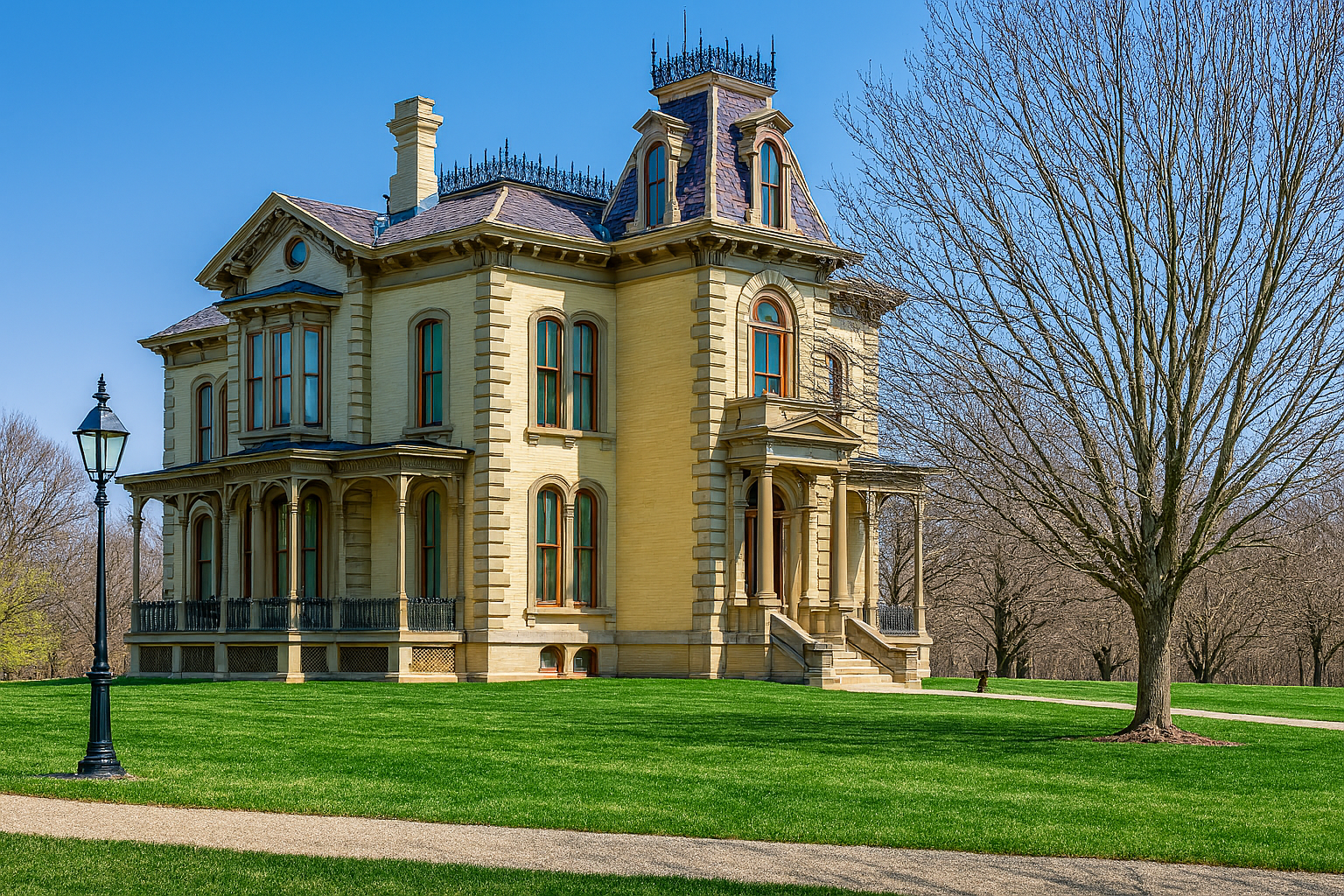
The Complete Guide to 1860s Architecture Styles
The 1860s were about decoration and so much ambition!
It was a decade where craftsmanship met new industry, and buildings started to reflect modern values while still clinging to historic styles.
MUST READ
📘 A Field Guide to American Houses by Virginia Savage McAlester
Covers every style from Colonial to 20th century—including deep insight on 1860s homes.
Buy on Amazon
What Made 1860s Architecture So Important
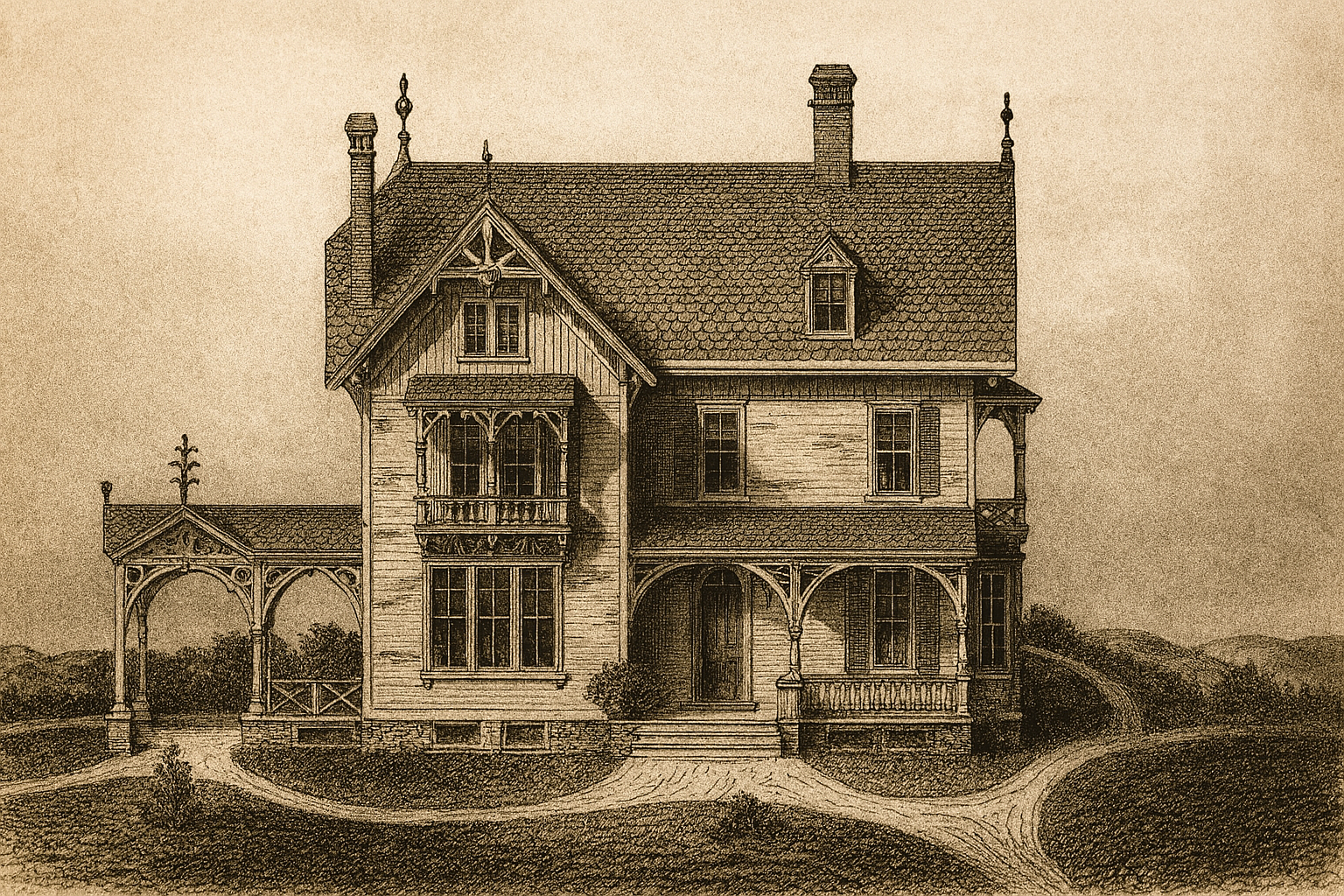
This was the age of:
-
Victorian mansions with heavy ornament
-
Italianate townhouses popping up in growing cities
-
Early signs of Second Empire roofs and industrial function creeping into design
Architecture in the 1860s told you what people believed in—order, class, progress, and permanence. That’s why so many of these buildings are still standing, still copied, still restored.
What You’ll Actually Get From This Guide
We’re not just here to admire old buildings. This isn’t a museum walk.
We’re here to show you:
-
How 1860s styles were built (structure, materials, plans)
-
What details still work today (and why they lasted)
-
How to restore or borrow from this era if you’re building or renovating
If you're a designer, builder, or just obsessed with older homes—this will give you clear, practical knowledge from one of the most transitional decades in architectural history.
This is real architecture education.
Let’s break down what the 1860s left behind—and what you can still use today.
1860s Architecture: What Was Really Happening
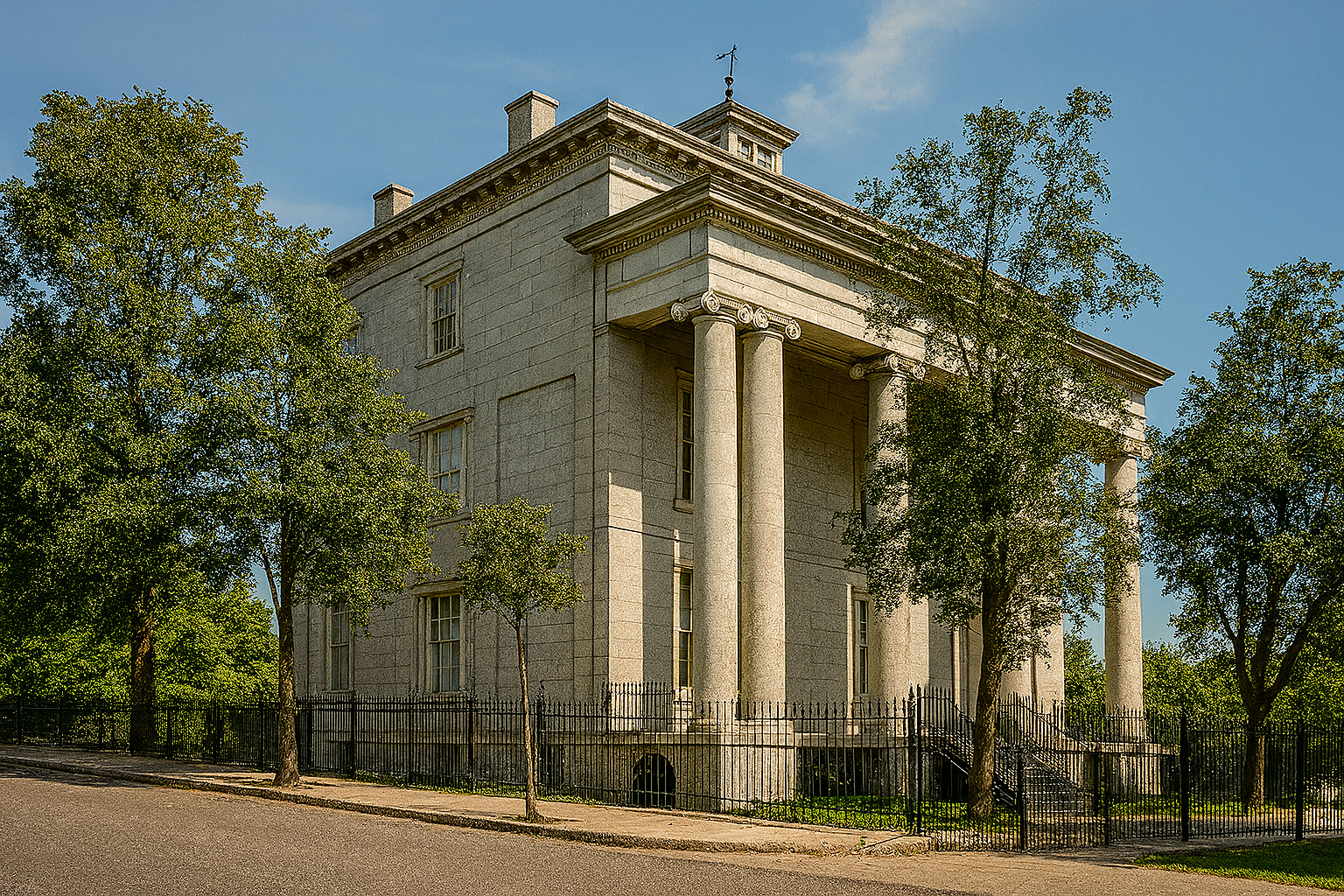
Real Materials. Real Styles. Real Shifts.
Industry Took Over Construction
In the 1860s, architecture stopped being slow and handmade. Cities were growing fast. Factories were pumping out parts. Builders used whatever saved time and looked impressive.
● Iron, steel, and glass were now mass-produced
● Train tracks = materials moved fast
● Prefab trim and iron brackets started showing up on homes
● Working class families could now afford decorative houses
Styles People Actually Built In
Some styles stuck around. Some exploded. Here's what people were building:
● Greek Revival → Still used in the South, but fading
● Gothic Revival → Common in churches and campuses
● Italianate → Everywhere. Brackets, tall windows, and fancy rooflines
● Second Empire → Big city houses and state buildings. Mansard roof = status
● Early Stick Style → Beginning to show up in wood-frame homes
Pattern Books Changed Everything
You didn’t need an architect anymore. You bought a book.
● Homeowners copied floor plans and details from catalogs
● Builders followed printed templates
● This made upscale styles show up in regular towns
● It’s why so many 1860s homes look “similar” today
What Was Going on Elsewhere
This wasn’t just a U.S. story. Big things were happening globally too.
In England
– Victorian Gothic was booming (like St. Pancras Station, 1868)
In France
– Beaux-Arts took over (Paris Opera House broke ground in 1861)
In the U.S.
– North: Cities = Italianate rowhouses and civic buildings
– South: Still building Greek Revival plantations during early Reconstruction
– Government buildings used iron, stone, and Second Empire flash
Key Changes of the 1860s
✔ Cast iron let builders make bigger windows, thinner walls
✔ Glass tech = more greenhouses, train sheds, public buildings
✔ Houses started mixing styles—no more one-size-fits-all
What It Meant
1860s architecture was practical, fast, and full of ambition.
It wasn’t about tradition. It was about showing progress.
That’s why you see fancy trim on modest homes—and state buildings trying to look like palaces.
You Want to Study the 1860s? Focus on What Actually Changed
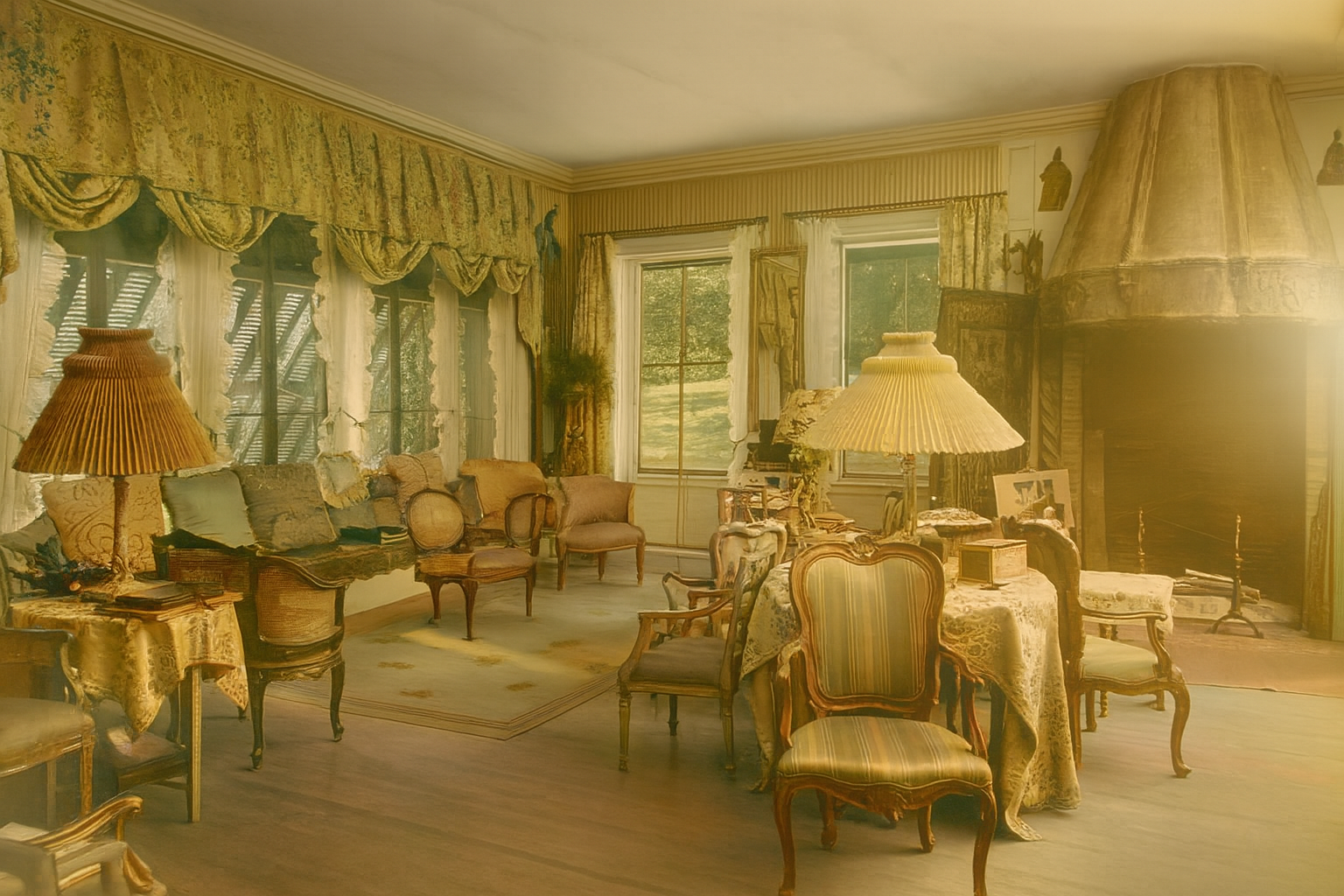
IMAGE: The John L. Gardner House on Warren Street, highlighting its preserved Victorian architecture with brick exterior, and tall windows.
The 1860s were a turning point—a shift in who could build, how fast they could do it, and what tools they had. If you’re studying this era seriously, stop romanticizing and start looking at the changes that reshaped the field.
Materials: Cast Iron Enters the Chat
Before the 1860s, stone and wood ruled.
Then cast iron, slate, mass-produced brick, and early steel elements started changing the game.
-
Why it mattered: You could suddenly create massive decorative facades fast, with details that would've taken a sculptor months.
-
Impact: Larger windows, fireproof structures, and urban skylines filled with iron storefronts and metal ornamentation.
▶ Study how Italianate and Second Empire buildings embraced this shift—especially in cities like New York, London, and Paris.
Speed: From Carpenters to Contractors
Pre-1860s? Everything was hand-built, slow, and often designed by the same person building it.
In the 1860s:
-
Railroads expanded → materials got shipped nationwide.
-
Sawmills and prefab parts → doors, windows, and trim could be ordered from catalogs.
-
Trades separated → one crew framed, another plastered, another finished woodwork.
▶ This was the start of the modern construction timeline. More homes built in less time—but still full of character.
Access to Design: Pattern Books for the People
Before: You needed an architect or a craftsman with generational knowledge.
Now: You could buy pattern books or order plans by mail.
-
Builders started using ready-made floor plans, elevation sketches, and trim packages.
-
Middle-class homeowners could now get a “stylish” house—no longer just for the wealthy.
▶ Search names like A.J. Downing or Samuel Sloan. These guys democratized architecture.
Who Got to Build What: A Class Shift
Wealthy elites still built the grand mansions—but now, doctors, lawyers, and shop owners were also commissioning elegant homes.
-
Smaller Italianate townhouses
-
Suburban Gothic cottages
-
Second Empire homes with flair but modest scale
▶ The rise of the middle class was written directly into the streetscape. Studying these homes = studying who was gaining power.
FIELD PICK
Book: Victorian Architectural Details: Designs for Over 700 Stairs, Mantels, Doors, Windows, Cornices, Porches, and Other Decorative Elements
▶ Must-have if you want to understand what changed, how fast, and what it looked like.
1860s Architecture Styles
The Key Movements That Defined the Decade
The 1860s weren’t dominated by one style—they were a collision of trends. Industrial growth, urban expansion, and post-Civil War rebuilding shaped how people built. These are the styles that defined the era:
Victorian Homes of the 1860s: What They Really Looked Like
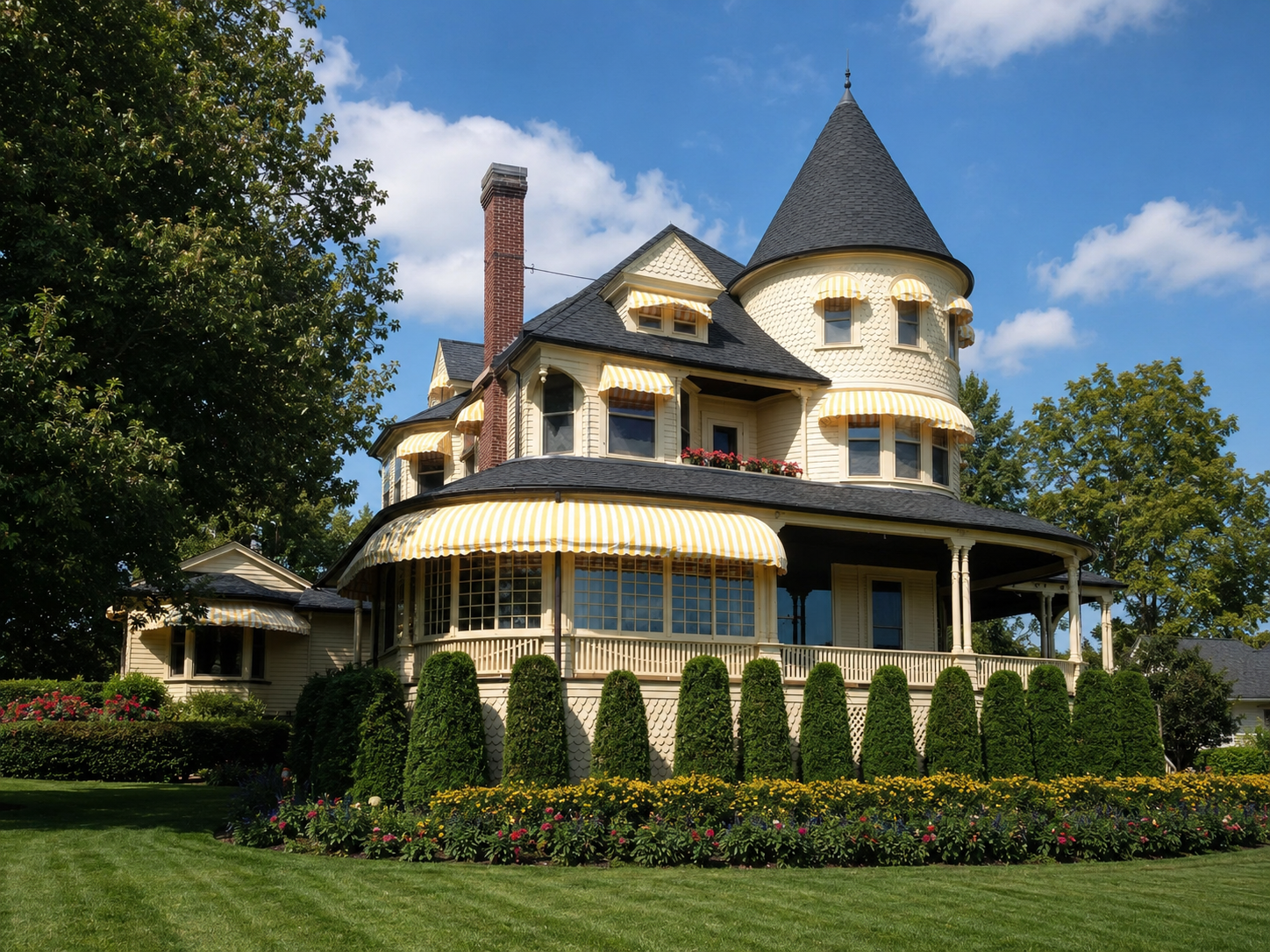
Victorian architecture wasn’t just one style—it was a mix of design trends that evolved fast. In the 1860s, we see the early stages of what would later explode into full-blown Victorian excess. Think simpler than Queen Anne, but already heading in that direction.
What Defined Early Victorian Homes?
-
Symmetry first, flair second
Most 1860s homes were still boxy, but details were getting fancier—arched windows, bracketed eaves, and decorated cornices. -
Materials told the story
Brick and stone were used in wealthier builds, but wood-frame homes dominated the suburbs. Cast iron started showing up in porch railings and urban trim. -
Tall and narrow windows
These weren’t just pretty—they allowed light in without sacrificing wall space. Many had arched tops or were paired with decorative hood moldings. -
Porches became showpieces
Wrap-around verandas started to show up, especially in the South. Columns, railings, and spindlework added early Victorian charm. -
Rooflines got ambitious
From steep gables to early mansards, rooflines became more complex. Even basic houses added decorative brackets or a central dormer for flair.
Key Substyles You Might See
-
Italianate (Most Popular at the Time)
Low-pitched roofs, brackets under wide eaves, tall windows. Often mistaken for later Victorians, but this was the 1860s go-to. -
Gothic Revival
Steep pointed gables, cross-shaped floor plans, and bargeboards. Usually rural homes or churches. -
Second Empire (Late 1860s On)
Mansard roofs were the giveaway. This style hinted at the Victorian extravagance to come.
Book: Victorian Architectural Details
Packed with authentic trim patterns, floor plans, and porch designs from the 1860s–1880s. Ideal for restoration or design references.
View on Amazon
Italianate
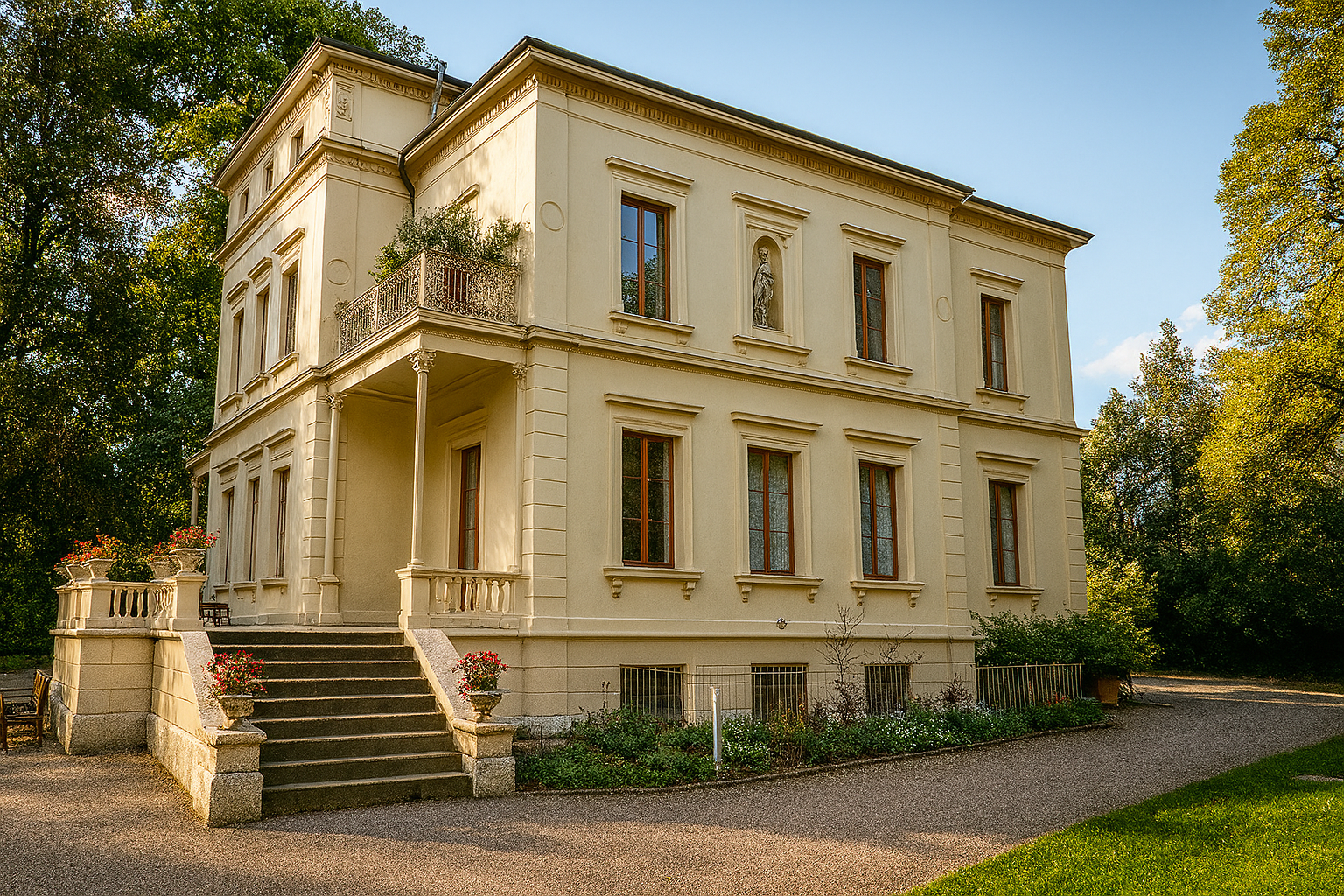
Most common style of the 1860s—especially in cities and rowhouses.
-
Tall, narrow windows with hood moldings
-
Wide eaves with decorative brackets
-
Flat or low-pitched roofs
-
Cupolas, towers, or belvederes on upscale homes
Use case: Townhomes, villas, early commercial buildings
Region: Urban Northeast, Midwest, West Coast expansions
Second Empire
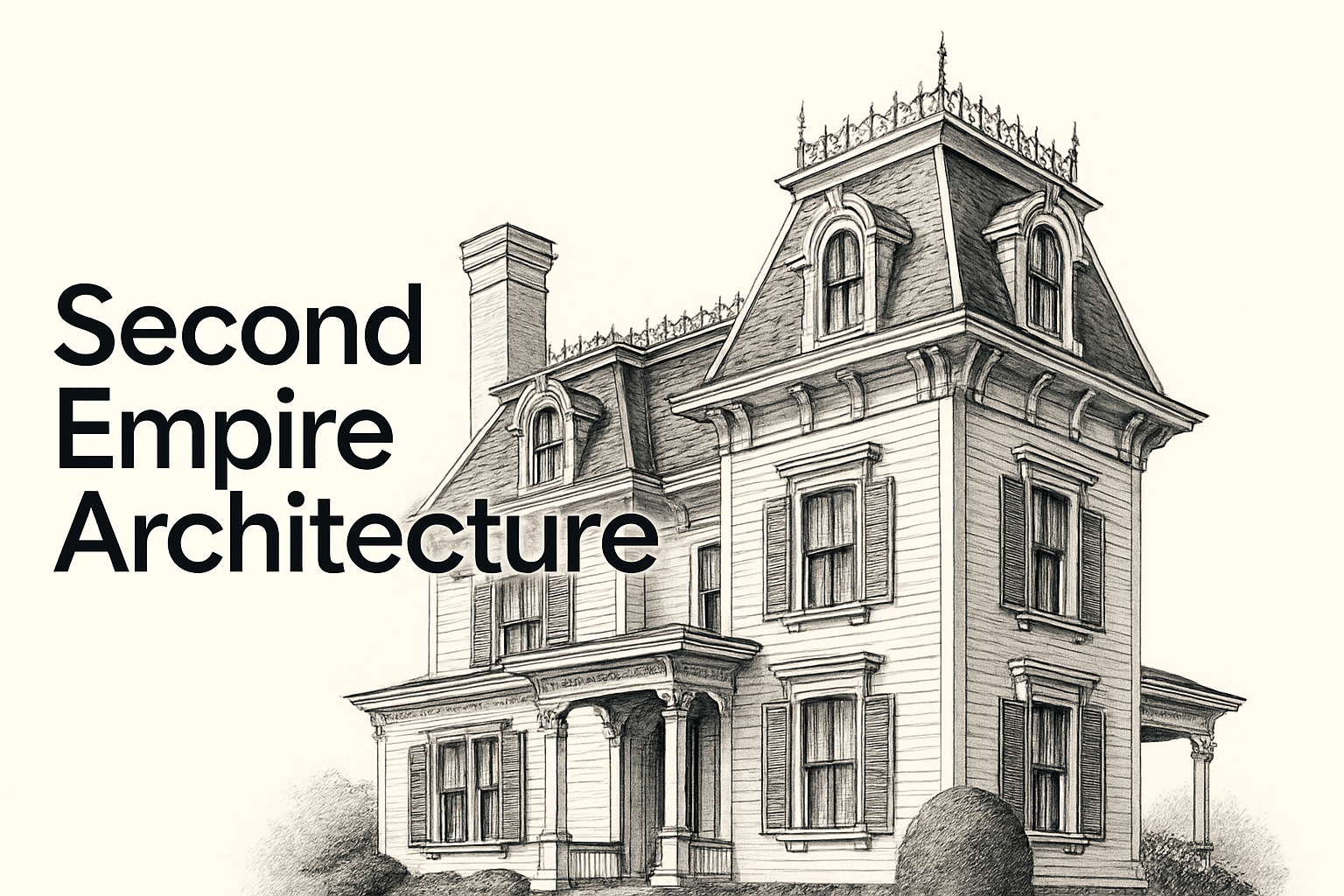
Emerging style in the late 1860s—instantly recognizable.
-
Mansard roofs (dual-pitched)
-
Dormer windows piercing the roof
-
Symmetrical facades
-
Stone or brick with heavy trim
Use case: Civic buildings, upscale homes, post-war rebuilds
Region: Popular in New York, Boston, and major city centers
Gothic Revival (late phase)

Still strong in religious and academic architecture.
-
Steep gables
-
Pointed arch windows and doors
-
Decorative tracery and finials
-
Often wood-frame with board-and-batten siding
Use case: Churches, rural homes, colleges
Region: Northeast and rural areas across the U.S. and UK
Greek Revival (fading out)
Still lingering in conservative regions or reused in hybrids.
-
Columns or pilasters
-
Pedimented gables
-
Symmetrical floor plans
Use case: Institutional buildings, older farmhouses
Region: Southern U.S., older East Coast towns
Stick Style (early phase)
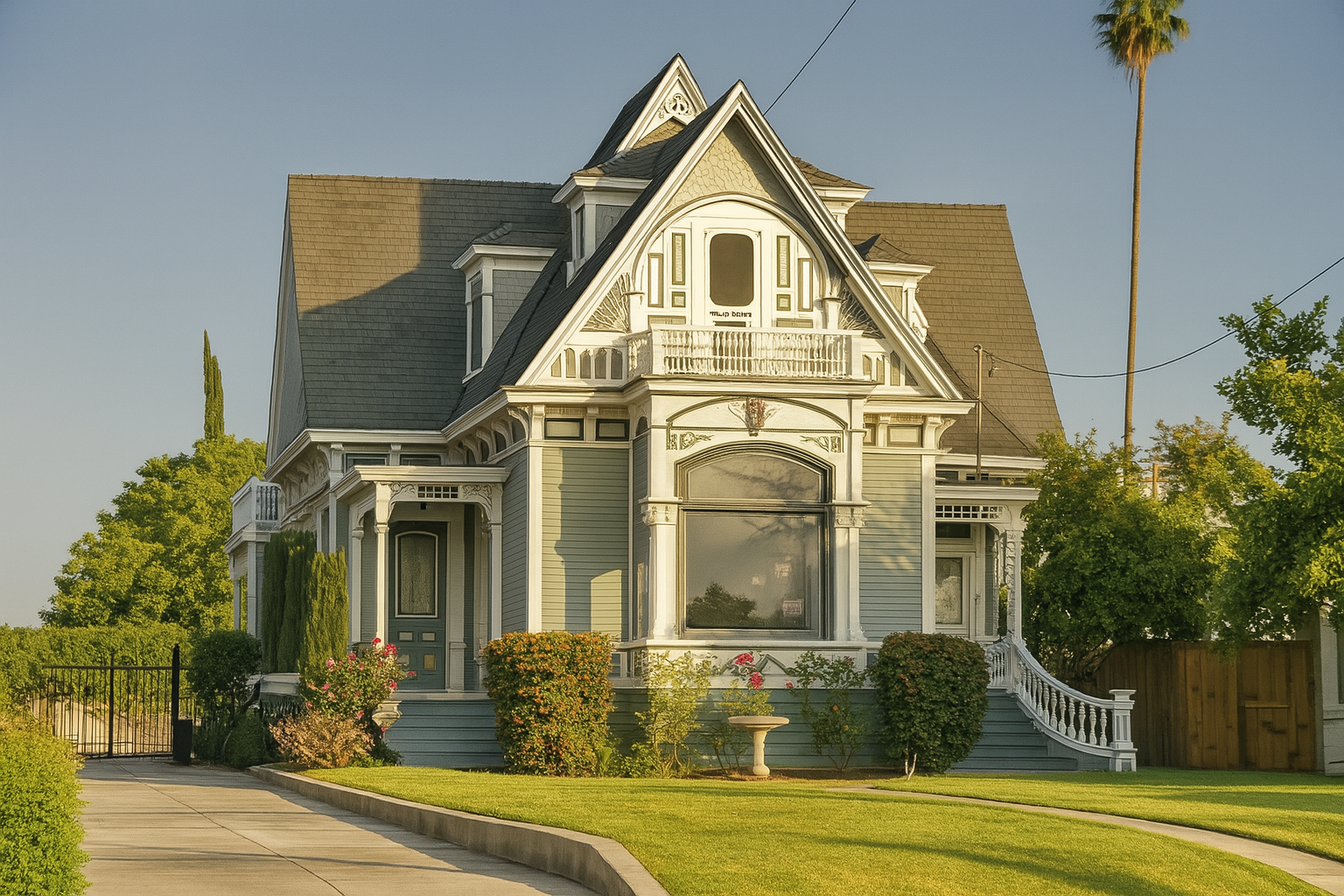
Starting to appear, especially in wood-frame construction.
-
Visible stickwork or decorative trusses on gables
-
Steep roofs
-
Tall chimneys
Use case: Middle-class suburban homes
Region: New England and expanding suburbs
Octagon Houses (dying trend)
Popular in the 1850s, still a few built in the early 1860s.
-
Eight-sided plan for efficiency
-
Central stair tower or cupola
-
Inspired by Orson Fowler’s theories
Use case: Rural homes with experimental flair
Region: Northeast, Midwest
Rural Vernacular / Folk Victorian
Locally built homes with Victorian trims added over simple forms.
-
Gable-front or L-shaped plans
-
Spindlework porches
-
Wood-frame construction
Use case: Rural housing, small towns
Region: Nationwide, especially in rail-connected towns
And
- Carpenter Gothic
- Richardsonian Romanesque (Emerging)
See also: 1860s Victorian Houses: What They Really Look Like
Characteristics of 1860s Architecture
1860s Architecture: Key Features You Can Still Spot Today
EXTERIOR FEATURES
● Symmetry Rules → Centered doors, even window spacing
● Cast Iron Everywhere → Railings, trim, storefronts
● Brackets + Moldings → Wide eaves, scroll brackets = Italianate
● Mansard Roofs → Flat top, steep sides, dormers = Second Empire
● Pattern Books → Homeowners copied stylish facades straight from catalogs
INTERIOR FEATURES
● High Ceilings + Medallions → Fancy light fixture zones
● Big Fireplaces → Marble or carved wood = parlor centerpiece
● Heavy Wallpaper → Dark florals, damask, even metallic prints
● Dedicated Rooms → Parlors, libraries, dining—each had its own vibe
● Decorated Hallways → Carved stair rails, stained glass, tile floors
QUICK VISUAL CHECK
● Look for: scroll brackets, tall narrow windows, steep mansard roofs
● Interiors: ceiling medallions, grand fireplaces, bold wallpaper
● Layout: rooms with clear purposes—no open concept here
MUST READ
📘 Victorian Interior Design Guidebook
Detailed styles from the 1860s–1890s, perfect for restoration or period-accurate decor.
Get it on Amazon →
Notable Examples of 1860s Architecture
● Osborne House (UK)
Built for Queen Victoria, it mixes Italianate elegance with early Victorian design. Symmetrical façades, bracketed cornices, and a square tower define its look.
● Second Empire Townhouses (Paris)
These urban homes feature mansard roofs, elaborate stone façades, and dormer windows—setting the tone for modern apartment blocks across Europe.
● Natural History Museum (London)
Designed by Alfred Waterhouse in the Neo-Gothic style. Bold arches, terra cotta ornamentation, and dramatic symmetry make it a landmark of the decade.
● U.S. State Capitols (Various)
Many state capitols built or remodeled in this era used Greek Revival and Second Empire styles, symbolizing formality and national pride after the Civil War.
Why the 1860s Still Shapes Architecture Today
The 1860s was a turning point. Buildings from this era weren’t just built fast—they were built to last.
● Craftsmanship met industry: Ornate woodwork, heavy moldings, and cast iron details became affordable to more people thanks to mass production.
● New styles spread fast: Thanks to railroads and pattern books, styles like Italianate and Second Empire showed up in cities, towns, and rural estates.
● Lessons we still use:
– Balance beauty with durability
– Design rooms for real-life function
– Use symmetry to calm the eye
– Let details tell a story
These aren’t just old houses—they’re still teaching us how to build better.
MUST READ
📘 The Old-House Doctor: The Essential Guide to Repairing, Restoring, and Rejuvenating Your Old Home
Old houses may need extra care, and this practical guide by Christopher Evers offers clear, expert advice—complete with 300 illustrations—on how to repair, renovate, and preserve your home from basement to attic.
Buy on Amazon
What It’s Really Like Restoring an 1860s House
So you fall in love with an 1860s house—the brackets, the tall windows, the creaky floors. Sounds romantic, right? It’s not. It’s work. Dirty, expensive, rewarding work.
Here’s what most people don’t tell you:
● The walls might be full of secrets
Lath and plaster means demo is a mess. You’ll likely find old wiring, dead bees, and possibly someone’s initials from 1872 carved into a beam.
● Nothing is level or square
The doorways are crooked. The floors slope. Cabinets don’t fit. You’re not just renovating—you’re negotiating with history.
● Original trim is priceless—and irreplaceable
Once it’s gone, you can’t just “buy more.” You’ll end up tracking down a 70-year-old woodworker or combing salvage yards.
● You’ll argue with your contractor over “how much to save”
Do you keep the coal chute? Patch the cast iron radiators? Or rip it all out and go modern? Every decision is a trade-off between soul and sanity.
● When it’s done—it’s like nothing else
The warmth of the wood. The hand-carved details. The weird charm of a fireplace in your bedroom. You didn’t just buy a house—you kept a piece of history alive.
MUST-HAVE TOOL
Hyde Painter's Multi-Tool (6-in-1)
Every restorer swears by this thing: pry, scrape, clean cracks, even open paint cans.
Check price on Amazon
FAQ
1860s Architecture – What People Actually Ask
Q: What materials were commonly used in 1860s architecture?
● Brick and stone were standard for durability—especially in cities.
● Cast iron exploded in popularity for decorative elements (balconies, facades, shopfronts).
● Wood was still common for framing and interior trims, especially in rural homes.
● You’ll also find slate on roofs and gas piping hidden in walls of more upscale homes.
▶ Today, sourcing period-accurate materials can be expensive—salvage yards are gold.
Q: Are 1860s homes energy efficient?
● No. These homes were built before insulation, vapor barriers, or even electricity.
● Drafty windows, uninsulated walls, and high ceilings = energy loss.
● But you can retrofit them carefully:
– Add insulation from the attic and crawlspace (don’t blow it into walls without checking framing).
– Use storm windows or custom double-glazed inserts.
– Seal cracks without damaging the original plaster or wood.
▶ Biggest mistake: tearing out historic windows for vinyl junk. Don’t.
Q: How do I identify an 1860s-style home?
● Mansard roofs (steep, dormered)—Second Empire style
● Tall, narrow windows, often arched or hooded—Italianate
● Decorative brackets under wide eaves
● Symmetrical facades and heavy cornices
● Ornate entryways with transoms or columns
▶ If it looks grand, balanced, and carved like it took time to build—it’s likely 1860s or inspired by it.
Q: Are there still homes from this era?
● Yes—and not just in museums. Many are lived in.
● Cities like Boston, New Orleans, Philadelphia, Quebec, and Paris have entire districts of 1860s homes.
● In smaller towns, you’ll find them on main streets or tucked into older neighborhoods.
▶ If you want to own one: get ready for zoning rules, historic preservation boards, and higher renovation costs.
Q: Can I renovate an 1860s home without losing its character?
● Yes, but you need to know what to keep.
– Save moldings, doors, windows, plasterwork, staircases, banisters.
– Upgrade electric, plumbing, insulation behind the scenes.
● Avoid open-concept gut jobs. These homes weren’t meant to be lofts.
▶ Work with a contractor who understands heritage properties. Most don’t.
Q: How much does it cost to restore one?
● Expect to pay 30–50% more than renovating a newer house.
● Custom trim, plaster repair, and matching original details drive up the price.
● You can do it slowly—room by room—but start with structure, roof, and mechanicals first.
▶ Don't budget tight. Surprises hide behind every wall.