
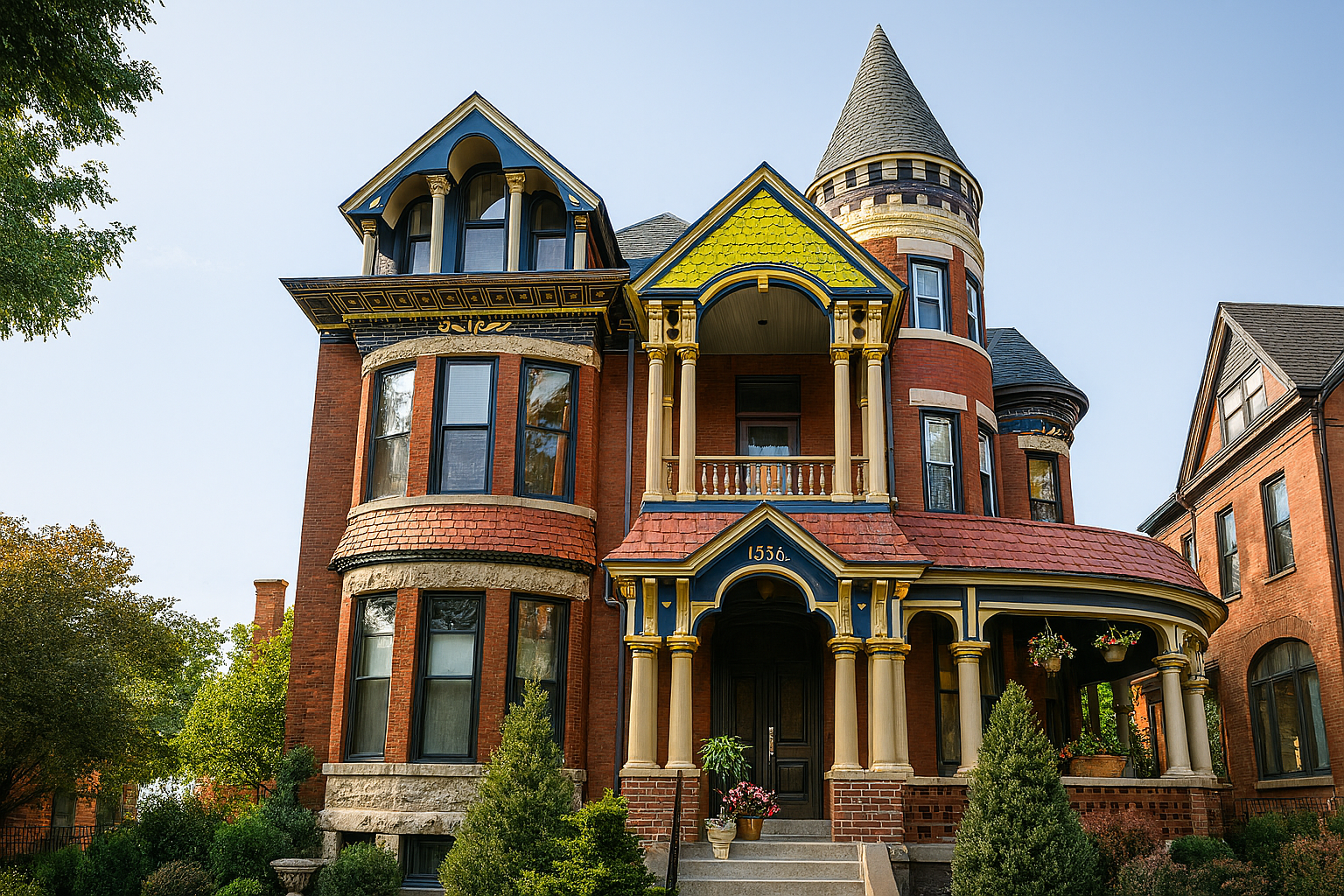
Victorian homes from the 1860s were built to show off. They weren’t plain. They weren’t simple. They had height, detail, and drama—and the people building them wanted you to notice.
This was the middle of the Victorian era. Railroads were booming. Lumber mills were pumping out trim and brackets. Factory-made parts made it easier to add flair, fast.
MUST READ
Best Book for Victorian Style Reference
A Field Guide to American Houses by Virginia Savage McAlester
✓ Includes every major Victorian style
✓ Clean diagrams and real examples across U.S. regions
✓ Great for renovation, study, or just figuring out what you’re looking at
What Stands Out About These Homes
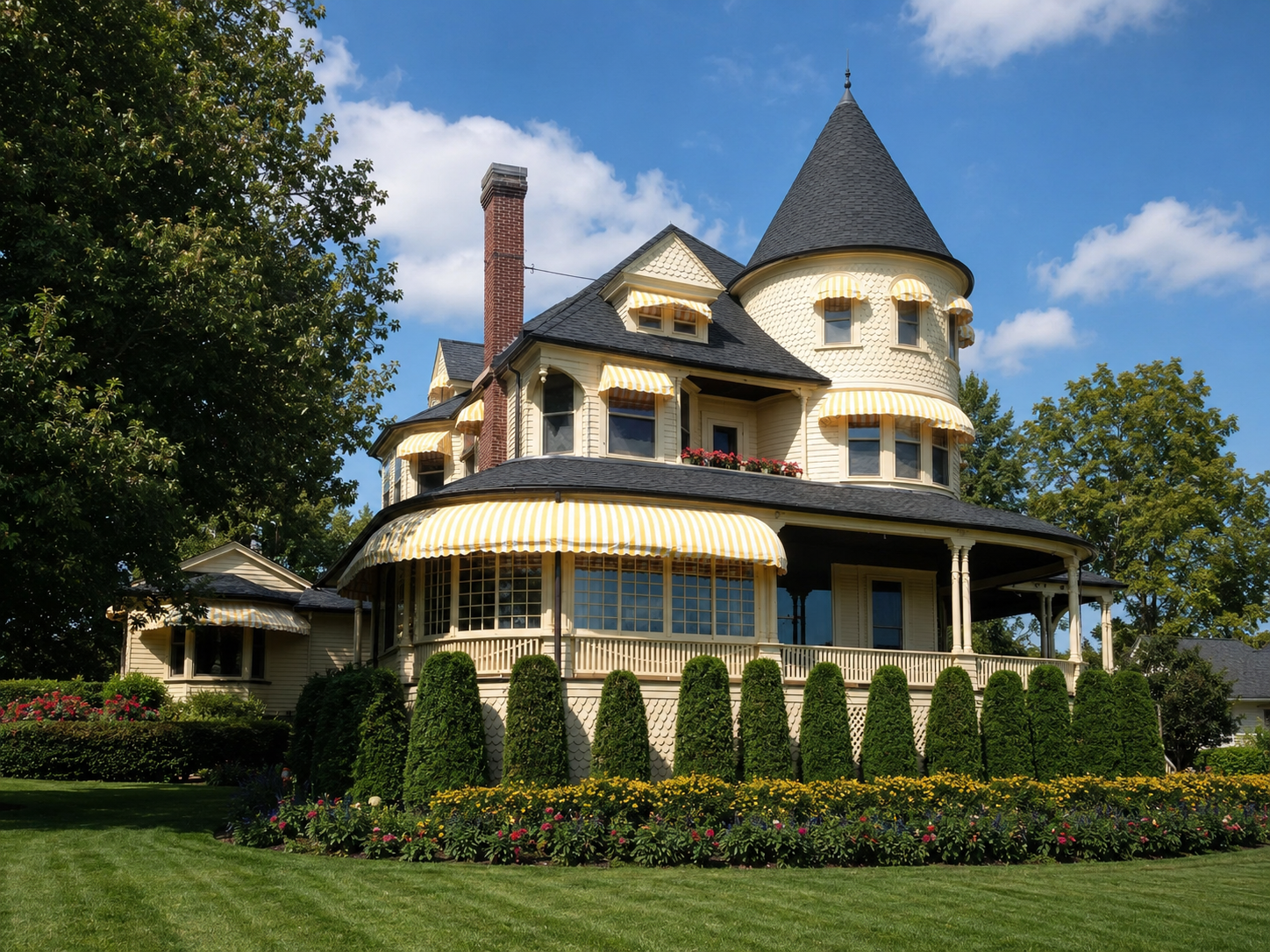
● Steep roofs with overhangs
● Tall windows, often narrow and arched
● Asymmetrical layouts—not your boxy farmhouse
● Heavy trim, carved brackets, roof corbels
● Cast iron railings and fences
● Wraparound porches with turned columns
Inside, expect:
● High ceilings
● Ceiling medallions and plaster cornices
● Wood-burning fireplaces with marble mantels
● Separate rooms for dining, parlor, and study
● Fancy staircases—especially near the front door
Which Styles Showed Up in the 1860s?
Here’s the mix that dominated in the U.S., Canada, and parts of the UK:
● Italianate – boxy shape, low-pitched roofs, tall windows
● Gothic Revival – pointed arches, gables, stained glass
● Second Empire – mansard roof, dormers, iron cresting
● Folk Victorian – basic homes with decorative trim added on
These styles bled into each other depending on region, money, and builder.
Still Around Today?
Yes. You’ll find real 1860s Victorian homes in:
-
Historic neighborhoods (Boston, Charleston, Toronto)
-
Small towns that grew during railroad expansion
-
Cities that weren’t bombed or bulldozed since
Some are museums. Some are rental units. Some are barely standing.
Stuff That Breaks
These homes weren’t built with insulation or electric wiring in mind. Watch out for:
● Lead paint
● Old wiring (knob and tube)
● Sagging porches
● Rotting decorative woodwork
● Bad basement moisture control
Buying one? Hire a real home inspector who knows heritage construction.
Should You Buy One?
If you want character, history, and a home that doesn't look like every new build down the street—yes. But go in prepared:
● Get estimates before buying
● Don’t skip on HVAC, insulation, and wiring
● Learn which parts can be restored and which just need to go
These homes weren’t built for drywall and Ikea furniture. But with the right updates, they still beat cookie-cutter suburbs.
How Victorian Architecture Took Over
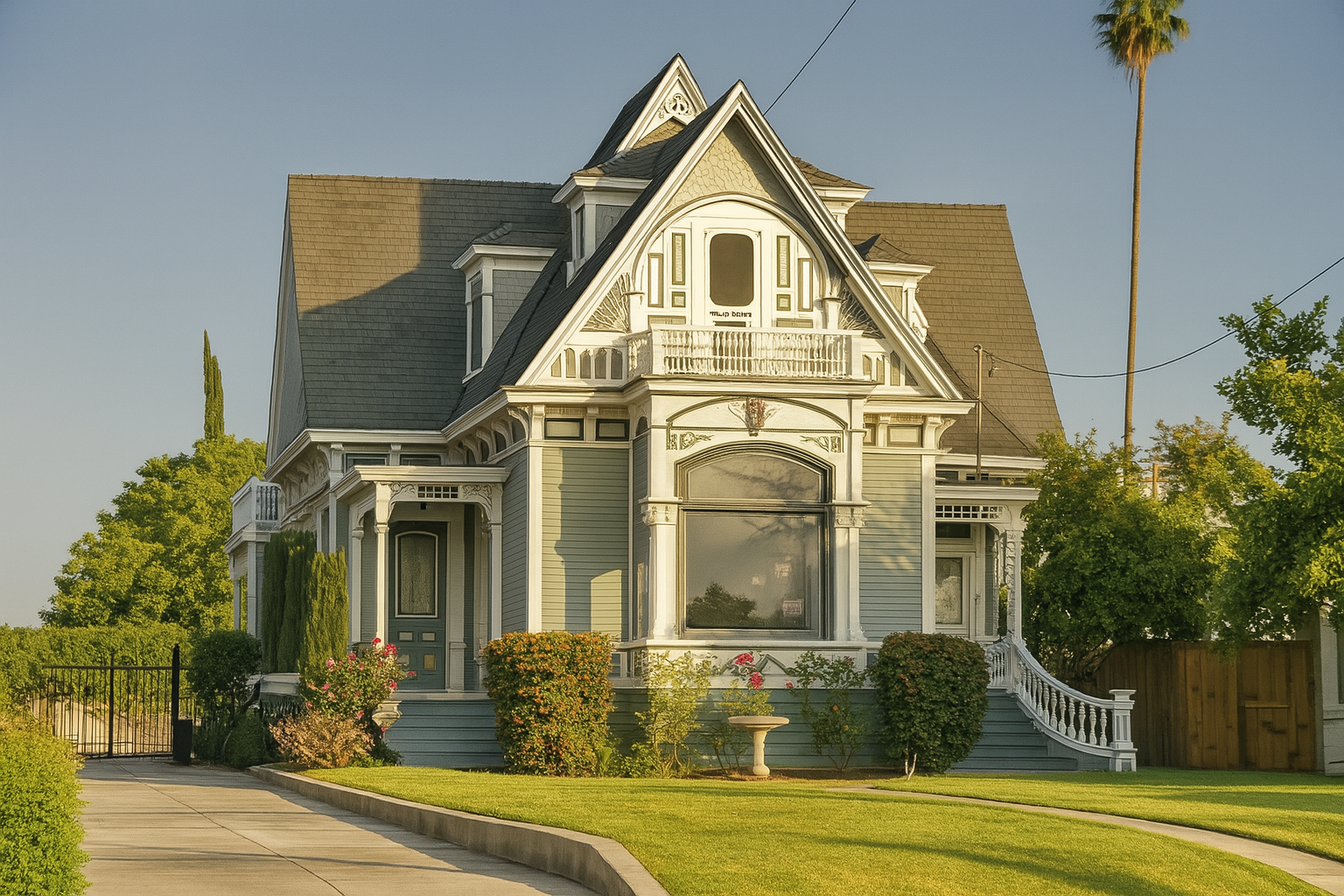
Victorian architecture didn’t just appear—it grew out of a mix of industrial change, rising cities, and people with new money wanting homes that looked expensive.
What Was Happening
● Industrial Boom
Factories made bricks, millwork, and iron faster than ever. Homes got taller, fancier, and more detailed because the parts were cheaper and easier to make.
● Middle-Class Explosion
People moved into cities and wanted homes that looked like they mattered. Big porches, fancy trim, and high ceilings made a statement.
● Mashup of Styles
Victorian homes weren’t one style. They pulled from everything—Gothic arches, Italianate brackets, French roofs, even Tudor bits later on.
Victorian Architecture Timeline
● 1837–1901: The Victorian Era (Queen Victoria’s reign)
● 1850s–1880s: High Victorian phase → Gothic Revival, Italianate, early Second Empire
● 1880s–1900s: Peak mix → Queen Anne, later Second Empire, Shingle Style, Romanesque
CHARACTERISTICS OF VICTORIAN HOUSES
Exterior Design: What Makes a Victorian House Stand Out
Porches That Show Off
Victorian homes love a showy entrance.
-
Wraparound or Raised Porches – Common in Queen Anne styles
-
Turned Wood Columns & Spindles – Often hand-carved
-
Detailed Railings – Look for finials, brackets, and lace-like cutouts
Siding Mix & Bold Paints
These homes rarely use one material or one color.
-
Clapboard + Shingles + Brick – All in the same facade
-
3+ Color Paint Schemes – Used to highlight gables, trim, and windows
-
Dark reds, greens, golds – Very popular in 1860s–1880s
Windows and Doors That Talk
Windows weren’t just openings—they were decoration.
-
Bay Windows – Protruding and stacked vertically
-
Stained Glass – Floral or geometric in upper panes
-
Oversized Doors – Often arched, sometimes double, with etched or colored glass
MUST-HAVE
Minwax Wood Finish Penetrating Stain
Great for restoring porch railings, gingerbread trim, or original hardwoods. Period-accurate colors like Red Mahogany and Early American.
Check it out on Amazon
Interior Design: How the Victorians Lived
Entryways & Halls
The moment you step inside, it’s formal and decorative.
-
Intricate Wallpaper – Floral, damask, or nature-themed
-
High Baseboards & Crown Molding – Always painted, never plain
-
Massive Staircases – Carved banisters, turned posts, and wide treads
Living Rooms & Parlors
These were the social zones—no TVs, just talk, fire, and tea.
-
Fireplace Centerpieces – Tiled surrounds or marble mantels
-
Tufted Furniture – Velvet or brocade with dark wood frames
-
Oil Paintings & Mirrors – Used to visually expand space
Kitchens
Mostly hidden from guests, but still had charm.
-
Freestanding Cabinets – With glass fronts or turned legs
-
Vintage-style Appliances – Today’s retro-styled fridges blend in well
-
Simple Lighting – Often just one central fixture
Bedrooms
Soft, layered, and covered in fabric.
-
Canopy or Four-Poster Beds – Heavily draped
-
Drapes + Sheers + Valances – No such thing as bare windows
-
Wall-to-Wall Rugs – Usually floral or Oriental patterns
Famous Victorian Houses
● Carson Mansion (Eureka, CA)
Often called the most photographed Victorian house in America. Covered in gingerbread woodwork, turrets, and odd angles—this is High Victorian on steroids.
● The Painted Ladies (San Francisco, CA)
Colorful row homes near Alamo Square. Postcard material. Built late 1800s, they mix Queen Anne and Stick-Eastlake elements.
● Winchester Mystery House (San Jose, CA)
More of a maze than a mansion. Doors to nowhere, stairs into ceilings—this is Victorian eccentricity at its peak.
Restoration and Preservation
● Start with Research
-
Look at old photos, maps, and records
-
Check local archives or historical societies
-
Use salvage yards for period-accurate wood, glass, and fixtures
● Common Fix Projects
-
Trim – Rebuild missing gingerbread or bargeboards
-
Windows – Restore sashes or use wood replicas
-
Roof – Slate or cedar shake were typical. Don’t cheap out with asphalt.
● Tips to Preserve It Right
-
Keep up with repairs before they snowball
-
Hire pros who’ve actually worked on 100+ year-old homes
-
Don’t erase original layout unless it’s truly unsafe
Modern Adaptations
Victorian homes don’t need to stay stuck in the 1800s.
● What to Keep + What to Update
-
Keep: Trim, flooring, moldings, layout flow
-
Update: Electrical, plumbing, and energy systems discreetly
-
Add insulation in walls or attic—don’t gut everything
● Kitchens & Baths
-
Retro-style appliances look right at home
-
Use marble or butcher block, not plastic
-
In bathrooms: clawfoot tubs, pedestal sinks, black hex tile = period vibes
● Open It Up—Carefully
Knock down walls only if they’re non-load-bearing. Blend open layout with old trim and ceiling medallions.
FIELD PICK
Restoring Your Historic House by Scott T. Hanson
The most practical, photo-heavy book out there for Victorian (and older) homes. Step-by-step guides and period material advice.
Check it out on Amazon
Sarah Susanka, Architect:
“Keep the bones. Add comfort. That’s how a Victorian home should be restored.”
Robert A.M. Stern:
“Don’t hide the detail. That’s the soul of these homes.”
Jeanne Gang:
“You can go green and still respect history. Reuse, repoint, insulate—without ruining the charm.”
FAQ
Victorian House Basics
Q: What are the main Victorian house styles?
Gothic Revival, Italianate, Second Empire, Queen Anne.
Q: Can I modernize without ruining the charm?
Yes—just don’t gut it. Use hidden wiring, retro appliances, and keep the original moldings and trim.
Q: How do I choose exterior paint colors?
Use bold, contrasting combos (3 or more). Historic palettes are easy to find or copy from neighbors with well-kept examples.
Q: What materials were used back then?
Exterior: wood, brick, stone. Interior: hardwood