
How to Choose the Right Door Frame: Material and Design Tips
A frame is just four pieces holding a door. Until one of those pieces twists, swells, splits, or was never straight in the first place. Then it becomes your problem. The trick is matching the frame to the space, not grabbing whatever the aisle offers.
Below is what works in real homes. Not brochure talk. Real installs, fixes, and what I’ve had to repair more times than I should. If you need the wall layout part before the frame, read the wall framing walkthrough or the king and jack stud basics.
Types of Door Frames and Where They Work Best
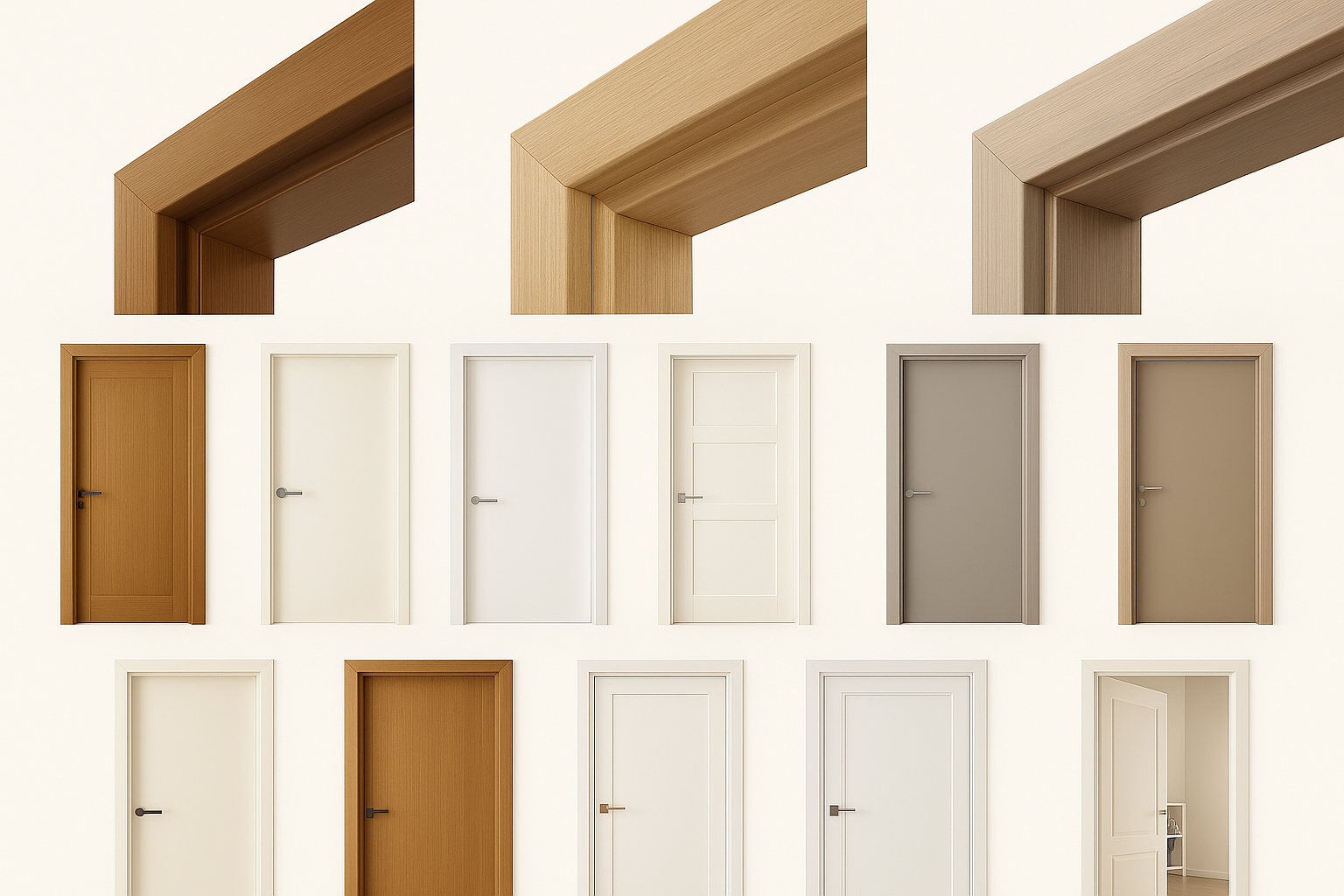
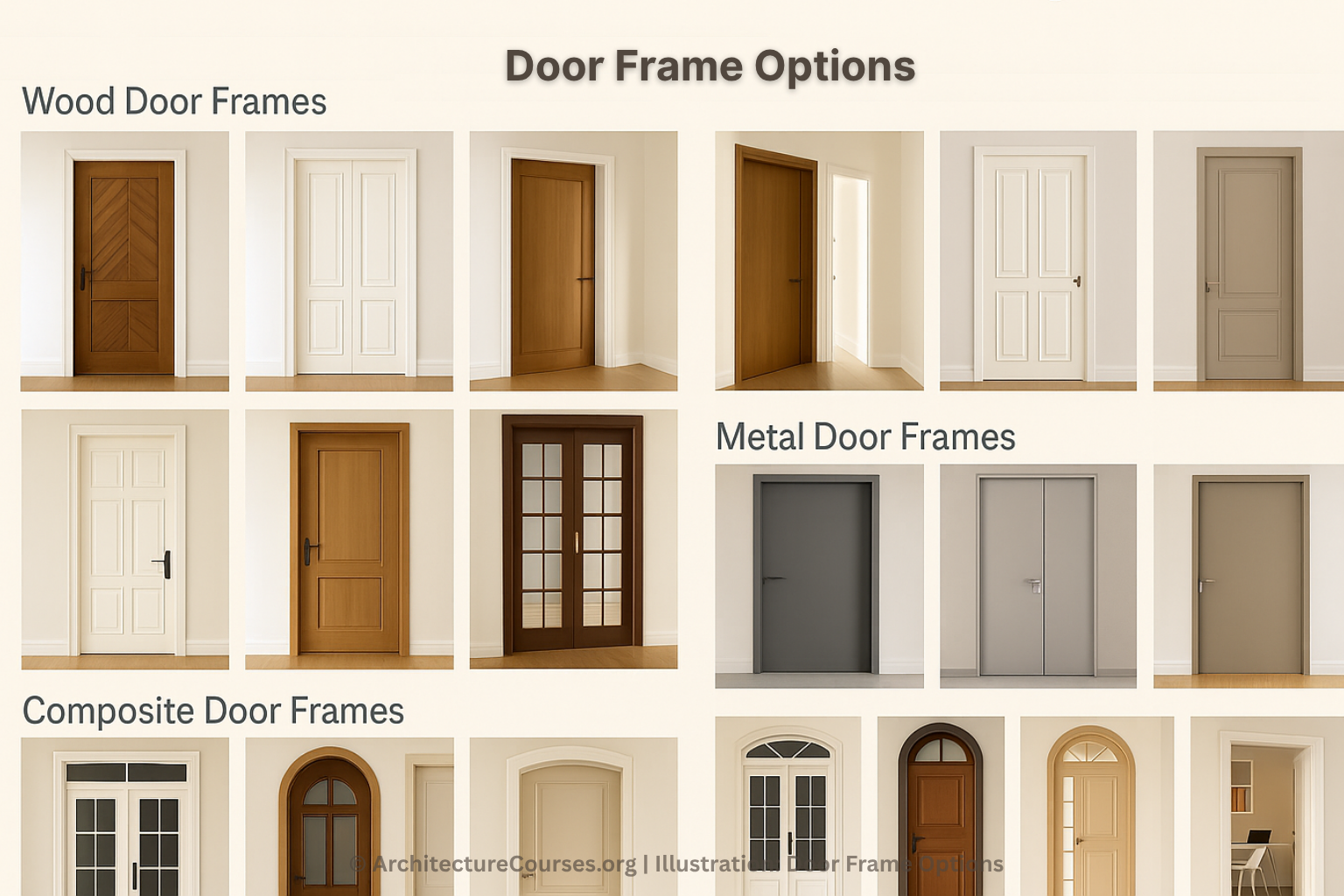
Every room needs a frame that matches the job. Wood is easy to tweak, metal is built for abuse, uPVC ignores the weather, composites fake the wood look, and pocket frames dodge the swing problem.
No one frame wins in every space.
Know what each one does well, and you’ll stop fighting gaps, warps, and doors that never close right.
Wood Door Frames
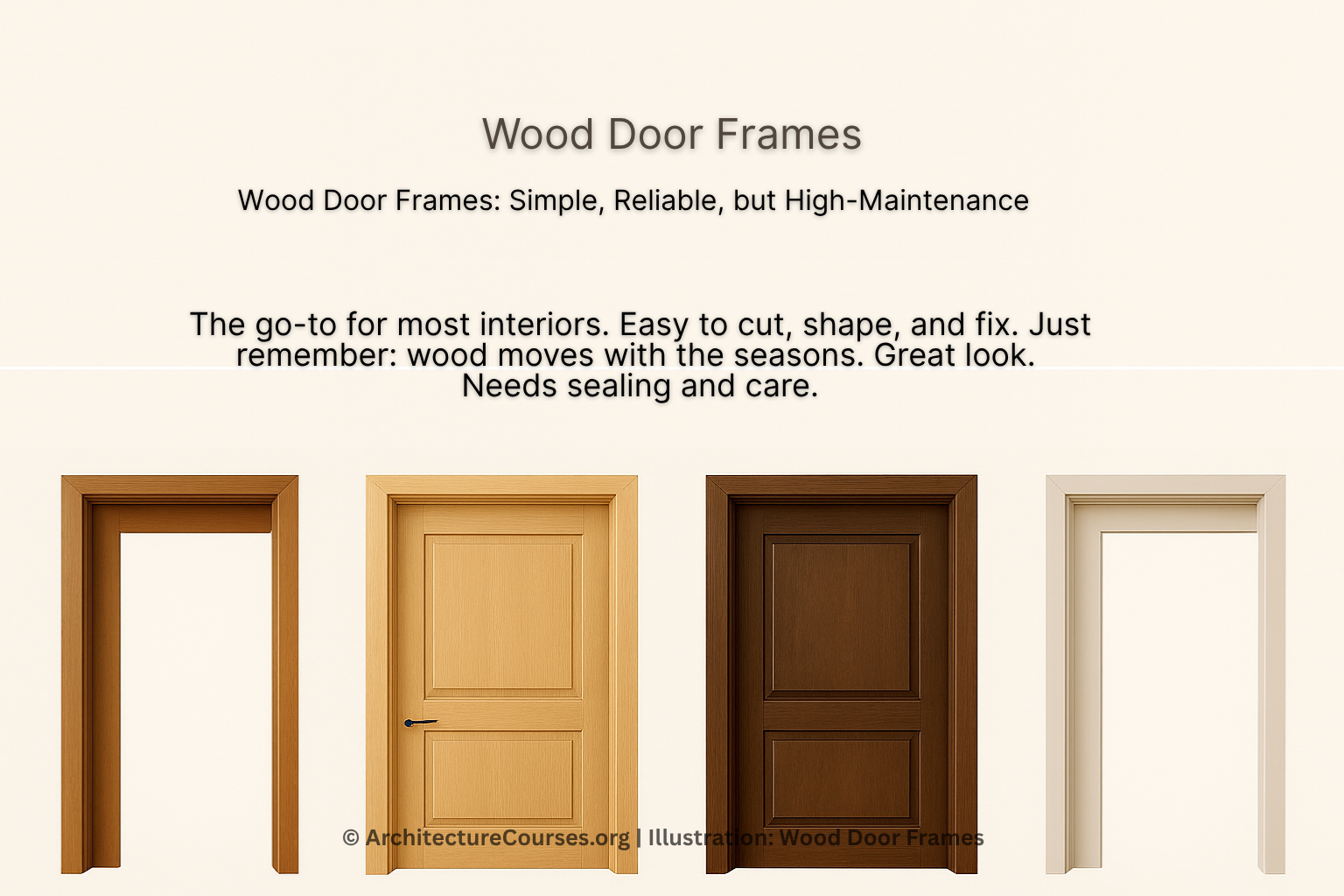
Most interior doors still hang on wood. You can trim it, sand it, paint it, shave it if the floor is not level. Poplar, pine, oak, or go fancy with mahogany if you want. Flexible. Forgiving. Easy to match if you mess something up.
Problem is wood moves. Humidity swells it. Dry air cracks it. If it is not sealed right, it will rot. Use it indoors or under a covered entry. Do not put raw pine in a wet basement and expect to win.
Metal Door Frames
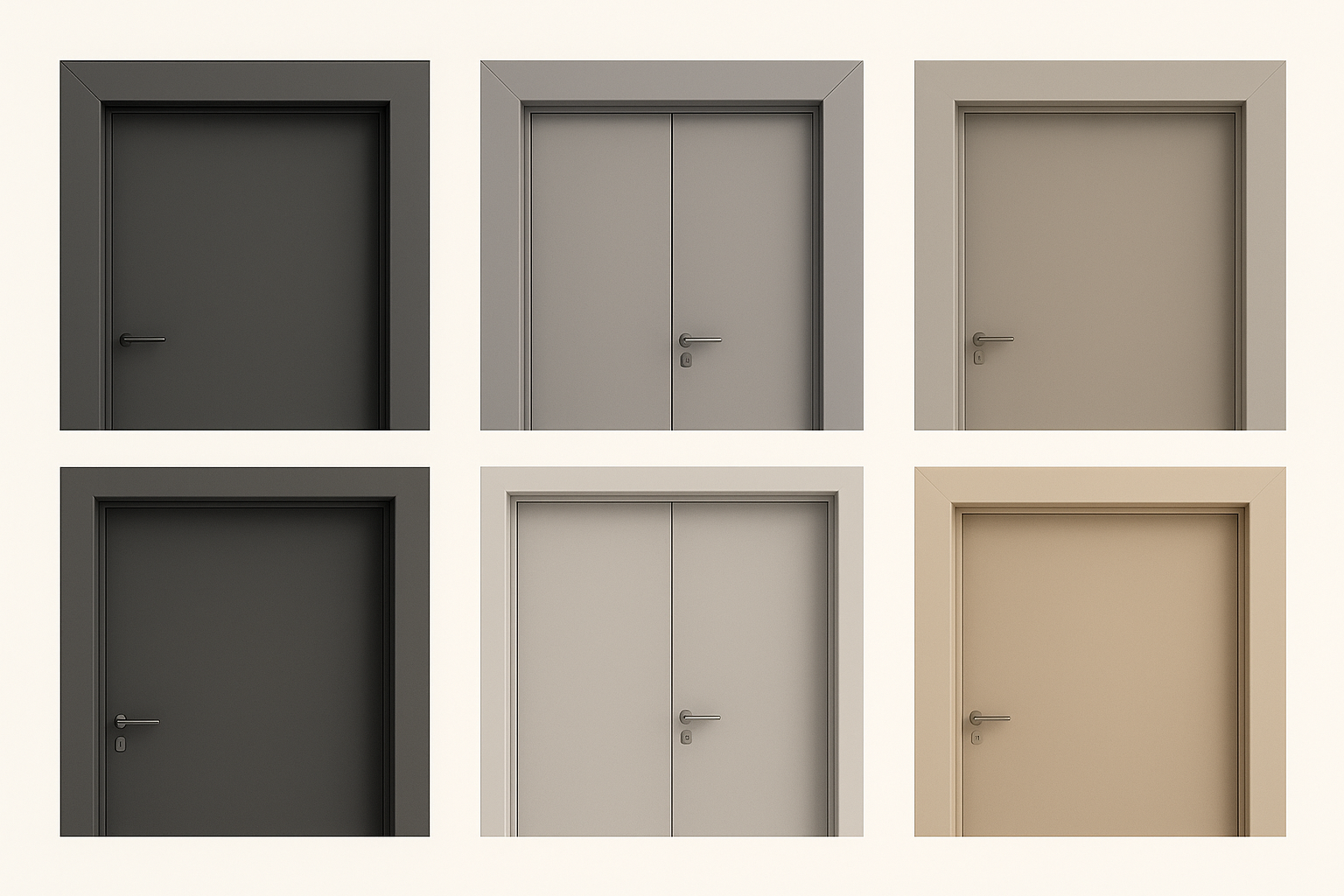
Steel or aluminum frames show up in garages, basements, and sometimes kitchens. Strong. Fire-rated. Good for rentals and houses that take a beating. Not as forgiving if your wall is not straight. The install requires real anchors and solid blocking.
Want to see how they tie into wall studs? The idea is the same as the layout in the framing basics guide. Just different screws, different tolerance.
uPVC Door Frames
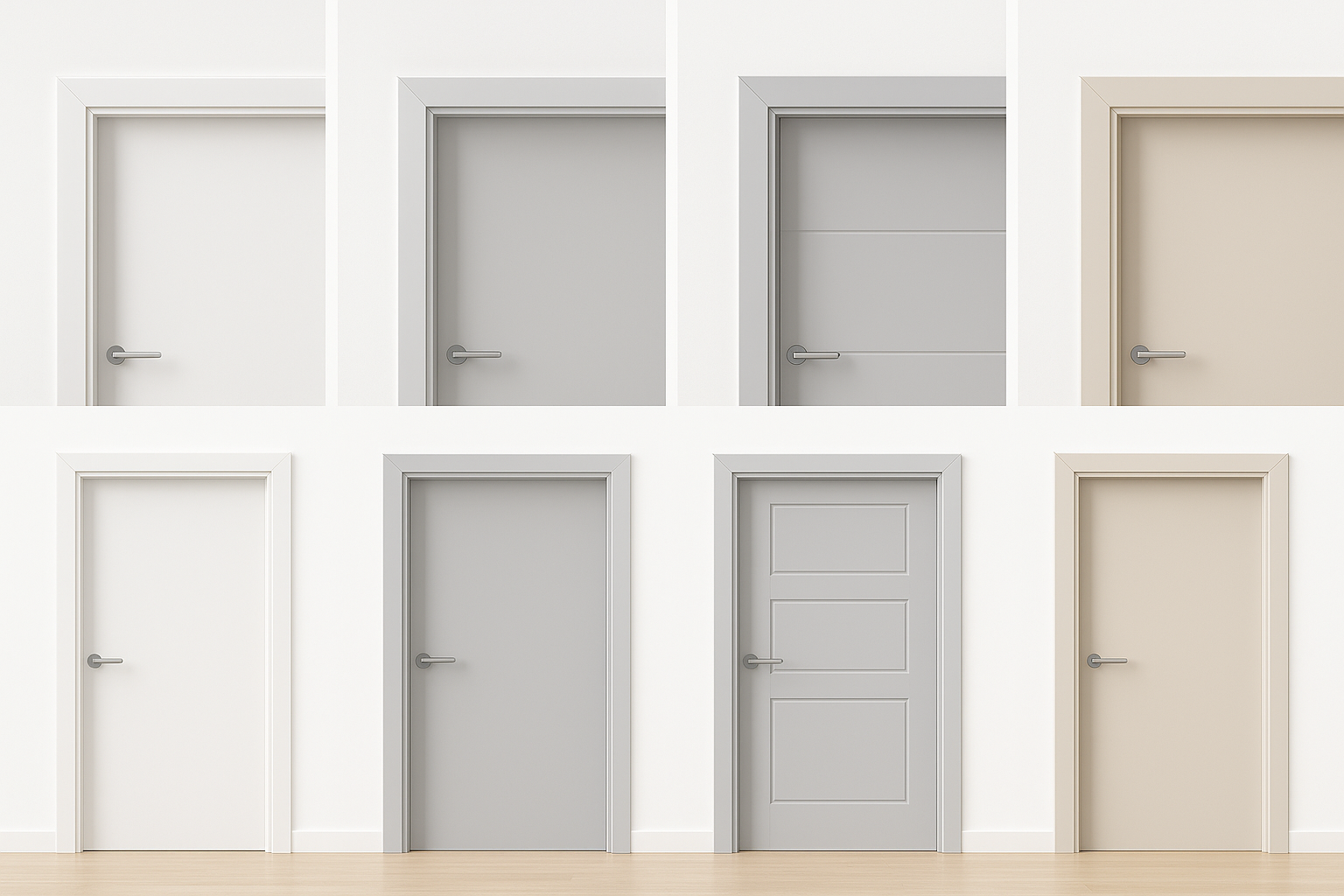
Nice for exterior utility doors. They do not rot. They do not care about rain. They also do not impress anyone at close range. Plastic feel. OK for a rental, shed, mudroom, or cheap flip. Not for main rooms.
Composite Door Frames
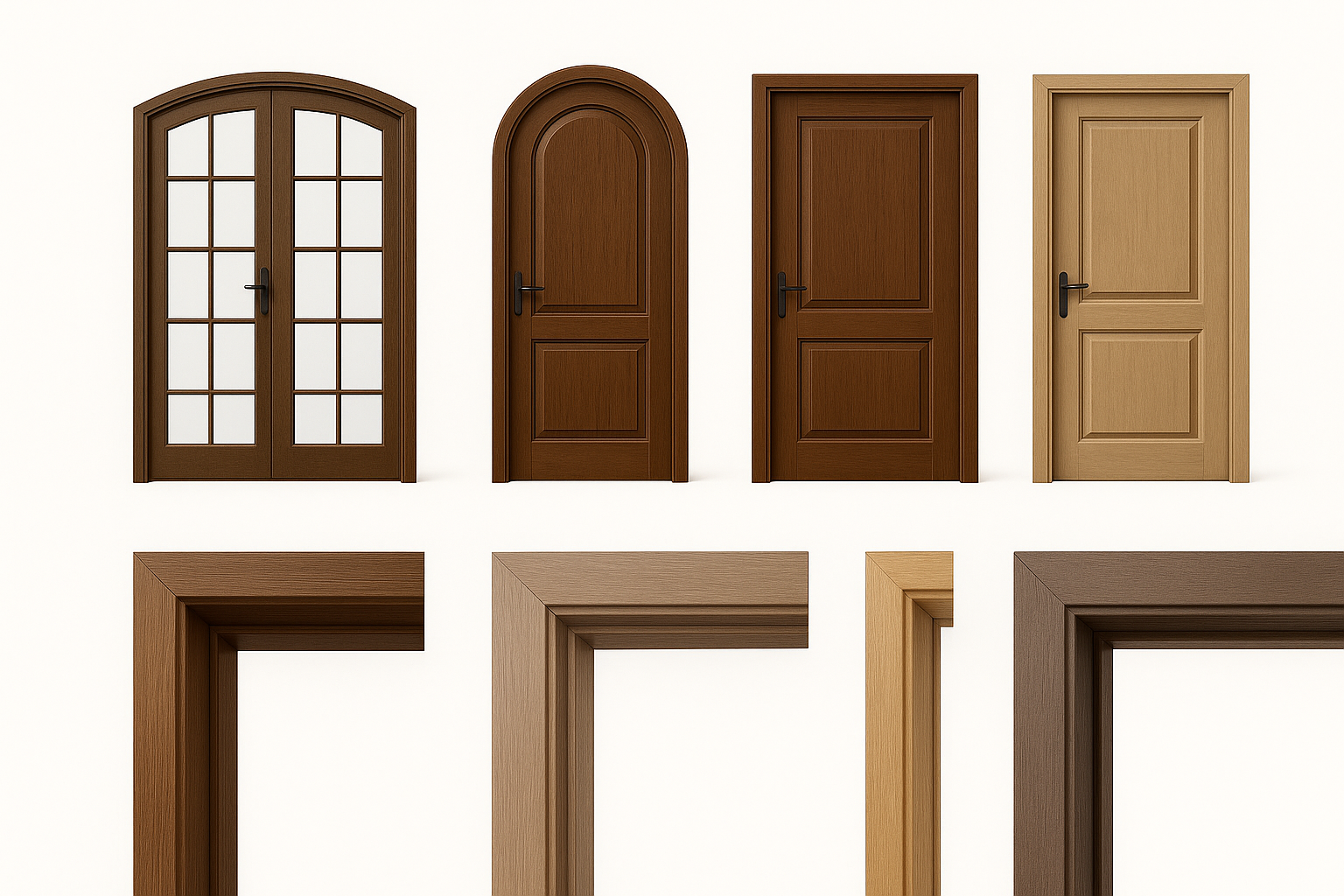
Figure: Collection of composite door frames showing smooth, textured, and wood-look finishes designed for durability and low maintenance in modern homes.
These are the hybrids. Wood fibers and resin. Look like wood from a distance, but they will not soak up water like lumber. Used a lot in newer homes where people want "low maintenance exterior" stamped on the listing.
Costs more. Lasts longer. If you want the wood look on an exterior without babysitting it, go this route.
Pocket Door Frames
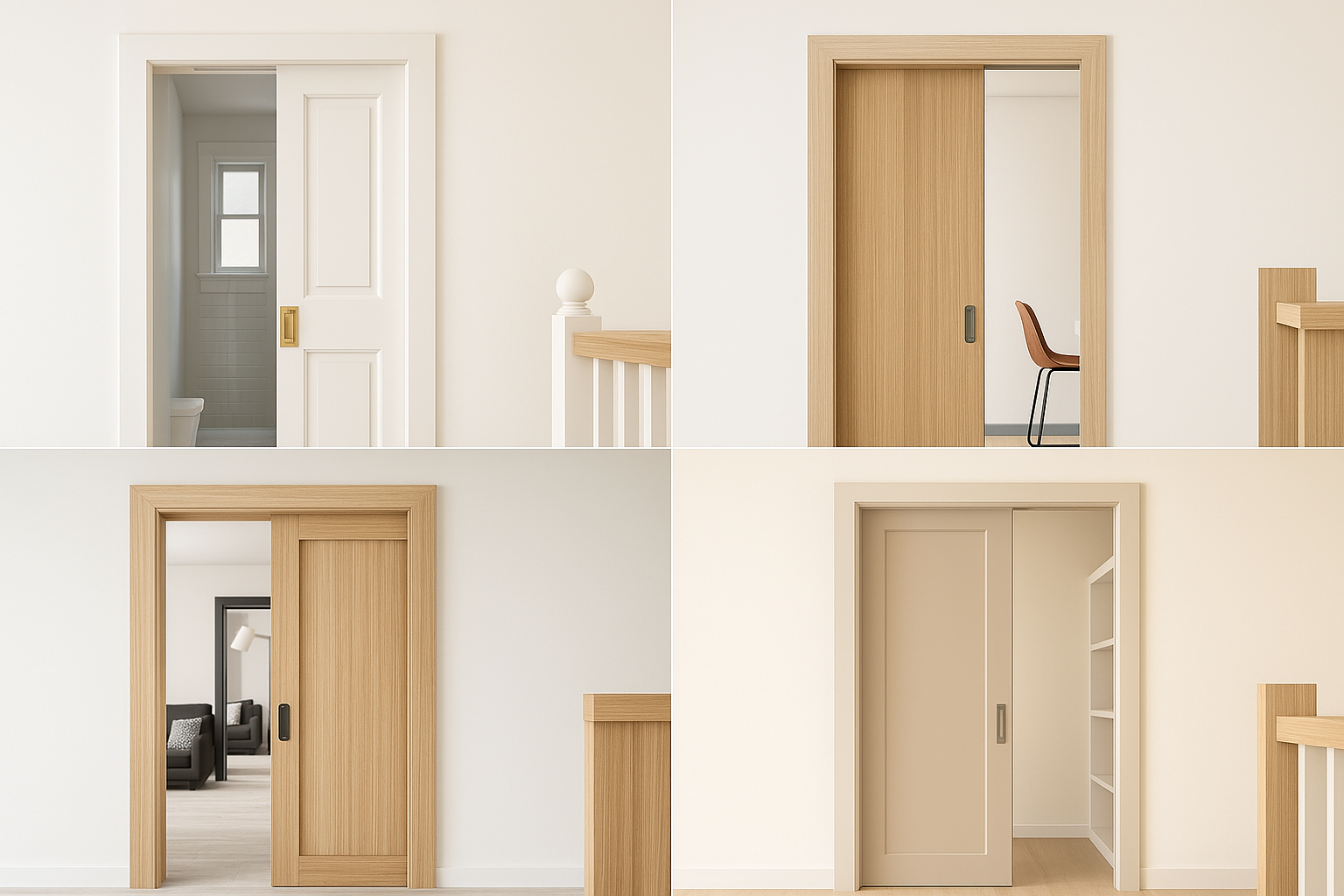
Great when you have no room for a swing. Pocket doors slide into the wall cavity. Good for tight baths, closets, or open-plan homes where you want options. The catch is the wall needs to be straight and empty. No plumbing. No surprise wires. Small mistakes here make big headaches later.
Full walk-through with brands and examples is here: pocket door project page.
The Dry-Fit Door First Rule
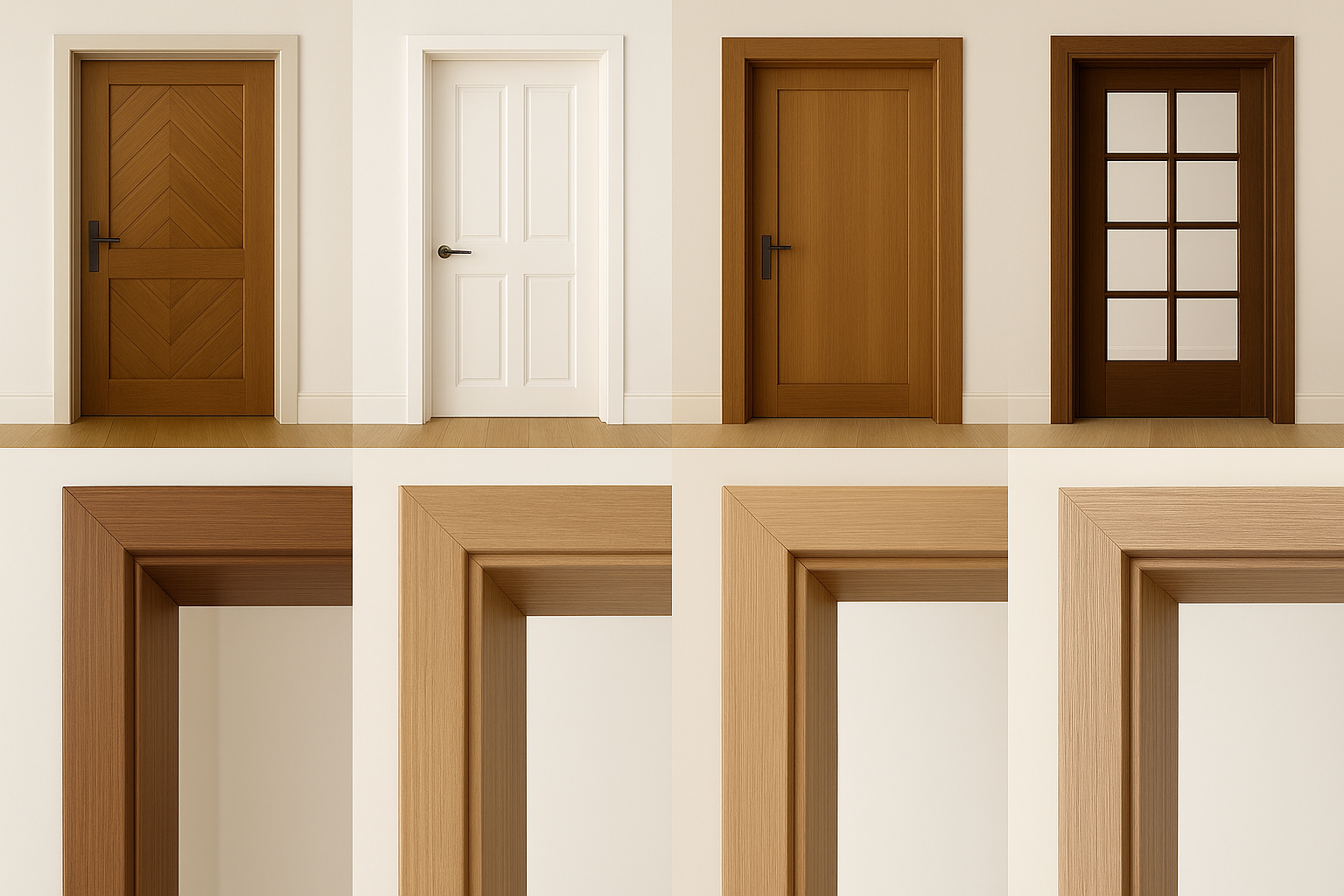
Most people frame first. Then they try to bully the door into whatever space is left. That is the wrong direction. If you want it clean, build the whole unit on the floor first. Door. Hinges. Casing. 1/8 inch reveals. Then lift the whole thing into the wall and shim the wall to the door.
Why it works: gravity and geometry on your side. Flat floor. Perfect square. No drywall bow messing with you. When you bring that unit to the studs, it drops in and stays square. Fast trim. No guesswork.
People avoid it because it takes floor space and feels backwards. But it is faster than wrestling with a half-framed mess.
Quick Tips Before You Buy
Measure the rough opening. Not the old frame.
Check the wall thickness. Drywall counts.
Order one extra hinge screw the size of a deck screw. Spin that into the stud. Door will never sag.
On exterior frames, always seal the sill and bottom plate.
Buy one more tube of caulk than you think. You will need it.
What It Costs
Wood frame kit, primed, interior: 50 to 120 USD.
Metal welded frame: 150 to 300 USD.
Composite or high-end outswing frame: 180 to 400 USD.
Pocket door frame systems: 140 to 500 USD depending on load.
Labor depends on the wall type and how plumb your old house is. Expect 200 to 400 USD per frame for installs. More for pocket or metal frames.
Why Ninety Percent of Door Frames Fail Early
It is not the frame. It is the wall it is sitting in.
You can buy the best frame, the best hinges, and still end up with a door that drags or pops open on its own. That is because the problem was never the frame. It was the bowed stud you ignored, the drywall hump you thought was “fine,” or the fact that the floor dipped half an inch in four feet.
You fix a frame by fixing the wall before the frame ever touches it. That means:
• Checking the studs with a straightedge, not your eyes.
• Cutting back drywall if it is proud of the stud face.
• Shimming from the floor up, not from the middle out.
• Using a laser line on the hinge side before you lift the frame.
Once the wall is true, most frames almost install themselves. Skip this, and no amount of shimming or caulk hides the mess.
Same rule applies whether you’re hanging a cheap hollow-core interior door or a two thousand dollar solid oak entry slab. The frame is only as good as what it sits in.
If that sounds like overthinking it, read this framing walk-through first: basic wall framing and layout. It explains why the whole “just shim it later” move is why people hate installing doors.
Real Mistakes I Keep Seeing
Leaving no gap under the jamb. Wood soaks water. Frame rots.
Screws into drywall only. Nothing holds.
Not sealing exterior thresholds. Wet floors and swollen doors.
Lazy or no shimming. Hinges bind and doors swing on their own.
Buying frames with the wrong depth. Drywall or plaster overhangs.
FAQ
What do I use for a basement door frame?
Metal or composite. Skip raw wood unless you like mold.
Can I replace just the jamb?
Yes. Old casing comes off. New jamb slips in if your wall is straight.
Is a pocket door frame worth it?
If you need space, yes. If you have plumbing in the wall, forget it.
What is the strongest frame?
Welded steel anchored to concrete or solid blocking.
Do I need treated wood for exterior frames?
Only where it touches masonry or sits near the slab. The rest is standard lumber if it is sealed.
Best trick to stop door sag?
Replace one top hinge screw with a 3-inch deck screw. Drives straight into the stud.
If you want deeper dives into layout, check the wall framing walkthrough, or grab the front door design guide if you are working on entry doors. For small-space installs, pocket door setups cover cavity framing and brand picks.