
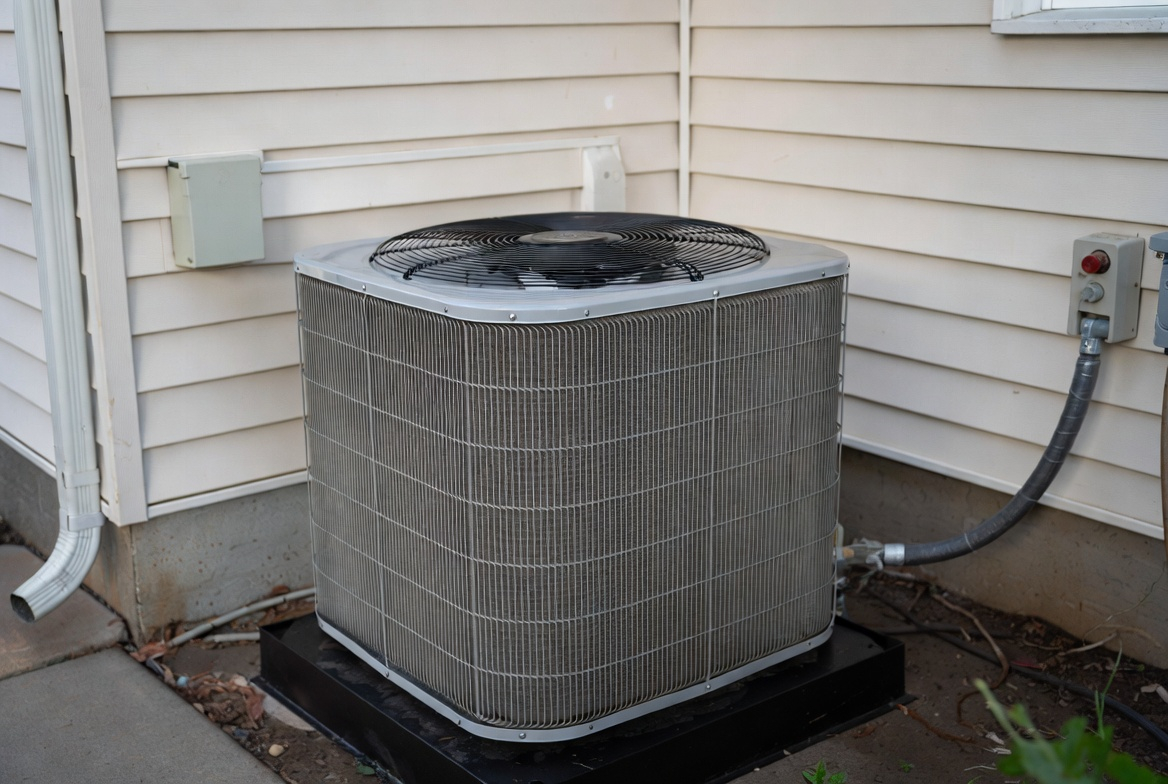
Most heat pump problems do not start with a dead compressor or some dramatic parts failure. They start with boring neglect. A filter that should have been cleaned six weeks ago. Leaves packed against the outdoor coil. A condensate drain that turned slimy in cooling season and then leaked into the ceiling. Snow banked around the unit after one storm. A ductless head that “just smells a little off” until the whole room starts smelling like a wet rag.
That is the real maintenance story. Not glamorous. Not complicated either, but not identical across every system. A central ducted heat pump and a ductless mini-split do not follow the same cleaning rhythm. A cold-climate outdoor unit needs different winter attention than one in a mild zone. And a real service visit is not the same thing as a tech spraying something, swapping a filter, and leaving.
The First Maintenance Mistake
Heat Pumps Are Not Maintenance-Free
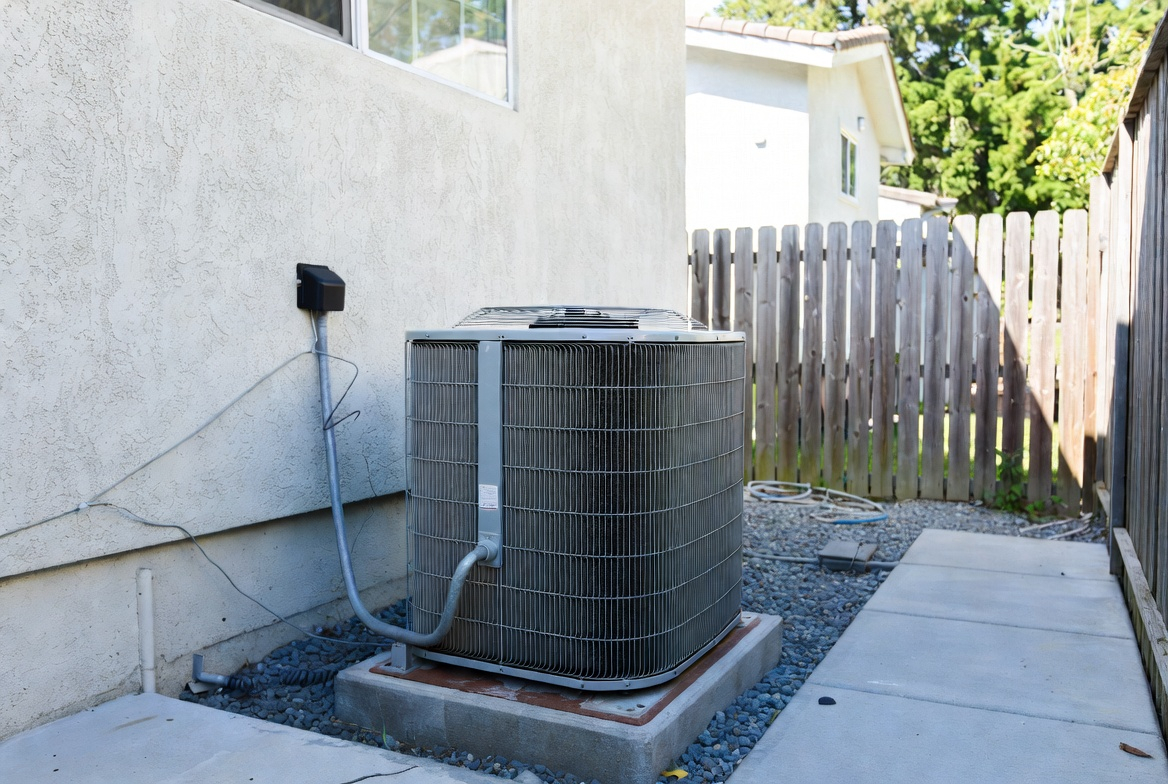
The common assumption is that a heat pump is basically maintenance-free unless it stops heating or cooling. That is how people end up with the exact avoidable failures that keep showing up over and over: restricted airflow, dirty coils, clogged drains, false “icing” panic, and service calls that turn out to be housekeeping.
The boring jobs matter because heat pumps are airflow-dependent machines. Starve them for air, bury the outdoor unit, let condensate back up, or keep the controls in the wrong mode, and performance drops before the system actually “breaks.”
The Maintenance Rhythm That Actually Works
The cleanest way to handle heat pump maintenance is by rhythm, not by panic.
| Task | Ducted Heat Pump | Ductless Mini-Split | When |
|---|---|---|---|
| Check filter | Inspect monthly; clean or replace when dirty | Clean each indoor head filter | Every month during heavy use |
| Minimum filter interval | At least every 3 months if applicable | Usually more often than central systems | Do not assume a 90-day rule fits every house |
| Clear outdoor unit | Leaves, dust, lint, grass, snow, ice, vines | Same | Monthly and after storms |
| Check drain and water path | Condensate drain in cooling season | Indoor head drain and any condensate pump | At cooling season start, then as needed |
| Professional service | Annual minimum | Annual minimum | Spring or fall; twice-year service can make sense on year-round systems |
Filters Are the First Failure Point
This is the easiest thing to maintain and the easiest thing to ignore.
For ducted systems, monthly inspection is the safer habit. Replace or clean the filter when it is dirty, and do not assume it can always go a full 90 days. In houses with pets, renovation dust, candles, wildfire smoke, or just a lot of run time, filters can load up faster than people expect.
For ductless systems, the maintenance interval is usually tighter. Each indoor head has its own filter, and those filters need attention about every 4 to 6 weeks in real life, sometimes sooner in dusty or high-use rooms. That is one of the things people wish they knew earlier: one central filter is easy to remember; four wall heads are not.
The reason this matters is not abstract. Dirty filters cut airflow. Low airflow drags down heating and cooling output, raises run time, and can contribute to coil icing, drain issues, and premature wear.
Outdoor Airflow Is Where Good Systems Go Dumb
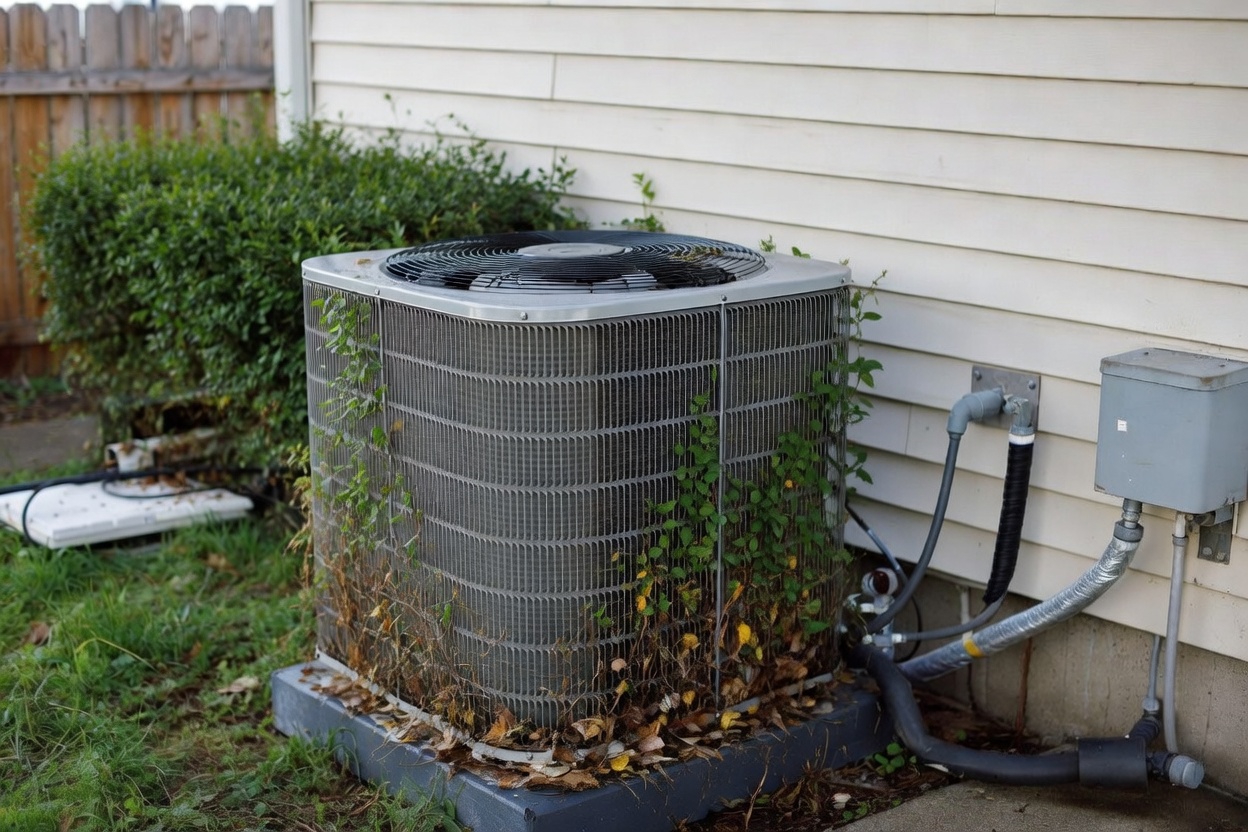
A heat pump outdoor unit needs breathing room. That means no leaves packed into the coil, no dryer lint coating the cabinet, no hedge growing into the side of it, and no snow piled against it after the driveway gets cleared.
If the manufacturer gives a clearance requirement, that number wins. Field practice often lands in the 18- to 24-inch range around the unit, but the manual comes first. The point is simple: blocked airflow makes the system work harder and defrost worse.
One repeated homeowner regret is not paying attention to winter water. In heating mode, outdoor units frost up and then defrost. That melt water has to land somewhere. If the unit sits in the wrong place on a flat pad or tight patio, that water can refreeze into a skating rink or build ice around the base. That is not a refrigerant diagnosis. It is a drainage and placement problem.
Clean the outdoor unit gently. Power off first. If the coil is visibly dirty and the manufacturer allows it, a gentle hose rinse is fine. Do not hit it with a pressure washer. Bent fins are their own maintenance problem.
Drains, Slime, and the Smell Problem
This is the part people postpone because the system is still “working.”
In cooling mode, your heat pump is removing moisture. That means water has to leave the system cleanly. On ducted systems, a clogged condensate drain can lead to water damage, humidity problems, or shutdowns. On ductless systems, the trouble often shows up as smell first. You clean the little screen filters, but the unit still smells musty when it starts up. That usually means the problem is deeper: blower wheel, coil face, drain pan area, or slime in the drain path.
This is one of the biggest ductless surprises. Filter cleaning is necessary, but sometimes it is nowhere near enough.
When the odor keeps coming back quickly, especially in cooling season, the fix is usually not another spray bottle and wishful thinking. It is a proper head cleaning.
Defrost Is Normal Until It Is Not
Another repeated panic point: “My heat pump is smoking.”
In freezing weather, steam or vapor during defrost is usually normal. So is a temporary pause in airflow, outdoor fan changes, or a brief stretch where the air does not feel as warm. A lot of people burn time and money chasing normal defrost behavior because nobody explained it at handoff.
What is not normal is a unit that becomes a solid block of ice and stays that way, or one that keeps losing heat output after you have already handled the obvious airflow issues. If the system does not clear itself after a normal defrost cycle, or the same freeze-up keeps returning, it is time for a pro to check airflow, defrost controls, and refrigerant charge by measurement.
Settings That Create Fake Maintenance Calls
This section is half operation, half maintenance, but it matters because a lot of “my heat pump is acting weird” calls are really settings issues.
Two patterns show up constantly. First: auto mode. On many systems, letting the unit decide whether it should heat or cool can create shoulder-season nonsense when outdoor conditions swing. Second: big temperature setbacks. Many modern heat pumps, especially variable-speed systems, do better with a steady setpoint instead of aggressive nighttime or away setbacks.
That is not a universal rule for every control setup, especially on dual-fuel systems or houses with special programming. But as a general homeowner rule, steady usually beats fidgety.
What a Real Annual Service Should Include
If you are paying for maintenance, it should do more than make you feel responsible.
A real visit should usually include:
- Filter inspection and replacement or cleaning review
- Indoor and outdoor coil inspection, with cleaning as needed
- Condensate drain or pump check in systems that produce condensate during cooling
- Electrical inspection and tightening of connections where appropriate
- Controls and operating check
- Airflow review, including blocked returns, vents, or indoor heads
- Refrigerant performance check by measurement when indicated
- Defrost and outdoor condition review before heating season
- Ductless head cleaning plan if there is odor, reduced airflow, or visible buildup
What should make you cautious is the opposite pattern: no measurements, no explanation, no drain discussion, no airflow discussion, and a quick pivot into upsells. If the whole visit turns into “you need this add-on” before the basics are checked, that is not a serious maintenance culture.
For pricing and quote drivers, see our heat pump cost guide.
The Detail People Miss
Where it applies: Outdoor units in cold climates, especially on patios, tight side yards, or anywhere melt water can refreeze.
What people usually do wrong: They watch for snow on top of the unit but ignore the ice building underneath or around it after defrost cycles.
The correct move: Keep the air path open, keep the unit clear after storms, and pay attention to where winter defrost water lands. If the location lets that water build ice against the base or across a walkway, fix the drainage problem before next winter.
What failure it prevents: Airflow blockage, fan or coil strain, nuisance no-heat complaints, slip hazards, and ugly emergency service calls after a storm.
When it shows up: First freeze-thaw cycle, wet snow events, or extended cold spells when defrost is frequent.
Limit: Do not hack at coil ice with tools. If ice buildup is heavy and persistent after airflow has been restored, stop there and get it diagnosed properly.
What You Can Do Yourself
- Inspect filters monthly
- Clean washable ductless filters on schedule
- Replace central filters when dirty
- Keep supply and return grilles open and unobstructed
- Keep outdoor units free of leaves, lint, weeds, and snow buildup
- Rinse the outdoor coil gently when dirty, if the manual allows it
- Watch for indoor water stains, repeated odor, reduced airflow, or odd noise
- Learn what normal defrost looks like before winter gets serious
What to Leave to a Pro
- Refrigerant charge checks and leak diagnosis
- Electrical diagnosis and board-level troubleshooting
- Persistent freeze-ups
- Indoor coil, blower wheel, or full ductless head deep cleaning when contamination is heavy
- Defrost control problems
- Repeated condensate leaks
- Auxiliary heat or thermostat lockout setup on more complex systems
When to Call Before It Gets Expensive
Do not wait for a complete shutdown if you see one of these:
- Airflow stays weak after filter cleaning or replacement
- The outdoor unit keeps freezing into a solid mass
- You hear hissing or bubbling near the refrigerant lines
- Water is leaking indoors
- The unit trips breakers or throws recurring error codes
- The musty smell comes back fast after filter cleaning
- The system cannot hold temperature even though the obvious maintenance items are handled
One clean rule helps here: if it involves refrigerant, high voltage, or taking the unit apart beyond basic filter access, stop pretending it is a Saturday chore.
FAQ
How Often Should a Heat Pump Be Maintained?
Homeowner-level checks should happen monthly during heavy heating or cooling use. Professional service should happen at least once a year, and twice-year service makes sense for systems that heat and cool year-round or live in harsher climates.
Should I Cover My Outdoor Heat Pump in Winter?
No. Do not cover a working heat pump outdoor unit in winter. It needs to move air and defrost normally. Seasonal covers are for central AC condensers, not heat pumps that are actively heating.
Is Steam Coming Off the Outdoor Unit Normal?
Usually, yes. In freezing weather, visible vapor during defrost is normal. What is not normal is ice that keeps building and never clears.
How Often Should I Clean Mini-Split Filters?
About every 4 to 6 weeks is a good real-world starting point, and sooner if the room is dusty, you have pets, or the unit runs hard most days.
Is Annual Heat Pump Service Worth It?
Usually yes, especially if the visit is real and not just a sales stop. The basics that matter most are filter condition, drain condition, airflow, outdoor cleanliness, electrical checks, control checks, and measured performance when needed.
If a Tech Says I Am “Low on Refrigerant,” Is That Normal?
No. Refrigerant is not a consumable like motor oil. Low charge points to a leak or an installation problem and should be diagnosed properly, not treated like a casual top-off.
What to Do Next
Do three things first. Check the filter. Walk outside and clear the unit. Look for water where it should not be.
That solves a surprising number of “my heat pump is acting up” complaints before they become expensive. Then put the rest on a calendar: monthly filter and airflow check, seasonal outdoor cleanup, annual service, and a real look at drains and odor before cooling season gets humid.
Heat pump maintenance is not magic. It is rhythm. The systems that stay boring the longest are usually the ones that get that rhythm right.