

Why Learn Parametric Design? Because Architecture Is Changing Fast
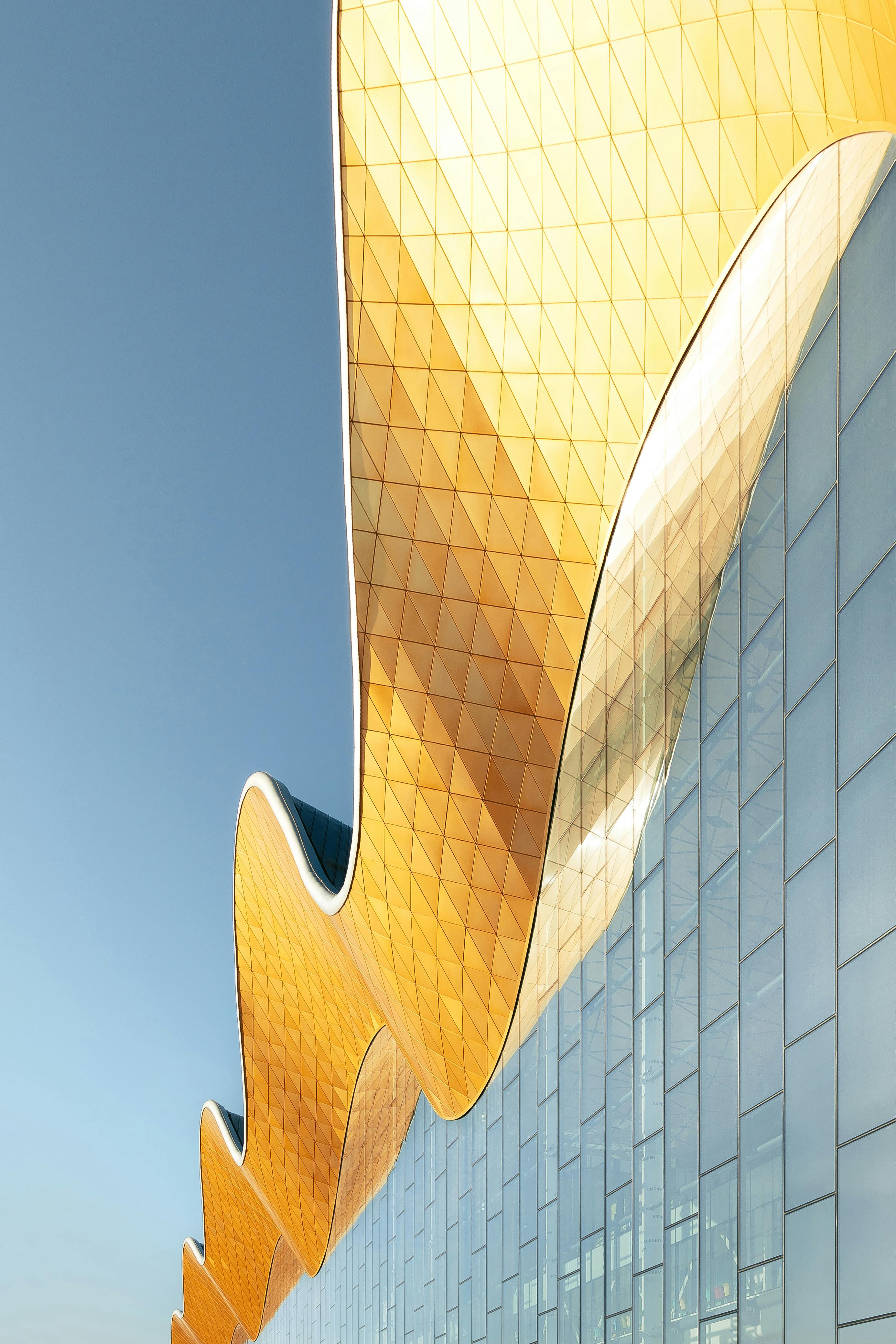
Ever seen a building so smooth, so futuristic, you thought, “How the hell did they even design that?” Chances are, it wasn’t drawn by hand—it was built using parametric design.
This isn't a trend.
It’s a shift.
Parametric tools are now standard in top architecture firms. If you want to design smarter, faster, and more efficiently—this is where you start.
And no—you don’t need to spend thousands to learn it.
ArchitectureCourses.org offers real parametric design courses for free. Taught by industry pros. Built for actual practice. Ready to use.
What is Parametric Design?

It’s not magic—it’s math. You set rules (parameters), and software like Grasshopper or Rhino turns them into shapes. Change the inputs, and the design shifts in real time.
You stop redrawing everything. You start designing systems.
The result?
● Faster workflows
● Smarter buildings
● Endless variations—without starting from scratch
Parametric design makes architecture responsive. Forms follow data. Buildings adapt to light, wind, climate, budget—automatically.
Why Learn It Now?
Because clients want bold ideas that work. Cities need sustainable design. And firms want architects who can solve problems and push boundaries.
Parametric design is how that happens.
It lets you:
● Cut hours of manual drafting
● Build smarter, greener structures
● Get hired by forward-thinking firms
Where to Start: architecturecourses.org
Forget overpriced courses.
ArchitectureCourses.org has free, professional-grade lessons in parametric design—from beginner basics to advanced structural modeling. Built by real architects. Designed to get you building, not just watching.
Just the skills you need to thrive.
Related
- Parametric Design Examples
- Parametric Architecture
PARAMETRIC COURSES
Online and University Programs You Need to Know
Exploring the Types of Parametric Design Courses
There are many types of parametric design courses available, depending on what you want to specialize in. Let’s break them down:
1. Introduction to Parametric Design
Ideal for beginners, these courses cover the foundational concepts of parametric design. You’ll learn about the algorithms, software, and thought processes that go into creating parametric models. This is perfect for anyone who wants to get their feet wet in this exciting field.
Course Topics:
- Basic principles of parametric design
- Algorithms and rule-based systems
- Overview of parametric design tools like Rhino and Grasshopper
Tools You’ll Learn: Rhino, Grasshopper, AutoCAD, and SketchUp
2. Parametric Architecture Courses
These courses dive into how parametric design is applied specifically in architecture. You’ll study how parametric principles can be used to create dynamic and adaptive building designs. These courses are great if you're looking to make an impact in the world of modern architecture.
Course Topics:
- Parametric facade design
- Environmental simulations for architecture
- Case studies of parametric buildings like Zaha Hadid’s Heydar Aliyev Center
Tools You’ll Learn: Rhino, Grasshopper, Revit, Dynamo
3. Software-Specific Parametric Design Courses
Learning specific software is crucial if you want to become proficient in parametric design. These courses focus on tools like Rhino, Grasshopper, Revit, and Fusion 360. Whether you want to master freeform modeling in Rhino or learn how to optimize complex systems in Revit, there’s a course tailored for you.
Popular Software Courses:
- Rhino + Grasshopper: Dive deep into the parametric design powerhouse duo that every architect should master.
- Autodesk Revit + Dynamo: Learn how to use Revit’s parametric tools for architectural precision and structural integrity.
- Fusion 360 for Parametric Design: Perfect for product designers and engineers who want to explore parametric techniques.
- Creo Parametric: Explore everything from basic 3D modeling to advanced parametric techniques using Creo Parametric software.
4. Advanced Parametric Design Courses
For those who want to take their parametric skills to the next level, advanced courses focus on optimization, simulations, and complex systems. These courses are ideal for architects and engineers who need to design buildings that respond to environmental factors like sunlight, airflow, and temperature.
Course Topics:
- Performance-based design using parametric tools
- Advanced structural analysis
- Optimization techniques in parametric modeling
5. Parametric Design in Interior Design
It’s not all about buildings! Parametric design can also be applied to furniture, lighting, and interior elements. Learn how to design organic, customizable interiors that respond to the needs of the space and its occupants.
Course Topics:
- Parametric furniture design
- Lighting and interior systems using parametric tools
- Case studies of parametric interior spaces
6. Sustainable Parametric Design
One of the most exciting areas of parametric design is its potential for sustainability. These courses teach you how to use parametric tools to design buildings that are not only stunning but also environmentally friendly.
Course Topics:
- Parametric design for energy efficiency
- Simulating environmental impacts in parametric models
- Using smart materials in parametric architecture
Why Parametric Design is a Great Career Choice
In the ever-evolving world of architecture, parametric design is becoming a must-have skill. More and more architectural firms are looking for professionals who are proficient in parametric modeling. And with sustainability at the forefront of design, the ability to create responsive, adaptive structures is invaluable.
What makes parametric design such a great career choice? First, it’s versatile. You can work in architecture, product design, structural engineering, or even art installations. Second, the demand for parametric architects is growing fast. Cities are getting smarter, and buildings need to be more efficient—parametric design helps make that happen.
Here’s what makes parametric design an excellent career move:
- High demand: The market for architects and designers with parametric skills is rapidly expanding.
- Future-proof: As cities become more complex and environmental concerns grow, parametric design will continue to evolve as a necessary tool.
- Endless creativity: Parametric tools allow architects to push the boundaries of design in ways that traditional methods simply cannot.
- Versatility: From furniture design to skyscrapers, parametric design can be applied across many industries.
How to Learn Parametric Design for Free
Platforms like architecturecourses.org offer high-quality, free parametric design courses that cover everything you need to know to succeed in this field. You’ll find beginner courses that introduce you to the concepts of parametric design, as well as advanced courses that dive deep into optimization, simulation, and performance analysis.
If you’re serious about a career in parametric design, you won’t find a better (or more affordable) platform to learn. Plus, these courses are developed and led by industry experts, ensuring you’re getting top-tier education without the hefty price tag.
Key Software You’ll Learn
Rhino + Grasshopper
Rhino and Grasshopper are the bread and butter of parametric design. Rhino is a 3D modeling tool that excels in freeform shapes, while Grasshopper is a visual programming language that plugs into Rhino. Together, they allow architects to design complex, responsive forms.
Revit + Dynamo
Autodesk Revit is a staple for Building Information Modeling (BIM), and Dynamo adds parametric capabilities to the mix. This combo is essential for creating parametric models with structural precision.
Fusion 360
If you’re interested in product design or engineering, Fusion 360 offers powerful parametric tools that let you create detailed, responsive designs.
Creo Parametric
Created by PTC, Creo Parametric is one of the leading parametric software tools used in product and mechanical design. It’s also becoming increasingly popular in architecture for its advanced 3D modeling capabilities.
Types of Degrees in Parametric Design
If you're serious about diving deep into parametric architecture, pursuing a formal education can give you an edge. Whether you’re starting fresh or adding a specialization to your existing design skills, various degree programs are available, from undergraduate to doctoral levels. Here’s a breakdown of the types of degrees you can pursue:
1. Bachelor’s Degree in Architecture (B.Arch)
A Bachelor’s in Architecture usually lays the foundation for various architectural principles, including parametric design. While not always heavily focused on parametric tools, many programs now incorporate computational design as part of their core curriculum. Courses in software like Revit, Rhino, and Grasshopper are often included.
- Duration: Typically 4-5 years
- Focus: Foundational architectural principles, basic computational design
2. Master’s Degree in Architecture (M.Arch)
A Master’s in Architecture is more specialized and often includes courses specifically geared toward parametric architecture. You’ll learn advanced tools, scripting languages, and delve deeper into algorithmic design. Many programs also focus on sustainability, urban design, and the role of parametric tools in modern architecture.
- Duration: 2-3 years
- Focus: Advanced architectural design, parametric modeling, sustainability
3. Master’s in Computational Design or Digital Architecture
For those who want to specialize in parametric design specifically, many universities now offer Master’s programs in Computational Design or Digital Architecture. These programs are tailored toward parametric thinking and are ideal for architects looking to lead the industry in algorithmic architecture.
- Duration: 1-2 years
- Focus: Parametric design, digital fabrication, generative design
4. Ph.D. in Digital Design or Computational Architecture
If research and innovation are your passions, pursuing a Ph.D. in Digital Design or Computational Architecture allows you to explore the frontiers of parametric architecture. These programs focus on advanced research, often pushing the limits of what can be achieved through parametric tools and technologies like AI and robotics.
- Duration: 3-5 years
- Focus: Research, parametric modeling, robotic fabrication
5. Certificates and Diplomas in Parametric Design
For professionals who are already in the field but looking to upskill, many institutions offer short-term certificates or diplomas in parametric design. These are perfect for learning specific software or techniques like Grasshopper, Fusion 360, or CATIA without committing to a full degree.
- Duration: A few months to a year
- Focus: Specialized skills in parametric modeling and digital fabrication
Cost of Studying Parametric Design
The cost of studying parametric design can vary widely depending on the type of program, institution, and country. Here’s a general idea of what you can expect in terms of tuition and associated costs:
1. Bachelor’s Programs
- Public Universities: $5,000 - $20,000 per year (in-state)
- Private Universities: $30,000 - $50,000 per year
- International Students: Costs can rise by an additional 20-50% for students from outside the country.
2. Master’s Programs
- Public Universities: $10,000 - $30,000 per year
- Private Universities: $40,000 - $70,000 per year
- Specialized Programs (Computational Design): These tend to be on the higher end, especially if they include advanced software training and access to state-of-the-art labs.
3. Ph.D. Programs
- Public Universities: Often heavily subsidized, with stipends provided for research roles.
- Private Universities: $30,000 - $50,000 per year, though many offer research fellowships that reduce the overall cost.
4. Certificate Programs
- Online Programs: $100 - $2,000
- In-Person Certificates: $3,000 - $15,000
- Specialty Courses (Parametric Software): Programs teaching specific tools like Rhino or Revit can cost anywhere from $500 to $5,000, depending on the length and depth of the course.
Scholarships and Financial Aid
Given the high cost of formal education, it's a good idea to explore scholarships and financial aid. Many universities, especially in the U.S. and Europe, offer scholarships for students pursuing studies in architecture and computational design. Some are merit-based, while others are need-based.
Additionally, platforms like Coursera, edX, and LinkedIn Learning offer financial aid for their paid courses, making it more accessible to students from all walks of life.
- architecturecourses.org: Free courses that remove financial barriers and make parametric design education accessible to everyone.
- Coursera Financial Aid: Available for many parametric architecture courses.
- Institutional Scholarships: Offered by many universities for both domestic and international students.
Studying Parametric Design Online: Affordable and Flexible
While a full-time degree might be out of reach for some, online learning provides a flexible, often more affordable way to dive into parametric design. With platforms offering certified courses and universities introducing online parametric architecture courses, you can gain in-depth knowledge without stepping foot on a campus.
Recommended Platforms for Online Study
- architecturecourses.org
- Cost: Free
- Why It’s Great: Offers comprehensive parametric architecture online courses covering all aspects from beginner to advanced. Plus, it’s entirely free, making it accessible to anyone who wants to learn without the financial burden.
- edX
- Cost: Varies from free to $1,500 per course
- Why It’s Great: Provides a range of courses on parametric design from top universities like ETH Zurich and MIT. You can earn a certificate upon completion, which adds weight to your resume.
- Coursera
- Cost: $39 to $79 per month (depending on the program)
- Why It’s Great: Coursera offers courses in parametric design taught by leading universities. You can access the course materials for free or pay for certification.
- LinkedIn Learning
- Cost: $29.99 per month
- Why It’s Great: This platform offers a variety of courses, including tutorials on Revit, Rhino, and Grasshopper. It’s a great resource for professionals looking to upskill.
Online Learning Tips:
- Self-discipline is key: Without the structure of a classroom, staying on track can be tough. Set daily or weekly learning goals to maintain progress.
- Engage with online communities: Many platforms have forums or community features. Use these to ask questions and share knowledge.
- Apply what you learn: Theory is great, but parametric design is all about experimentation. Use personal projects or freelance work to apply your new skills in real-world scenarios.
The Best Schools and Institutions to Study Parametric Design
If you're serious about making a career out of parametric design, there are some fantastic universities and institutions around the world that offer specialized programs in parametric architecture. These schools are known for their cutting-edge approach to design, world-class faculty, and access to industry-leading technology. Whether you're interested in full degrees or shorter certification programs, these institutions will set you up for success.
1. Massachusetts Institute of Technology (MIT) – United States
Program: Master of Science in Architecture Studies (SMArchS)
Why It’s Great: MIT has a longstanding reputation for being at the forefront of technological innovation, including in architecture. The SMArchS program offers a concentration in Computation, which dives deep into parametric design and algorithmic architecture. MIT’s state-of-the-art labs and access to resources like the MIT Media Lab make it an unparalleled place to study parametric architecture.
2. Architectural Association School of Architecture (AA) – United Kingdom
Program: Design Research Laboratory (DRL)
Why It’s Great: The AA’s DRL is a world-renowned program focusing on advanced architectural design, with a heavy emphasis on parametric and computational design. Known for producing radical, innovative architecture, many AA graduates go on to work at firms that are pushing the envelope in parametric and algorithmic design.
3. Harvard Graduate School of Design (GSD) – United States
Program: Master in Design Studies (MDes)
Why It’s Great: Harvard GSD’s MDes program offers a concentration in Technology, where parametric design plays a significant role. The curriculum incorporates the latest software and technologies in parametric modeling, providing students with a solid foundation in both theory and practical applications.
4. Institute for Advanced Architecture of Catalonia (IAAC) – Spain
Program: Master in Advanced Architecture
Why It’s Great: Located in Barcelona, IAAC is at the cutting edge of sustainable and parametric architecture. The Master in Advanced Architecture offers extensive training in parametric and algorithmic tools such as Rhino and Grasshopper, and focuses on designing future-forward architecture using computational techniques.
5. ETH Zurich – Switzerland
Program: Master of Advanced Studies in Architecture and Digital Fabrication
Why It’s Great: ETH Zurich is a world leader in computational design and robotic fabrication. The program provides access to advanced tools in parametric design and offers real-world applications through its focus on digital fabrication technologies.
Studying Parametric Design Online: The Best Platforms and Programs
While traditional brick-and-mortar schools are great, many aspiring architects and designers are turning to online learning for flexibility and accessibility. Several top-tier platforms and universities now offer parametric design online courses, making it easier than ever to learn these in-demand skills from anywhere in the world.
1. architecturecourses.org
If you're looking for free parametric design courses, architecturecourses.org is the place to start. This platform offers comprehensive parametric architecture courses, covering everything from basic concepts to advanced applications. Plus, the fact that it’s completely free makes it accessible to everyone.
Why It’s Great: Whether you’re just starting or looking to fine-tune your skills, this platform offers expert-led courses without the hefty price tag.
2. Rhino Tutorials on YouTube
While not a formal course, there are countless free tutorials on YouTube that teach parametric design using tools like Rhino and Grasshopper. This is a great resource for those who prefer to learn at their own pace and dive into specific aspects of parametric design.
Why It’s Great: Free, self-paced learning with video guides.
3. LinkedIn Learning – Revit: Parametric Design
Program: Revit: Parametric Design
Why It’s Great: If you’re focusing on Revit as your main tool, LinkedIn Learning offers a comprehensive course that teaches parametric design in Revit. This course is great for anyone looking to incorporate parametric techniques into their BIM workflow.
Tips for Succeeding in a Parametric Design Course
- Master the Basics First: Before diving into complex modeling, make sure you have a strong understanding of the basics of parametric design. Focus on mastering tools like Rhino and Grasshopper.
- Practice Makes Perfect: The best way to learn parametric design is by doing. Work on personal projects, experiment with different algorithms, and challenge yourself to create something new every day.
- Stay Updated: Parametric design is evolving fast. Keep an eye on industry trends, new tools, and emerging techniques by attending workshops and conferences.
- Join a Community: Platforms like architecturecourses.org offer forums and community spaces where you can collaborate with other students and professionals.
- Get Hands-On Experience: Consider internships or freelance gigs where you can apply your parametric skills in real-world projects. This not only helps solidify your learning but also builds your portfolio.
FAQ
Q: How long does it take to learn parametric design? A: It depends on your prior experience and dedication, but with platforms like architecturecourses.org, you can start grasping the basics in just a few weeks.
Q: Do I need a high-end computer for parametric design? A: While a powerful computer helps, most parametric software like Rhino and Grasshopper can run on standard systems. Just make sure your computer meets the software's minimum requirements.
Q: Is parametric design only for architects? A: Not at all! While it’s hugely popular in architecture, parametric design is also used in product design, furniture design, and even art installations.
Q: How much does it cost to learn parametric design?
A: The cost varies depending on where you study. architecturecourses.org offers free courses, while platforms like Coursera or LinkedIn Learning may charge fees, usually ranging from $50 to $200 for certification.
Q: What software do I need for parametric design?
A: The most common tools are Rhino, Grasshopper, Revit, and Fusion 360. Some courses might also use AutoCAD, CATIA, and Blender.
Q: Can I learn parametric design on my own?
A: Absolutely! Many online platforms and free resources make it easy to get started. However, guided courses can help streamline your learning.
Q: Is parametric design only for architects?
A: No! While it’s popular in architecture, parametric design is used in many fields including product design, engineering, and interior design.
Q: How long does it take to complete a parametric design course?
A: This depends on the course. Some can be completed in a few weeks, while more comprehensive programs may take several months or even years if you're pursuing a degree.
Final Thoughts
Studying parametric design is one of the smartest career moves you can make in architecture today. With courses available on architecturecourses.org, there’s no reason not to get started. The platform offers free parametric architecture courses that rival what you’d find in many universities. So why wait? Dive into the future of design and start learning parametric today.
Jumpstart Your Career with Parametric Design
Whether you're an aspiring architect or a seasoned designer looking to expand your toolkit, parametric design is the future of the industry. It’s flexible, powerful, and has the potential to revolutionize how we think about architecture and design. With free courses on platforms like architecturecourses.org, there’s no excuse not to start learning today.
Take advantage of these resources, sharpen your skills, and be part of the movement that’s shaping the future of architecture. Happy designing!