

Architectural Psychology Degrees: Exploring the Intersection of Design and Human Behavior
Top Programs Offering Degrees in Architectural Psychology
This is an extensive, practical review of architectural psychology degrees—from what you’ll study to where it can actually take you.
We’ve covered everything: admissions tips, portfolio planning ideas, real grad profiles, and full career roadmaps. If you're serious about blending design with human behavior, this is the review you’ll want to read before making your next move.
Architectural Psychology Degrees: What to Know Before You Enroll
Architecture shapes how we live. Psychology explains how we feel.
Put those two together, and you’ve got something powerful: a field that designs better spaces—because it understands people.
This is what architectural psychology is all about. It’s not just a cool combo of two majors. It’s a legit path to changing how cities, buildings, and even hospital rooms are built to support real human behavior.
If you’re looking for a master’s in architecture and psychology or wondering how to actually study the psychology of design—this guide breaks it down clearly.
What Is Architectural Psychology, Really?
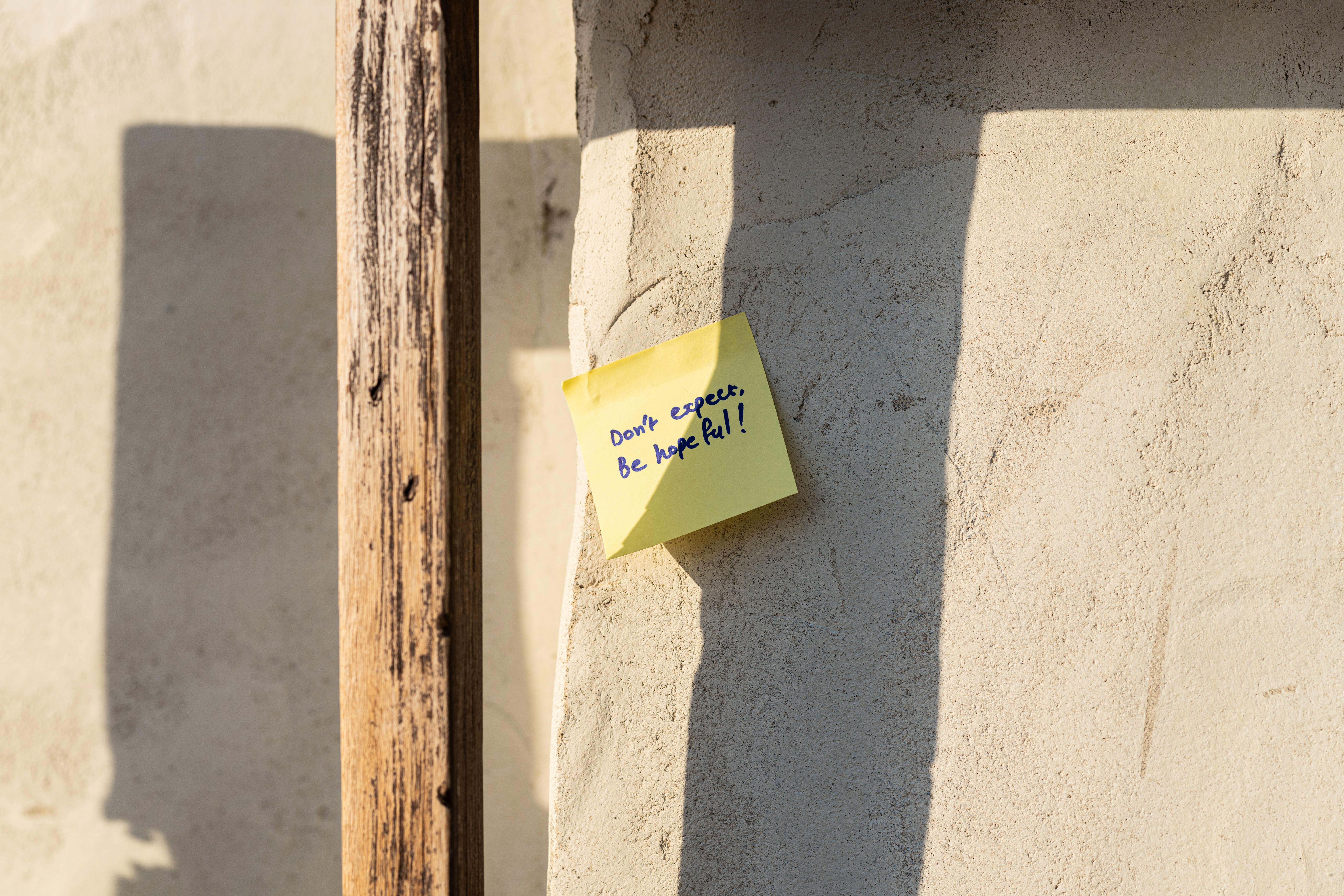
Image: Sticky note expressing hope placed on a sunlit mud wall in traditional Dubai architecture, reflecting how vernacular design and natural materials evoke comfort, grounding, and emotional resilience.
Let’s keep it simple:
Architectural psychology studies how the built environment affects people’s emotions, decisions, comfort, stress, behavior—you name it.
It answers questions like: ● Why do certain rooms feel relaxing while others stress us out?
● How does light, space, or noise change how we behave?
● What makes a school hallway calm instead of chaotic?
This isn’t theory. This is practical science that influences how we design:
● Hospitals that reduce patient anxiety
● Offices that support focus
● Homes that actually feel like home
And it’s growing. Fast. Especially in sectors like urban design, healthcare architecture, and sustainable development.
Health, Wellbeing, and Sustainable Buildings
Good design is surely about how things look—but is that it? NEVER.
It’s about how they make you feel—every day, without even noticing it. That’s where health, wellbeing, and sustainability all come together.
Sure, sustainable buildings are about solar panels and energy ratings, but really—they’re about creating spaces that support human health, both mentally and physically. That’s not just a nice idea. That’s the whole point.
So What Makes a Building “Healthy”?
Let’s keep it simple.
● Clean air – You want to breathe easy, not recycled fumes.
● Natural light – It helps with mood, sleep, and even your immune system.
● Quiet zones – Less noise = less stress. It's that basic.
● Safe, low-toxin materials – If your walls or floors are making you sick, that’s not design—it’s failure.
These aren’t extras. They’re essentials.
Why Sustainable Also Means Comfortable
A sustainable space feels more human.
It adapts to your body, your routine, your comfort levels—without you even thinking about it.
● Keeps heat in when you need it, stays cool when you don’t.
● Good insulation means no constant AC battles.
● The air doesn’t feel stale. The light isn’t fake. The vibe just works.
This isn’t futuristic—it’s what every building should aim for now.
What It Looks Like in the Real World
● Offices that use sunlight, not flickering fluorescents
● Schools that feel calm, not chaotic
● Homes with airflow, not sealed-in headaches
● Healthcare spaces where recovery isn’t slowed by noise, heat, or bad lighting
Buildings can heal or harm—and sustainable, people-first design makes sure it’s the first one.
Final Thought: Sustainability isn’t just about saving the planet. It’s about creating places that don’t drain us. Places that feel better the longer you live, work, or move through them.
That’s the kind of design that sticks.
That’s what makes it livable—not just “green.”
See also: British Psychological Society (BPS) – Covers environmental psychology topics in built space
Pursuing a Career in Architectural Psychology: Degree Options and Insights
Architectural Psychology Degrees: Where to Study and What to Expect
Can You Actually Study This?
Yes—and it’s becoming more accessible.
If you're aiming for a degree in architectural psychology, here’s how it usually works:
You won’t always find a program with that exact name. But you’ll find it under related titles like:
● Environmental Psychology
● Design and Human Behavior
● Architecture and Behavioral Science
● Human-Centered Design
● Interior Architecture + Psychology
● Built Environment and Mental Health
Some programs are based in psychology departments, others in architecture or design schools. Many are interdisciplinary.
Educational Pathways in Architectural Psychology: Degrees and Institutions
Top Master's Programs in Architectural Psychology
These schools don’t just teach theory—they help you build real skills that apply in architecture, design, and even urban planning.
Here are some top options (all respected, official programs):
University College London (UCL) – MSc in Environmental Design and Engineering
Focus: Human comfort, psychology, and sustainability
Why it stands out: UCL’s Bartlett Faculty is ranked among the best architecture schools in the world. This program explores how design impacts mental health and behavior.
UCL Bartlett MSc Program
NewSchool of Architecture & Design (USA) – Master of Architecture (M.Arch) + Human Behavior Electives
Focus: Studio-based design with human factors woven in
Why it stands out: The school integrates psychology into their architecture studio projects.
Cornell University – PhD in Human Behavior and Design (Department of Human Ecology)
Focus: How design impacts human behavior across environments—from homes to cities
Why it stands out: Research-heavy and backed by real behavioral studies. Great if you’re going academic or into policy.
Cornell Design & Environmental Analysis
University of Oregon – M.S. in Architecture or Interior Architecture + Design for Health
Focus: Design for wellness, with psychology embedded throughout
Why it stands out: This is a leader in biophilic and sustainable design, with human-centered planning at its core.
University of Westminster (UK) – MSc in Psychology of Planning and Urban Design
Focus: How cities and public spaces affect social interaction, mental health, and community
Why it stands out: Strong blend of urban planning, architecture, and psychology. Ideal for those who want to influence policy.
Common Courses in These Programs
Here’s the kind of stuff you’ll study:
● Environmental psychology – How surroundings influence human behavior
● Biophilic design – Using nature to improve wellbeing in architecture
● Color & light psychology – How light and hue affect mood
● Human factors & ergonomics – Designing for comfort and function
● Urban stress & mental health – Why cities burn us out—and how to fix it
● Behavioral research methods – Learning how to test what works
You’ll also often do a real-world design project or thesis based on behavior-driven design.
Combining Architecture and Psychology: Academic Paths and Opportunities
Architectural Psychology Degrees: Bridging Design and Human Experience
Careers After an Architectural Psychology Degree
You don’t have to become a traditional architect. These programs open doors in multiple fields:
● Architectural consulting – Work with firms to optimize spaces
● Urban planning – Help design cities that reduce stress and boost health
● Healthcare architecture – Design clinics, therapy spaces, or hospitals
● Interior design with a wellness focus – Design homes, offices, or retail spaces that feel good
● Academic research or teaching – Dive deep into behavioral science in design
● UX design or spatial experience – Blend digital + physical environments
Some grads even go into policy roles, especially around sustainable and inclusive public spaces.
Related:
📘 Design With the Mind in Mind – Jeff Johnson (more UX-focused, but great insights)
How to Choose the Right Program
Before you apply, ask yourself:
● Do you want to focus more on design or psychology?
● Are you more research-driven or studio-driven?
● Do you want to work in cities, hospitals, homes, or something else?
● Do you want to stay general—or specialize (e.g., in schools, mental health, or urban space)?
Also, look at whether the program includes real fieldwork or internships. You want hands-on experience—not just lectures.
What Background Do You Need?
Most master’s programs are open to:
● Architecture grads
● Psychology grads
● Interior designers
● Urban planners
● Engineers or social scientists with relevant interest
Some programs may require a portfolio or a research statement, depending on the focus.
Real-World Impact: Where This Degree Matters
Let’s say you're working on a new school. You’re not just picking colors and placing doors.
You're asking:
● Does this hallway layout create anxiety or calm?
● Is there enough daylight to support focus and reduce fatigue?
● Does the furniture support movement or make kids feel restricted?
Same goes for hospitals, offices, homes, even subway stations.
This is what architectural psychology teaches you to see—and solve.
Getting In & Moving Forward: Admissions, Portfolios, and Career Roadmaps
So, you’re serious about studying the psychology of architecture. Great. But now you’re staring at applications, wondering what you need to stand out—and where all this might actually lead.
Let’s break it down.
1. Admissions Tips: How to Get In Without Losing Your Mind
These programs are rare and competitive, but not impossible to get into. Most schools want to see curiosity, creative thinking, and some real-world awareness.
Here’s how to strengthen your application:
● Show the crossover.
Explain clearly why you’re interested in both architecture and psychology—not just one. Admissions teams love people who can connect disciplines.
● Skip the generic statement.
Don’t just say “I want to design spaces that help people.” Show it. Mention a specific building or experience that changed how you think about space.
● Back it up with experience.
Worked in healthcare design? Volunteer at a youth center? Any human-centered work helps. Even studying people in public spaces counts.
● Don’t stress if you’re coming from one side.
Some applicants are architects curious about psychology. Others come from social science or healthcare. Either is valid—just explain how your past shapes your interest.
● Look for programs that match your angle.
Some focus more on design. Others lean into behavioral science. Read the course structure before applying blindly.
2. Portfolio Planning: What to Include When You’re Not Just Doing Architecture
If the program requires a portfolio, this part matters. But here's the thing—you don’t need to show off flashy renders or massive buildings. What you want to show is your thinking.
Here’s what works best for psychology + design programs:
● Process over perfection.
Don’t just show finished projects. Include sketches, mind maps, design ideas—anything that shows how you think through user experience or spatial behavior.
● Add human context.
Did you design a library? Show how people use it. Did you study a plaza? Include observations on flow and mood. Even basic diagrams with arrows and notes help.
● Mix mediums.
Include observational photos, annotated floor plans, collages, even hand-drawn layouts. This isn’t just about technical ability—it’s about awareness.
● Include anything user-focused.
Signage design, sensory studies, interior tweaks that improved function—these all count.
● Label things simply.
Use short titles and captions. Admissions officers don’t want a mystery—they want clarity.
3. Career Roadmaps: What You Can Actually Do With This Degree
Let’s be honest. This isn’t a “traditional” career path—but that’s what makes it powerful. You’ll have skills that make you valuable in a bunch of industries.
Here’s where grads usually go:
● Healthcare & Healing Environments
Design for hospitals, rehab centers, senior housing, or mental health facilities. You’ll work with teams to create spaces that reduce stress, confusion, and fatigue.
✅ Tip: Look into firms that specialize in evidence-based design—they love candidates with psych + design experience.
● Educational Spaces
Design schools, libraries, or child-focused environments with behavioral development in mind.
✅ Example: Designing sensory-friendly classrooms or safe layouts for neurodiverse students.
● Workplace & Commercial Strategy
Companies want productive, happy workers. You can help design offices that boost focus, reduce burnout, and support teamwork.
✅ Hot trend: Hybrid workplaces and “neuro-architecture.”
● UX + Environmental Research
If you’re more into data, you can go into research—user studies, post-occupancy evaluations, or even citywide behavior studies.
✅ Where to work: Urban think tanks, city planning departments, or private architecture firms.
● Wayfinding & Cognitive Design
Hospitals, airports, and campuses need clear navigation systems. Understanding how people perceive space gives you an edge here.
✅ Tip: Include this niche on your resume—it’s overlooked, but in demand.
● Future Roles
As sustainability and wellness become standard, more firms are looking for design psychologists, spatial behavior consultants, and environmental experience strategists.
✅ Example: Some grads go on to work with governments or NGOs on housing policy, trauma-informed design, or disaster recovery planning.
Architectural Psychology Degrees: Combining Design and Human Behavior
Real Grad Profiles: What This Degree Can Actually Lead To
Here’s what people do after earning a degree in architectural psychology—or a hybrid of architecture + psychology. These are not pie-in-the-sky dream jobs. These are real-world roles you can aim for.
1. Environmental Design Strategist
Job Role: Designs spaces that improve mental health, learning, and productivity in schools, hospitals, or offices.
Where they work: Architecture firms, NGOs, government agencies
Starting salary: $58,000–$72,000
With experience: $85K+ (especially in healthcare or urban planning)
2. Workplace Experience Consultant
Job Role: Creates high-performance, low-stress office environments. Blends spatial design with behavior insights.
Where they work: Large tech companies, design firms, or as freelancers
Typical salary range: $70,000–$100,000+ (freelancers may charge $120/hr+)
3. Urban Wellness Planner
Job Role: Works on city plans that promote well-being—walkability, lighting, community hubs, stress-free zones
Where they work: Local governments, urban planning firms
Salary: $60,000–$85,000 starting; senior roles hit $100K+ with policy experience
4. Design Psychologist (with licensure)
Job Role: Applies psychology directly to interior and architectural design, especially in therapeutic environments
Where they work: Private practices, hospitals, academic research
Range: $65K–$90K, depending on credentials and setting
5. User-Centered Design Researcher (Built Environments)
Job Role: Studies how real users interact with spaces, and feeds that data into better design decisions
Where they work: Universities, architecture firms, think tanks
Salary range: $50,000–$80,000; more with PhD or tech/UX crossover
Personal Statement Tips: Say Something Real
Admissions teams have read 1,000 versions of “I’ve always loved buildings and people.” So let’s make yours actually sound like you.
Here’s how:
● Lead with a moment.
→ “The first time I noticed how a room affected me, I was 12 and stuck in a hospital hallway for 7 hours…”
● Explain your “why now.”
→ Why is this the right time for you to study architecture and psychology?
● Show, don’t just tell.
→ Don’t say “I’m passionate about inclusive design.” Show a quick story or project where you already tried it.
● Mention your long game.
→ Show that you’re not just thinking about school—you’re thinking about the impact you want to have.
Portfolio Captions That Don’t Sound Boring
If you’re submitting a portfolio with your application, don’t just describe what the project is. Use the caption to talk about why it matters.
Strong captions = context + intent.
Bad:
“This was a studio project for an inclusive preschool.”
Better:
“I designed this space for neurodiverse children, using soft transitions, no corners, and muted tones to reduce anxiety.”
Use captions to highlight:
● Who the space was designed for
● What psychological principle it follows (e.g., wayfinding, color therapy)
● What your role was (did you research? Model? Interview users?)
● What you learned
After Graduation: What’s Next?
Once you’ve got your degree in architectural psychology, you’re holding something pretty rare—and valuable. You understand people and space. That combo opens a lot of doors.
First 1–3 Years: Starting Out
Job Titles to Look For: ● Environmental Psychology Research Assistant
● Junior UX Designer (Built Environments)
● Design Research Coordinator
● Assistant Space Planner
● Healthcare Design Consultant (entry-level)
Where You’ll Likely Work: ● Architecture firms with a human-centered focus
● Urban planning or public health teams
● Interior design studios
● Universities or nonprofit research labs
● Hospitals or workplace wellness programs
What You’ll Learn: ● How to apply psychology to real design problems
● How people actually use space (vs. how they say they will)
● How to present behavioral data to architects and planners
● Basic project cycles—brief to build
Expected Salary (Entry-Level): ● $45,000 – $65,000/year depending on region and sector
(Highest entry offers often come from healthcare, urban design firms, or academic grants)
Year 4–7: Gaining Ground
This is when you’ll start owning bigger chunks of projects—and your title gets an upgrade.
Likely Job Titles: ● Behavioral Design Strategist
● Human-Centered Architect or Planner
● Lead Researcher – Built Environment
● Workplace Design Specialist
● Urban Experience Analyst
● Healthcare Environment Designer
Real Work You Might Do: ● Plan public spaces that reduce anxiety and boost engagement
● Redesign hospital rooms to support faster recovery
● Improve school layouts based on student behavior
● Evaluate how office layouts affect burnout and collaboration
● Create zoning maps that support walkability and mental health
Who You’ll Collaborate With: ● Architects
● Engineers
● City planners
● Neuroscientists
● Public health experts
Mid-Level Salary Range: ● $70,000 – $100,000/year
(Especially strong in cities with sustainability and health-focused planning)
Year 8+: Expert-Level Roles & Specializations
You’re now a specialist. Maybe even leading a team or teaching others.
Senior Titles to Look For: ● Director of Human-Centered Design
● Environmental Psychology Consultant
● Senior Urban Experience Strategist
● Research Director – Architecture & Psychology
● VP of User-Centered Planning
You Might Work With: ● Governments designing inclusive public housing
● Corporations developing healthy offices and campuses
● International nonprofits building trauma-informed shelters
● Tech firms integrating smart architecture with behavioral AI
High-Level Salary Range: ● $105,000 – $160,000+/year
(Top pay in global health architecture, urban resilience, or R&D leadership roles)
Bonus: Roles That Mix Well With Your Degree
If you want to mix in other specialties, consider: ● UX/UI Design for Physical + Digital Spaces
● Inclusive Design & Accessibility Consulting
● Sustainability & Wellness-Focused Architecture
● Smart Home Behavior Strategy
● Academic Research + Teaching (M.A./Ph.D. track)
How to Break Into Architectural Psychology With No Experience
You don’t need the perfect background—you just need the right combo of skills, projects, and positioning.
Here’s how to make that happen:
1. Start With a Human-Centered Portfolio
You don’t need fancy clients—just real, thoughtful projects.
What to include: ● A redesigned waiting room with reduced stress in mind
● A concept for a walkable micro-neighborhood
● A lighting plan that supports circadian rhythms
● A behavioral analysis of how people use a specific space (your school, your city block, a gym, etc.)
Even a well-annotated mood board counts if you explain the psychological logic behind each decision.
Pro Tip: Document why something works or fails emotionally. That’s what separates your portfolio from a typical architect or planner.
2. Use Your Existing Skills as a Bridge
Coming from architecture? → Emphasize that you understand form, flow, and layout—then layer in how it affects emotions and behavior.
Coming from psychology? → You already understand people. Now show how those insights apply to built environments.
Coming from UX or product design? → You’ve already worked on experience-based design—just shift from screen to space.
You don’t need to start over—just reframe what you already know.
3. Pick One Focus Area to Build Credibility Fast
Too broad = too forgettable.
Pick one real-world topic and start showing up as someone who thinks deeply about it.
Examples: ● “How color and material affect behavior in open-plan offices”
● “Designing school spaces for better learning and less anxiety”
● “Using psychology to improve public restrooms” (Yes, that niche matters)
Post about it. Write a short blog. Make a short video. Sketch something. You don’t need a huge following—just a clear voice.
4. Get Your Foot in the Door Through Related Roles
You don’t need a job with “architectural psychology” in the title to start doing the work.
Here’s what to look for: ● Research assistant roles in architecture or urban design
● Junior UX or workplace strategy jobs
● Design internships at firms focused on healthcare, education, or sustainability
● Public sector roles in planning, parks, or housing
Look for job descriptions with keywords like: ● human-centered
● evidence-based design
● behavioral design
● wellness in built environments
● inclusive space planning
5. Talk Like a Translator (Not a Researcher)
Architects love form. Psychologists love data. Planners love policy.
You’re the bridge.
Use clear language to explain how behavior connects to space: ● “This layout reduces decision fatigue.”
● “The color scheme helps calm overstimulated users.”
● “Here’s why people avoid this path and gather near this corner.”
You’re not trying to sound smart. You’re trying to make your insights useful.
6. Optional (But Powerful): Take a Short Course or Cert
You don’t need a whole degree to start. But a focused short course can build your confidence and give you language that recruiters like.
Look into: ● WELL Building Standard (by IWBI)
● Human Factors in Design (LinkedIn Learning or Coursera)
● Color Theory for Spatial Design
● Environmental Psychology Basics (Study.com or FutureLearn)
Best Books for Architectural Psychology
1. “The Architecture of Happiness” – Alain de Botton
Why it’s great:
This isn’t an academic textbook—it’s a thoughtful, beautifully written look at how buildings affect us emotionally. Great for understanding the emotional side of architecture without the jargon.
2. “Design With the Mind in Mind” – Jeff Johnson
Why it’s great:
Technically focused on UI/UX, but the principles of human perception, behavior, and attention apply directly to architectural psychology too. Perfect if you’re into usability and how people interact with design.
3. “Environmental Psychology for Design” – Dak Kopec
Why it’s great:
A go-to academic book in this field. It covers how people respond to space—light, noise, layout, etc.—and why design decisions matter. Used in a lot of university programs.
4. “Form, Space, and Order” – Francis D.K. Ching
Why it’s great:
This one’s more architectural than psychological—but essential. It helps you understand how space is organized. Once you pair that with psychology, you can design spaces that feel right.
5. “Healing Spaces: The Science of Place and Well-Being” – Esther Sternberg
Why it’s great:
This book connects design with science. It explores how physical space affects the brain and body—especially in healthcare. If you’re interested in hospitals, clinics, or wellness architecture, start here.
6. “Welcome to Your World: How the Built Environment Shapes Our Lives” – Sarah Williams Goldhagen
Why it’s great:
A super readable guide to how our brains process architecture and cities. Very grounded in cognitive science and perception—but written for regular people.
7. “Color and Human Response” – Faber Birren
Why it’s great:
Old-school but solid. A foundational book on color psychology—perfect if you're diving into how color affects emotion in space, design, and interiors.
8. “Biophilic Design: The Theory, Science and Practice” – Stephen Kellert & Judith Heerwagen
Why it’s great:
The bible of biophilic design. If you want to understand how nature improves well-being—and how to bring it into buildings—this is your go-to.
9. “The Eyes of the Skin” – Juhani Pallasmaa
Why it’s great:
A poetic and philosophical take on how we experience space with all our senses—not just sight. Short read, big impact. Helps you think beyond just visual design.
10. “The Architect's Brain: Neuroscience, Creativity, and Architecture” – by Harry Francis Mallgrave
Why it’s great:
One of the most technical books on this list. For those who want the neuroscience of how buildings affect emotion, attention, and memory. This one’s for deep thinkers.
Final Take
A master’s in architectural psychology isn’t some niche hobby degree.
It’s how the next generation of architects, planners, and designers are solving big problems—like mental health, urban burnout, social isolation, and more.
If you care about how buildings feel—not just how they look—this path is worth serious thought.
FAQ: Architectural Psychology Degrees
What is an architectural psychology degree?
It’s a program that blends architecture and psychology. You study how buildings affect people—emotionally, mentally, and behaviorally. You learn how to design spaces that feel better, function better, and actually support human well-being.
Is it a psychology degree or an architecture degree?
It’s usually a hybrid. Some programs lean more toward psychology (especially if they're offered by psychology departments), others toward design or architecture. Read the course outlines carefully. Some let you tailor your focus toward urban planning, interiors, or health environments.
Do I need to be an architect to study it?
Not always. Some programs are open to people with psychology, sociology, design, or environmental studies backgrounds. Others expect some design skills or previous architectural study. Check each program’s admissions page—some are more flexible than you'd think.
What can I do with this degree?
Lots of things. Common roles include:
● Environmental psychology researcher
● Urban or interior design consultant
● Health facility planner
● Workplace well-being specialist
● UX/environmental designer
● Government advisor on public space and mental health
● Postgraduate lecturer or PhD researcher
It’s a niche field, but it’s growing—especially with the rising focus on mental health, sustainable cities, and user-centered design.
How is it different from just studying architecture?
Traditional architecture focuses on structure, function, and aesthetics. Architectural psychology looks at how those things affect people. It's about emotion, behavior, and cognitive response. Basically: it’s design that starts with the human mind—not just the floor plan.
Is this a good fit for someone interested in mental health?
Yes—especially if you’re also interested in space, design, or how environments impact healing, learning, and daily life. It’s perfect for people who want to create change through design, not just therapy.
Can I work in design without being a licensed architect?
Yes. If you focus on consulting, research, or environmental psychology roles, you don’t always need a license. But if your dream job is designing buildings from scratch, then yes—you’ll need to follow the traditional architecture path and get licensed.
Are there online options or remote programs?
A few, especially from UK and European universities. Some let you take the theoretical parts online, with occasional in-person workshops. Others are fully in-person because of the design/studio components.
What does a typical day look like in this career?
It depends on the path you choose. But common tasks include:
● Analyzing how people interact with a space
● Researching mental health and environmental stressors
● Consulting with architects or planners
● Designing layouts for better mood and focus
● Reviewing lighting, colors, and spatial flow
● Writing reports or recommendations backed by psychology principles
Is this a recognized field, or is it too niche?
It’s recognized—and getting more attention every year. Universities, hospitals, city planners, and even tech offices are hiring specialists who understand how space impacts behavior. It’s still an emerging field, which means you can shape your own niche.
Where can I study architectural psychology?
Some known options (as of now):
● University College London (UCL) – Environment and Health
● Politecnico di Milano – Design for the Built Environment
● TU Delft (Netherlands) – People-Centered Design
● University of Oregon – Environmental Psychology
● NewSchool of Architecture & Design – Neuroscience for Architecture
● Many Canadian & European institutions under sustainability or healthcare architecture tracks
Always check that the program mentions human behavior, mental health, cognitive science, or user-centered design.
Keep Learning
Best Books to Check Out
📘 The Architecture of Happiness – Alain de Botton
📘 Environmental Psychology for Design – Dak Kopec
📘 Biophilic Design – Stephen R. Kellert & Elizabeth Calabrese
📘 Color in Architecture – Harold Linton
📘 Design With the Mind in Mind – Jeff Johnson (more UX-focused, but great insights)
Relevance
A few institutions that often show up in this field:
● The American Institute of Architects (AIA) – Publishes human-centered design research
● Environmental Design Research Association (EDRA) – Hosts conferences on psychology + architecture
● World Health Organization (WHO) – Recommends healthy building principles
● Center for Health Design – Research on patient-focused healthcare environments
● British Psychological Society (BPS) – Covers environmental psychology topics in built space