

Early 1900s houses got simpler, calmer, and easier to live in than the late Victorian houses before them.
Plans tightened up. Ornament backed off. Craft still mattered, but it showed up in the porch, the woodwork, the windows, and the way the rooms fit together. Railroads, catalogs, and factory-made parts spread these houses fast, while local climate and local habits kept them from all looking the same.

Signature Styles of the Early 1900s

Signature Styles of the Early 1900s
The early 1900s were a golden age of homebuilding in North America. With advances in materials, growing cities, and changing lifestyles, homeowners had more choices than ever.
These styles were built around how people lived, worked, and relaxed.
Here’s a closer look at the key home styles that defined the era, with real-life examples and tips for recognizing them today.
▪ American Foursquare
- Boxy, practical, and efficient
- Popular from 1890 to 1930, especially in growing cities
- Known for their 2-story, 4-room square layouts
- Often featured full-width porches, hipped roofs, and central dormers
What to focus on:
- Simple shape, maximum interior space
- Wide steps and heavy porch supports
- Dormers placed dead-center on the roof
Real example: Many homes in older Chicago neighborhoods are classic American Foursquares. They were common in Sears kit homes, too.
Keyword to explore: foursquare house plans 1900
▪ Craftsman Homes
- Born from the Arts & Crafts movement
- Emphasize handmade details, exposed beams, and natural finishes
- Usually 1–2 stories, with low-pitched gable roofs and deep porches
What to focus on:
- Tapered porch columns sitting on stone or brick piers
- Exposed rafter tails and wide eaves
- Lots of built-ins inside: benches, bookshelves, woodwork
Real example: Craftsman bungalows are everywhere in Pasadena, California—especially along Orange Grove Boulevard.
Keywords to explore: 1900 craftsman house, 1900 craftsman bungalow, 1900 craftsman house plans
▪ Bungalow Homes

- A subtype of Craftsman, but simpler and smaller
- Designed for efficiency and affordability
- Common in early 20th-century subdivisions across the Midwest and West Coast
What to focus on:
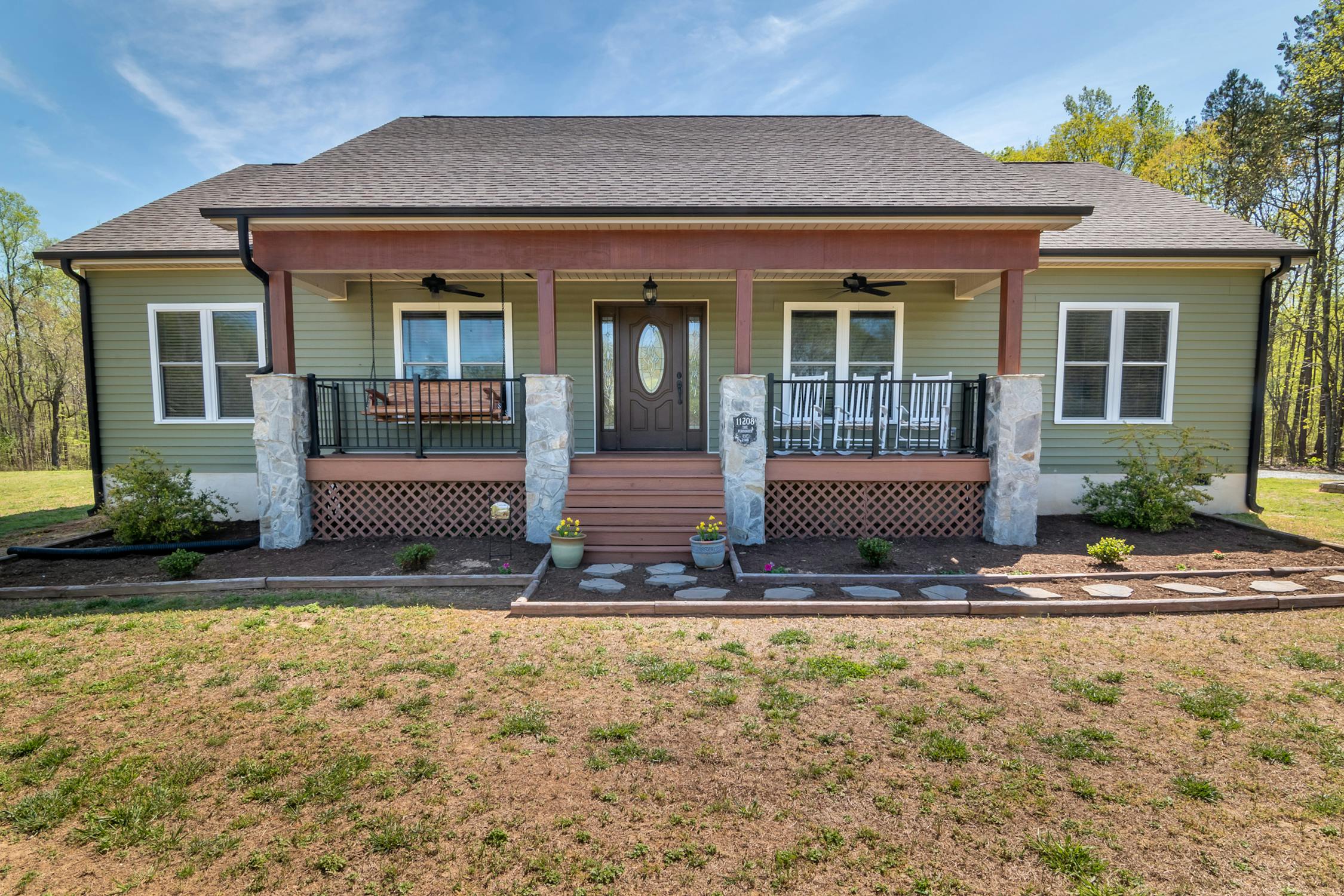
- Low roofs and broad porches
- Compact footprints—most around 800–1200 sq ft
- Often use natural materials like stone, wood, and stucco

Tip: Look for bungalows in neighborhoods built from 1905–1930, especially near city centers.

▪ Colonial Revival
- A nostalgic return to 18th-century American colonial design
- Characterized by symmetry, brickwork, and columns
- Became popular after the 1876 Centennial Exhibition and remained so through the 1940s
What to focus on:
- Central front door flanked by evenly spaced windows
- Fanlights, sidelights, and decorative crown moldings
- Roofs often side-gabled with dormers
Real example: Georgetown in Washington, D.C. is full of Colonial Revivals from the early 1900s.
Keyword to explore: 1900 colonial style homes
▪ Victorian Homes
- Known for their asymmetry, ornate detailing, and verticality
- Though peak popularity was in the 1880s–1890s, many were still built into the 1900s
What to focus on:
- Towers, turrets, and wraparound porches
- Complex rooflines with gables and dormers
- Decorative trim (aka "gingerbread") everywhere
Real example: The Painted Ladies in San Francisco are textbook Victorian—though built earlier, their style remained influential in early 1900s homes.
Keyword to explore: 1900s Victorian home
▪ Cottage Style Homes
- Smaller, charming, and romanticized
- Ideal for seaside towns, gardening suburbs, and artist communities
What to focus on:
- Steeply pitched roofs and arched doorways
- Small porches, window boxes, and chimney details
- Asymmetry with cozy scale and personal touches
Real example: Look to towns like Cape Cod, MA or Carmel-by-the-Sea, CA for beautifully preserved examples.
Keyword to explore: 1900 cottage style
▪ Farmhouse & Rural Homes
- Rooted in function, not form
- Built for working families in rural areas
- Simple, practical, and often expandable over time
What to focus on:
- Gabled or cross-gabled roofs
- Wraparound porches (great for shade and sitting)
- Minimal ornamentation, but lots of space and fresh air
Real example: You’ll see original 1900s farmhouses still standing across the Midwest, especially in Iowa and Ohio.
1900 Square Foot House Plans: Ranch, Indian, and Farmhouse Options
Early 1900s Architecture: How America Built Character
Learn about the most popular house styles built in the early 1900s, from Craftsman bungalows to charming farmhouses, and what makes them timeless.
Popular House Plans Around 1900

IMAGE: Popular 1600s-2000s house styles, five centuries of architectural evolution.
House plans in the early 1900s reflected daily life. Homes were designed for growing families, natural ventilation, and often self-sufficiency (like canning rooms, cellars, or pantries).
▪ 1900 Style House Plans
- Most plans were simple, often one to two stories
- Craftsman and bungalow plans offered wide porches, large living rooms, and built-in shelving
- Colonial Revivals used formal, symmetrical layouts with hallways down the center
- Foursquares were usually square-footprint homes with four rooms per floor
▪ Styles of Houses Built in 1900
- Craftsman Bungalows: 800–1300 sq ft, low-pitched roofs, compact footprints
- Victorian-era Leftovers: Queen Anne or Folk Victorian elements on simpler frames
- Farmhouses: Gabled roofs, front porches, and wraparounds in some cases
- Colonial Revival: Often brick, with dormers, symmetrical window placement, and formal entryways
▪ Typical Layouts, Material Choices & Ceiling Heights
- Layout: Clear separation of public/private spaces; parlors, kitchens, and bedrooms all distinctly placed
- Ceiling height: Often 9 to 10 feet to help with airflow
- Materials: Clapboard wood siding, brick facades, wood shingles, tin or slate roofs
Regional Variations
East Coast vs. West Coast
- East Coast: More Colonial Revival and Victorian homes; smaller windows for insulation; brick more common
- West Coast: Bungalows and Craftsman styles thrived; homes opened to gardens and patios; often stucco or shingle-sided
South vs. Midwest
- South: Larger porches for shade; wide eaves; raised foundations to allow for airflow under the house
- Midwest: Practical, storm-resilient structures; simpler ornamentation; deeper basements for cold storage
How to Identify a 1900s House Today
Visual Checklist:
- Symmetrical or boxy facade
- Deep front porch with wide steps
- Multi-pane windows (6-over-6, 9-over-9)
- Wood siding, stone foundations, and detailed trim
- Exposed rafter tails or dormer windows (especially on Craftsman homes)
Real Examples to Look For:
- Sears kit homes in the Midwest (still standing today)
- Pasadena bungalows (California)
- Colonial Revivals in New England suburbs
Tips
For Homeowners:
- Keep original trim and moldings where possible
- Use breathable paints and materials to avoid trapping moisture
- Match window shapes and wood types when replacing fixtures
For Students:
- Practice sketching symmetrical layouts and roof profiles
- Study architectural pattern books from 1900 to learn proportions
- Create foam or 3D-printed models based on archived blueprints
For Enthusiasts:
- Visit heritage neighborhoods like:
- Oak Park, IL (Frank Lloyd Wright district)
- Savannah, GA (Victorian District)
- Pasadena, CA (Bungalow Heaven)
- Attend walking tours or preservation society events to learn firsthand
Best-Selling Books on 1900s House Styles
- "A Field Guide to American Houses" by Virginia Savage McAlester
- The definitive reference book on American residential architecture.
- "Bungalow: The Ultimate Arts & Crafts Home" by Jane Powell & Linda Svendsen
- Stunning photography and restoration ideas.
- "Creating the Not So Big House" by Sarah Susanka
- Shows how early home styles inspire smart modern living.
- "American House Styles: A Concise Guide" by John Milnes Baker
- A fast, visual reference to classic architectural forms.
Let these homes inspire how we build, renovate, and appreciate design today. The early 1900s were about living well.
That idea never gets old.
EXTRAS
Bungalow vs Cottage: Key Differences
Though often used interchangeably, bungalows and cottages refer to distinct housing types with different architectural roots.
| Feature | Bungalow | Cottage |
|---|---|---|
| Origin | South Asia → Arts & Crafts movement | English countryside tradition |
| Stories | 1 to 1.5 | 1 to 1.5 |
| Style | Low, broad form with porch | Steep roof, cozy irregular forms |
| Materials | Brick, shingle, stone, wood | Stone, wood, plaster |
| Aesthetic | Warm, earthy, clean lines | Whimsical, storybook, decorative |
| Porches | Integrated front porches | Often smaller or garden-facing |
| Best For | Urban/suburban infill, efficient use | Rural/vacation settings, charm-focused |
Summary:
Bungalows prioritize function and flow. Cottages offer charm, asymmetry, and storybook appeal. Both favor coziness, but their expressions and histories are very different.
Bungalow vs Ranch: What’s the Difference?
| Feature | Bungalow | Ranch |
|---|---|---|
| Stories | 1 or 1.5 | Always 1 |
| Layout | Compact, vertical flow | Sprawling, horizontal flow |
| Porch | Deep front porch | Rear patio or deck |
| Size Range | 800–1,500 sq ft | 1,200–2,500+ sq ft |
| Roof Style | Low-pitched with wide overhangs | Long gables or hip roofs |
| Era | 1900–1930s | 1940s–1970s suburban boom |
| Interior | Craftsman trim, built-ins | Open-plan, fewer partitions |
| Best For | Urban lots, walkable areas | Suburban families, large lots |
Bottom line:
Choose a bungalow if you value character and charm in a compact space. Opt for a ranch if you prefer open interiors and single-floor convenience in a larger footprint.
Final Thoughts: Why 1900s Homes Still Matter
1900s house styles are more than a page in history—they’re still shaping how we build, live, and design today.
These homes combined practicality, character, and craftsmanship in ways that continue to inspire architects and homeowners alike. Whether it’s the clean lines of a Foursquare, the coziness of a Craftsman bungalow, or the grace of a Colonial Revival, these designs were built for real life—and they still work.
Why They’re Still Relevant Today
- Smart layouts: 1900s homes often had clear, usable floor plans—something that modern open-concept homes have reimagined.
- Timeless curb appeal: Balanced facades, proportioned windows, and handcrafted touches never go out of style.
- Built to last: Many of these homes have stood for over 100 years—and still function beautifully.
- Tiny house roots: The compact, efficient layout of early bungalows directly influenced today’s minimalist and tiny home movement.
In Focus: What We Can Learn From 1900s Homes
- Design with purpose: Every detail, from porch depth to window placement, served a functional and aesthetic role.
- Regional adaptation matters: Early homes were climate-smart long before sustainability became a trend.
- Craftsmanship wins: Real wood, real stone, real joinery. These homes weren’t built to flip—they were built to live in.
If you're designing, renovating, or simply dreaming, early 1900s homes offer lessons in balance, function, and beauty.
FAQ
Q: Are 1900s homes hard to maintain?
A: Not if they’ve been well cared for. Solid wood, brick, and plaster can last far longer than many modern materials.
Q: Can I still build a 1900s-style home today?
A: Absolutely. Many builders offer modern plans inspired by early 20th-century designs.
Q: What are common issues in older homes?
A: Electrical upgrades, insulation, and foundation repairs are often needed—but are manageable with a good inspection.
Q: How energy-efficient are 1900s homes?
A: Older homes can be drafty, but with updates like insulation and modern windows, they can perform very well.
Related
Recommended Resources
- National Park Service Preservation Briefs – Free PDFs on restoring historic homes
- Historic Homeowners Association (US) – For support and networking
- Historic Homeowners Association (Canada)