

Hydrovac Excavation in Foundation Work: What Really Matters
Costs, Benefits, and Mistakes to Avoid
Thinking about hydrovac excavation? Here’s what architects, engineers, and crews say about its costs, benefits, and tradeoffs.
Why precision digging matters
If you’ve ever been on a site where a backhoe clipped a utility line, you know the chaos that follows. Crews shut down. The client panics. Insurance paperwork piles up. And the job you thought would be simple drags out for weeks.
That’s why hydrovac excavation has moved from niche tool to everyday essential. Instead of tearing into the ground with steel teeth, hydrovac uses high-pressure water to loosen soil and a powerful vacuum to lift the slurry out. The hole stays clean, utilities stay intact, and foundations get dug with surgical precision.
This is not a gimmick. It’s the reality of modern construction. And if you work near utilities, foundations, or in tight urban lots, hydrovac is often the difference between staying on schedule and bleeding money.
Modern Hydrovac Excavation: Safer, Cleaner, Smarter Foundations
From utility strikes to foundation digs, hydrovac offers precision that heavy machines can’t. See real payoffs and common mistakes.
What makes hydrovac different
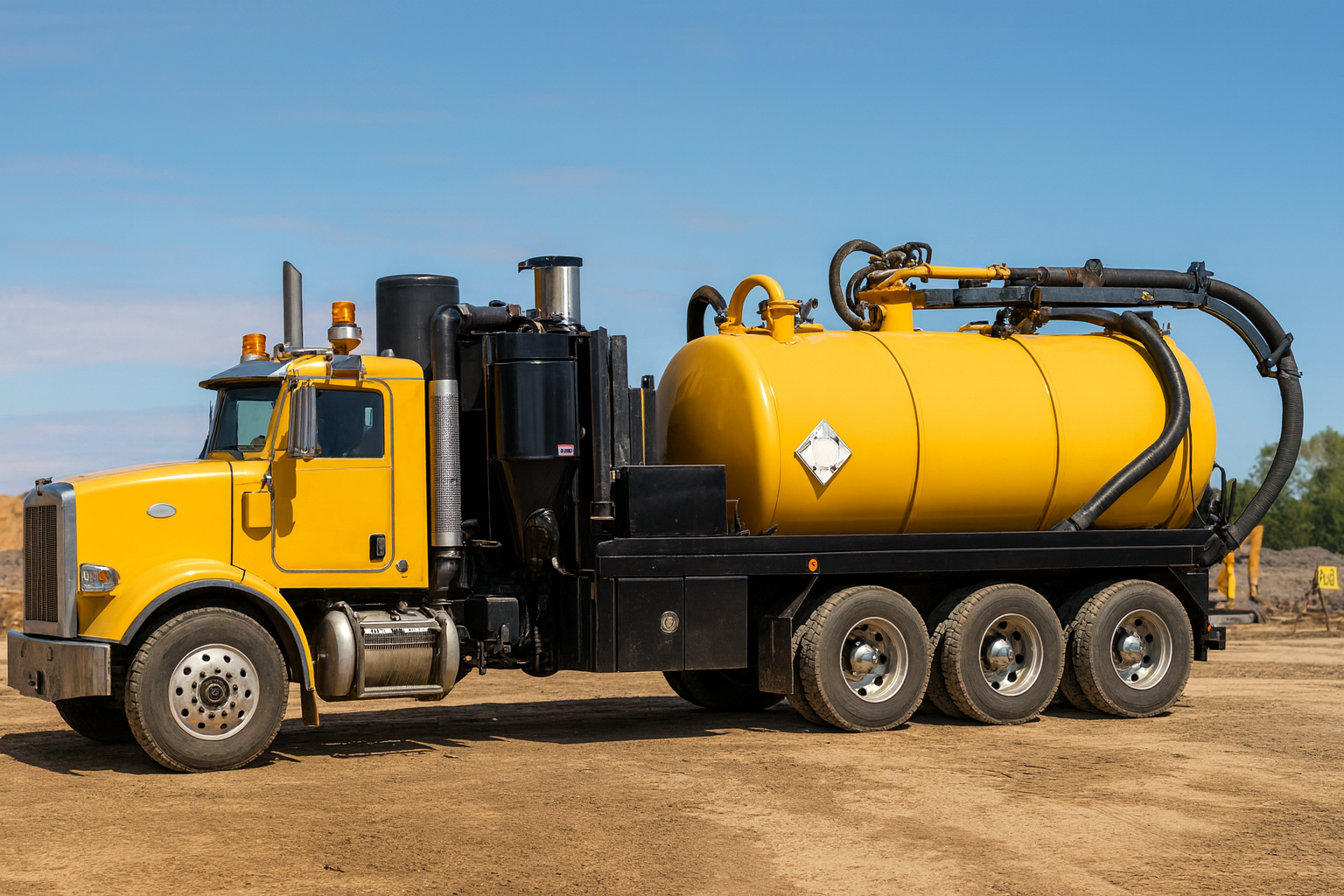
Traditional excavation is blunt. You get speed and muscle, but you also get broken pipes, collapsed trenches, and restoration headaches. Hydrovac changes that equation:
What Contractors and Homeowners Should Know About Hydrovac
-
Controlled digging: Pressure can be tuned to the soil. Clay, sand, even frozen ground can be handled without ripping through utilities.
-
Clean removal: Instead of piles of spoil spread around the site, slurry is vacuumed directly into the truck. Less mess, less site damage.
-
Safer foundations: No collapsing walls or hidden cable cuts. You see what you’re working around in real time.
-
All-season work: Heated water systems let crews dig even in frozen conditions where backhoes struggle.
That control is why architects, engineers, and utility supervisors now write hydrovac into specs. It isn’t luxury—it’s risk management.
Hydrovac vs Backhoe: When Precision Saves More Than Money
What actually drives costs up or down
People new to hydrovac always ask, “Isn’t it expensive?” Yes and no. The truck rate is higher than a backhoe. But compare that to the cost of a gas line strike, an emergency crew, and a stalled project. One avoided mistake often covers the entire mobilization.
Here’s what really pushes the economics:
-
Soil type: Loose sand moves fast. Heavy clay or gravel takes more pressure, more passes, and more water.
-
Depth: A shallow pothole for utility daylighting may take 30 minutes. A 20-foot foundation column is a different story.
-
Slurry handling: Every gallon of muck needs to be hauled off or separated. Crews that manage disposal smartly save big.
-
Crew skill: A trained operator runs cleaner, faster, safer. A sloppy one floods trenches, wastes water, and risks damage.
The truth? Hydrovac is less about hourly rates and more about avoiding hidden costs. If your project is near buried lines or existing structures, you aren’t saving money with a backhoe—you’re gambling.
How Hydrovac Excavation Changes Foundation Projects
Where hydrovac shines in foundation work
-
Utility daylighting
Before you touch a foundation trench, you need to know exactly where the lines are. Hydrovac can dig “potholes” around buried cables, gas, or water without risk. -
Pier and pile excavation
Need a 20-foot deep, narrow hole for a footing? Hydrovac drills it with water and vacuum. You get clean, accurate piles without tearing up the site. -
Slit trenching for drainage
Narrow trenches for drains, telecom, or conduits are done with minimal surface disruption. Lawns and pavements don’t get destroyed. -
Flooded foundations
When rain or groundwater fills a foundation pit, hydrovac removes the water and slurry fast. You can get back to work instead of pumping and shoveling for days. -
Tight urban lots
Where machinery can’t maneuver—between houses, next to existing walls—hydrovac wands reach. Noise is lower, and you don’t destroy what you’re trying to protect.
Voices from the field
Operators will tell you straight:
-
“It works in clay, shale, even rocky fill. Anything the vac can’t suck, we pull by hand.”
-
“A backhoe near utilities makes my stomach drop. With hydrovac, I can dig a foot away from live cable without losing sleep.”
-
“The slurry tank fills fast. Smart crews separate soil so they can reuse it for backfill. Dumb ones pay disposal fees that eat the budget.”
-
“Winter isn’t a problem anymore. Heated water keeps us moving when everything else freezes solid.”
Homeowners who’ve seen it up close notice the difference too. One described how their fiber line was buried across a yard without a single divot left behind. Another said hydrovac saved their century-old tree because the roots could be exposed without cutting.
Technical truths every contractor should know
-
Water pressure: Most jobs run between 1,500 and 2,800 psi. Too low and you crawl. Too high and you risk damage.
-
Vacuum type: Fan systems move more air and are faster for shallow digs. Positive displacement blowers handle heavy slurry and long hose runs.
-
Slurry disposal: Don’t just dump it. Either haul to a legal site or use separators to recycle soil for backfill.
-
Safety: PPE is non-negotiable. You’re working with high-pressure jets that can cut skin as easily as soil.
-
Training: This is not a weekend rental. Crews need to know injection angles, soil response, and tank management.
Hydrovac is precision equipment. Treat it like one.
Mistakes that keep happening
-
Starting with too much pressure: Over-enthusiastic operators punch through pipe coatings or nick utilities. Always start low.
-
Slurry spills: Tanks overfilled or hoses mishandled turn a clean site into a mud pit.
-
No plan for disposal: You finish the dig, then realize you’re paying to truck slurry 50 miles to a legal dump. Costs spiral.
-
Poor communication: Excavation without clear utility maps or locates risks the very strike you were trying to avoid.
-
Chasing “cheap”: Clients who pick backhoes to save on daily rates often pay more in rework and restoration.
Costs and payback
A typical pothole dig for utility verification runs $800–$1,500. Foundation column holes might run $2,000–$3,500 depending on depth and soil. A full foundation prep with hydrovac can be $5,000–$10,000 more than mechanical digging.
But here’s the field math:
-
One gas line strike costs $10,000–$50,000 in emergency response and repair.
-
One collapsed trench delays a project weeks.
-
One lawsuit over tree or sidewalk damage can blow past any savings.
Hydrovac does not always save on the invoice. It saves on the total job cost. That’s why seasoned builders specify it.
Item           Estimate          Long-term benefit
---------------------------------------------------
Utility pothole    $800–$1 500      Prevents $10k+ utility strike
Foundation hole    $1 500–$3 500    Clean trench, avoids mechanical compaction
Flood clean-out     $500–$1 200     Fast water and mud removal
Slit trench (drain) $200–$600       Minimal surface disruption
Total site prep     $3 000–$8 000   Project speed, safety, less restoration cost
Step-by-step: How a hydrovac dig actually runs
-
Mark utilities before any water flows.
-
Set the truck near the access point.
-
Start at low PSI and increase only as soil demands.
-
Vacuum slurry continuously to keep the site dry.
-
Check depth often—hydrovac is for precision, not blind digging.
-
Contain slurry and prep for disposal or reuse.
-
Compact backfill in lifts. Don’t dump slurry back raw.
-
Document utilities exposed before proceeding.
-
Restore surface with turf, pavement, or concrete.
Done right, the site looks untouched once crews pack up.
What people regret
Talk to operators, contractors, and homeowners, and the same regrets show up:
-
Spending big on solar panels or new systems before fixing the building envelope—wrong sequence.
-
Ignoring disposal planning and ending up with surprise fees.
-
Using untrained operators who either drag the job or damage utilities.
-
Assuming hydrovac will be “cheap.” It rarely is. But it is safer.
What people love years later
-
The precision: Utilities intact, roots preserved, foundations clean.
-
The safety: No injuries from cave-ins, no cable explosions.
-
The flexibility: It works in frozen soil, rocky backyards, tight alleys.
-
The peace of mind: Everyone on site sleeps better when hydrovac is running.
Most people who’ve used hydrovac once don’t go back.
Quick advice from the field
-
Want the highest base pay in contracting? Specialize in hydrovac operation. Crews with training and certs are in demand.
-
Want to minimize stress as a homeowner? Ask your contractor if hydrovac is planned near utilities or foundations.
-
Want to avoid regrets? Plan slurry disposal before you dig.
You might like: Eco-Friendly House Without the Green Guilt
Final word
Hydrovac excavation isn’t hype. It’s the modern solution for safe, precise foundation and utility work. Backhoes still have their place for mass earthmoving, but when accuracy matters, hydrovac wins.
The lesson from the field is simple: It costs more upfront but saves more in the long run. It keeps crews safe, projects clean, and clients happy. And when you’re building around utilities or delicate foundations, peace of mind is worth every dollar.
FAQ
Hydrovac Excavation FAQ: What People Ask Me All the Time
Q: What exactly is hydrovac excavation?
A: It’s digging with pressurized water and a vacuum. The water cuts soil, the vac sucks it up. No shovels, no guessing. Clean and controlled.
Q: Why not just use a backhoe?
A: Backhoes are fast but blind. You hit a gas line with a backhoe and you’ve got a six-figure problem. Hydrovac exposes without risk.
Q: Is hydrovac slower than traditional digging?
A: Not always. On tight sites, rocky soil, or utility-heavy zones, hydrovac is faster because you avoid delays, accidents, and repairs.
Q: How much does it cost?
A: Around $250–$500 an hour depending on your region. Sounds high until you compare it to the cost of one utility strike or lawsuit.
Q: Is it safe around power lines?
A: Yes, if crews are trained. You can safely daylight utilities without ripping them open. It’s the preferred method for utility locates.
Q: Can hydrovac handle frozen ground?
A: Yes. Crews heat the water and cut right through frozen clay or frost that a shovel or hoe would bounce off.
Q: What’s the biggest advantage for foundation work?
A: Precision. You can expose footings, trenches, and service lines without collapsing soil or tearing up surrounding areas.
Q: What soil types work best?
A: Works on clay, silt, sand, even frozen. The only tricky part is solid rock—you can’t “cut” rock with water.
Q: Can it replace all excavation?
A: No. It’s not meant for mass earthmoving. It’s surgical. You use it where accuracy matters or damage is too risky.
Q: What about water waste?
A: Most trucks recycle slurry or haul it to an approved site. Water use is part of the cost, but far less damaging than broken mains.
Q: Do homeowners ever hire hydrovac directly?
A: Sometimes. Usually it’s through contractors, but I’ve seen homeowners call for fence posts, pool digs, or trenching near utilities.
Q: What’s the mess like?
A: You’ll get mud slurry, but it’s contained in the truck tank. The site is cleaner than when a backhoe tears everything up.
Q: How deep can hydrovac go?
A: Most units can dig 20–30 feet without trouble. Beyond that, you need specialized rigs.
Q: How accurate is it really?
A: Within inches. I’ve exposed fiber lines that were mapped wrong by two feet, without a scratch.
Q: Is it noisy?
A: Yes. Vac trucks are loud. Not jackhammer loud, but you’ll hear them.
Q: What mistakes do crews make?
A: Rushing. Using too much water pressure. Poor spoil disposal. Or not checking for underground surprises before cutting.
Q: What do clients regret most?
A: Waiting too long. They try shovels or backhoes first, then call us after damage. It costs them more than starting right.
Q: Can it be used for tree roots?
A: Yes, carefully. You can expose roots without slicing them like a backhoe would. Arborists use hydrovac for this.
Q: Does it work on narrow urban sites?
A: That’s where it shines. Hydrovac can work tight alleys and congested streets where heavy equipment doesn’t fit.
Q: Who usually hires hydrovac?
A: Contractors, municipalities, utility companies. Increasingly homeowners when they realize it avoids disaster.
Q: Is training required to run a hydrovac?
A: Absolutely. You don’t just hand someone a wand and truck. Operators are trained in pressure, safety, and disposal.
Q: How long does it take to learn?
A: A new hire can run basics in a few weeks, but good operators take years. It’s skill, not just equipment.
Q: Can it damage pipes?
A: Only if abused. Wrong pressure or careless work can gouge plastic, but compared to mechanical digging it’s far safer.
Q: What about cost recovery?
A: Municipalities and big contractors budget for it. Small jobs might balk, but one avoided strike pays the bill.
Q: Does insurance prefer hydrovac?
A: Yes. Some clients now require it before any dig near live utilities. Insurance companies know the risk math.
Q: Is hydrovac green or wasteful?
A: It uses water and fuel, but it prevents utility spills, broken gas, or chemical leaks. Net impact is cleaner than accidents.
Q: Can you trench with hydrovac?
A: Yes. It’s slower than trenchers for big runs but perfect for short, critical sections near utilities.
Q: How long has it been around?
A: Since the 1960s in oil fields. Only in the last 20 years has it become mainstream in construction and municipal work.
Q: Where does the spoil go?
A: Into the truck tank. Then to a designated dump site. You don’t leave mud piles on site like a backhoe.
Q: Is it worth it for residential projects?
A: If you’re digging anywhere near gas, fiber, or water lines—yes. It’s peace of mind.
Q: What’s the biggest myth?
A: That hydrovac is “too slow” or “too expensive.” The real cost is repairing what a backhoe breaks.