
You can sketch all day. Until you cut wood, your lines do not have weight. A small build flips the switch. Tolerances become real. Gravity becomes a critic. You stop guessing and start measuring twice because the third cut costs money.
What building teaches fast
A DIY project forces decisions you can dodge on paper. Where the screw goes. How thick the plywood really is. Why a 2 by 4 is not two inches by four. You learn what a millimeter feels like when the hinge binds and the door will not close. You learn that clamp pressure matters. That glue creep is real. That finish dries slow when the room is cold.
On site you hear the rhythm. Cut, test fit, adjust. The loop never lies. Studio talk gets quiet. The work tells you what is true.
Real projects that change students
A first plywood chair. Two sheets, one weekend, four legs, no wobble. The cut list looks simple. The joints expose everything. One student I mentored burned thirty hours chasing a rattle in the frame. The fix was a diagonal brace and better screws. She never forgot that brace again.
A campus bench. Pressure treated joists, cedar seat, concrete pavers for feet. Six friends lifted it into place. Someone spilled coffee on it the first day. It patinated, not failed. That bench taught spacing, drainage, and why a seat wants a slight tilt so rain leaves.
A micro studio shed. Eight by ten. Pier blocks, floor frame, sheathing, metal roof. That team learned that walls rack if you do not square them. They learned why flashing matters. They learned scheduling when the saw blade died on a Sunday.
What it took
Time. Expect any “weekend” build to run long. A chair is fifteen to twenty hours if you care about edges. A bench with concrete feet is two weekends. A tiny shed is four to six weekends plus the days you spend fixing small mistakes.
Money. A decent chair build runs 120 to 200 for sheets, screws, and finish. A bench is 250 to 450 depending on wood. A shed ranges from 1,500 to 3,000 if you do it clean and safe. You can shave costs with reclaimed stock, but you pay in sanding and sorting.
Tools. Drill driver, circular saw, square, clamps, a sharp chisel, a sander. Borrow a miter saw for clean repeat cuts. You will curse dull blades once and then never use them again.
Space. A dry corner and a table that does not wobble. Ventilation if you are finishing. Lights you can see by at night.
Mistakes you will make
You will cut on the wrong side of the line. You will set a post out of plumb and try to hide it with trim. You will forget pilot holes and split a board. You will measure a hinge wrong and the door will scrape. Good. That pain teaches faster than any lecture.
The worst mistake is scope creep. Keep the first build small. Ship it. Sit on it. Then move up.
Pro moves that separate grown work from student work
Lay out everything dry before glue. If it fits without force, it will fit with glue.
Break edges. A soft chamfer makes even cheap plywood feel considered.
Seal before install. Shelves, panels, doors. Easier flat on a bench. Touch up after.
Use real hardware where hands touch. One solid pull on the drawer you use ten times a day is worth more than twenty cheap knobs you never feel.
Record your cuts and fasteners on the back of a scrap. Future you will thank you.
How to pick your project
Choose something you will live with every day. A chair you will sit on. A bench your friends will use. A cabinet that hides the mess. Daily use turns you into your own client. You will see what works and what does not, fast.
Match ambition to tools. If you have only a circular saw and a drill, build a bench, not a dovetail cabinet. Make the bench perfect. Then upgrade.
Set a rule. Three weekends max for the first piece. If it drags longer, you will lose steam. Keep it tight. Learn. Move on.
Why this makes better architects
You stop drawing impossible joints. You stop specifying finishes that fail in kitchens. You start thinking about access for repairs. You start caring where the screw goes in a section detail. You talk with trades with respect because you have eaten sawdust too.
Your portfolio shifts. Not just pretty renders. Process photos. Cut lists. Cost breakdowns. A small detail model that became a full build. Reviewers spot the difference in ten seconds. So do employers.
From the field
A student brought a steel and oak side table to crit. The steel frame was ragged. The welds were honest. The top was flush and square. He spoke less about concept and more about heat distortion and why he spaced welds to avoid warp. He got hired for a fabrication internship off that one piece.
Another team built a shade canopy for a courtyard. They forgot wind. The first gust twisted the frame. They added cross bracing and better anchors. The revised version lived through winter. They learned to respect loads more than language.
What changes in you
Patience grows. Plans get clearer. You stop promising magic and start promising work. You start asking better questions. Can this be built in this order. Can this be lifted by two people. Can this material survive rain. You care about maintenance, not just mood.
You become the person who can take a sketch and say what it costs, how long it takes, and which detail will fail first. That is the architect people trust.
Start now
Pick a project this week. Chair. Bench. Cabinet. Lock a budget. Borrow tools. Book a space. Draw one page. Then cut. Do the work. Learn the hard parts. Fix them. Finish. Use it for a month. Then build the next thing.
See also: DIY Projects for Architecture, Home Design, and More
DIY Projects That Still Teach Pros Something
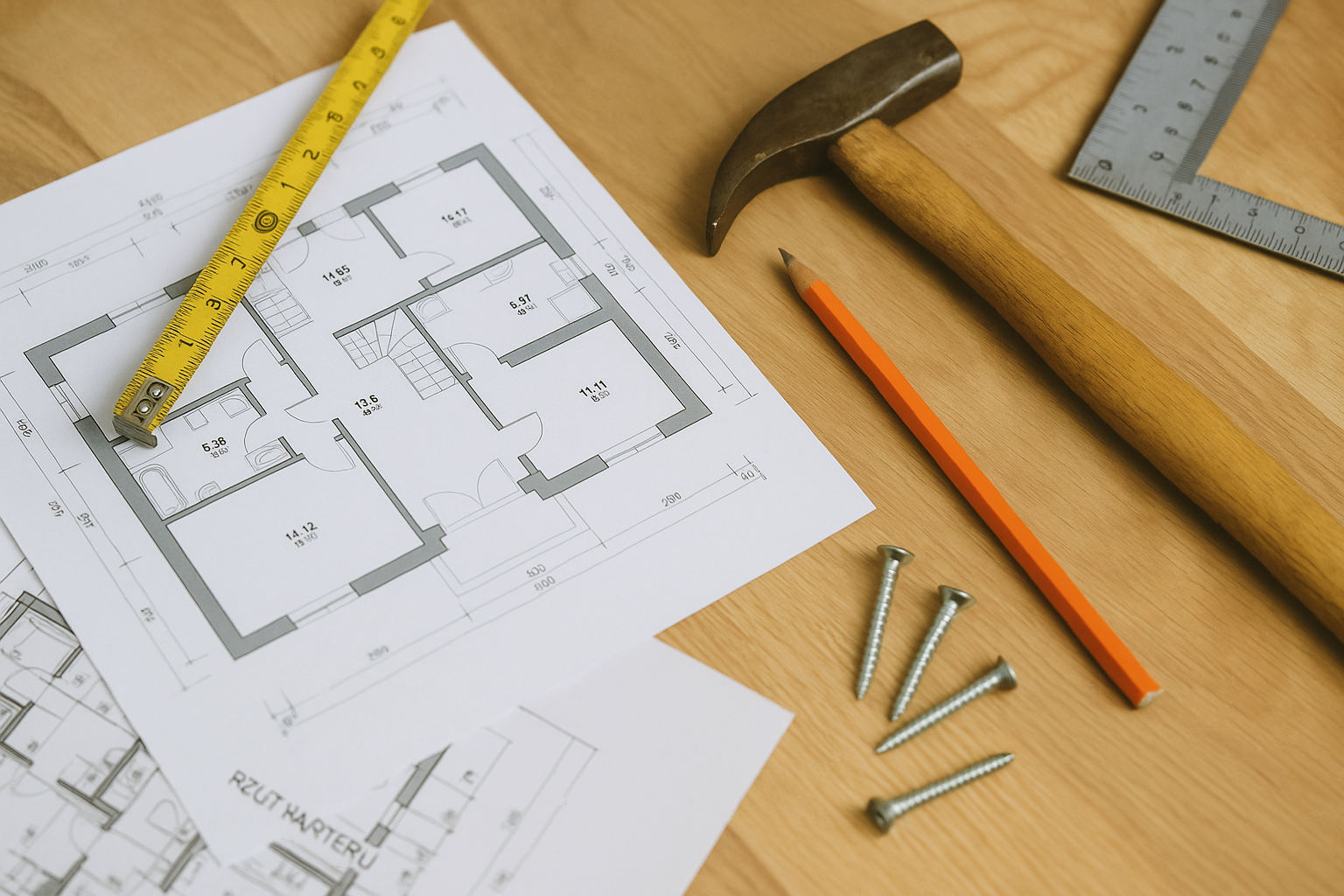
Even after years in the field, building small keeps you honest. You test details with your own hands before they end up in a client’s house.
Material Mockups
Don’t just trust the sample board. Build a 2x2 section of your detail—tile with trim, wood with finish, concrete with sealer. Live with it for a week. Coffee stains, moisture, scratches. You’ll know if it really works.
One-to-One Details
Take that tricky joint from your drawing set and build it. Window return, stair nosing, handrail bracket. Half a day in the shop saves months of RFIs later.
Furniture and Fixtures
Build a plywood bench for your studio. Not for looks—for scale. You’ll see proportion, clearance, and ergonomics in a way drawings never show.
Client Test Pieces
A small cabinet, a mock-up wall, even a lighting rig. Clients understand fast when they can touch it. And you save yourself change orders when the finish or dimension is wrong.
Why Pros Should Still Build
It keeps your drawings grounded. It keeps your specs real. And it earns respect when you talk to trades—you’re not just pushing lines, you’ve fought with clamps and split boards too.
Build. Cut. Fail. Fix. Write notes. Redraw. That messy loop is what turns sketch into reality. It makes you sketch better. Start small. Own your mistakes. No student has ever built their way into overconfidence. But many have built themselves into better architects—tougher, smarter, more grounded.
FAQ
Quick Questions Architecture Students Are Asking (and Honest Answers)
Do I need to build something by hand to get good?
Yes. Digital tools lie about real-world behavior. A peer once built a chair in foam core that twisted under pressure. The lesson stuck: materials tell truths. Cut wood, install hardware, feel how gravity argues with your sketch.
What makes DIY essential for architectural growth?
One student shared this after building a cardboard-plywood hybrid chair:
“I thought I knew joints until the thing wobbled under my test weight.”
You learn more by dragging a shelf across the floor, feeling the drag, than drawing a perfect section in Revit. DIY reveals tolerances, tools, and failure modes that stay hidden on screen.
Are group builds valuable or just messy?
They teach pressure testing. I’ve seen groups build a courtyard canopy that bent on first wind—no bracing, no anchor. They fixed it. That project taught loads—literally—how design lifts but also falls. You don’t learn that from a slide deck.
What do students hate about DIY?
Mid-build disasters show up fast. No jig saw blade? You hack the cut. Skipped studs? Your desk drops. Cheap screws strip. Every hiccup burns the theory out of you. But a student said it best:
“Each failure helps you refine the next sketch.”
Are build failures worth the time?
Builds take longer and cost more than expected. A shed that was "just small" ate six weekends and $2,000 in lumber. But the payoff? Now that student cuts framing in 20 minutes, and weighs material costs like a pro.
Can I DIY even if I’m not a ‘maker’?
Yes. One friend started with a $50 closet shelf. Too thin, sagged immediately. They swapped the bracket, shimmed the first install and learned load distribution. That shelf still holds books. Start small—small moves expand skills faster than big theory.
How do builds influence how I draw or specify?
Inspections change your language. You stop designing impossible joints. You specify a plumber-level faucet after replacing one poorly chosen. Your plans start saying “service access here,” not “just trust me.” You talk with trades with respect because you’ve held their tools.
How does this improve my portfolio?
It moves from pretty renders to honest records. You show photos of your measured cuts and assembly photos. You talk about cost, screw types, learning curve. Employers scroll less and trust more when they see your process, not just the eye candy.
Will failure embarrass me?
Yes. Students freeze when their joint splits in front of peers. But then they fix it in front of peers. That builds grit. A student who failed her first prototype wrote:
“Fixing it in crit taught as much as the tutorial.”