
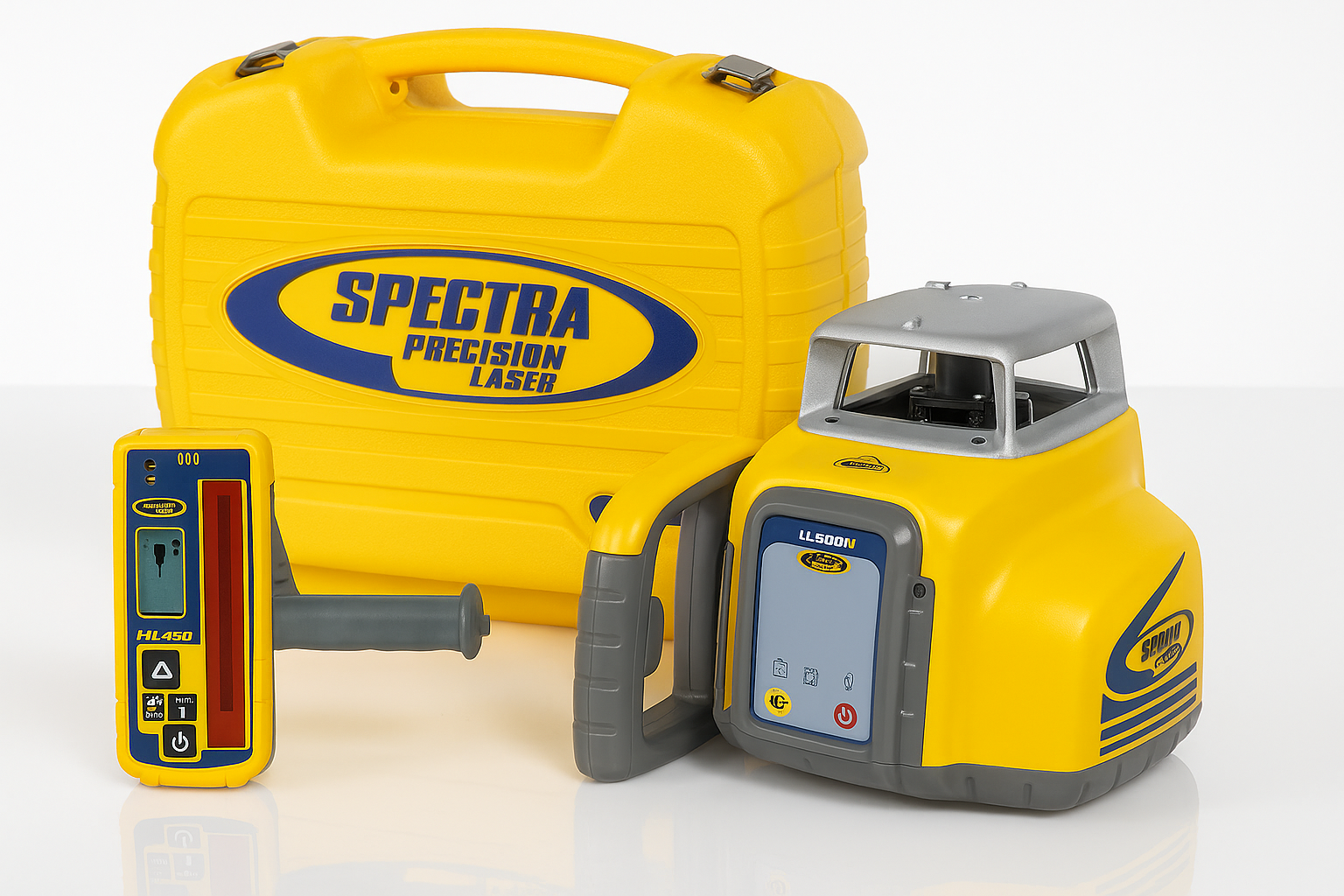
Spectra Precision LL300N-1 Kit Review for Real Job Sites
Why We Use the LL300N-1 Every Week
The Spectra Precision LL300N-1 is a rotary laser level built for real outdoor work. We have used it in rain, mud, blazing heat, and freezing mornings. It takes abuse without losing accuracy. Crews like it for grading, concrete pours, and drainage work. Homeowners use it for barn pads, yard regrades, and long fence runs.
Key Specs
-
Accuracy: 1/16 inch at 100 feet
-
Range: Up to 1,650 feet with receiver
-
Battery Life: 90 hours on rechargeable pack or 50+ hours on alkaline
-
Weather Rating: IP66 (dustproof and rainproof)
-
Self-Leveling Range: ±5 degrees
How It Performs
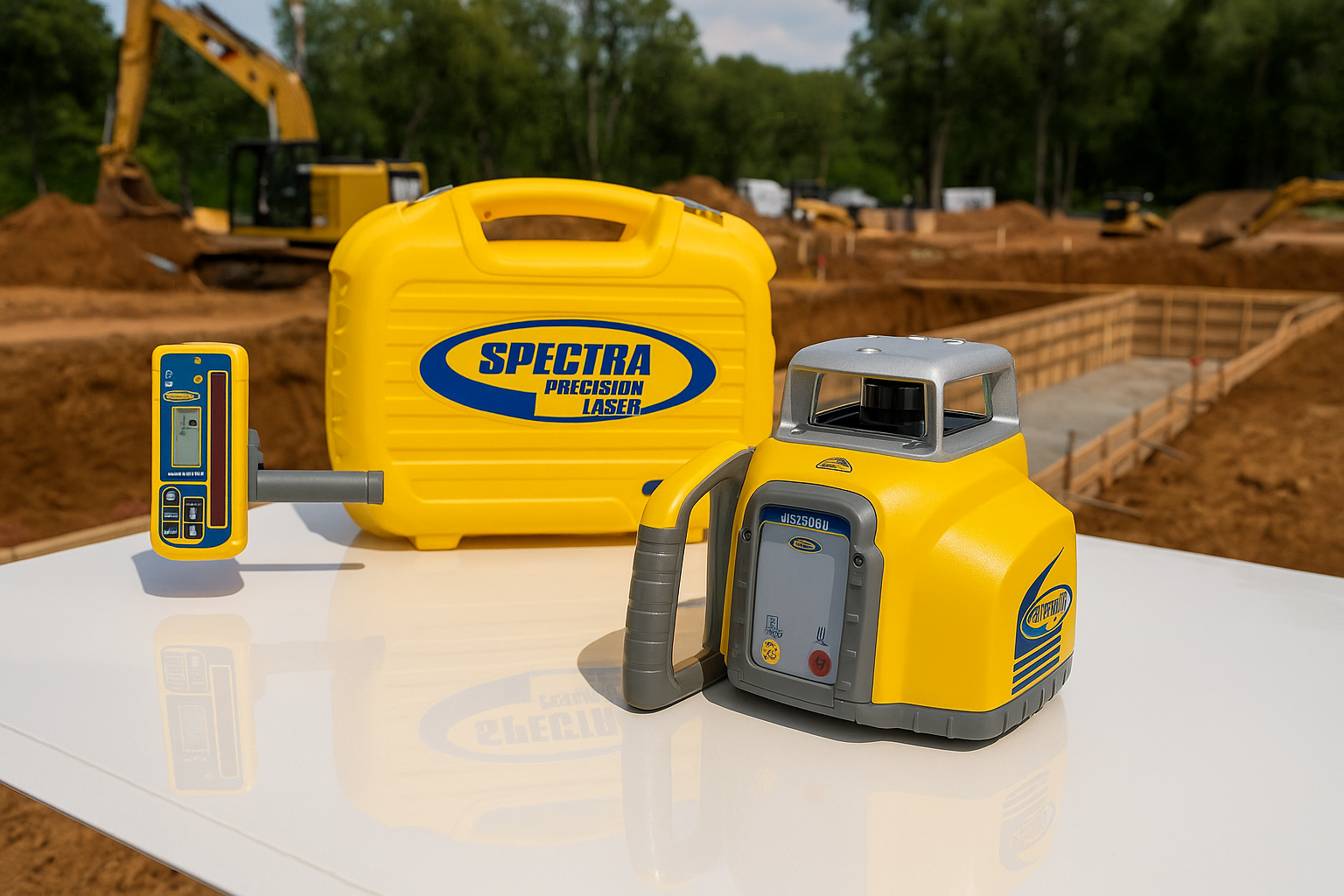
Setup: Drop it on a tripod, press the power button, and it levels itself in under a minute. Works on uneven ground and stays stable even with nearby machinery running.
Accuracy: Holds grade to within 1/16 inch at 100 feet. Over 400–500 feet, accuracy still stays tight with the right receiver.
Durability: Survives drops, dust, and rain. The housing seals well, and the lens stays clear with basic cleaning.
Battery Life: A single charge runs more than a week of daily work. Alkaline backup keeps it going if you forget to recharge.
Why Pros Like It
-
Rugged enough for constant field use
-
Long range for large sites
-
Accuracy stays reliable over long runs
-
One-button operation speeds setup
-
Runs for days without swapping batteries
The Downsides
-
Around $1,600 to buy, which is a lot for one project
-
Works best in horizontal mode, so vertical jobs take more setup
-
First-time users need a short learning period with the receiver and grade rod
How Homeowners Use It
We have seen it used for:
-
Leveling pads for garages or barns
-
Setting driveway slopes
-
Installing drainage pipes with the right fall
Jobs that take days with string lines can be finished in hours.
For Professionals
Concrete crews, grading contractors, and landscapers can run it all day without downtime. Accuracy means fewer re-checks. The weather rating means no rushing to cover it when rain starts.
Compared to Johnson 40-6515
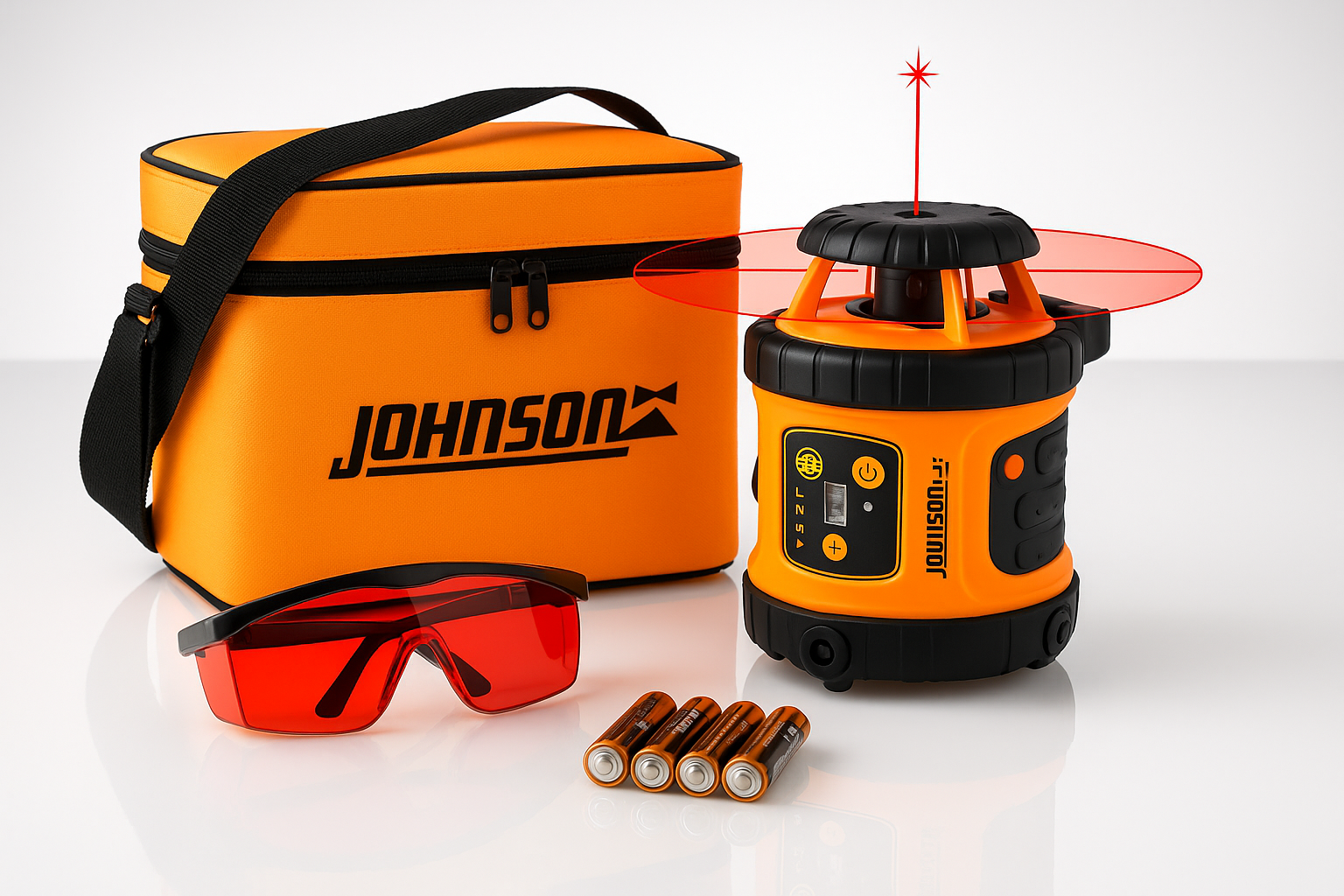
The Johnson is fine for patios, short fences, and small foundations. It is lighter, cheaper, and good for light-duty work. The Spectra has more range, better weather sealing, longer battery life, and feels solid in hand. For daily pro use, the LL300N earns its cost back in reliability.
Pro Crew Tips
-
Keep tripod legs solid by stomping them into firm ground or using pads
-
Lower tripod height in wind to reduce shake
-
Use a receiver with audio alert in bright sunlight
-
Lock the pendulum before moving to avoid calibration issues
-
Mark your benchmark on a fixed object so you never lose reference mid-job
Maintenance
-
Wipe housing with a damp cloth
-
Store in hard case with foam padding
-
Calibrate every 6–12 months or after a drop
-
Keep rechargeable batteries charged, do not store them dead
Real Job Examples
-
Driveway Regrade: Removed a 3-inch crown over 120 feet of gravel in under 3 hours
-
Garage Slab Pour: 40x60 foot slab hit within 1/8 inch accuracy
-
Backyard Drainage Fix: Set a perfect 1 percent slope for a 60-foot French drain trench
When Not to Buy It
-
Indoor jobs with short sight lines (use a cross-line laser instead)
-
One-time projects where renting is cheaper
-
Complex road work needing dual-slope control
Verdict
The Spectra Precision LL300N-1 is built for accuracy in tough conditions. Pros can trust it every day. Homeowners can use it for big projects and get professional results. For repeat use, it is worth owning. For one-time work, rent it and still get top-grade performance.
The Job That Sold Us on It
We were grading a two acre lot for a custom home. The client wanted every inch within an eighth before the concrete trucks showed up. Most lasers we have used would have drifted over that much distance. The LL300N did not move. We ran it from sunrise to dark for three straight days in hot, dry wind and it stayed dead on. No recalibrating and no babysitting. The slab inspector told us it was the flattest pad he had seen all year. That one job paid for the unit in saved rework and stress.
Size, Weight, and Handling
It is about the size of a big lunchbox and weighs around five pounds with the battery in. Light enough to grab with one hand and heavy enough not to shake in the wind. The hard case is bulky but worth it because ours has taken a few knocks in the truck with no damage. On site we usually leave it sitting on the tripod so it is always ready. You stop thinking about it after a while which is the point because it just works when you need it.
FAQ
How accurate is the LL300N-1 in real jobs?
On well-set tripods and calm days, we regularly see 1/16" accuracy at 100 feet. That holds up even over 400–500 feet with the right receiver. Wind or vibration will affect it if your tripod setup is sloppy.
Is it overkill for a homeowner?
Yes, if your biggest job is hanging cabinets. No, if you’re grading a yard, setting drainage, or pouring a large slab. We’ve seen homeowners rent it for a weekend and finish work that would have taken weeks without it.
Can it be used indoors?
Yes, but it’s designed for outdoor range and durability. Indoors, set the rotation speed lower so the beam is more visible without a receiver.
How weatherproof is it?
We’ve run it in light rain and dust storms. The IP66 rating means it shrugs off most jobsite weather. Just don’t leave it submerged or coated in mud for days.
How long does the battery last?
Rechargeable pack: about 90 hours. Alkaline backup: 50+ hours. That’s several full workweeks before you need a swap.
Does it work for sloped grades?
Yes, it can handle single-slope work. For more complex slope control, you’d step up to a dual-slope model.
What’s the difference between this and the Johnson 40-6515?
The Johnson works fine for light-duty, shorter-range jobs. The LL300N has a longer range, tougher housing, better waterproofing, and longer battery life. Pros will notice the difference in speed and accuracy.
How often should it be calibrated?
Every 6–12 months in heavy use, or after a hard drop. Even if it seems fine, checking calibration saves rework.
What’s included in the kit?
Usually: the laser level, receiver, clamp, rechargeable battery pack, charger, alkaline battery tray, hard case, and sometimes a tripod and rod depending on the package.
Can I use it without a receiver?
At short distances in low light, yes. But for any serious outdoor work, a receiver is a must.
Is it worth buying instead of renting?
If you’ll use it more than a few times a year, yes. For one-off projects, renting is cheaper.
How does it handle bright sunlight?
The visible beam fades in direct sun, but the receiver picks it up fine even at max range.
Can I set it up alone?
Yes. One person can set it up and start shooting grades within minutes.
What’s the learning curve like?
Minimal. A homeowner can figure it out in under an hour, and a pro can be running it in minutes.
Does it work with other brand receivers?
Yes, as long as the receiver is compatible with the same wavelength. But pairing it with Spectra’s own receivers keeps accuracy and features consistent.