
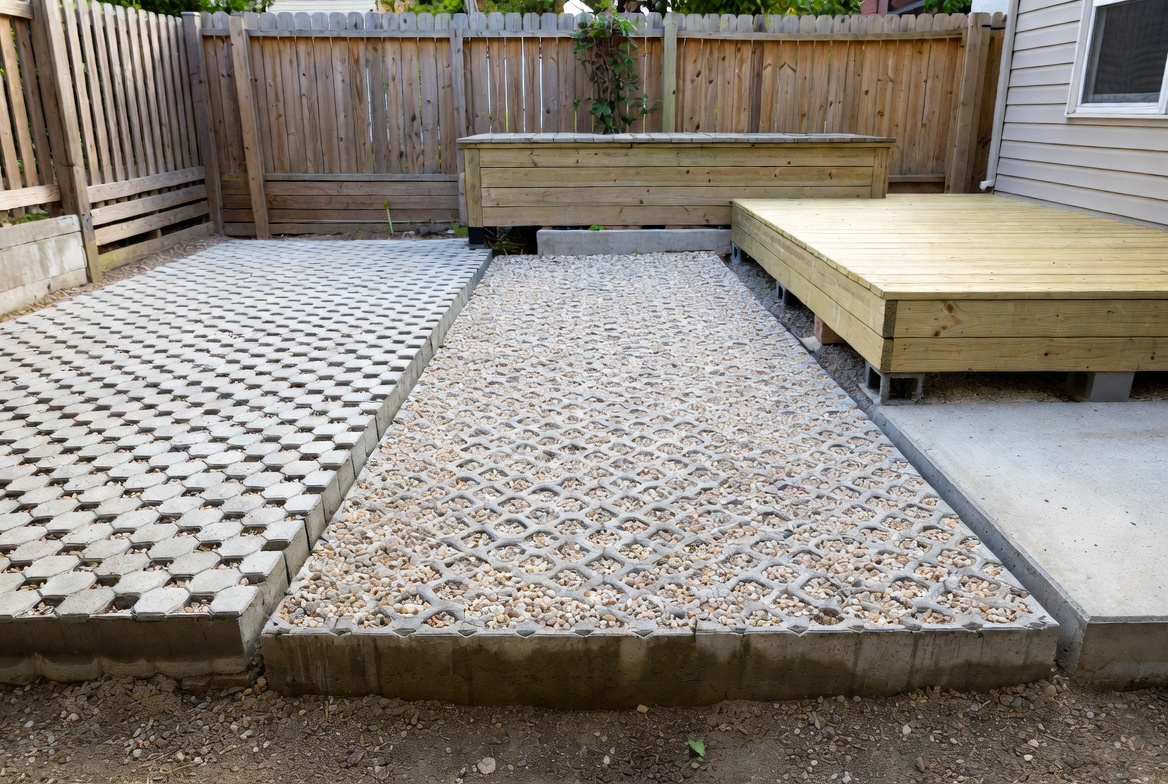
If you need a cheap alternative to a concrete slab, start with the job, not the material.
A patio, shed base, walkway, driveway, and interior slab do not need the same thing. That is where a lot of slab-alternative advice falls apart. It throws gravel, pavers, asphalt, permeable systems, plastic grids, and every “green” surface into one list as if they all replace concrete the same way. They do not.
The useful comparison is simpler: what can carry the load, what stays stable, what handles water well, what costs less up front, and which cheap option turns into a bigger repair later.
The Quick Sorting Rule
Use this before you choose anything:
| If You Need | Best Cheap Alternative | Avoid This Mistake |
|---|---|---|
| Patio or casual sitting area | Gravel, compacted stone, pavers, flagstone on base | Pouring concrete just because it feels permanent |
| Walkway or garden path | Gravel, stepping stones, brick, decomposed granite, pavers | Using a slab where drainage matters more than mass |
| Shed base | Compacted gravel, pavers, skids on stone base | Using decorative surfaces that cannot stay level under load |
| Driveway or heavier vehicle surface | Gravel, recycled concrete aggregate, pavers, asphalt in some cases | Using patio materials that rut or shift under tires |
| True structural slab inside a building | Usually redesign the system, not just the surface | Assuming gravel or pavers can replace a real structural slab |
That last line matters. If the project needs a real slab for structure, bearing, moisture control, or code reasons, most “cheap alternatives” are not true substitutes. At that point the better move is often changing the building system, not swapping the surface.
The Best Cheap Alternatives to Concrete Slabs
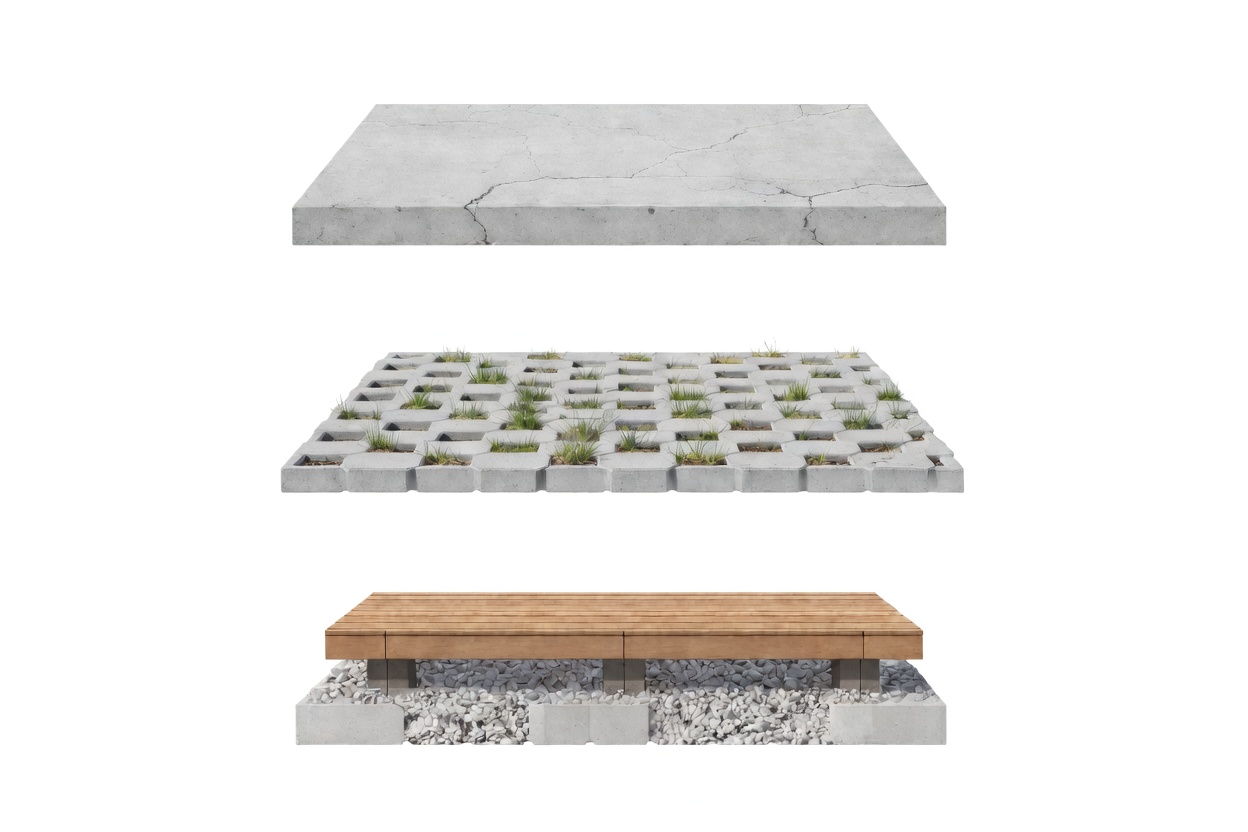
Illustration by ArchitectureCourses.org. Comparison diagram showing a concrete slab and two lighter alternatives: permeable grid pavers and a raised timber platform.
| Material | Typical Installed Cost | Best Use | Main Strength | Main Weak Point |
|---|---|---|---|---|
| Gravel or crushed stone | Low | Patios, paths, shed bases, some driveways | Cheap, permeable, easy to install | Can migrate, needs edge restraint, not ideal for every furniture setup |
| Recycled concrete aggregate | Low to moderate | Driveways, sub-bases, utility surfaces, shed pads | Reuses material, compacts well, durable | Looks rougher than finished paving |
| Interlocking pavers | Moderate | Patios, walkways, driveways | Repairable, durable, cleaner look than loose aggregate | Needs a proper base or it starts moving |
| Flagstone or brick on compacted base | Moderate to high | Patios, paths, garden spaces | Natural look, long life, no full poured slab needed | More labor, can get expensive if the stone is premium |
| Wood deck over piers or footings | Moderate | Patios, terraces, sloped yards | Avoids a full slab and works well on uneven ground | Needs framing, drainage detailing, and ongoing maintenance |
| Rubber pavers | Moderate | Play areas, pool areas, light-use paths | Soft underfoot, slip-resistant, uses recycled content | Not the best fit for every aesthetic or heavy-load use |
1. Gravel or Crushed Stone
For a lot of outdoor projects, gravel is still the cheapest serious alternative to a concrete slab. Patios, walkways, utility zones, and many shed bases all fit here.
The reason it keeps winning is not complicated. It is inexpensive, fast to install, and naturally permeable. It also does not pretend to be something it is not. A gravel patio is not trying to be an indoor floor outdoors. It is a drained, forgiving surface that handles weather well when the base is done properly.
- Best for: patios, paths, utility areas, shed bases, low-cost driveways
- Why it works: cheap, forgiving, easy to repair, good drainage
- What goes wrong: no edge restraint, no weed barrier where needed, base not compacted, wrong stone size
If the project is more about function than polish, gravel is still hard to beat on price.
2. Recycled Concrete Aggregate
If you still want a stone-like base but with more recycled content and more compaction strength, crushed recycled concrete is one of the better answers. It is not polished like pavers, and it is not trying to be. It is useful, durable, and often overlooked.
This works especially well for shed pads, utility zones, sub-bases, and some driveways where appearance matters less than stability and cost. It can also be a strong base under pavers or flagstone, which is where it quietly does a lot of good work.
- Best for: driveways, pads, sub-bases, practical outdoor surfaces
- Why it works: reuses material, compacts well, usually cheaper than a new slab
- What goes wrong: expecting it to look like finished architectural paving
This is one of the better sustainable options here because it is not just “green-sounding.” It is grounded in how projects actually get built.
3. Interlocking Pavers
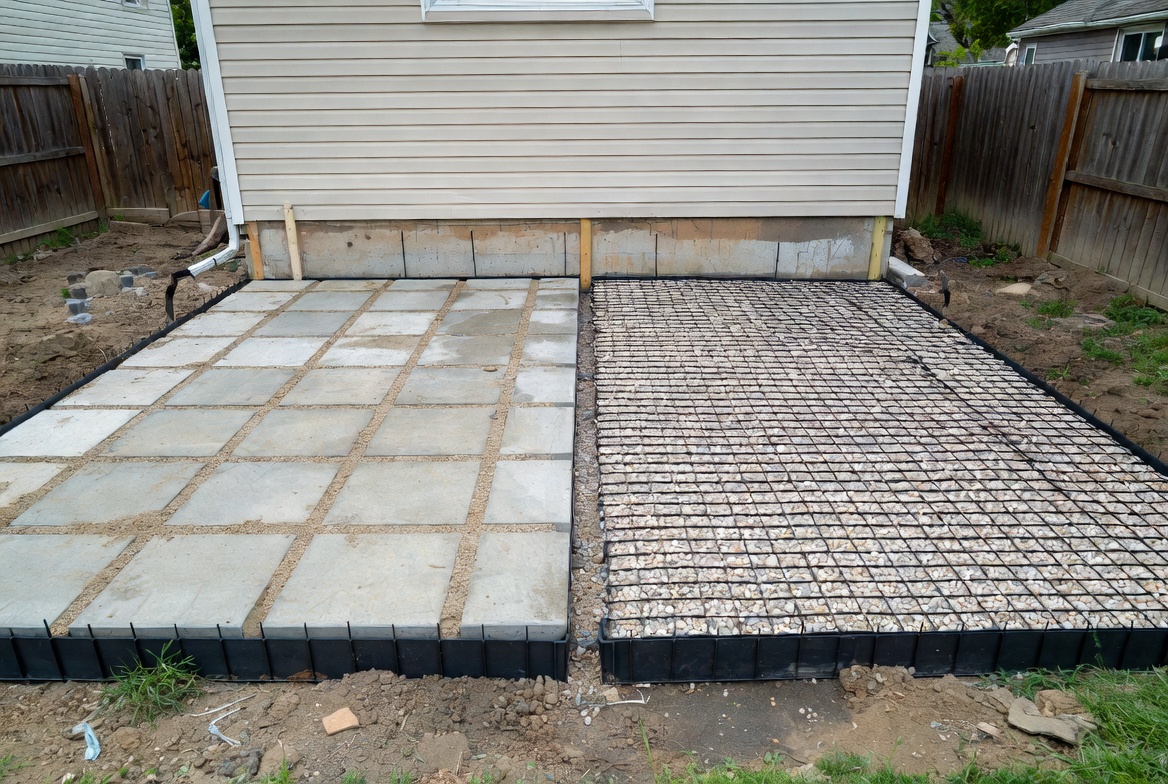
Image by ArchitectureCourses.org. Side-by-side comparison helps show how permeable pavers and gravel grid systems differ in surface finish and drainage behavior.
If you want a cleaner finished look than gravel but still want to avoid a full slab, interlocking pavers are one of the strongest options. They cost more than loose stone, but they are often more practical than poured concrete because they are repairable and easier to lift and reset if one area moves.
That matters more than people think. A cracked slab is a cracked slab. A bad paver section can usually be fixed without tearing out the whole surface.
- Best for: patios, walkways, driveways
- Why it works: modular, repairable, durable, flexible in layout
- What goes wrong: bad base prep, poor edge restraint, rushed installation
For people who want something that feels more finished without committing to a full slab, pavers are usually the smart middle ground.
4. Flagstone or Brick on a Proper Base
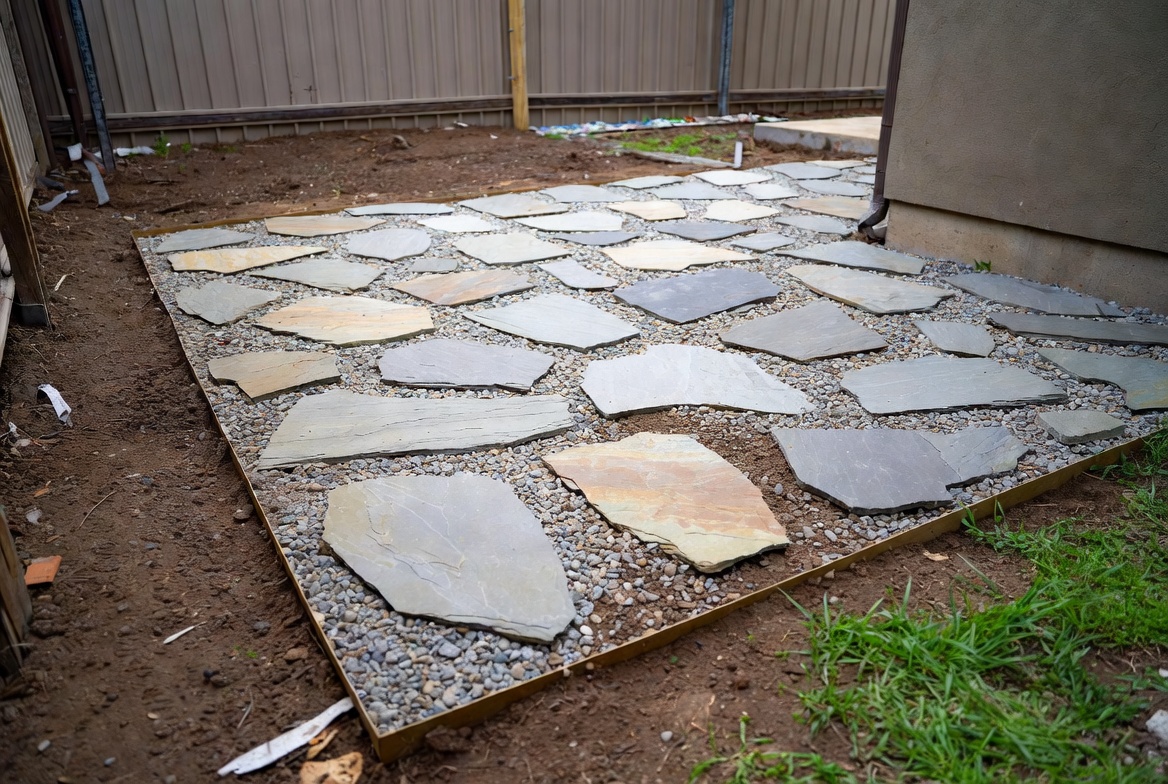
Image by ArchitectureCourses.org. Dry-laid stone on a gravel base can work as a lower-concrete patio surface where loads stay light.
Flagstone and brick are not always cheap in raw material cost, so this section has to stay honest. But they can still be cheaper than a full slab-and-finish approach in the right setting, especially when the goal is a patio or path with a natural or older-house look.
They also age better visually than a lot of cheap poured surfaces. A rough flagstone patio can still look intentional years later. A bargain slab with patchy surface problems usually just looks tired.
- Best for: patios, garden paths, old-house projects, informal outdoor areas
- Why it works: durable, attractive, no full slab required, easier to patch in sections
- What goes wrong: no compacted base, poor joint treatment, using it where a stronger vehicle surface is needed
5. Wood Decking Instead of a Slab Patio
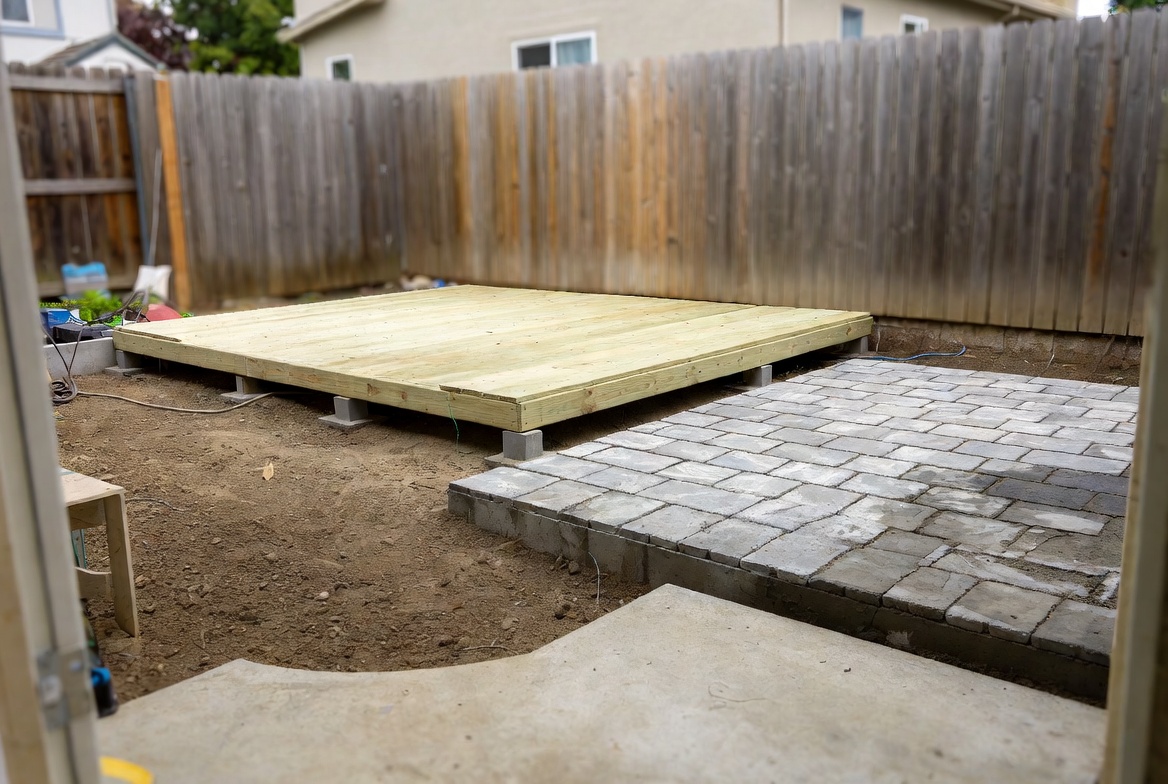
Image by ArchitectureCourses.org. A raised timber platform and permeable pavers solve the same basic problem in very different ways.
This is one of the better alternatives when the yard is sloped, the site is awkward, or you want to avoid extensive excavation and concrete work. A deck on piers or footings is not cheaper in every case, but it can be the more practical answer when a slab would mean more grading, more retaining, or more drainage complications.
It also changes the feel of the space. A deck is warmer and less hard-looking than a slab patio. The trade-off is maintenance and framing discipline. So this is usually a site decision as much as a material decision.
- Best for: sloped backyards, terraces, outdoor seating areas
- Why it works: avoids full slab work, adapts to grade changes, feels lighter visually
- What goes wrong: using the wrong wood, ignoring moisture, weak support layout, pretending it is maintenance-free
Choose this when the site is making a slab more painful than it is worth.
6. Rubber Pavers
Rubber pavers are more niche than the other options, but they do have a place. They are useful where slip resistance, impact absorption, or recycled content matter more than a premium stone look. Pool surrounds, play zones, and some casual paths fit this better than formal patios or driveways.
- Best for: play areas, pool areas, softer walking surfaces
- Why it works: safer underfoot, lower maintenance than wood, reuses rubber content
- What goes wrong: using it where the visual goal is more architectural or where loads are heavier
Better Option vs Common Mistake
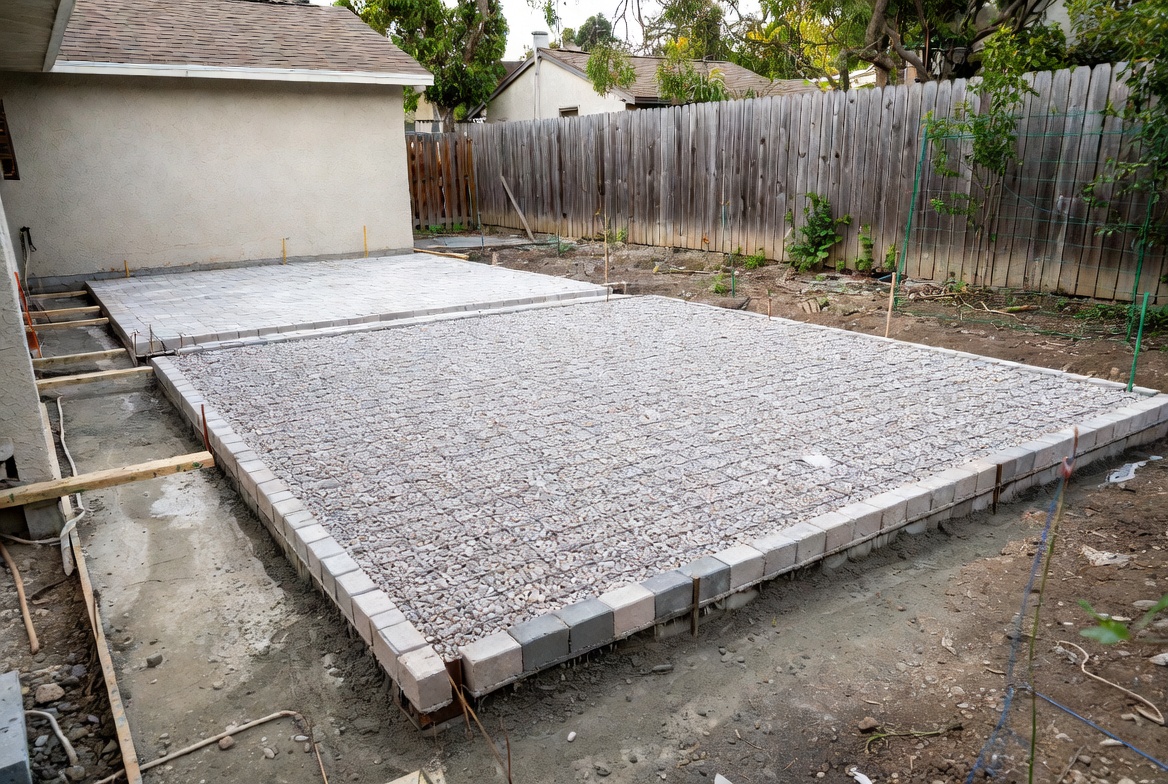
Image by ArchitectureCourses.org. Gravel grid systems and raised timber platforms both reduce concrete use while keeping the surface usable.
| Do This | Instead of This | Why It Is Better |
|---|---|---|
| Use compacted gravel for a low-cost patio or shed base | Pour a slab by default | You save money and get better drainage in many outdoor situations |
| Use pavers when repairability matters | Use poured concrete where movement is likely | Pavers are easier to lift and reset than cracked slabs are to repair well |
| Use a deck when the site is sloped or awkward | Force a slab into a site that needs heavy grading or retaining | The structure may be simpler overall once the site complications are counted honestly |
| Use recycled aggregate for utility surfaces and bases | Use decorative materials where appearance is not the main goal | It keeps the build practical and often lowers material impact |
Where Problems Usually Start
Most failed slab alternatives do not fail because the material was inherently bad. They fail because the base, drainage, edging, or use case was wrong.
- Loose gravel with no restraint starts spreading.
- Pavers on a weak base start dipping and separating.
- Wood too close to wet ground starts aging badly.
- Decorative surfaces used under vehicles start rutting or breaking down.
- Cheap installs with no compaction look fine for a season and then start moving.
This is the part people keep skipping because it is not exciting. The base and the drainage decide whether the alternative works.
What I Would Skip or Treat Carefully
The old draft tried to include almost every possible “sustainable” surface. That makes the page look thorough, but it weakens the advice.
A few of those options need more caution:
| Material | Why I Would Be Careful | Better Use |
|---|---|---|
| Permeable concrete | Still concrete, so it is not really a slab alternative in the way most readers mean it | Good if the goal is drainage, not avoiding concrete entirely |
| Bamboo decking or pavers | Can sound more sustainable than it performs depending on product quality and exposure | Use only when the exact product and weather suitability are well understood |
| Recycled glass surfaces | Often more decorative than practical for most patio or slab-replacement situations | Accent material, not the first answer for a cheap slab alternative |
| Rammed earth | Interesting, but not the clean cheap answer most readers need for patios or shed pads | Better as a separate earth-building topic than a mainstream slab substitute |
That does not make those materials useless. It just means they are not the first thing I would hand to someone who is trying to replace a simple slab cheaply and cleanly.
What If You Need a Real Structural Slab Alternative?
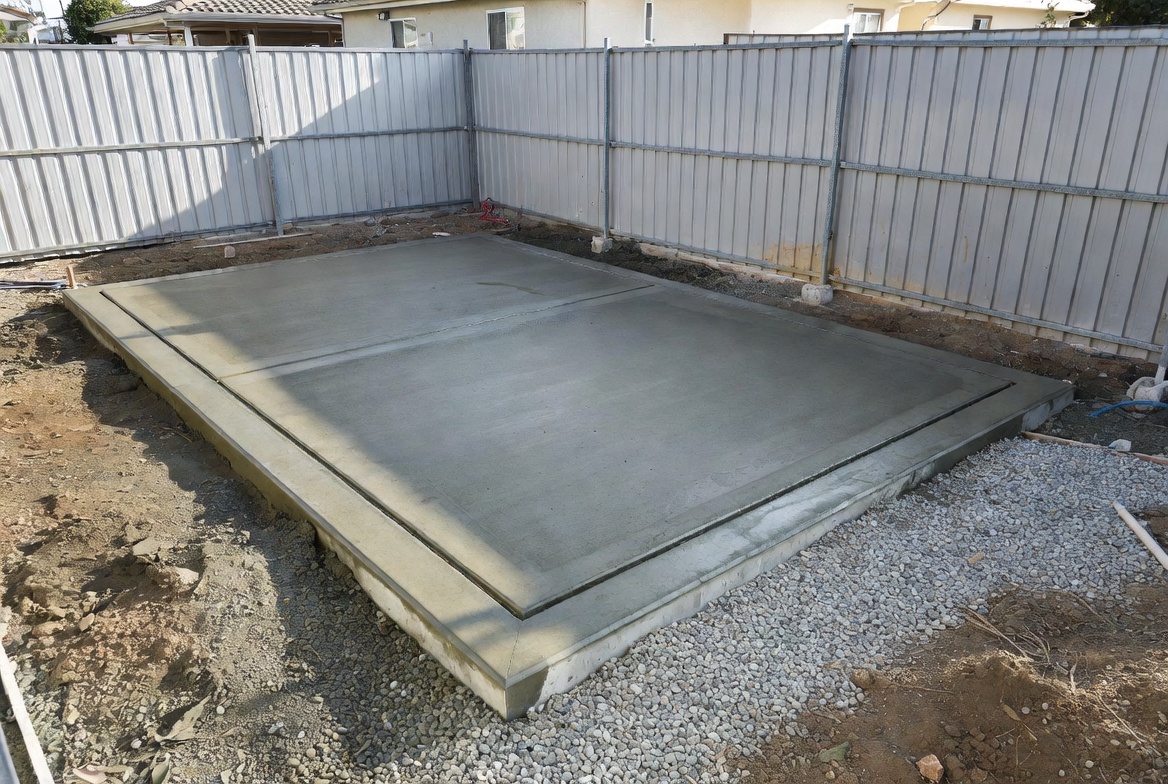
Image by ArchitectureCourses.org. A poured concrete slab on grade, shown here as the kind of full structural base that lighter patio-style alternatives do not replace.
This is where the conversation changes.
If the project needs a true structural slab for a house, garage, or enclosed building floor, most outdoor surface alternatives stop being real substitutes. At that point the smarter question is whether the whole building system should change.
That can mean:
- pier-and-beam construction
- crawl space instead of slab-on-grade
- suspended wood floor systems
- lighter foundation systems designed around soil and load conditions
That is a different decision from “what is the cheapest patio surface?” The article is stronger when it says that plainly.
Read This Next
If the goal is still to use a cement-based product but lower the environmental impact, move into the lower-carbon cement and concrete pages rather than stretching this page into something else. Eco-Friendly Cement, Sustainable Concrete, and Geopolymer Concrete are the most direct next reads.
If the interest is broader than slabs and starts moving toward earth-based or alternative wall systems, Rammed Earth and Hempcrete belong in that next conversation instead.
What To Do Next
If you need the cheapest practical answer for a patio, start with compacted gravel, pavers, or stone on base and work backward from drainage, appearance, and maintenance.
If you need a stronger load-bearing surface, look at recycled aggregate, pavers, or a redesigned foundation system instead of assuming every outdoor surface can replace a slab.
If the goal is not avoiding concrete entirely but reducing impact, move into the lower-carbon cement and concrete pages linked above instead of stretching this page beyond what it should be.
FAQ
What is the cheapest alternative to a concrete slab?
For most outdoor uses, compacted gravel or crushed stone is the cheapest serious alternative. It is especially strong for patios, paths, and shed bases when the base and edging are done properly.
What is the best alternative to a concrete slab for a patio?
Pavers, gravel, and flagstone on a compacted base are usually the strongest answers. The best one depends on whether you care more about low cost, finished appearance, repairability, or drainage.
Can pavers replace a concrete slab?
Yes, for many patios, walkways, and even some driveways. They are often easier to repair than poured concrete, but they still need a proper base and edge restraint.
What is the most sustainable alternative to a concrete slab?
That depends on use. Recycled concrete aggregate, gravel, reclaimed brick, reused stone, and some deck systems can all be lower-impact than a new poured slab, especially when they avoid unnecessary cement and handle drainage better.
Is gravel better than concrete for a shed base?
Often, yes. A compacted gravel shed base is cheaper, drains better, and works well for many sheds. It is not the right answer for every enclosed or heavily loaded structure, but it is one of the best practical alternatives for small backyard buildings.
Can I avoid a slab entirely for a backyard structure?
Sometimes. Deck-style framing, piers, skids, and compacted aggregate pads can all replace a slab in the right situation. The real question is load, moisture, frost, and what the structure actually needs.
Is permeable concrete a real alternative to concrete slabs?
Not in the way most readers mean it. It is still concrete. It can be a useful lower-runoff option, but it is not the same thing as choosing a different material system entirely.
What makes slab alternatives fail?
Usually bad base prep, weak drainage, poor edge restraint, or using the wrong surface for the wrong load. The material gets blamed, but the setup is usually the real problem.