

Architecture school pages start sounding the same after a while. Strong studio culture. International outlook. Good city. Good facilities. Good career prospects.
UCD is more specific than that.
What stands out about architecture at University College Dublin is not just that it is in Dublin, or that it offers a professional route. It is the way the school is framed. Architecture sits beside planning, landscape architecture, and environmental policy, which pushes the work beyond the building itself. Housing, land use, public space, climate pressure, city growth. Those questions stay close.
That makes UCD a strong fit for some students and a weaker fit for others. This is the useful part to understand before you apply.
If you are still figuring out what architecture school workload feels like before you start comparing universities, architecture coursework tips for success is a good place to start.
What Makes UCD Feel Different
Some architecture schools teach the discipline as if studio sits at the center and everything else circles around it. UCD reads differently.
Because architecture is positioned inside a wider school of architecture, planning, and environmental policy, the education feels less sealed off from the rest of the built environment. That changes the tone of the work. You are not only thinking about form, precedent, and presentation. You are also pushed toward the harder questions around regulation, urban growth, sustainability, landscape, and how buildings sit inside a larger civic and environmental system.
That is the first reason UCD appeals to a certain kind of student. It is less about architecture as isolated object-making, more about architecture as part of a bigger public and environmental conversation.
The Degree Path Is Clearer Than Many School Profiles Make It Sound
One thing UCD does have going for it is clarity.
The professional route is structured. Students begin with the Bachelor of Architecture, continue into the Master of Architecture, and then move toward the Professional Diploma in Architecture as the final professional stage. That matters because a lot of architecture applicants still talk about schools as if every degree route is basically interchangeable. It is not.
Before you fall in love with a school name, it helps to understand how architecture degrees are stacked, where professional qualification sits, and how undergraduate and graduate stages connect. Construction and engineering courses is broader than this page, but it helps place architecture inside the bigger field of built-environment education.
Dublin Does Some of the Teaching for You
This is not a small point.
Dublin is useful to architecture students because the city gives you enough friction to study things that are not abstract anymore. Housing pressure. Old and new fabric in constant negotiation. Growth that is uneven. Streets and public space that have to work harder than the postcard version suggests. The city gives you something to argue with.
That usually leads to better studio questions. Not cleaner ones. Better ones.
If you want architecture school to stay close to live urban issues instead of floating in a pure studio bubble, UCD benefits from where it sits.
Richview Helps Set the Tone
UCD’s architecture teaching is based at Richview, not lost inside a generic main-campus building mix. That has a practical effect on how the school reads.
Dedicated studio and teaching space tends to matter more than applicants think. It shapes how much the degree feels like a discipline with its own working culture instead of just another university timetable with design attached to it. That does not magically make the work better, but it usually makes the environment more legible.
One more thing: school culture is built as much through space as through curriculum. A campus setting that gives architecture students room to work, pin up, talk, and keep projects alive between classes usually does more for the degree than glossy prospectus language ever will.
Who UCD Is Likely to Suit Best
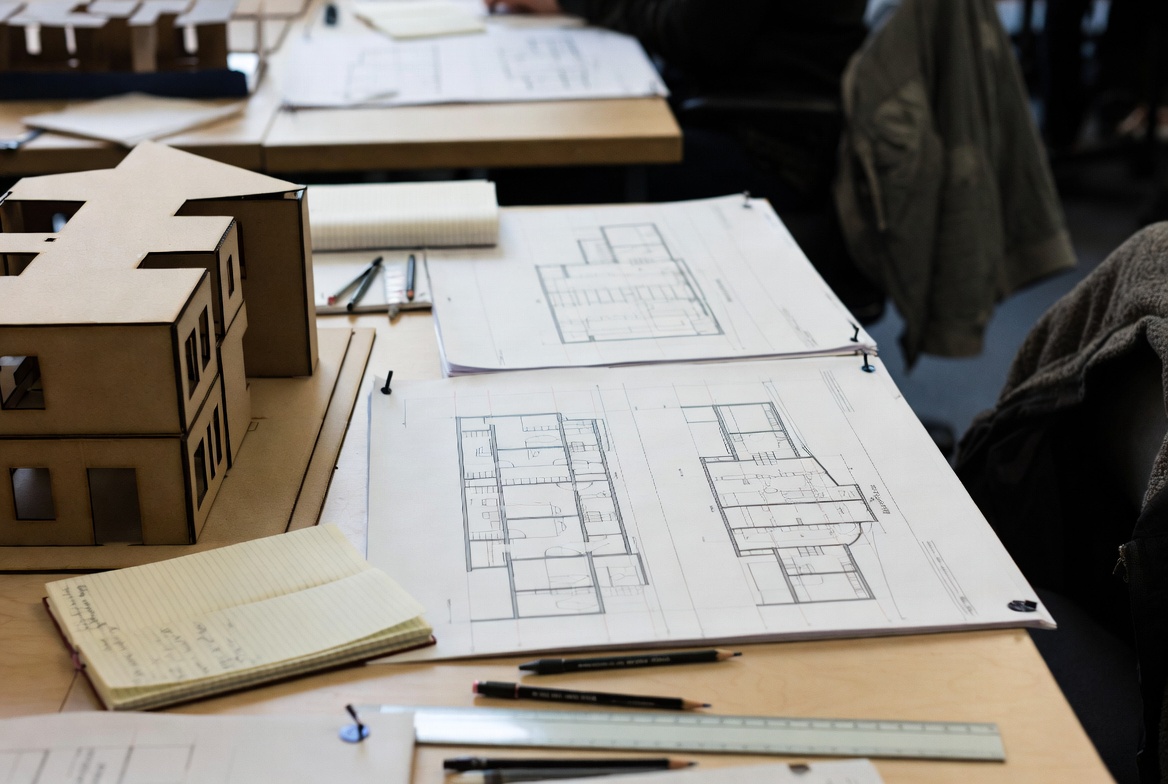
UCD makes the most sense for students who want architecture taught in contact with the wider built environment.
- students who care about cities, not just buildings
- students who want sustainability to mean more than a studio keyword
- students who are interested in how design, planning, and environmental thinking overlap
- students who like architecture, but do not want their education sealed off from public questions
- students who can handle a course that asks for judgment, not just visual talent
That is probably the cleanest way to describe the fit. UCD looks stronger for students who want architecture to connect outward.
Who Should Think Twice
Not every good school is a good fit.
UCD may be less attractive if what you want from architecture school is a narrower studio culture built almost entirely around formal exploration, presentation, and building-scale design without much pressure from planning, environmental policy, or city-scale concerns.
It may also be a weaker fit if you want the school identity to rest mainly on prestige shorthand or image-making. UCD’s appeal feels more grounded than that. The value is in the way the disciplines sit together, not in some inflated myth about creative genius on a campus lawn.
What to Check Before You Apply
This is where most applicants waste time reading the wrong details.
First, make sure you know which stage you are applying to. Undergraduate entry and graduate professional study are different decisions, with different expectations.
Second, do not treat your portfolio like a late formatting problem. Schools that take design seriously are not just checking whether your pages look polished. They are looking for how you think, test, revise, and organize work. If that still feels vague, go back and get your portfolio logic sorted before you obsess over school branding.
Third, pay attention to the kind of architectural questions the school seems to reward. At UCD, the signal is fairly clear. The built environment is not split into neat little boxes here. Architecture is being asked to stay in conversation with planning, landscape, and environmental pressure. If that sounds energizing, good. If it sounds tiring, that matters too.
Why This Matters More Than Rankings
Students often compare architecture schools as if they are picking between interchangeable containers with different reputations attached.
It is usually more useful to ask what kind of architect a school is trying to produce.
UCD seems to be trying to produce architects who can design, yes, but who can also think across urban conditions, environmental constraints, and the policy realities that shape practice. That is a sharper identity than the usual generic promise of creativity and innovation.
Bottom Line
University College Dublin is not most interesting as a generic “study architecture in Ireland” option. It is more interesting as a place where architecture stays tied to the larger built-environment conversation.
That makes it a strong option for students who want architecture taught alongside planning, landscape, and environmental thinking, in a city where those pressures are easy to see and hard to ignore.
If you want architecture school to feel a little wider, a little tougher, and a little less sealed off from the world outside studio, UCD starts making more sense.