

Muslim Architects Who Actually Shaped Cities
Most people walk through the Alhambra and just see pretty tiles. But every arch, line, and proportion came from someone who could draw, solve, and build.
Muslim architects were extraordinary by all standards. They were engineers, planners, and thinkers who shaped how cities actually worked.
Their genius, unusual logic, and early innovation are the reason their influence stretched across continents. From Cairo to Istanbul to Spain. And it’s still visible today. You just have to know where to look.
This is not a history lecture.
We’re looking at the architects who actually mattered. From Ibn Tulun’s stone foundations to Zaha Hadid’s concrete curves.
What they built. Why it worked. What it still teaches now.
📘MUST READ
Zaha Hadid. Complete Works 1979–Today
A full archive of Zaha’s work. Early sketches, unrealized projects, and the buildings that changed everything.
Available on Amazon
From Ibn Tulun to Zaha Hadid: Muslim Architects Who Built Smarter
Ibn Tulun (Egypt, 9th Century)
Built for scale. Designed to last.
● Architect behind the Mosque of Ibn Tulun in Cairo
● Used Samarran-style arches and stucco with repeating geometry
● One of the oldest mosques still standing in its original form
● Massive courtyard and spiral minaret were engineering feats at the time
He wasn’t just building for beauty.
He was solving layout, circulation, and structure for thousands of worshippers—without modern tools.
📘 FIELD PICK:
Islamic Architecture: Form, Function, and Meaning by Robert Hillenbrand
A deep dive into form, math, and construction logic in early Islamic buildings.
Mimar Sinan (Ottoman Empire, 16th Century)
The mind behind the Ottoman skyline
● Chief architect under 3 sultans
● Designed over 300 structures including mosques, bridges, aqueducts
● Süleymaniye Mosque and Selimiye Mosque became structural models
● Balanced huge domes on slender supports using perfect load paths
Sinan thought like an engineer and composed like an artist. His floor plans still get studied for clarity and function.
📘 MUST READ:
Sinan: Architect of Süleyman the Magnificent and the Ottoman Golden Age by John Freely
A detailed but readable book on Sinan’s life, projects, and political context.
Hassan Fathy (Egypt, 1900–1989)
Built for people. Not just clients.
● Used mudbrick, domes, courtyards, and wind towers—centuries-old ideas that still work
● Designed New Gourna Village to fight poor housing conditions using local labor and materials
● Refused imported concrete when mud and hands worked better
● Taught villagers to build for themselves, not wait for the state
Fathy didn’t care about fashion. He cared about heat, cost, and dignity. And he proved you don’t need machines to build sustainably. You need logic.
📘 MUST READ:
Architecture for the Poor by Hassan Fathy
Written by Fathy himself. Still the most honest book on sustainable design that actually works.
Yasmeen Lari (Pakistan, born 1941)
Disaster hit. She picked up bamboo.
● Left corporate architecture to focus on post-flood housing
● Built over 50,000 low-cost shelters from lime, mud, and bamboo
● Her designs are zero carbon, resilient, and community-built
● Pakistan’s first female architect, and one of the only ones doing real fieldwork at scale
Lari didn’t draw from a studio. She went into flood zones with her team, trained locals, and left them better off. That’s architecture with teeth.
📘 FIELD PICK:
Yasmeen Lari: Architecture for the Future
A solid look at how she shifted from elite design to emergency resilience.
Abdel-Wahed El-Wakil (Egypt, born 1943)
Built new mosques using old rules
● Designed over 15 major mosques using traditional load-bearing masonry
● Worked with mudbrick, stone, and domes—no steel frames or gimmicks
● Trained under Hassan Fathy but built more at scale
● Key projects: King Saud Mosque (Saudi Arabia), Quba Mosque (Medina)
El-Wakil didn’t just revive Islamic design—he rebuilt it from the ground up. No glass boxes pretending to be "modern." Just actual buildings that breathe, shade, and age well.
Rasem Badran (Palestine–Jordan, born 1945)
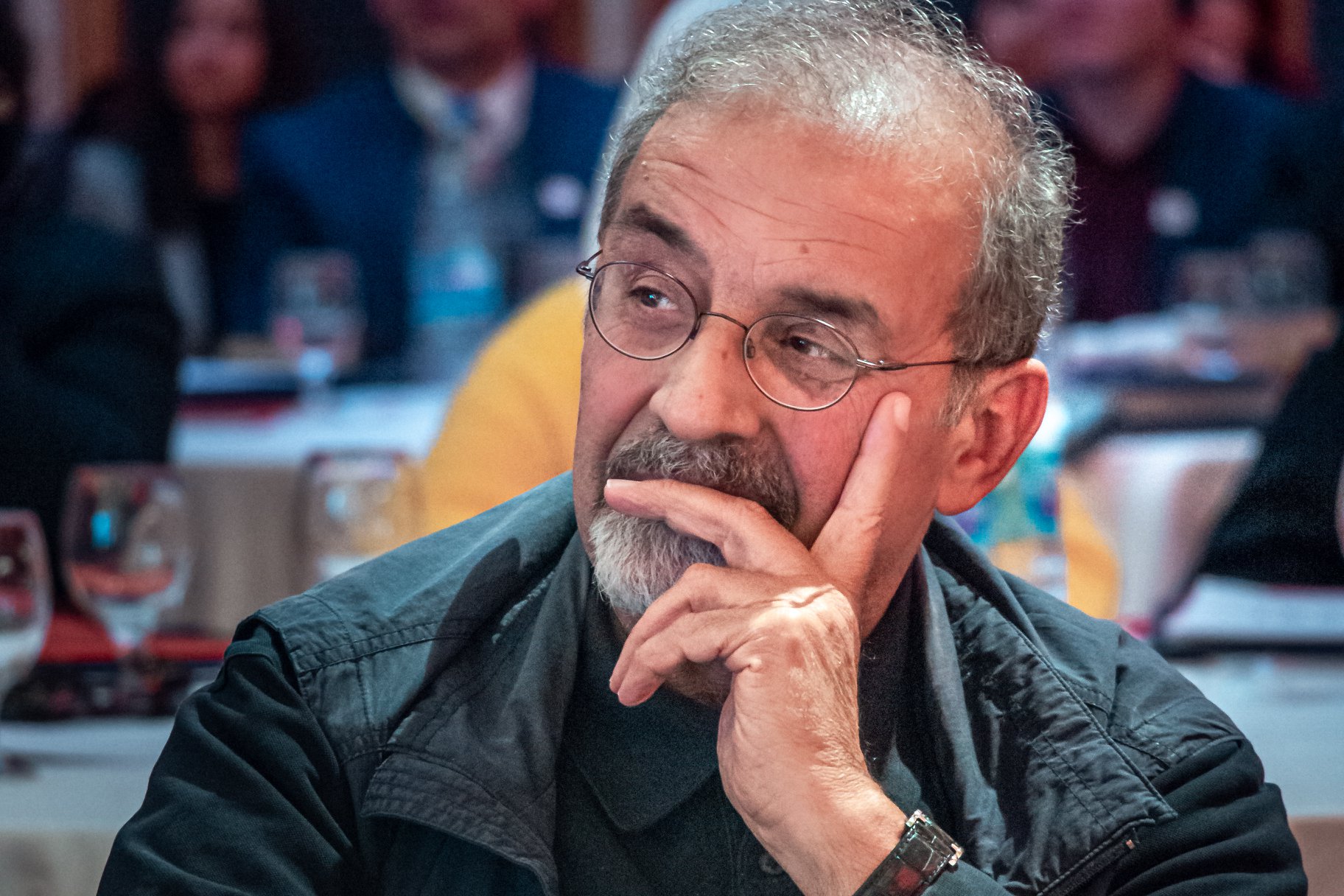
Urbanism with roots
● Known for city planning and large-scale civic work across the Middle East
● Designs blend Islamic identity with modern function—without falling into nostalgia
● Key projects: Hajj Terminal in Jeddah (with Skidmore, Owings & Merrill), Grand Mosque of Riyadh, and housing districts across Jordan
● Focuses on walkability, hierarchy, public space, and cultural memory
Badran treats urban planning like storytelling. The site tells him what to build. He listens, maps it, then makes it work.
📘 MUST READ:
Rasem Badran: Architecture of Place by James Steele
It’s half biography, half urban strategy. Worth it if you care about cities that actually function.
Zaha Hadid (Iraq–UK, 1950–2016)
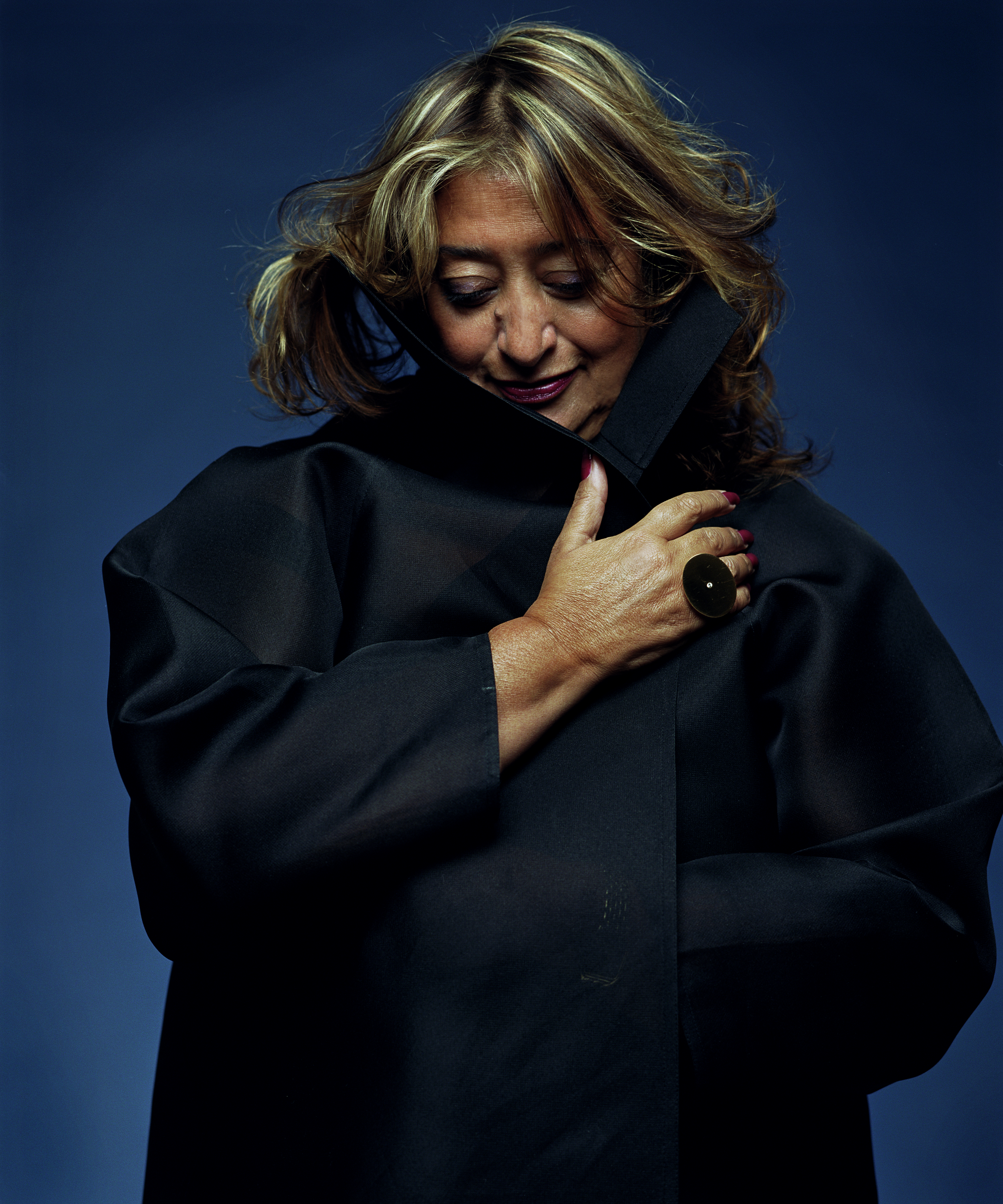
She broke every rule—and made new ones
● First woman to win the Pritzker Prize
● Known for fluid, gravity-defying forms in concrete and steel
● Projects: Heydar Aliyev Center, MAXXI Museum, London Aquatics Centre
● Used software like no one else, years before others caught on
Zaha trained as a mathematician before becoming an architect. You can feel it in the geometry. Her buildings don’t just look different. They move.
📘 FIELD PICK:
Zaha Hadid: Complete Works by Philip Jodidio
Great visual reference. Shows her process, sketches, and final forms.
Leila Araghian (Iran, born 1983)
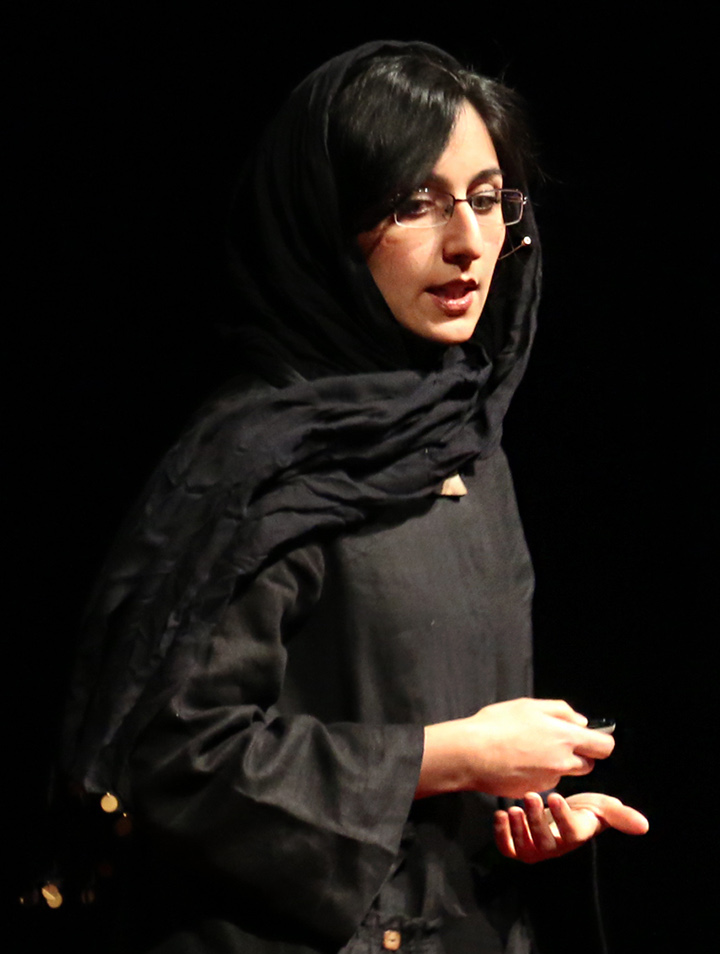
Designed a bridge people actually want to use
● Created Tabiat Bridge, one of the most loved public structures in Tehran
● Merged two disconnected parks with layered pedestrian walkways
● Combined engineering precision with architectural softness
● Structure blends into nature instead of cutting through it
Most bridges rush you from one side to the other. Hers makes you stay. Walk. Sit. Think. That's architecture doing more than its job.
Farshid Moussavi (Iran–UK, born 1965)
Brings concept into construction
● Architect, professor at Harvard, former OMA partner
● Projects: Museum of Contemporary Art Cleveland, Yokohama Port Terminal, Victoria Beckham Flagship Store
● Her work tackles facade logic, circulation, and program—not just looks
● Books on function, ornament, and form are used in architecture schools worldwide
Moussavi doesn’t design to impress. She dissects how buildings work. Then she edits—until form follows behavior.
📘 MUST READ:
The Function of Form by Farshid Moussavi
Short, sharp, and visual. A field guide for thinking through architecture, not just drawing it.
Sumaya Dabbagh (Saudi Arabia–UAE)
Designs for place, not for trend
● Founder of Dabbagh Architects in Dubai
● Projects: Mleiha Archaeological Centre (UAE), private villas, cultural buildings
● Blends Islamic history, desert landscapes, and environmental function
● Rare voice shaping architecture in the Gulf without spectacle or waste
Her buildings feel local without being literal. She studies the land, the culture, the weather—and then lets the building emerge.
Zeynep Fadıllıoğlu (Turkey)
Designed a mosque—and changed the conversation
● First woman to design a mosque in modern Turkey
● Şakirin Mosque in Istanbul blends Islamic tradition with modern minimalism
● Interior features calligraphy, filtered light, suspended glass chandeliers
● Worked with a team of women on all design aspects—rare and bold
Fadıllıoğlu didn’t just break into mosque design—she made it elegant, quiet, and grounded in the now.
Muslim Architects by Region
This isn't about style. It’s about place. Who built where, and why it still matters.
Egypt
-
Ibn Tulun – Mosque of Ibn Tulun, Cairo
-
Hassan Fathy – New Gourna Village, mudbrick revival
-
El-Wakil – Traditional mosque design, Cairo and abroad
Egypt gave us the blueprint: courtyards, domes, passive cooling, and mud as material. Still unmatched for climate-smart design.
Turkey
-
Mimar Sinan – Süleymaniye and Selimiye Mosques
-
Zeynep Fadıllıoğlu – Şakirin Mosque, Istanbul
From Ottoman scale to modern mosque reform, Turkey holds the full arc of Islamic architecture in motion.
Iran
-
Leila Araghian – Tabiat Bridge, Tehran
-
Farshid Moussavi – International projects, conceptual thinking rooted in Iranian geometry
Iran blends symbolism, public space, and engineered grace.
Iraq / UK
-
Zaha Hadid – Global practice, from Baghdad to Baku
Pushed digital tools, ignored gravity, and reshaped how form gets built.
Pakistan
-
Yasmeen Lari – Flood housing, bamboo, disaster response
Real sustainability. No greenwashing. No PR stunts. Just housing that holds.
Saudi Arabia
-
Rasem Badran – Grand Mosque of Riyadh, planning
-
El-Wakil (again) – King Saud Mosque, traditional materials at scale
Saudi became the test lab for reviving Islamic urbanism—some of it worked.
UAE / Gulf
-
Sumaya Dabbagh – Mleiha Centre, desert-modern
-
Farshid Moussavi (projects) – Regional work tied to cultural context
The Gulf is shifting—less flash, more roots. Architects like Dabbagh are leading that move.
India
-
Ustad Ahmad Lahouri – Taj Mahal (short mention only)
Still the most recognized Islamic building globally. Balance, symmetry, and structure disguised as beauty.
Techniques That Still Work
Systems thinking. Climate logic. Structural clarity. All pulled from Islamic architecture. Few ever admit it.
These ideas didn’t survive for 1000 years because they were pretty. They survived because they worked.
What Modern Architects Still Copy From the Islamic World
Courtyards
-
Why it mattered: Controlled light, heat, and airflow
-
What it did: Cooled interiors without machines
-
Still useful: Yes. Passive cooling still beats ductwork
-
Still copied in: LEED-rated homes, museum plans, climate-based housing
→ Used by: Ibn Tulun, Fathy, almost every desert-based designer
Mashrabiya (Lattice Screens)
-
Why it mattered: Privacy, ventilation, and solar control
-
What it did: Cooled rooms, filtered views, kept houses breathable
-
Still useful: Yes. Mixes cultural logic with thermal strategy
-
Still copied in: Facades, privacy screens, adaptive shading systems
→ Used by: Cairo homes, Baghdad walk-ups, Gulf courtyard houses
Domes and Vaults
-
Why it mattered: Spanned large spaces without steel
-
What it did: Raised ceilings, controlled acoustics, vented heat
-
Still useful: Yes. Shape affects both thermal flow and sound
-
Still copied in: Mosques, museums, civic buildings
→ Used by: Sinan, El-Wakil, Fathy
Qibla Orientation
-
Why it mattered: Unified layout, clarified direction
-
What it did: Organized movement, created sacred axis
-
Still useful: Any plan that follows ritual, culture, or alignment
-
Still copied in: Mosques, religious campuses, memorials
→ Used by: Every Islamic complex from Mali to Malaysia
Geometric Structure
-
Why it mattered: Balanced loads through proportion
-
What it did: Created structural rhythm, held up roofs and walls
-
Still useful: Always. Pattern equals predictability under stress
-
Still copied in: Moussavi's facades, digital form-making, parametric tools
→ Used by: Alhambra architects, Zaha, Moussavi, Pei
Calligraphy as Structure and Form
-
Why it mattered: Replaced icons with meaning
-
What it did: Embedded messages into surfaces
-
Still useful: When text becomes part of space, not stuck-on branding
-
Still copied in: Religious architecture, museum panels, modern monument skins
→ Used by: Fadıllıoğlu, El-Wakil, script-based design projects
Water as Function
-
Why it mattered: Climate control, social signal, ritual layer
-
What it did: Reflected light, cooled air, marked space
-
Still useful: Yes. Works better than concrete fountains that just "look nice"
-
Still copied in: Museums, cultural centers, passive cooling strategies
→ Used by: Alhambra, Persian gardens, Aga Khan parks
Hierarchy Through Space
-
Why it mattered: Ordered flow, built privacy
-
What it did: Structured cities and homes from public to private
-
Still useful: Modern zoning just renamed it
-
Still copied in: Galleries, civic buildings, upscale homes
→ Used by: Rasem Badran, mosque builders, vernacular town layouts
Sustainability Was Never New: Muslim Architects Did It First
Long before "green design" became a buzzword, Muslim architects were already solving heat, airflow, and material waste—without electricity, without machines, and without imported junk.
They built for the climate, the site, and the people using the space. Not for awards.
1400 Years of Building with Logic
-
Thick walls made of earth or stone—kept heat out, held cool air in
-
Courtyards and wind towers—ventilated without fans
-
Local materials—mud, lime, palm trunks, coral, brick, not steel and glass
-
Orientation and shading—buildings placed for sun, wind, and ritual flow
None of this was theory. It was necessity. They didn’t waste because they couldn’t afford to.
→ Still more sustainable than most LEED-certified glass boxes today.
Hassan Fathy Made It Clear Again
Hassan Fathy didn’t invent sustainable design—he reminded the world what it forgot.
He used mudbrick because it worked. He trained villagers to build it themselves. He designed vaults and domes that cooled air without AC. And he did it in the 1940s—while the rest of the world was pouring concrete.
His buildings weren’t just efficient. They were human.
→ New Gourna Village wasn’t flashy. It was smart, liveable, and local.
Modern Architects Still Playing Catch-Up
-
Yasmeen Lari uses bamboo, lime, and earth to build zero-carbon homes
-
El-Wakil refused steel when stone and brick worked better
-
Zaha Hadid designed with advanced tools—but still borrowed ideas from geometry, fluidity, and regional climate logic
Most modern “green” projects are trying to reinvent what these architects already figured out centuries ago.
Islamic Sustainability Principles That Still Work
These weren’t theories. They were survival tools. And they still beat most “green” design today.
Local Materials
Mudbrick, lime, coral, palm trunks, stone
→ No imports, no waste, full climate match
Passive Cooling
Courtyards, domes, wind catchers, narrow alleys
→ Controlled heat without machines
Minimal Embodied Energy
Built with human hands, not industrial supply chains
→ Low carbon before carbon was a concern
Orientation and Shade
Qibla planning, thick walls, shaded openings
→ Optimized for sunlight, ritual, and comfort
Community-Based Construction
Builders were users. No contractors. No firms.
→ Skill stayed local. So did ownership.
Durable, Repairable Design
Structures meant to be repaired, not replaced
→ Aging was part of the design logic
Climate-Responsive Form
No glass boxes. Curves, vaults, setbacks, and voids
→ Designed for weather, not just for looks
KEEP LEARNING
-
Architecture for the Poor by Hassan Fathy
-
Yasmeen Lari: Architecture for the Future
-
Islamic Architecture: Form, Function, and Meaning by Robert Hillenbrand
These aren’t “green design” books. They’re how-to manuals for building smart when resources are tight and climate actually matters.
📘 FOUNDATION PICK
Sinan: Architect of Süleyman the Magnificent and the Ottoman Golden Age – John Freely
Readable, well-structured, and focused. Covers both Sinan’s life and his built legacy without getting lost in academic fog. Great entry point for understanding who built what—and why it still holds up.
→ Buy on Amazon »
Why Most People Know the Buildings but Not the Builders
You’ve seen the Alhambra. The Taj Mahal. The Süleymaniye Mosque.
But try naming the people who actually designed them. Most can’t.
Western architecture gets authorship. Islamic architecture gets erased.
● Sinan shaped the Ottoman skyline—most people think the mosques “just happened.”
● Ustad Ahmad Lahouri designed the Taj Mahal—yet Shah Jahan gets all the credit.
● Hassan Fathy warned the world about unsustainable design—but architects still treat him like a side note.
Meanwhile, modern architects with Instagram portfolios get awards for reusing brick.
This isn’t just about history. It’s about ownership.
If you want to understand architecture, start naming names.
FAQ
1. How did Muslim architects actually lead in sustainable design?
They used what was around them—mud, stone, lime. They cooled buildings without machines.
Hassan Fathy did it with domes and mudbrick. Yasmeen Lari builds flood-resistant homes from bamboo and earth.
They weren’t chasing trends. They were solving real problems.
2. What are some must-know modern Muslim projects?
-
Zaha Hadid — Heydar Aliyev Center (Azerbaijan), KAPSARC (Saudi Arabia)
-
Leila Araghian — Tabiat Bridge (Tehran)
-
Sumaya Dabbagh — Mleiha Archaeological Center (UAE)
Each one blends form with function. And none of it’s decorative fluff.
3. How does Islamic architecture shape modern cities?
Courtyards, airflow, walkability, spatial layering.
Look at Masdar City in the UAE or traditional old towns. The systems are ancient. The logic still works.
4. Where should I actually start learning more?
Skip random blogs. Go to the real stuff:
-
Architecture for the Poor — Hassan Fathy
-
Aga Khan Award archive
-
Zaha Hadid Architects site
-
Islamic Arts Museum Malaysia
Books, not slideshows. Work, not just images.
5. Are there groups preserving Islamic architecture?
Yes. But few are doing it right.
-
Aga Khan Trust for Culture does restoration with actual research
-
Islamic Arts Museum Malaysia has one of the best collections
They’re not just curating. They’re protecting knowledge and process.
Sources and References
- Zaha Hadid Architects: Official Website
- Aga Khan Development Network: Website
- Islamic Arts Museum Malaysia: Website
- Yasmeen Lari: Research her sustainable projects through the Heritage Foundation of Pakistan.
- UNESCO World Heritage Centre: Islamic Architecture Website
- Tarek Waly Center for Architecture and Heritage: Website