
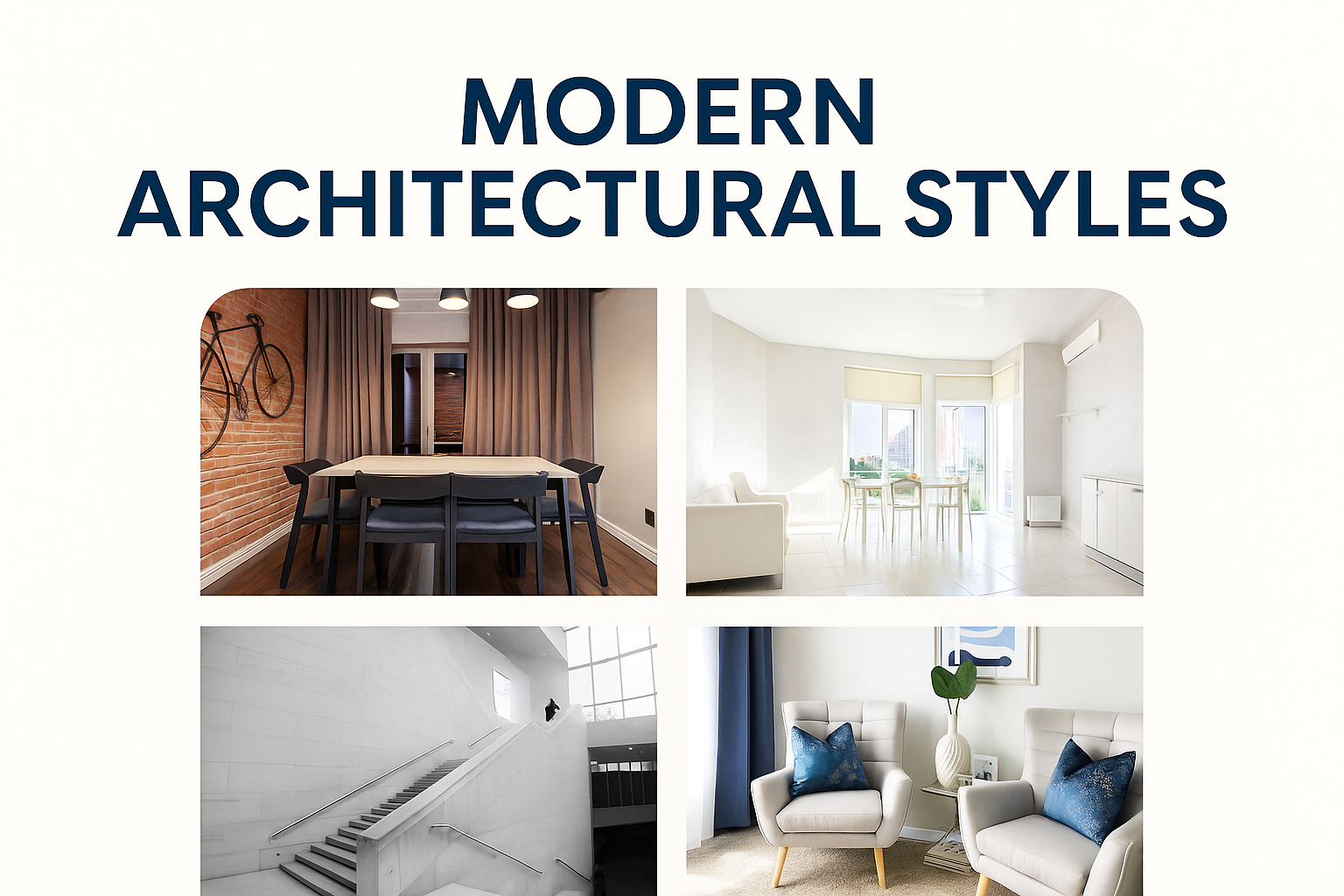
Modern Architectural Styles Encyclopedia
A Clear, No-Fluff Guide to Design Movements That Still Matter
What This Covers
Forget the textbook blur. This guide breaks down the modern architectural styles that actually shaped how we build today. Brutalism. Futurism. Mid-Century Modern. Parametricism. You’ll get:
-
What defines each style
-
When and where it started
-
Who led it
-
Why it still matters (or doesn’t)
-
How it shows up in buildings around you
You’ll also learn how architects today remix these styles—using new tools, new contexts, and real-world constraints.
POWERFUL READING: Architectural Digest at 100: A Century of Style
Why This Is Worth Your Time
Styles aren’t just labels. They’re clues about how people solve problems: how to live, build, shape cities, and express values through space.
Knowing the difference between International Style and Deconstructivism? That’s how you understand what your building is saying—and what it’s ignoring.
This guide is for students, pros, critics, or anyone who wants to stop saying “modern” and actually mean something by it.
Good Reading: Architectural Styles: A Visual Guide
🔹 MODERN STYLES
Modern Architectural Styles Catalog

A Curated Collection of Design Inspirations from Around the Globe
Brutalism
Brutalism emerged in the mid-20th century, known for its raw concrete and unapologetically massive forms. It wasn’t about beauty—it was about honesty. Materials were left exposed, and function ruled over form. Think housing blocks, city halls, and libraries that feel like bunkers.
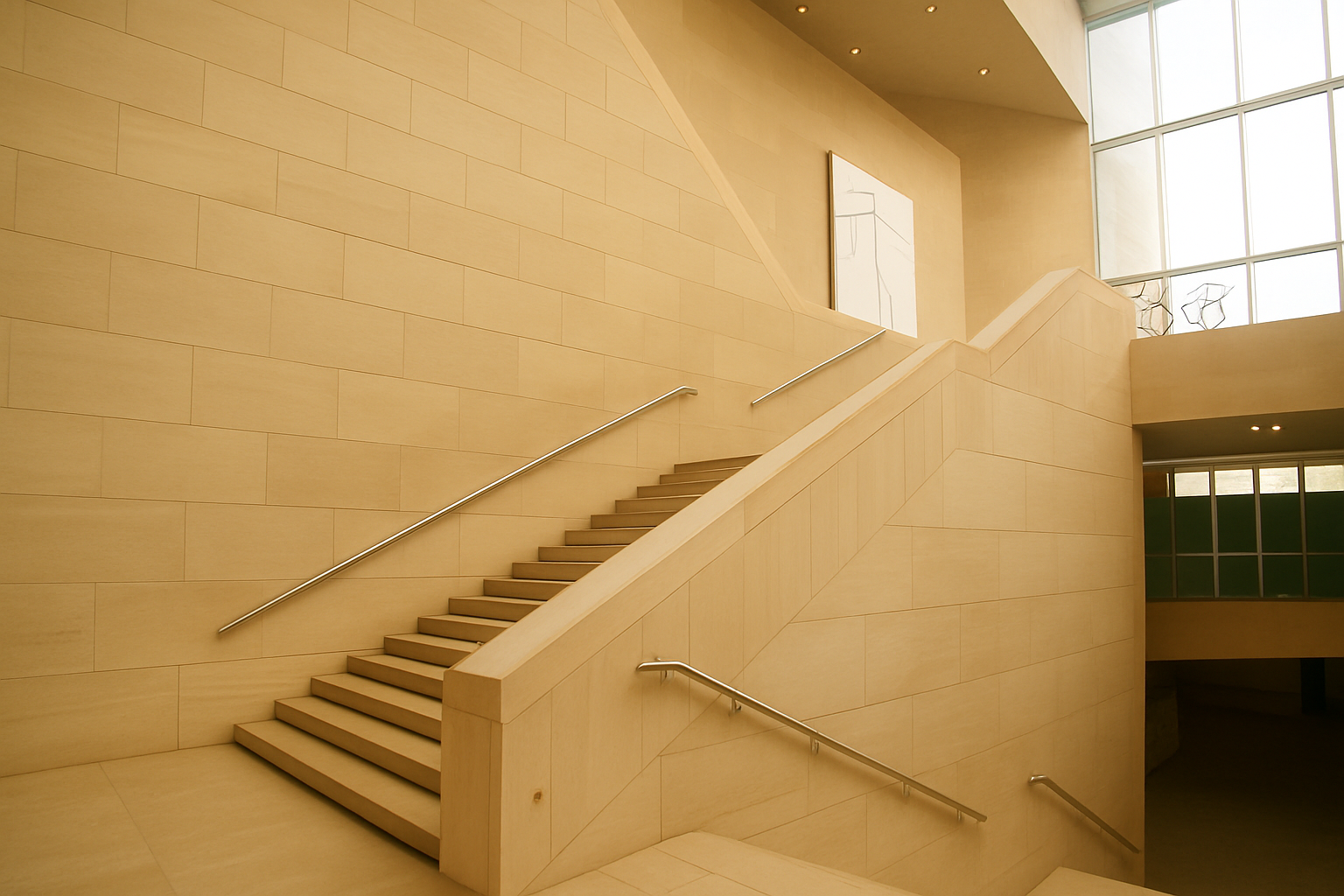
IMAGE: Modern concrete architectural staircase with clean beige stone walls, minimalist stainless steel handrails, and soft natural lighting enhancing the serene interior atmosphere.
- Focus on: Structural expression, raw texture, and monumental scale
- Why it matters: Forces you to confront space and mass without distractions
- Example: Boston City Hall, USA
- Famous Architect: Paul Rudolph
Deconstructivism
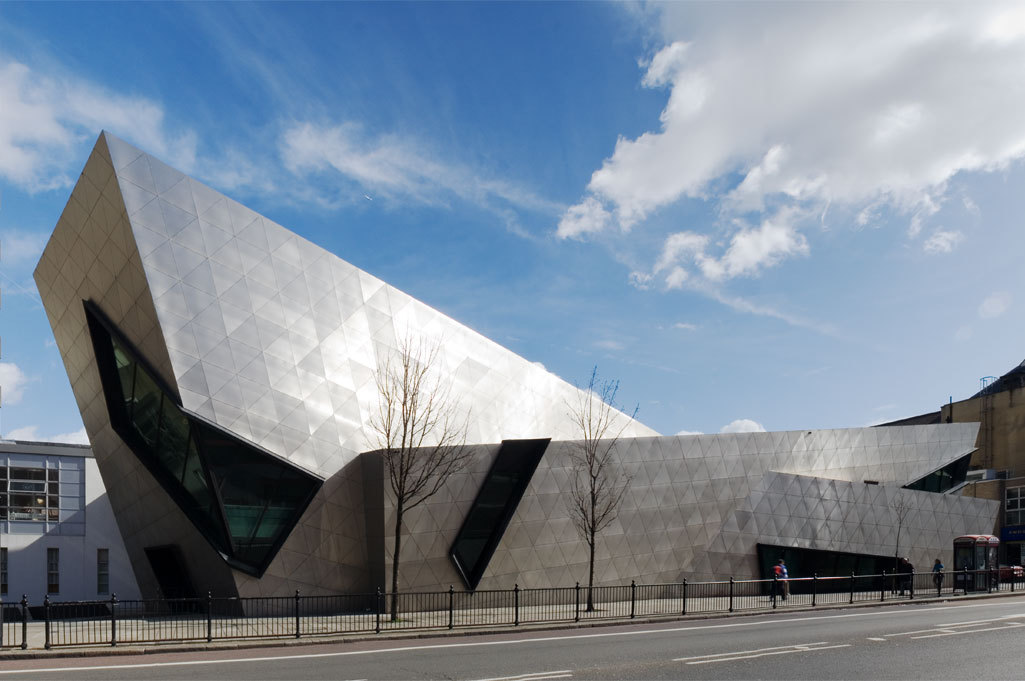
IMAGE: London Metropolitan University’s Graduate Centre designed by Daniel Libeskind, featuring sharp angles, dynamic forms, and deconstructivist architectural style.
Deconstructivism disrupts everything you think buildings should be. Originating in the 1980s, it breaks apart symmetry, order, and predictability. The result? Bold, fragmented forms that look unstable—but are engineered brilliance.
- Focus on: Visual tension, asymmetry, and layered complexity
- Why it matters: It challenges the way we interpret space
- Example: Wexner Center for the Arts, USA
- Famous Architect: Peter Eisenman
International Style
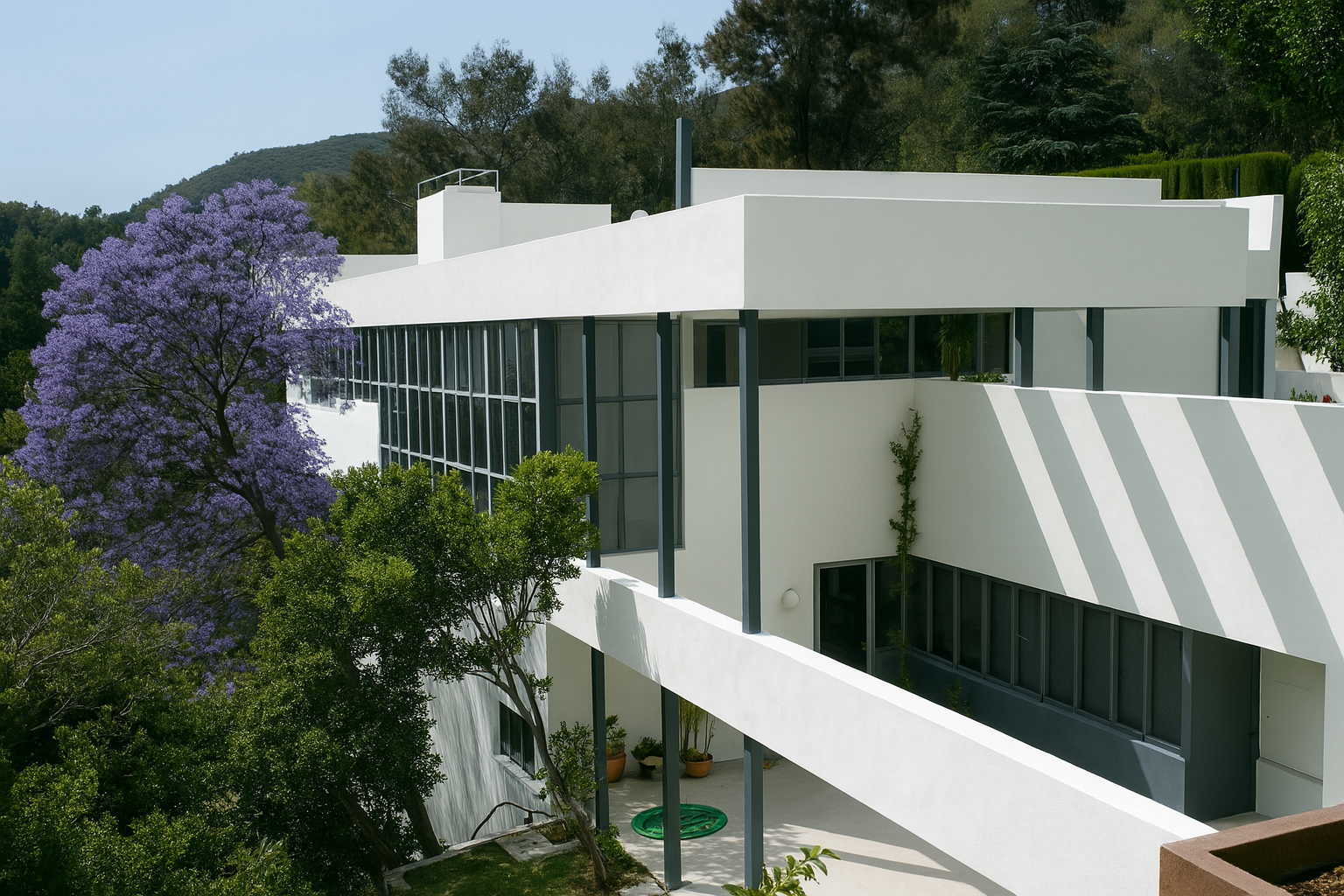
IMAGE: Lovell House (1927–29) in Los Angeles, designed by Richard Neutra, exemplifies International Style with its steel frame, open plan, ribbon windows, and minimalist geometry.
A no-nonsense approach born in the 1920s, the International Style is sleek, functional, and universally adaptable. White walls, flat roofs, and open interiors dominate. Ornament is out—efficiency is in.
- Focus on: Simplicity, grid planning, and industrial materials
- Why it matters: Shaped modern office towers and institutional design
- Example: Villa Savoye, France
- Famous Architect: Le Corbusier
Mid-Century Modern
After WWII, design got optimistic. Mid-Century Modern prioritized light, simplicity, and livability. You’ll see long horizontal lines, large windows, and furniture that looks like sculpture.
- Focus on: Indoor-outdoor flow, natural finishes, and elegant minimalism
- Why it matters: Created timeless home styles that still sell today
- Example: Case Study House #22, USA
- Famous Architect: Richard Neutra
Art Deco
Flashy and bold, Art Deco combined luxury with machine-age precision. Expect symmetrical shapes, zigzags, and rich materials like chrome and marble. Popular in the 1920s and '30s.
- Focus on: Glamour, pattern, and theatrical facades
- Why it matters: Reflected cultural confidence between the wars
- Example: Chrysler Building, USA
- Famous Architect: William Van Alen
Bauhaus
Bauhaus was more than a style—it was a philosophy. It merged craft with technology, stripping away excess. Form follows function, and everything serves a purpose.
- Focus on: Minimalism, mass production, and geometric clarity
- Why it matters: Laid the foundation for almost all modernist design
- Example: Bauhaus Dessau Building, Germany
- Famous Architect: Walter Gropius
Minimalism
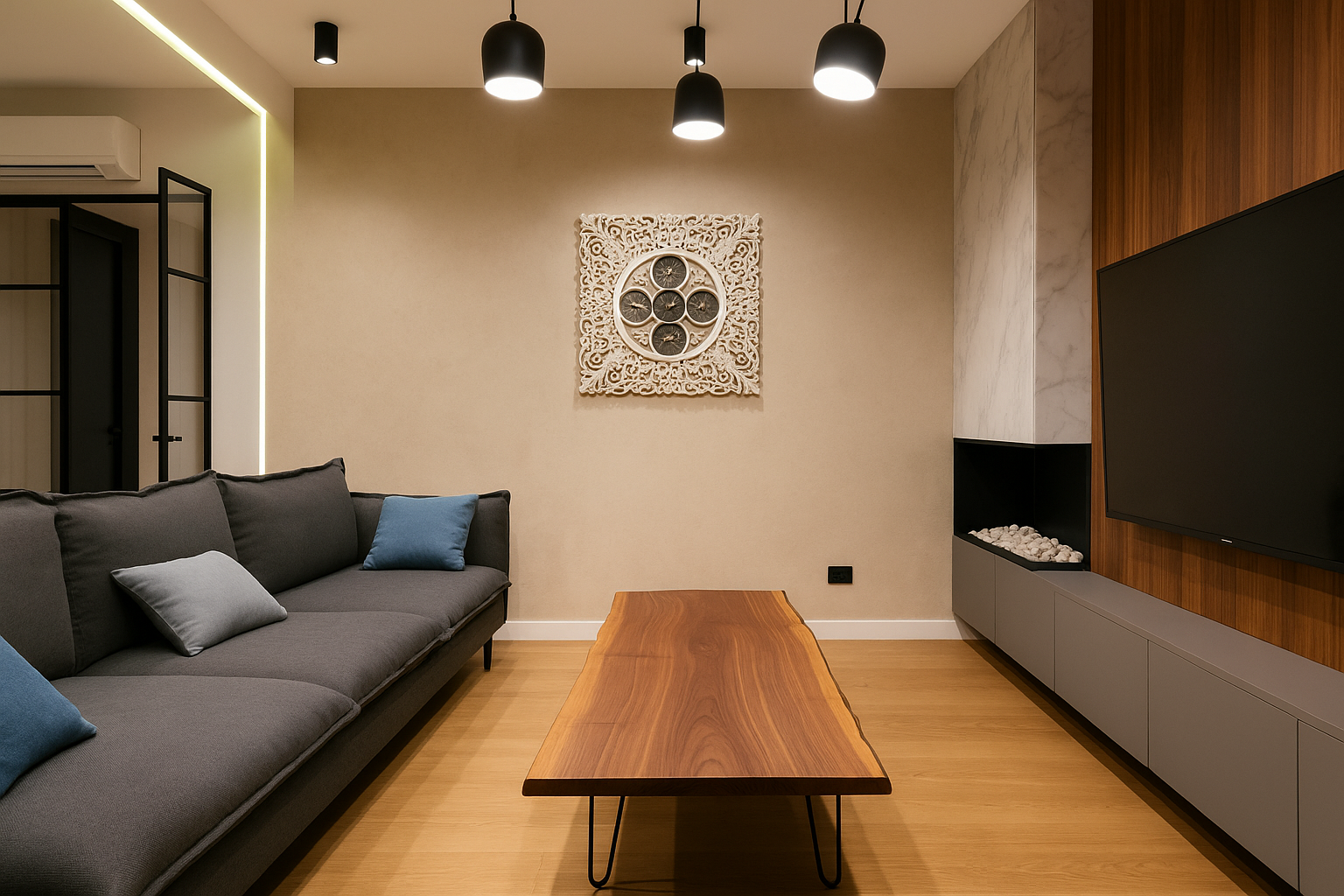
Minimalist architecture is all about calm. No clutter, no flash—just space, light, and balance. It demands discipline and rewards focus.
- Focus on: Silence in space, reduction of form, and light control
- Why it matters: Helps us focus on the essentials in a noisy world
- Example: Church of Light, Japan
- Famous Architect: Tadao Ando
Postmodern Architecture
Postmodernism pushed back against modernist seriousness. It reintroduced color, ornament, and wit. Columns became jokes, and facades became puzzles.
- Focus on: Irony, historical references, and playful detail
- Why it matters: Made architecture accessible, funny, and critical again
- Example: Piazza d’Italia, USA
- Famous Architect: Charles Moore
Expressionist Architecture
Built like sculpture, Expressionist architecture communicates emotion. You’ll find dramatic curves, flowing forms, and strange silhouettes.
- Focus on: Drama, emotion, and visual impact
- Why it matters: Prioritizes how spaces make us feel, not just how they function
- Example: Sydney Opera House, Australia
- Famous Architect: Jørn Utzon
Sustainable Architecture
This is the future. Sustainability focuses on reducing environmental impact through design. It's not about looks—it’s about survival.
- Focus on: Energy efficiency, renewable materials, low-carbon footprint
- Why it matters: Vital in a world facing climate crisis
- Example: Bullitt Center, USA
- Famous Architect: Edward Mazria
California Modernism
Born in the sunny, postwar west coast, this is architecture built to breathe. Think glass walls, breezeways, and wide eaves.
- Focus on: Seamless nature connection, relaxed living, and climate-conscious form
- Why it matters: Redefined American residential design
- Example: Eames House, USA
- Famous Architect: Charles & Ray Eames
Coastal Modern Design
Designed for the shoreline, this style balances clean lines with cozy materials. It's modernism with a sea breeze.
- Focus on: Soft colors, weathered textures, and wide openings
- Why it matters: Evokes calm and warmth in harsh climates
- Example: Seaside Pavilion, Australia
- Famous Architect: Glenn Murcutt
Constructivism
Radical and industrial, Constructivism merged art with engineering during the Soviet era. Buildings look like machines frozen in motion.
- Focus on: Geometry, contrast, and movement
- Why it matters: Bridged political change and spatial experimentation
- Example: Melnikov House, Russia
- Famous Architect: Konstantin Melnikov
Functionalism
Functionalism is all about utility. No decoration, no storytelling—just smart design for real use.
- Focus on: Rational layout, material efficiency, and performance
- Why it matters: Core principle behind modern public buildings
- Example: Paimio Sanatorium, Finland
- Famous Architect: Alvar Aalto
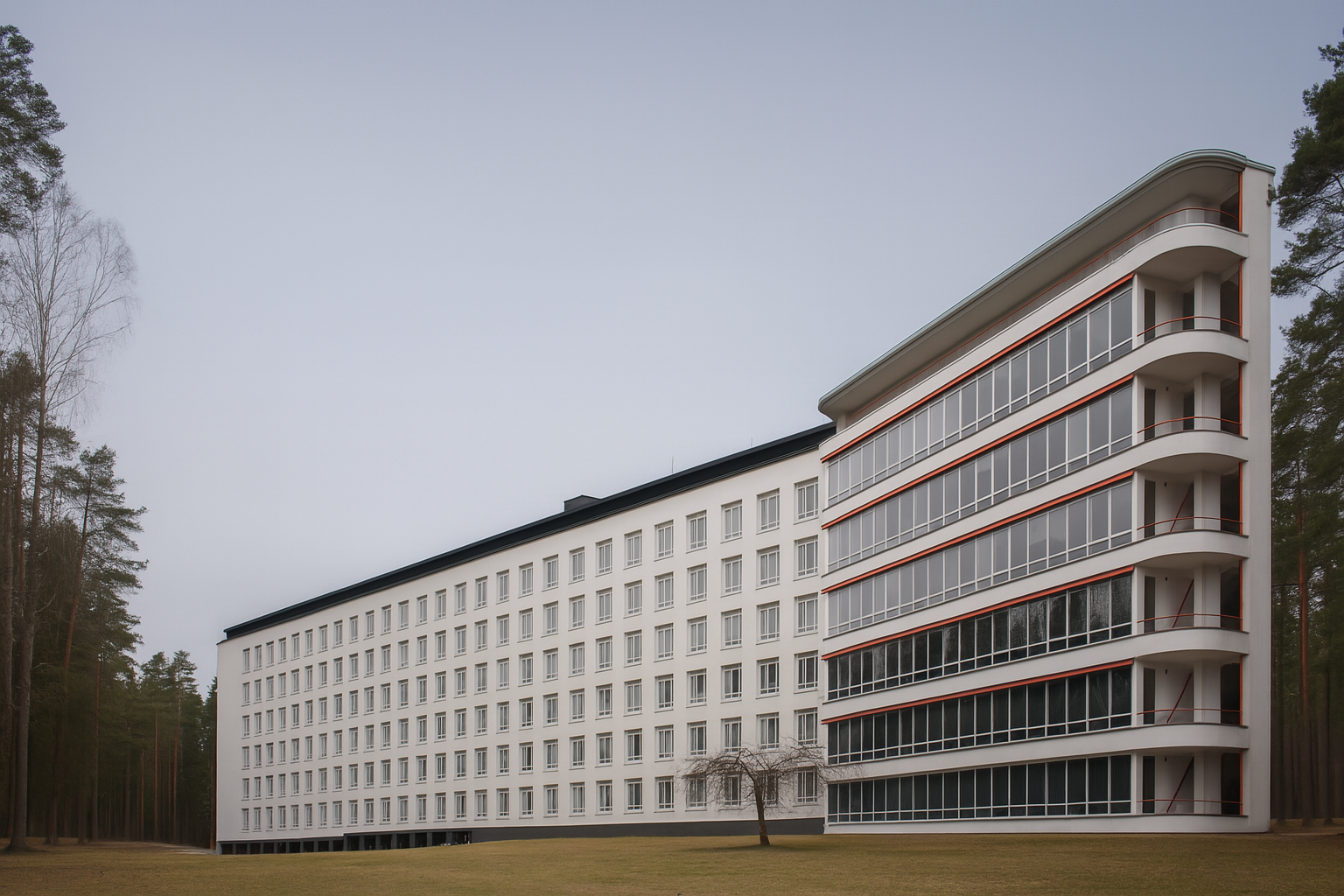
IMAGE: The Paimio Sanatorium in Finland, designed by Alvar Aalto in 1933, exemplifies human-centered modernist architecture with functional design focused on patient well-being.
Futuristic Design
This isn’t science fiction—it’s speculation made concrete. Futuristic architecture embraces impossible shapes, AI systems, and untested materials.
- Focus on: Innovation, forward-thinking aesthetics, and new functions
- Why it matters: Pushes the boundaries of architectural possibility
- Example: Zaha Hadid’s Galaxy SOHO, China
- Famous Architect: Zaha Hadid
High-Tech Architecture
Think architecture as machine. Pipes, steel frames, and glass become the face, not hidden behind walls.
- Focus on: Exposure of systems, high performance, and technical precision
- Why it matters: Celebrates engineering as design
- Example: Centre Pompidou, France
- Famous Architect: Richard Rogers
Metabolism
Japan’s Metabolism movement imagined buildings that grow like trees—modular, adaptable, and organic. It envisioned entire cities built from plug-in units.
- Focus on: Flexibility, modular systems, and urban resilience
- Why it matters: Addressed rapid urban growth with radical solutions
- Example: Nakagin Capsule Tower, Japan
- Famous Architect: Kisho Kurokawa
RECOMMENDED
Faber-Castell PITT Artist Pens
Perfect for sketching texture-heavy facades and massing.
🔹 STYLE FOCUS
RAW ARCHITECTURE : Brutalism
Why It Still Matters, and Why You Should Learn It
Why Pick Brutalism?
Because no style divides opinions quite like Brutalism. It’s loved, hated, misunderstood—and making a comeback.
It’s not just concrete. It’s about honesty, structure, public purpose, and raw power. In a world drowning in sleek, glassy sameness, Brutalism refuses to be polite. That’s exactly why students, professionals, and enthusiasts should study it now.
Why Architecture Students Should Learn It
-
Teaches material honesty – Brutalism is about letting structure speak. You learn to design without hiding behind cladding or decoration.
-
Makes you uncomfortable—in a good way – Not all buildings have to be beautiful. Some are powerful, confronting, or deeply functional. You’ll think differently.
-
Helps you understand civic responsibility – Many Brutalist buildings were social housing, universities, or libraries. It’s architecture for people, not profit.
Student Exercise Idea: Pick a brutalist building in your city. Sketch its plan, and then redesign its interior for a new purpose—keeping the exterior untouched.
Why Professionals Should Revisit It
-
Lessons in permanence and structure – These buildings age visibly. They teach what lasts.
-
Relevance in adaptive reuse – Many Brutalist buildings are being demolished. Others are being retrofitted. If you don’t understand them, you can’t save or repurpose them.
-
New material parallels – Today’s cross-laminated timber or rammed earth structures can echo Brutalism’s honesty in new ways.
Pro Tip: Use Brutalist principles—unclad material, rhythm, exposed systems—in your next community project.
Why Enthusiasts and Home Designers Should Know It
-
You’ll see your city differently—suddenly, that rough concrete library or parking garage feels intentional.
-
Brutalism gives you a deeper lens into design history—not just how buildings look, but what they stand for.
-
Some new homes and interiors are borrowing from Brutalist tones—monochrome palettes, bold geometry, heavy texture.
Fun idea: Watch documentaries like “Concrete Love” (about the Böhm family of architects) or follow @brutgroup on Instagram.
What's So Special About It?
-
It’s controversial. You can’t ignore it.
-
It’s anti-style style—a rebellion against ornament and excess.
-
It forces conversation. Every brutalist building is an argument.
Famous Brutalist Projects to Study
-
Unité d’Habitation – Le Corbusier (France)
-
Boston City Hall – Kallmann McKinnell & Knowles (USA)
-
Barbican Estate – Chamberlin, Powell and Bon (UK)
-
Geisel Library – William Pereira (USA)
-
Habitat 67 – Moshe Safdie (Canada)
Books
MUST READ
"Brutalism: Post-War British Architecture" by Alexander Clement
An honest, sharp deep dive.
🔹 STYLE STUDY
How to Study Modern Architectural Styles Without Getting Lost

Too many students skim styles like a mood board. But if you actually want to understand how modern architecture works—and use it in real projects—here’s what to focus on:
🔹 Study the Driving Force Behind Each Style
Ask yourself: What were they reacting to?
-
Brutalism responded to postwar austerity and needed fast, cheap housing.
-
Deconstructivism pushed back against the boring order of modernism.
-
High-tech was obsessed with transparency and showing off structure.
→ Styles don’t appear randomly. They’re answers to problems of their time.
🔹 Break It Down by 4 Core Filters
This is how pros analyze styles—not just what it looks like, but how and why it was built:
| Filter | What to Look For |
|---|---|
| Form | Symmetrical? Fragmented? Sculptural? Rational? |
| Material | Concrete, steel, wood, glass, composites? Raw or polished? |
| Context | Urban vs. rural? Local climate response? Cultural influence? |
| Function | Housing, museum, corporate HQ, public space? |
→ Use these four to compare styles directly or even blend them when designing.
🔹 Practice Reverse Design
Pick any famous modern building. Sketch it from memory, then ask:
-
What’s the structure doing?
-
How does it handle sunlight, views, or noise?
-
Why that material?
-
Would it still work if placed in a different climate?
→ This is how architects train intuition. Don’t just admire—dissect.
🔹 Famous Architects to Learn From
Some modern architects invented styles. Others broke them apart. Here's a quick hit list:
| Architect | Style(s) Associated | Key Building Example |
|---|---|---|
| Le Corbusier | International Style | Villa Savoye (France) |
| Zaha Hadid | Deconstructivism, Futurism | MAXXI Museum (Rome) |
| Tadao Ando | Minimalism, Concrete Expression | Church of the Light (Japan) |
| Richard Rogers | High-Tech Architecture | Lloyd’s Building (London) |
| Kiyonori Kikutake | Metabolism | Marine City (Concept) |
| Charles & Ray Eames | Mid-Century Modernism | Eames House (California) |
→ Study their drawings. Their failures. Their process.
🔹 Design Tip: Style Is a Tool, Not a Rule
Don’t treat styles like a box you have to live in. Use them to:
-
Solve problems more creatively
-
Communicate ideas faster
-
Guide your material and spatial decisions
But always let context and purpose lead the way. That’s how modern masters work.
FIELD PICK:
📘 Modern Architecture: A Critical History by Kenneth Frampton
One of the most respected, real-deal resources for understanding why modern styles exist—not just what they look like.
FAQ
25 Most Asked Questions About Modern Architectural Styles (2025)
1. What is considered modern architecture today? Modern architecture today includes everything from Bauhaus and International Style to contemporary Sustainable and High-Tech design. It’s not just one look—it's a set of evolving design principles prioritizing function, clarity, and innovation.
2. What's the difference between modern and contemporary architecture? "Modern" refers to early-to-mid 20th century styles like Bauhaus and Brutalism. "Contemporary" is what’s happening right now, including sustainable, parametric, and hybrid designs.
3. Is Brutalism coming back in 2025? Yes—especially in adaptive reuse and academic buildings. Brutalism’s honesty and rawness appeal to designers tired of glassy minimalism.
4. What is Deconstructivism in architecture? A style that breaks traditional structure and geometry. It’s fragmented, dynamic, and often surreal—think Zaha Hadid or Daniel Libeskind.
5. Which modern style is the most eco-friendly? Sustainable architecture isn't a style—it’s a cross-style practice. It can integrate with Minimalism, High-Tech, or even Metabolism.
6. Who are the key modern architects to study? Le Corbusier, Mies van der Rohe, Frank Lloyd Wright, Zaha Hadid, Richard Rogers, Tadao Ando, and Shigeru Ban.
7. What defines Mid-Century Modern? Open plans, clean lines, flat roofs, natural materials, and a flow between indoors and outdoors.
8. Is Minimalism still popular in 2025? Yes—but it's evolving. The new wave embraces warmth, texture, and sustainability, avoiding sterile or overly cold spaces.
9. Why is Bauhaus still relevant? Because it defined "form follows function"—a core principle of everything from modern web design to prefab homes.
10. What's the difference between Art Deco and Art Nouveau? Art Nouveau is fluid, organic, and inspired by nature. Art Deco is geometric, metallic, and rooted in industrial luxury.
11. What is High-Tech architecture? Architecture that exposes its mechanical systems—like pipes, trusses, and HVAC—as part of the design.
12. Is Postmodernism really over? No. It's re-emerging in ironic, playful, or hybrid forms. You’ll see it in branding-heavy projects or boutique developments.
13. What makes a building "International Style"? Rectilinear forms, flat surfaces, minimal ornamentation, and use of glass, steel, and concrete.
14. Are modular homes part of a style? Yes—connected to Metabolism, Functionalism, and contemporary prefab trends.
15. What is California Modernism? A regional adaptation of modernism emphasizing light, nature, and indoor-outdoor living. Think Eichler homes.
16. Is Deconstructivism hard to build? Yes. It's expensive, complicated, and often requires digital fabrication and structural gymnastics.
17. How can I identify Expressionist architecture? It feels emotional, dynamic, and sculptural—less about logic, more about experience.
18. What's the most influential modern style today? Minimalism remains dominant, but Sustainable and Parametric Design are shaping the future.
19. Do architects still sketch, or is everything digital? Both. Sketching remains essential for conceptual thinking. Digital tools are key for execution.
20. What tools are essential for modern architectural design? Sketchbook, Rhino, Revit, AutoCAD, Adobe Suite, Enscape, VR goggles, and good old model foam.
21. Can modern architecture be cozy? Absolutely. Modern doesn’t mean cold—if you use warm materials, thoughtful lighting, and soft detailing.
22. How do I choose a modern style for my home? Start with lifestyle: minimalist? relaxed coastal? expressive sculptural? Then match the style’s core principles to your priorities.
23. Is Functionalism still practiced? Yes, especially in public buildings, hospitals, and schools. It’s practical and cost-effective.
24. What’s the future of modern architecture? Cross-disciplinary design, smart systems, climate resilience, and cultural responsiveness.
25. Can I mix modern styles in one project? Yes—with clarity. Don’t blend at random—define a hierarchy and let one style lead while others support.
Resources
-
Brutalist DC Map – for U.S. capital residents and travelers