

Industrial-style living room featuring green plants and elegant brown sofa chairs for a cozy atmosphere.
How to Create a Rustic Industrial Look in Your Home
The Charm of Rustic Industrial Style: Rustic industrial design is where the gritty charm of old factories meets the warmth of natural, homey elements. It’s a style that doesn’t try too hard yet feels intentional—a little rugged, a little cozy, and 100% inviting.
Think exposed bricks, reclaimed wood, and black metal finishes paired with soft textiles and earthy tones. It’s raw, yet polished. Practical, yet stylish. And the best part? It’s achievable whether you’re in a loft, a suburban home, or even a studio apartment.
But what makes this style so captivating? Let’s break it down.
Defining Rustic Industrial Style
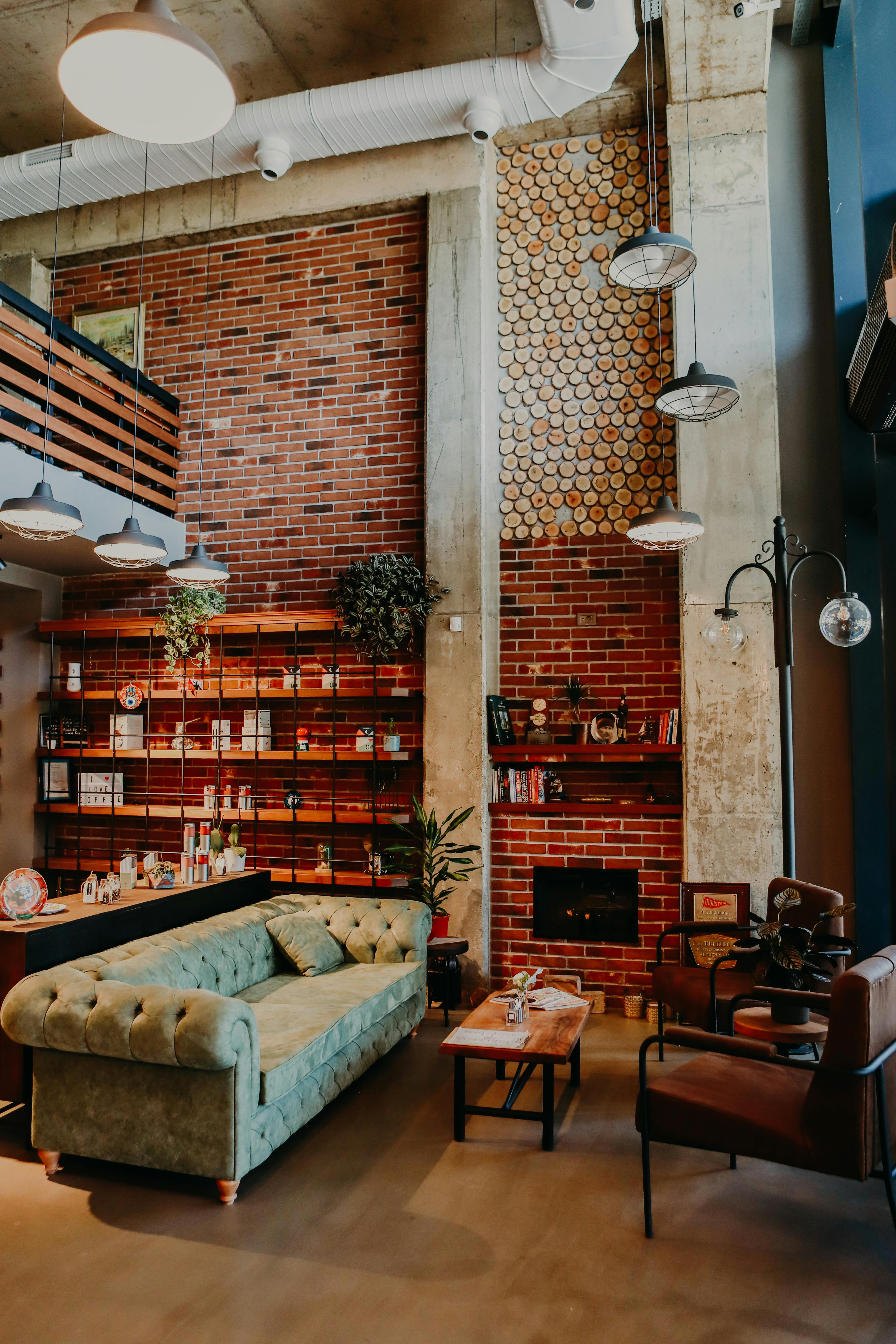
Industrial-style living room with a cozy sofa, coffee table, exposed brick walls, and visible pipe accents.
Rustic industrial design marries the structural, unfinished look of industrial spaces with the comforting warmth of rustic materials. It’s a contrast that works because it balances opposites—rough textures against smooth finishes, bold metal accents against soft, natural hues.
- Key Characteristics:
- Exposed elements like beams, pipes, and bricks.
- A mix of metals (iron, steel) and organic materials (wood, leather).
- Neutral color palettes with pops of earthy tones.
- Functional yet aesthetically pleasing furniture and décor.
Origins of Rustic Industrial Design: From Factories to Homes
The roots of rustic industrial design go back to the Industrial Revolution, when factories and warehouses were built with raw materials like brick, metal, and timber. These spaces were functional and sturdy, but their simple, no-frills aesthetic has inspired designers for decades.
- Post-Industrial Influence: As cities evolved, abandoned warehouses and factories became opportunities for repurposing. Artists and designers began converting these spaces into lofts, preserving their original industrial charm while adding rustic, lived-in warmth.
- Modern Revival: Today, rustic industrial style isn’t confined to urban lofts. Homeowners and designers across the globe have embraced the look, adapting it for homes of all sizes.
Why It’s Trending: The Blend of Raw and Warm Aesthetics
People are drawn to rustic industrial design because it feels real. It’s not about perfection; it’s about character and history.
- Sustainability Factor: The focus on reclaimed wood, salvaged metal, and upcycled furniture aligns with the growing demand for eco-friendly living.
- Versatility: This style works equally well in kitchens, living rooms, bedrooms, and even outdoor spaces. It’s adaptable without losing its essence.
- Aesthetic Appeal: The juxtaposition of raw industrial elements and soft, cozy touches creates spaces that are visually striking yet comfortable.
What Makes It Work?
The magic of rustic industrial design lies in its ability to create a cohesive look from contrasting elements. Here’s how to achieve it:
- Contrast is Key: Pair rough materials like weathered wood or exposed brick with sleek, polished surfaces like glass or stainless steel.
- Layer Textures: Combine different textures—think wool throws on leather sofas or metal light fixtures above wooden dining tables.
- Stay Neutral: Stick to earthy tones like browns, grays, and blacks, with occasional pops of deep greens or warm reds.
Rustic industrial design is a style with roots, character, and infinite potential to adapt to your space and personality. Stick around as we explore its charm, tips to achieve the look, and why it continues to win hearts in homes around the world.
The Essentials of Rustic Industrial Style: A Design Guide
Core Characteristics of Rustic Industrial Design
Core Characteristics of Rustic Industrial Design
1. Material Palette
The foundation of rustic industrial design lies in its raw and authentic materials, combining industrial toughness with rustic charm. Here's what defines the material palette:
- Exposed Brick, Concrete, and Weathered Wood
These elements showcase the raw beauty of natural and industrial materials. Exposed brick walls create a sense of history, concrete adds a sleek yet sturdy touch, and weathered wood brings warmth and character. Together, they form a timeless (yet simple) backdrop. - Metal Elements: Steel, Iron, and Aluminum
Metal is essential in rustic industrial spaces, often seen in furniture frames, shelving, and light fixtures. Black steel pipes, wrought iron detailing, or brushed aluminum accents provide a sleek and sturdy contrast to softer materials. - Reclaimed and Sustainable Materials
Sustainability is a key focus. Using reclaimed wood, vintage metals, or repurposed furniture adds personality while aligning with eco-friendly practices. Each piece tells a story, enhancing the design’s authenticity.
2. Color Schemes
The rustic industrial style keeps things grounded with a neutral base but isn’t afraid of strategic pops of color.
- Neutral Tones: Grays, Browns, and Blacks
The primary palette sticks to earthy and industrial shades that evoke a natural, understated elegance. Think gray concrete, rich brown wood, and black steel. - Accent Colors: Deep Reds, Blues, or Greens
A carefully chosen accent color can breathe life into the space. For example, a deep red leather chair, navy blue cabinetry, or a muted green plant display adds visual interest without overwhelming the room.
3. Textures
The play of textures is where rustic industrial design truly shines, creating depth and comfort in what might otherwise feel stark.
- Juxtaposition of Rough and Soft
Rough textures like exposed brick, raw concrete, and reclaimed wood are balanced by soft textiles such as plush rugs, linen throws, or velvet cushions. This contrast prevents the space from feeling too cold or utilitarian. - Layering
Adding layers, such as a shag rug over a concrete floor or a soft throw blanket draped over a steel-framed chair, softens the overall feel and makes the space more inviting.
4. Open Spaces
Rustic industrial design thrives in large, open layouts, often inspired by loft apartments or converted warehouses.
- Emphasis on Large, Open Layouts
Open floor plans allow for seamless transitions between living, dining, and kitchen areas. Furniture placement and rugs are often used to define zones within the space. - High Ceilings and Exposed Beams
High ceilings create an airy and expansive feel, while exposed beams add architectural interest. These elements harken back to industrial origins while providing a unique design statement.
When considering rustic industrial design, imagine spaces that are balanced, functional, and deeply personal. Incorporate a mix of raw materials, cohesive colors, and layered textures. Focus on openness, as this style provides a versatile and universally appealing approach to modern living.
Furniture and Décor Elements: Mastering Rustic Industrial Style
Creating a cohesive rustic industrial design involves choosing furniture, décor, and textiles that highlight the raw, unpolished charm of industrial spaces while introducing warmth and comfort. Here’s a detailed breakdown of what works and why, with expert tips to avoid common mistakes.
1. Furniture: The Backbone of Rustic Industrial Style
Heavy, Durable Pieces with a Vintage Look
- Why? Rustic industrial design thrives on sturdy, time-worn furniture that feels authentic and grounded. Think pieces that look like they’ve been pulled from an old factory or warehouse.
- Do This: Opt for solid wood dining tables or coffee tables with visible grain and metal legs. These are durable and tie in well with the industrial aesthetic.
- Avoid This: Overly ornate furniture or flimsy, lightweight pieces—they’ll clash with the industrial vibe.
Wood and Metal Combinations
- Why? The mix of warm wood tones and cold metal reflects the style’s roots in industrial spaces.
- Examples: A bookshelf with reclaimed wood shelves and black iron frames is both functional and stylish.
- Pro Tip: Look for items with a patina finish for an authentic vintage look.
Leather and Suede for Sofas and Armchairs

Industrial modern apartment with a leather sofa, exposed red brick walls, and a wall art piece.
- Why? Leather adds a touch of luxury to balance the rawness of industrial elements. Suede provides a softer, cozier texture.
- Do This: Choose distressed leather for a lived-in look. A tan leather sofa can be the centerpiece of your living room.
- Avoid This: Overly polished or shiny leather—it feels too modern and can clash with the rustic vibe.
Functional and Minimalist Designs
- Why? Industrial design is about utility. Furniture should be functional and straightforward.
- Do This: Go for minimalist designs like a sleek iron bed frame or a simple wooden bench.
- Avoid This: Furniture with excessive ornamentation or curves—keep it straight and simple.
2. Décor Accessories: The Charm is in the Details
Industrial Lighting

Oversized industrial classic lights with a pulpit design, offering bold and unique lighting for the space.
- Key Features: Edison bulbs, pendant lamps, and fixtures made of steel or brass.
- Why? Lighting is a defining feature of this style, adding both functionality and a design statement.
- Pro Tip: Install a trio of pendant lights above your dining table for a dramatic yet cohesive look.
Reclaimed Wood Shelves and Tables
- Why? They add warmth and texture, breaking up the coldness of metal elements.
- Example: Floating shelves made from reclaimed barn wood can display books or décor pieces beautifully.
Vintage Décor
- Examples: Old clocks, typewriters, or industrial fans add authenticity and character.
- Do This: Scout thrift stores or flea markets for unique, one-of-a-kind finds.
- Avoid This: Overcrowding your space with too many accessories. A few well-placed items work best.
Use of Pipes in Shelving and Rails
- Why? Exposed pipes emphasize the industrial roots of the design.
- Pro Tip: Use pipe fittings for custom shelving or as a clothing rack in a bedroom for a practical touch.
3. Textiles: Balancing Rough and Soft
Neutral or Earth-Toned Rugs and Curtains
- Why? These tones complement the industrial color palette of grays, browns, and blacks.
- Do This: Opt for jute rugs or curtains in beige or gray to add warmth without overpowering the space.
Wool, Jute, and Leather Accents
- Why? These materials add texture and depth, softening the overall look.
- Examples: A jute rug under a coffee table or leather throw pillows on a couch.
- Pro Tip: Stick to natural fibers for a cohesive look.
Soft Throws and Pillows for Balance
- Why? They counterbalance the hardness of metal and wood, making the space more inviting.
- Do This: Add a chunky knit throw over a leather chair for a cozy yet stylish touch.
- Avoid This: Overly bright or patterned textiles—stick to simple designs that match your palette.
4. Wall Décor: Frame Your Space with Industrial Charm
Exposed Brick or Wood Panels
- Why? These materials are iconic in rustic industrial design, providing texture and a sense of history.
- Do This: Use wallpaper with a realistic brick print if exposed brick isn’t an option.
- Pro Tip: Keep one wall as a feature to avoid overwhelming the space.
Metal Wall Art and Signage
- Why? Metal pieces reinforce the industrial aesthetic and add a modern edge.
- Example: A vintage metal sign or abstract wall sculpture made of steel.
Oversized Clocks and Mirrors
- Why? These pieces add function and style while amplifying light and space.
- Do This: Choose a clock with a metal frame or a mirror with a black iron border.
- Pro Tip: Place an oversized mirror opposite a window to maximize natural light.
Expert Tips for Nailing the Look
- Mix, Don’t Match: Combine various textures and materials, like wood and metal or leather and wool, to keep the space dynamic and layered.
- Focus on Function: Prioritize items that are both beautiful and useful. A reclaimed wood coffee table with storage is a perfect example.
- Scale Matters: Avoid oversized furniture in small spaces; it will make the room feel cramped. Conversely, choose larger statement pieces for bigger rooms to anchor the space.
Common Mistakes to Avoid
- Overcrowding: Too many elements can make the space feel cluttered and chaotic.
- Solution: Choose a few standout pieces and keep the rest minimal.
- Ignoring Comfort: Industrial spaces can feel cold without thoughtful additions.
- Solution: Incorporate cozy textiles and warm lighting.
- Overdoing Themes: Don’t make the space look like a factory replica.
- Solution: Blend industrial elements with modern or rustic touches for a balanced look.
Why It Works
Rustic industrial design is timeless (yet straightforward) because it’s grounded in practicality and charm. By balancing rough and polished materials, warm textiles, and carefully chosen accessories, you can create a space that feels both edgy and inviting.
Your home should tell a story—make it one of authenticity, creativity, and comfort.
Modern rustic industrial interior design ideas for every room
Rustic Industrial Room Design Ideas: Bringing Edgy Charm to Every Space
Rustic industrial design is all about combining rugged industrial elements with warm, rustic touches to create inviting, functional, and aesthetically pleasing spaces. Here's how to bring this style to life, room by room.
Living Room
Open Floor Plans with Loft-Like Features
- Why: Open layouts enhance the industrial feel and provide versatility for furniture placement.
- Tips: Keep the space uncluttered and use rugs to define specific zones, such as the seating area.
Large Sectional Sofas with Metal Coffee Tables
- Why: A sectional provides comfort and fills the space effectively, while a metal coffee table adds industrial character.
- Pro Tip: Choose a leather or suede sectional for durability and a vintage vibe.
Statement Industrial Lighting Fixtures
- Examples: Oversized metal pendant lights or a floor lamp with an exposed bulb.
- Why: Lighting is both functional and a focal point in industrial design.
Rugs for Texture and Warmth
- Why: Industrial materials can feel cold; rugs soften the look.
- Do This: Opt for wool or jute rugs in neutral tones with minimal patterns.
Bedroom
Metal Bed Frames with Reclaimed Wood Headboards
- Why: The combination of metal and wood reflects the rustic industrial ethos.
- Pro Tip: Look for bed frames with a distressed finish for added character.
Vintage Trunks or Suitcases as Side Tables
- Why: They add storage and a sense of history to the space.
- Pro Tip: Stack smaller vintage trunks for a unique bedside look.
Warm, Neutral Bedding
- Why: Keeps the room cozy without detracting from the industrial elements.
- Tips: Stick to earth tones like beige, gray, or soft browns and layer with textured throws.
Industrial-Style Wardrobes or Clothing Racks
- Why: Open storage solutions fit the industrial aesthetic and keep the space functional.
- Pro Tip: Use a black iron clothing rack and complement it with wooden hangers.
Kitchen

Open Shelving with Exposed Pipes
- Why: Open shelves keep the kitchen airy, and exposed pipes amplify the industrial feel.
- Do This: Use reclaimed wood planks for the shelves, paired with black iron brackets.
Metal Countertops or Reclaimed Wood Islands
- Why: Both materials are durable and align with the rustic industrial theme.
- Pro Tip: A butcher block countertop on an island offers a balance of ruggedness and warmth.
Industrial Pendant Lights
- Why: These provide task lighting while making a bold design statement.
- Examples: Use Edison bulb pendants with black metal shades for a classic look.
Rustic Cabinets with Black or Metal Hardware
- Why: Wooden cabinets with matte black hardware tie the rustic and industrial elements together.
- Pro Tip: Add frosted glass panels to some cabinets for a modern twist.
Dining Room
Long Wooden Dining Tables with Metal Legs
- Why: These tables are functional for gatherings and epitomize rustic industrial design.
- Pro Tip: Look for tables made from reclaimed wood for added sustainability and charm.
Industrial Metal Chairs or Benches
- Why: Metal chairs are durable, and benches maximize seating in smaller spaces.
- Tips: Add cushions in neutral colors to soften the look.
Statement Chandeliers or Edison Bulbs
- Why: Lighting sets the tone for the dining space.
- Examples: Install a chandelier made of black iron or a cluster of Edison bulbs.
Gallery Wall with Vintage Prints
- Why: Adds personality and visual interest to the dining room.
- Pro Tip: Use black metal frames for consistency with the industrial style.
Bathroom

Industrial bathroom featuring a white ceramic bathtub, stainless steel washbasin, and a shower room.
Industrial Faucets and Fixtures
- Why: Fixtures in black or brushed metal emphasize the industrial vibe.
- Pro Tip: Wall-mounted faucets can save space and look sleek.
Concrete or Stone Sinks
- Why: These materials are durable and exude a rugged charm.
- Tips: Pair them with wooden or metal vanities for contrast.
Open Pipe Shelving
- Why: Keeps storage functional and aligns with industrial aesthetics.
- Pro Tip: Use reclaimed wood shelves supported by black pipes for a polished look.
Rustic Mirrors with Metal Frames
- Why: Mirrors with distressed or black iron frames complete the industrial look.
- Tips: Choose oversized mirrors to make the bathroom feel more spacious.
Pro Tips for Achieving Rustic Industrial Perfection
- Balance Hard and Soft Elements: Pair raw materials like brick and metal with warm textures like wool or leather.
- Layer Lighting: Use a mix of overhead, task, and accent lighting to create a well-lit, functional space.
- Stick to a Cohesive Palette: Neutral tones with occasional pops of color (e.g., deep green or navy blue) keep the space cohesive.
- Avoid Overcrowding: Select fewer, larger statement pieces rather than crowding the space with too many small items.
Rustic industrial design thrives on contrasts—raw versus refined, modern versus vintage, and functional versus aesthetic. Following these room-specific tips, can help you create a home that is both stylish and comfortable, embodying the best of both worlds.
Combining Styles: Rustic Industrial with Other Designs
Mixing design styles is like making a great recipe—it’s all about balance. When you combine rustic industrial with other styles, you get unique spaces that are rich in character and functionality. Let’s dive into how you can blend this edgy yet warm aesthetic with farmhouse, modern, and vintage elements.
Rustic Industrial and Farmhouse
How to Add Farmhouse Warmth to Industrial Rawness
Farmhouse and industrial styles share a love for authenticity and practicality, but they differ in tone. Farmhouse brings warmth and coziness to industrial’s raw, edgy appeal.
- Whitewashed Wood and Galvanized Metal
Picture this: a reclaimed wood dining table with galvanized metal chairs. The wood adds warmth, while the metal introduces an industrial edge. - Farmhouse Patterns Meet Industrial Lines
Throw in some plaid or striped cushions on a rugged leather sofa. It’s the perfect way to soften the space while staying true to both styles.
Pro Tip:
Don’t overdo the “rustic.” Too many knickknacks can make the space feel cluttered. Aim for a curated look—every piece should have a purpose or a story.
Rustic Industrial and Modern
Combining Sleek Minimalism with Industrial Charm
This pairing is like a well-tailored suit with scuffed leather boots—it shouldn’t work, but it does. The trick is to keep the lines clean and let the textures do the talking.
- Sleek Lines and Minimalist Furniture
Use modern furniture with straight, simple lines and pair it with industrial materials like concrete and steel. For instance, a steel-framed glass coffee table looks stunning next to a plush, minimalist sofa. - Modern Lighting in an Industrial Framework
Replace your basic ceiling light with a sleek black pendant or a cluster of Edison bulbs in a modern configuration. You’re merging functionality with flair. - Neutral Palettes with Rustic Textures
Keep the color scheme neutral—think whites, grays, and blacks—but layer in textures like exposed brick or reclaimed wood to add depth.
Pro Tip:
Modern style loves open space, so resist the urge to overfill. A few statement industrial pieces will keep it cohesive and polished.
Rustic Industrial and Vintage
Adding History and Soul to Industrial Spaces
Vintage pieces bring authenticity and nostalgia, making industrial spaces feel more lived-in and personal. This combo is ideal for those who love a bit of storytelling in their decor.
- Antique Pieces for Authenticity
Hunt down a vintage trunk to use as a coffee table or repurpose an old sewing machine stand as a console table. These pieces scream character. - Mix Old Machinery with Cozy Furniture
Place an old factory light over a plush armchair, or lean a vintage ladder against a wall as a towel rack. The juxtaposition of hard and soft creates visual interest. - Vintage Artwork and Posters
Think old travel posters, black-and-white photos, or hand-painted signs. These elements not only personalize the space but also tie the vintage and industrial styles together seamlessly.

Wall decorated with several industrial art posters, adding a creative touch to the space.
Pro Tip:
When hunting for vintage pieces, quality trumps quantity. A few standout finds are far more impactful than a cluttered collection.
Why Blending Styles Works
Mixing rustic industrial with farmhouse, modern, or vintage designs is all about creating contrast. Each style has its strengths, and together they bring out the best in one another. Whether it’s the warmth of farmhouse, the sleekness of modern, or the character of vintage, these combinations are endlessly versatile.
Combining styles doesn’t mean throwing everything together and hoping it works. It’s about choosing pieces thoughtfully and letting the space tell a cohesive story.
Rustic industrial is a strong foundation, and whether you add farmhouse charm, modern sophistication, or vintage soul, the result will be a space that feels both intentional and inspiring.
So, experiment boldly but edit ruthlessly. After all, great design isn’t about following rules—it’s about creating a space that feels uniquely yours.
How to Decorate in Rustic Industrial Style
Rustic industrial style combines the raw, edgy charm of industrial design with the warm, cozy feel of rustic elements. It’s about balance, thoughtful choices, and making your space feel functional yet inviting. Here’s how to master the look with practical tips, creative ideas, and a focus on sustainability.
Balancing Rustic Warmth with Industrial Edginess
The secret to nailing rustic industrial style is harmony. Too much industrial, and your space feels cold. Overload the rustic, and it can feel outdated. Striking the right balance keeps the look fresh and cohesive.
- Tip 1: Pair warm wood tones with raw metals. For instance, a reclaimed wood dining table can sit beautifully with metal chairs.
- Tip 2: Combine soft textiles, like linen or cotton, with harder industrial elements like concrete or steel. A plush throw over a leather sofa can soften the vibe.
- Example: Use industrial lighting, like a black metal pendant, above a warm, rustic kitchen island made of reclaimed wood.
Layering Textures for Depth
Rustic industrial spaces thrive on contrast and tactile variety. Mixing textures creates a space that feels multidimensional and interesting.
- Hard Textures: Exposed brick, concrete, and weathered wood add structure and definition.
- Soft Textures: Balance the hardness with woven rugs, cozy throws, and soft cushions.
- Mixed Materials: Metal and wood furniture, such as a coffee table with a steel base and wooden top, brings the best of both worlds.
- Example: Pair a jute rug with a leather armchair and a metal-framed bookshelf.
Focusing on Functional and Statement Pieces
Rustic industrial style prioritizes function, but that doesn’t mean it can’t make a bold statement. Choose pieces that are practical but also eye-catching.
- Furniture Choices: Invest in durable, functional furniture like a large leather sofa, a steel-framed bed, or a reclaimed wood dining table.
- Lighting: Go bold with industrial fixtures like Edison bulb chandeliers, pendant lights, or floor lamps with metal detailing.
- Statement Décor: A large clock, abstract metal art, or oversized mirrors can anchor the space.
- Example: Use an industrial metal shelving unit for both storage and display—mix books, plants, and vintage finds for a curated look.
Sourcing Reclaimed and Sustainable Materials
Rustic industrial design has a deep connection to sustainability. Choosing reclaimed and eco-friendly materials not only adds character but also reduces environmental impact.
- Reclaimed Wood: Look for tables, shelves, and even flooring made from salvaged wood.
- Vintage Finds: Scour thrift stores or flea markets for unique items like antique trunks, typewriters, or old factory lights.
- DIY Projects: Repurpose materials like old pipes into shelving or vintage crates into storage solutions.
- Example: Create a bar cart using reclaimed wood planks and black metal piping for an industrial yet rustic look.
Adding Greenery: Potted Plants in Industrial Pots
Plants are the perfect way to bring life and warmth to an industrial space. Choose pots and planters that align with the aesthetic.
- Industrial Pots: Opt for metal buckets, concrete planters, or terracotta pots with a weathered finish.
- Plant Choices: Low-maintenance plants like snake plants, pothos, and succulents are great options.
- Placement: Use plants to soften hard edges—place them on shelves, tables, or even hang them from the ceiling.
- Example: Line a reclaimed wood shelf with a mix of potted herbs and trailing greenery in industrial-style containers.
Decorating in rustic industrial style is all about finding balance—between old and new, hard and soft, function and aesthetics. Layer textures, invest in standout pieces, and embrace sustainable materials to create a space that feels both edgy and welcoming. Add greenery to keep it fresh and alive.
With these tips, you can craft a home that feels effortlessly stylish and deeply personal. So, get started, explore your style, and let your creativity shine!
Practical Tips for Perfecting Rustic Industrial Interiors
Creating a rustic industrial interior isn’t just about throwing together a few pipes and bricks; it’s about intentional choices that balance raw edginess with warm charm. Here’s how you can nail this look without overdoing it.
1. Keep Spaces Clutter-Free
The rustic industrial style thrives on simplicity and openness. Avoid overcrowding your rooms with too many items. Let your statement pieces breathe, whether it’s a reclaimed wood dining table or an industrial-inspired bookshelf. Open layouts and clean lines allow the design elements to shine without feeling chaotic.
Pro Tip: If you’re someone who loves decor, rotate items seasonally instead of displaying everything at once. This keeps the space fresh and clutter-free.
2. Focus on Quality Over Quantity
One well-made, standout piece can elevate the entire room. Instead of filling your space with trendy, disposable decor, invest in high-quality items like a leather sofa, a sturdy metal console table, or custom shelving. These pieces are timeless and will weather design trends.
Why It Matters: Rustic industrial interiors are about celebrating durability and authenticity. Cheap, mass-produced items dilute the charm of this style.
3. DIY Your Heart Out
One of the most appealing aspects of rustic industrial design is how approachable it is for DIY enthusiasts. Create custom pipe shelving or a dining table using reclaimed wood. Not only is this budget-friendly, but it also adds a personal, handcrafted touch that fits the ethos of the style.
Popular DIY Projects to Try:
- Pipe shelving for books or kitchen storage.
- A reclaimed wood coffee table with metal legs.
- Custom light fixtures using exposed bulbs and industrial piping.
4. Make Lighting the Star
Lighting is more than functional in rustic industrial interiors—it’s the centerpiece. Opt for pendant lights with Edison bulbs, metal sconces, or chandeliers with exposed wiring. These lighting choices set the mood and tie the room together.
Insider Tip: Use dimmable fixtures to switch between bright, functional lighting and a cozy, ambient glow. This flexibility is perfect for adapting the room’s vibe to different occasions.
5. Layer Textures for Warmth
Rustic industrial design can feel stark if you don’t balance the rawness of metal and concrete with softer elements. Layer rugs, throws, and cushions in natural fabrics like wool, jute, and cotton. These add depth and warmth, making the space inviting without straying from the industrial theme.
How to Choose Textures:
- Use a large area rug to anchor the room and add softness.
- Drape a wool or knit throw over a leather sofa for contrast.
- Add linen cushions with muted patterns to complement the earthy tones.
Make It Yours
Rustic industrial interiors are as much about personal expression as they are about aesthetics. By keeping your space uncluttered, focusing on quality, and integrating DIY elements, you can create a home that feels both polished and personal. Add statement lighting and soft textures to round out the look, and you’ll have a space that’s not only stylish but also incredibly livable. Now, grab a cup of coffee, sit back, and admire your effortlessly cool handiwork.
Why Rustic Industrial Design Works for Modern Living
The Practical and Aesthetic Benefits of Rustic Industrial Interiors
Why Choose Rustic Industrial Design? Key Advantages Explained
Rustic industrial design is more than just a trend—it’s a practical and aesthetic approach to creating spaces that are functional, stylish, and meaningful. Let’s explore why this design style has become a favorite for homes and commercial spaces alike.
Key Benefits of Adopting Rustic Industrial Style in Your Space
1. Versatility in Residential and Commercial Spaces
Rustic industrial design isn’t limited to loft apartments or coffee shops. It works just as well in family homes, boutique offices, or even restaurants. Its adaptability lies in its balance between raw industrial elements and cozy rustic touches, making it suitable for a wide range of environments.
Example:
In a home, reclaimed wood dining tables paired with metal chairs create a warm and inviting kitchen. In a workspace, exposed brick walls and industrial lighting foster creativity and a modern vibe.
Why It Works:
This style adapts effortlessly, whether you’re creating a cozy corner at home or a professional yet approachable office atmosphere.
2. Durable and Timeless Materials
Rustic industrial design celebrates materials like metal, wood, and stone—elements that are built to last. These materials not only stand the test of time physically but also maintain their aesthetic appeal across changing trends.
What to Expect:
- Reclaimed wood tables that age beautifully.
- Metal fixtures and accents that remain sturdy and stylish.
- Concrete surfaces that add raw, industrial charm without losing practicality.
Tip: Invest in high-quality pieces to make the most of this durability. It’s better to choose fewer, well-made items than to overfill your space with disposable decor.
3. Eco-Friendly: Reuse and Recycle
Sustainability is a core principle of rustic industrial design. By incorporating reclaimed wood, salvaged metal, and repurposed items, you’re not just achieving a stylish look—you’re also reducing waste and promoting eco-friendly living.
Ideas to Embrace Sustainability:
- Use wood salvaged from old barns or furniture.
- Transform industrial pipes into shelving or lighting fixtures.
- Incorporate vintage or second-hand decor for added character.
Did You Know?
Reclaimed wood not only looks great but also reduces the demand for new timber, helping combat deforestation.
4. Offers a Unique Personality and Warmth
Rustic industrial design gives your space a distinct character. The mix of raw and cozy elements creates a sense of individuality that mass-produced furniture and decor often lack. Every piece tells a story, whether it’s a table made from old factory flooring or a vintage typewriter repurposed as decor.
Pro Tip:
Combine rustic textures like leather and wool with industrial features like exposed metal beams to create a balance of warmth and edge.
Why It Matters:
This style’s charm lies in its imperfections—weathered wood, aged metals, and handmade elements all contribute to a lived-in, inviting feel.
Why Rustic Industrial Works
Rustic industrial design isn’t just about looks; it’s about creating spaces that are versatile, durable, sustainable, and deeply personal. Whether you’re furnishing a chic apartment or designing a welcoming café, this style offers the perfect blend of function and character. By embracing its benefits, you’re not just decorating—you’re building a space with soul.
Rustic Industrial Design Challenges: Tips for a Polished Look
From Concept to Execution: Solving Rustic Industrial Design Problems
Overcoming Common Issues in Rustic Industrial Interior Design
Rustic industrial design is as rewarding as it is stunning, but like any design style, it comes with its own set of challenges. Knowing what to expect and how to tackle these hurdles can make your journey into this style smooth and enjoyable.
Let’s discuss the common challenges and how to solve them with ease and creativity.
How to Tackle Challenges in Rustic Industrial Interior Design
1. Common Challenges
Overusing Industrial Elements: Too Cold or Stark
When industrial elements dominate, the space can feel uninviting and overly utilitarian. Exposed metal, concrete, and brick, while striking, can sometimes lack the warmth needed for comfortable living spaces.
Balancing Raw and Cozy Aesthetics
Striking the right balance between industrial rawness and rustic coziness can be tricky. Lean too far into either side, and you risk losing the signature harmony of the style.
Sourcing Authentic Materials
Finding genuine reclaimed wood, vintage pieces, or industrial accents can be time-consuming and expensive. Opting for cheaper, less authentic alternatives often compromises the overall look.
2. Solutions
Introduce Warmth with Textiles and Lighting
To offset the coldness of industrial elements, incorporate soft textiles and warm lighting.
- Use area rugs, plush throws, and cozy cushions to add layers of softness.
- Opt for lighting with a warm tone—think Edison bulbs, pendant lights, or fabric lampshades.
Pro Tip: A single statement rug can redefine an industrial space, grounding it with warmth and color.
Mix New and Old Pieces
Blend modern furniture with vintage decor for a balanced aesthetic.
- Pair a sleek leather sofa with a reclaimed wood coffee table.
- Add vintage accessories like a clock, typewriter, or repurposed machinery to give the space character.
Why It Works: Combining eras creates a layered, lived-in feel that industrial spaces often need.
Opt for Quality DIY Projects
When sourcing authentic materials becomes a challenge, embrace the DIY spirit.
- Build pipe shelves or create lighting fixtures from salvaged items.
- Refinish old furniture to bring out its rustic charm.
Bonus Tip: Quality matters. Don’t rush your DIY projects—take the time to make them sturdy and visually appealing.
Turning Challenges into Opportunities
Rustic industrial design is all about finding harmony between raw and cozy, old and new. While the challenges are real, they’re also an opportunity to get creative and make the space uniquely yours. By focusing on quality, balance, and warmth, you’ll overcome these hurdles and create a home that’s not only stylish but also inviting.
Inspiration for Rustic Industrial Design
Rustic industrial design thrives on creativity, history, and character. Whether you're starting a home makeover or planning your next café concept, real-life examples, notable designers, and online inspiration can guide you. Let’s break it down into practical and exciting sources of inspiration.
Real-Life Examples of Rustic Industrial Design
Renovated Factory Lofts
Some of the best rustic industrial spaces started life as functional, utilitarian buildings. Renovated factory lofts highlight the style’s raw beauty, featuring:
- Exposed Brick Walls: Retain the original brickwork to bring warmth and texture.
- Oversized Windows: Let in natural light while keeping the industrial vibe.
- Reclaimed Wood Furniture: Adds warmth to balance the colder industrial elements.
Example: New York City’s SoHo lofts are iconic for their blend of industrial architecture and cozy, modern interiors.
Reclaimed Barn Homes
Transforming old barns into modern homes captures the essence of rustic industrial design.
- Wooden Beams and Flooring: Showcase the natural wear and imperfections of aged wood.
- Metal Fixtures: Combine wrought iron or steel elements with the wood for contrast.
- Open Layouts: Embrace spacious, multifunctional areas.
Fun Fact: Many barn homes incorporate sliding barn doors, a feature that perfectly bridges rustic and industrial aesthetics.
Restaurants and Cafés with Rustic Industrial Aesthetics

Industrial-style kitchen with a table and chairs, creating a cozy cafe atmosphere.
This style is a favorite in hospitality for its approachable yet edgy vibe.
- Exposed Ductwork: Adds an industrial edge without compromising openness.
- Mixed Seating Styles: Use metal stools, leather booths, and wooden chairs.
- Accent Walls: Combine chalkboard menus with reclaimed wood or metal cladding.
Example: “Ace Hotel” locations worldwide masterfully mix rustic and industrial in their interiors.
Notable Designers and Projects
Joanna Gaines: Farmhouse Meets Industrial
Joanna Gaines is a household name for her effortless integration of farmhouse warmth with industrial simplicity.
- Signature Elements: Sliding barn doors, shiplap walls, and vintage industrial lighting.
- Key Projects: Her show Fixer Upper transformed countless spaces into cozy, functional homes with a touch of industrial grit.
Boutique Hotels Featuring Rustic Industrial Style
Boutique hotels often set trends in interior design, and rustic industrial is a favorite.
- The Ludlow Hotel (NYC): Features exposed beams, metal-framed windows, and leather furniture.
- The Hoxton (London, Amsterdam, Chicago): A blend of reclaimed materials and industrial finishes, perfectly paired with modern comfort.
Why It Works: Hotels like these balance industrial edginess with luxurious, inviting details.
Popular Online Sources for Rustic Industrial Inspiration
Pinterest Boards for Rustic Industrial Design
Pinterest is a goldmine for curated design inspiration. Look for:
- Boards Featuring DIY Projects: Ideas for pipe shelves, reclaimed wood furniture, and lighting.
- Theme-Specific Boards: Search for “Rustic Industrial Living Room” or “Industrial Kitchens.”
Trending Rustic Industrial Designs in 2025
- Sustainable Twist: Designers are embracing eco-friendly materials like reclaimed metal and upcycled wood.
- Bold Accent Walls: Metal cladding with oversized art or unique lighting fixtures.
- Greenery and Warmth: Incorporating plants and textiles to soften industrial edges.
Pro Tip: Combine trending elements with timeless pieces to create a space that feels fresh but not fleeting.
Wrapping It Up: Rustic Industrial Inspiration is Everywhere
From lofts and barn homes to boutique hotels and Instagram feeds, rustic industrial design ideas are all around. Take what inspires you most, whether it’s a bold feature wall or Joanna Gaines’ farmhouse touch, and make it your own. The beauty of this style is its flexibility—there’s room for your personality in every corner. Keep experimenting, and your space will tell a story that’s uniquely yours.
FAQs
How Do I Create a Rustic Industrial Look on a Budget?
- Start with Secondhand Finds: Explore thrift stores, flea markets, and online marketplaces for vintage furniture and décor.
- DIY It: Create shelves with reclaimed wood and industrial pipes or make your own Edison bulb lighting fixtures.
- Repurpose Existing Items: Turn an old ladder into a towel rack or wooden crates into storage units.
- Paint and Finishes: Use paint or finishes to mimic raw materials like concrete or weathered metal.
Can Rustic Industrial Work in Small Spaces?
- Yes, Absolutely!
- Embrace Open Layouts: Use multifunctional furniture like storage ottomans and foldable tables.
- Keep Colors Neutral: Stick to light grays, whites, and beiges to make the space feel airy.
- Maximize Vertical Space: Use wall-mounted shelving and hooks for storage without crowding the floor.
- Use Mirrors: Reflective surfaces can create the illusion of a larger space.
What Are the Best DIY Projects for This Style?
- Pipe Shelving: Combine industrial pipes with reclaimed wood for a functional and stylish storage solution.
- Repurposed Furniture: Turn an old wooden pallet into a coffee table or headboard.
- Edison Bulb Fixtures: Create pendant lighting with exposed wiring and vintage-style bulbs.
- Decorative Wall Art: Use stencils to add industrial motifs like gears or typography to walls or furniture.
How Do I Maintain Rustic Industrial Furniture?
- Wood Care: Regularly oil or wax reclaimed wood to prevent cracking and maintain its look.
- Metal Maintenance: Use anti-rust treatments for metal surfaces and clean them with a damp cloth.
- Leather Care: Condition leather furniture every 6-12 months to prevent drying and cracking.
- Cleaning Tips: Avoid abrasive cleaners. Use gentle solutions like a mix of vinegar and water for general upkeep.
Conclusion
Why Rustic Industrial Design Stands Out
Rustic industrial design is about balance—it’s raw yet warm, minimal yet inviting. It stands out because of its ability to combine the rough edges of industrial elements with the warmth of rustic charm. Its adaptability makes it suitable for any space, from urban lofts to cozy homes.
Encouragement to Experiment and Personalize
This style thrives on personal touches. Mix vintage finds with modern pieces, experiment with textures, and don’t shy away from DIY projects. Personalizing your space ensures it reflects your unique taste and personality.
Final Tips for a Balanced Rustic Industrial Look
- Don’t Overcrowd: Keep spaces functional and clutter-free.
- Balance Hard and Soft: Pair rugged materials with plush textiles.
- Choose a Cohesive Palette: Stick to earthy tones with subtle accents.
- Mix Old and New: Combine vintage décor with modern functionality for a lived-in feel.
Best-Selling Books on Rustic Industrial Design
| Title | Author | Description | Why Buy It? |
|---|---|---|---|
| Modern Rustic | Emily Henson | Explores the blend of natural materials and industrial design, showcasing homes that combine comfort with modernity. | Offers inspiration for creating a cozy yet contemporary rustic industrial aesthetic. |
| Rustic Revisited: Innovative Design for Cabin, Camp, and Lodge | Ann Stillman O'Leary | Features innovative designs that reinterpret rustic style for modern living spaces. | Provides creative ideas for incorporating rustic elements into contemporary interiors. |
| Living in New Rustic Style | Brent Darby & Vivienne Ayers | Showcases homes that blend rustic charm with modern design principles. | Ideal for those looking to create a warm, inviting space using rustic and industrial elements. |
| Vintage Industrial Interiors | Claudia Martinez Alonso | Highlights interiors that combine vintage pieces with industrial design elements. | Perfect for understanding how to mix antique items with industrial aesthetics. |
| Rough Luxe Design: The New Love of Old | Kahi Lee | Explores the trend of combining rough, rustic elements with luxury design. | Offers insights into creating spaces that are both opulent and industrially raw. |
| The Chicago Manual of Style, 18th Edition | University of Chicago Press | A comprehensive guide to style, grammar, and citation, ideal for professionals and students in design, publishing, and academic fields. | Learn how to present written and visual work with clarity and consistency. Essential for architects and designers. |
Related Official and Nonprofit Resources
| Resource | Website | What It Offers |
|---|---|---|
| American Society of Interior Designers (ASID) | www.asid.org | Resources for aspiring and professional interior designers. |
| National Trust for Historic Preservation | www.savingplaces.org | Information on preserving and incorporating historic design elements. |
| Houzz | www.houzz.com | Inspiration, tips, and professional advice for home design. |
| The Design Trust | www.designtrust.org | Advocacy and research in urban and interior design. |
| Architecture Foundation | www.architecturefoundation.org.uk | Focused on architectural and interior design trends globally. |