
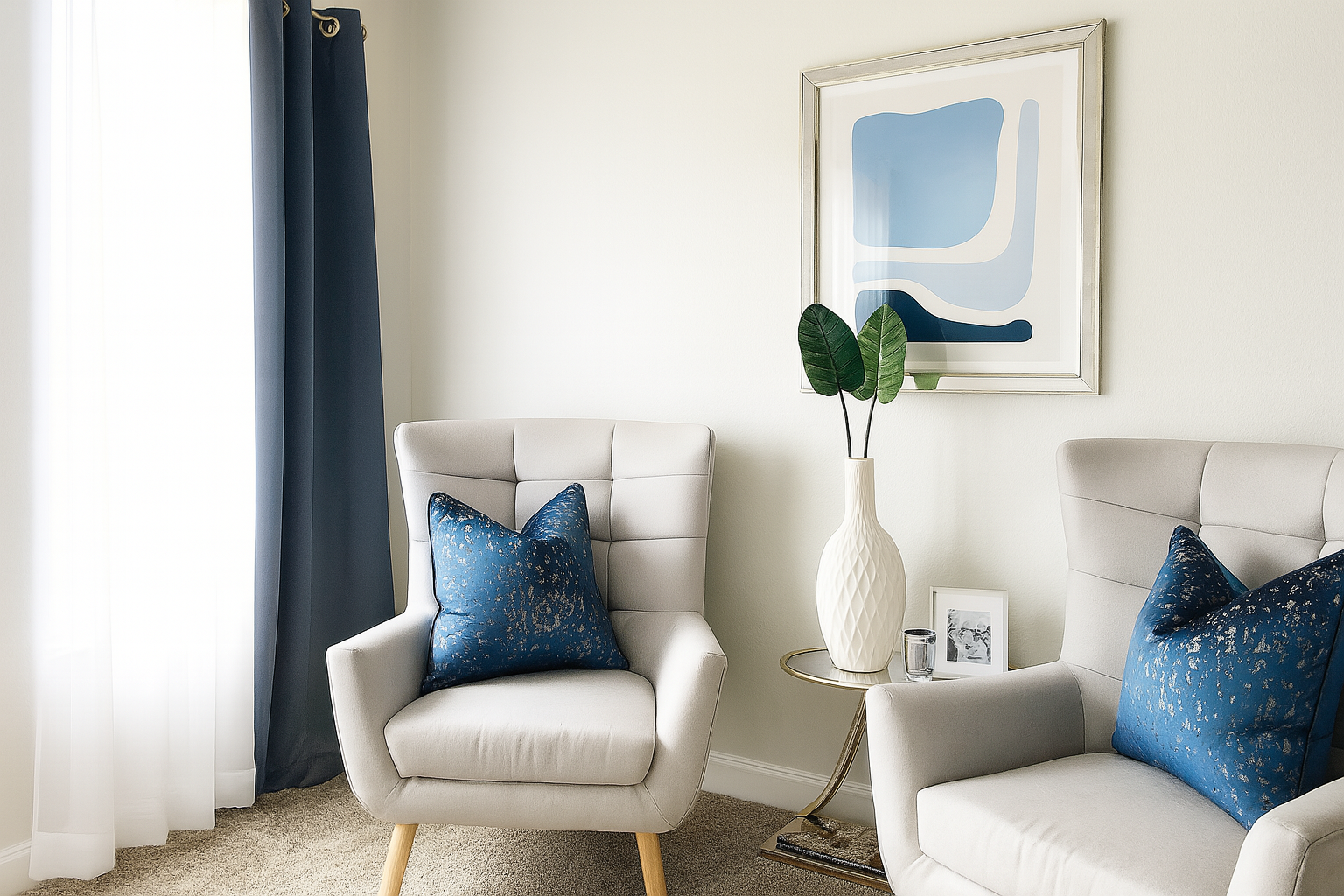
The Most Common Home Decor Styles — And How to Actually Use Them
Your home reflects your headspace.
If the room feels off, chances are, so do you.
● A cluttered mix of styles = mental noise
● A clear, focused space = calm and control
It’s that simple.
Why Most Homes Feel Wrong (Even When They’re Full of Nice Stuff)

Buying random furniture without a plan is like wearing a tuxedo with running shoes.
Each piece might be great on its own. Together? Confusing.
That’s what happens when people don’t pick a style — they just buy what looks good in the store or online. It ends up looking like five people decorated one room.
How to Actually Fix It
● Pick one clear style.
● Stick with it.
● Let it guide everything — rugs, lamps, even small décor.
Your home style is your design filter. It’s how you make decisions.
You’re not being boring — you’re being consistent.
Want to go eclectic? Sure. But that’s advanced-level stuff. Most people who try end up with chaos. One second it’s coastal farmhouse, the next it’s neon gamer dungeon.

Jane’s Fix: One Quiz, One Decision, Whole New Room
Jane worked long hours.
She liked Pinterest. She hated her living room.
She had a modern coffee table, a floral couch, tribal pillows, and LED lights. It looked like a dorm room and a grandma’s house collided.
A friend told her to take a style quiz.
Her result? Bohemian.
She leaned into it: colorful textiles, wood furniture, vintage accents, and plants. Lots of plants.
It worked. Not because the quiz was magic — but because she finally had a style to follow.
MUST READ: The Art of Home: A Designer Guide to Creating an Elevated Yet Approachable Home
Common Home Decor Styles
A Guide to Popular Looks
About This Guide
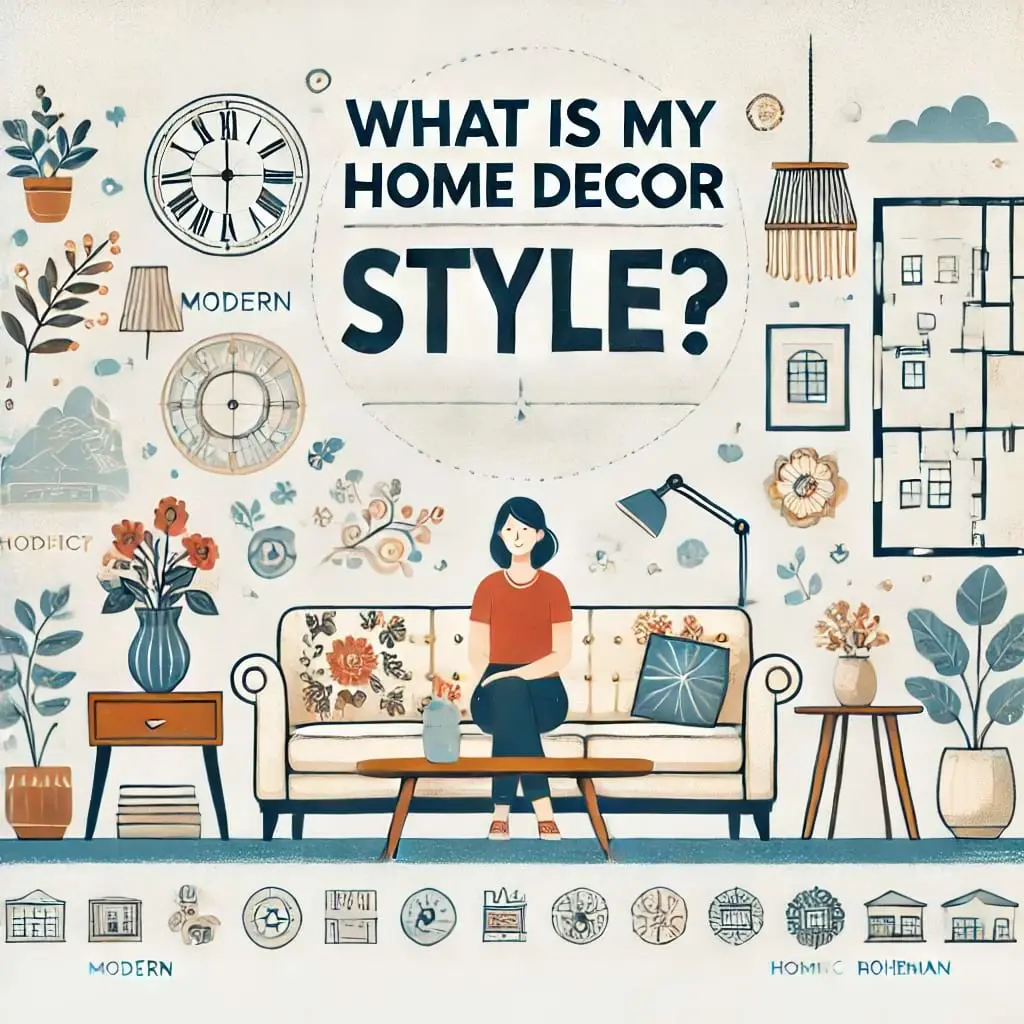
Common Home Decor Styles — What They Are and How to Use Them
This guide covers three things:
● What Each Style Means
Modern, Boho, Rustic, Industrial — what makes them different, and how to spot them.
● How to Find Your Style
Use visual cues, style quizzes, and real-life preferences to narrow it down.
● How to Apply It Right
Room-by-room tips, smart budget ideas, and what not to do.
By the end, you'll know your style — and how to actually use it without creating a cluttered mess.
🔹 STYLE GUIDE
What Are the Main Home Decor Styles?
A Quick History You’ll Actually Care About
Home styles change with the times — from palaces and parlors to lofts and smart homes. Here's how we got from gold trim and velvet to clean lines and concrete.
How Did Home Decor Styles Start?
● Classical Style (1600s–1800s)
Over-the-top details. Gold, carvings, velvet. Homes looked like mini-palaces.
▪ Baroque: Loud, dramatic, and built to impress
▪ Rococo: Softer, more playful — think pastels, curves, and floral overload
What Was the Victorian Style All About?
● Victorian Style (1800s)
Layered, moody, and rich. Dark wood furniture, floral wallpaper, and heavy drapes.
▪ Furniture: Big, carved, polished
▪ Fabrics: Busy prints, tassels, and rich colors
When Did Homes Get More Minimal?
● Modernism (1900s)
Simple. Practical. New materials like glass and steel changed everything.
▪ Mid-Century Modern: Clean wood, low-profile sofas, earthy tones
▪ Bauhaus: Geometric, industrial, and extremely functional
What Came After Modern?
● Postmodern Style (Late 1900s)
Designers got bored of clean lines and rules. Enter fun, chaos, color.
▪ Memphis Style: Bright plastic, squiggles, funky shapes
▪ High-Tech: Exposed beams, pipes, and raw structure on full display
What’s Popular in Homes Right Now?
● Contemporary Style (2000s–Now)
Light, airy, neutral. More flexible, but still sleek and smart.
▪ Minimalism: Fewer objects, more space
▪ Eco-Design: Bamboo floors, recycled tile, energy-saving everything
Top Home Decor Styles Everyone Should Know
Home decor styles reflect personal taste and cultural influences, creating unique and inviting living spaces. Here, we delve into some of the most popular home decor styles, providing detailed descriptions, examples, and tips to help you achieve each look in your own home.
Summary:
- Modern: Clean lines, neutral colors, minimalistic furniture, and functional design.
- Contemporary: Current trends, fluid styles, and a mix of new and traditional elements.
- Traditional: Classic designs, rich colors, elegant furniture, and detailed woodwork.
- Rustic: Natural materials, earthy colors, cozy textiles, and a warm, homey feel.
- Industrial: Raw materials, exposed brick, metal fixtures, and a monochromatic color scheme.
- Bohemian: Eclectic mix of colors, patterns, vintage furniture, and artistic elements.
- Coastal: Light colors, airy fabrics, nautical-themed decor, and a relaxed atmosphere.
Details:
Common Home Decor Styles: Which One Fits Your Space?
Exploring the Most Popular Home Decor Styles
Modern
Modern House Style
Modern decor is characterized by clean lines, neutral colors, minimalistic furniture, and functional design. This style focuses on simplicity and the elimination of unnecessary details.
Key Features
- Clean Lines: Straight, clean lines are fundamental, seen in furniture, architecture, and decor elements.
- Neutral Colors: A palette dominated by whites, blacks, grays, and beiges.
- Minimalistic Furniture: Functional pieces with simple forms and little ornamentation.
- Functional Design: Every element has a purpose, focusing on usability and practicality.
Examples
- Furniture: Low-profile sofas with metal legs, sleek coffee tables, and modular storage units.
- Decor: Abstract art, geometric rugs, and simple, monochromatic window treatments.
Tips
- Declutter: Keep surfaces and spaces clear of unnecessary items to maintain a clean and organized look.
- Focus on Quality: Invest in high-quality, durable furniture pieces that stand the test of time.
- Use Light Wisely: Incorporate plenty of natural light and use artificial lighting to highlight key areas and create a sense of space.
Contemporary
Contemporary Home Style
Contemporary decor reflects current trends, featuring fluid styles and a mix of new and traditional elements. It is ever-evolving, adapting to what is popular at any given time.
Key Features
- Fluid Styles: Incorporates a variety of design elements, allowing for flexibility and personal expression.
- Mix of New and Traditional: Blends modern pieces with traditional ones to create a balanced look.
- Neutral Colors: A base of neutral colors accented with bold hues.
- Open Spaces: Emphasizes spacious, open floor plans.
Examples
- Furniture: A mix of sleek, modern sofas and classic wooden dining tables.
- Decor: Large-scale artworks, statement lighting fixtures, and a combination of textures.
Tips
- Stay Updated: Keep abreast of current trends and incorporate them in subtle ways to avoid dated looks.
- Balance Elements: Ensure a harmonious blend of modern and traditional pieces to achieve a cohesive design.
- Play with Textures: Use different textures like wood, metal, and fabric to add depth and interest.
Traditional
Traditional Style
Traditional decor features classic designs, rich colors, elegant furniture, and detailed woodwork. This style exudes warmth, sophistication, and timeless beauty.
Key Features
- Classic Designs: Time-honored patterns and motifs such as florals, damasks, and stripes.
- Rich Colors: Deep, warm hues like burgundy, navy, and forest green.
- Elegant Furniture: Upholstered pieces with curved lines and intricate details.
- Detailed Woodwork: Carved moldings, wainscoting, and ornate trims.
Examples
- Furniture: Wingback chairs, claw-foot tables, and tufted sofas.
- Decor: Antique mirrors, crystal chandeliers, and framed oil paintings.
Tips
- Invest in Quality: Choose well-crafted furniture and decor pieces that will stand the test of time.
- Layer Textures: Use a mix of fabrics like velvet, silk, and brocade for a rich, layered look.
- Maintain Symmetry: Arrange furniture and decor symmetrically for a balanced and harmonious appearance.
Rustic
Rustic Style
Rustic decor emphasizes natural materials, earthy colors, cozy textiles, and a warm, homey feel. It draws inspiration from the outdoors and rural living.
Key Features
- Natural Materials: Wood, stone, and metal are prominently featured.
- Earthy Colors: A palette of browns, greens, and muted tones.
- Cozy Textiles: Soft, warm fabrics like wool, flannel, and linen.
- Warm, Homey Feel: Comfortable, inviting spaces that exude a sense of coziness.
Examples
- Furniture: Reclaimed wood tables, leather armchairs, and rustic metal bed frames.
- Decor: Mason jar lighting, woven baskets, and handmade pottery.
Tips
- Use Reclaimed Materials: Incorporate reclaimed wood and repurposed items to add character and sustainability.
- Mix Textures: Combine different textures like rough wood and soft textiles for a balanced look.
- Focus on Comfort: Create cozy spaces with plenty of throw blankets, pillows, and comfortable seating.
Industrial
Industrial House Style
Industrial decor showcases raw materials, exposed brick, metal fixtures, and a monochromatic color scheme. It is inspired by urban lofts and factory spaces.
Key Features
- Raw Materials: Exposed concrete, metal beams, and unfinished wood.
- Exposed Brick: Brick walls left in their natural, unpainted state.
- Metal Fixtures: Lighting and hardware made from steel, iron, or copper.
- Monochromatic Color Scheme: Shades of gray, black, and white dominate the palette.
Examples
- Furniture: Metal-framed beds, reclaimed wood tables, and leather sofas.
- Decor: Vintage industrial lighting, metal wall art, and factory-inspired clocks.
Tips
- Embrace Imperfections: Highlight the raw, unfinished look of materials like concrete and metal.
- Open Space: Keep the layout open and uncluttered to maintain an industrial feel.
- Mix Old and New: Combine vintage industrial pieces with modern elements for a balanced look.
Bohemian
Bohemian Styles
Bohemian decor is characterized by an eclectic mix of colors, patterns, vintage furniture, and artistic elements. It embraces a free-spirited, unconventional style.
Key Features
- Eclectic Mix: A combination of different styles, eras, and cultures.
- Vibrant Colors: Bold hues and rich patterns are used throughout.
- Vintage Furniture: Second-hand and antique pieces add character.
- Artistic Elements: Incorporates handmade items, artwork, and personal collections.
Examples
- Furniture: Patterned rugs, wicker chairs, and vintage wooden tables.
- Decor: Macramé wall hangings, potted plants, and colorful throw pillows.
Tips
- Mix and Match: Don't be afraid to combine different patterns, colors, and textures.
- Personal Touch: Display personal items and collections to make the space unique.
- Layer Textures: Use a variety of textiles and materials to create a rich, layered look.
Coastal
Coastal Home Style
Coastal decor features light colors, airy fabrics, nautical-themed decor, and a relaxed atmosphere. It is inspired by the beach and seaside living.
Key Features
- Light Colors: A palette of whites, blues, and sandy neutrals.
- Airy Fabrics: Light, breezy materials like linen and cotton.
- Nautical Themes: Decor elements inspired by the sea, such as shells, ropes, and anchors.
- Relaxed Atmosphere: Comfortable, casual spaces that evoke a beachy feel.
Examples
- Furniture: Whitewashed wood tables, slipcovered sofas, and wicker chairs.
- Decor: Driftwood accents, seascape paintings, and nautical rope decorations.
Tips
- Natural Light: Maximize natural light with sheer curtains and light-colored walls.
- Beachy Accents: Incorporate seashells, coral, and other beach-inspired decor.
- Keep it Casual: Aim for a relaxed, laid-back vibe with comfortable furniture and open spaces.
Essential Characteristics and Elements of Home Decor
Characteristics and Elements: The Building Blocks of Style
Understanding the Characteristics and Elements of Interior Design
What Are the Key Characteristics and Elements of Great Design?
Exploring interior design styles is about understanding how colors, furniture, materials, and accents come together to shape a space. From the calm tones of minimalism to the bold patterns of Bohemian chic, each style has its own approach.
It’s about seeing how colors set a mood, furniture serves a purpose, materials add depth, and accents tie it all together to create a space that truly reflects your personality—not someone else’s taste or trends.
Summary:
Core Characteristics and Elements of Timeless Decor Styles
- Color Schemes: Discuss the typical color palettes associated with each style.
- Furniture Types: Describe common furniture choices for each style.
- Materials: Highlight the materials often used in different decor styles.
- Decorative Accents: Detail the types of accessories and decor items that complement each style.
Detail:
Breaking Down the Characteristics and Elements of Design
Key Characteristics and Elements of Popular Design Styles
Color Schemes
Color Schemes
Each home decor style has its own characteristic color palette, helping to set the mood and tone of the space.
- Modern: Neutral colors like white, black, and gray, often accented with bold primary colors.
- Contemporary: A mix of neutral tones with bold, contrasting colors and patterns.
- Traditional: Rich colors such as burgundy, navy, and forest green, often paired with cream or beige.
- Rustic: Earthy tones like browns, greens, and tans, creating a cozy and natural feel.
- Industrial: Monochromatic schemes with shades of gray, black, and brown, often featuring exposed brick and metal.
- Bohemian: A vibrant mix of colors including jewel tones, earthy hues, and metallics.
- Coastal: Light, airy colors like white, beige, and soft blues, reflecting the sea and sky.
Furniture Types
Furniture Types
Furniture choices play a crucial role in defining each decor style, balancing comfort, functionality, and aesthetics.
- Modern: Sleek, minimalistic furniture with clean lines and no ornate details. Think of low-profile sofas and glass coffee tables.
- Contemporary: A mix of new and old, featuring pieces that are both stylish and comfortable, like modular sofas and statement chairs.
- Traditional: Classic and elegant furniture such as wingback chairs, ornate wooden tables, and upholstered sofas with rolled arms.
- Rustic: Sturdy, handcrafted furniture made from natural materials like wood and stone. Examples include farmhouse tables and distressed leather chairs.
- Industrial: Functional and robust furniture often made from reclaimed wood and metal, including steel-framed chairs and wooden benches.
- Bohemian: Eclectic and vintage pieces, including rattan furniture, colorful poufs, and tufted sofas.
- Coastal: Light, casual furniture with slipcovers, wicker, and weathered wood finishes, like a whitewashed coffee table or a rattan armchair.
Materials
Materials
Materials used in home decor greatly influence the overall look and feel of the space. Here are common materials for each style:
- Modern: Glass, steel, chrome, and high-gloss finishes.
- Contemporary: A blend of natural materials like wood and stone with sleek metals and glass.
- Traditional: Rich woods like mahogany, walnut, and cherry, along with luxurious fabrics like silk and velvet.
- Rustic: Raw and natural materials such as reclaimed wood, stone, and leather.
- Industrial: Exposed brick, metal, concrete, and reclaimed wood.
- Bohemian: Woven textiles, rattan, macramé, and colorful fabrics.
- Coastal: Light woods, linen, jute, and wicker.
Decorative Accents
Decorative Accents
Accessories and decor items are essential in complementing and completing each home decor style. Here are some typical decorative accents for each style:
- Modern: Abstract art, geometric patterns, and minimalist decor such as metal sculptures and monochromatic rugs.
- Contemporary: A mix of textures and patterns, including bold artwork, decorative pillows, and modern lighting fixtures.
- Traditional: Ornate mirrors, vintage lamps, classic rugs, and elegant drapery.
- Rustic: Handcrafted items, natural elements like pinecones and branches, woven baskets, and cozy blankets.
- Industrial: Vintage signs, metal wall art, Edison bulb lighting, and utilitarian accessories like wire baskets.
- Bohemian: Eclectic decor items such as ethnic textiles, plants, beaded curtains, and vibrant throw pillows.
- Coastal: Nautical-themed decor, seashells, driftwood art, light-colored ceramics, and lanterns.
Understanding these elements will help you to design your home in a way that reflects your personal style and creates an inviting atmosphere. Explore different styles, mix elements that you love, and create a space that feels uniquely yours.
Identifying Your Home Decor Style: A Simple Guide
Find Your Home Decor Style: A Quick and Easy Guide
What’s Your Home Decor Style? Tips to Find Out
Identifying Your Home Decor Style: Key Questions to Ask
Finding your home decor style is an exciting journey that allows you to express your personality and preferences. Here are some steps to help you identify your ideal home decor style:
How to Identify Your Home Decor Style: Easy Steps to Follow
Self-Assessment
Self-assessment is a crucial first step in crafting a space that truly feels like home. By analyzing your wardrobe, reflecting on favorite spaces, considering your lifestyle, and creating a mood board, you can uncover your unique decor preferences. Platforms like Pinterest and Instagram offer abundant visual inspiration to refine your vision. Knowing when to seek professional guidance from an interior designer ensures your ideas translate into a cohesive and functional design that fits your lifestyle.
Summary:
- Steps to Evaluate Preferences: Analyze your wardrobe, reflect on your favorite spaces, consider your lifestyle, and create a mood board.
- Visual Inspiration: Using platforms like Pinterest and Instagram to gather inspiration.
- Professional Guidance: When to consider consulting with an interior designer.
Details:
Identifying Your Home Decor Style: Matching Spaces to Personalities
Steps to Evaluate Preferences
Steps to Evaluate Preferences
Begin by evaluating your personal tastes and preferences to determine your home decor style. Here are some steps to get you started:
- Analyze Your Wardrobe: Look at the colors, patterns, and styles of your clothing. Your fashion choices often reflect your home decor preferences.
- Reflect on Your Favorite Spaces: Think about the places where you feel most comfortable and inspired. This could be a friend's home, a café, or even a vacation spot.
- Consider Your Lifestyle: Your decor should align with your lifestyle. If you have a busy household with kids or pets, you might prefer durable, low-maintenance styles.
- Create a Mood Board: Compile images, fabric swatches, and color samples that appeal to you. This visual representation can help you see patterns and themes in your preferences.
Visual Inspiration
Using Platforms like Pinterest and Instagram
Using Platforms like Pinterest and Instagram
Visual platforms are excellent resources for gathering home decor inspiration. Here’s how to make the most of them:
- Pinterest: Create boards for different rooms or styles you like. Save pins that resonate with you and review them to identify common elements.
- Instagram: Follow interior designers, home decor brands, and influencers. Save posts that inspire you and look back at them to find recurring themes.
- Design Blogs and Magazines: Explore online and print publications for curated decor ideas and expert advice.
Professional Guidance
When to Consider Consulting with an Interior Designer
When to Consider Consulting with an Interior Designer
Sometimes, getting professional help can make a significant difference. Here’s when to consider consulting with an interior designer:
- Complex Projects: If you’re undertaking a major renovation or redesign, a designer can provide expertise and project management skills.
- Clarifying Your Vision: If you’re struggling to define your style or make decisions, a designer can offer clarity and direction.
- Maximizing Your Budget: Designers can help you make the most of your budget by suggesting cost-effective solutions and avoiding costly mistakes.
Identifying your home decor style is a personal and creative process. Use these steps to discover what resonates with you and create a living space that truly feels like home.
Self-Assessment Steps
Before transforming your living space, it's helpful to take stock of your personal style and lifestyle. By analyzing your wardrobe choices, reflecting on favorite spaces, and considering your daily routines, you can uncover clues to your ideal decor preferences. Creating a mood board further refines your vision, bringing together colors, textures, and styles that resonate with you. These self-assessment steps not only guide your decor decisions but also ensure your home reflects your personality and meets your practical needs.
Summary:
- Analyze Your Wardrobe: The colors, patterns, and fabrics you gravitate towards in clothing can reflect your decor preferences.
- Reflect on Your Favorite Spaces: Think about places where you feel most comfortable and happy, and identify common design elements.
- Consider Your Lifestyle: Your daily routines and activities can influence your decor choices. For example, a busy family may prefer a functional and durable style, while a single professional might lean towards a sleek and modern look.
- Create a Mood Board: Gather images, fabrics, and colors that appeal to you and see if a pattern emerges.
Details:
Analyze Your Wardrobe
Your wardrobe can be a surprising indicator of your home decor preferences. Start by examining the colors you wear most often. Do you gravitate towards bold, vibrant colors, or do you prefer neutral, calming shades? Your clothing choices can give you clues about your color palette for home decor. Additionally, look at the patterns and fabrics you frequently choose. Your personal style in fashion can translate to your home decor style.
Detailed Examples and Tips
- Neutral Tones: If your wardrobe is filled with whites, grays, and beige, you might enjoy a minimalist or Scandinavian decor style. These styles often feature clean lines, simple forms, and a neutral color palette that creates a serene and uncluttered space.
- Bold Colors: If you love wearing bright colors like red, yellow, and blue, consider styles like bohemian or eclectic, which embrace vibrant hues and playful patterns. These styles allow for a mix-and-match approach, creating a lively and dynamic atmosphere.
- Patterns and Textures: If you wear a lot of patterned or textured clothing, look for ways to incorporate these elements into your decor. For example, a love of floral prints might translate to a cottagecore or shabby chic aesthetic, which often includes floral patterns and vintage-inspired decor.
- Formality and Casualness: Consider whether your wardrobe leans more towards formal attire or casual wear. If you prefer formal clothing, traditional or classic home decor styles with elegant furniture and sophisticated colors might appeal to you. If your wardrobe is more casual, a rustic or farmhouse style with cozy, inviting elements might be a better fit.
Reflect on Your Favorite Spaces
Think about the places where you feel most at home and content. These spaces can provide valuable insights into your preferred home decor style. Reflect on the elements that make these places special and how you can bring those elements into your own home.
Detailed Examples and Tips
- Favorite Room: Consider your favorite room in your current home. What do you love about it? Is it the cozy furniture, the color scheme, or the way it’s organized? Use these observations to inform your overall decor style. For instance, if you love a room for its comfort and warmth, styles like rustic or farmhouse might be ideal.
- Inspiring Locations: Think about other locations that inspire you, such as a favorite café, hotel, or a friend’s house. Identify the design elements that stand out, whether it’s the use of natural light, the choice of materials, or the overall ambiance. For example, if you love the modern, sleek design of a boutique hotel, you might enjoy contemporary home decor.
- Comfort and Functionality: Pay attention to how comfort and functionality play a role in your favorite spaces. A family-friendly home might prioritize durability and practicality, while a single professional might value sleek, modern design. Reflecting on how these spaces function can help you choose a style that meets your needs.
- Outdoor Spaces: Don’t forget to consider your favorite outdoor spaces. If you love spending time in gardens or at the beach, coastal or garden-inspired decor might resonate with you. These styles often incorporate natural elements and colors found in nature.
Consider Your Lifestyle
Your daily habits and routines are crucial in determining a home decor style that works for you. Think about how you use your space and what design elements would support your lifestyle. This step ensures that your home is not only beautiful but also functional.
Detailed Examples and Tips
- Busy Family Life: If you have children or pets, opt for durable materials and easy-to-clean surfaces. Consider styles like farmhouse or rustic, which embrace a lived-in, cozy feel. These styles often use robust furniture and washable fabrics, making them practical for active households.
- Entertaining Guests: If you love to host, focus on creating welcoming, social spaces. An open-concept layout with comfortable seating and a well-equipped kitchen might be ideal. Look into styles like contemporary or transitional, which can easily accommodate large gatherings and promote a flow between spaces.
- Work from Home: For those who work from home, creating a dedicated, productive workspace is essential. Consider minimalist or modern styles that promote a clutter-free environment with clean lines and ample natural light. Integrate ergonomic furniture and smart storage solutions to enhance your productivity.
- Hobbies and Interests: Your hobbies and interests can also guide your decor choices. If you’re an avid reader, creating a cozy reading nook with comfortable seating and good lighting might be important. If you enjoy cooking, a functional and stylish kitchen in a modern or farmhouse style could be a priority.
Create a Mood Board
Creating a mood board is a hands-on way to visualize your home decor preferences. By compiling images, fabrics, and colors that resonate with you, you can start to see patterns and themes that will guide your decor decisions. This step is both fun and practical.
Detailed Examples and Tips
- Online Tools: Use platforms like Pinterest or Houzz to create digital mood boards. Save images of rooms, furniture, color schemes, and decor items that you love. Review your board to identify common themes. For instance, if you notice a lot of Scandinavian-style images, you might lean towards that aesthetic.
- Physical Mood Board: Create a tangible mood board using magazine cutouts, fabric swatches, paint chips, and photos. Arrange them on a poster board or corkboard to see how different elements work together. This can be particularly helpful for visualizing textures and materials.
- Theme Identification: As you gather items for your mood board, look for recurring colors, textures, and styles. This can help you pinpoint whether you lean towards styles like industrial, coastal, or mid-century modern. Identifying these themes will make it easier to make cohesive design decisions.
- Iterate and Refine: Don’t be afraid to add and remove items from your mood board. It’s a tool to help you refine your vision and get a clearer idea of what you truly want in your home decor. Continuously updating and adjusting your mood board will help you stay aligned with your evolving tastes.
- Seek Feedback: Share your mood board with family and friends to get their input. Sometimes an outside perspective can help you see things you might have missed and can provide valuable insights into your style.
From Living Room to Kitchen: Designing with Your Style
Making Your Home Reflect Your Style: Room-by-Room Ideas
Applying Your Home Decor Style: A Room-by-Room Guide
How to Bring Your Decor Style to Life in Every Room
Decorating your home is about creating spaces that feel right for you—comfortable, functional, and uniquely yours. Each room has its potential, whether it’s a sleek modern kitchen, a cozy traditional living room, or a playful Bohemian bedroom. It’s about how colors shape the atmosphere, furniture fits your life, and accents tell your story.
This guide will help you bring your style to life, room by room, with practical tips that make your home truly yours.
Practical Tips to Apply Your Decor Style Across Your Home
Room-by-Room Guide
- Living Room:
- Modern: Choose a neutral color palette, sleek furniture, and minimal accessories.
- Traditional: Opt for classic furniture pieces, rich colors, and decorative accents like molding and drapery.
- Bohemian: Mix and match colorful textiles, vintage furniture, and eclectic accessories.
- Bedroom:
- Rustic: Use natural materials like wood and stone, cozy textiles, and warm colors.
- Industrial: Incorporate metal accents, exposed brick, and a monochromatic color scheme.
- Coastal: Choose light colors, airy fabrics, and nautical-themed decor.
- Kitchen:
- Contemporary: Use clean lines, sleek appliances, and a neutral color palette with pops of color.
- Farmhouse: Incorporate open shelving, rustic wood accents, and vintage-inspired fixtures.
- Minimalist: Keep countertops clear, use simple cabinetry, and focus on functionality.
Details:
Room-by-Room Styling: Applying Your Home Decor Style
Transforming Your Home: Styling Tips for Each Space
Living Room
The living room is often the centerpiece of a home, serving as a gathering space for family and friends. Here's how to apply different decor styles to create a welcoming and stylish living room.
Modern
Modern living rooms emphasize simplicity and functionality. Choose a neutral color palette featuring shades of white, gray, and black. Opt for sleek furniture with clean lines, such as a low-profile sofa and a glass coffee table. Keep accessories minimal—think geometric rugs, abstract art, and a few statement pieces like a modern lamp or a sculptural vase.
- Colors: Neutral tones like white, gray, and black.
- Furniture: Sleek, low-profile pieces with clean lines.
- Accessories: Minimal and geometric, such as abstract art and modern lamps.
Traditional
Traditional living rooms are timeless and elegant, featuring classic furniture pieces and rich colors. Select sofas and chairs with rolled arms, tufted upholstery, and ornate wood details. Use a rich color palette of deep reds, greens, and golds. Decorative accents like molding, drapery, and intricate rugs add to the luxurious feel. Incorporate family heirlooms or antique pieces to enhance the traditional look.
- Colors: Rich tones like deep reds, greens, and golds.
- Furniture: Classic pieces with rolled arms and tufted upholstery.
- Accessories: Decorative molding, drapery, and antique items.
Bohemian
Bohemian living rooms are vibrant and eclectic, reflecting a carefree and artistic spirit. Mix and match colorful textiles, such as throw pillows, blankets, and area rugs. Use vintage furniture pieces, like a retro coffee table or an eclectic armchair. Incorporate a variety of accessories, including plants, handmade items, and global treasures. Don't be afraid to layer different patterns and textures to create a rich, inviting space.
- Colors: Bright and varied hues.
- Furniture: Vintage and eclectic pieces.
- Accessories: Colorful textiles, plants, and global treasures.
Bedroom
Your bedroom should be a sanctuary, reflecting your personal style while promoting relaxation and comfort. Here’s how to bring different decor styles into your bedroom.
Rustic
Rustic bedrooms are warm and cozy, featuring natural materials and earthy tones. Use wood and stone elements for furniture and accents. Select bedding and textiles in warm, neutral colors like beige, brown, and cream. Incorporate cozy elements such as wool blankets, knitted throws, and soft area rugs. Add rustic decor items like lanterns, wooden picture frames, and nature-inspired artwork.
- Colors: Warm, neutral tones like beige, brown, and cream.
- Furniture: Natural wood and stone pieces.
- Accessories: Wool blankets, knitted throws, and rustic decor items.
Industrial
Industrial bedrooms feature a blend of metal accents and exposed materials. Use metal bed frames, nightstands, and light fixtures. Incorporate exposed brick walls or concrete floors to enhance the industrial feel. Choose a monochromatic color scheme with shades of gray, black, and white. Add elements like vintage factory lighting, metal storage bins, and minimalist art to complete the look.
- Colors: Monochromatic shades like gray, black, and white.
- Furniture: Metal bed frames and nightstands.
- Accessories: Vintage lighting, metal storage bins, and minimalist art.
Coastal
Coastal bedrooms are light, airy, and inspired by the beach. Use a soft color palette of light blues, whites, and sandy beiges. Choose furniture with a weathered, driftwood finish. Opt for airy fabrics like linen or cotton for bedding and curtains. Decorate with nautical-themed items such as seashells, starfish, and coastal artwork. Enhance the coastal vibe with woven baskets, rattan furniture, and light, breezy textiles.
- Colors: Light blues, whites, and sandy beiges.
- Furniture: Weathered, driftwood-finished pieces.
- Accessories: Nautical-themed items, woven baskets, and rattan furniture.
Kitchen
The kitchen is the heart of the home, where functionality meets style. Here’s how to apply different decor styles to create a kitchen that’s both practical and beautiful.
Contemporary
Contemporary kitchens are sleek and modern, featuring clean lines and minimalistic design. Use a neutral color palette with pops of color for interest. Select sleek appliances with stainless steel finishes. Choose cabinetry with flat-front doors and minimal hardware. Incorporate modern lighting fixtures and streamlined countertops. Add colorful accents through small appliances, dishware, or decorative items.
- Colors: Neutral tones with pops of color.
- Furniture: Sleek, flat-front cabinetry.
- Accessories: Stainless steel appliances and modern lighting fixtures.
Farmhouse
Farmhouse kitchens are cozy and inviting, with a focus on rustic charm. Use open shelving to display dishware and kitchen essentials. Incorporate rustic wood accents in the form of butcher block countertops or wooden beams. Choose vintage-inspired fixtures like apron-front sinks and classic faucets. Opt for a color palette of whites and soft pastels. Decorate with farmhouse-style items such as mason jars, galvanized metal containers, and fresh flowers.
- Colors: Whites and soft pastels.
- Furniture: Rustic wood accents and open shelving.
- Accessories: Vintage-inspired fixtures and farmhouse decor items.
Minimalist
Minimalist kitchens focus on simplicity and functionality. Keep countertops clear and free of clutter. Choose simple cabinetry with clean lines and integrated handles. Use a monochromatic color palette with white, black, and gray. Opt for high-quality materials like quartz or marble for countertops. Incorporate built-in appliances to maintain a sleek look. Add minimalistic decor items such as a single plant, a few pieces of modern art, or simple dishware.
- Colors: Monochromatic shades of white, black, and gray.
- Furniture: Simple cabinetry with clean lines.
- Accessories: High-quality materials and minimalistic decor items.
Stylish Home Decorating Ideas That Won’t Break the Bank
How to Achieve Your Decor Style with Budget-Friendly Tips
Affordable Ways to Decorate Your Home on a Budget
Transform Your Space: Budget-Savvy Decorating Tips
Creating a home that reflects your style doesn’t have to cost a fortune. Smart shopping, DIY projects, and a little creativity can go a long way in achieving the look you want without overspending. Visit thrift stores or online marketplaces for unique, affordable finds, and don’t underestimate the power of repurposing items you already have.
Take the Johnsons, for example—they turned their living room into a cozy retreat by reimagining second-hand furniture and adding DIY decor like hand-painted vases and custom wall art. With a little effort and imagination, you can craft a space that’s both stylish and budget-friendly.
Summary:
- Affordable Ways to Achieve Your Desired Decor Style: Shop at thrift stores, DIY projects, and repurpose existing items.
- Examples: The Johnsons redecorated their living room with second-hand furniture and DIY decor, creating a stylish and budget-friendly space.
Details:
Creative and Affordable Home Decor Ideas for Any Style
Transforming your home to reflect your personal style doesn't have to break the bank. With creativity and resourcefulness, you can achieve a stunning decor style on a budget. Here are detailed, step-by-step tips, and examples to inspire you.
Affordable Ways to Achieve Your Desired Decor Style
Shop at Thrift Stores
Thrift stores are treasure troves for unique and affordable home decor items. From vintage furniture to quirky accessories, you can find a wide range of pieces that add character to your home without costing a fortune. Here’s how to make the most of your thrift store shopping:
1. Plan Your Visit
- Research Local Thrift Stores: Look up thrift stores in your area and check their reviews.
- Create a List: Before you go, make a list of the items you need to avoid impulse buys.
2. Shop Smart
- Visit Regularly: Thrift stores receive new items frequently, so make it a habit to visit regularly.
- Inspect Items Carefully: Check for damage or wear. Some imperfections can be fixed easily, but be cautious with items that need major repairs.
3. Think Creatively
- Repurpose Finds: An old dresser can be transformed into a chic TV stand with a bit of paint and creativity.
- Mix and Match: Don’t be afraid to mix different styles to create an eclectic look.
4. Negotiate Prices
- Bargain: Don’t hesitate to ask for a discount, especially if an item is damaged or has been in the store for a while.
Example: The Johnsons redecorated their living room with second-hand furniture and DIY decor, creating a stylish and budget-friendly space. They found a vintage coffee table and an old armchair at a local thrift store. With a bit of sanding and a fresh coat of paint, these pieces looked as good as new.
DIY Projects
DIY projects are a great way to personalize your space and save money. With a little effort and some basic tools, you can create custom decor items that reflect your style. Here’s a step-by-step guide:
1. Identify Your Needs
- Make a List: Determine what items you need, such as shelves, picture frames, or planters.
- Gather Inspiration: Look for DIY project ideas on platforms like Pinterest or YouTube.
2. Gather Materials
- Use What You Have: Repurpose old materials or items you already own.
- Buy Supplies: Purchase any additional materials you need from craft stores or online.
3. Follow Instructions
- Find a Tutorial: Look for detailed tutorials that match your skill level.
- Take Your Time: Follow the steps carefully and don’t rush the process.
4. Personalize Your Project
- Add Your Touch: Customize your project with paint, fabric, or other embellishments.
- Make It Unique: Incorporate personal elements that reflect your style and personality.
Example: Sarah created a gallery wall in her living room using thrifted picture frames and DIY artwork. She painted each frame to match her color scheme and filled them with prints she designed herself. The result was a personalized and budget-friendly focal point.
Repurpose Existing Items
Repurposing existing items is a cost-effective way to refresh your home decor. By giving old items a new purpose, you can create unique and stylish pieces. Here’s how:
1. Assess What You Have
- Inventory: Go through your home and take note of items that could be repurposed.
- Think Creatively: Consider how items could be used differently. For example, an old ladder can become a bookshelf.
2. Plan Your Project
- Choose a Purpose: Decide what you want to create, such as a new piece of furniture or a decorative item.
- Sketch Your Design: Draw a simple plan of how you will repurpose the item.
3. Get to Work
- Prepare the Item: Clean and repair the item as needed.
- Transform It: Use paint, fabric, or other materials to give the item a new look.
4. Enjoy Your Creation
- Display It Proudly: Showcase your repurposed item in your home.
- Share Your Work: Tell friends and family about your project, and inspire them to try repurposing.
Example: Michael turned an old wooden crate into a stylish coffee table. He sanded it down, added a coat of paint, and attached wheels to the bottom. The finished piece was both functional and trendy, costing much less than a store-bought coffee table.
DIY Projects
Personalizing your space through DIY projects adds a unique touch to your home decor. Simple yet creative endeavors like painting furniture, crafting wall art, and making your own curtains can transform your space inexpensively. For instance, the Smiths elevated their living room's ambiance by constructing a rustic coffee table from reclaimed wood, showcasing how DIY projects can enhance both style and personal flair in your home.
- Simple DIY Projects to Personalize Your Space: Painting furniture, creating wall art, and making your own curtains.
- Examples: The Smiths built a DIY coffee table using reclaimed wood, adding a rustic touch to their living room.
Details
DIY projects are an excellent way to personalize your space and save money. By creating custom decor items, you can add a unique touch to your home that reflects your style. Here are some simple DIY projects to get you started:
Simple DIY Projects to Personalize Your Space
Painting Furniture
Transform old or plain furniture into stylish pieces with a fresh coat of paint. This project is perfect for adding color and character to your home.
- Step-by-Step Guide:
- Choose Your Piece: Select a piece of furniture that needs an update.
- Prepare the Surface: Sand the furniture to remove any old finish and create a smooth surface.
- Prime and Paint: Apply a primer if needed, then paint with your chosen color. Use multiple thin coats for the best finish.
- Seal the Paint: Apply a clear sealant to protect the paint and extend the furniture's lifespan.
- Example: The Smiths transformed an old dresser into a vibrant statement piece for their bedroom. They painted it a bold blue and added new hardware for a fresh, modern look.
Creating Wall Art
Make your own wall art to add a personal touch to your home. This project is a great way to display your creativity and fill empty wall space.
- Step-by-Step Guide:
- Gather Materials: Collect canvases, paints, brushes, and any other art supplies you need.
- Plan Your Design: Sketch out your design on paper before you start painting.
- Paint Your Art: Use your sketch as a guide to create your artwork on the canvas.
- Frame and Hang: Once the paint is dry, frame your art (if desired) and hang it on the wall.
- Example: Jane created a series of abstract paintings for her living room. She used a mix of colors that matched her decor and framed each piece in a simple black frame.
Making Your Own Curtains
Custom curtains can be expensive, but making your own is a cost-effective way to add style to your windows.
- Step-by-Step Guide:
- Select Fabric: Choose a fabric that complements your decor. Measure your windows to determine how much fabric you need.
- Cut and Hem: Cut the fabric to size, allowing for hems on all sides. Hem the edges to prevent fraying.
- Add Curtain Rod Pockets: Sew pockets at the top of each curtain panel for the curtain rod.
- Hang Your Curtains: Slide the panels onto the curtain rod and hang them in your windows.
- Example: The Johnsons made custom curtains for their kitchen using a cheerful, patterned fabric. The DIY curtains added a pop of color and personality to the room.
Examples of DIY Projects
The Smiths' DIY Coffee Table: The Smiths built a rustic coffee table using reclaimed wood. They sanded and stained the wood, then assembled the table using basic tools. The finished piece added a warm, rustic touch to their living room.
Jane's Wall Art: Jane created a series of abstract paintings for her living room. She used colors that matched her decor and framed each piece, creating a cohesive and personalized gallery wall.
The Johnsons' Custom Curtains: The Johnsons made their own kitchen curtains from a bright, patterned fabric. The project was simple and affordable, adding a cheerful element to their kitchen decor.
What Style is My House Exterior?
Identifying the exterior style of your house can be a fascinating and enlightening experience. Each architectural style tells a unique story and reflects different historical periods and cultural influences. Here, we provide a comprehensive overview of some common exterior styles, along with tips and tools to help you determine the architectural style of your home. Additionally, we include examples and inspirations to guide you in recognizing and appreciating the design elements of your house.
Overview of Exterior Styles
- Colonial: Symmetrical design, brick or wood siding, gable roofs, and multi-pane windows.
- Craftsman: Low-pitched roofs, wide eaves with exposed rafters, and porches with thick square or round columns.
- Modern: Flat or low-sloped roofs, clean lines, large windows, and the use of materials like glass, steel, and concrete.
- Victorian: Decorative trim, asymmetrical shapes, steeply pitched roofs, and vibrant colors.
- Mediterranean: Stucco walls, red-tiled roofs, arched doorways, and wrought-iron details.
Identifying Your Home's Exterior Style
- Tips and Tools to Determine the Architectural Style of Your House: Analyze architectural features, compare with style guides, and consult with professionals.
- Examples and Inspirations: Visual examples of different exterior styles.
Deatils:
Overview of Exterior Styles
Colonial
Colonial homes are known for their symmetrical design, often featuring brick or wood siding, gable roofs, and multi-pane windows. These houses typically have a centered front door flanked by evenly spaced windows. The style reflects early American architecture and is characterized by its orderly, formal appearance.
Examples and Tips
- Examples: Classic Colonial homes can be found in New England and along the East Coast of the United States.
- Tips: Look for a rectangular, symmetrical facade with a centrally located door and evenly spaced windows.
Craftsman
Craftsman-style homes feature low-pitched roofs, wide eaves with exposed rafters, and porches with thick square or round columns. This style emphasizes handcrafted details and natural materials like wood and stone. The design is often warm and inviting, making use of earthy colors and decorative elements such as built-in cabinetry and detailed trim.
Examples and Tips
- Examples: Bungalow-style Craftsman homes are prevalent in California and the Midwest.
- Tips: Identify this style by its prominent front porch, tapered columns, and extensive use of wood and stone.
Modern
Modern homes are characterized by flat or low-sloped roofs, clean lines, large windows, and the use of materials like glass, steel, and concrete. This style focuses on simplicity and functionality, often incorporating open floor plans and minimalistic design elements. Modern architecture emerged in the early to mid-20th century and continues to influence contemporary home design.
Examples and Tips
- Examples: Iconic modern homes can be found in urban areas and are often designed by renowned architects such as Frank Lloyd Wright and Le Corbusier.
- Tips: Look for large, unadorned surfaces, an emphasis on horizontal lines, and the integration of indoor and outdoor spaces.
Victorian
Victorian homes are easily recognizable by their decorative trim, asymmetrical shapes, steeply pitched roofs, and vibrant colors. This style often includes ornate features such as turrets, bay windows, and elaborate gingerbread trim. Victorian architecture became popular in the late 19th century and remains a beloved style for its intricate and whimsical designs.
Examples and Tips
- Examples: Famous Victorian neighborhoods include San Francisco's Painted Ladies and the historic districts of New Orleans.
- Tips: Identify Victorian homes by their elaborate ornamentation, varied rooflines, and use of bold, contrasting colors.
Mediterranean
Mediterranean-style homes feature stucco walls, red-tiled roofs, arched doorways, and wrought-iron details. This style is inspired by the coastal regions of Spain, Italy, and Greece, and is known for its warm, inviting aesthetic. The design often includes courtyards, balconies, and extensive use of outdoor living spaces.
Examples and Tips
- Examples: Mediterranean homes are commonly found in warmer climates, such as Southern California and Florida.
- Tips: Look for clay roof tiles, arched windows and doorways, and an overall emphasis on indoor-outdoor living.
Identifying Your Home's Exterior Style
Determining the architectural style of your home involves a careful examination of its design elements. Here are some tips and tools to help you identify your house's exterior style:
Tips and Tools to Determine the Architectural Style of Your House
- Analyze Architectural Features: Start by examining the rooflines, window shapes, door styles, and materials used. Compare these features with descriptions and images of known architectural styles.
- Compare with Style Guides: Use architectural style guides and online resources to match your home's features with specific styles. Websites like Houzz and Architectural Digest offer extensive galleries of home exteriors.
- Consult with Professionals: If you're unsure about your home's style, consider consulting with an architect or a historical preservation expert. They can provide detailed insights and help you identify your house's architectural lineage.
Examples and Inspirations
Here are some visual examples of different exterior styles to inspire you:
Visual Examples
- Colonial: Look at the stately, symmetrical homes with brick facades and multi-pane windows.
- Craftsman: Notice the cozy bungalows with wide porches and exposed woodwork.
- Modern: Observe the sleek, minimalist homes with large glass windows and flat roofs.
- Victorian: Appreciate the ornate, colorful houses with decorative trim and unique shapes.
- Mediterranean: Admire the warm, stucco homes with red-tiled roofs and arched details.
Understanding the style of your home's exterior can enhance your appreciation of its design and guide you in making informed decisions about renovations and decor. Whether your home is a classic Colonial, a charming Craftsman, or a sleek Modern, recognizing its architectural style is the first step in creating a cohesive and harmonious living space.
What is My Home Decor Style Quiz
This engaging quiz is designed to help you discover your unique home decor style by assessing your personal preferences and lifestyle. Whether you're planning a complete home makeover or just looking to refresh a room, understanding your decor style can make the process more enjoyable and successful.
Purpose of the Quiz
The primary goal of this quiz is to assist you in identifying your home decor style. By answering a series of thoughtfully crafted questions, you'll gain insights into your aesthetic preferences and how they align with popular decor styles. This knowledge will empower you to make informed decisions when decorating your home, ensuring that your living space truly reflects your personality and lifestyle.
Quiz Questions
The quiz comprises a set of questions specifically designed to uncover various aspects of your taste and daily life. These questions will explore:
- Color Preferences: Do you gravitate towards bold, vibrant colors or do you prefer soothing, neutral tones?
- Furniture Choices: Are you drawn to sleek, modern furniture or do you have a penchant for vintage, eclectic pieces?
- Lifestyle: Is your daily routine more formal and structured, or do you favor a relaxed and casual approach?
- Decor Elements: Do you like minimalist decor with clean lines, or do you prefer spaces filled with decorative accents and personal touches?
By considering these factors, the quiz provides a comprehensive overview of your decor preferences.
Results and Interpretations
Upon completing the quiz, you'll receive a detailed explanation of your decor style. The results will highlight the key characteristics of your identified style, offering valuable insights and practical tips on how to implement this style in your home. Here’s what you can expect from each style result:
- Modern: If your answers indicate a preference for sleek furniture, neutral colors, and minimal decor, you likely have a modern style. You'll learn how to create a clean, uncluttered look with functional pieces and subtle accents.
- Traditional: If you lean towards classic furniture, rich colors, and elegant decor, a traditional style may be your fit. The results will guide you in incorporating timeless elements that evoke a sense of history and refinement.
- Bohemian: For those who enjoy eclectic pieces, colorful textiles, and artistic elements, the bohemian style is a perfect match. Discover how to blend diverse patterns and textures to create a vibrant and inviting space.
- Unique Blend: If your preferences span multiple styles, you'll receive suggestions on how to harmoniously combine different elements to craft a space that feels uniquely yours.
This quiz is not just about labels; it's about understanding what makes you feel at home. Whether you're drawn to the simplicity of modern design or the rich textures of bohemian decor, our quiz will help you navigate your choices with confidence and creativity.
Ready to find out your home decor style? Let's get started!
Quiz Questions
- Color Preferences: Do you prefer bold colors or neutral tones?
- Furniture Choices: Do you like sleek, modern furniture or vintage, eclectic pieces?
- Lifestyle: Is your lifestyle more formal or relaxed?
- Decor Elements: Do you prefer minimalist decor or lots of decorative accents?
Results and Interpretations
- Modern: If you prefer sleek furniture, neutral colors, and minimal decor.
- Traditional: If you like classic furniture, rich colors, and elegant decor.
- Bohemian: If you enjoy eclectic pieces, colorful textiles, and artistic elements.
The Quiz
This quiz will help you identify your home decor style based on your preferences and lifestyle. Answer the following questions to discover which style suits you best!
What is My House Design Style?
Your home's design style encompasses both its exterior architecture and interior decor, each contributing to its overall aesthetic and character. Understanding how exterior architecture influences interior design choices is key to creating a cohesive and harmonious living space. By analyzing architectural features such as roof shapes, window styles, and building materials, you can begin to identify the design style of your home. Consider interior elements like furniture, color schemes, and decor items to further refine your understanding. Utilizing style guides and real-life examples, explore how different homes embrace distinct design styles, providing inspiration and guidance for defining and enhancing your own living environment.
Interior vs. Exterior Design
- Differences Between Interior and Exterior Design Styles: Discuss how exterior architecture can influence interior decor choices.
- Identifying Your House Design Style: Tips for recognizing the design style of your home’s architecture and interior.
- Examples and Case Studies: Real-life examples and case studies to illustrate different design styles.
Identifying Your House Design Style
- Analyze Architectural Features: Look at roof shapes, window styles, and building materials to determine the architectural style.
- Evaluate Interior Elements: Consider the furniture, color schemes, and decor items used in your home.
- Compare with Style Guides: Use style guides and resources to compare your home’s features with common design styles.
Examples and Case Studies
- The Martinez Family: Identified their home as a Craftsman style by analyzing the low-pitched roof, exposed rafters, and built-in furniture, then matched these features with style guides.
Details:
Interior vs. Exterior Design
Understanding the difference between interior and exterior design styles is crucial for creating a cohesive look for your home. While exterior design focuses on the architectural elements and overall structure, interior design delves into the decor, furnishings, and aesthetic elements within the home. Harmonizing these two aspects can elevate your home's appeal and ensure a seamless transition from outside to inside.
Differences Between Interior and Exterior Design Styles
Exterior design often sets the tone for what to expect inside. For example, a modern home with clean lines and large windows might suggest an interior with minimalist decor and sleek furniture. Conversely, a Victorian exterior with intricate trims and vibrant colors may hint at an interior rich in patterns, antiques, and detailed furnishings. Understanding how exterior architecture influences interior decor choices helps in maintaining a consistent style throughout your home.
Identifying Your House Design Style
Recognizing your house design style involves evaluating both the architectural features and interior elements of your home. Here are some steps and tips to help you determine your home's design style:
Analyze Architectural Features
Start by examining the exterior features of your home:
- Roof Shapes: Notice if the roof is flat, gabled, hipped, or mansard. Different roof shapes are characteristic of various architectural styles.
- Window Styles: Look at the window design—are they double-hung, casement, bay, or picture windows? The style and placement of windows can be significant indicators.
- Building Materials: Identify the primary materials used in construction, such as brick, wood, stucco, or stone. These materials often align with specific architectural periods and styles.
Evaluate Interior Elements
Next, consider the interior aspects of your home:
- Furniture: Observe the style of furniture—whether it is modern, vintage, rustic, or eclectic. The design and arrangement of furniture contribute significantly to the overall decor style.
- Color Schemes: Note the color palette used in your home. Are the colors bold and vibrant, soft and neutral, or a mix of both? Color choices can reflect various decor preferences and influences.
- Decor Items: Pay attention to the accessories and decor items, such as rugs, artwork, lighting, and textiles. These elements add personality and character to your home.
Compare with Style Guides
Using style guides and resources can help you match your home's features with common design styles:
- Architectural Style Guides: Consult books, websites, and online resources that detail different architectural styles, providing examples and descriptions.
- Interior Design References: Use interior design magazines, blogs, and social media platforms like Pinterest and Instagram to see how your home’s elements compare with popular decor styles.
- Professional Consultation: If you're still uncertain, consider hiring an interior designer or architect who can provide expert advice and help you identify your home’s style accurately.
Examples and Case Studies
To further illustrate how to identify and apply your home design style, here are some real-life examples and case studies:
The Martinez Family: Craftsman Style
The Martinez family discovered their home was a Craftsman style by analyzing key features:
- Low-Pitched Roof: The home's distinctive low-pitched roof with wide eaves and exposed rafters is a hallmark of Craftsman architecture.
- Built-In Furniture: Built-in cabinetry and shelving, common in Craftsman homes, provided practical storage solutions and added to the home's charm.
- Natural Materials: The use of wood and stone throughout the home reinforced the Craftsman style’s emphasis on natural materials.
By matching these features with style guides and consulting with a local architect, the Martinez family confidently identified their home’s Craftsman style and chose interior decor that complemented this look.
The Johnsons: Modern Style
The Johnsons identified their home as Modern by focusing on its sleek, minimalistic design:
- Flat Roof: Their home’s flat roof and clean lines are characteristic of modern architecture.
- Large Windows: Expansive glass windows provided ample natural light and connected the interior with the outdoors, a key feature in modern homes.
- Materials: The use of materials like glass, steel, and concrete emphasized the modern aesthetic.
By studying architectural references and consulting style guides, the Johnsons embraced a modern interior with minimalist furniture, a neutral color palette, and functional decor pieces.
The Andersons: Victorian Style
The Andersons determined their home’s Victorian style by examining its elaborate details and vibrant colors:
- Steeply Pitched Roof: The home’s steeply pitched roof and decorative trim are classic Victorian elements.
- Asymmetrical Shapes: The asymmetrical facade with bay windows and ornate detailing added to the Victorian charm.
- Decorative Elements: Intricate woodwork, stained glass windows, and vibrant color schemes highlighted the Victorian aesthetic.
Using historical style guides and seeking advice from a local historian, the Andersons restored their home with period-appropriate furnishings and decor, celebrating its rich Victorian heritage.
Identifying your home’s design style is a journey that combines observation, research, and sometimes professional advice. By understanding both exterior and interior elements, you can create a cohesive and harmonious living space that truly reflects your personal style and the architectural integrity of your home.
What is My House Style Quiz?
Are you curious about the design style of your house but unsure where to start? Our "What is My House Style Quiz" is designed to help you identify your house’s design style by examining its architectural features and interior decor. This quiz will guide you through a series of questions that focus on both the exterior and interior elements of your home, as well as your personal preferences. By the end of the quiz, you’ll have a clearer understanding of your home’s style and how to enhance it.
Purpose of the Quiz
The primary purpose of this quiz is to help you determine the design style of your house. Understanding your home’s style can be incredibly beneficial, whether you’re planning a renovation, redecorating, or simply wanting to appreciate your space more fully. Here are some specific goals of the quiz:
- Identify Architectural Features: Learn to recognize key architectural elements that define different house styles.
- Understand Interior Decor Preferences: Discover how your choices in furniture, colors, and decor elements align with various design styles.
- Provide Clarity and Inspiration: Gain insights that can inspire you to enhance your home’s aesthetic and make informed design decisions.
Quiz Questions
To uncover the design style of your house, we’ve crafted a set of questions that delve into architectural features, interior decor, and your personal tastes. Here are the questions you will find in the quiz:
Architectural Features
Questions
- What type of roof does your house have? (e.g., gable, flat, hip)
- Are there any decorative trims, columns, or other distinctive features?
- What materials are predominantly used in the exterior of your home? (e.g., brick, wood, stucco)
- Describe the window styles of your house. (e.g., multi-pane, casement, picture)
Interior Decor
Questions
- What is the dominant color scheme in your home? (e.g., neutral tones, bold colors)
- What type of furniture do you prefer? (e.g., modern and sleek, vintage and eclectic)
- How would you describe the overall vibe of your living space? (e.g., minimalist, cozy, elegant)
- What kind of flooring do you have? (e.g., hardwood, carpet, tile)
Personal Preferences
Questions
- Do you prefer historic charm or modern simplicity?
- How do you usually use your living spaces? (e.g., entertaining guests, family gatherings, quiet relaxation)
- Which decor elements do you prioritize in your home? (e.g., functionality, aesthetics, sentimental items)
- What inspires your decor choices? (e.g., travel, nature, historical periods)
Results and Interpretations
Once you’ve answered the questions, you’ll receive a detailed explanation of your house’s design style. Each style result will include characteristics and tips to help you further embrace and enhance that style. Here’s what the different style results mean:
Colonial Style
Characteristics and Tips
Characteristics: Symmetrical design, brick or wood siding, gable roofs, and multi-pane windows.
Tips: Highlight symmetry with matching fixtures and decor. Use classic furniture pieces and rich, historical color palettes to enhance the colonial feel.
Example: The Johnsons’ home features a brick exterior with white trim and black shutters, a hallmark of Colonial style. Inside, they use antique wooden furniture and deep, rich colors.
Craftsman Style
Characteristics and Tips
Characteristics: Low-pitched roofs, wide eaves with exposed rafters, porches with thick square or round columns.
Tips: Emphasize natural materials and handcrafted elements. Use built-in furniture and fixtures, and incorporate earthy colors and textures.
Example: The Martinez family identified their home as Craftsman style by analyzing the low-pitched roof, exposed rafters, and built-in furniture, then matched these features with style guides.
Modern Style
Characteristics and Tips
Characteristics: Flat or low-sloped roofs, clean lines, large windows, and the use of materials like glass, steel, and concrete.
Tips: Focus on minimalism and functionality. Use sleek, simple furniture, neutral color schemes, and incorporate plenty of natural light.
Example: The Smiths' home features large floor-to-ceiling windows, a flat roof, and an open floor plan, epitomizing modern design.
Victorian Style
Characteristics and Tips
Characteristics: Decorative trim, asymmetrical shapes, steeply pitched roofs, vibrant colors.
Tips: Embrace ornate details and vibrant colors. Use decorative moldings, patterned wallpapers, and antique furniture.
Example: The Thompson's Victorian home features a steeply pitched roof, intricate woodwork, and a colorful exterior. Inside, they use vintage furniture and bold patterns to maintain the historic charm.
Mediterranean Style
Characteristics and Tips
Characteristics: Stucco walls, red-tiled roofs, arched doorways, and wrought-iron details.
Tips: Use warm, earthy tones and natural materials. Incorporate terracotta tiles, wrought-iron fixtures, and arched openings.
Example: The Garcia family’s home features stucco walls and a red-tiled roof. They enhanced their Mediterranean style with terracotta flooring and wrought-iron chandeliers.
House Style Quiz
Click to see your house style results
Conclusion
Recap of Main Points
In this comprehensive guide, we've explored the fascinating world of home decor styles, providing you with the knowledge and tools to identify and implement your preferred style in your own home. Here’s a summary of the key points discussed:
- Understanding Different Home Decor Styles: We delved into various popular home decor styles, such as Modern, Traditional, Rustic, Industrial, Bohemian, and Coastal. Each style was described in detail, including its typical color schemes, furniture types, materials, and decorative accents.
- Identifying Your Style Through Quizzes and Self-Assessment: To help you discover your personal home decor style, we discussed several methods, including self-assessment steps and quizzes. These tools guide you in analyzing your preferences in color, furniture, lifestyle, and decor elements, making it easier to pinpoint a style that resonates with you.
- Applying Your Chosen Style to Your Home: We provided a room-by-room guide, offering specific advice on how to implement different decor styles in various parts of your home, such as the living room, bedroom, and kitchen. This section was filled with practical tips, examples, and DIY projects to make your decor journey enjoyable and achievable.
Final Thoughts
Understanding and embracing your home decor style is more than just an aesthetic exercise; it’s a way to create a living space that truly reflects your personality, lifestyle, and preferences. Here are some of the benefits of knowing your decor style:
- Enhanced Comfort and Functionality: A well-decorated home that aligns with your style can significantly enhance your comfort and the functionality of your space. When your home decor matches your lifestyle, it becomes easier to relax and feel at ease.
- Increased Satisfaction and Joy: Living in a space that you love can bring immense satisfaction and joy. Your home becomes a place where you look forward to spending time, entertaining guests, and making memories.
- Personal Expression: Your home decor style is an extension of your personal style. It’s a way to express your creativity and individuality, making your home uniquely yours.
- Value Addition: A thoughtfully decorated home can add value not just in terms of personal enjoyment but also in terms of real estate value. A cohesive and well-executed decor style can make your home more appealing to potential buyers.
Now that you have a deeper understanding of various home decor styles and the steps to identify and implement your style, it’s time to take action!
- Take the Quizzes: Use the quizzes provided to get a clearer picture of your home decor style. These fun and interactive tools can offer valuable insights into your preferences.
- Explore Different Styles: Don’t be afraid to explore and experiment with different styles. Visit decor stores, browse online resources like Pinterest and Instagram, and gather inspiration from various sources.
- Start Your Home Decor Journey: Begin implementing your chosen style in your home. Start with small changes, such as rearranging furniture or adding new decorative accents, and gradually work your way up to more significant transformations.
Remember, creating your perfect home decor is an ongoing process. Enjoy the creative process, and make adjustments as your tastes and lifestyle evolve. Your home is a canvas—paint it with your unique style and personality. Happy decorating!
FAQ
Sections
Understanding Your Home Decor Style
Defining your home decor style is the first step towards creating a cohesive and inviting space. Here are some common questions and answers to help you on this journey.
How do I know what style I like in my house? Start by looking at inspiration sources such as home decor magazines, websites, Pinterest, and Instagram. Create a mood board with images that appeal to you, noting patterns in colors, furniture styles, and accessories. Visit furniture stores and see what items you are naturally drawn to.
How do I define my home decor style? Reflect on your personal preferences and lifestyle needs. Consider what environments make you feel most comfortable and happy. Pay attention to the architecture of your home, as certain styles may complement it better than others.
How do I choose an interior style for my house? Consider the function of each room and the mood you want to create. Are you looking for a calm and serene bedroom or a lively and energetic living room? Research different styles to see which aligns with your vision.
How do I choose a home decor theme? Choose a theme that resonates with you and fits your lifestyle. Themes can be broad like coastal or rustic, or more specific like French country or mid-century modern. Ensure the theme is something you will enjoy living with for a long time.
How do I figure my style? Take inventory of your favorite items you already own. This can include furniture, art, clothing, and even hobbies. These items often reflect your true style. Additionally, taking online quizzes can help provide insights into your style preferences.
How do I recognize my style? Identify recurring elements in your preferences, such as a love for certain colors, materials, or shapes. Consult with an interior designer if you need professional guidance to pinpoint your style.
Developing Your Home Style
Developing your home style involves a continuous process of discovering and refining your tastes. Here are some questions and answers to help you develop your unique style.
How do I choose the style of my house? Consider the architectural style of your home as a starting point. This can guide you in choosing a decor style that complements the existing structure. Mixing styles can also create a unique and personalized look.
How can I develop my home style? Start small by incorporating elements of the style you love into one room. Experiment with colors, fabrics, and furniture until you find a combination that feels right. Gradually extend this style to other areas of your home.
What is modern home decor style? Modern home decor is characterized by clean lines, minimalistic furniture, and a focus on function. It often includes neutral colors with bold accents and uses materials like metal, glass, and steel.
How to find your own design style? Reflect on your personal preferences and lifestyle needs. Look at various design styles and identify which elements you are drawn to. Combine these elements to create a style that is uniquely yours.
How do I match my home decor? Start with a cohesive color palette that ties the room together. Use similar finishes and materials throughout your home to create a unified look. Mixing textures and patterns can add depth and interest.
Choosing the Right Style
Selecting the right style for your home is essential to creating a space that feels comfortable and reflects your personality. Here are some answers to help you make this decision.
Which style is best for home? The best style for your home depends on your personal taste and how you use your space. Consider styles like modern for a sleek look, traditional for a classic feel, or bohemian for an eclectic vibe.
How do I decide how to decorate my house? Think about the function of each room and the atmosphere you want to create. Research various decor styles and pick elements that resonate with you. Don't be afraid to mix and match styles to create a look that is uniquely yours.
How to design your own home decor? Start by gathering inspiration and creating a mood board. Choose a color palette and select key furniture pieces that fit your style. Add accessories and personal touches to complete the look.
How to choose an aesthetic for your home? Consider what environments make you feel happiest and most relaxed. Look at different aesthetics such as minimalist, industrial, or farmhouse, and decide which elements you love. Combine these to create your personal aesthetic.
Mixing and Matching Styles
Mixing different decor styles can create a unique and personalized space. Here are some common questions and answers to help you blend styles effectively.
Can you mix home décor styles? Yes, mixing home decor styles can add depth and interest to your space. The key is to find common elements, such as color or material, to tie different styles together. Balance is crucial to avoid a chaotic look.
How do I find the art style for my house? Look at the existing decor and color palette of your home. Choose art that complements these elements. Consider the mood you want to create in each room and select pieces that align with that vision.
How to choose a design style for your house? Reflect on your personal preferences and lifestyle. Research different styles and take note of what appeals to you. Create a mood board to visualize how different elements will work together.
Creating a Cohesive Look
A cohesive decor scheme makes your home feel put together and harmonious. Here are some questions and answers to help you achieve a cohesive look.
How do I find my unique style? Reflect on your personal interests, favorite colors, and cherished items. Incorporate these elements into your decor to create a space that feels uniquely yours.
How to check my style? Take inventory of the items you already own and love. Look for patterns in colors, materials, and shapes. Seek feedback from friends or consider consulting with an interior designer.
How do I find my authentic style? Focus on what truly makes you happy and comfortable, rather than following trends. Your authentic style will reflect your personality and how you live.