
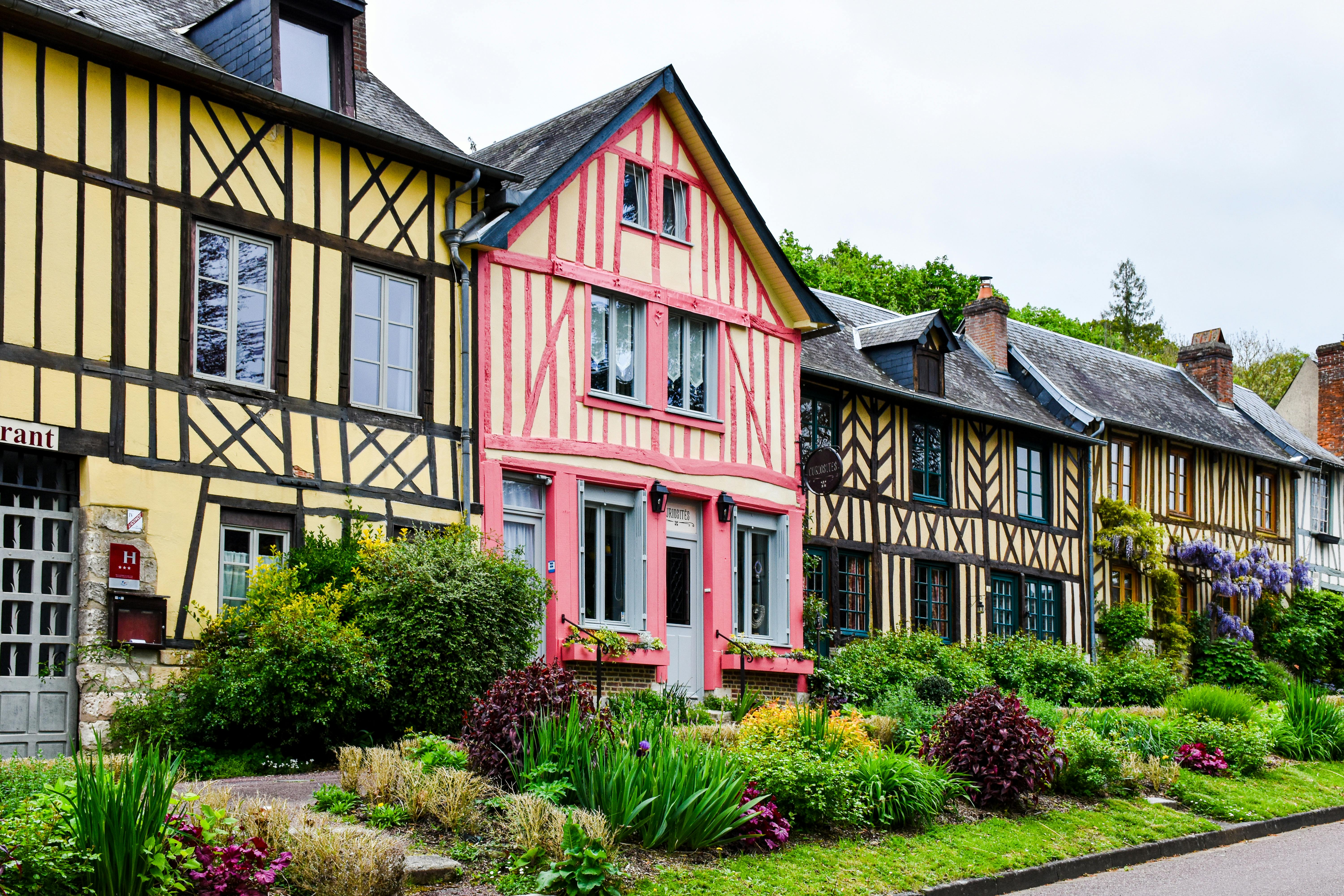
Image: A vibrant row of Tudor-style houses in France, featuring classic timber detailing and colorful facades that blend historic design with local charm.
Key Features of Tudor Style Homes | From Rooflines to Timber Details
History, Function, and Modern Appeal
Tudor Style Homes: Key Features That Make Them Stand Out
Wondering what defines a Tudor-style house? Learn the key features like steep gables, exposed woodwork, brickwork, and more. A timeless design explained simply.
What Makes a Tudor Home Instantly Recognizable?
Tudor-style homes aren’t just charming—they’re packed with visual character that’s hard to miss. From steep gable roofs and exposed beams to tall, narrow windows, these houses mix medieval craftsmanship with storybook appeal.
Whether you’ve admired one in a quiet neighborhood or spotted them in design magazines, this style stands out.
Down below, you’ll find the key features that define a classic Tudor home—and how those details still influence home design today.
The Look of a Tudor Home: Beams, Gables, and More
Key Details of Tudor Style Houses You Should Know
What Makes a Tudor Home? 7 Signature Features Explained
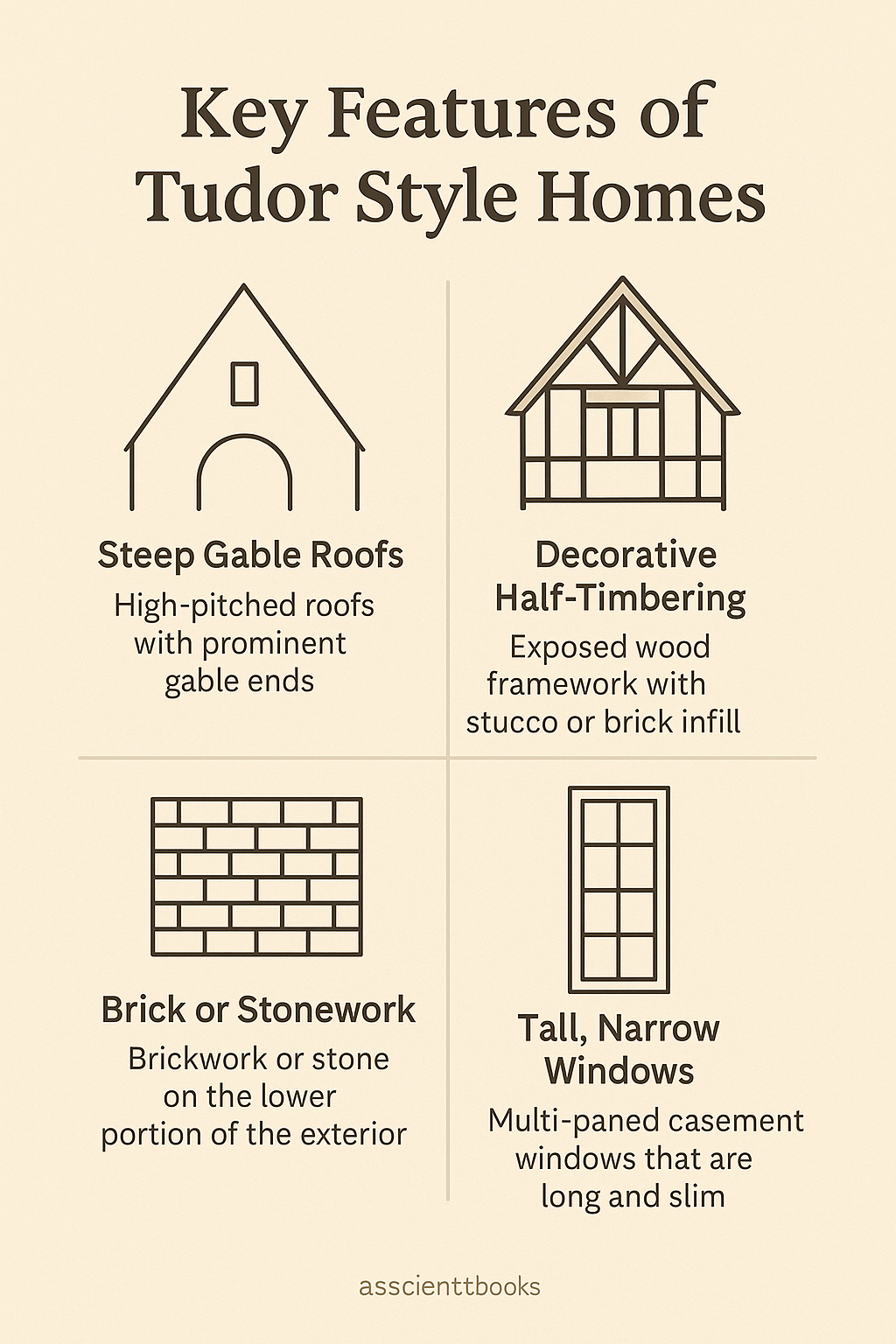
Image: Educational infographic outlining the defining features of Tudor-style houses, such as half-timbered facades, steep gables, tall brick chimneys, and decorative leaded windows.
Tudor House Design: Identifying the Main Architectural Features
Learn how to recognize Tudor architecture fast—arched doorways, half-timbering, and all the charming quirks that set it apart.
Key Features of Tudor Style Homes That Define Their Lasting Charm
1. Steep Gable Roofs
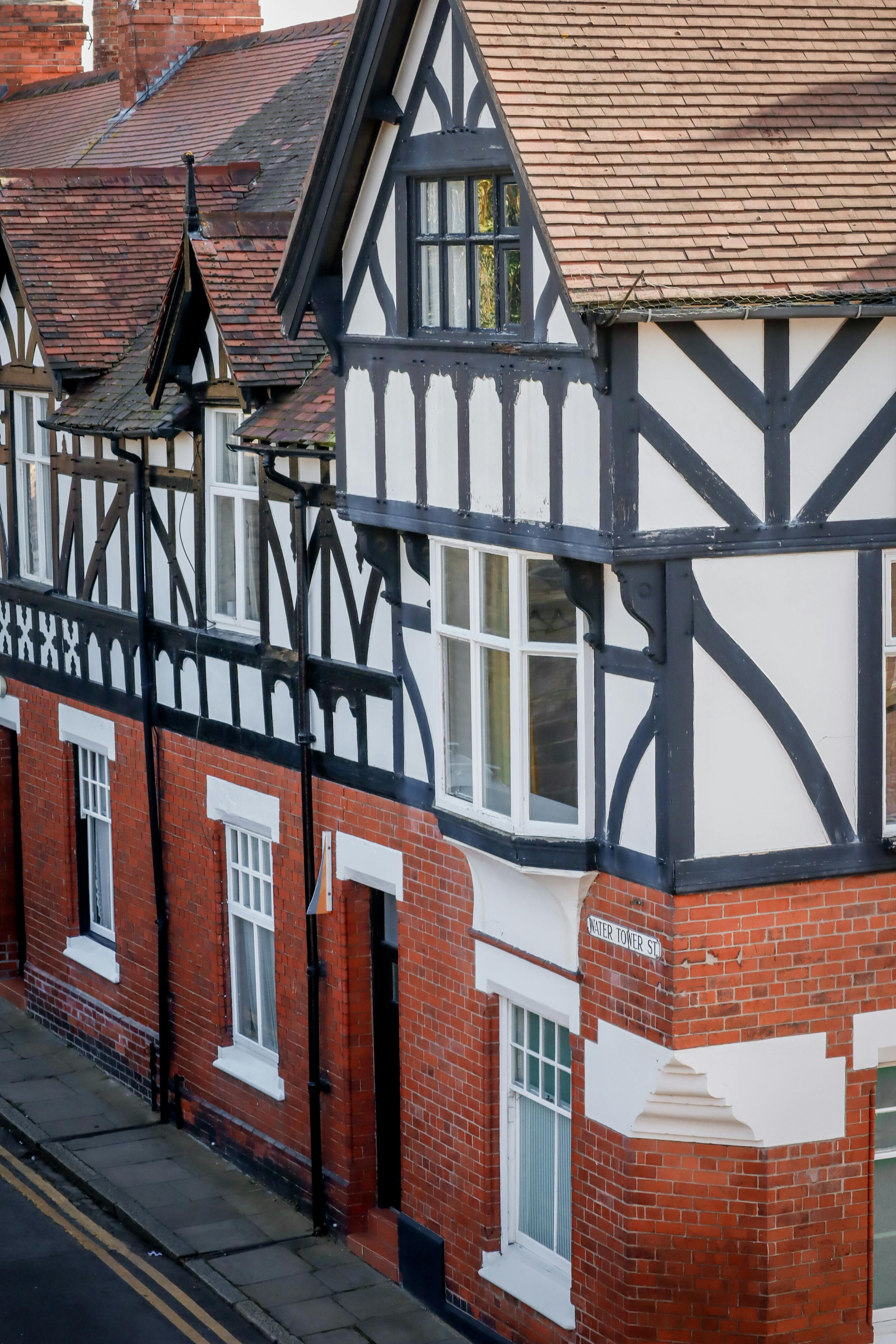
One of the most recognizable parts of a Tudor home is its steeply pitched gable roof.
-
Why it works: It helps rain and snow slide off easily—perfect for wet climates like England’s.
-
Design bonus: It adds height and character, giving Tudor homes that storybook look.
✓ Tip: Add gabled dormers for extra light upstairs and a more dynamic roofline.
Interesting Fact: In rural areas, some Tudors used thatched roofs for better insulation and a rustic finish.
2. Cross Gables
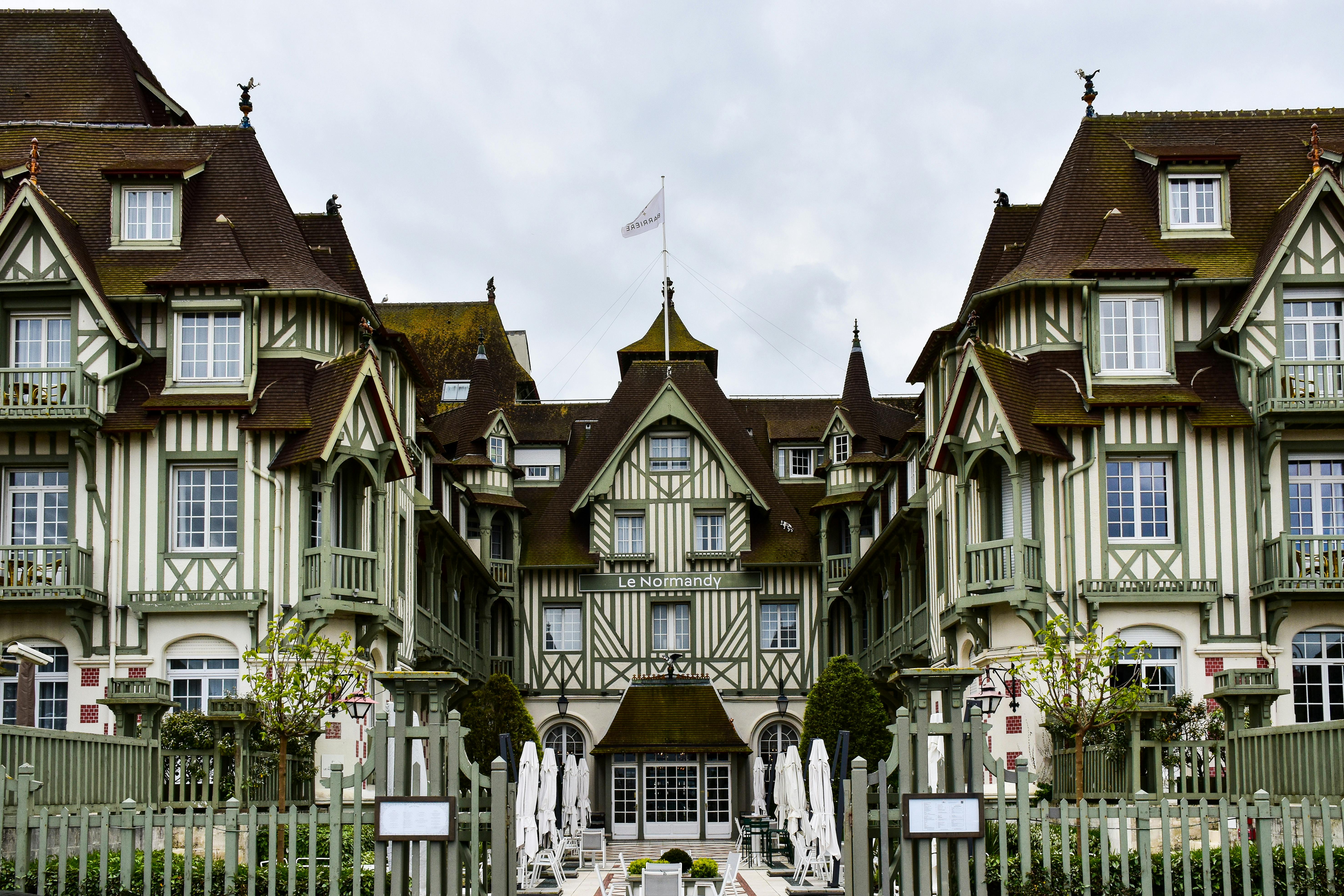
Image: Tudor-style home in Deauville, France featuring steep cross gables, timber detailing, and rich brickwork—classic features of the style’s dramatic rooflines.
Cross gables—where two rooflines intersect—are a classic Tudor detail.
-
Design impact: They break up the roofline and add that slightly asymmetrical, cozy feel.
-
Historic use: Cross gables go way back to medieval homes where they helped with drainage and roof support.
✓ Tip: Add stone details or carved woodwork to boost the traditional look.
Interesting Fact: In the past, cross gables showed off wealth, since they were harder and more expensive to build.
3. Half-Timbered Exteriors
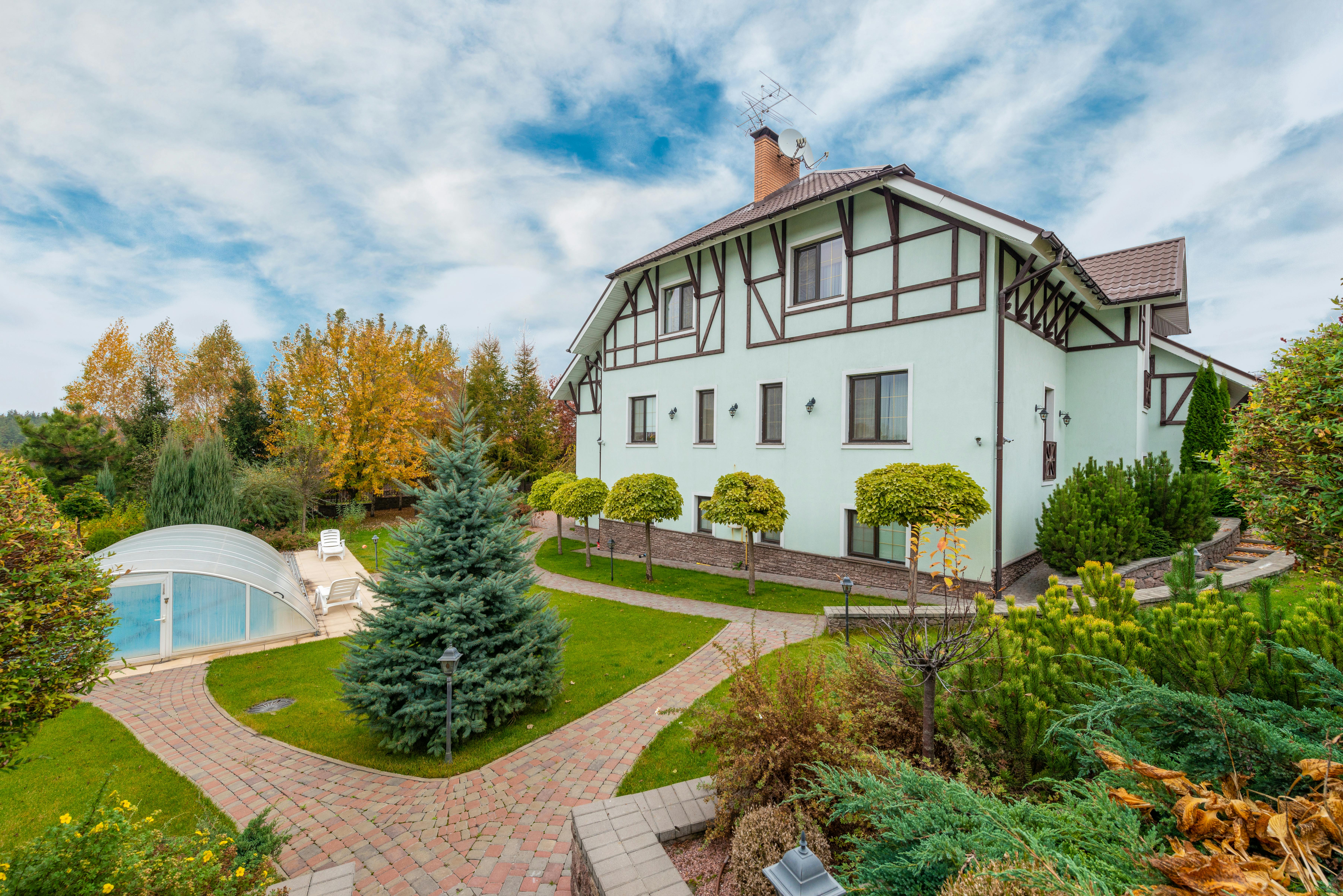
Tudor homes often feature half-timbering—exposed wooden beams with stucco or brick in between.
-
Original use: It was a practical building method: strong, flexible, and easy to repair.
-
Today: Mostly decorative, but still adds that old-world charm.
✓ Tip: You can get the look with faux timber strips for a modern, low-maintenance option.
Interesting Fact: The famous black-and-white Tudor look—dark beams against white walls—was actually popularized during the Victorian-era revival.
4. Tall, Narrow Windows
You’ll often see slim vertical windows with multiple small panes and leaded glass.
-
Why it started: Glass was expensive in the Tudor era, so small panes were more affordable.
-
Today: They bring in natural light while keeping privacy, and their shape fits the vertical lines of the home.
✓ Tip: Use modern versions with energy-efficient glass. Many manufacturers offer historic-looking windows that also insulate well.
Interesting Fact: These windows used to signal wealth—more panes meant more money, and more status.
Classic Tudor Homes: Defining Features and Design Tips
Spot a Tudor Home Instantly: These Are the Signature Elements
Tudor Landscaping & Outdoor Details
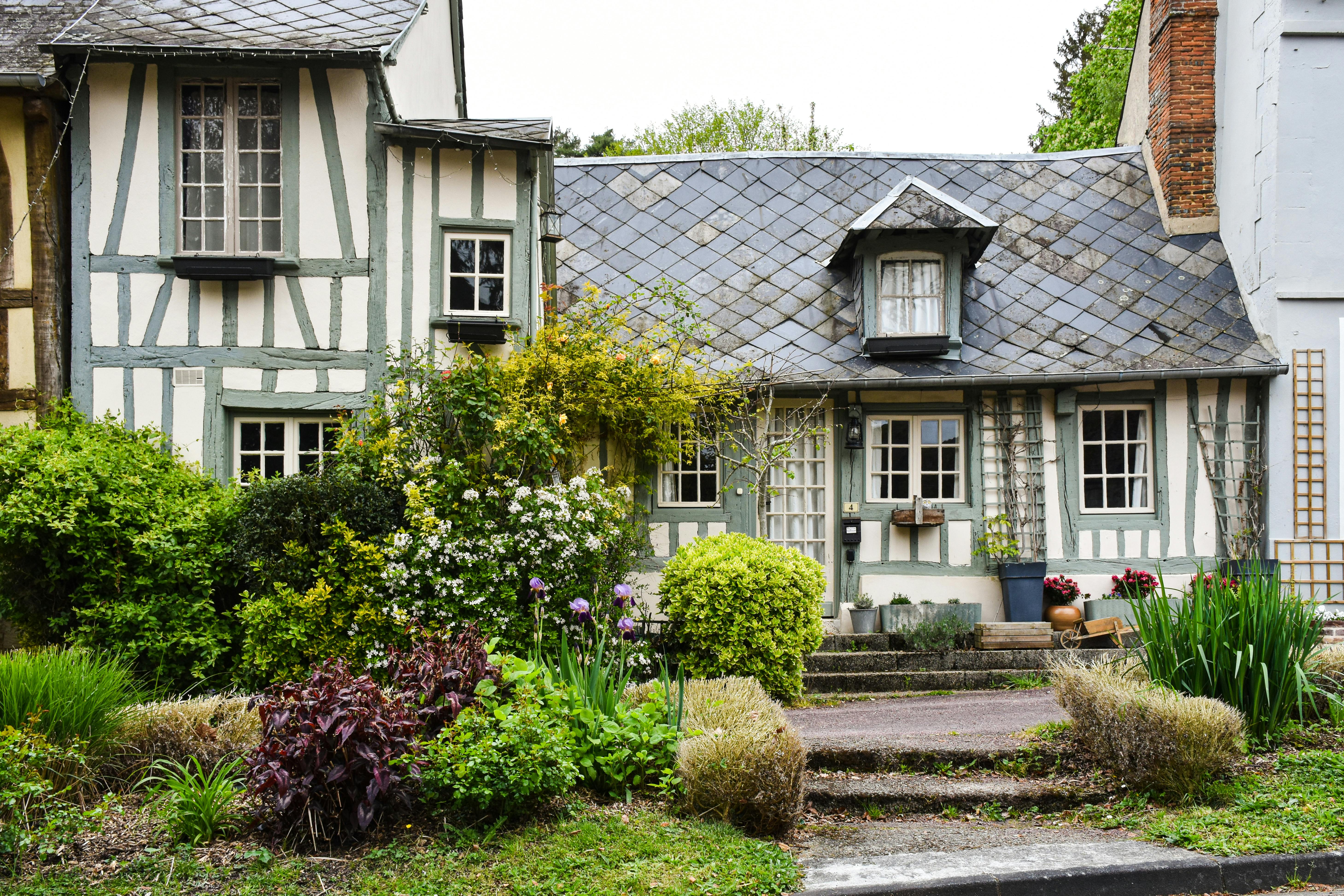
Image: Tudor-style house in France featuring classic timber framing and a charming front garden with blooming flowers, blending English design with French countryside appeal.
1. Brick Pathways and Stone Walks
Tudor homes pair beautifully with brick or flagstone paths leading up to the front door.
-
Why it works: These materials feel natural and historic, matching the home’s texture.
-
Bonus: They age well and add character over time.
✓ Tip: Use a herringbone or basketweave pattern with brick for extra visual interest.
Interesting Fact: In older English villages, curved pathways were used to slow down foot traffic and guide visitors gently toward the home.
2. Low Garden Walls and Hedges
Instead of tall fences, many Tudor-style homes feature low stone walls or trimmed hedges.
-
Look: It creates a defined border while keeping the space open and welcoming.
-
Feel: Adds a storybook charm without blocking views.
✓ Tip: Pair hedges with climbing ivy or roses to soften the edges and add color.
Interesting Fact: These features were often used to separate private gardens from common paths while still showing off the home's exterior.
3. Wooden Gates and Iron Accents
Wooden gates and wrought iron details (like lanterns or door knockers) are perfect Tudor-style touches.
-
Style benefit: They add contrast and feel handcrafted.
-
Function: These pieces are both decorative and durable.
✓ Tip: Choose matte black or aged bronze finishes for a more authentic feel.
Interesting Fact: Iron details weren’t just decorative—they were used to protect doors and windows from wear and weather.
4. Flower Beds with a Wild Touch
Tudor gardens often look slightly untamed—with cottage-style plantings and layered textures.
-
Plants to try: Lavender, foxglove, peonies, ferns, and hostas.
-
Vibe: Less manicured, more natural.
✓ Tip: Mix perennials with herbs and small flowering shrubs for a garden that looks full year-round.
Interesting Fact: In Tudor England, gardens were often planted with medicinal herbs alongside flowers—both useful and beautiful.
In Focus: Why the Roof Matters Most in Tudor Homes
If you had to pick one feature that defines a Tudor home at a glance, it’s the steep gable roof. It’s not just about the look—this roofline changes how the whole house works.
Why It’s Important:
-
Shape = identity: That tall, angular silhouette is what sets Tudors apart from every other style.
-
Practicality: These roofs were built to handle heavy rain and snow, making them ideal for northern climates.
-
Structure + layout: The roof often creates asymmetry, which shapes the home’s layout—rooms with vaulted ceilings, cozy nooks, or attic spaces with character.
Design Tip:
Use cross gables and dormers to break up the roofline—it adds charm while letting in more natural light.
Modern Benefit:
The steep pitch naturally fits solar panels without disrupting the look, and allows for great attic insulation—both huge energy perks.
Tudor Style Homes You Should Know Before Designing or Buying
Tudor homes are known for their steep roofs, decorative half-timbering, and asymmetrical layouts. But there’s more to them than just curb appeal. If you're thinking of designing or buying a Tudor-style house, here’s what matters:
-
Exterior: Expect steep cross gables, textured brick or stucco, and tall chimneys. These homes often feel solid and historic from the moment you see them.
-
Interior: Inside, you’ll find exposed wood beams, arched doorways, and cozy, compartmentalized rooms—not open-concept layouts.
-
Layout: Most Tudors are asymmetrical, with unique room flows. This creates charm, but can limit modern remodeling options.
-
Maintenance: Real timber, slate roofs, and leaded windows look great—but they can be high maintenance. Many modern Tudors use faux materials for the same look without the upkeep.
If you value character, detail, and a sense of history, Tudor homes offer it all. Just make sure you’re ready for their quirks—and charm.
FAQ
What is a Tudor-style house?
A Tudor home features steep roofs, half-timber framing, brick or stone exteriors, and leaded glass windows. It’s inspired by medieval English architecture and was revived in North America in the early 1900s.
Is Tudor the same as half-timbered?
Not exactly. Half-timbering is one feature of a Tudor home. It’s the visible wooden framing on the exterior, but Tudor design includes many other elements too.
Are Tudor homes expensive to maintain?
They can be, especially older ones. Roof repairs, leaded windows, and custom woodwork require skilled labor. But newer Tudor-style homes with modern materials are much easier to manage.
Can you build a new Tudor-style house?
Yes, many architects specialize in Tudor-inspired design using modern materials and layouts. It’s popular in areas that value historic character with updated function.
Do Tudor homes work in hot climates?
They can—but you’ll want to adjust materials (e.g., clay roof tiles instead of slate) and add cooling systems inside. The steep roof still helps with airflow.
Are Tudor houses out of style?
Not at all. They're timeless. In fact, there’s a growing trend of Tudor-modern hybrids that combine the classic exterior with open-concept interiors.
Best Books on Tudor Homes & Why They’re Worth It
1. Tudor Style: Tudor Revival Houses in America from 1890 to the Present – Lee Goff
Why buy: Beautiful photos + deep history of how the style evolved. Great for renovators and architects.
2. The Elements of Style: A Practical Encyclopedia of Interior Architectural Details from 1485 to the Present – Stephen Calloway
Why buy: Covers Tudor-era design details in interiors—ceiling beams, windows, fireplaces.
3. Get Your House Right: Architectural Elements to Use & Avoid – Marianne Cusato
Why buy: Helps you avoid common modern mistakes when replicating historical styles. Includes Tudor do’s and don’ts.
4. Tudor Houses Explained (England's Living History Series) – Trevor Yorke
Why buy: A concise, image-packed guide to understanding real English Tudor architecture.
Sources & References
● National Trust (UK) – Historic home preservation, includes Tudor-era homes
🔗 www.nationaltrust.org.uk
● Historic England – Technical details on Tudor structures and building methods
🔗 historicengland.org.uk
● The American Institute of Architects (AIA) – Design resources on Tudor revival in the U.S.
🔗 www.aia.org
● Old House Journal – Expert guidance on restoring Tudor-style homes
🔗 www.oldhouseonline.com