

How the Impossible Became Possible
AI is reshaping parametric architecture by speeding up the hard parts. It tests rules, runs simulations, and cuts the guesswork. What once took weeks now takes hours. The result is simple. Better options, clearer trade-offs, fewer mistakes.
Parametric methods already let you define relationships and let the model respond. AI adds scale. It sifts thousands of versions against light, heat, flow, cost, and code. You still set the targets. You still choose. The tool shortens the path to a buildable answer.
Bottom line. AI does not replace design. It removes the busy work and exposes what works under real conditions.
FIELD PICK
Life 3.0 by Max Tegmark
Clear, broad view of AI’s impact. Useful context for architects.
Parametric Architecture with AI: What Changes

What is parametric architecture
Parametric architecture links geometry to rules. Size, orientation, spacing, and tolerance respond to inputs instead of hand edits. You can tie form to daylight, structure, comfort, and budget in one place.
Why AI matters here
Before AI, parametric design still worked. It was slow at scale. AI tests more options, faster, with clearer feedback. It predicts performance, flags conflicts, and helps you see trade-offs early.
Concrete example. For a coastal site you can feed wind, humidity, and solar data. The system proposes facade logics that cut glare and loads while staying inside panel limits. You prune. You do not hand-tune a hundred versions.
What to optimize first
- Light. Lux targets, glare risk, daylight autonomy.
- Heat. Solar gain, envelope U values, shading logic.
- Air and sound. Flow paths, pressure, decay time.
- Buildability. Panel sizes, curves, joints, lifts, access.
- Cost. Repetition rate, unique parts, install time.
AI in Facade Design
Responsive skins that earn their keep
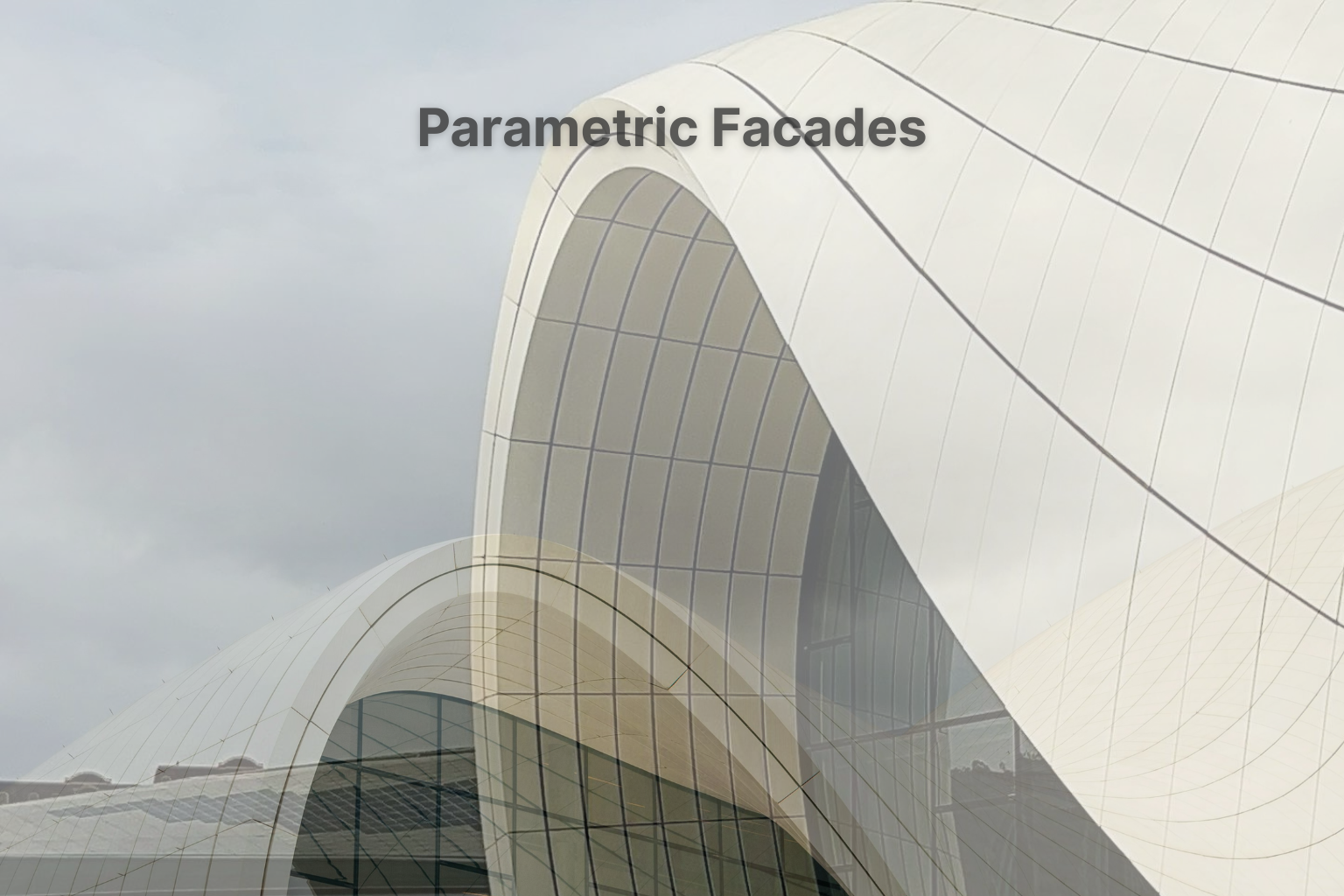
Good facades manage light and heat without gimmicks. AI helps link solar data to shading depth, panel tilt, and perforation so the pattern is doing a job. The goal is fewer hotspots, lower cooling loads, and details a crew can install.
Reference projects to study
Al Bahar Towers, Abu Dhabi. A mashrabiya system opens and closes with the sun. The logic predates mainstream AI. Today you can test thousands of time slices faster and refine actuation with clearer metrics.
Office retrofits. Use AI to compare static fins against limited-state kinetic panels. Optimize for annual comfort first, then cost. Most sites do not need full motion. The model will show it.
Result you can explain. Same area of glass. Lower glare hours. Fewer unique parts. Service routes that make sense. That is performance, not decoration.
AI on Interiors and Furniture

Interior systems that respond
Inside, AI helps tune ceilings, baffles, and screens. Tie geometry to daylight grids and acoustic targets. Change a wall and the system rebalances. The space stays stable as plans shift. See the broader logic in parametric interior design.
Parametric furniture that fits

Chairs, shelves, and desks can adapt to geometry, load, and ergonomics. AI proposes frames and shells that meet strength and comfort while reducing waste. You keep the catalog small and repeatable. The shop drawings match reality.
FIELD PICK
The Age of Em by Robin Hanson
Speculative, but sharp on tech-driven shifts. Good for long-range thinking.
Process: Rules first, AI second
- Write targets. Light, heat, sound, spans, code, budget.
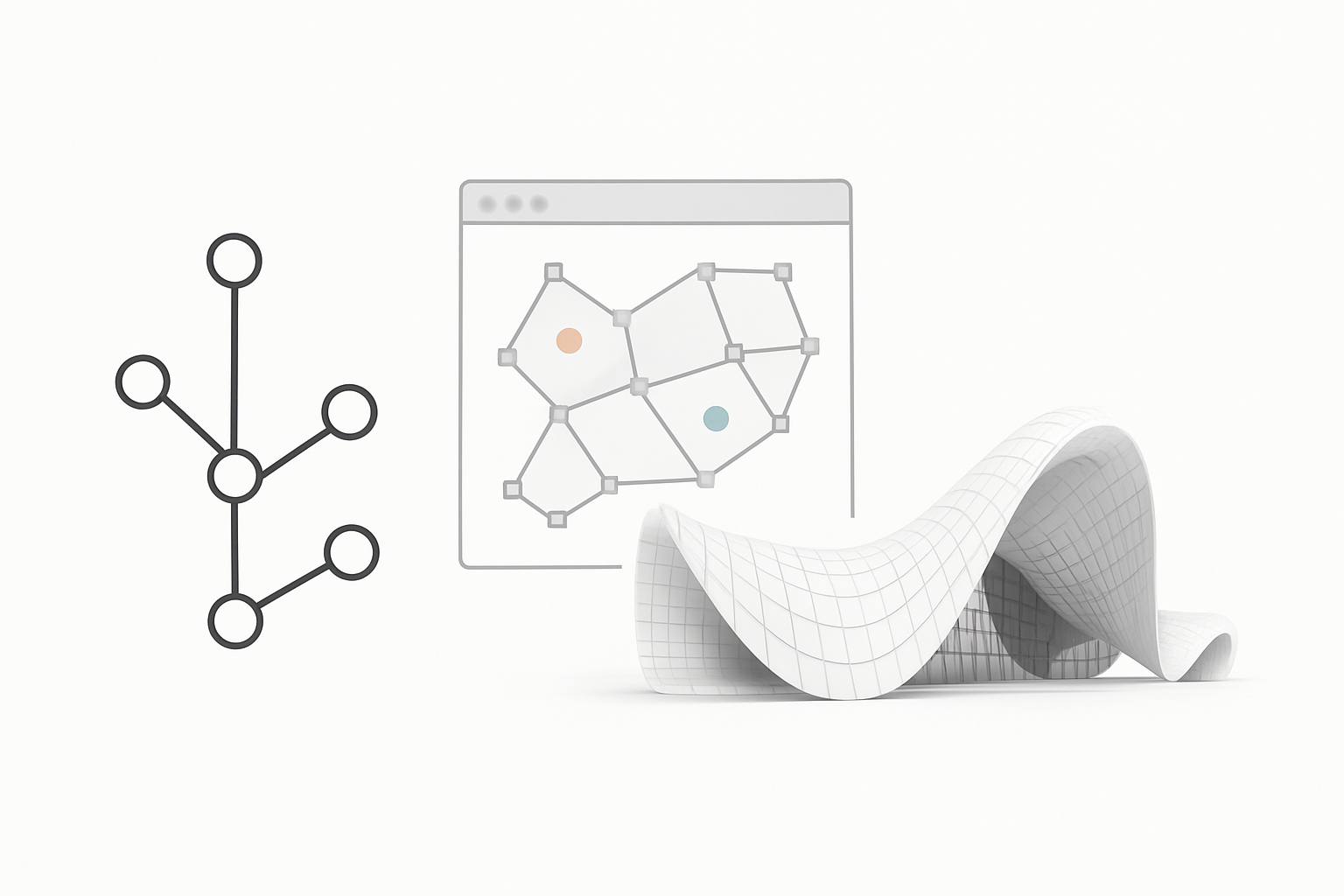
- Build the rule graph. Inputs, evaluators, outputs. Name everything.
- Run options. Ten to a few hundred. Let AI prune. You choose.
- Freeze the kit of parts. Panel sizes, families, joints, hardware.
- Document from the model. Schedules and sheets come from the same source.
- Validate. Re-simulate after every big change. No exceptions.
Guardrails. Limit sliders. Keep two or three motion modes at most. Plan access and service early. If maintenance cannot reach it, it fails.
Adaptive reuse with AI
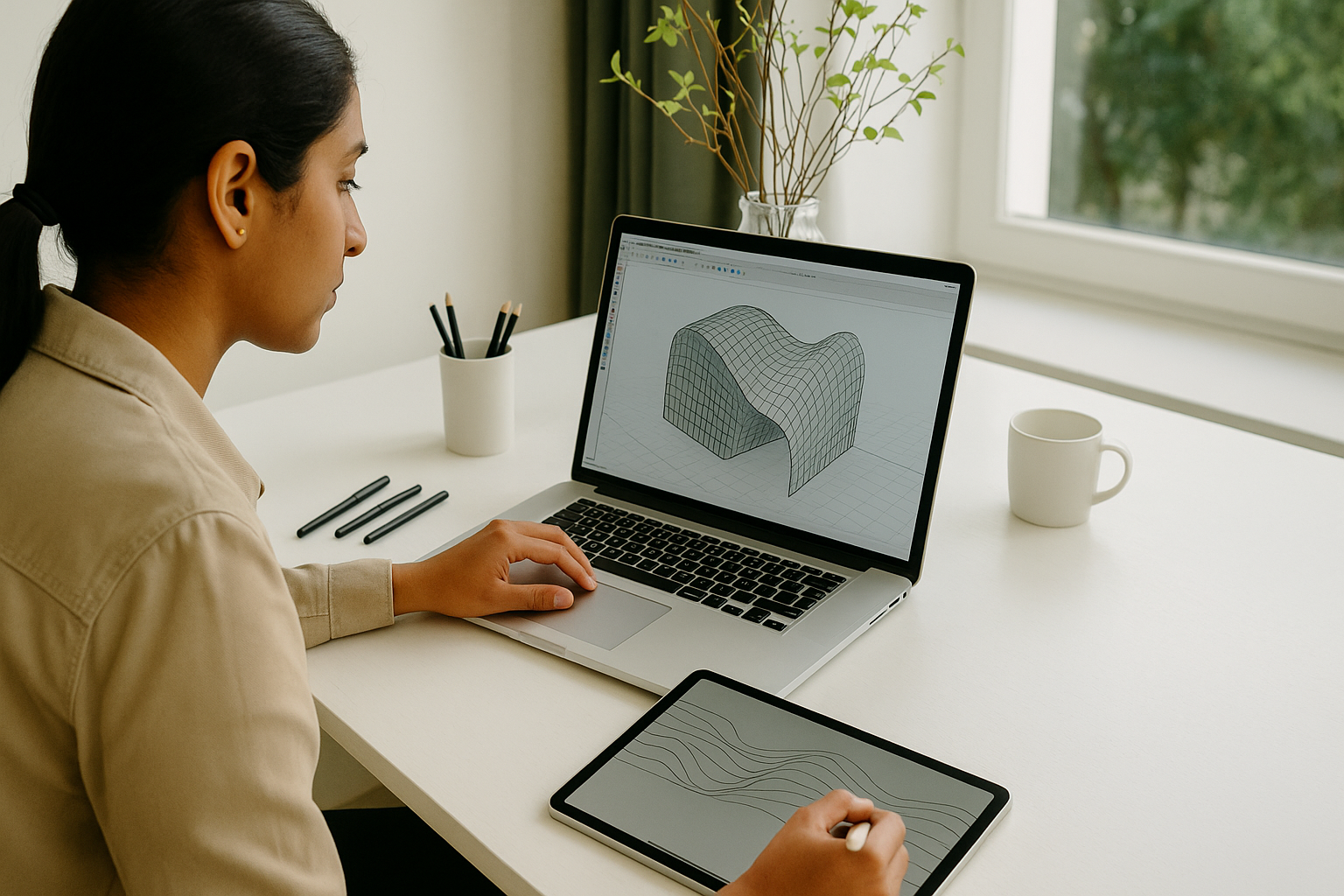
Old structures need fast, honest assessments. AI helps map loads, daylight, and envelope leaks. It proposes cuts and inserts that keep the shell and improve comfort. You still make the call. The model exposes where to spend and where to save.
Typical wins. Targeted shading instead of full reclad. Fewer unique panels. Simpler MEP routes. Better light at desks. Real energy cuts you can verify.
What great architects would do with this
Gaudí, Wright, and others worked by rule and hand. AI would not change their intent. It would test their logic faster and expose hidden conflicts early. Same vision. Fewer dead ends. More buildable detail.
FIELD PICK
The Second Machine Age by Brynjolfsson and McAfee
Straightforward take on digital shifts. Useful for practice planning.
Tools that help without taking over
- Rhino + Grasshopper. Rule authoring and clean geometry. Start here. Keep graphs readable.
- Revit + Dynamo. BIM families, schedules, and sheets that match the model. No redrawing.
- Autodesk Generative Design. Option scoping tied to Revit contexts. Good for early studies.
- NVIDIA Omniverse. Shared scene and rapid viz checks. Good for team review and light sanity checks.
One source of truth. Choose which model drives. Others reference it. Two masters create drift.
Mistakes that waste time
- Starting with shapes. Start with targets. Shapes follow or they fail in detail.
- Too many uniques. Cost and risk climb fast. Use families and repetition.
- Ignoring services. Sprinklers, lights, and access are inputs. Not afterthoughts.
- Slider farms. If you cannot explain a control in one sentence, remove it.
- Zero documentation. Tag inputs and decisions. Future you will need it.
FAQ
How is AI changing parametric architecture
It speeds analysis and option pruning. It ties data to rules so you can see what works early. You still decide.
Can AI replace architects
No. It handles pattern finding and simulation. Design intent, judgment, and responsibility stay human.
Which tools should I learn first
Rhino, then Grasshopper. If your office is BIM-first, add Revit and Dynamo. Grow from there.
How does AI help sustainability
It exposes energy, light, and comfort trade-offs before you lock form. It helps you pick simpler, better-performing envelopes.
Does this work for furniture and small interiors
Yes. Rule-driven parts reduce waste and fit spaces better. Keep catalogs tight and repeatable.
What about cost control
Show quantities live. Limit unique parts. Fix maximum sizes early. Let the model update cost as you design.
Keep learning
- Architects of Intelligence by Martin Ford — interviews with leaders. Good signal on near-term tools.
Affiliate notice. Purchases through these links may support our work. We only suggest resources we find useful.
Conclusion
AI and parametric rules work well together when the rules come first. Set clear targets. Build clean graphs. Let the machine test the grind. Choose the option that performs and builds cleanly. That is how the impossible starts to look normal.