
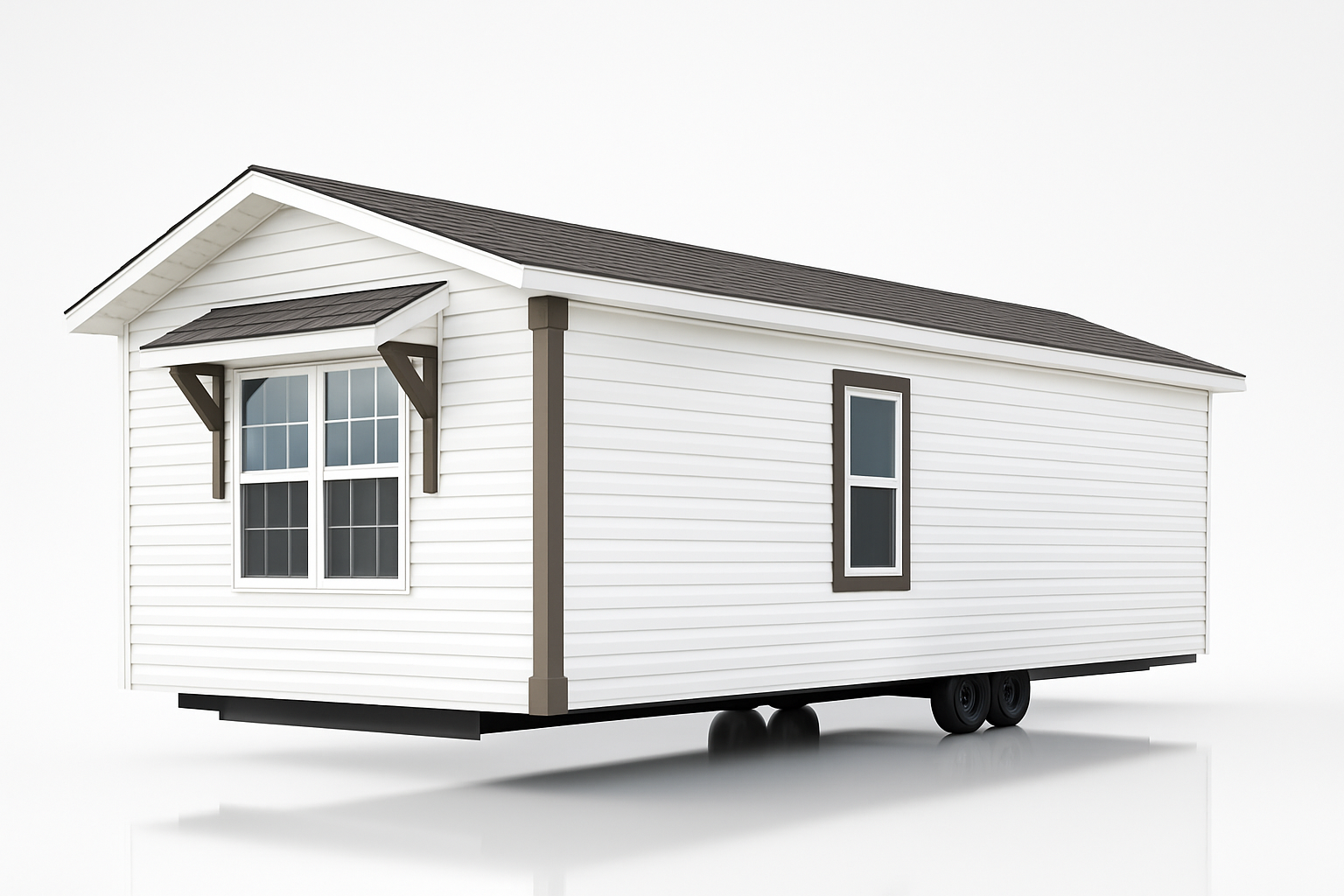
Who Actually Builds the Best Mobile Homes?
Clayton vs Fleetwood vs Champion
Quick take:
Clayton gives you options and lower prices. Fleetwood is built to last. Champion leans into design and finishes. They’re all big names. The quality isn’t the same.
Below, we break it down without sales talk. What matters, what fails, and which one’s actually worth your money.
Clayton vs. Fleetwood vs. Champion: Comparing Mobile Home Quality
Which Mobile Home Manufacturer Offers the Best Quality: Clayton, Fleetwood, or Champion?
What Actually Matters Long-Term
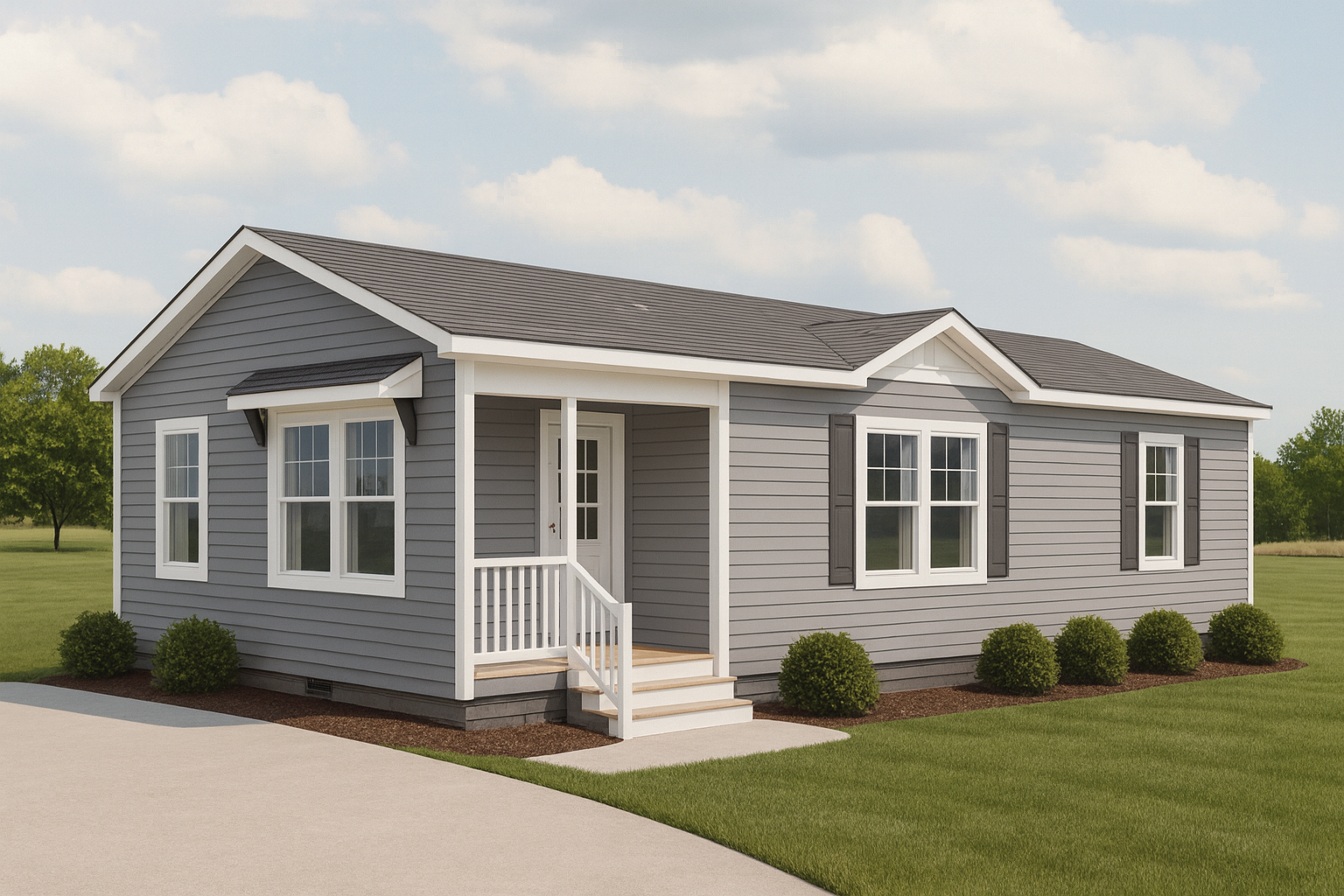
Buying the right mobile home isn’t just about brand names or floor plans. It’s about what holds up after the delivery truck leaves. Here’s what real buyers care about six months in:
1. Setup and Site Prep
Many first-timers get surprised by the cost and hassle of setting up the home. That includes:
▪ Grading the land
▪ Utility hookups
▪ Foundation or piers
▪ Permits and local inspections
Tip: Always get this quoted separately. Most base prices don’t include setup.
2. Dealer vs. Manufacturer
You’re not always dealing with the factory. In most cases, it’s the local dealer who orders, installs, and services the home. Their reputation matters more than the brand sometimes.
Tip: Ask for references and post-sale support terms in writing.
3. Maintenance Reality
Yes, mobile homes need maintenance—especially roof seals, underbelly insulation, HVAC filters, and skirting. Most of it’s simple but neglect causes real damage fast.
Tip: Budget $500–$1,000/year in basic upkeep.
4. Resale and Longevity
Well-maintained models from Fleetwood and Champion tend to hold value better. Clayton models often sell quicker because of brand visibility and price point—but may need more updates.
Tip: Keep your manuals, service receipts, and upgrade records. They help when you resell.
Mobile Home Showdown: Clayton, Fleetwood, and Champion Compared
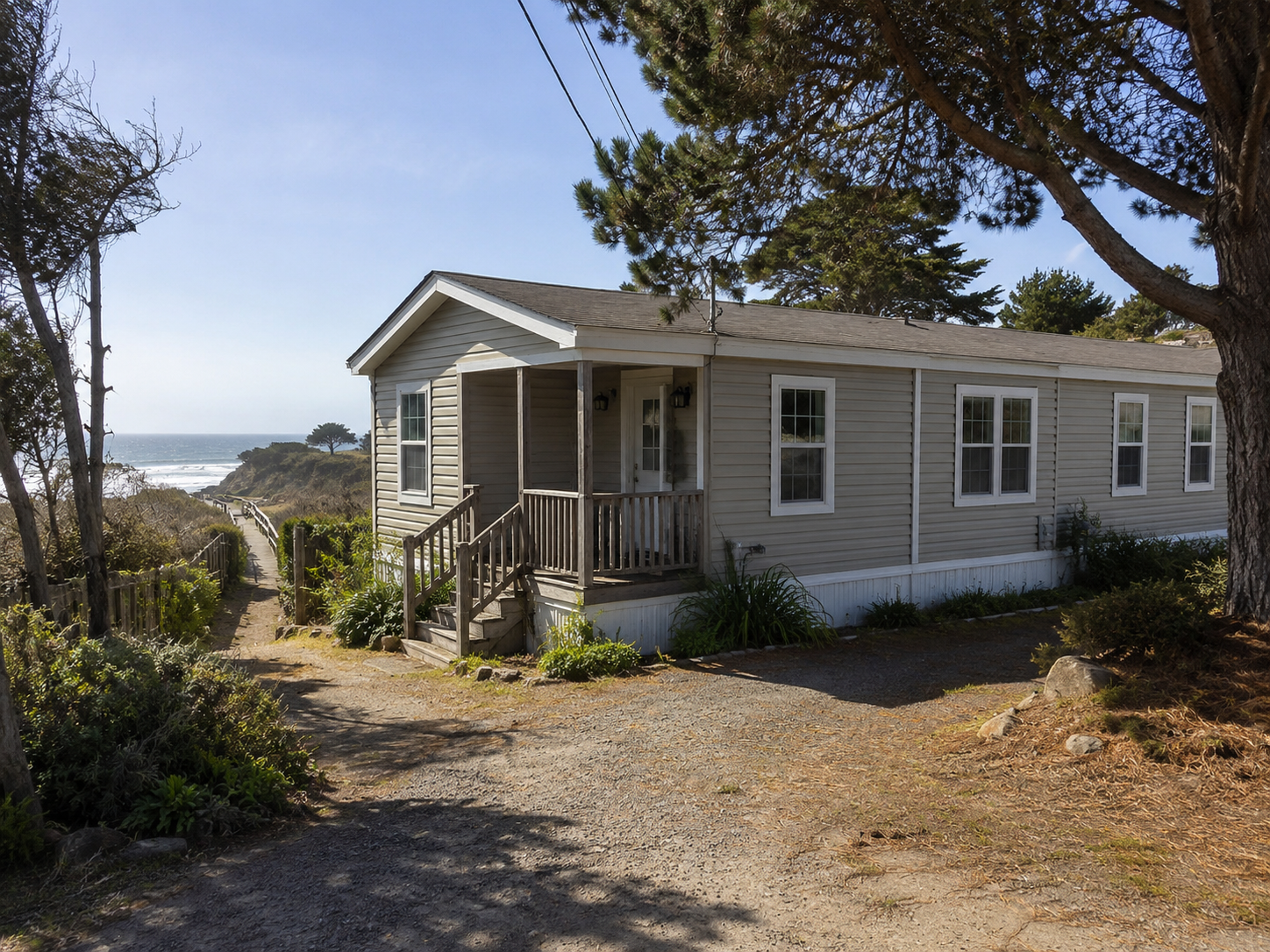
Modern mobile homes are solid. But picking the right brand? That’s where things get muddy.
Clayton, Fleetwood, and Champion all claim comfort, style, and quality. But the real-world differences matter. We looked at build quality, pricing, layout flexibility, and buyer experiences—what actually holds up and what cuts corners.
Skip the brochure noise. Here’s what matters if you’re serious about choosing right.
Clayton Homes
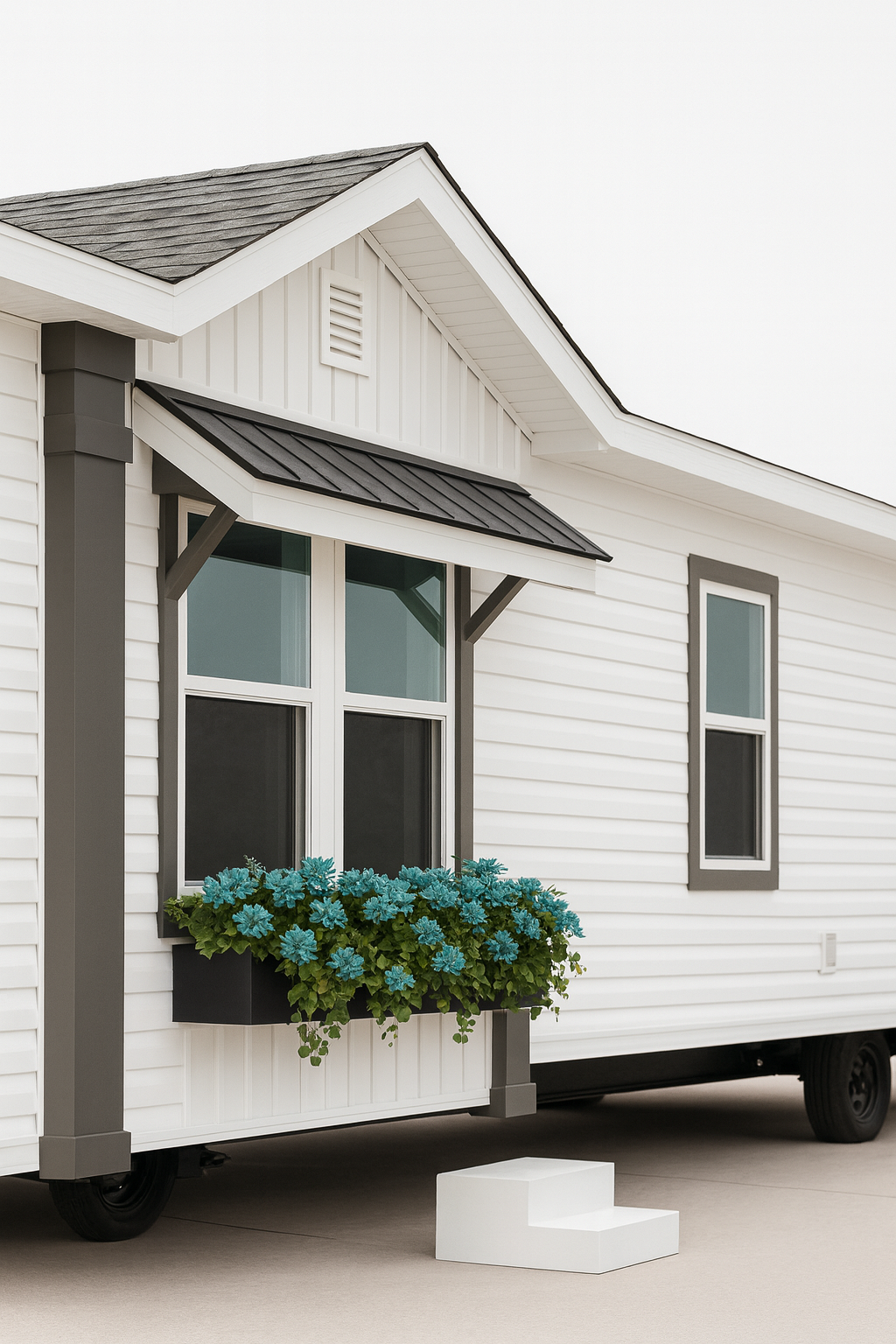
What They’re Known For
Started in 1956 and now owned by Berkshire Hathaway, Clayton is one of the biggest names in mobile homes. That backing gives them serious reach—and stability.
What They Offer
Clayton makes everything from small single-wides to spacious double-section homes. Their selling point? Choice. You can tweak floor plans, pick your finishes, and add energy-saving upgrades.
Build Quality
They push their HUD compliance hard and use decent materials. Energy-efficient options and smart tech are common. They’re not luxury, but they’re solid for the price.
Support and Warranty
Clayton helps with financing and offers a full warranty. It’s not perfect, but it’s better than many. Buyers get coverage that actually means something—if you read the fine print.
Fleetwood Homes
Fleetwood promotes its homes as reliable. But is that just branding, or do their structures actually last?
We looked at material choices, customer reports, and structural upgrades across models.
Background
Founded in 1950 and now under Cavco Industries, Fleetwood has long been a steady name in mobile homes. It’s based in Riverside, California and known for homes that hold up.
Design and Custom Options
Fleetwood builds wide layouts with a clean, modern look. They offer flexible upgrades—better finishes, floor plans, and tech add-ons—so your home doesn’t feel cookie-cutter.
Build Quality
These homes are made to last. Fleetwood sticks to solid construction practices and uses reliable materials. Every model meets or beats HUD codes, with real attention to energy use and structural performance.
Support and Warranty
Fleetwood backs its homes with a decent warranty on structure, systems, and appliances. Their team helps with financing and insurance too, which makes the buying process smoother for first-timers and experienced owners alike.
Champion Homes
● They say it’s design-first. Is it actually built to last?
Background
Started in 1953, Champion is now one of the biggest names in prefab housing. Based in Troy, Michigan, they run dozens of factories across the US and Canada.
Models and Customization
Champion has serious range—from budget-friendly singles to high-end multi-section homes. Their layouts are flexible, and the finishes feel more modern than most. You can tweak nearly everything to match your style, from the floor plan to fixtures.
Build and Quality
Champion leans into good materials and tight construction. Their homes meet all HUD codes, but often go a step further on insulation, energy use, and interior build quality. They don’t just look good on the lot—they’re made to hold up.
Support and Warranty
They offer solid support before and after the sale, including help with financing. Warranties cover major systems and structure. Champion also has a decent rep for sticking with buyers when things go wrong.
Comparing Key Features
Comparing the Real Differences That Matter
Innovation and Design
● Clayton leans into customization. You’ll find open floor plans, smart home features, and energy-efficient tweaks. Feels modern without being flashy.
● Fleetwood keeps it simple and clean. Focus is on comfort, practical layouts, and finishes that age well.
● Champion goes bold with layouts and finish options. More variation in look and feel. Good if design matters to you.
Construction and Materials
● Clayton builds to HUD code and beyond. Solid framing, tight seals, and decent quality—just double-check your dealer’s execution.
● Fleetwood is known for building tight. Great insulation, strong joints, and fewer cut corners. Built to last in hot climates.
● Champion shines in craftsmanship. Strong attention to materials, detail, and finishing work. Some models feel more like site-built homes.
Energy Efficiency
● Clayton offers ENERGY STAR® options, good insulation, and smart thermostats in most models.
● Fleetwood pushes efficiency hard. High-performance windows and insulation come standard in many models.
● Champion lets you upgrade insulation and windows across the board. Most models offer solid energy packages.
Service and Warranty
● Clayton has decent support, but it depends on the dealer. Warranty covers most of what matters, but read the fine print.
● Fleetwood scores high on post-sale service. People report fewer runarounds when something goes wrong.
● Champion offers a strong warranty, especially on structure and systems. Support is reliable if you go through a good distributor.
Price vs Value
● Clayton gives you flexibility in pricing. Entry-level homes can be basic, but you can add features without blowing your budget.
● Fleetwood costs a bit more upfront, but you get tight construction and lower energy bills.
● Champion sits across the price spectrum—some affordable, some luxury. Feels premium if you pick the right model.
Prices Aren’t Fixed: How to Get the Best Deal (And Not Get Played)

Mobile home prices aren’t set in stone. This isn’t Amazon. It’s a negotiation. If you walk in rushed, unsure, or unaware of your options, they’ll upsell you fast.
Here’s how smart buyers do it.
Know the Game
The big three—Clayton, Fleetwood, Champion—compete for the same buyers. They know it. You should too. Use it. Let them know you’re comparing all three. Make it clear you’re not in a hurry.
This is a cold game. Whoever gives up first loses.
Don’t beg. Don’t fumble. Stay calm. Let them chase you.
Tricks That Actually Work
▪ Never act desperate
If they smell urgency, they’ll shove in fees, push upgrades, and refuse to budge. Stay cool. Like you're just browsing.
▪ Say this upfront
“I’ve looked at models from Clayton, Champion, and Fleetwood. Still deciding. Not in a rush.”
That one line changes the whole tone. Shows you’ve done your homework. You’re not easy to push.
▪ Ask for itemized quotes
Don’t accept “$99K total.” Break it down. Base price. Delivery. Skirting. AC. Appliances. Then say you’ll take it home to compare.
▪ Push for upgrades instead of discounts
Dealers might not lower the price, but they’ll throw in extras. Ask for a better fridge. Higher roof pitch. Better insulation. Especially if another brand already includes it.
▪ Mention specific models
Say something like:
“Fleetwood’s Sandpointe had better roof pitch and windows. If you can match or beat it, we can talk.”
That puts the ball in their court.
▪ Wait for quarterly promos
Manufacturers run seasonal deals. If you’re patient, you’ll catch free upgrades or dealer kickbacks. Ask when their next promo hits.
▪ Never sign on the first visit
Take the quote. Walk. Let them follow up. They usually do—with a better number.
Final Tip
Talk Like You Mean It
Use real terms. Know model names. Ask about tie-downs, wind zones, roof pitch. Bring a clipboard. You don’t need to act like a pro. Just act like someone who won’t be pushed around.
You’re not there to be sold to. You’re there to see who earns the sale.
Let them sweat.
See also: Single Wide Mobile Homes Under $35,000
Examples, Tips, and Tricks
Real Buyer Picks and What Actually Matters
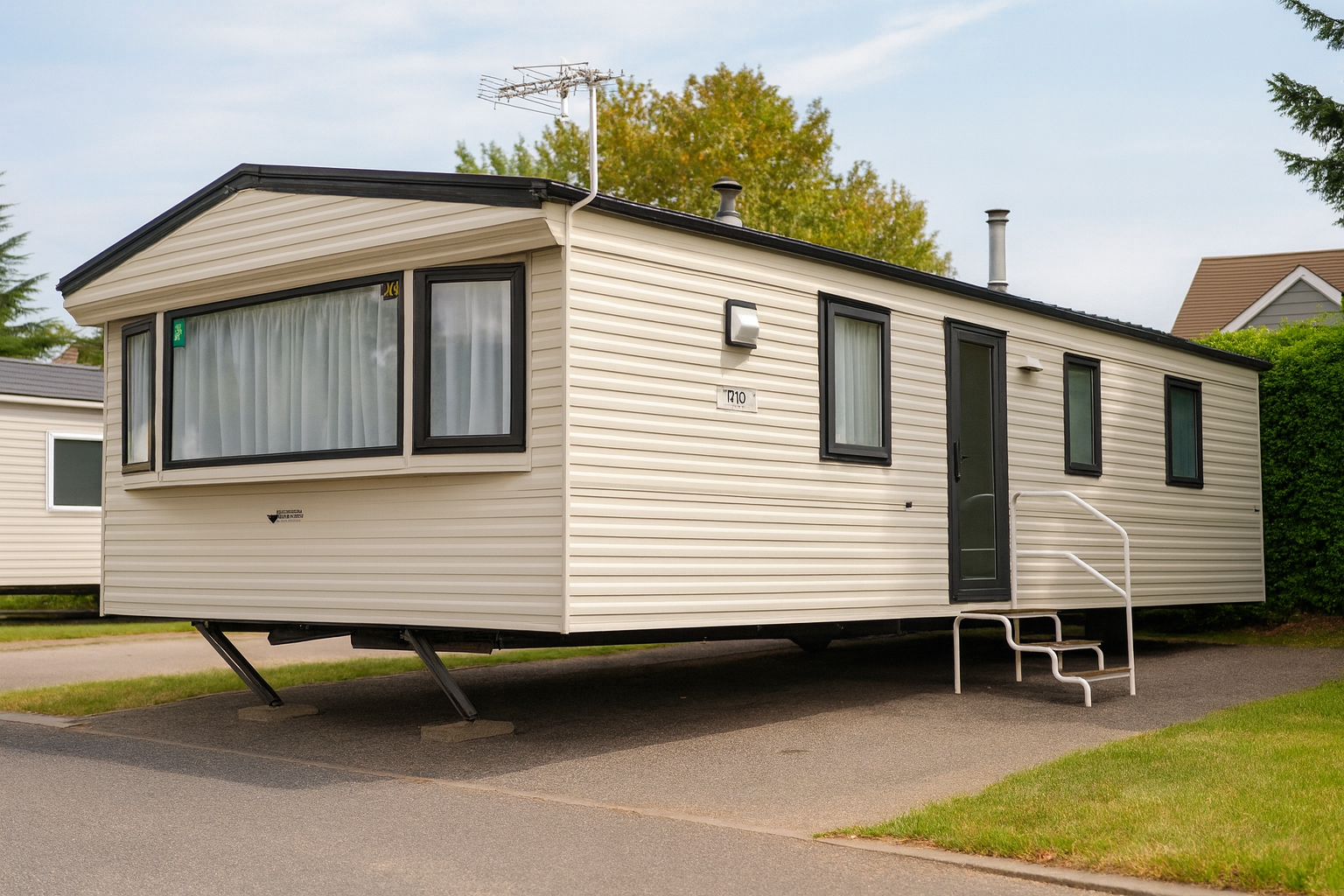
These aren’t fake testimonials. These are real buyer types—based on what people actually bought, why it worked, and what they’d do differently. Use this to save time and avoid rookie mistakes.
Clayton Homes: Good for Space and Daily Use
Model: Anniversary
Who it fit: Young couple in Texas with two kids
Why it worked: Big kitchen island. Smart thermostat. Energy-efficient windows. She cooks and watches the kids. He checks the bills and sees savings.
Heads up: It looks modern, but watch out for dealer upsells. You don’t need every “upgrade” they push.
Fleetwood Homes: Best for Downsizing
Model: Sandpointe
Who it fit: Retired couple in Florida
Why it worked: Simple, open plan. Easy to clean. Feels roomy even though it’s small.
Heads up: Great for warm climates. But there’s not much storage unless you add a shed or carport.
Champion Homes: Best for Design and Hosting
Model: Innovation
Who it fit: Single business owner in California
Why it worked: Big entertaining space. Kitchen island. Walk-in closet. Clean finishes.
Heads up: Champion has nicer details, but ceiling height varies by model. It makes a bigger difference than you think.
Real Tips Buyers Wish They Knew
● ✓ Stand in the home. Don’t just pick from photos. People often change their mind after a walk-through.
● ✓ Ignore names like “Oasis” or “Deluxe.” They’re meaningless. Focus on size, layout, and materials.
● ✓ Roof pitch and wall height change everything. Low-pitched roofs feel cheap. Taller walls feel like real homes.
● ✓ Site prep is where people get blindsided. Budget for grading, hookups, and foundation work. Not included in base price.
● ✓ Negotiate it all—delivery, AC, skirting, appliances. Dealers expect you to ask.
● ✓ Get warranty terms in writing. What’s covered, what’s not, how long. No guessing.
MUST READ
Built to Innovate by Ben M. Bensaou
For anyone treating this as more than a one-time buy—whether you’re investing, flipping, or just thinking long-term—this book breaks down how companies build scalable growth. Useful if you want to think like a builder, not just a buyer.
Final Take
Picking the right mobile home maker comes down to how you live, what you care about, and how much you’re willing to spend.
● Clayton is solid if you want affordable options with good layouts and modern upgrades.
● Fleetwood is for buyers who want something durable and practical—especially in warmer states.
● Champion is where you go if you care about looks, finishes, and a bit more flexibility in design.
Don’t just take the brochure’s word for it. Walk through the homes. Ask hard questions. Get everything in writing. And don’t rush it—this is your house, not a phone plan.
Make the choice that fits your life, not just what sounds good in ads.
FAQs
Buying Basics & Financing
What’s the difference between a mobile home and a manufactured home?
A mobile home is anything built before 1976. After that, they follow HUD standards and are technically called “manufactured homes.” Same idea, different legal classification.
Can you get a mortgage for a mobile home?
Only if it’s placed on land you own. If not, you’ll need a chattel loan, which usually has a higher interest rate and shorter terms.
How much does a new mobile home cost?
Single-wides usually start between $40,000 and $80,000. Double-wides can range from $75,000 to $150,000 depending on location, upgrades, and the dealer.
What credit score do I need to finance one?
For FHA-backed loans, a score as low as 500 may work with a 10% down payment. For conventional or chattel loans, aim for at least 620.
Can I use down‑payment assistance for a mobile home?
Some states offer programs. It depends where you live and what kind of loan you’re using. Worth checking local HUD resources.
How fast can you order and move in?
New homes usually ship within 4–8 weeks. Setup takes another 1–2 weeks. Used homes can sometimes move faster.
Are these homes safe in hurricanes or storms?
They’re built to HUD wind-zone standards. Anchoring and tie-downs are critical—especially in hurricane zones.
How long do mobile homes last?
If well-maintained, 30–55 years is realistic. Plenty of homes from the ‘80s and ‘90s are still going strong.
Inspection & Setup
What should I look for when touring a home?
Check the electrical panel, HVAC, windows, roof seams, and underbelly. Smell for mold. Ask about insulation and plumbing.
Do mobile homes have titles?
Yes, just like cars. You’ll need it to prove ownership and transfer it.
Can I move a mobile home later?
Yes, but it’s expensive—usually $3,000 to $10,000. Some older models might not survive the move well.
How important is site preparation?
Very. Site grading, piers, utilities, and permits are separate costs and often not quoted in the base price.
How stable is the home in its foundation?
Depends on the quality of tie-downs, piers, and setup. Ask for inspection reports and meet code requirements.
What if it’s a used home?
Check history, ownership, repairs, and structural integrity. Hire a mobile home inspector if possible.
What materials are used?
Look at siding, insulation, windows, flooring, roof material, and plumbing. That’s what affects durability.
What signs of wear should I expect?
Watch for rust, mold, roof damage, cracked seals, and water damage under sinks and near HVAC.
Is flood or disaster insurance required?
Not always, but some parks or lenders require it. Flood insurance is usually separate.
Community & Legal
Should I buy or rent the land?
Buying land gives you better loan options and more legal protection. Renting means higher risk and a chattel loan.
Can I put a mobile home anywhere?
No. Local zoning laws decide where you can place one. Always check with your city or county first.
What fees and rules apply in parks?
Expect rent, pet restrictions, age limits, resale rules, and possibly guest or parking policies.
Can the park evict me easily?
Depends on your lease and the state. Some parks have bad reputations. Check reviews and court records if possible.
How easy is it to sell a mobile home?
If it’s on owned land, it sells like real estate. In parks, resale depends on park rules and how desirable the location is.
What about title transfer or liens?
Do a title search—just like you would for a car. Don’t buy unless the title is clean and in hand.
Can I renovate or add to my mobile home?
Yes, but check park rules and local codes. Some upgrades require permits or structural inspections.
Costs & Value
What are the hidden costs of buying one?
Setup, permits, tie-downs, land prep, insurance, skirting, delivery, and utility hookups all add up fast.
How much is insurance?
Roughly $700 to $1,500 a year. It depends on location, model, and coverage.
Do mobile homes depreciate?
Usually, yes—especially in parks. If it’s on your land, it can hold value or even appreciate with upgrades.
Do they stand up in the long term?
Modern homes last decades with routine maintenance. Older homes can too if cared for properly.
How often do people inspect and maintain them?
Yearly is smart: HVAC, roof, seals, plumbing, and skirting. Budget $500–$1,000 annually.
Can I upgrade insulation or appliances later?
Yes. Most homes can be upgraded with better insulation, energy-saving appliances, or smart thermostats.
Can I add solar?
Absolutely, if you own the land. Solar panels work well on mobile homes with good roof exposure.
Are mobile homes worth it financially?
Yes—if you plan smart. Own the land, maintain it well, and don’t overpay. Long-term savings can be real.
Lifestyle & Practical Use
Is living in one comfortable?
Yes, if you get the right layout, insulation, and HVAC. Modern models feel like standard houses.
Do they feel cheap or cramped?
Not if you choose a home with 8'6"+ ceiling height and a good roof pitch. It makes a huge difference.
Can I rent or Airbnb one?
Sometimes. Parks usually don’t allow it. On private land, it’s possible but check zoning and insurance.
Can I sublet in a park?
Many parks don’t allow it. Even if they do, you usually need approval for the new resident.
Are pets allowed?
Depends on the park. Some allow only small dogs or limit total number. Always ask first.
Do you need special movers to relocate?
Yes. You’ll need licensed mobile home movers and proper permits. It’s not a DIY job.
Where do I get good reviews or user feedback?
Reddit, Facebook groups, and dealer review sites are good starts. Talk to actual owners, not just salespeople.
Related: Prefab Homes vs. Traditional Construction: Which is Better for Your Budget?