
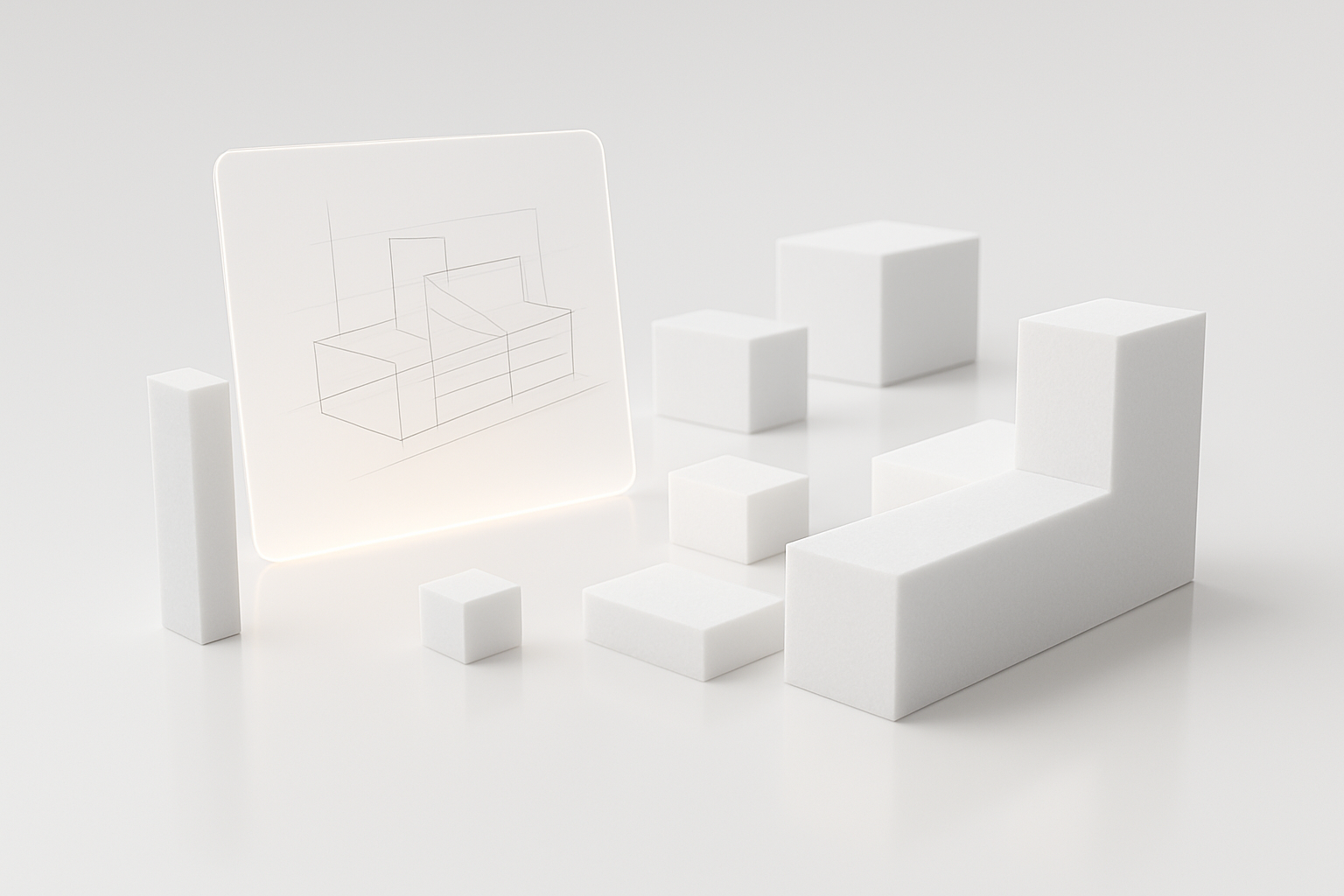
Conceptual Architecture in Design: How Real Ideas Take Shape
What Is Conceptual Architecture in Real Design?
Strong architectural design starts with a clean concept. Learn how to shape structure and intent from the beginning.
The Concept That Changed Everything
How One Sketch Got Built
One sketch. One massing model. One raw, unfinished diagram.
That’s what convinced a skeptical client to approve a $60 million project.
The architect didn’t show renders. They showed reason.
How the form caught sun. How wind moved around it.
How people entered from every angle. The concept did what no glossy image could—it solved the real problem.
It wasn’t about finish. It was about clarity.
That’s conceptual architecture. Done right, it makes the building feel inevitable.
Before you draw a wall, ask yourself:
What’s the idea that makes everything else make sense?
MUST READ
Drawing for Architects – by Julia McMorrough
Sharp, clean guide to getting early ideas down fast. Helps you think like a designer before you build.
→ Buy on Amazon
Conceptual architecture means clarity, massing, and logic before materials. This is how great design starts.
What Is Conceptual Architecture?
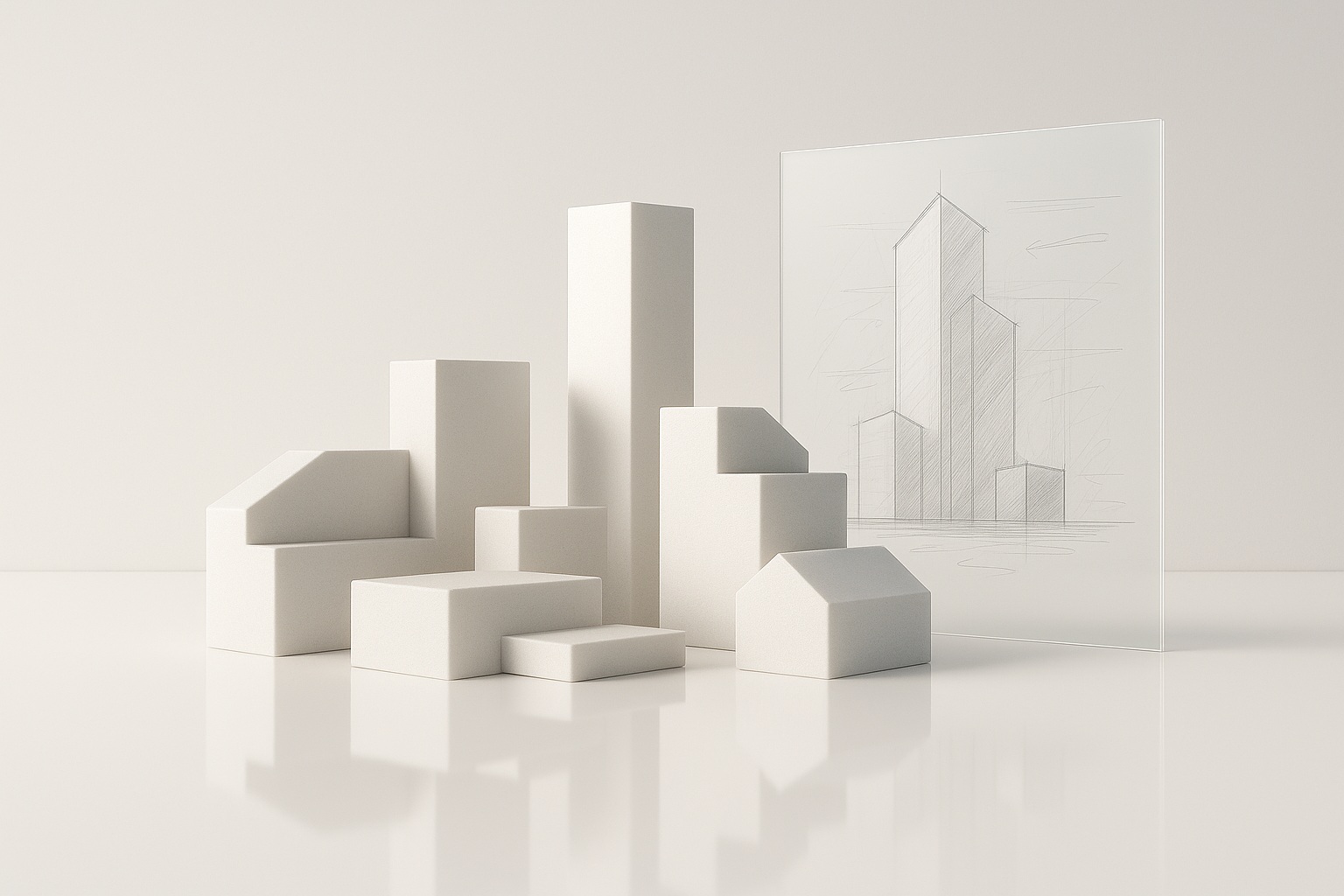
Conceptual architecture is the first phase of real design thinking. It's not about detail. It's about logic. Space. Massing. Relationship. Before materials, before codes, before drawing windows, there’s an idea. A concept.
It answers:
- What is this building trying to do?
- How does the form reflect the function?
- Where does light move? Where do people go?
- What makes this more than just a building?
If you can’t explain your design conceptually, no detail will save it.
FIELD PICK
Sketch Like an Architect – by David Drazil
Step-by-step guide to drawing like a real designer. Covers lines, depth, people, textures, and perspective with clarity. Great for students, pros, or anyone who wants to sharpen their sketching.
Conceptual Boards in Architecture
What to include:
- Diagrams showing layout or hierarchy
- Sketches that explore space, not surface
- Basic models to test volume and scale
- One-liner concept statements that explain the core idea
What to avoid:
- Overworked renders
- Fake landscaping
- Unreadable annotations
Related: Real Guide to Model Making: What to Use, Cut, and Skip
Conceptual Art in Architecture
Sometimes architecture isn’t about solving—it's about provoking.
Conceptual art crosses into architecture when space and form challenge how we live or think. These ideas don’t always get built, but they push design forward.
Examples:
- Archigram: Inflatable cities and walking buildings
- Lebbeus Woods: War-damaged spaces reimagined
- Zaha Hadid (early): Bold forms born from pure geometry
- Diller Scofidio + Renfro: Installations that blur space, performance, and user
These works are statements. They shift how we talk about design.
Real Conceptual Architecture Examples
Famous Conceptual Architecture Projects and What They Teach
The best conceptual boards show structure, mass, light, and flow. No glossy textures. No final furniture layouts. Just logic and movement.
These projects all began with strong ideas:
The High Line, NYC
The concept: turn an old rail into a walkable green space. Early diagrams showed movement, pause, and urban flow. Not plant types.
Glass Farm by MVRDV
A barn-shaped building with a glass facade printed to look like a farmhouse. Commentary on rural memory and modern use.
Kisho Kurokawa’s Capsule Tower
Modular living capsules plugged into a central core. Pure concept of flexible housing in a growing city.
Coop Himmelb(l)au experiments
Deconstructivist models that shattered traditional space logic. Ideas first, then form.
Conceptual Renderings That Work
Good conceptual renderings are not photo-real. They're atmospheric. They suggest more than they show.
How to do it:
- Use mass and shadow, not materials
- Keep people abstract (silhouettes)
- Avoid reflective surfaces
- Show just enough to suggest purpose
Less detail = more clarity.
Conceptual Zoning in Urban Architecture
Before design drawings, cities use conceptual zoning models. These explore massing, access, and density.
What zoning concepts look at:
- Land use distribution (commercial vs. residential)
- View corridors and sun paths
- Noise, traffic, and privacy buffers
- Block structure and circulation
Concept zoning models are often made of wood, cardboard, or white foam—designed to test relationships, not style.
Tools for Conceptual Architecture
✓ SketchUp (massing and quick models)
✓ Rhino (nonlinear, abstract modeling)
✓ Grasshopper (rule-based form making)
✓ Adobe Illustrator + InDesign (clean board layout)
✓ Hand sketching and collage (still unmatched for speed)
FIELD PICK
Drawing for Architects by Julia McMorrough
Fast ways to communicate early design ideas. Works for both students and professionals.
→ Buy on Amazon
Conceptual Architecture for Students vs. Professionals
Students should focus on clarity, not polish. Professors want to see how your mind works. That means:
- Clear diagrams
- Logical structure
- Models that show process, not perfection
Professionals, however, use conceptual work to win trust. That means:
- Strong presentation boards
- Visually clean models
- Abstracts that sell an idea clearly in seconds
You’re not just building. You’re explaining space with structure.
See also: Why Your Architecture Model Looks Wrong (and How to Fix It)
How to Build Strong Concepts Before You Draw
No fluff. No generic steps. Just what actually works when you need a design idea that means something—and holds up under pressure.
1. Stop Thinking About the Building
Forget walls. Forget windows. Forget what it looks like.
Start with the problem.
Why does this building need to exist?
Who’s using it? When? How are they moving through it?
You’re not designing a thing. You’re designing a response.
→ Real move: Write down the ugliest version of the problem.
Example: “This school layout makes students late, lost, and anxious.”
That’s the truth. Now solve it with form.
2. Strip It to Forces and Flow
Don’t reach for style. Reach for logic.
Where’s the sun?
Where’s the noise?
Where do people enter, move, pause, leave?
Map it. Don’t model it yet.
Use arrows, zones, circles, scribbles—anything that shows real forces.
→ Field tip: Get a roll of trace and block out a full day on site use. 9am to 9pm. Where’s the pinch? Where’s the life?
3. Use Models to Think, Not Sell
You’re not making presentation models yet. You’re testing mass, void, light.
Make 5 fast ones in one hour.
Cardboard. Foam. Paper. Doesn’t matter.
Stack. Cut. Rotate. Flip. See what changes.
Don’t try to be right. Try to learn.
→ Real studio hack: Set a timer. 12 minutes per model. Max. That’s it. No time to get precious.
4. Say the Idea Out Loud
Can you explain your concept to a 10-year-old?
If not, you don’t have one yet.
A real concept fits in one sentence. Not a paragraph.
Not a manifesto.
→ Examples:
-
“It wraps the courtyard like a hug.”
-
“It splits zones by sound.”
-
“It faces the sun, then shields it.”
Anything longer is you making excuses.
5. Build Rules and Break One
Once your idea makes sense, make rules.
This side is solid. That one’s open.
Tall here. Low there.
Flow in. Pause. Flow out.
Then break one rule—on purpose.
That break becomes your moment. That’s the spine of the design.
→ Why this works: Concepts without friction get boring. Controlled contrast gives meaning.
6. Make the Client Care Before They Understand
A good concept isn’t just smart. It feels right.
Even if they don’t know why, people should sense the logic.
That’s what moves projects forward.
Your early sketch, your diagram, your massing model—it should speak.
→ If it needs a voiceover to make sense, it’s not working yet.
MUST READ
Frank Lloyd Wright – Multilingual Edition (TASCHEN)
Massive visual archive of Wright’s work, pulled from the original 3-volume monograph. Covers Prairie Houses, Usonians, Guggenheim, and unrealized projects. Deep insight from Bruce Brooks Pfeiffer, who actually worked with Wright.
Final Thoughts
Conceptual architecture is about framing the idea.
The rest of the process—materials, detail, specs—will only work if the concept is strong. Good design doesn’t start with Revit. It starts with thought.
Start conceptually. Build logically. Present clearly.
FAQ
What is a design concept in architecture?
A design concept is the core idea behind a building. It’s the logic that drives form, flow, and space before any details are drawn. It answers what the building is trying to do and why it should exist.
Why is conceptual architecture important?
Because it shapes everything else. Without a strong concept, your design has no backbone. Materials, detailing, and code compliance can’t fix a weak idea.
How do I start a conceptual architecture project?
Start by asking questions, not drawing. What problem are you solving? What kind of movement, light, and space should exist? Then sketch diagrams and massing models that reflect that logic.
What should be included in a conceptual board?
Keep it raw and readable:
● Diagrams showing circulation or hierarchy
● Massing sketches or simple models
● Core concept written in one sharp sentence
● No textures, no furniture, no fluff
What makes a good conceptual rendering?
A good one suggests purpose without over-detailing. Use shadow, scale, and mass. Keep people abstract. Avoid photorealism. You're selling the idea, not the finish.
What tools are best for conceptual architecture?
● SketchUp – fast massing
● Rhino + Grasshopper – abstract forms and rules
● Illustrator – diagram clarity
● InDesign – board layout
● Hand sketching – unmatched speed and freedom
How is conceptual design different for students vs. professionals?
Students show process and thought. Professionals show clarity and persuasion. Same logic, but different stakes. Professors want to see how you think. Clients want to see why your idea works.
Can conceptual architecture be built?
Yes—if the concept is strong and grounded. Many real projects, like the High Line or Capsule Tower, began as pure ideas. The key is making the concept serve function.
Is conceptual architecture the same as schematic design?
No. Conceptual comes before schematic. It’s pre-drawing. Schematic turns the concept into actual plans and systems. If your schematic lacks a strong concept, it falls apart.
How do I know if my concept is strong?
Test it. Can you explain it in one sentence? Does every part of the design support it? Can a non-architect understand why it matters? If yes, it’s solid.
What are common mistakes in conceptual design?
● Jumping into detail too soon
● Using software to fake logic
● Over-polishing boards before the idea is clear
● Adding texture or furniture instead of structure
Can I reuse conceptual ideas across projects?
Only if the context and function match. Otherwise, you're forcing a solution. Concepts should grow from the site, user, and brief—not from a folder of past models.
How do architects present conceptual work to clients?
Visually. Simply. Clearly. That might mean white models, hand-drawn diagrams, or one sharp sketch. The goal is to make the client believe in the idea, not the finish.
What’s the difference between conceptual art and conceptual architecture?
Conceptual art challenges thought. Conceptual architecture frames space. But they overlap when buildings become statements—like in Lebbeus Woods or Archigram.
Can conceptual architecture be part of urban design?
Yes. Zoning models and urban massing studies are rooted in conceptual thinking. They look at relationships, not style—how blocks breathe, how people move, where views go.
How long should you stay in the conceptual phase?
Long enough to be clear. But not forever. A weak concept wastes time later. A solid one accelerates everything—from zoning to detailing.
How do famous architects approach concepts?
Most start with one sharp idea—then let form follow logic. Think: Kisho Kurokawa’s capsule idea or MVRDV’s mirrored barn. They don’t draw pretty. They draw purpose.
What’s the role of hand sketching in conceptual work?
It’s fast, honest, and direct. You think with your hand. It’s the fastest way to test space, flow, and mass—before digital modeling muddies things up.
Should students always include a concept statement?
Yes. If you can’t say what your idea is, you don’t have one. One sentence. No jargon. Just clarity. It helps your jury—and you.
Is conceptual architecture only for early stages?
Mostly, yes. But it can return throughout the process—when you lose direction, hit a budget wall, or get stuck in detail. The concept is the compass.